Critical Safety 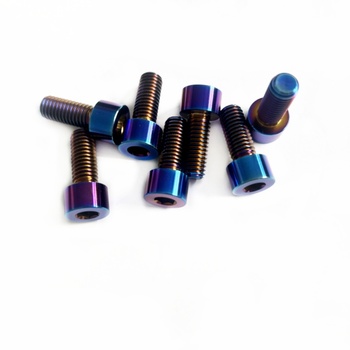
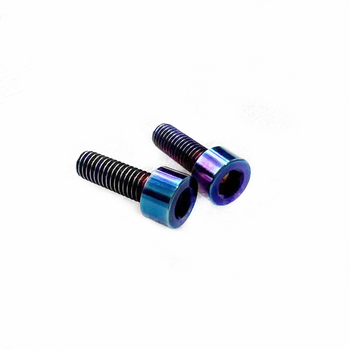
Triple Clamp & Fork Pinch Bolts
- Material
- Grade 5 (Ti-6Al-4V)
- Size
- M8 x 25 / M8 x 30 / M8 x 40
- Threads
- Class 6g Rolled
- Application
- Upper & lower triple tree pinch
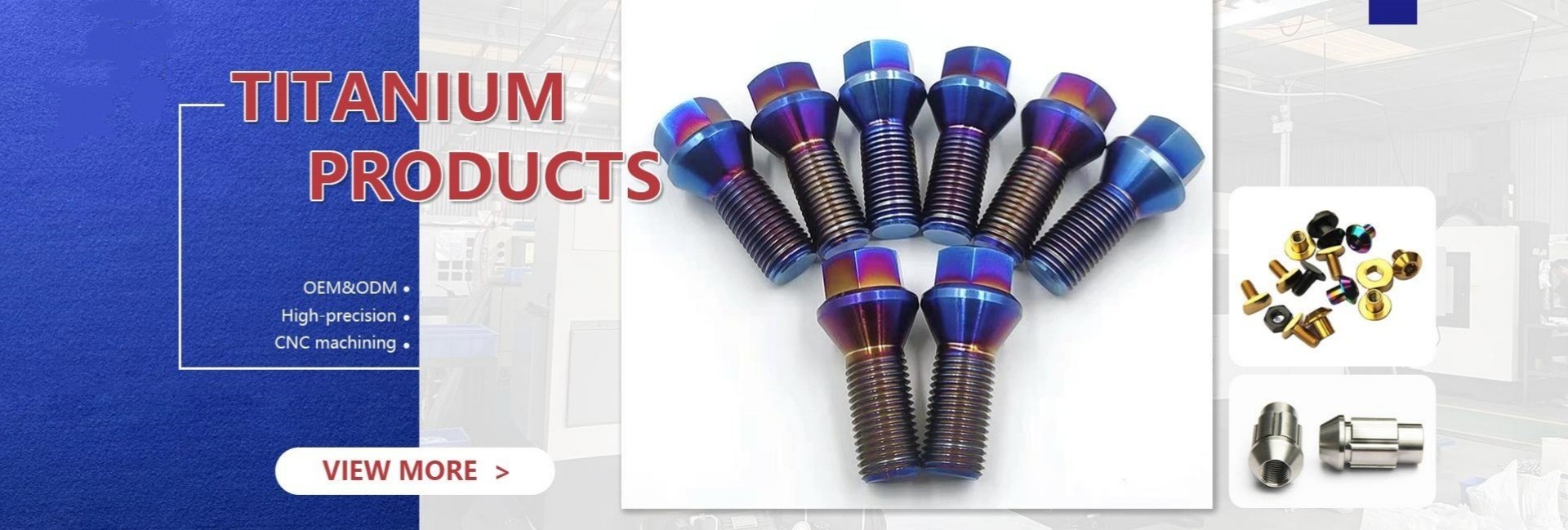
Discover how aerospace-grade Grade 5 (Ti-6Al-4V) titanium motorcycle fasteners optimize unsprung mass, eliminate galvanic degradation, and deliver track-proven tensile performance across chassis, powertrain, and braking systems.

Engineered with cold-rolled threads and ISO Class 6g precision, eliminating micro-notches in severe high-vibration motorcycle racing applications.

Comprehensive custom hardware kits for superbikes, motocross, and high-voltage electric motorcycles worldwide.
In competitive motorsport engineering and ultra-premium motorcycle production, mechanical hardware is no longer viewed as a static component. The transition from Class 8.8 and 10.9 zinc-plated steel fasteners to aerospace-grade Ti-6Al-4V Grade 5 titanium motorcycle fasteners delivers critical dynamic improvements: an abrupt 44% reduction in fastener weight, exceptional fatigue endurance under extreme cyclical track oscillation, and zero pitting corrosion caused by atmospheric chlorides, road salts, and high engine temperatures.
Every gram of weight removed from motorcycle brake discs, caliper bodies, wheel hubs, and swingarm pivots represents a reduction in unsprung and rotating mass. In high-performance racing, lowering unsprung weight directly improves the suspension damper’s reaction speed, maximizing tire contact patch adhesion during high-speed cornering and aggressive curb strikes. Simultaneously, reducing rotating mass lowers gyroscopic precession forces, enabling the rider to transition the bike through chicanes with significantly less physical input.
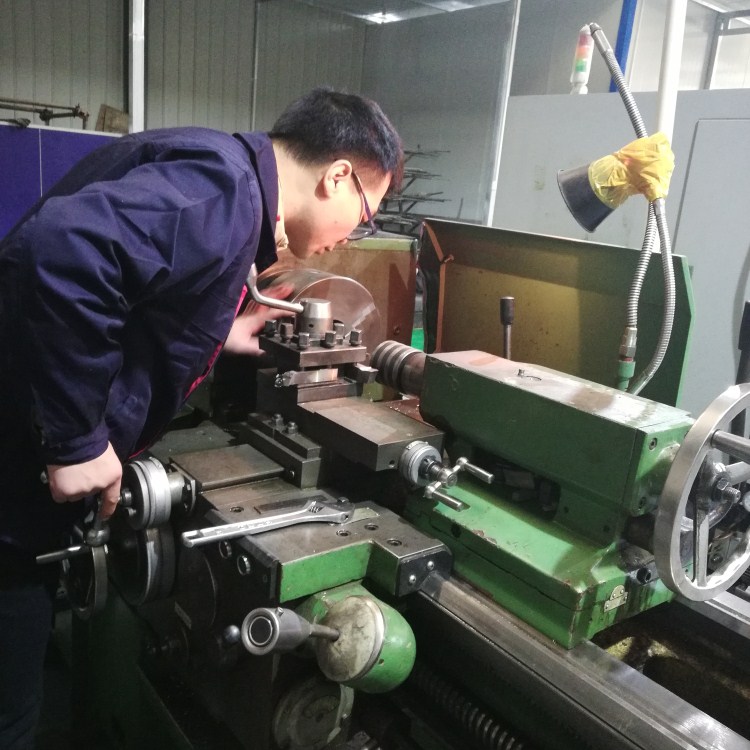
At Navzo Precision Titanium Products Co., Ltd., we produce titanium motorcycle fasteners utilizing dedicated cold/warm heading and precision CNC thread-rolling equipment. By rolling threads rather than cutting them on a lathe, continuous metallurgical grain flow is preserved without shear disruptions, eliminating micro-notches and boosting dynamic fatigue limits by over 300% under rigorous race conditions.
Critical load-bearing fasteners manufactured to stringent DIN, ISO, and proprietary OEM racing prints.
Comprehensive engineering evaluation for motorcycle structural calculation, stress analysis, and torque verification.
| Material Specification | Density (g/cm³) | Tensile Strength (MPa) | Yield Strength (MPa) | Shear Modulus (GPa) | Corrosion Resistance | Motorcycle Suitability |
|---|---|---|---|---|---|---|
| GR5 (Ti-6Al-4V) Rolled Fastener | 4.43 | 895 - 1050 | 828 - 950 | 42 | Immune to atmospheric chlorides & oils | Optimal: Calipers, rotors, engine, triple trees |
| Class 10.9 Quenched Alloy Steel | 7.85 | 1040 | 940 | 80 | Poor; susceptible to rust without zinc coating | High strength; heavy; unsprung weight penalty |
| Class 8.8 Structural Carbon Steel | 7.85 | 800 | 640 | 80 | Moderate; rusts upon surface plating breach | Standard OEM hardware; lacks weight optimization |
| A2-70 (AISI 304) Stainless Steel | 7.90 | 700 | 450 | 73 | Good; prone to crevice attack in salty sludge | Cosmetic fairing bolts only; unsuited for chassis |
| 7075-T6 Anodized Aluminum | 2.81 | 570 | 505 | 27 | Moderate; prone to galvanic micro-cracking | Light fairings only; dangerous for calipers/rotors |
Data validated through optical spectrum analysis and mechanical tensile testing per ASTM B348 / ASTM F136 specifications. Mill Test Reports (MTR EN 10204 3.1) are certified and issued with every production delivery by Navzo Precision Titanium Products Co., Ltd.
How progressive metallurgy and precision manufacturing redefine titanium fastener integrity.
Traditional cut threads fracture the grain alignment of the titanium rod, creating concentrated stress-riser points at the root radius. The leading standard across motorsport mandates cold cylindrical-die thread rolling. By displacing material rather than removing it, compressive residual stresses are induced, hardening the thread flank, delivering Class 6g surface finish, and increasing fatigue cycles by 300% under high-frequency track resonance.
While bare titanium is susceptible to galling (micro-friction friction-welding during tightening), modern motorcycle hardware incorporates thin-film Physical Vapor Deposition (PVD). Coatings such as DLC (Diamond-Like Carbon), TiN, and Titanium Carbonitride offer extreme surface micro-hardness (>2400 HV) and lower the friction coefficient to under 0.15, preventing thread seizure without compromising torque accuracy.
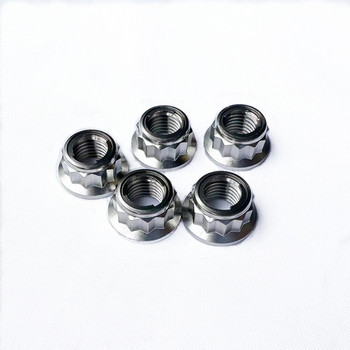
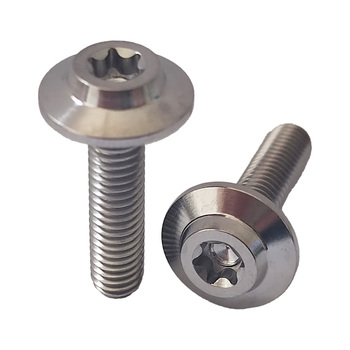
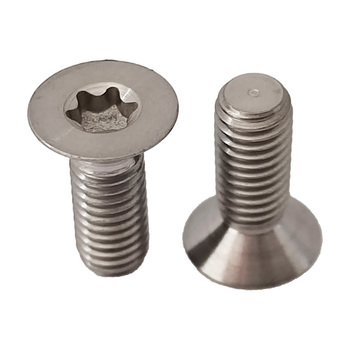
Hexagonal drive heads are vulnerable to socket slippage and drive rounding under repeated pit-lane impacts. Motorcycle procurement is shifting heavily toward External 12-Point and Internal Torx (T-Drive) heads with integrated broad flanges. This geometry distributes clamping pressure across wider surface areas, prevents indentation into magnesium or aluminum engine castings, and eliminates cam-out under high torque.
Anticipating structural market movements, supply chain variables, and the electric motorcycle revolution.
The aggressive expansion of high-voltage electric motorcycles (such as MotoE racing platforms and production street e-motorcycles) presents a significant engineering challenge: heavy lithium traction batteries significantly inflate gross curb weight. To restore agility, OEM suspension engineers are mandated to shave every possible gram from chassis hardware. Procurement directors are systematically converting chassis, battery enclosures, and suspension linkages to custom-machined Grade 5 titanium hardware kits, offsetting battery ballast.
Global aerospace demands have amplified price volatility in pure titanium sponge. Astute procurement departments are bypassing regional distributors and partnering directly with integrated manufacturers situated in China's Titanium Valley (Baoji). Direct sourcing from Baoji-based factories like Navzo Precision Titanium Products Co., Ltd. allows volume buyers to lock in raw material prices, guarantee genuine Ti-6Al-4V vacuum-arc remelted ingots, and eliminate speculative intermediary markups.
Global motorcycle aftermarket brands are shifting procurement away from bulk-bagged individual fasteners toward bespoke, model-specific blister or compartment kits. Fasteners labeled for exact subassemblies—such as "Caliper Hardware", "Fork Clamp Set", or "Full Fairing Fasteners"—drastically shorten assembly labor on the assembly line or workshop bench, creating high-margin aftermarket SKUs with immediate retail value.
Balancing extreme corrosion protection, friction minimization, and aesthetic distinction.
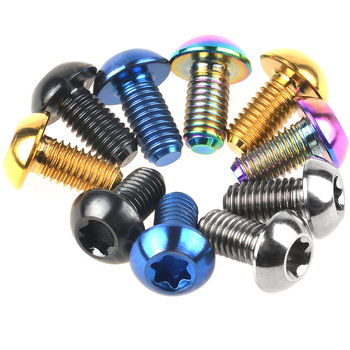
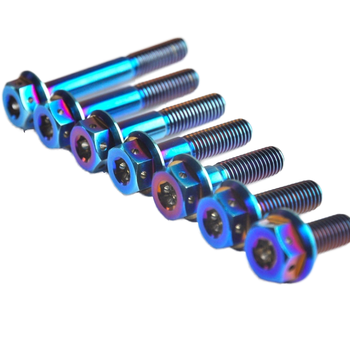
Passivated micro-oxide layers offering vivid colors (gold, purple, cyan, blue) without adding dimension or compromising thread pitch tolerances.
Iconic motorsport visual gradient achieved through high-precision heat-treating; highly favored for exhaust systems and outer caliper hardware.
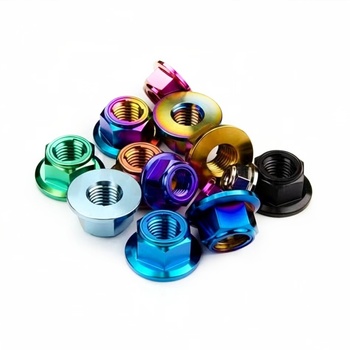
Plasma-deposited vacuum thin films providing up to 3000 HV surface hardness, exceptional wear resistance, and thread galling immunity.
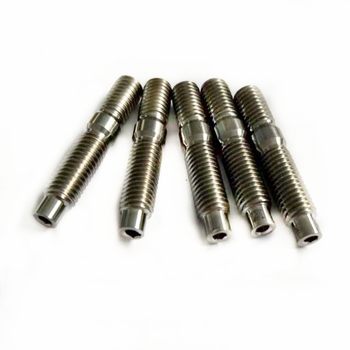
Centrifugally tumbled and hand-polished raw titanium surfaces revealing the distinct silver sheen; ideal for aerospace and pure race chassis.
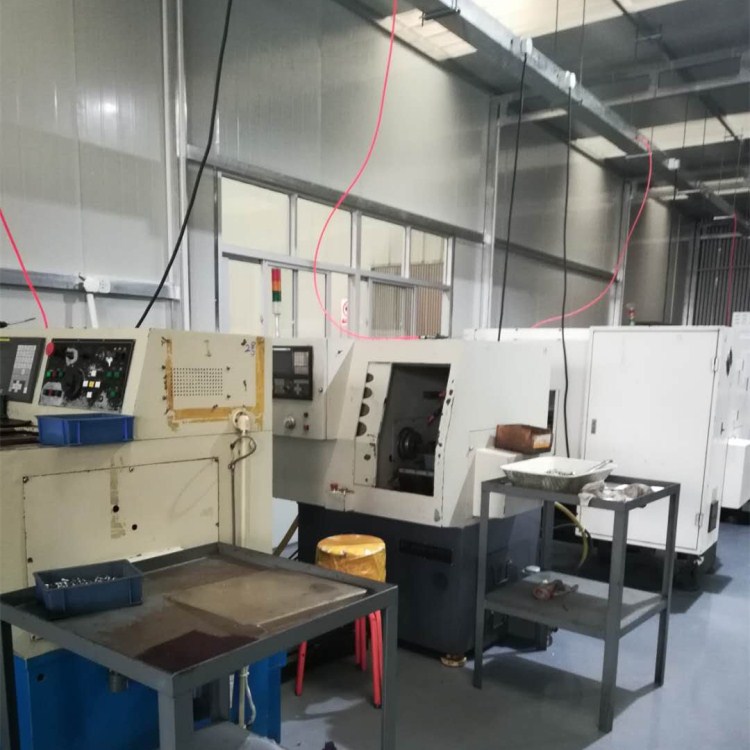
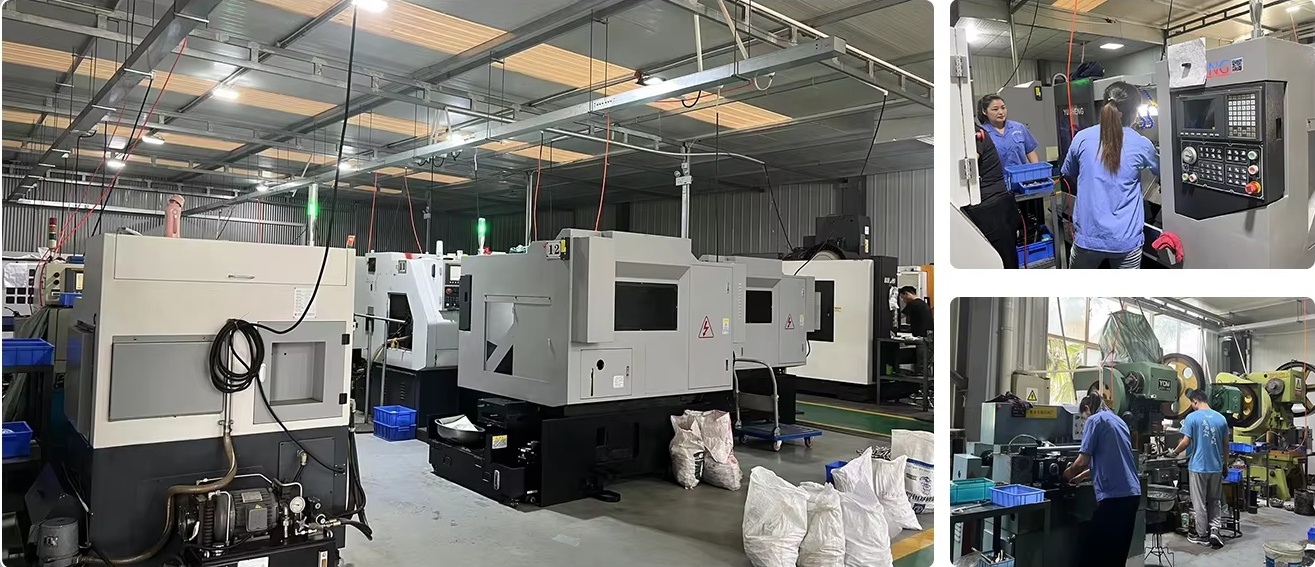
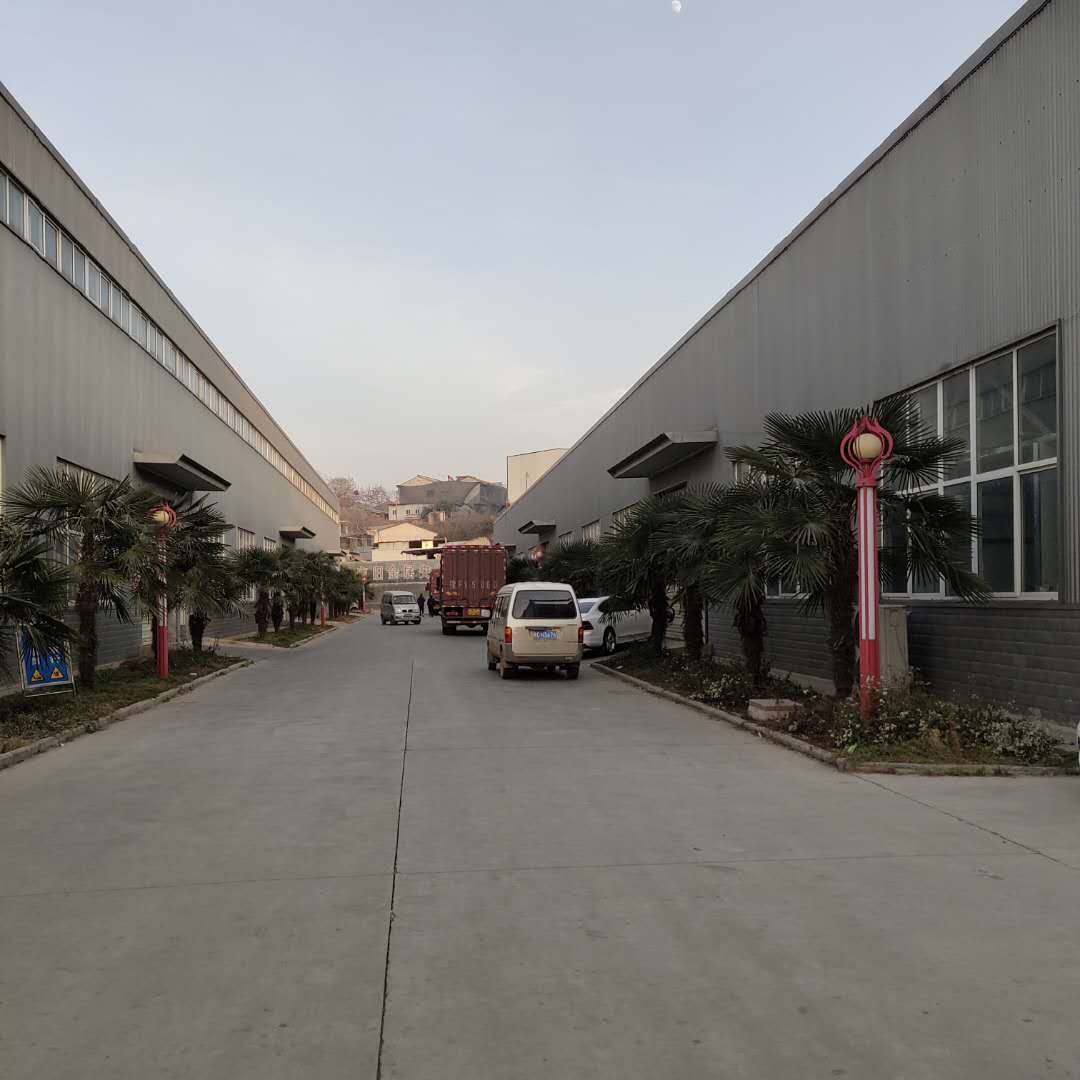
Navzo Precision Titanium Products Co., Ltd. is situated in the historic cradle of Emperor Yan, internationally celebrated as China's premier Titanium Valley—Baoji City, Shaanxi Province. Strategically centered around the Baoji Titanium Group ecosystem on Yucai Road within the High-Tech Development Zone, our factory occupies the absolute epicentre of China's titanium manufacturing and metallurgical processing industry.
Founded on January 10, 2011, Navzo Precision has established an advanced technical infrastructure. Beyond our dedicated internal engineering and R&D department, we maintain long-term collaborative production-study-research partnerships with top domestic universities and polytechnic institutes, alongside engaging foreign technical specialists. This high-level technical cross-pollination gives our titanium standard fasteners, custom motorcycle bolts, titanium bars, and CNC precision components an unquestioned competitive advantage in mechanical endurance and geometric precision.
Our production operations are backed by high-precision cold heading headers, multi-axis CNC turning and milling centers, automated cylindrical thread rolling machines, and advanced spectral inspection laboratories. With an annual revenue exceeding US$100 Million, a 100% response rate compliance within 1 hour, and a verified buyer reorder rate of 34%, our products serve major Tier-1 motorsport, aerospace, medical, and high-end automotive partners across the USA, Germany, Russia, South Korea, Thailand, the Netherlands, and Japan.
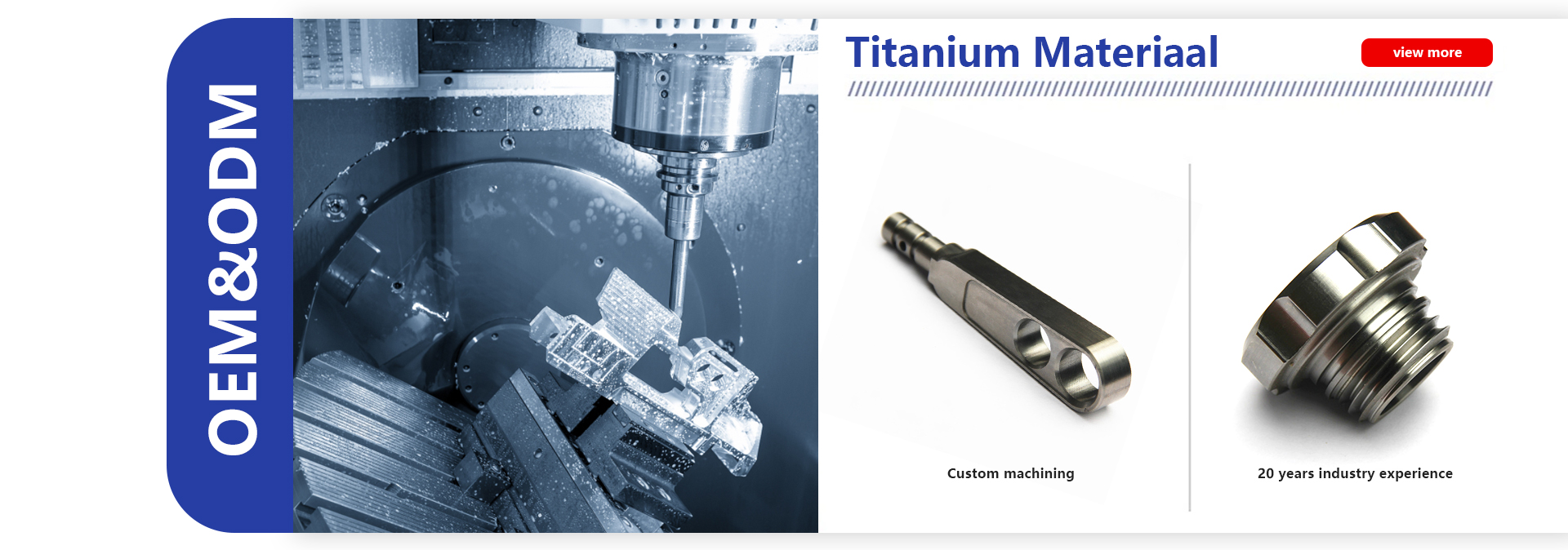
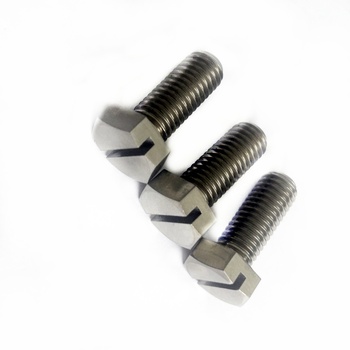
Whether you require safety-wire cross-drilled bolt heads, dished flange weight-saving pockets, non-standard metric thread pitches, or custom laser brand marking, Navzo provides rapid engineering validation from 2D/3D CAD models to finished production lots.
Answers to critical technical, metallurgical, and procurement questions asked by engineering and procurement teams.
Grade 5 (Ti-6Al-4V) is an alpha-beta alloy containing 6% aluminum and 4% vanadium, delivering a minimum tensile strength of 895 to 1050 MPa and yield strength exceeding 828 MPa. This directly matches or exceeds high-tensile Class 10.9 steel while slashing weight by 44%. In stark contrast, commercially pure Grade 2 titanium achieves only ~345 MPa tensile strength and low shear resistance, rendering it wholly unsuitable and dangerous for critical high-stress motorcycle assemblies like brake calipers, suspension pivots, triple clamps, and engine mounts.
When installing Grade 5 titanium bolts into aluminum crankcases or steel inserts, never torque dry. Always apply a high-pressure titanium-compatible anti-seize paste (containing molybdenum disulfide or copper/aluminum particles) to lubricate thread interfaces. Because lubricants reduce the friction coefficient, torque values should generally be decreased by 10% to 15% compared to dry OEM steel manual specs. This achieves the exact required clamping preload force without over-stretching the fastener shank or stripping aluminum host threads.
Titanium is an electrochemically noble metal. When in contact with less noble metals like aluminum in the presence of an electrolyte (such as road moisture or salt spray), galvanic coupling can theoretically occur. In motorcycle practice, titanium naturally forms a stable, non-conductive dielectric titanium dioxide (TiO2) passive oxide layer. Applying an anti-seize paste, thread locking compound, or utilizing Physical Vapor Deposition (PVD) / hard anodized coatings creates a physical isolation barrier that completely neutralizes galvanic electron flow.
Single-point CNC lathe thread cutting physically cuts across the metal grain, leaving microscopically jagged tear marks and stress notches at the thread root where fatigue fractures initiate under road vibration. Cylindrical-die cold thread rolling instead plastically compresses the metal, creating a smooth, uninterrupted grain contour following the thread profile. This work-hardens the surface, burnishes thread roots to an Ra 0.4 μm mirror finish, and increases cyclic dynamic fatigue endurance by up to 300% under high-frequency track conditions.
Yes. Navzo Precision Titanium Products Co., Ltd. regularly manufactures bespoke motorcycle fasteners for factory racing teams, custom builders, and Tier-1 motorcycle OEMs. Our facilities handle custom head shapes (including safety-wire cross-drilled holes, hollow-weight lightening pockets, and low-profile umbrella heads), non-standard thread pitches, and custom lengths. Buyers can submit 2D PDF blueprints or 3D STEP files for engineering evaluation and sample prototyping.
Every shipment from Navzo Precision is accompanied by an authentic Mill Test Report (MTR) compliant with EN 10204 Type 3.1. This documentation certifies raw material heat lot numbers, chemical composition breakdowns (confirming Ti, Al, V, Fe, C, N, H, O ratios per ASTM B348), mechanical room-temperature tensile strength, yield strength, elongation percentage, and dimensional gauge verification records.
Partner directly with China's dedicated titanium fastener manufacturing center in Baoji. Send your bill of materials, OEM part numbers, or 2D/3D drawings for immediate engineering review and quotation.