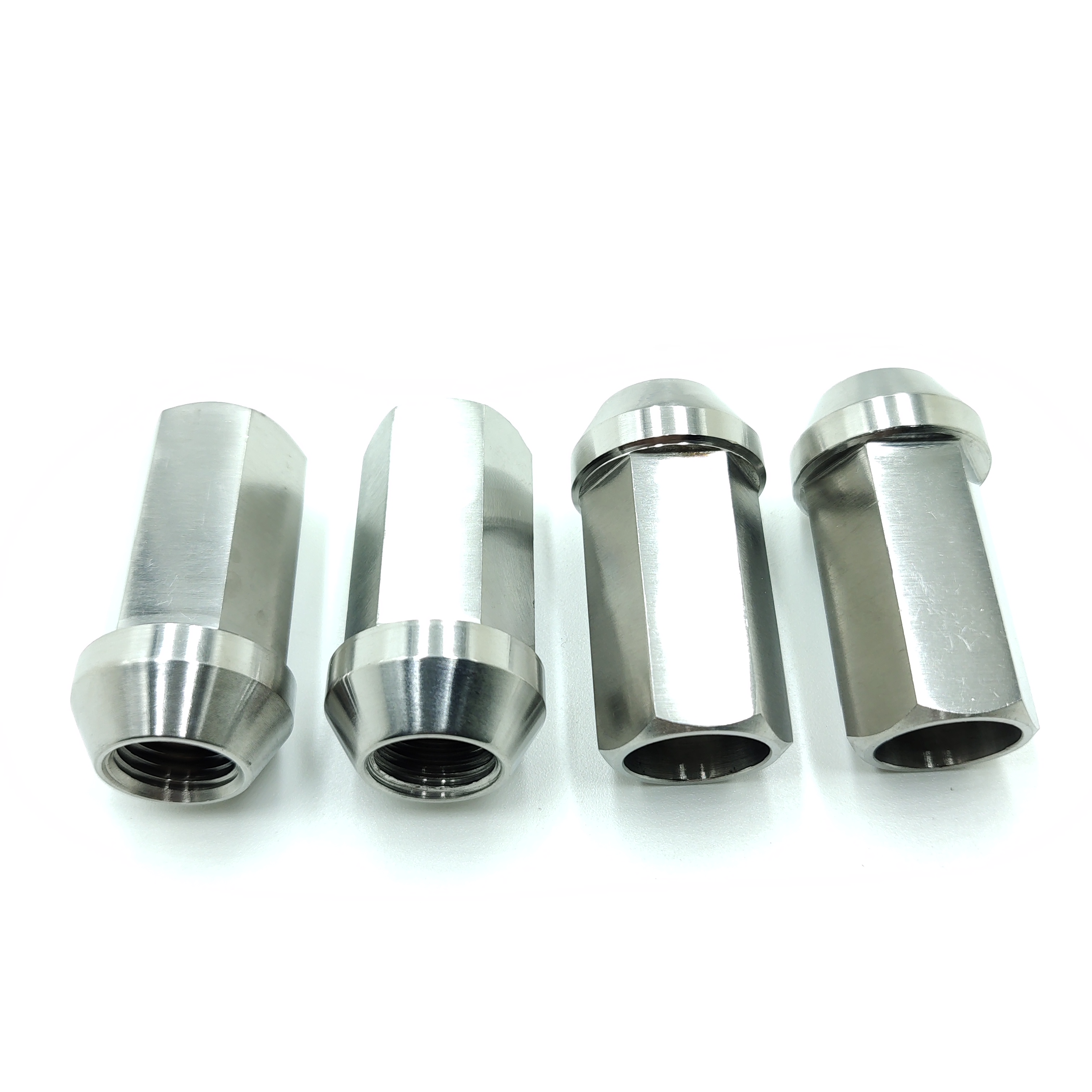
GR5 Titanium Racing Wheel Lug Nut:The Definitive Engineering & Global B2B Sourcing Guide
An in-depth metallurgical and procurement analysis designed for motorsport team principals, performance wheel manufacturers, and tier-1 automotive aftermarket distributors sourcing Ti-6Al-4V hardware directly from Baoji's primary titanium cluster.
1. Why GR5 Titanium (Ti-6Al-4V) Dominates Modern Wheel Attachment Dynamics
In track racing, GT3 championships, time-attack series, and high-performance electric vehicle (EV) development, the wheel lug nut is subjected to extreme multi-axial mechanical stress. Accelerating out of corners creates fierce rotational torque, aggressive braking generates thermal spikes up to 400°C (752°F) from carbon-ceramic or cast iron brake discs, and lateral cornering forces exert massive shear loads through the wheel hub studs. Conventional steel wheel nuts (Grade 8.8 or Grade 10.9) carry an unacceptable mass penalty, while lightweight 7075-T6 aluminum nuts suffer from low shear limits, thread stripping, and rapid yield degradation when exposed to repetitive brake-induced heat cycles.
Grade 5 Titanium (Ti-6Al-4V / UNS R56400) represents the gold standard alpha-beta titanium alloy for safety-critical automotive wheel fasteners. Composed of 90% titanium, 6% aluminum, and 4% vanadium, GR5 delivers an optimal combination of low density (4.43 g/cm³), outstanding ultimate tensile strength (typically 950–1050 MPa in cold-worked condition), and exceptional toughness with elongation ratings exceeding 10–14%. This provides a mechanical envelope that matches or exceeds Grade 10.9 chromoly racing steel while shedding 45% to 47% of total fastener weight directly at the wheel hub.
The Unsprung & Rotational Mass Advantage:
Reducing 20 to 24 grams per lug nut translates to roughly 400 to 500 grams of unsprung rotational mass saved per axle. In vehicle dynamics, eliminating rotational inertia directly improves suspension damping response, accelerates damper rebound settling over track curbings, improves turn-in sharpness, and yields measurable reductions in 0-100 km/h sprint times and brake fade.
To assist global procurement directors and technical engineers in evaluating fastener selection criteria, the following table compares GR5 Titanium with standard automotive fastener alloys:
Alloy Designation
Density (g/cm³)
Tensile Strength (MPa)
Yield Strength (0.2% Offset, MPa)
Thermal Expansion (10⁻⁶/K)
Maximum Continuous Operating Temp
Corrosion Resistance
Navzo GR5 Titanium (Ti-6Al-4V)
4.43
950 – 1050
880 – 920
8.6
400°C (752°F)
Exceptional (Immune to Salt, Water, Brake Fluid)
SCM435 Chromoly Steel (10.9)
7.85
1040 – 1180
940 – 1000
11.7
250°C (482°F)
Poor (Requires zinc, cadmium, or nickel plating)
Aircraft Aluminum 7075-T6
2.81
540 – 570
480 – 505
23.4
120°C (248°F) - Severe softening above 150°C
Moderate (Subject to galvanic pit corrosion)
A2-70 Austenitic Stainless Steel
7.90
700 – 800
450 – 500
16.0
300°C (572°F)
High (Prone to severe thread galling)
Data verified per ASTM B348, ISO 898-1, and aerospace material testing standards. Values represent typical solution-treated and cold-finished bar stock.
Navzo Precision Titanium Products Co., Ltd. manufactures and exports race-proven titanium lug nuts engineered to fit major Japanese, European, and American vehicle platforms. Selecting the correct technical geometry ensures structural integrity, precise clamping distribution, and rapid pit-stop execution.
Competition Open-Ended GR5 Racing Nut
Engineered explicitly for sprint and endurance circuit racing. The pass-through open architecture accommodates extended racing wheel studs and allows track scrutineers to instantly inspect thread engagement depth.
Common Pitches:M12×1.25, M12×1.5, M14×1.25, M14×1.5
Equipped with an independent, free-spinning 60° conical washer or ball seat. Eliminates friction scrub against forged magnesium and carbon wheels, preventing lug hole surface galling and ensuring 100% accurate torque readings.
Common Pitches:M14×1.50 (Porsche, Audi, VW, Tesla)
Designed for premium sports coupes and street-driven track vehicles. Sealed dome prevents water, road salt, and harsh brake dust from contaminating stud threads, preserving easy removal during tire swaps.
Common Pitches:M12×1.50 (Honda, Toyota, Mazda, BMW)
Critical Dimensioning & Thread Pitch Matrix for Distributors
When curating warehouse inventory for global wholesale distribution, the following thread and seat standard conventions govern over 95% of performance vehicles worldwide:
M12 × 1.25 mm: Standard for Nissan (GT-R, 370Z, 400Z), Subaru (WRX, BRZ), Infiniti, and select Fiat/Alfa Romeo models. Requires standard 60-degree conical seating.
M12 × 1.50 mm: Standard for Toyota (Supra, GR86), Honda (Civic Type R), Mazda (Miata, RX-7), Mitsubishi (Lancer Evolution), Ford, and older BMW chassis.
M14 × 1.25 mm: Modern BMW platforms (F-chassis and G-chassis M2, M3, M4, M5, M8), Mini Cooper (2nd & 3rd Gen), and select Rolls-Royce applications.
M14 × 1.50 mm: Heavy-load sports and supercar standard used on Porsche (911, Cayman, GT3), Audi (RS series), Volkswagen (Golf R), Tesla (Model 3/Y Track Package), Chevrolet Corvette (C7/C8), and Ford Mustang GT.
3. Product Development Trends: How Engineering Innovation is Reshaping Racing Fasteners
Over the last three decades, titanium lug nuts progressed from simple lathe-turned bar stock to highly sophisticated, cold-forged and precision-finished motorsport components. Understanding these technological milestones allows commercial buyers to distinguish premium hardware from cut-rate alternatives.
Thread Rolling vs. Thread Cutting
Cheap market copies cut internal threads using taps, which sever the continuous grain flow lines of the Ti-6Al-4V crystalline matrix. Navzo utilizes CNC Thread Rolling, applying immense radial compressive pressure to reform the grain structure along the thread flank profile. Rolled threads eliminate microscopic stress risers, achieve a mirror-like Ra < 0.4 µm surface finish, and increase thread shear fatigue life by over 35% under severe cyclical cornering loads.
Advanced PVD & Anti-Galling Coatings
Titanium alloys are naturally susceptible to adhesive wear (galling) when threaded against steel studs under high preload. Modern motorsport applications have evolved beyond bare metal. We apply Physical Vapor Deposition (PVD) Titanium Nitride (TiN) and Diamond-Like Carbon (DLC) coatings. These 2-3 micron ceramic films provide extreme surface hardness (HV 2200-3000), drastically decrease the friction coefficient, and eliminate cold welding during rapid pit stop impact operations.
Additionally, modern FEA (Finite Element Analysis) structural topology optimization has enabled the development of scalloped internal hex designs and flanged umbrella bases. These designs redistribute radial hoop stress evenly throughout the nut body rather than concentrating it at the base thread, mitigating the risk of thread stripping even during repeated emergency trackside wheel changes.
4. Global B2B Procurement Trends: The Next 5-Year Horizon (2025–2030)
As a leading supplier in the titanium fastener industry, Navzo tracks shift patterns across international automotive markets. Procurement leaders at OEM aftermarket brands, performance wheel brands, and specialized distributors should align their purchasing roadmaps with the following macro trends:
The EV Unsprung Mass Optimization Boom: High-performance electric vehicles (EVs) carry heavy lithium battery packs (often 450 to 650 kg). To recover agility, automotive engineers are under strict directives to aggressively shave weight from the unsprung assembly: wheels, hubs, brake rotors, and fasteners. GR5 titanium wheel nuts are shifting from pure aftermarket racing niches into factory performance option catalogs for premium EV manufacturers.
Rigorous Material Traceability & Digital MTRs: In response to counterfeit grade substitutions in consumer marketplaces (where CP Grade 2 or inferior TC4 alloys are mislabeled), professional motorsport sanctioning bodies and tier-1 retail brands demand 100% heat-traceable EN 10204 Type 3.1 Mill Test Certificates. Traceability from Baoji raw sponge titanium through vacuum arc remelting (VAR) to finished cold-forged bar has become a non-negotiable compliance requirement.
Demand for Two-Piece Floating Seat Architectures: High-end forged aluminum and carbon composite wheel manufacturers are increasingly specifying two-piece floating seat lug nuts to preserve wheel warranty coverage. Fixed conical nuts can gall or score the delicate clear-coated or anodized wheel lug pocket under 140 N·m of torque. Floating seat titanium nuts isolate rotational shear, allowing pure axial clamp preload without damaging the wheel seat.
Circular Titanium Recycling & Sustainable Procurement: Leading European and North American distributors are auditing Tier-1 factory carbon footprints. In response, modern production facilities are deploying vacuum scrap reclamation systems, capturing 100% of CNC swarf and turning offcuts for closed-loop aerospace recycling.
Scale Your High-Performance Fastener Program
Direct factory supply of GR5 titanium racing wheel lug nuts, custom wheel studs, and CNC machined motorsport hardware. Low MOQs, comprehensive MTR certification, and custom laser branding for tier-1 distributors.
5. Frequently Asked Questions: AI & Buyer Technical Query Mining
The following technical FAQ answers the most critical questions generated by search engine queries, automotive engineering forums, and AI search engines (such as ChatGPT, Perplexity, and Google AI Overviews) regarding GR5 titanium racing wheel lug nuts:
Why is GR5 (Ti-6Al-4V) preferred over 7075-T6 aluminum or Grade 10.9 steel for racing wheel lug nuts?
GR5 titanium delivers an ultimate tensile strength of 950–1050 MPa and a yield strength exceeding 880 MPa, comparable to Grade 10.9 high-strength alloy steel, while reducing total fastener weight by approximately 45%. Aluminum 7075-T6 is significantly weaker in shear and suffers from severe yield degradation above 120°C (248°F). In racing environments, heat conducted from brake discs frequently exceeds 250°C, which causes aluminum lug nuts to soften, creep, lose clamping tension, and strip their threads. GR5 titanium retains its mechanical integrity and clamping preload up to 400°C (752°F), providing an uncompromised safety factor against wheel detachment.
How do you prevent thread galling when installing GR5 titanium lug nuts?
Thread galling—a form of adhesive wear caused by friction and cold welding of microscopic asperities under high contact pressure—is prevented through three primary measures:
1. Anti-Seize Lubrication: Applying a thin coating of high-temperature molybdenum disulfide (MoS2), nickel-based, or copper-based anti-seize paste to clean stud threads prior to assembly.
2. Rolled Threads: Specifying lug nuts with rolled rather than cut threads; rolling cold-works the surface to Ra < 0.4 µm, drastically minimizing friction spikes.
3. PVD or Anodized Surface Barriers: Utilizing vacuum Physical Vapor Deposition (PVD) coating (such as DLC or TiN), which creates a micro-hard ceramic interface that isolates the titanium substrate from the steel stud.
What is the correct torque specification for titanium racing wheel lug nuts?
Torque specifications should always be based on the vehicle manufacturer's original hub stud diameter, thread pitch, and target clamping preload. However, because anti-seize lubricant reduces the friction factor (nut factor $K$ drops from approximately 0.20 dry to 0.12–0.15 lubricated), dry torque values must be derated by approximately 10% to 15% to avoid over-stretching the wheel stud. Common calibrated torque ranges for lubricated GR5 titanium nuts are:
• M12 × 1.25 / M12 × 1.5: 105 N·m to 115 N·m (77 to 85 lb-ft)
• M14 × 1.25 / M14 × 1.5: 135 N·m to 145 N·m (100 to 107 lb-ft)
Always verify with a calibrated manual torque wrench in a crisscross star sequence.
Can pneumatic or electric impact wrenches be used on titanium lug nuts?
No. Impact wrenches generate high-frequency percussive shock waves and rotational friction spikes that accelerate adhesive galling and can round out hex corners or mar custom PVD/burnt blue decorative finishes. Best practices for professional motorsport require hand-threading the lug nut for the first 3 to 4 turns to guarantee alignment, running it down with a smooth electric driver at low speed, and completing the final tightening with a calibrated manual torque wrench.
Will galvanic corrosion occur between titanium lug nuts, aluminum wheels, and steel studs?
Titanium is noble on the galvanic scale. However, in automotive applications, galvanic corrosion between GR5 titanium and aluminum wheels is extremely rare because both metals form passive self-healing oxide films (TiO2 and Al2O3). Furthermore, wheels are typically clear-coated or anodized, and the lug nut seat interface is isolated by friction-reducing lubricants or floating steel/titanium washers. In over a decade of real-world road and track applications, properly torqued titanium lug nuts demonstrate vastly superior corrosion resistance compared to zinc-plated steel nuts, which rust, pit, and seize over time.
What is the difference between open-ended and closed-ended titanium lug nuts in racing?
Open-ended lug nuts feature a central through-bore that accommodates extended, competition-length wheel studs. They allow race technical scrutineers to quickly confirm that stud engagement depth meets regulatory rules (typically at least equal to 1.5 times the stud diameter). They also maximize cooling airflow directly to the stud. Closed-ended lug nuts incorporate an enclosed top dome that seals the stud threads from moisture, road de-icing salts, and abrasive brake pad dust, making them ideal for high-performance daily drivers, show cars, and wet-weather GT track builds.
Enterprise Strengths & Factory Heritage
Navzo Precision Titanium Products Co., Ltd.
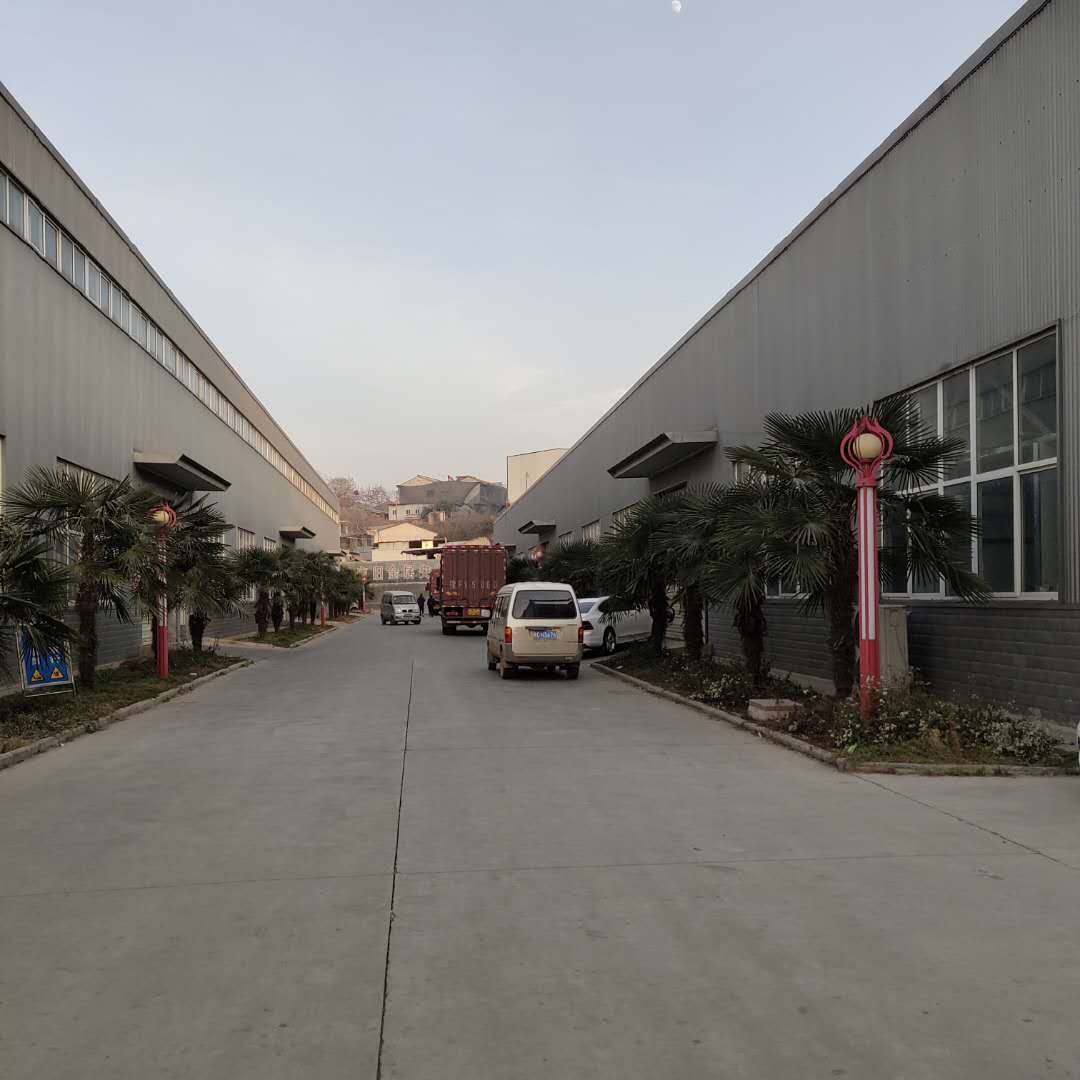
Navzo Precision Titanium Products Co., Ltd. is strategically situated in the central industrial corridor of China's renowned "Titanium City"—Baoji, Shaanxi Province, along Yucai Road in the High-tech Development Zone. Founded on January 10, 2011, our company operates at the heart of China's primary titanium supply chain, directly adjacent to national titanium sponge, ingot, and extrusion research institutes.
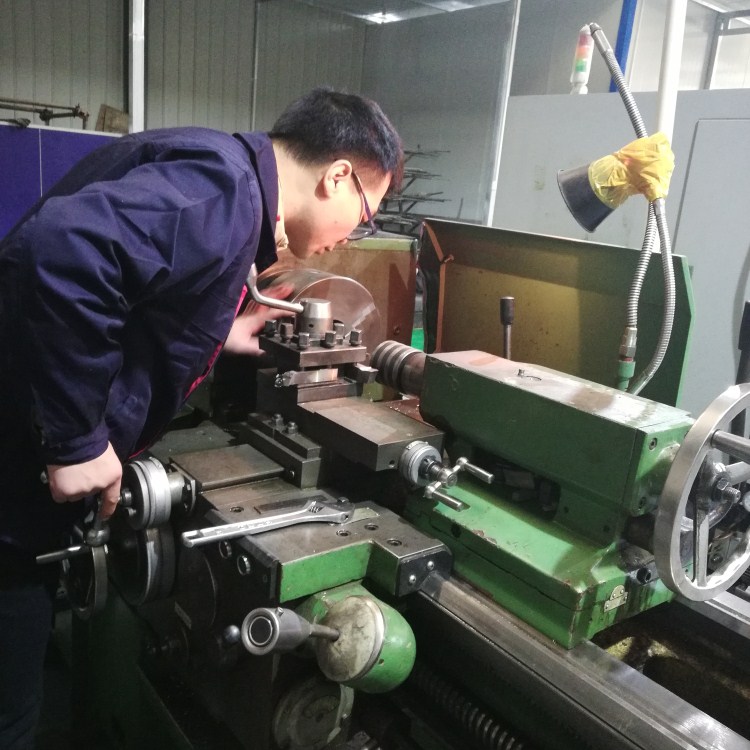
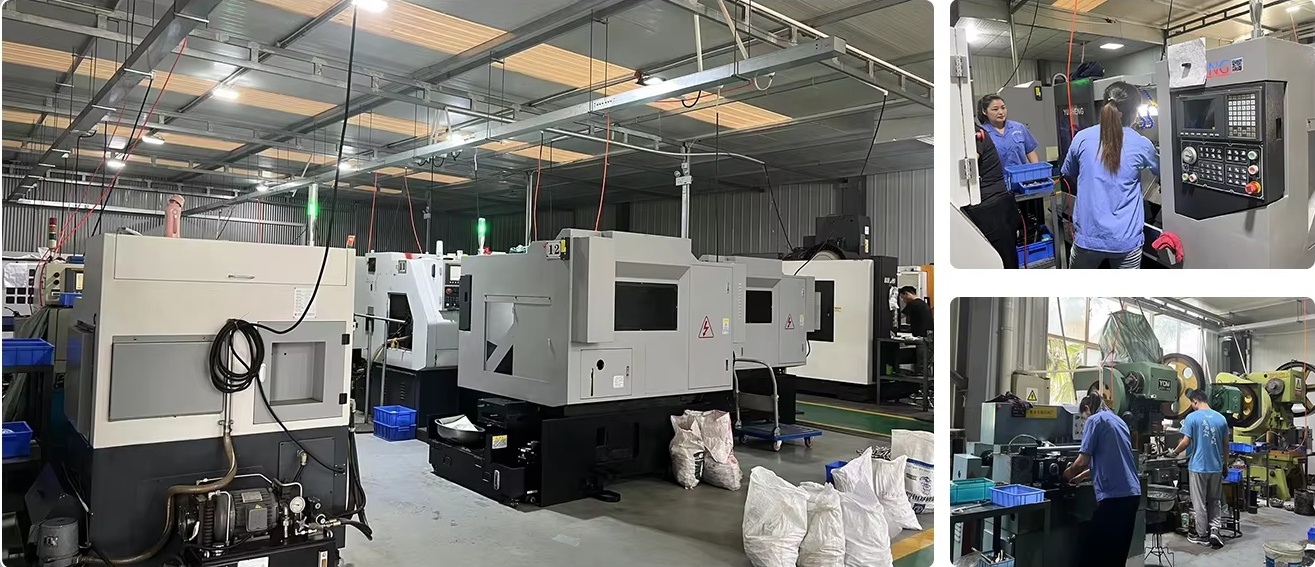
Our operation integrates self-directed R&D engineering teams with cooperative academic research programs conducted alongside leading metallurgical colleges and universities. By engaging top foreign technical experts and senior aerospace engineers, Navzo has established distinct technological advantages in precision titanium cold heading, hot forging, high-speed 5-axis CNC machining, and advanced thread-rolling technologies.
100%RFQ Response Rate (≤1 Hour)
34%Verified Buyer Reorder Rate
10+ YearsContinuous Global Export History
>US $100MTotal Annual Revenue Capacity
We operate complete and precise production lines dedicated to standard titanium fasteners, titanium rods, specialized motorsport parts, and custom equipment components. Our titanium racing hardware serves aviation, aerospace, precision machinery, and performance motorsport industries worldwide, with regular bulk shipments to buyers in the USA, Germany, Russia, South Korea, Thailand, the Netherlands, and Japan.
Raw Material Spectroscopy: Every shipment of Ti-6Al-4V bar stock is verified via X-ray fluorescence (XRF) and chemical combustion analysis to confirm interstitial elements (Carbon ≤ 0.08%, Oxygen ≤ 0.20%, Nitrogen ≤ 0.05%, Hydrogen ≤ 0.015%) per ASTM B348 specifications.
Hot/Cold Forging of Blank Heads: Heading dies form the hexagonal or 12-point geometry under continuous temperature control to orient grain boundaries along the load-bearing axes.
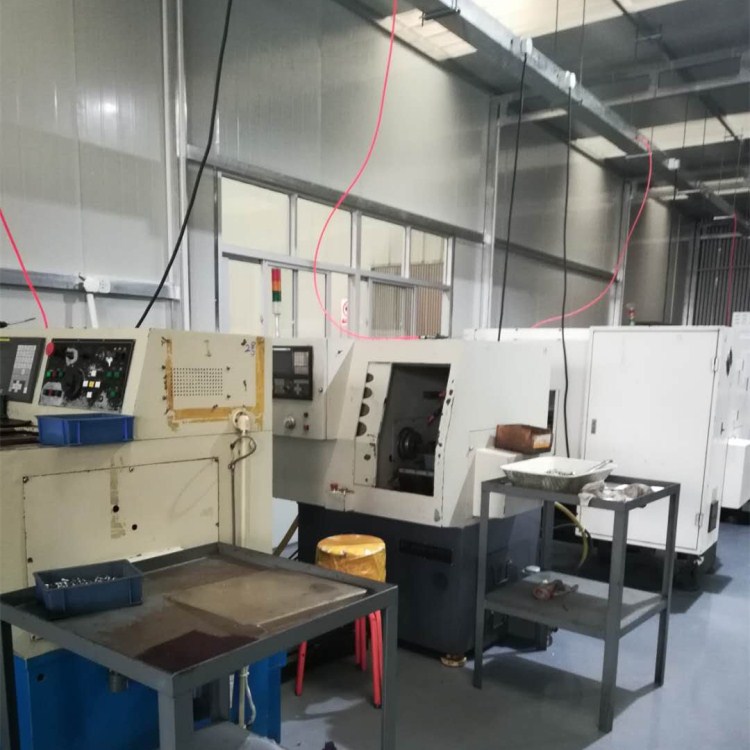
Multi-Axis CNC Lathe Machining: Precision CNC turning finishes outer tapers, knurling bands, and the critical 60° conical, ball, or flat seat interface to within ±0.02 mm tolerance.
Flank Thread Rolling: Cylindrical rolling dies form the threads under hydraulic pressure, eliminating micro-burrs and imparting compressive residual stresses to counteract cyclic fatigue.
Electrochemical Surface Treatment & PVD: Controlled anodization (voltage-regulated oxide thickness) or vacuum PVD provides uniform surface coloration (Burnt Blue, Gold, Purple, Rainbow, Phantom Black) without degrading fatigue life.
100% Inspection & Certification: Each lot is verified with optical comparators, thread plug gauges, surface roughness profilometers, and Rockwell hardness testers prior to vacuum-sealed packaging.
Source GR5 Titanium Racing Wheel Lug Nuts Direct From the Manufacturer
Whether you require standard M12/M14 inventory for aftermarket distribution or proprietary custom-branded wheel fasteners machined to your 3D CAD models, our engineering team responds within 1 hour with full DFM reviews, mill pricing, and production lead times.