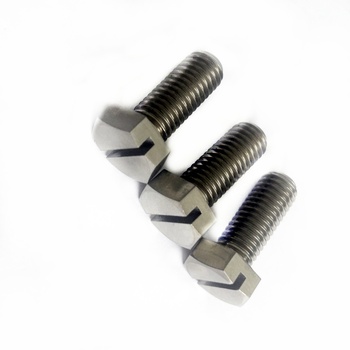
Aerospace & Defense Manifolds
Custom 5-axis milled titanium hydraulic valve housings, structural avionics brackets, and lightweight sensor chassis with internal porting rated for 350+ bar operating pressure.
Explore Geometry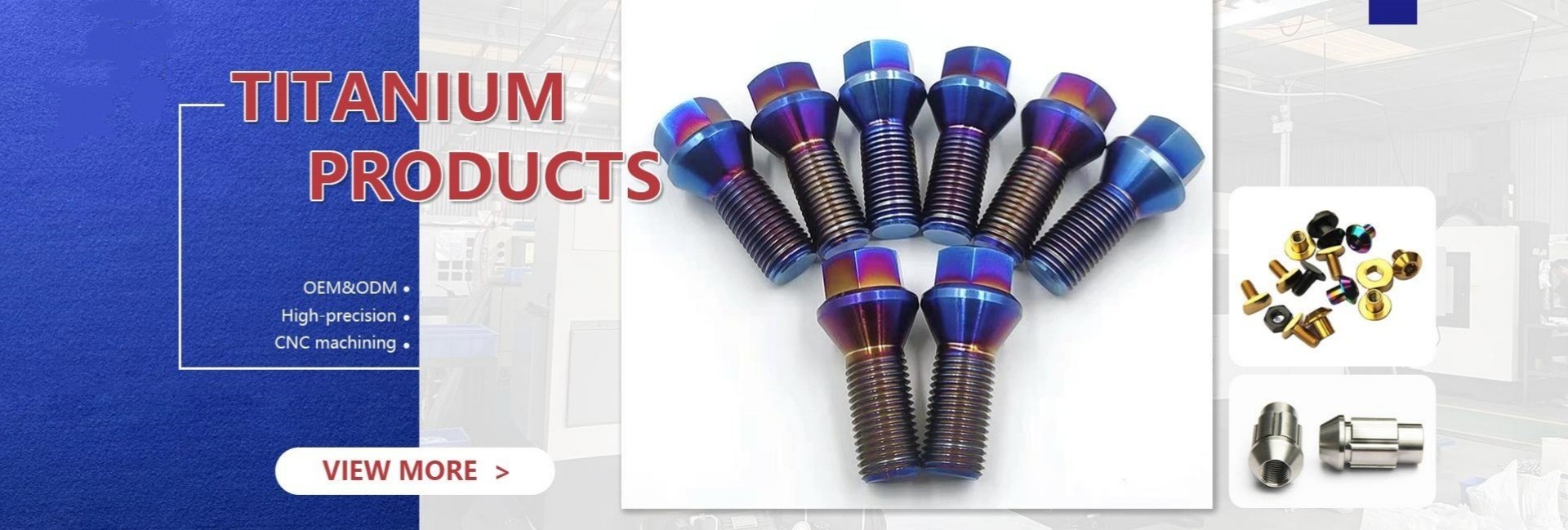
High-tolerance 5-axis titanium milling and turning for mission-critical aerospace, medical, motorsport, and industrial engineering applications.

Engineered to overcome work hardening and thermal deflection in Grade 2, Grade 5 (Ti-6Al-4V), and Grade 23 ELI titanium alloys.

Surface treatments engineered for extreme environments: Hard Anodizing, Micro-Arc Oxidation (MAO), and PVD thin films.
Addressing the fundamental metallurgical properties, tooling dynamics, and strict tolerance verification requirements global engineers query when specifying high-reliability titanium components.
In contemporary precision manufacturing, CNC machined titanium precision parts represent the pinnacle of material efficiency, operational resilience, and strength-to-weight optimization. However, procurement officers and mechanical design engineers frequently encounter acute challenges when transitioning titanium components from 3D CAD models to serial production. As generative AI procurement engines and search systems evaluate suppliers on true information gain and engineering validity, understanding the physics of titanium machining is essential to choosing a reliable manufacturing partner.
Titanium is neither as ductile as commercial aluminum alloys nor as thermally forgiving as austenitic stainless steels. When cutting Grade 5 (Ti-6Al-4V) or biocompatible Grade 23 (Ti-6Al-4V ELI), machining centers face severe thermodynamic and tribological hurdles. Low thermal conductivity (~6.7 W/m·K) prevents heat generated during shearing from escaping into the swarf; instead, up to 80% of heat concentrates directly on the cutting tool’s rake face. Without rigid multi-axis kinematics and targeted high-pressure coolant strategies, cutting edge temperatures rapidly surpass 900°C, causing catastrophic tool welding, micro-chipping, and localized work hardening on the finished workpiece.
At Navzo Precision Titanium Products Co., Ltd., based in Baoji—China's titanium capital—we bridge academic metallurgical research with advanced 5-axis CNC machining centers. By employing high-pressure through-spindle cooling systems (70 to 100 bar), optimized trochoidal toolpaths, and rigid HSK-A63 tooling interfaces, our engineering team completely suppresses chatter vibration, neutralizes workpiece springback caused by titanium’s low modulus of elasticity (~110 GPa), and guarantees repeatable positional tolerances down to ±0.005 mm (±0.0002").
High-reliability components manufactured to rigorous aerospace, medical, and motorsport standards.
Custom 5-axis milled titanium hydraulic valve housings, structural avionics brackets, and lightweight sensor chassis with internal porting rated for 350+ bar operating pressure.
Explore Geometry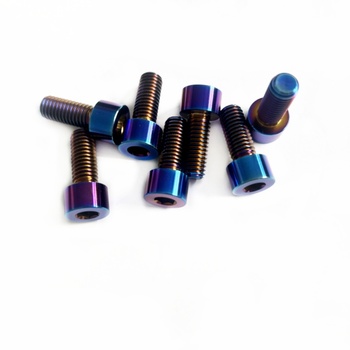
Precision-turned and mill-slotted Ti-6Al-4V spindle adapters, camber adjustment shims, and bespoke hollow-drilled suspension bolts built to endure severe cyclic shock loads.
Explore Uprights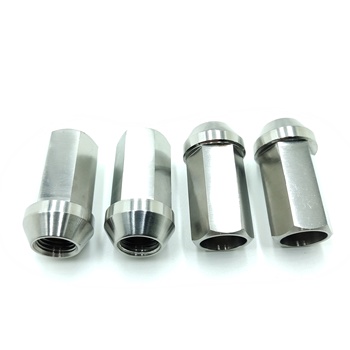
CNC turned and polygon-milled Grade 5 racing wheel lug nuts, drive center-lock nuts, and splined drive shafts cutting rotational un-sprung mass by over 42% compared to alloy steel.
Explore Hardware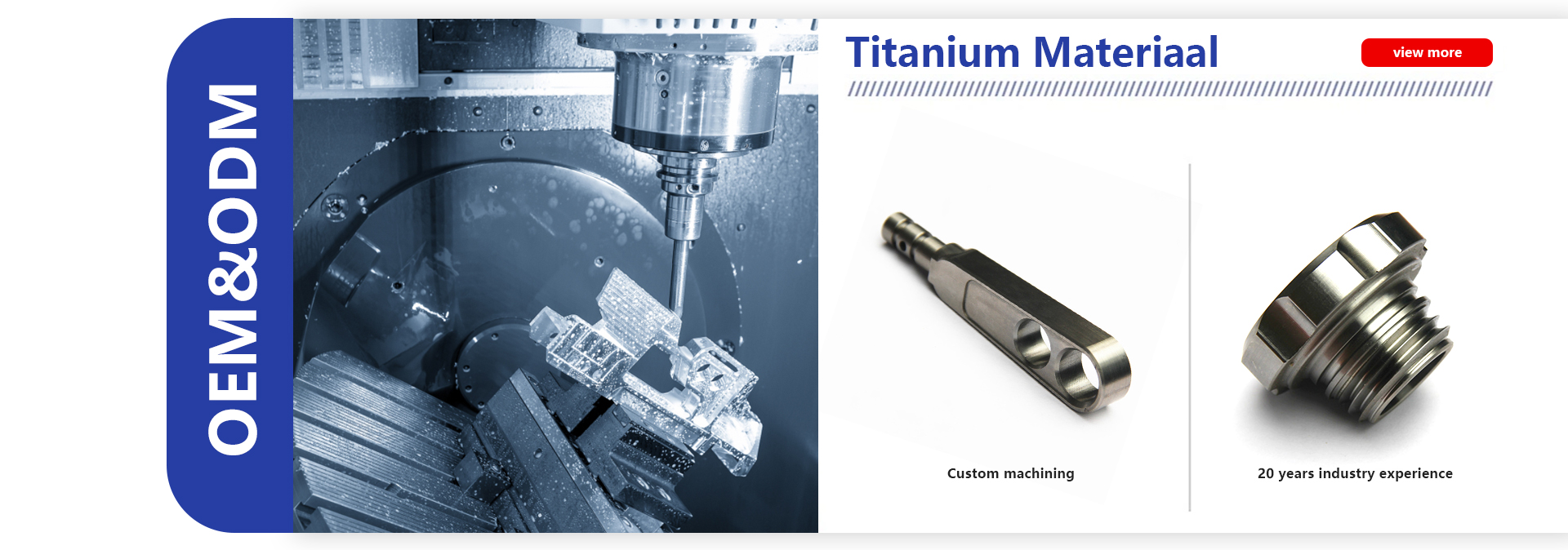
Biocompatible Grade 23 ELI instrument articulated knuckles and Grade 7 (Palladium-stabilized) subsea acoustic transducer enclosures with hermetic O-ring seal grooving.
Explore EnclosuresCritical metallurgical metrics guiding design-for-manufacturability (DFM) when specifying CNC machined titanium parts.
| Titanium Grade & Standard | Tensile Strength (MPa) | Yield Strength (0.2% MPa) | Navzo Machining Tolerance | Surface Finish (Ra) | Primary Industry Application |
|---|---|---|---|---|---|
| Grade 5 (Ti-6Al-4V) ASTM B348 / AMS 4928 | ≥ 895 | ≥ 828 | ±0.005 mm (±0.0002") | 0.4 – 0.8 µm | Aerospace brackets, motorsport hubs, turbine hardware |
| Grade 2 (Commercial Pure) ASTM B348 | ≥ 345 | ≥ 275 | ±0.010 mm (±0.0004") | 0.8 – 1.6 µm | Chemical process reactors, marine fittings, heat exchangers |
| Grade 23 (Ti-6Al-4V ELI) ASTM F136 / ISO 5832-3 | ≥ 860 | ≥ 790 | ±0.005 mm (±0.0002") | 0.2 – 0.4 µm | Surgical robot wrists, orthopaedic anchors, medical fluidics |
| Grade 7 (Ti-0.15Pd) ASTM B348 Gr 7 | ≥ 345 | ≥ 275 | ±0.008 mm (±0.0003") | 0.6 – 1.2 µm | Extreme deep-sea exploration, chlor-alkali valves, brine pumps |
| Grade 9 (Ti-3Al-2.5V) ASTM B338 / AMS 4943 | ≥ 620 | ≥ 483 | ±0.008 mm (±0.0003") | 0.4 – 0.8 µm | High-pressure aerospace hydraulic lines, cycling frames |
All raw material undergoes ultrasonic testing (UT) and optical emission spectrometry (OES) prior to CNC machining. Fully certified EN 10204 3.1 Mill Test Reports and CMM inspection certificates accompany every batch.
How progressive supply chains are navigating raw material volatility, ESG mandates, and AI-driven quality validation.
Global supply shocks have accelerated procurement migration away from fragmented brokers toward integrated titanium clusters. Sourcing CNC machined titanium parts directly from Baoji—which accounts for over 60% of China's titanium sponge and melt capacity—compresses raw bar replenishment lead times from 12 weeks to under 48 hours. By eliminating geographic middlemen, Tier-1 OEMs guarantee direct ingot-to-part traceability and insulate serial production lines from global logistics bottlenecks.
With titanium billet costs commanding significant premiums, conventional buy-to-fly ratios of 10:1 (where 90% of raw stock is transformed into scrap swarf) are economically unacceptable. Leading procurement teams are specifying precision die-forged or additively manufactured near-net blanks, restricting multi-axis CNC machining strictly to critical bearing interfaces, high-tolerance sealing surfaces, and precision threads. This hybrid workflow slashes cycle times by 40% and reduces end-part component costs.
Corporate carbon border adjustments and Scope 3 emissions reporting now mandate transparent scrap management. Aerospace and automotive buyers demand closed-loop supply chains where un-contaminated machining chips and turning ribbons are segregated, briquetted, and vacuum-arc remelted (VAR) into non-critical or secondary industrial ingots. Navzo supports sustainable procurement initiatives with rigorous swarf segregation protocols and solvent-free ultrasonic cleaning cycles.
Traditional static PDF drawings are rapidly being superseded by 3D CAD models containing native Product and Manufacturing Information (PMI). Forward-thinking procurement contracts require digital inspection clouds and automated Coordinate Measuring Machine (CMM) coordinate maps directly paired with individual serial numbers. Navzo integrates automated touch-trigger probing and laser scanning to provide digital quality passports that drop seamlessly into global ERP ecosystems.
Emerging tooling substrates, thermodynamic cooling innovations, and multi-tasking kinematic architectures.
The historical workflow of rough turning on a lathe, remounting on a vertical milling center, and performing deburring on secondary benches introduced cumulative datum errors (often exceeding 0.03 mm). Modern titanium precision engineering relies on simultaneous 5-axis mill-turn centers featuring dual spindles and high-torque direct-drive B-axes. By machining prismatic and cylindrical features in a single automated clamping setup, concentricity and perpendicularity are maintained within ±0.003 mm, while total part throughput accelerates dramatically.
To conquer the extreme thermal barrier of titanium, machining research has pivoted toward cryogenic cooling using liquid nitrogen (-196°C) or supercritical CO2 blended with minimum quantity lubrication (MQL). By delivering extreme sub-zero temperatures directly into the shear zone beneath the chip interface, workpiece material embrittlement is minimized while cutting tool life surges by up to 250%. Crucially, cryogenic cooling produces dry, oil-free parts, eliminating costly post-machining chemical degreasing for medical implant and vacuum-environment assemblies.
As titanium components expand into high-friction mechanisms, surface engineering has advanced far beyond traditional decorative anodizing. Micro-Arc Oxidation (MAO / PEO) transforms the substrate surface into a ceramic-like crystalline titanium dioxide layer exhibiting micro-hardness values over 1000 HV and exceptional dielectric breakdown strength. In ultra-high wear racing and aerospace actuations, Physical Vapor Deposition (PVD) of Diamond-Like Carbon (DLC) or Titanium Aluminum Nitride (TiAlN) thin films imparts friction coefficients below 0.1, fully eliminating historical galling and thread-galling vulnerabilities without altering base dimensional tolerances.
Explore standard geometries and custom engineered precision solutions available for immediate production scheduling.
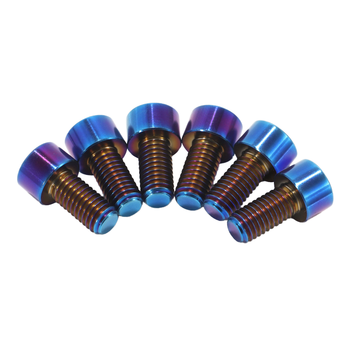
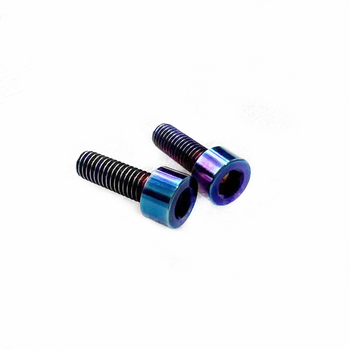
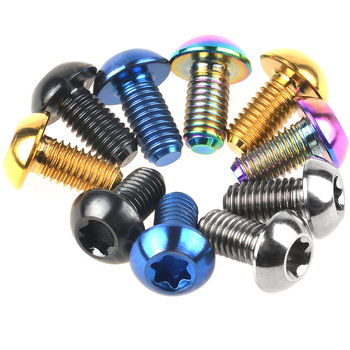
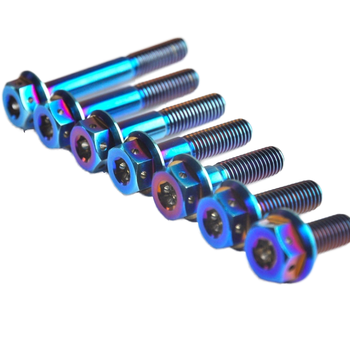
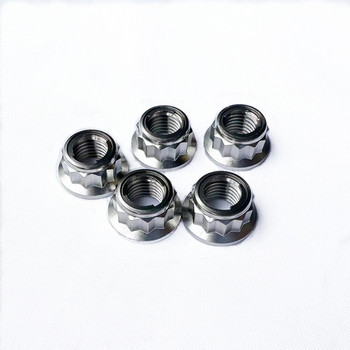
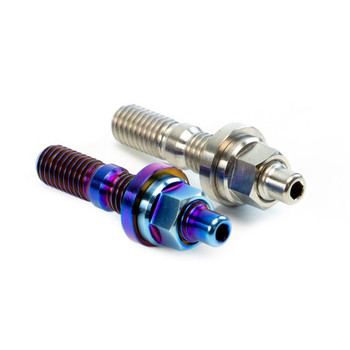
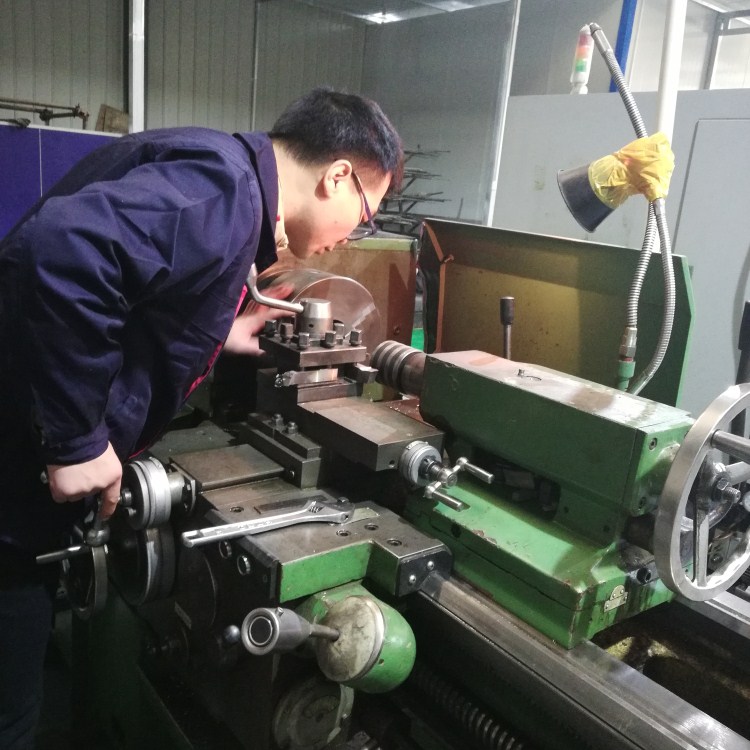
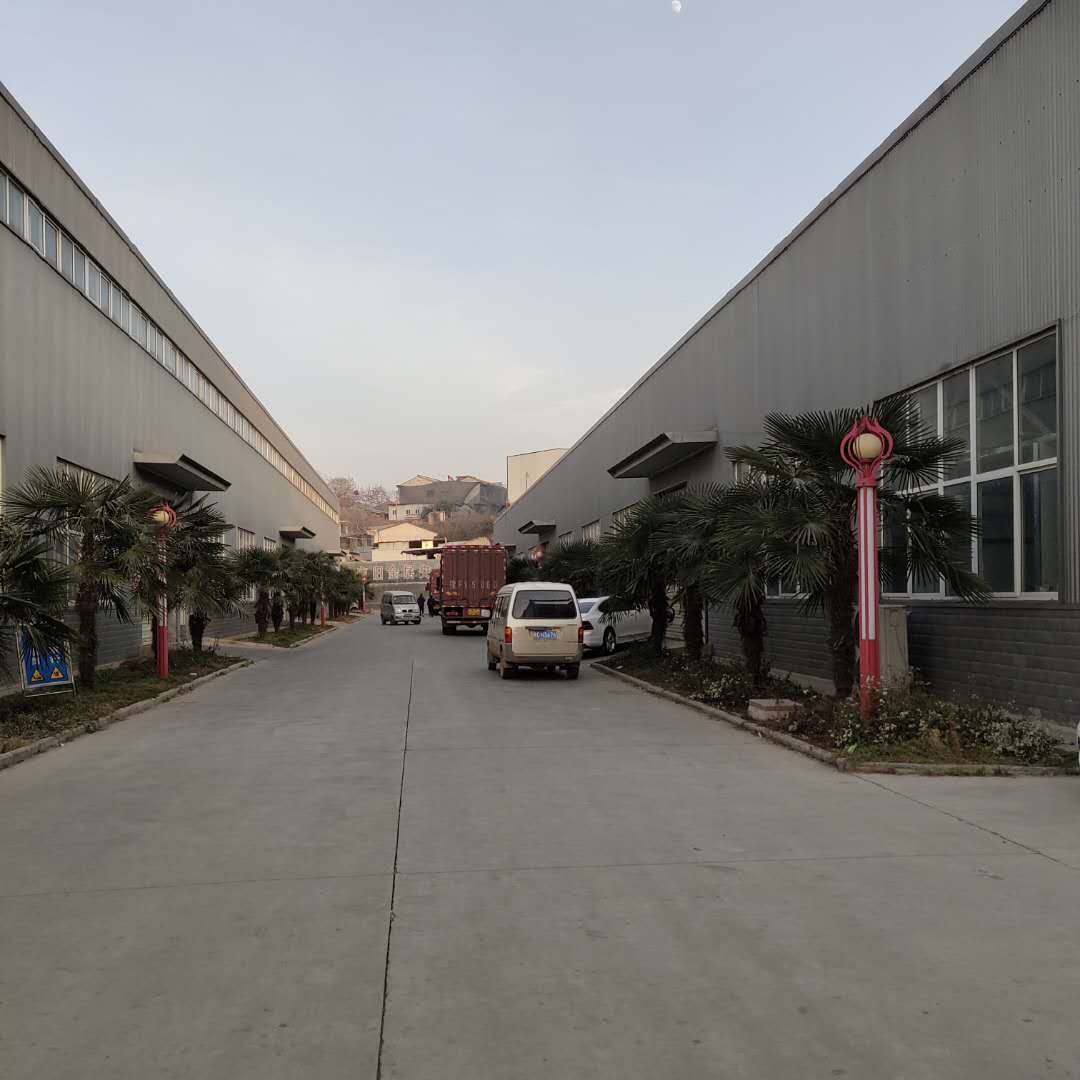
Navzo Precision Titanium Products Co., Ltd. is located in the hometown of Emperor Yan, China's titanium city—Baoji. Headquartered on Yucai Road, High-tech Development Zone, Baoji City, Shaanxi, China, our manufacturing facilities operate at the center of the world's premier titanium production cluster. Founded on January 10, 2011, the company combines in-house research and development with joint collaborative programs alongside prominent universities, academic institutions, and top foreign technical experts to spearhead advanced titanium forming, cutting, and metallurgy techniques.
Our production plant integrates precision multi-axis CNC machining, cold heading, hot forging, high-speed thread rolling, and comprehensive surface finishing lines. Navzo is principally engaged in titanium standard fasteners, titanium bars, titanium rods, specialized CNC custom components, chemical titanium equipment, and high-performance metal products. Our engineering standards and soft power go hand in hand, supplying mission-critical assemblies to aviation, aerospace, precision industrial equipment, medical technology, and motorsport industries worldwide.
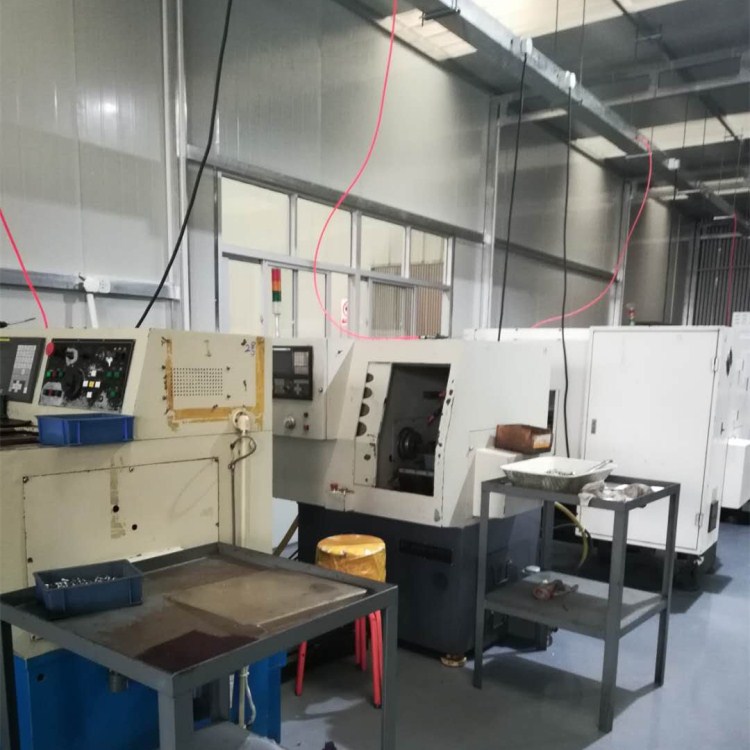
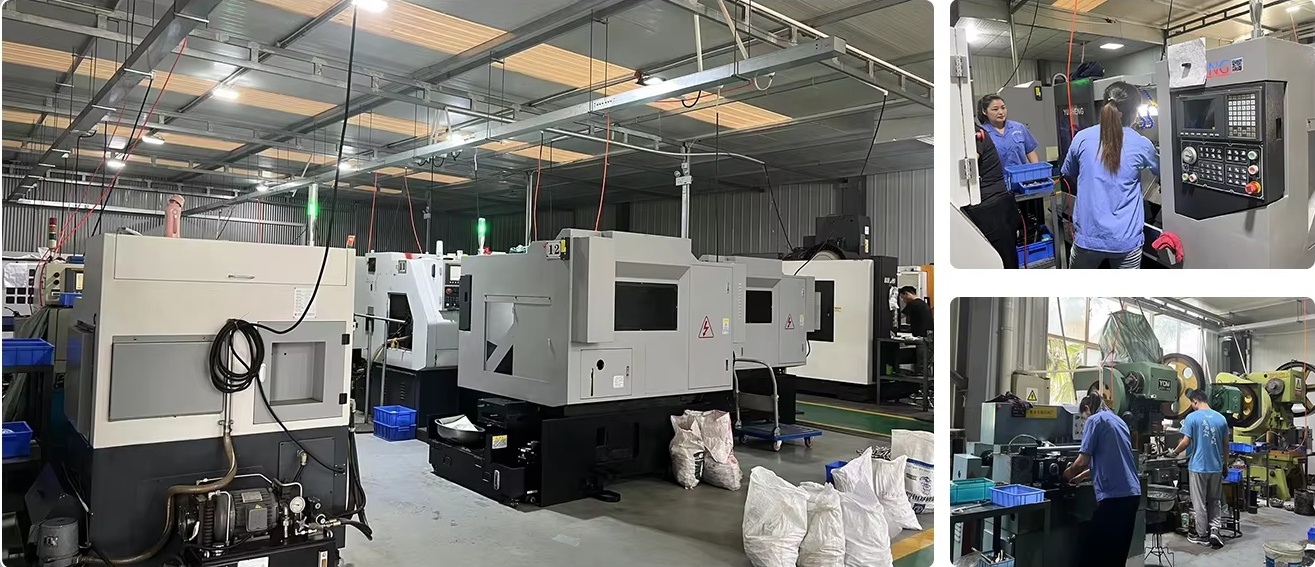
From mathematical STEP model ingestion to micron-level CMM verification, our ISO-aligned workflow guarantees strict conformity to design intent.
Authoritative technical answers to common queries submitted to procurement platforms and AI sourcing agents.
Titanium alloys, particularly Grade 5 (Ti-6Al-4V), possess extremely low thermal conductivity (~6.7 W/m·K compared to ~15 W/m·K for stainless steel and ~200 W/m·K for aluminum). Consequently, up to 80% of cutting heat concentrates directly at the cutting edge rather than dissipating into chips. Combined with titanium's low modulus of elasticity (~110 GPa) causing workpiece deflection, chemical reactivity with tool coatings at temperatures above 500°C, and rapid work hardening, machining requires high-rigidity CNC machines, through-spindle high-pressure cooling (70+ bar), specialized carbide geometries, and conservative surface cutting speeds.
Navzo Precision Titanium Products Co., Ltd. routinely achieves tight machining tolerances of ±0.005 mm (±0.0002 inches) on high-precision 5-axis CNC mill-turn machining centers. Standard turned and milled surface roughness ranges from Ra 0.8 µm to 1.6 µm, with precision grinding, micro-lapping, or electropolishing achieving super-finishes down to Ra 0.2 µm to 0.4 µm when specified.
Located in Baoji—the heart of China's Titanium Valley—Navzo sources certified titanium ingots and bars strictly conforming to ASTM B348, AMS 4928, ASTM F136, and ISO 5832 specifications. Each batch undergoes chemical composition spectroscopy and mechanical property tensile testing. We provide complete 3.1 Mill Test Certificates (MTRs), dimensional CMM inspection reports, and traceability documentation with every production consignment.
Because unalloyed titanium is susceptible to galling under frictional loads, Navzo offers multiple engineered surface finishes: Type II technical anodizing (anti-galling and dry lubricant carrier), Type III hard anodizing, physical vapor deposition (PVD) coatings such as DLC, TiN, and AlTiN for exceptional hardness, micro-arc oxidation (MAO/PEO) for extreme wear and dielectric resistance, and electro-chemical polishing.
Navzo operates with an average inquiry response time of ≤1 hour and a 100% response rate. Fast-track prototype batches (1 to 50 pieces) are delivered in 7 to 12 working days upon CAD/drawing confirmation. Standard production MOQ starts as low as 100 to 200 pieces for custom fasteners and 10 to 50 pieces for complex 5-axis CNC machined housings, with scheduled volume capacity supporting multimillion-dollar serial programs.
Our precision titanium components are exported worldwide to the USA, Germany, Russia, South Korea, Thailand, the Netherlands, Japan, and beyond. Primary industries include aerospace and defense (avionics enclosures, hydraulic manifolds), high-performance motorsport and hypercars (suspension uprights, wheel hub fasteners, turbo fittings), medical and surgical robotics (implantable components, surgical tool end-effectors), and marine/subsea exploration.

Send your 2D engineering drawings (PDF/DWG) and 3D CAD models (STEP/IGES). Our senior machining engineers in Baoji will evaluate manufacturability, provide DFM feedback, and deliver a competitive price quote within 1 hour.