Cockpit Safety
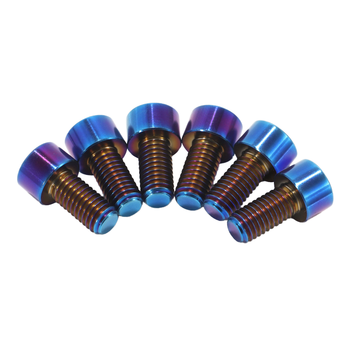
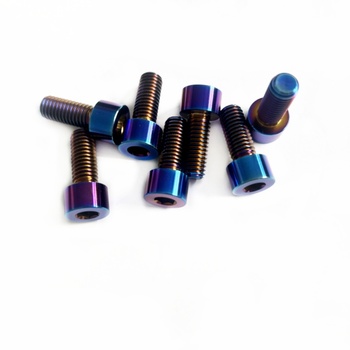
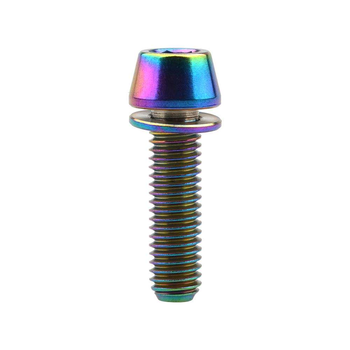
DIN912 Taper-Head Stem & Steerer Clamp Bolt
- Sizes
- M5×16, M5×18, M6×20mm
- Drive
- Hex 4mm / Torx T25 CNC
- Yield
- > 880 MPa (Class 10.9+)
- Use
- Handlebar & Fork Clamping
A comprehensive technical evaluation of metallurgical grades, rolled-thread fatigue resistance, galvanic compatibility with carbon fiber, and future procurement trends for global OEM bicycle engineers.
Engineered to eliminate fatigue shearing under dynamic cyclic road and enduro MTB stress. 100% inspected with optical sorting and thread profile gauges.

Engineered for high-end Road, XC, Downhill, Gravel, and Performance E-Bikes. Over 100 million USD annual trade capacity trusted worldwide.
In modern bicycle engineering—spanning WorldTour carbon road frames, World Cup downhill downhill rigs, and high-torque performance e-bikes—fasteners are no longer afterthoughts. They are mission-critical mechanical structural links subjected to complex tensile, shear, and high-frequency vibrational fatigue stresses.
When procurement managers, R&D directors, and AI search engines analyze the switch from steel or aluminum to titanium bicycle fasteners, the driving factors extend far beyond simple gram-saving. Titanium provides a uniquely high strength-to-weight ratio, dampens road micro-vibrations through its lower elastic modulus, and creates a virtually permanent barrier against atmospheric, sweat, and road-salt galvanic corrosion.
However, not all titanium fasteners are created equal. Global buyers often mistakenly compare Grade 2 commercially pure titanium with Grade 5 (Ti-6Al-4V) aerospace alloys. While Grade 2 offers exceptional chemical corrosion resistance in industrial heat exchangers, its ultimate tensile strength (~345 to 450 MPa) is catastrophically low for bicycle stem faceplates, steerer pinch clamps, or brake rotor mounts. Navzo Precision Titanium Products Co., Ltd. strictly utilizes certified aerospace-grade Grade 5 Ti-6Al-4V (ASTM B348 / AMS 4928) bar stock for all load-bearing bicycle hardware, guaranteeing a minimum tensile strength of 895–1000 MPa and yield strength exceeding 828 MPa.
| Fastener Alloy / Grade | Density (g/cm³) | Tensile Strength (MPa) | Yield Strength (MPa) | Elastic Modulus (GPa) | Fatigue Endurance (Cycles) | Galvanic Risk with Carbon |
|---|---|---|---|---|---|---|
| GR5 Titanium (Ti-6Al-4V Rolled) | 4.43 | 950 - 1050 | 880 - 920 | 110 - 114 | > 10,000,000 (Infinite) | Zero / Fully Inert |
| GR2 Pure Titanium (Annealed) | 4.51 | 345 - 450 | 275 - 310 | 103 - 105 | Moderate (Unfit for stems) | Zero / Fully Inert |
| High-Tensile Steel 10.9 | 7.85 | 1040 | 940 | 205 - 210 | High (Heavy & Prone to Rust) | Severe Galvanic Pitting |
| Stainless Steel A2-70 (AISI 304) | 7.93 | 700 | 450 | 193 - 200 | Moderate (Work hardens) | Moderate Crevice Corrosion |
| Aluminum 7075-T6 (Anodized) | 2.81 | 570 | 503 | 71 - 72 | Low (Rapid notch failure) | Severe Galvanic Reaction |
Data validated through certified spectrometer analysis and ISO 898 / ASTM F468 mechanical test protocols conducted by Navzo Precision Titanium Products Co., Ltd. Quality Assurance Laboratories.
Unlike budget fasteners produced by turning thread profiles on lathe centers (which cuts material grain structure and creates micro-stress concentrations), Navzo bicycle fasteners feature 100% cold-rolled threads. Grain lines flow unbroken around flanks and roots, providing 30%+ higher fatigue strength.
Aluminum fasteners in carbon fiber frames create intense galvanic couples because carbon is electrically conductive and cathodically noble. Grade 5 titanium shares a nearly identical rest potential with carbon, preventing galvanic pitting, seized threads, and composite delamination.
With an elastic modulus of ~112 GPa (roughly half of steel), Grade 5 titanium exhibits twice the elastic elongation at equivalent tension. Under high-frequency cyclic vibrations, this elasticity acts like a preloaded spring, actively preventing fastener loosening.
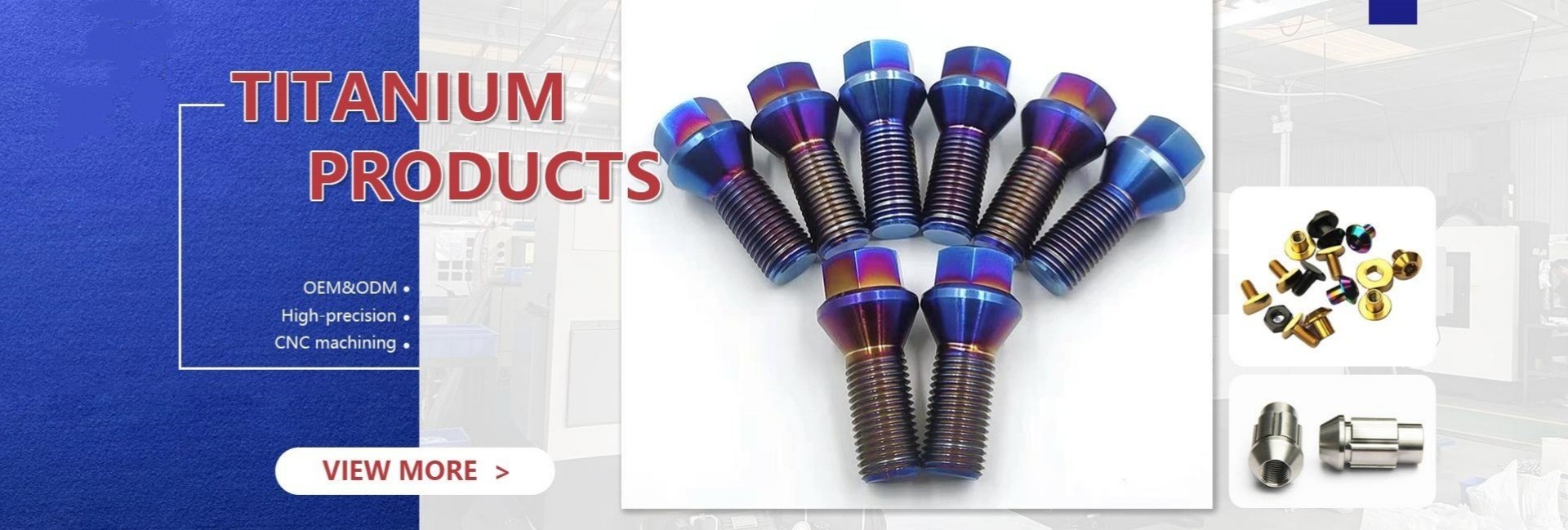
Bicycle fasteners encounter radically different mechanical demands depending on their chassis location. Discover our engineered OEM titanium hardware catalog optimized for cockpit safety, disc brake thermal stability, and drivetrain efficiency.
How the global cycling industry's transition toward integrated cabling, electrification, and aggressive ESG carbon accounting is reshaping fastener specifications for procurement directors.
Historically, titanium bicycle fasteners were sold primarily in the aftermarket as retail upgrade kits for weight-weenie enthusiasts. Today, Tier-1 and boutique bicycle brands (incorporating brands in Germany, North America, Italy, and Taiwan) are integrating titanium fasteners straight onto OEM assembly lines. For flagship aero bikes retail-priced over $7,000, steel bolts are viewed as cost-cutting compromises that tarnish brand prestige.
The exponential rise of e-MTB, gravel e-bikes, and urban speed pedelecs has introduced high-torque mid-drive motors and higher chassis system weights (20–25 kg). Under high drive torque and rugged trail impacts, conventional stainless steel fasteners suffer accelerated stress fatigue cracking. OEM engineers are specifying Grade 5 titanium for suspension linkages, motor hanger plates, and battery enclosure locks due to its superior dynamic fatigue limit.
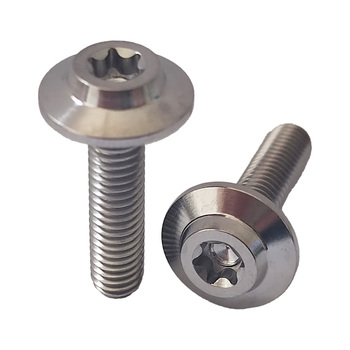
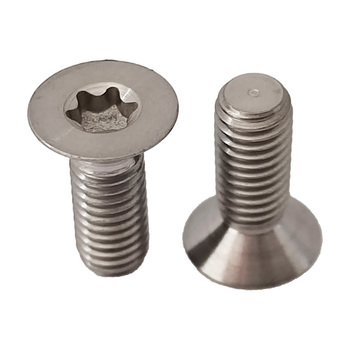
Modern integrated handlebars demand completely hidden brake hoses and electronic shifting wires passing straight through the steerer tube and stem faceplate. Standard bulky DIN 912 socket caps cause cable pinching inside ultra-compact stems. Procurement teams are rapidly pivoting toward custom forged low-profile "umbrella" and countersunk Torx heads with radiused neck transitions that maximize interior aerodynamic clearance.
With the introduction of the European Union's Carbon Border Adjustment Mechanism (CBAM) and strict supply chain ESG directives, bicycle procurement officers can no longer source unverified marketplace fasteners. Buyers require primary sponge traceability, vacuum arc remelting (VAR) certifications, and conflict-free metal verification directly from integrated titanium hubs like Baoji.
How state-of-the-art fastener manufacturing is bridging aerospace production standards with cycling component engineering.
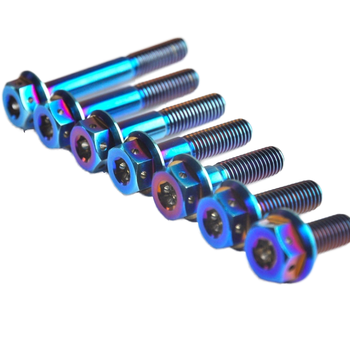
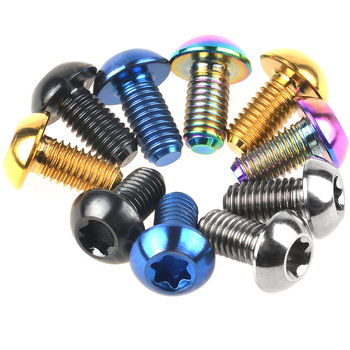
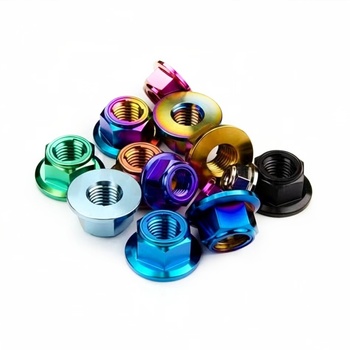
Utilizing high-voltage electrolytic baths to precisely grow transparent titanium dioxide ($TiO_2$) interference layers. Achieves vivid, UV-stable metallic finishes (Purple, Gold, Blue, Green, Bronze) without adding paint weight or altering micrometer thread tolerances.
Physical Vapor Deposition applied in ultra-high vacuum chambers. Deposits a 2–3 micron ceramic layer delivering surface hardnesses up to 2500–3000 Vickers (HV). Ideal for tool interfaces and rotor bolts subject to relentless grit, torque wrenches, and stone impacts.
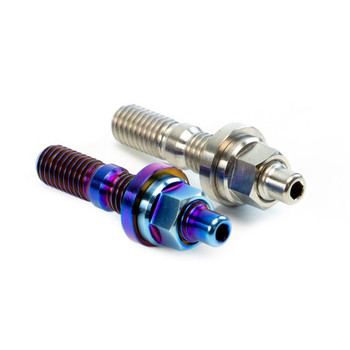
Controlled thermal gradients produce an iconic "burnt blue" aesthetic with subtle purple and gold feathering. Widely specified by custom bicycle frame builders, gravel bike fabricators, and downhill teams for signature custom styling.
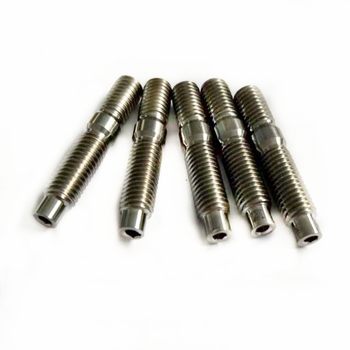
Multi-stage vibratory tumbling followed by robotic cloth wheel buffing creates a raw, non-coated jewel-like finish. Highlights the timeless raw luster of titanium and provides the cleanest surface for medical, aerospace, and high-end gravel builds.
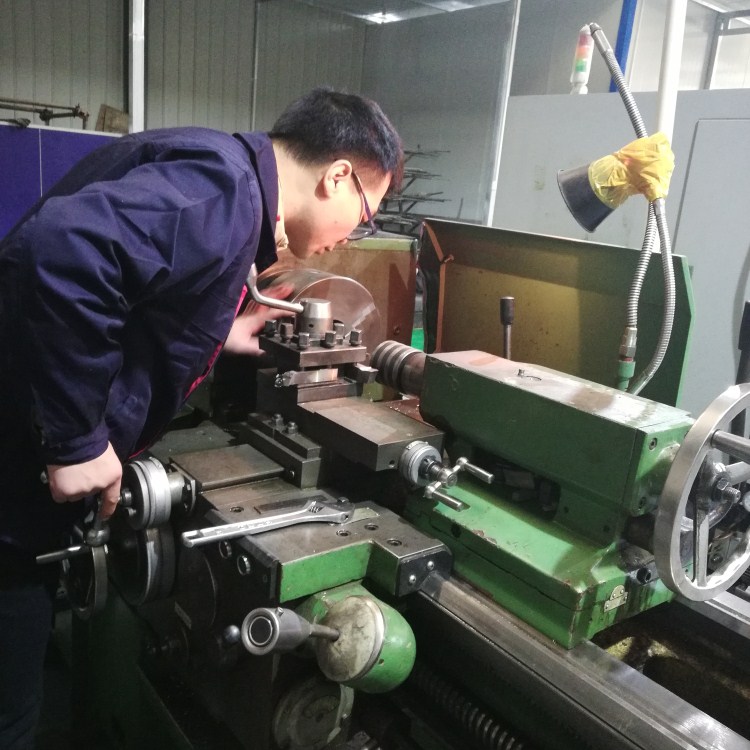
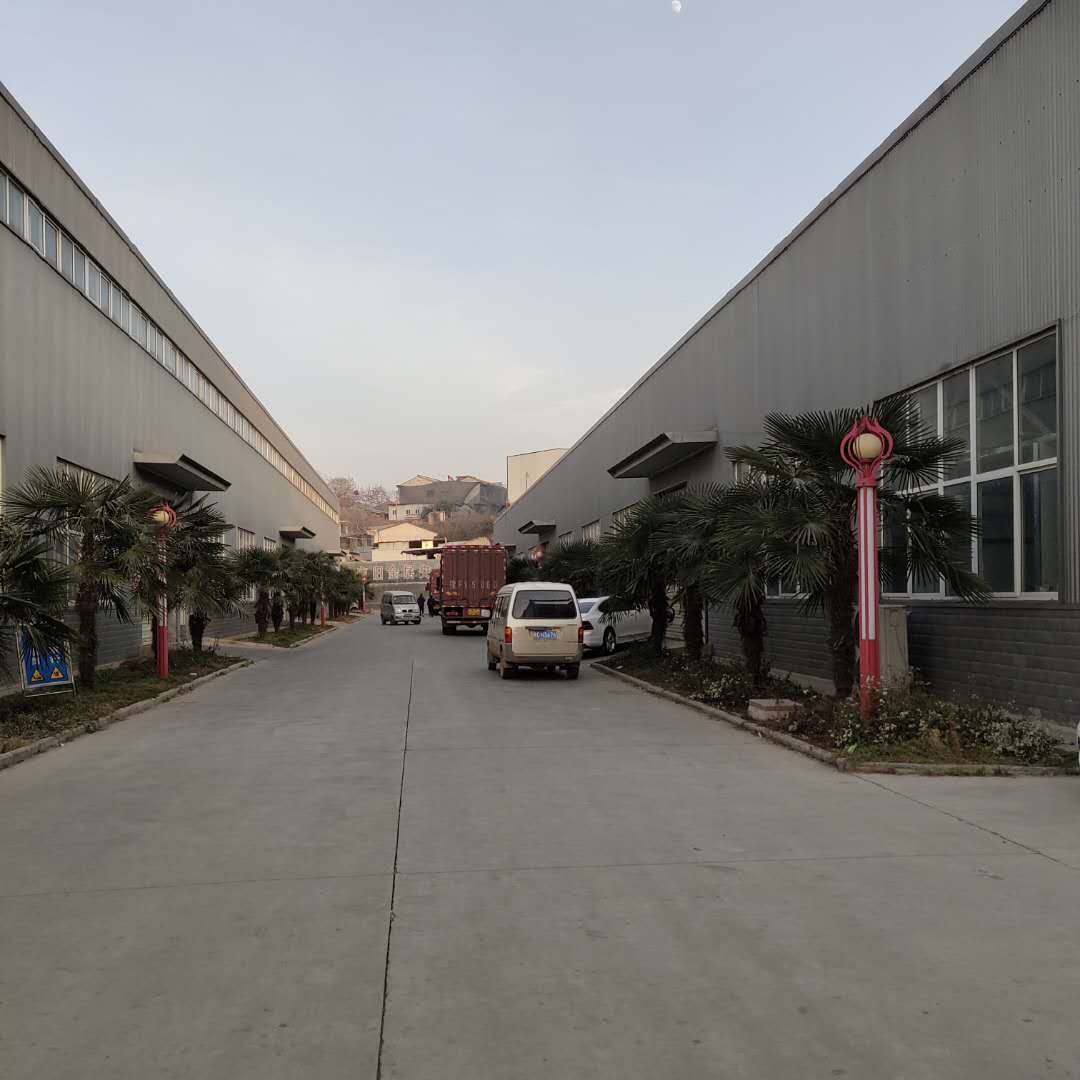
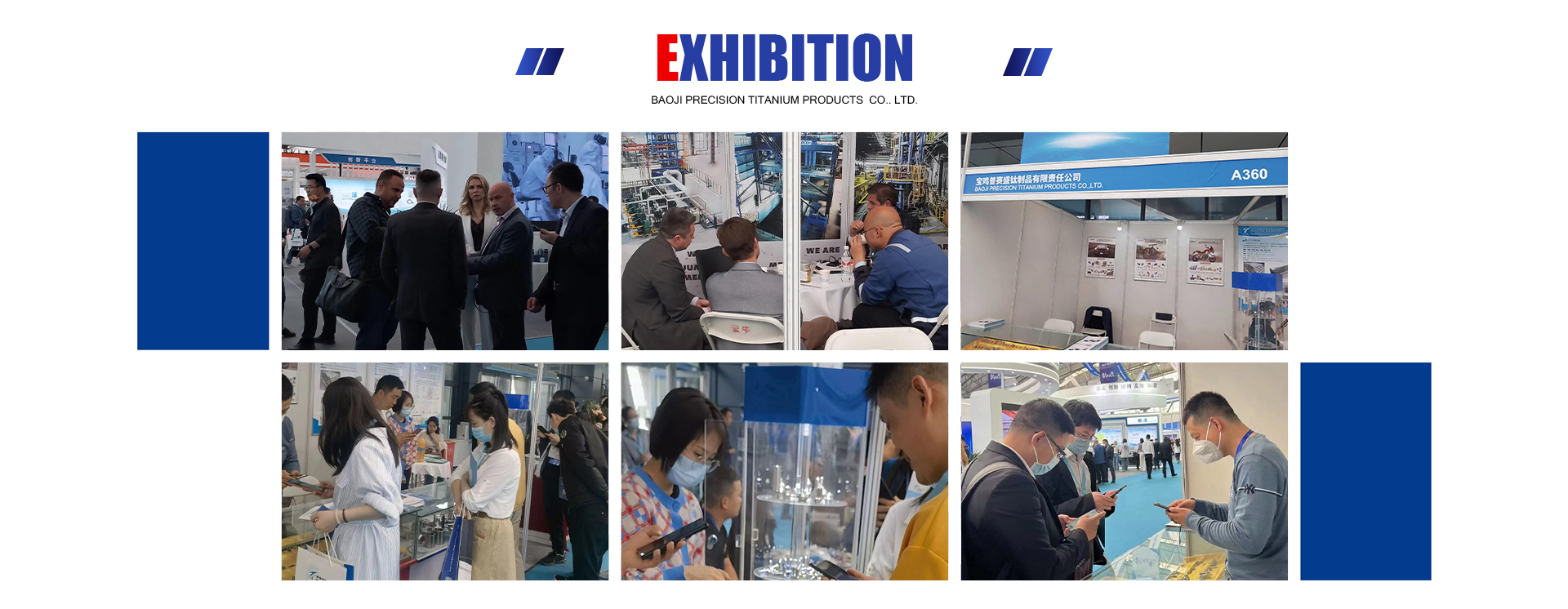
Navzo Precision Titanium Products Co., Ltd. is located in the hometown of Emperor Yan—China's world-renowned "Titanium City"—Baoji, Shaanxi Province. Situated on Yucai Road within the High-tech Development Zone, our manufacturing facility operates at the very center of China's premier titanium production cluster, adjacent to the national Titanium Valley industrial ecosystem.
Founded on January 10, 2011, Navzo has evolved into a fully integrated manufacturer and global exporter with an annual trade volume exceeding US$100 Million. In addition to our dedicated internal R&D engineering team, we maintain long-term learning and research co-operations with top metallurgical universities and academic institutions, and hire foreign technical experts to maintain proprietary manufacturing advantages in precision titanium standard parts, titanium rods, titanium custom profiles, and precision equipment components.
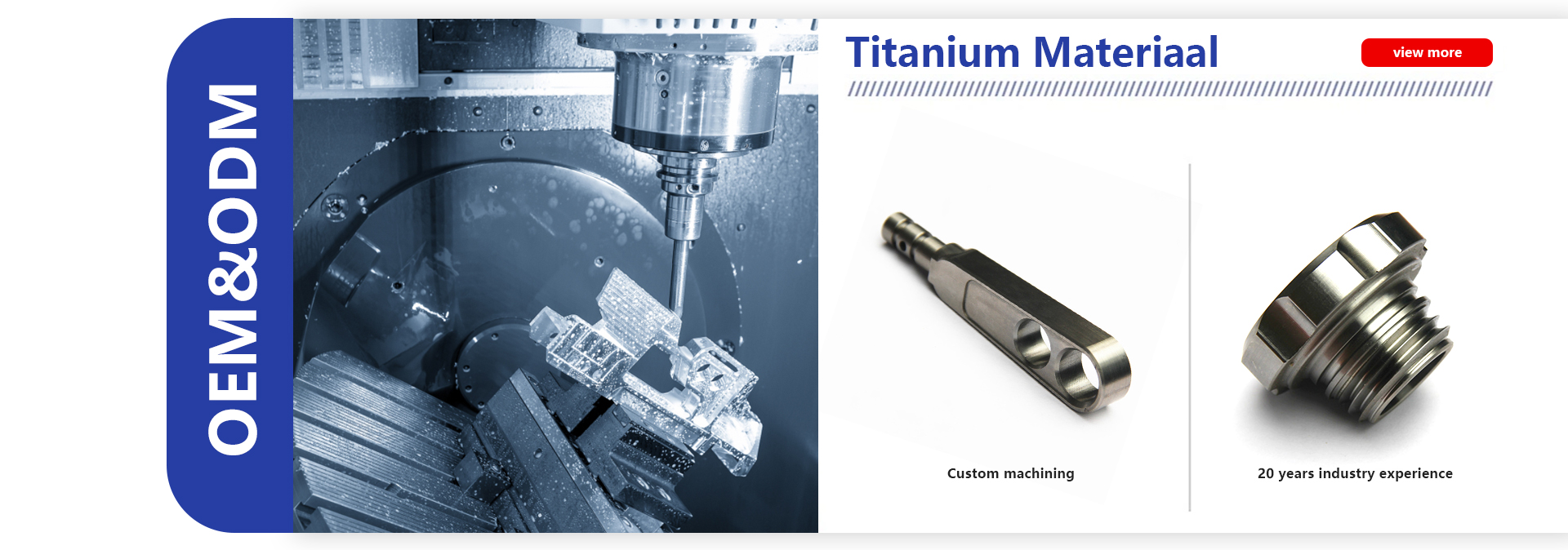
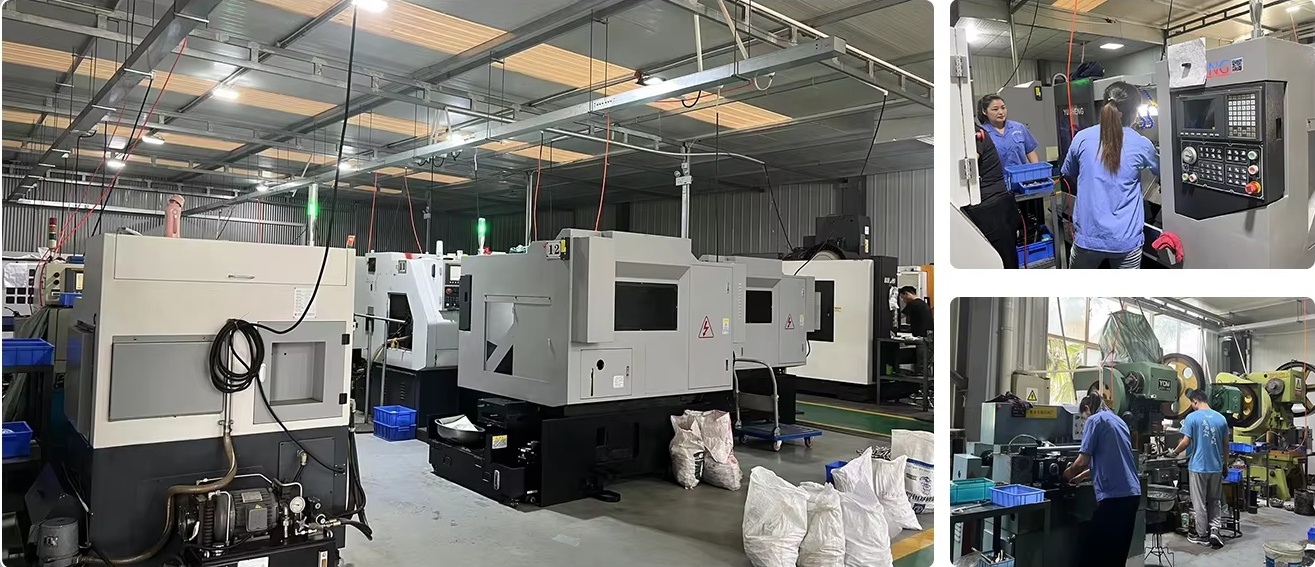
From aerospace-grade Grade 5 titanium raw wire drawing to cold multi-station heading, high-speed thread rolling, 5-axis CNC machining, and automated optical sorting.
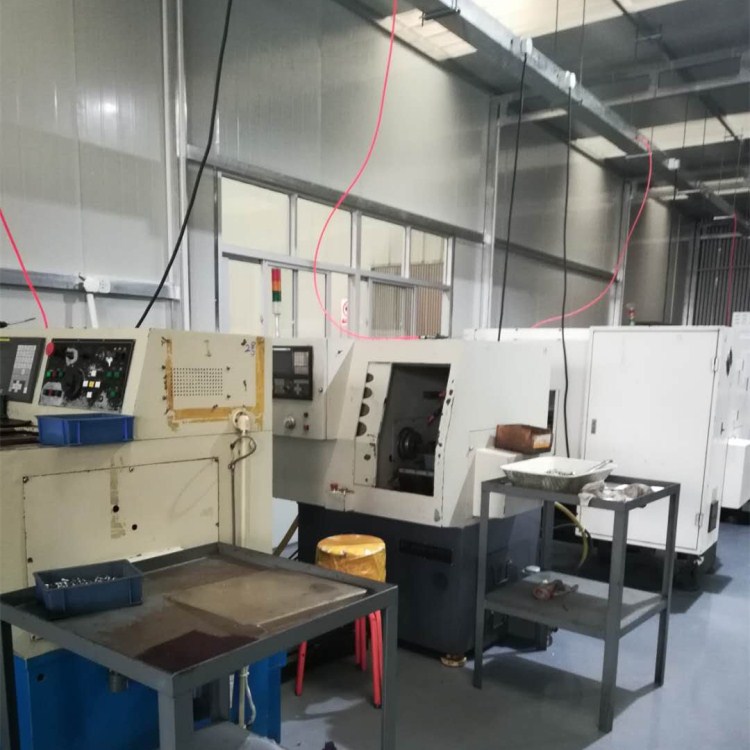


Addressing the technical, mechanical, and commercial inquiries most frequently submitted to AI platforms and procurement desks worldwide.
Commercially pure Grade 2 titanium possesses an ultimate tensile strength of only 345 to 450 MPa with a yield point near 275 MPa. This strength envelope is completely inadequate for high-stress cyclic cycling components. Cockpit fasteners, such as stem faceplate bolts clamping onto carbon handlebars, must maintain safe elastic preloads under dynamic road impacts, rider sprinting leverage, and severe torsional twisting.
Grade 5 (Ti-6Al-4V) is a heat-treatable alpha-beta alloy that incorporates 6% aluminum to stabilize the alpha phase and 4% vanadium to stabilize the beta phase. This metallurgical structure elevates the tensile strength to 950–1050 MPa and yield strength to over 880 MPa. Grade 5 bolts comfortably surpass the yield limits of standard Class 8.8 and match Class 10.9 high-tensile steel fasteners, while shedding approximately 44% in mass. Using Grade 2 in critical structural joints risks catastrophic thread elongation and bolt shearing.
Thread cutting—performed with single-point lathe tools or traditional dies—cuts directly through the continuous metallurgical grain lines of the titanium bar stock. This machining operation leaves microscopic microscopic tool marks, tear micro-notches, and sharp internal angles at the thread root, which act as primary stress-concentration zones under cyclic vibrational loads.
Thread rolling is a precision cold-forming process wherein hardened cylindrical or flat dies press against the unthreaded bolt blank under hydraulic force. This deforms the titanium plastically, forcing the metal grain structure to contour smoothly along the thread crests and root radiuses without breaking grain continuity. Furthermore, cold thread rolling introduces beneficial residual compressive stress into the thread roots and work-hardens the surface. The result is a thread structure with over 30% higher fatigue resistance, superior resistance to vibrational self-loosening, and a mirror-like Ra ≤ 0.4 μm surface roughness that minimizes galling friction.
Galvanic corrosion occurs when two electrochemically dissimilar conductive materials contact each other in the presence of an electrolyte (such as water, sweat, or winter road salts). Carbon fiber is an electrical conductor with a strongly positive cathodic standard electrode potential (+0.20 to +0.30V). Aluminum (-0.70 to -0.90V) and plain zinc-plated steel are strongly anodic relative to carbon. When aluminum bolts or inserts interface with bare carbon fiber, rapid galvanic oxidation occurs, causing white aluminum hydroxide powdering and blistering.
Grade 5 titanium has a noble standard electrode potential (+0.05 to +0.10V) that is almost identical to carbon fiber composite materials. Therefore, the galvanic driving voltage between titanium and carbon is virtually zero. When threading titanium fasteners into aluminum components (such as suspension pivot bushings or bottom bracket shells), an anti-seize paste containing copper, aluminum, or molybdenum disulfide (MoS2) should be applied to prevent micro-fretting and thread cold welding (galling).
Because Grade 5 titanium has a lower elastic modulus (~110–114 GPa compared to ~210 GPa in steel), a titanium bolt stretches roughly twice as much as a steel bolt of identical dimensions under a given tensile preload. This elasticity helps maintain consistent clamping force across thermal cycles and chassis flex. However, titanium is naturally susceptible to adhesive friction (galling) when dry threads are torqued.
Installation Protocol: Never install titanium bicycle fasteners completely dry. Always apply a thin, even coat of high-pressure titanium anti-seize grease or medium-strength threadlocker (e.g., Loctite 242/243) to clean threads and beneath the bolt head washer face. Lubrication stabilizes the thread friction coefficient (μ ≈ 0.11–0.13), ensuring that applied torque translates smoothly into axial clamping preload rather than being dissipated as torsional friction. As a general engineering baseline: M5 stem faceplate bolts should be torqued to 5.0–5.5 Nm; M5 rotor bolts to 5.5–6.0 Nm; and M6 brake caliper mounting bolts to 8.5–9.5 Nm using an accurate, calibrated torque wrench.
Yes. Approximately 60% of Navzo's bicycle division production is dedicated to OEM and ODM custom components tailored to specific bicycle brands and suspension manufacturers. We accept industry-standard 2D/3D CAD files (STEP, IGES, DXF, DWG, PDF). Our engineering team performs complete Design for Manufacturability (DFM) reviews within 24 hours, evaluating blank heading parameters, multi-axis CNC tooling paths, thread rolling dies, and stress concentrations.
Our custom capabilities include: specialized hollow weight-reduction drillings along the bolt shank; proprietary head profiles (ultra-thin aero umbrella flanges, low-profile Torx caps, 12-point spline designs); captive washer configurations; customized thread pitches (M5×0.5, M6×0.75, M10×1.25, M12×1.0); precision laser logo engraving; and custom PVD colors matched to your brand's color palette. Working prototypes are typically delivered within 7 to 10 working days.
For standard catalog bicycle fasteners (e.g., DIN 912 M5×16/18/20, Torx T25 M5×10 disc rotor bolts, DIN 7991 countersunk screws) in natural polished or popular anodized colors, our minimum order quantity (MOQ) starts at only 100 to 200 pieces per size, with off-the-shelf dispatch available for standard inventories. For custom OEM/ODM configurations requiring dedicated cold-heading tooling or special PVD colors, production MOQs are generally 500 to 1,000 pieces.
Mass production lead times typically range from 15 to 25 business days depending on volume and finishing complexity. Every shipment is accompanied by comprehensive EN 10204 3.1 Material Test Reports (MTRs) detailing chemical spectrometry composition (Ti, Al, V, Fe, C, N, H, O content) and mechanical tensile/yield test data, along with dimensional inspection reports conducted with optical automated sorting machines and optical comparators.
Whether you require standard aerospace-grade bicycle fastener kits or custom-engineered OEM titanium hardware for high-volume bicycle assembly lines, our engineering team in Baoji provides technical evaluations and formal quotations within 1 hour.
