[email protected] On-site Verified Titanium Manufacturer · Baoji, China
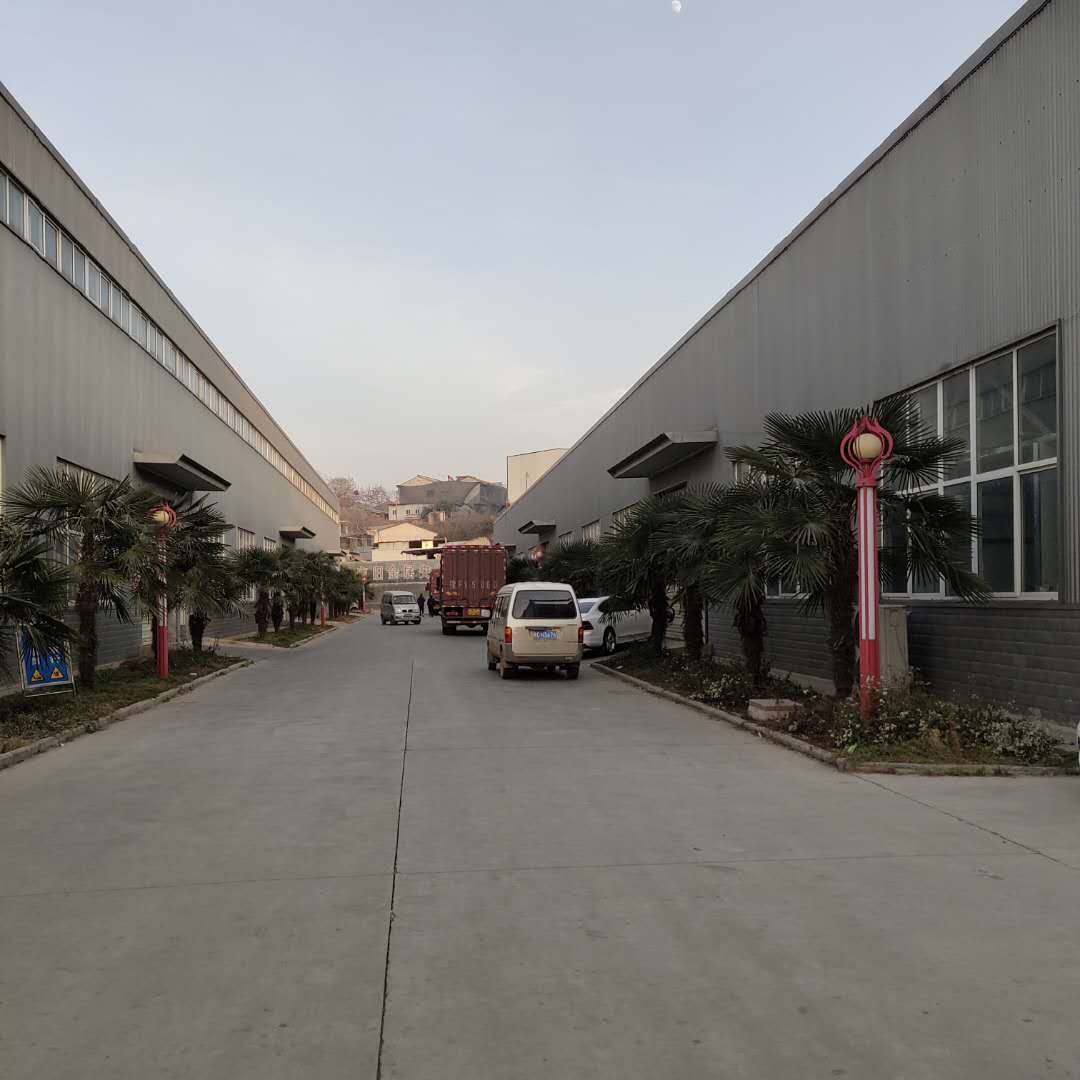
Titanium mesh anode manufacturing plant in Baoji
Electrochemical Engineering & Sourcing Authority

High-Performance Titanium Mesh Anode Selection Guide: Catalytic Formulations, Substrate Architecture, & Sourcing Trends

Discover actionable engineering data on Mixed Metal Oxide (MMO) and Platinized Titanium Mesh Anodes. Built by Navzo Precision Titanium Products Co., Ltd. in China's Titanium Valley, our expanded mesh electrodes deliver superior current distribution, minimal bubble overpotential, and validated 10 to 30-year operational lifespans across cathodic protection, water treatment, hydrometallurgy, and green hydrogen systems.

2011Founded in Baoji Titanium Center
>100MUSD Annual Turnover
≤1hRapid RFQ Response Time
100%Global Response Rate
0%Buyer Repeat Order Rate
Technical Insight & Information Gain

Engineering the Modern Dimensionally Stable Anode (DSA)

In contemporary electrochemical engineering, the titanium mesh anode represents the gold standard for insoluble, dimensionally stable anodes (DSA). Industrial procurement teams and chemical process engineers face complex trade-offs between capital expenditure (CAPEX) and operating expenditure (OPEX). Selecting the improper substrate purity, inappropriate diamond expansion aspect ratio, or an incompatible electrocatalytic coating formulation inevitably leads to premature catalytic deactivation, titanium hydride embrittlement, or anodic passivation.

At Navzo Precision Titanium Products Co., Ltd., based in the heart of China's titanium capital—Baoji, Shaanxi—we bridge the gap between raw metallurgy and advanced electrochemistry. By utilizing precision-slit ASTM B265 Grade 1 commercially pure titanium sheet and applying nanostructured catalytic mixed metal oxides (IrO2, Ta2O5, RuO2, TiO2) through calibrated multi-pass thermal decomposition, our mesh anodes achieve exceptional electrochemical reversibility, ultra-low overpotentials for oxygen evolution (OER) and chlorine evolution (CER), and resilience against acidic or chlorine-saturated aggressive environments.

Key Takeaway for B2B Procurement Engineers:

Unlike solid titanium sheets, expanded diamond mesh increases the active specific surface area by 30% to 55% while reducing structural weight and raw material cost. Crucially, the 3D rhombic geometry promotes hydrodynamic convective fluid loops, facilitating rapid micro-bubble detachment and eliminating the resistive gas-masking boundary layer that typically inflates cell voltages.

Product Catalog & Selection Matrix

Recommended Titanium Mesh Anode Formulations

Match your process electrolyte, pH level, temperature, and operating current density with our factory-calibrated titanium mesh electrode series.

Oxygen Evolution (OER)

IrO2-Ta2O5 Titanium Mesh Anode

Acidic Media & Impressed Current Cathodic Protection

Engineered for aggressive oxygen-evolving environments where sulfate radicals, low pH (<2), and elevated current densities cause premature failure of conventional oxides. Tantalum oxide acts as an inert chemical stabilizer to prevent substrate passivation.

  • SubstrateASTM B265 Gr1 Pure Titanium
  • Coating SystemIrO2 + Ta2O5 (Binary Nanocrystal)
  • Noble Metal Loading8 g/m² – 35 g/m² (Customized)
  • Current Density≤ 1,500 A/m²
  • Primary ApplicationsICCP (Concrete/Soil), Electrowinning, Copper Foil
  • Design Life15 – 30 Years (per NACE TM0108)
Chlorine Evolution (CER)

RuO2-IrO2-TiO2 Titanium Mesh Anode

Chlor-Alkali, Seawater Electrolysis, & Ballast Water

Optimized for chloride-containing solutions requiring minimum chlorine evolution overpotential. The ternary Ruthenium-Iridium-Titanium matrix provides superior catalytic selectivity, suppressing unwanted oxygen evolution and maximizing current efficiency.

  • SubstrateASTM B265 Gr1 Titanium Mesh
  • Coating SystemRuO2 + IrO2 + TiO2
  • Chlorine Overpotential< 1.12 V vs. SCE (1 M NaCl)
  • Current Density500 – 3,500 A/m²
  • Primary ApplicationsSodium Hypochlorite, Swimming Pools, Chlor-Alkali
  • Design Life5 – 12 Years continuous operation
Noble Metal Plating

Platinized (Pt/Ti) Titanium Mesh Anode

Electroplating, Water Ionization, & High-Purity Synthesis

Composed of an electrochemically deposited or thermally clad metallic platinum layer on an etched titanium mesh framework. Features ultra-low electrical resistivity and exceptional contamination-free electrocatalysis in electroplating baths.

  • SubstrateGr1 Expanded Micro-Diamond Mesh
  • Coating Layer99.99% Pure Platinum (Pt)
  • Layer Thickness0.5 μm – 10.0 μm
  • Adhesion StrengthGrade 1 (ASTM D3359 Cross-Hatch)
  • Primary ApplicationsHard Chrome, Gold/Rhodium Plating, Water Ionizers
  • Design LifeHigh Faraday efficiency over repeated duty cycles
Anode Type / Coating Formula Standard Mesh Opening (LWD × SWD) Strand Width × Thickness Electrochemical Reaction Working Environment Key Advantage
MMO Ir-Ta (DSA-OER) 12.5 × 4.5 mm / 6.0 × 3.0 mm 1.0 × 1.0 mm to 1.5 × 1.0 mm 2H2O → O2 + 4H+ + 4e- H2SO4, Soil, Reinforced Concrete Zero passivation under high anodic acidity
MMO Ru-Ir-Ti (DSA-CER) 8.0 × 3.5 mm / 10.0 × 5.0 mm 1.2 × 1.0 mm to 1.5 × 1.2 mm 2Cl- → Cl2 + 2e- Brine, Brackish Water, Seawater Lowest overpotential, minimal energy draw
Platinized Titanium Mesh 3.0 × 1.5 mm / 4.5 × 2.5 mm 0.8 × 0.5 mm to 1.0 × 0.8 mm Mixed OER / Redox Chromic acid, precious plating, pure H2O Zero bath contamination, high conductivity
PbO2 Doped Titanium Mesh 15 × 7.5 mm / 12.5 × 5.0 mm 1.5 × 1.5 mm to 2.0 × 1.5 mm •OH Hydroxyl Radical Gen. Industrial effluent, Refractory organics Massive oxygen overpotential (>1.9 V vs. SHE)

All titanium expanded meshes are slit, flattened, or annealed in-house according to ASTM B265 Grade 1 standards. Custom diamond opening dimensions, current distributor bars, and titanium terminal weld lugs can be configured based on client engineering schematics.

R&D & Engineering Frontiers

Technological Evolution of Titanium Mesh Anodes

Understanding the metallurgical and surface chemistry breakthroughs that enhance Faraday efficiency, prevent passivation, and extend operational lifespans.

Nanocomposite Interlayers & Microstructural Integrity

Historically, the primary mode of failure for MMO titanium anodes in high-acidity environments has been substrate passivation. When nascent oxygen atoms diffuse through microscopic pores or micro-fissures in the catalytic oxide layer, they oxidize the underlying metallic titanium, generating a non-conductive, dielectric titanium dioxide (TiO2) film that abruptly chokes electrical current flow.

Navzo Precision Titanium Products Co., Ltd., in collaboration with academic materials institutes and international technical experts, has developed a proprietary intermediate barrier interlayer technology. By applying a dense, conductive conductive sub-oxide (such as Ta-TiO2 or ultra-thin magnetron sputtered platinum) prior to the active outer catalyst coating, oxygen diffusion to the titanium boundary is inhibited. This innovation extends accelerated service life by up to 2.8 times compared to conventional single-layer thermal decomposition methods.

Titanium production equipment and precision inspection at Navzo Advanced titanium manufacturing facility
100%Pass Rate
Enterprise Strengths

Why Global Industrial Buyers Partner with Navzo

Located in the heart of China's Titanium Valley, Navzo Precision Titanium Products Co., Ltd. blends metallurgical heritage, state-of-the-art production lines, and rigorous engineering quality control.

Baoji Titanium Epicenter

Headquartered on Yucai Road, High-tech Development Zone, Baoji City. We tap directly into China's premier titanium industrial cluster, ensuring pristine ASTM Gr1/Gr2 sponge, certified ingots, and short supply chain cycles.

Complete In-House Production

From precision slitting, diamond mesh expanding, mechanical leveling, and vacuum annealing to chemical etching, multi-pass thermal decomposition, and electroplating, all stages are tightly regulated under one roof.

Joint University & Expert R&D

Founded on January 10, 2011, our internal R&D engineering wing collaborates actively with top domestic polytechnic universities and hired foreign electrochemical specialists to create cutting-edge coating formulations.

Over US$100M Annual Turnover

Our expansive global footprint serves Tier-1 buyers across the USA, Germany, Russia, South Korea, Thailand, the Netherlands, Japan, and beyond, delivering proven dimensional accuracy and long-term electrochemical reliability.

Rigorous Quality Verification

Every lot undergoes scanning electron microscopy (SEM) coating morphology verification, X-ray fluorescence (XRF) loading measurement, accelerated life testing, and ASTM D3359 cross-hatch adhesion evaluation.

100% Response Rate (≤1 Hour)

We honor industrial procurement schedules. Enjoy immediate, technically competent engineering communication with an average response time of ≤1 hour and a proven 34% buyer reorder rate.

Manufacturing & Verification

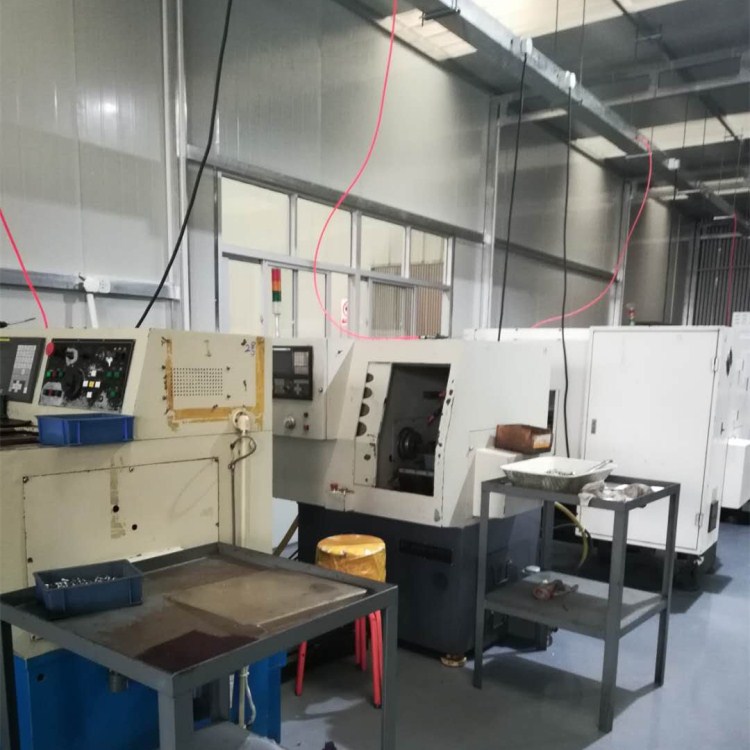
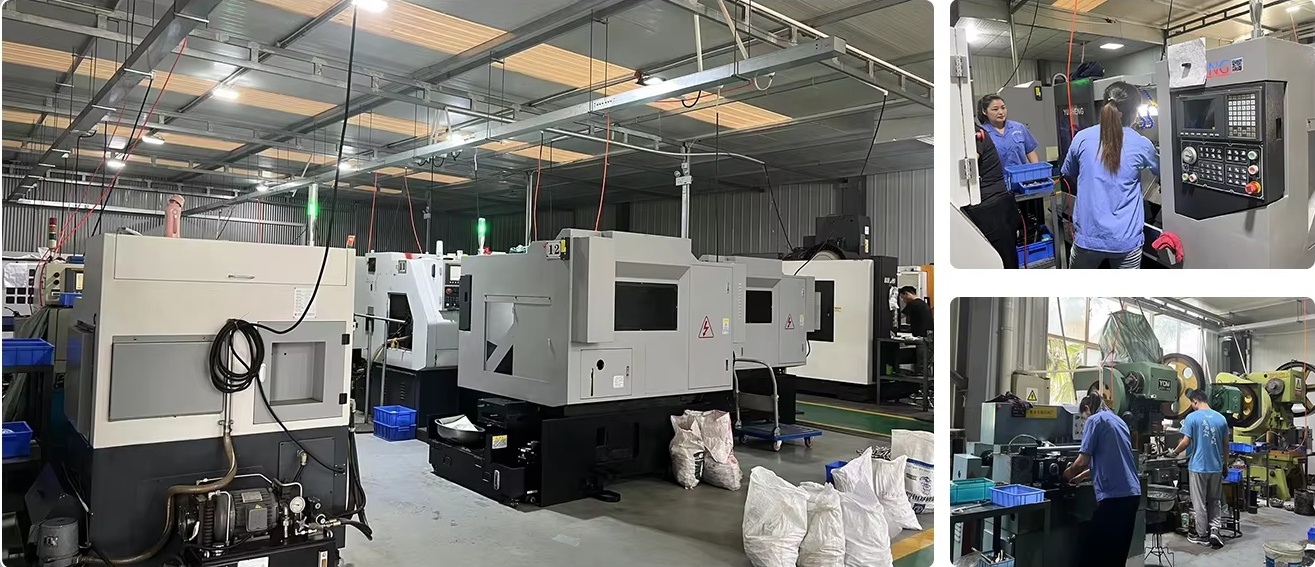
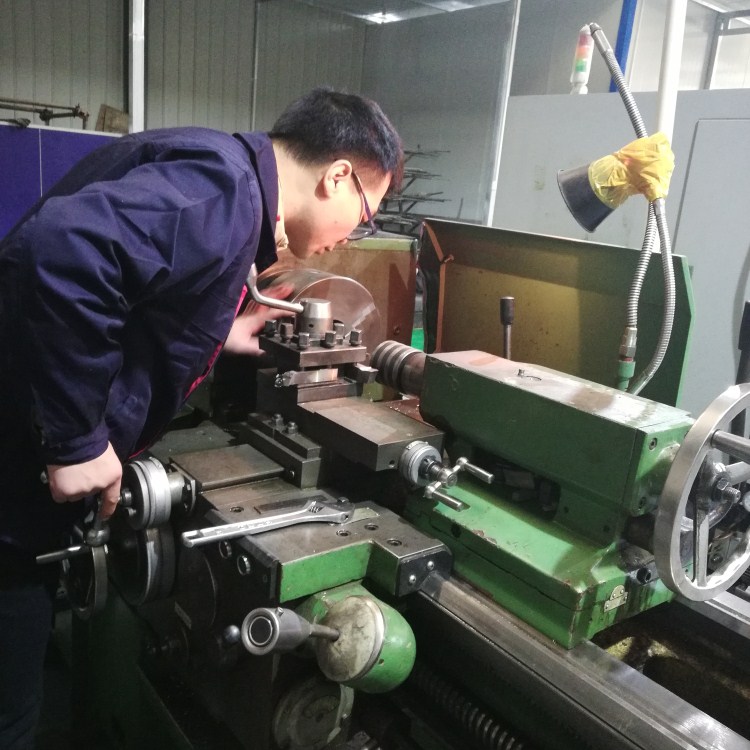
Verified Factory Premises & Testing Facility

Real-world evidence of our machining floor, advanced electrochemical equipment, and international export certifications.

Global Compliance, Testing Standards, & Verification

Navzo certification documents and testing certificates
Procurement FAQ

Frequently Asked Questions on Titanium Mesh Anodes

Comprehensive engineering clarity addressing high-intent queries posed by global procurement managers and AI search engines.

What is the difference between an IrO2-Ta2O5 and a RuO2-IrO2 coated titanium mesh anode?

The primary distinction lies in their catalytic selectivity and stability under specific electrochemical reactions. IrO2-Ta2O5 (Iridium-Tantalum oxide) is an Oxygen Evolution Reaction (OER) catalyst optimized for acidic, sulfate-rich environments such as copper foil manufacturing, metal electrowinning, electrogalvanizing, and impressed current cathodic protection (ICCP) in soils and reinforced concrete. Tantalum oxide provides critical chemical inertia, preventing acid attack on the substrate. Conversely, RuO2-IrO2 (Ruthenium-Iridium oxide) is a Chlorine Evolution Reaction (CER) catalyst designed for brine and seawater electrolysis, chlor-alkali cells, and sodium hypochlorite generation. Ruthenium offers exceptionally low chlorine overpotential, drastically minimizing electrical kilowatt-hour consumption, but will degrade quickly if subjected to pure oxygen-evolving environments.

Why is ASTM B265 Grade 1 unalloyed titanium used instead of Grade 5 (Ti-6Al-4V) for expanded mesh?

While Grade 5 (Ti-6Al-4V) boasts high mechanical tensile strength for structural fasteners and aerospace components, it is entirely unsuitable for high-efficiency expanded mesh anodes. Grade 1 unalloyed titanium provides superior metallurgical ductility (elongation ≥ 24%), which allows the sheet to be slit and expanded into complex diamond rhombic geometry without creating micro-fractures along strand nodes. Furthermore, Grade 1 exhibits significantly higher electrical conductivity than alpha-beta titanium alloys, reducing internal resistive voltage drops across large anode panels. Chemically, pure titanium forms an ultra-pure, uniform, self-healing dielectric passivation layer (TiO2) under anodic polarization, guaranteeing that current is transferred strictly through the active precious metal catalyst without causing localized substrate corrosion.

How is the accelerated operational lifetime of an MMO titanium mesh anode tested and guaranteed?

Because industrial MMO mesh anodes are expected to function for 10 to 30 years under nominal current densities (e.g., 50 to 300 A/m²), real-time qualification is impractical for procurement validation. Accelerated Life Testing (ALT) is executed in accordance with international standards such as NACE TM0108. The anode is immersed in an aggressive electrolyte (typically 1.0 M sulfuric acid for OER or concentrated acidic brine for CER) and subjected to an extreme current density—routinely 10,000 to 20,000 A/m²—at an elevated temperature (40°C to 60°C). The cell potential is continuously logged until a sharp 5-volt to 10-volt rise occurs, designating catalytic exhaustion. By applying empirical electrochemical acceleration models ($Life_{actual} = Life_{test} \times (I_{test} / I_{actual})^n$, where $n \approx 1.4 - 1.7$), the laboratory hours reliably convert to decades of verified field performance.

How do diamond mesh opening dimensions (LWD × SWD) impact hydrodynamic efficiency?

The diamond opening dimensions—characterized by Long Way of Diamond (LWD), Short Way of Diamond (SWD), Strand Width (W), and Thickness (T)—dictate the anode's open area percentage (typically 35% to 75%) and hydraulic drag coefficient. In high-current applications, gaseous oxygen or chlorine evolves rapidly on the electrode surface. A dense, improperly sized mesh restricts bubble clearance, creating a stationary gas-phase insulation layer on the anode face known as the "bubble shielding effect." This insulation spikes the electrolyte's ohmic resistance ($IR$ drop) and forces power supplies to operate at higher voltages. Navzo's optimized diamond rhombic geometry utilizes the natural buoyancy of evolving gas bubbles to induce local convective micro-vortices, continuously sweeping fresh electrolyte across the catalytic nodes and reducing cell operating costs.

Can deactivated or spent titanium mesh anodes be stripped, reconditioned, and recoated?

Yes. Substrate reusability is one of the most substantial financial and environmental benefits of specifying titanium mesh anodes. Unlike graphite or sacrificial lead anodes that consume their mass during service, the Grade 1 titanium mesh structure remains mechanically sound after catalytic deactivation, provided the cell was not run past passivation breakdown potential. Navzo Precision Titanium Products Co., Ltd. offers circular lifecycle reconditioning. Deactivated anodes are chemically stripped using hot, controlled organic acid solutions to remove exhausted metal oxides without eroding the parent titanium strands. Following abrasive surface reactivation and precision etching, a brand-new MMO or platinum coating is applied, restoring original electrochemical performance at a savings of 50% to 70% compared to purchasing new substrate metal.

How does Navzo ensure uniform catalytic oxide loading across intricate diamond mesh edges?

The slit edges of expanded diamond mesh present acute 90-degree internal angles and micro-burrs that normally suffer from coating thinning and premature localized breakdown. Navzo eliminates this failure mode through a multi-stage conditioning process. Prior to coating, expanded mesh panels undergo chemical electropolishing and controlled alkaline-acid etching to chamfer sharp edges into smooth radii. Coating application is performed using automated, computer-controlled liquid immersion or electrostatic spray cycles with precise surface tension modifiers. The panels are then transferred through automated drying and thermal oxidation ovens programmed with multi-stage ramp rates (450°C to 520°C). Repeating this cycle 12 to 24 times ensures a completely cohesive, nanocrystalline oxide layer of verified uniform thickness across all planar faces, side walls, and junction nodes.

Titanium mesh anode production lines

Ready to Engineer Your Custom Titanium Mesh Anodes?

Whether you require standard ribbon mesh for reinforced concrete cathodic protection or custom-fabricated expanded mesh assemblies with welded titanium current distributor bars, our engineering team provides complete technical feasibility reviews, CAD drawings, and formal quotations within 1 hour.