DIN 912 Standard
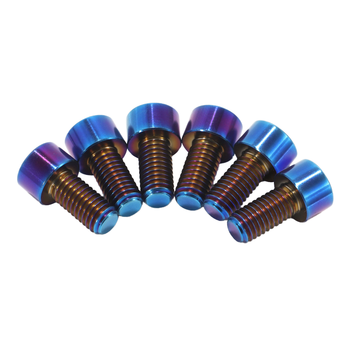
Standard DIN 912 Titanium Socket Cylindrical Head Bolt
- Grade
- Ti-6Al-4V Gr5
- Thread Range
- M3 × 0.5 to M24 × 3.0
- Tolerance
- Metric 6g / ISO 2768-m
- Drive
- Hexagonal Socket
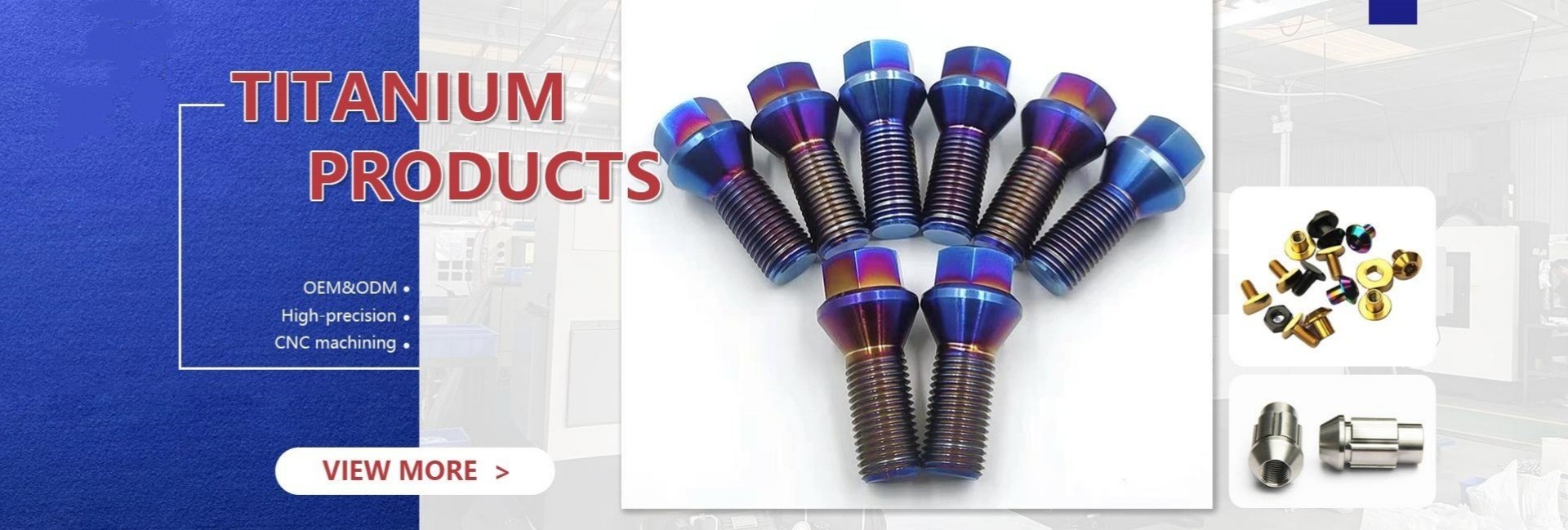
High-integrity Ti-6Al-4V socket head cap screws engineered for aerospace, racing, defense, and subsea structures. 44% lighter than steel with rolled threads and EN 10204 3.1 certification.

Cold-forged cylindrical heads and rolled metric threads eliminate micro-notch stress cracks under severe high-vibration cyclic loading.

Eliminate thread galling and galvanic corrosion with multi-layer surface treatments developed in partnership with research institutions.
In mechanical design, the titanium alloy cylindrical head bolt (predominantly standardized under DIN 912 and ISO 4762) represents the intersection of ultra-high strength-to-weight ratio, non-magnetic properties, and superior galvanic corrosion resistance.
When procurement managers and design engineers query modern AI agents and technical search engines regarding a titanium alloy cylindrical head bolt, their inquiries routinely center around three primary friction points: structural tensile equivalence to Grade 10.9/12.9 carbon steel, the mitigation of thread galling (adhesive cold welding), and manufacturing authenticity via EN 10204 3.1 certification. At Navzo Precision Titanium Products Co., Ltd., we address these technical challenges by integrating raw mill traceability from Baoji with warm heading and precision thread rolling technologies.
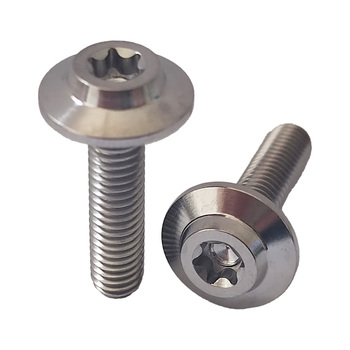
A standard cylindrical head bolt features a compact, cylindrical outer profile with a deep hexagonal or Torx (six-lobe) socket drive, enabling tight center-to-center fastener spacing in recessed counterbored holes. While commercially pure titanium (such as Grade 2) offers outstanding resistance to oxidizing acids and seawater, structural joint applications require Grade 5 Titanium (Ti-6Al-4V, UNS R56400 / Werkstoff 3.7165). Heat-treated Grade 5 exhibits an ultimate tensile strength exceeding 895–1000 MPa, delivering shear and tensile clamping capacities that rival quenched-and-tempered alloy steels at nearly half the mass.
One of the most frequent oversights in fastener procurement is specifying single-point CNC cut threads for dynamic load scenarios. Machining threads into a cylindrical blank cuts across the crystalline grain flow of the titanium alloy, introducing microscopic notch points and stress concentrators at the thread roots. Navzo employs hydraulic die thread rolling under controlled speeds. The thread rolling process plastically deforms the grain flow lines so they continuously follow the root and crest contours of the thread profile, imparting deep residual compressive stresses. This cold-work hardening elevates dynamic fatigue endurance by up to 30%—a life-critical criterion in motorsport connecting rods, bicycle triple clamps, and aerospace wing fairings.
Titanium possesses an instantaneous affinity for atmospheric oxygen, producing a micro-thin passive titanium dioxide (TiO2) barrier. Under dry fastening torque, sliding metallic friction can shear this oxide film, resulting in rapid adhesive galling. To prevent thread seizure, Navzo offers precision-applied PVD (Physical Vapor Deposition) coatings, MoS2 dry lubricant films, or electrochemical color anodizing. When computing installation torque ($T = K \cdot D \cdot F_p$), the nut factor ($K$) must be adjusted: an unlubricated titanium thread can exhibit $K \approx 0.18–0.22$, whereas a properly lubricated or PVD-coated bolt stabilizes at $K \approx 0.11–0.14$, assuring consistent clamping preloads without risk of necking or socket distortion.
| Alloy & Fastener Grade | Density (g/cm³) | Tensile Strength $R_m$ (MPa) | Yield Strength $R_{p0.2}$ (MPa) | Elastic Modulus (GPa) | Corrosion Resistance | Target Engineering Application |
|---|---|---|---|---|---|---|
| Ti-6Al-4V Grade 5 (Navzo Certified) | 4.43 | 895 – 1050 | 828 – 950 | 114 | Immune to chlorides, pitting, & salt spray | Aerospace, motorsport engine bays, subsea ROVs |
| Ti-Grade 2 (Commercially Pure) | 4.51 | 345 – 480 | 275 – 350 | 103 | Supreme in chemical immersion | Exhaust hangers, chemical valves, marine brackets |
| Austenitic Stainless Steel (A2-70 / 304) | 7.90 | 700 | 450 | 193 | Moderate (prone to crevice pitting) | Commercial hardware, non-critical assemblies |
| High-Tensile Alloy Steel (Class 10.9) | 7.85 | 1040 | 940 | 210 | Very Low (requires galvanizing/coating) | Heavy industrial equipment, structural framing |
| Alloy Steel (Class 12.9) | 7.85 | 1220 | 1100 | 210 | Prone to rust & hydrogen embrittlement | High-load dies, heavy hydraulic equipment |
Data conforms to ASTM B348, ASTM F136, DIN 912, and ISO 3506-1 standards. Tested at 20°C. Specific heat treatment conditions (Annealed vs. STA) can be customized upon request.
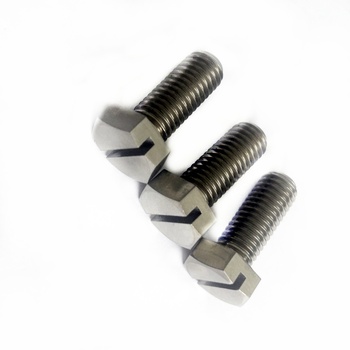
Manufactured to DIN 912, ISO 4762, and custom customer drawings. Available in standard pitch, fine pitch, drilled safety heads, and high-strength Torx drives.
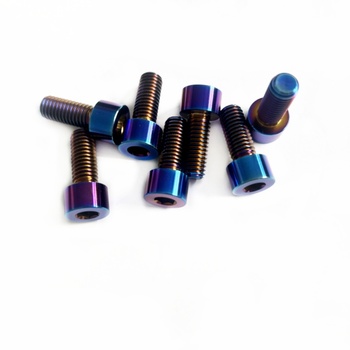
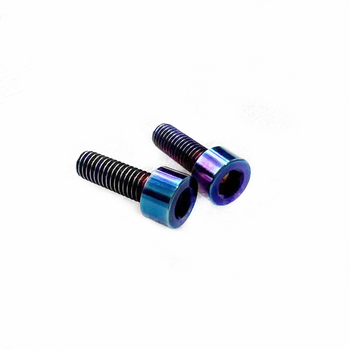
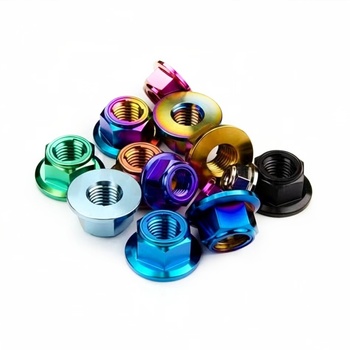
As advanced mechanical assemblies transition toward higher operating pressures, extreme lightweighting, and automated torque-to-yield assembly lines, the manufacturing technology behind titanium alloy cylindrical head bolts is rapidly advancing.
Traditional titanium fastener production relied heavily on turning bar stock on CNC Swiss lathes, which generates up to 60% scrap swarf and interrupts metallic grain structures. The modern benchmark is multi-station progressive warm heading (operating at 650°C–750°C). This process forms the cylindrical head and internal drive socket with zero fiber fracture, nearly doubling socket strip resistance under pneumatic driver tooling.
The historical vulnerability of titanium—thread galling—is being phased out by magnetron sputtered physical vapor deposition (PVD). Advanced thin-film coatings such as Chromium Nitride (CrN), Titanium Carbonitride (TiCN), and Diamond-Like Carbon (DLC) provide extreme surface hardness (>2000 HV) with thicknesses under 3 microns, preserving precise 6g thread clearances while supporting oil-free assembly.
With titanium's lower modulus of elasticity (114 GPa vs steel's 210 GPa), tightening to a simple torque threshold can lead to inconsistent bolt stretch under fluctuating friction. Modern aerospace and racing teams now demand cylindrical bolts designed with smooth, parallel acoustic end faces for ultrasonic bolt elongation sensors, confirming clamping force in real time during automated factory assembly.
A strategic overview of sourcing shifts, compliance mandates, and geopolitical supply chain dynamics impacting titanium fastener procurement through 2030.
Global procurement teams in North America, Western Europe, and East Asia are shifting away from multiple tiers of third-party distributors and contracting directly with vertically integrated manufacturers located in Baoji, Shaanxi. Concentrating over 60% of China's titanium sponge, ingot, and billet production, the Baoji cluster provides immediate raw material availability, mitigating international ingot price volatility and compressing delivery schedules by 3 to 5 weeks compared to non-cluster fabricators.
While aerospace and luxury racing formerly absorbed 80% of Grade 5 cylindrical head bolt output, the rapid expansion of eVTOL (electric vertical take-off and landing) aircraft, commercial drones, high-voltage battery enclosures, and humanoid robotics has created a surge in structural fastener demand. In high-payload quadcopters and humanoid joint assemblies, reducing unsprung and rotational mass is crucial for battery runtime, driving direct substitution of stainless steel and zinc-plated alloy steel fasteners with Grade 5 titanium.
Leading multinational industrial buyers now require supplier compliance with environmental, social, and governance (ESG) standards. Titanium sponge production is energy-intensive; therefore, tier-1 suppliers like Navzo Precision Titanium Products Co., Ltd. operate closed-loop swarf recycling, utilizing advanced vacuum induction melting (VIM) reclamation systems. Navzo provides documented carbon origin data and REACH/RoHS compliance to streamline EU Carbon Border Adjustment Mechanism (CBAM) filings for our European partners.
Every finish is applied in-house to calibrate thread friction, improve corrosion resistance, and ensure cosmetic consistency across volume production.
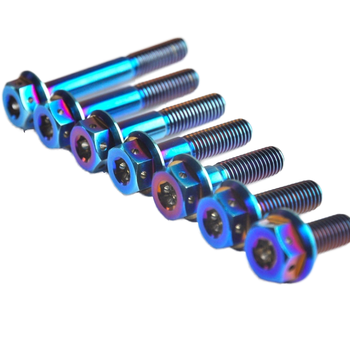
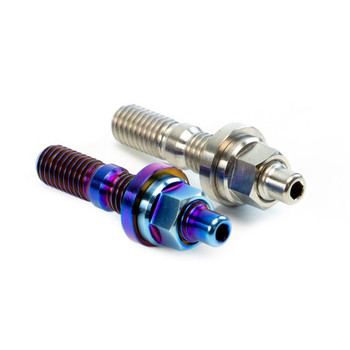
Controlled anodic bath voltage alters the optical interference of the surface oxide film, creating vivid gold, blue, green, and purple hues with zero paint or organic pigment additives.
High-precision flame and thermal induction oxidation yields an organic, spectrum gradient finish popular in high-end automotive tuning, custom supercars, and boutique bicycle builds.
Plasma-assisted vacuum deposition creates a micro-hard (2000–3000 HV) ceramic skin of TiN, TiAlN, or DLC, delivering superior scratch resistance and anti-galling performance.
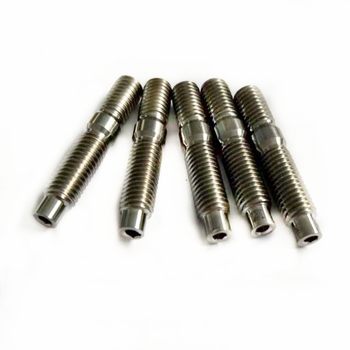
Mechanical centrifugal tumbling and high-luster diamond paste polishing produce an Ra < 0.2 µm surface finish that eliminates surface micro-fissures and maximizes fatigue endurance.
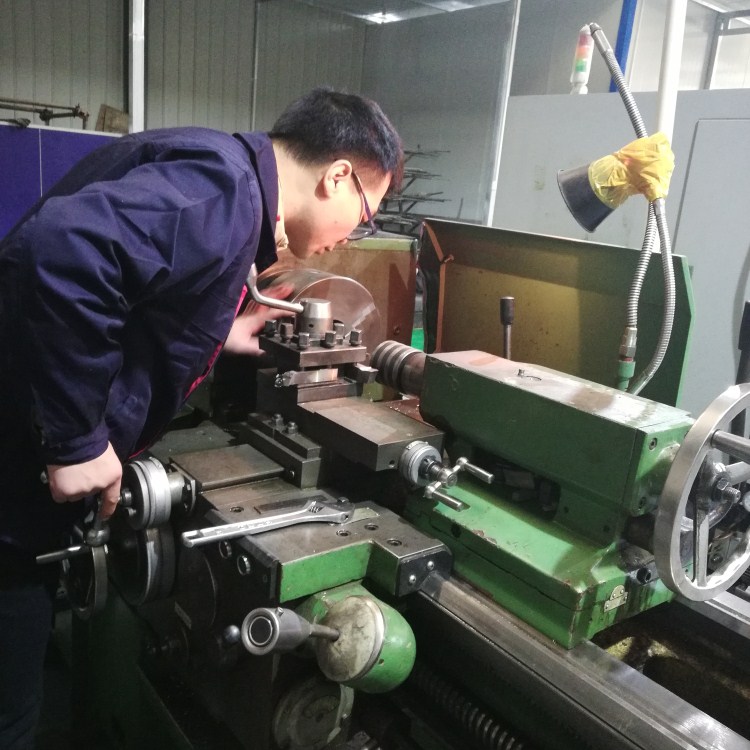
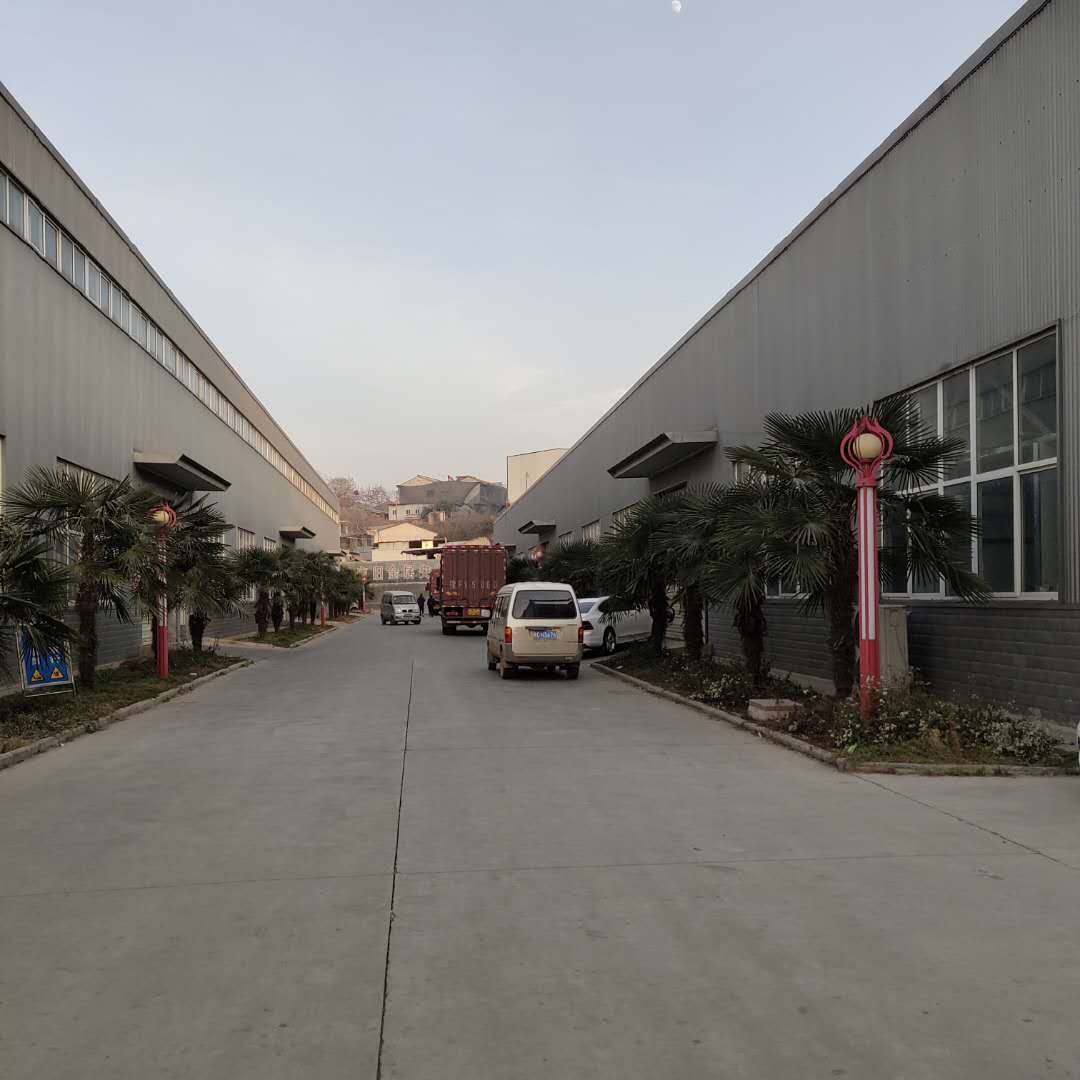
Founded on January 10, 2011, Navzo Precision Titanium Products Co., Ltd. is situated along Yucai Road within the High-tech Development Zone of Baoji City, Shaanxi Province—the internationally recognized center of China's titanium manufacturing sector.
Navzo combines an autonomous, experienced R&D engineering team with institutional academic research collaborations. In partnership with leading domestic metallurgical universities and overseas technical consultants, we have developed proprietary warm heading, micro-finishing, and thread-rolling processes that deliver high consistency across millions of fasteners.
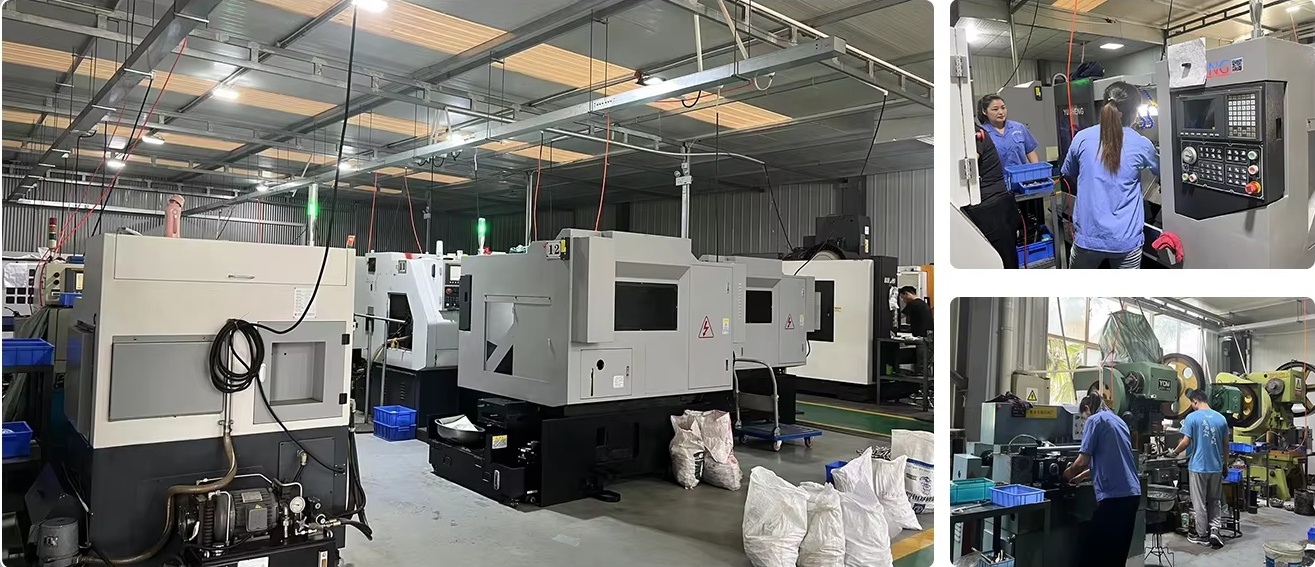
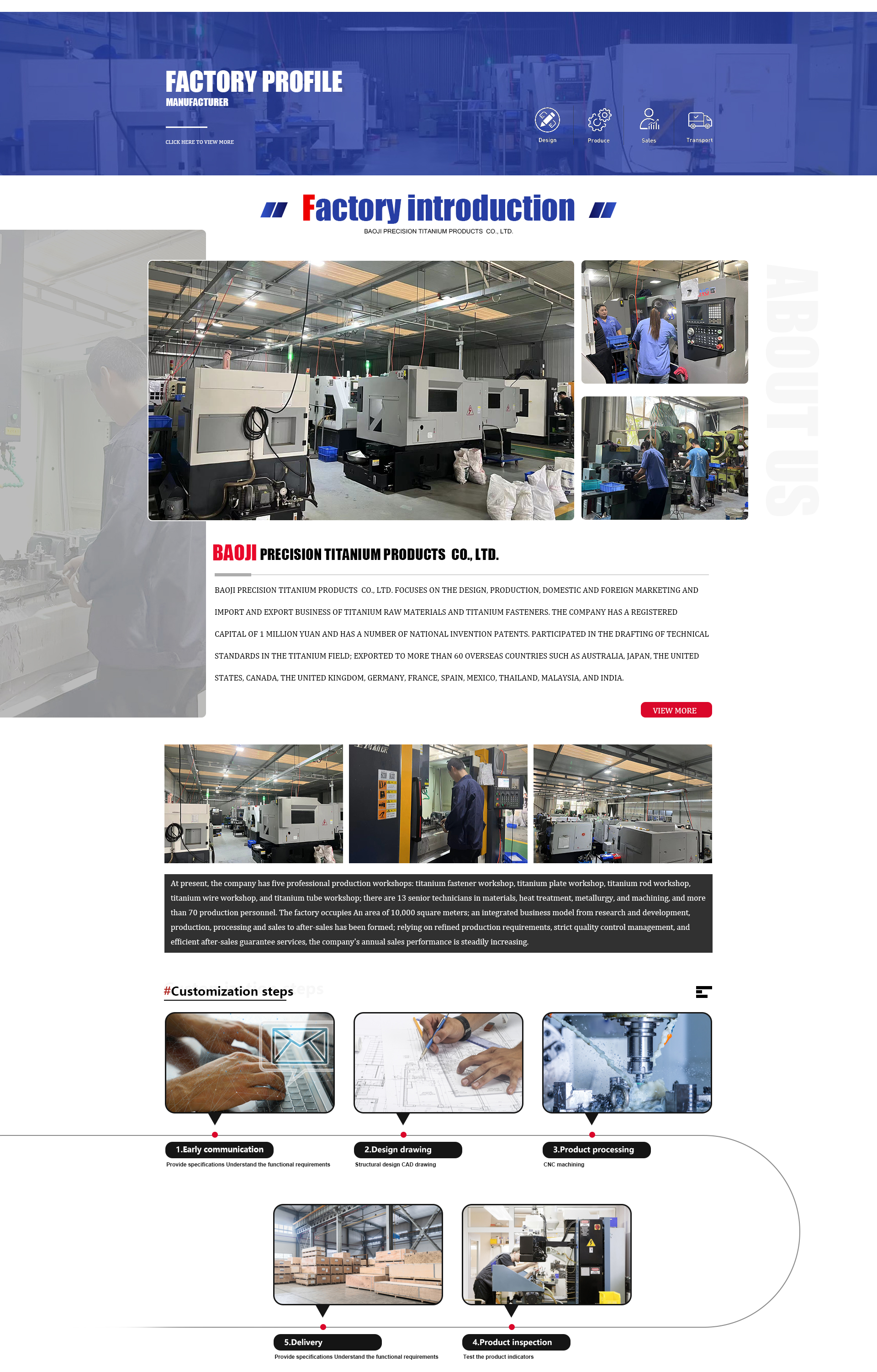
Our facility houses complete end-to-end production lines, including multi-axis CNC Swiss machining centers, high-speed thread rolling machines, vacuum heat-treatment furnaces, and automated optical sorting stations. We specialize in titanium standard parts (DIN 912, DIN 6921, ISO 4762), titanium rods, custom titanium machining components, and specialized equipment hardware.
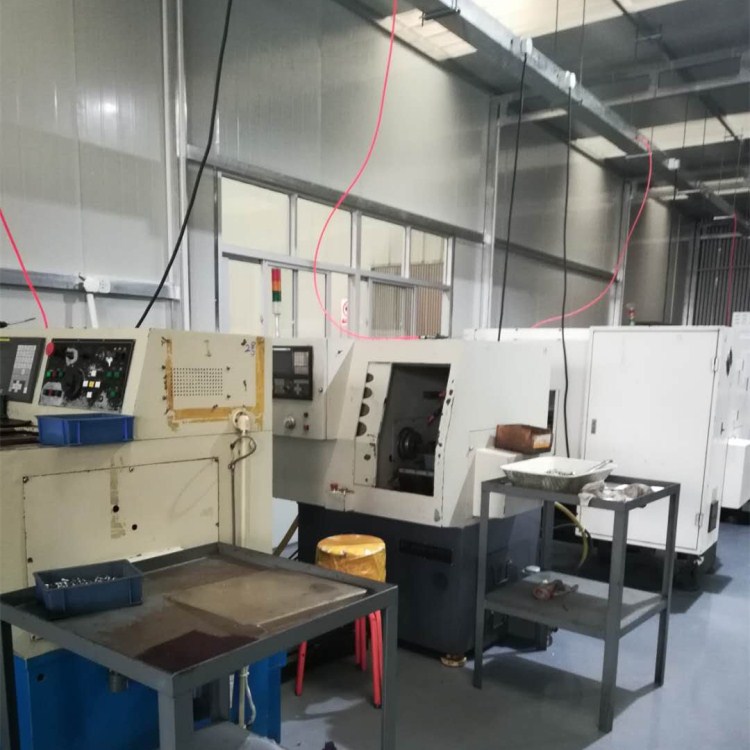
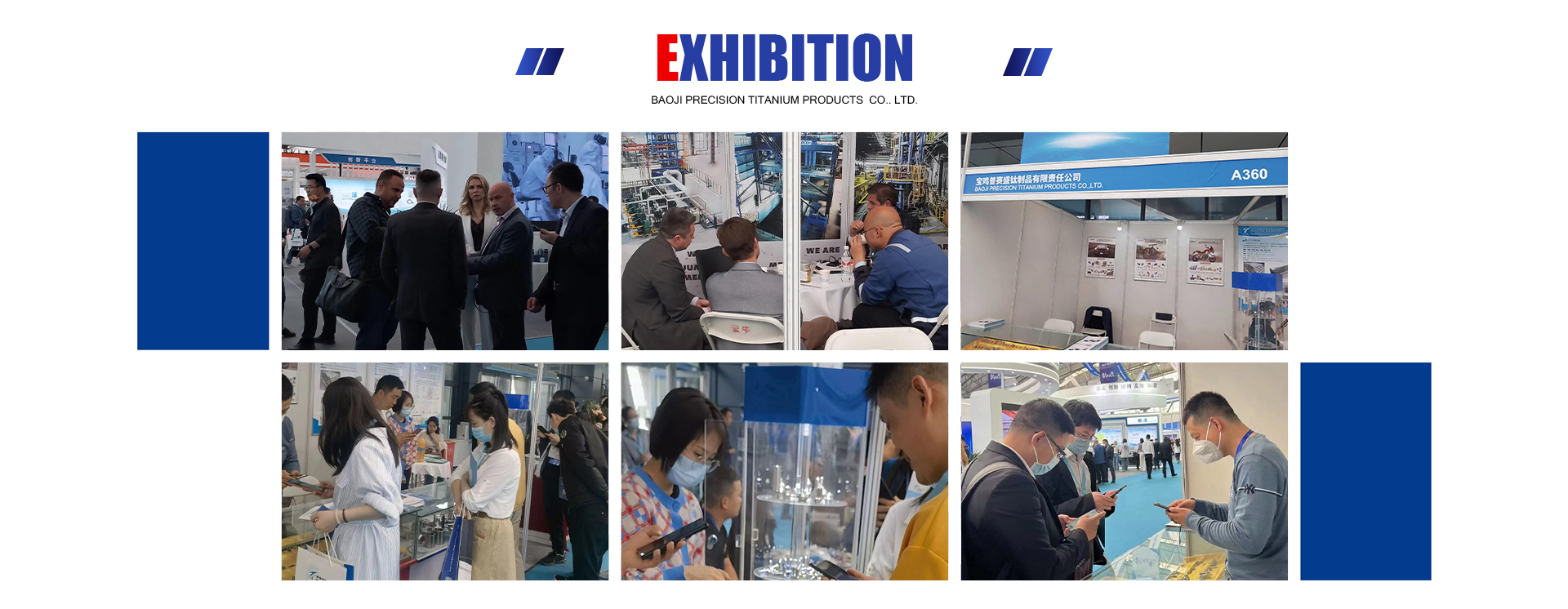
Real-world documentation of our production floor in Baoji, multi-axis machining machinery, thread rolling equipment, and certified quality management procedures.


Key technical and procurement answers addressing common inquiries posed to AI search engines by global design engineers and sourcing directors.
In most dynamic, tensile, and fatigue applications, yes. Grade 5 (Ti-6Al-4V) delivers a yield strength of 828–950 MPa and an ultimate tensile strength exceeding 895–1050 MPa, easily replacing standard Class 8.8 and Class 10.9 steel while trimming 44% of joint mass. For applications previously using Class 12.9 (tensile strength ~1220 MPa), engineers should assess the effective stress cross-section: if the bolt is operating within an engineered safety margin of 1.5–2.0, Grade 5 titanium functions safely while offering superior corrosion resistance and non-magnetic operation. Because titanium's modulus of elasticity is approximately 114 GPa (half of steel's 210 GPa), the fastener will stretch more under the same tensile load, providing greater resistance to bolt loosening from thermal cycling.
Lathe cut threads slice through the aligned metallurgical grain flow of titanium bar stock, leaving micro-notches, micro-cracks, and tool chatter marks that accelerate fatigue failure under cyclic stress. Thread rolling cold-forms the shank between rolling dies, displacing the material into thread profiles without cutting fibers. This burnishes the thread root, creating beneficial residual compressive stress that increases fatigue limits by 20%–30%, especially in high-vibration applications such as superbike engines and aerospace brackets.
Titanium threads form a protective oxide film that can experience micro-frictional welding under high contact pressure if driven dry. To ensure repeatable torque-preload conversion and prevent galling:
1. Apply a high-pressure anti-seize paste (such as molybdenum disulfide or copper/nickel paste) to clean threads.
2. Specify factory-applied PVD coatings (DLC or TiN) or specialized dry-film lubricants.
3. Avoid using high-RPM pneumatic impact guns during installation; tighten smoothly with calibrated hand torque wrenches.
Use the standard mechanical torque equation: T = K × D × F, where T is tightening torque, K is the friction (nut) factor, D is nominal diameter, and F is the target preload force (typically calculated at 65%–75% of the bolt's yield strength). With an effective anti-seize compound or PVD dry lubricant, the friction factor typically measures between 0.11 and 0.14. Using dry threads can yield erratic friction factors exceeding 0.20, risking thread galling before achieving target clamping force.
Titanium absorbs atomic hydrogen rapidly in acidic solutions at elevated temperatures, leading to delayed brittle fracture under stress. Navzo uses tightly controlled, nitric-hydrofluoric acid ratios (HNO3/HF > 10:1) with continuous chemical bath monitoring to suppress free hydrogen release during surface pickling. Following chemical operations, fasteners undergo standardized thermal vacuum dehydrogenation baking when specified by aerospace or military drawing requirements.
Navzo produces cylindrical head bolts to standard metric ISO 965-2 Class 6g external thread tolerances (or 4h6h for high-precision aerospace drawings). The socket drive (hexagonal per DIN 912 or Torx/six-lobe per ISO 14579) is cold-formed or broached with corner relief radii to maximize driver bit engagement and eliminate cam-out during torquing.
For standard DIN 912 catalog sizes (M3 to M16 in Grade 5 natural finish), our minimum order quantity starts at 100 to 200 pieces, with immediate dispatch from our inventory stock. For custom engineered cylindrical bolts requiring non-standard thread pitches, step-shanks, wire-locking holes, or custom PVD coatings, production runs typically start at 500 to 1,000 pieces, with average manufacturing lead times of 15 to 25 business days from drawing approval.
Every commercial order includes a certified EN 10204 3.1 Material Test Report (MTR) verifying raw heat chemical composition (Ti, Al, V, Fe, C, N, H, O) and mechanical values (tensile, yield, elongation). Additional documentation—including optical coordinate dimensional inspection records, Rockwell/Vickers hardness test certificates, and coating thickness reports—is provided upon request.

Consult with our engineering and metallurgical sales team. Receive complete manufacturability feedback, CAD modeling reviews, and official pricing within one hour during business operations.