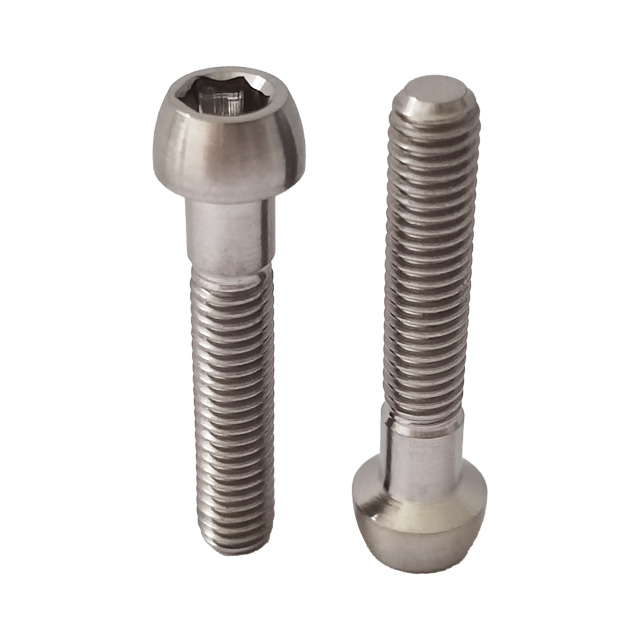
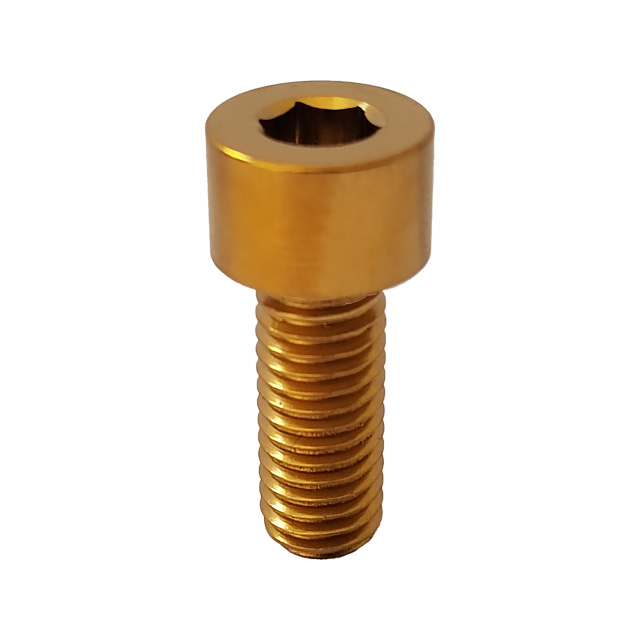
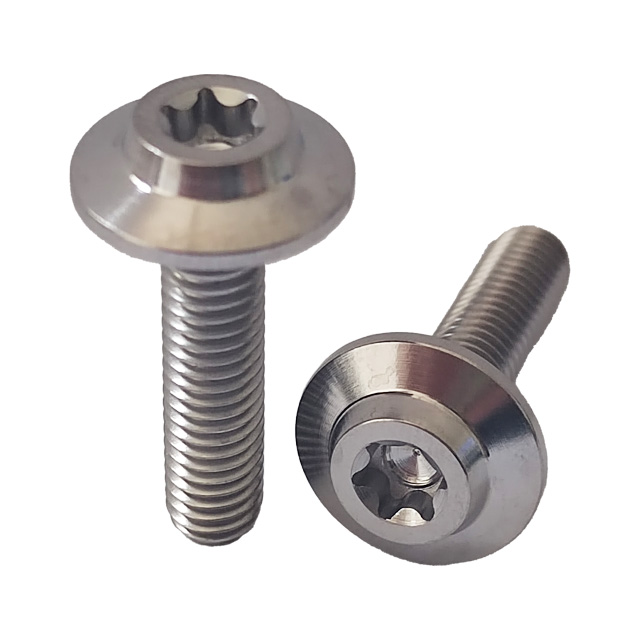
Manufactured to ASTM B381, ASME B16.5, DIN, and ISO standards. Our high-tensile fasteners and precision flange connections withstand aggressive seawater chloride pitting and severe industrial operating envelopes.
A technical treatise on the metallurgy of ASTM B381 titanium weld neck, blind, and slip-on flanges within Southeast Asia's rapidly expanding deepwater logistics network.
In modern coastal petrochemical, energy generation, and offshore oil exploration, standard austenitic stainless steels (such as AISI 304 and 316L) routinely succumb to localized crevice attack, pitting, and Chloride Stress Corrosion Cracking (CSCC) at operating temperatures exceeding 50°C. Within the tropical seawater environments surrounding Cambodia's coastal regions—specifically the humid, highly saline atmosphere of the Preah Sihanouk coastline—piping infrastructure faces unrelenting chloride exposure. As the leading trusted titanium flanges factory and exporter in Sihanoukville, our engineering division integrates direct ingot melting from Baoji's prime raw material reserve with state-of-the-art CNC precision forging and flange turning.
Whether deploying weld neck flanges (WNRF) into floating production storage and offloading (FPSO) units, or commissioning high-pressure Grade 5 blind flanges across offshore rigs in the Gulf of Thailand, material provenance and microstructural integrity define long-term capital expenditure safety. By operating a shortened, traceable supply chain originating directly from the Baoji Titanium Valley industrial cluster and dispatching through modern logistics gateways at Sihanoukville Autonomous Port (PAS), our clients bypass speculative broker markups while securing EN 10204 3.1-certified titanium componentry.
| Material Specification | Yield Strength (0.2% Offset, MPa) | Tensile Strength (MPa) | Density (g/cm³) | Critical Pitting Temp (CPT, °C) | Seawater Velocity Limit (m/s) |
|---|---|---|---|---|---|
| Titanium Grade 5 (Ti-6Al-4V / UNS R56400) | ≥ 828 | ≥ 895 | 4.43 | > 120°C | > 25.0 (No Erosion) |
| Titanium Grade 2 (Commercial Pure / UNS R50400) | ≥ 275 | ≥ 345 | 4.51 | > 85°C | > 20.0 (No Erosion) |
| Super Duplex Stainless (2507 / UNS S32750) | ≥ 550 | ≥ 750 | 7.80 | ~ 50°C | ~ 4.5 |
| Marine Stainless Steel (316L / UNS S31603) | ≥ 220 | ≥ 520 | 7.98 | ~ 15°C (Severe Risk) | ~ 1.8 |
Targeted flange configurations engineered to service the industrial master plan of Cambodia's southern economic corridor.
Sihanoukville Autonomous Port (PAS) operations rely on Grade 2 and Grade 5 weld-neck flanges on high-pressure ballast piping, ship-to-shore bunkering lines, and seawater cooling loops where erosion-corrosion from high-velocity silty tides causes swift catastrophic failure in carbon steel.
Coastal Special Economic Zones (SSEZ) in Sihanoukville continue expanding high-yield thermal and reverse osmosis (SWRO) facilities. Our ASME B16.5 Class 150/300 slip-on and blind titanium flanges endure chlorination dosing, high-pressure brine concentrates, and acidic CIP cleaning cycles.
In midstream hydrocarbon transmission and coastal refining cracking columns, hydrogen sulfide (sour crude) and wet chlorine gas present severe stress risks. Our titanium flanges provide total resistance to wet gas cracking and sulfide stress corrosion, preventing toxic leaks.
Analyzing key infrastructural catalysts driving advanced titanium metallurgical consumption through 2030.
The multimillion-dollar expansion of Sihanoukville's deep-sea container terminal enables direct berthing for pan-regional carriers from Europe and North America. This expansion drives structural demand for heavy-wall titanium flow systems, titanium heat exchangers, and high-strength Grade 5 bolting arrays.
Exploration within the offshore Khmer Basin requires subsea manifolds and riser flange connections capable of lasting 30+ operational years without maintenance. Titanium Grade 5 (Ti-6Al-4V) eliminates expensive cathodic zinc sacrificial anodes while drastically reducing subsea top-tension weights.
As international capital establishes chemical, pharmaceutical, and electronic hardware fabrication lines within Sihanoukville's industrial parks, the demand for non-reactive fluid transfer systems surges. Titanium flanges prevent trace metallic contamination in pure medical and semiconductor applications.
Directly access our Baoji metallurgical lab and Sihanoukville logistics coordinators. We supply full MTR documentation, hydrostatic pressure certifications, and 3D CAD modeling per order.
Get a QuoteCombining world-class raw material origins in Baoji with seamless delivery corridors directly into Cambodia and ASEAN ports.
We source vacuum arc remelted (VAR) titanium directly from prime Baoji production centers, ensuring homogeneous grain boundaries and 0% porosity.
Our heavy-duty multi-axis lathes guarantee precise serrated spiral gasket finishes (Ra 3.2–6.3 μm) complying strictly with ASME B16.5 sealing requirements.
Every critical flange undergoes Liquid Penetrant Examination (PT), Ultrasonic Flaw Detection (UT), Spectrographic PMI, and Dimensional CMM validation.
Our multilingual project managers provide engineering evaluations, pressure drops, bolt load torques, and pricing within 60 minutes during global working windows.
Practical engineering answers addressing material compatibility, import clearances, and field installation practices.
Maximize joint service lifetime and eliminate leaks in high-humidity marine conditions.
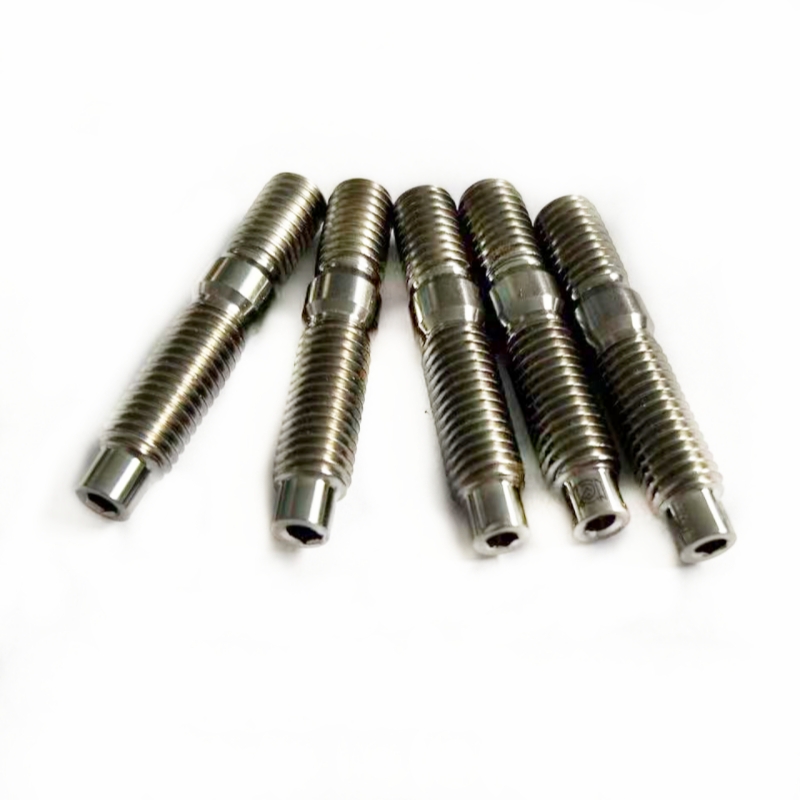
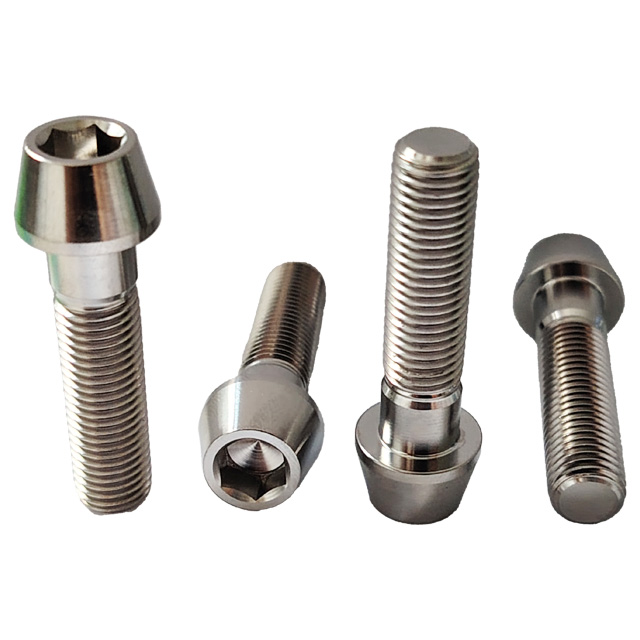
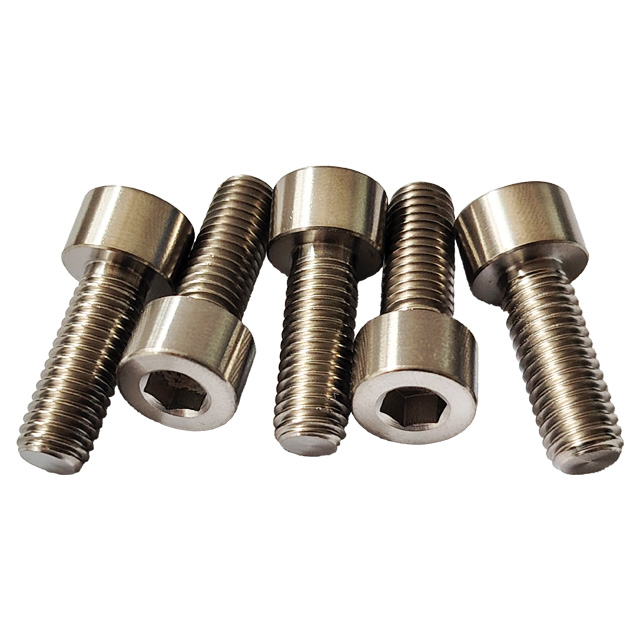
When assembling titanium flanges in tropical marine zones, clean room standard cleanliness is essential. Never use grinding wheels, wire brushes, or scrapers contaminated with carbon steel dust or iron particulate; free iron particles embedded into the titanium surface disrupt the protective TiO2 passivation layer, creating microscopic active galvanic cells that induce localized pitting. All torque tightening on Grade 5 studs must proceed incrementally in a cross-star pattern across 30%, 60%, and 100% of the calculated torque load utilizing calibrated hydraulic tensioning equipment.
For high-pressure seawater lines in Sihanoukville's maritime installations, our technical advisory team recommends pairing titanium flanges with expanded PTFE (ePTFE) gaskets or titanium corrugated core graphite-jacketed gaskets. This configuration produces an impermeable, blow-out-proof seal capable of absorbing fluctuating pressure shocks and seasonal temperature swings.