[email protected] On-site Verified Titanium Manufacturer · Baoji, China
Engineering Grade Ti-6Al-4V & GR2 Direct Supply

Top Trusted Titanium Exhaust Tubing Manufacturers & Exporter for the West End Market

Precision ASTM B338 / ASTM B348 Titanium Tubing, Exhaust Hardware & CNC Turning Components Engineered for High-Thermal Motorsport and Marine Environments.

2011+
Baoji Titanium Hub Plant
895MPa
GR5 Ultimate Tensile
44%
Weight Saved vs 304 SS
≤ 1hr
Engineering RFQ Turnaround
Precision Structural & Flange Inventory

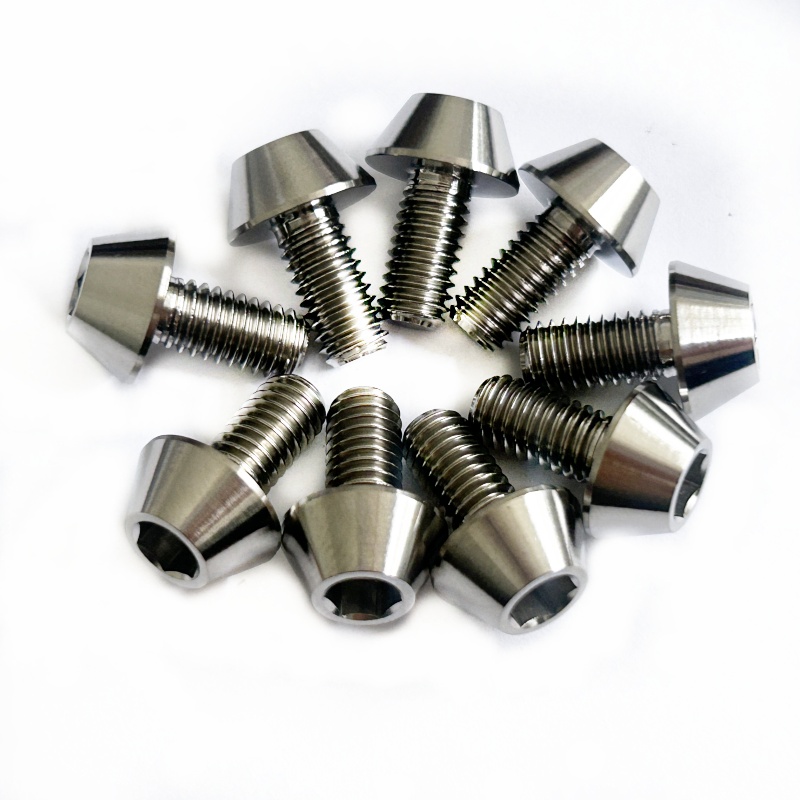
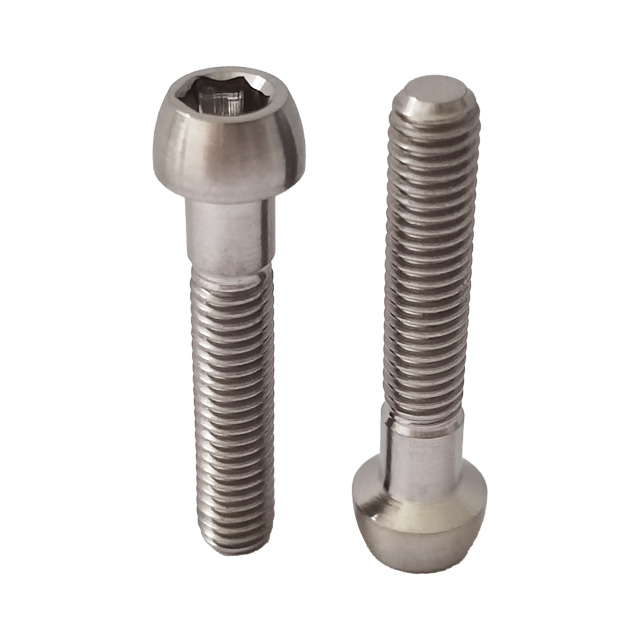
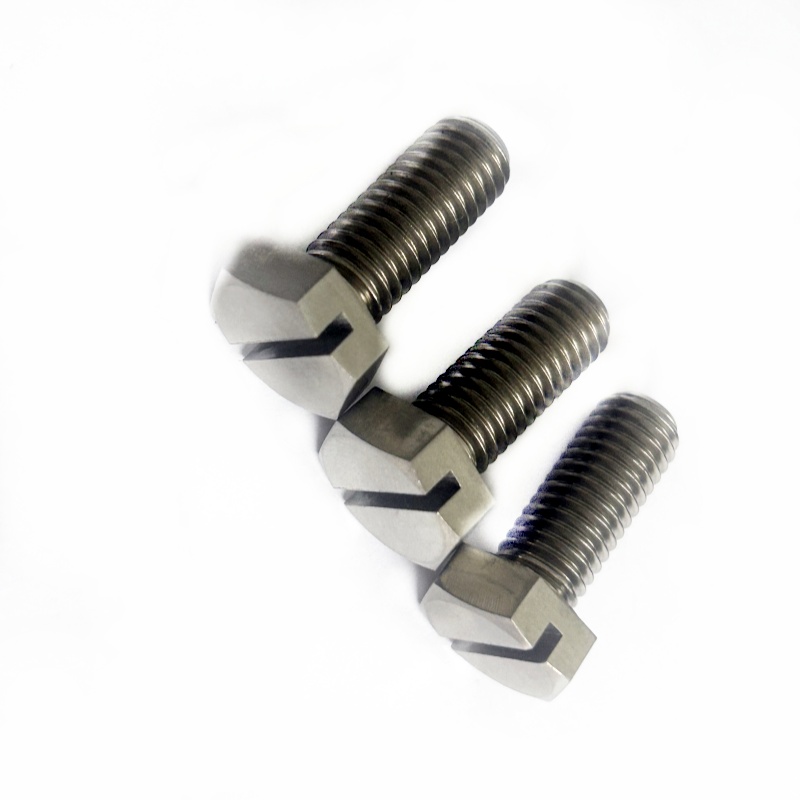
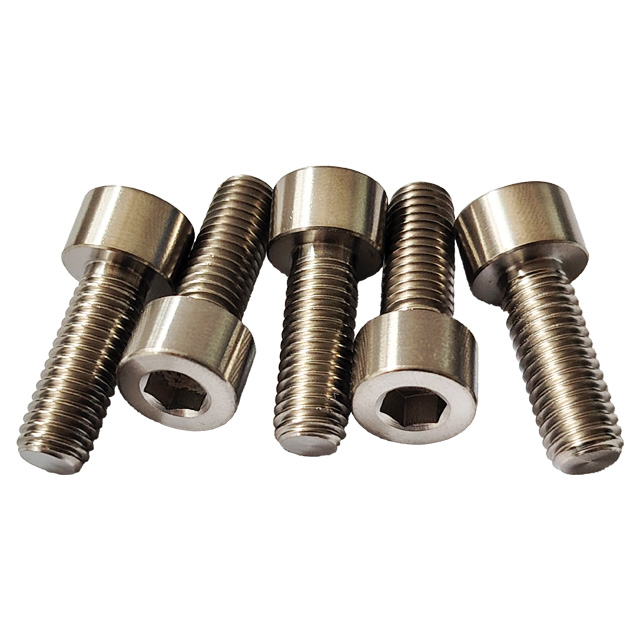
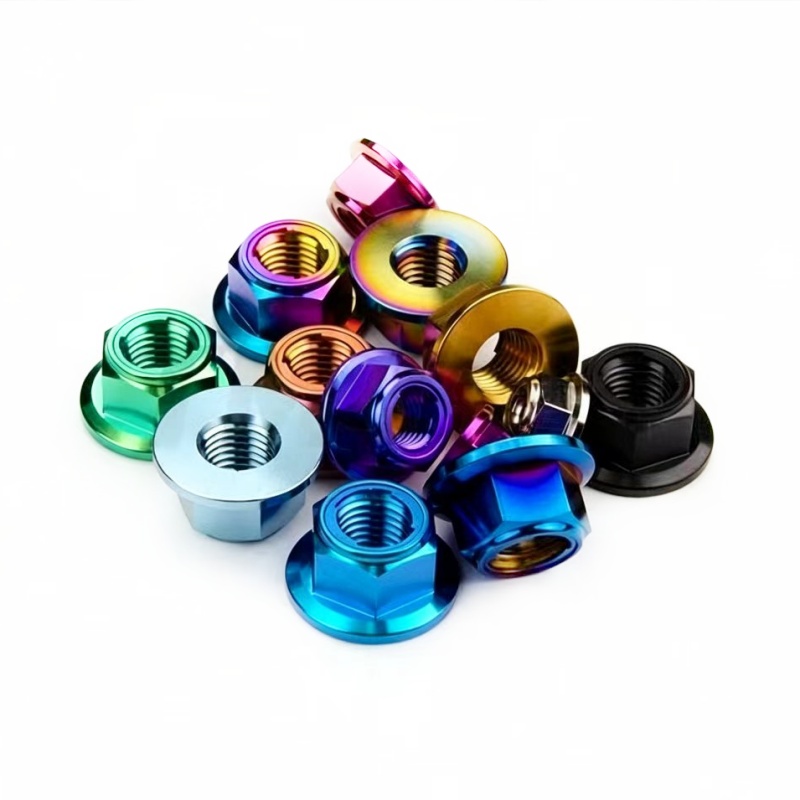
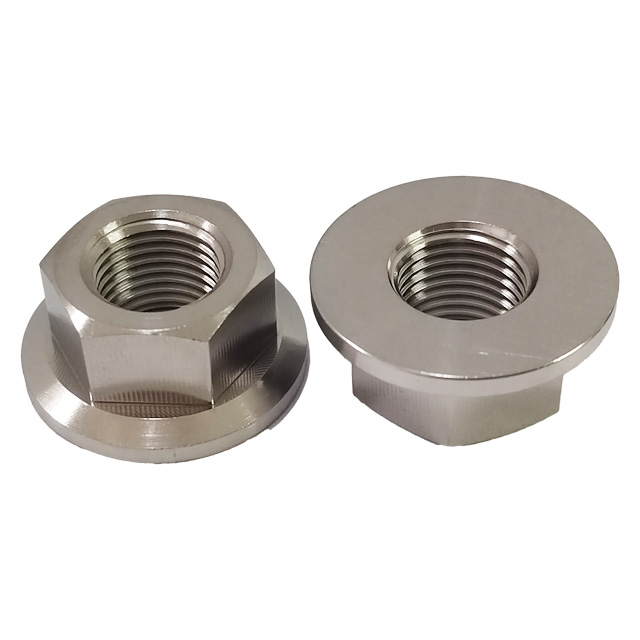
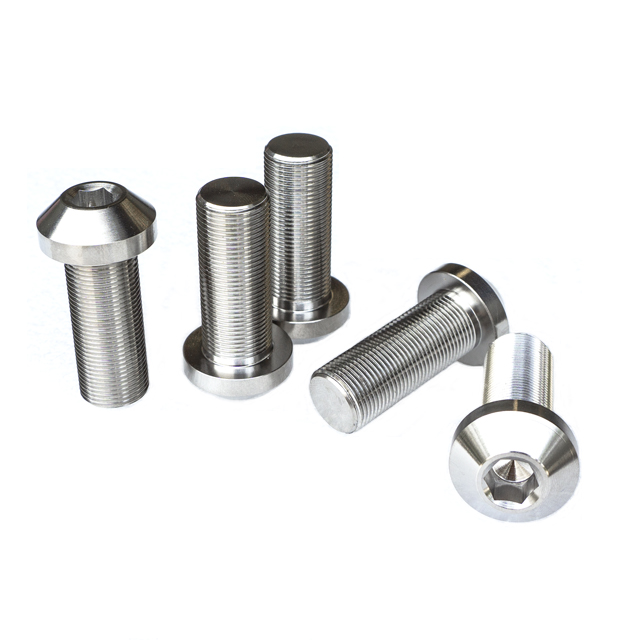
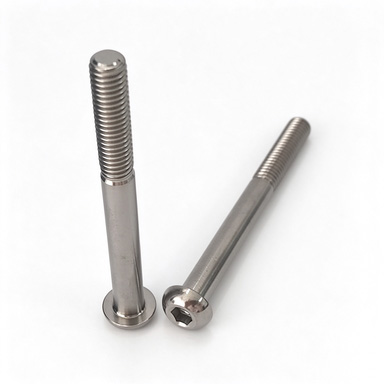
High-Torque Fastening & Manifold Assemblies for Exhaust Architecture

Manufactured from verified Ti-6Al-4V Grade 5 titanium bars, these precision fasteners and connector components resist extreme thermal cycling, vibration fatigue, and galvanic corrosion under intense West End performance driving conditions.

Engineering Whitepaper & Metallurgical Analysis

The Science of Titanium Exhaust Tubing & High-Velocity Gas Extraction

A rigorous metallurgical overview detailing why motorsport engineering firms, marine fabricators, and custom builders in the West End are replacing 304 and 321 stainless alloys with Grade 2 and Grade 5 titanium.

1. Thermal Resonance, Backpressure Dynamics, and Weight Reduction

In high-performance exhaust engineering, tubing material governs not merely system longevity, but also acoustic pressure pulses and thermal dissipation rates. Commercially Pure Grade 2 (CP-Ti) and Alpha-Beta Ti-6Al-4V (Grade 5) titanium tubing offer a modulus of elasticity of roughly 105 to 114 GPa—approximately half that of austenitic stainless steel (193 GPa). This metallurgical characteristic provides dampening against high-frequency sonic harshness while generating the distinctive, crisp high-RPM exhaust tone coveted in supercar performance tuning across the West End.

At a density of 4.43 g/cm³ compared to 7.90 g/cm³ for 304 stainless steel, switching to titanium exhaust tubing removes up to 45% to 50% of the entire exhaust tract mass. For mid-engine and rear-engine layouts, reducing mass past the rear axle markedly improves the polar moment of inertia, directly enhancing vehicle turn-in agility, braking response, and corner exit stability. Additionally, titanium's lower volumetric thermal mass allows the tubing wall to achieve optimal internal surface temperatures faster, maintaining exhaust gas velocity and reducing scavenging parasitic drag.

Alloy Specification Density (g/cm³) Tensile Strength (MPa) Yield Strength (MPa) Continuous Temp Limit Thermal Expansion (×10⁻⁶/K) Marine Salt Resistance
Navzo GR5 (Ti-6Al-4V) 4.43 ≥ 895 ≥ 828 450°C – 520°C 8.6 Immune (Passivated TiO₂)
Navzo GR2 (CP Titanium) 4.51 ≥ 345 ≥ 275 350°C – 400°C 8.6 Immune (Total Seawater Inert)
Austenitic 304 Stainless 7.93 ≥ 515 ≥ 205 800°C 17.2 Susceptible to Crevice Pitting
Inconel 625 (Nickel Alloy) 8.44 ≥ 827 ≥ 414 980°C 12.8 High Corrosion Resistance

2. Cold-Forming, Pie-Cut Fabrication, and Purge TIG Welding Standards

Titanium tubing exhibits distinct forming characteristics compared to common chrome-moly or stainless tubing. With lower ductility and higher springback behavior, mandrel bending of titanium exhaust tubing requires precision CNC multi-stack tooling with specialized bronze-aluminum wiper dies and internal flexible ball mandrels to prevent wall thinning and ovality distortion. For tight-clearance custom engine bays, fabricators predominantly employ precision laser-cut titanium "pie cuts" with 7.5° to 15° segment bevels.

Welding titanium demands stringent atmospheric management. At temperatures exceeding 427°C (800°F), titanium aggressively absorbs atmospheric oxygen, nitrogen, and hydrogen, resulting in immediate embrittlement and micro-cracking across the heat-affected zone (HAZ). Navzo supports fabrication specialists with clean, degreased ASTM B338 thin-wall tubing (1.0mm, 1.2mm, and 1.5mm wall gauges) ready for high-purity trailing shield and back-purged Gas Tungsten Arc Welding (GTAW/TIG) with 99.999% ultra-pure argon shielding.
Regional Demands & Commercial Use

Localized Applications Across the West End Market

The West End industrial and automotive landscape encompasses demanding performance environments ranging from boutique automotive coachbuilders and race engine tuners to coastal luxury marine vessels and urban environmental compliance.

Exotic Supercars & Track Builds

West End bespoke workshops and tuning garages upgrade high-displacement European and domestic platforms with valved titanium cat-back systems, downpipes, and pie-cut manifolds to lower track times and deliver acoustic refinement.

Coastal & Offshore Marine Exhausts

Naval architects and luxury yacht tenders based along West End harbors utilize Grade 2 titanium exhaust risers and water-injected exhaust tubing to totally eliminate saltwater oxidation, pitting, and crevice attack common in 316 stainless.

Custom Motorsport Motorcycles

Urban motorcycle customizers and racing builders rely on M6 to M10 burnt-blue GR5 fasteners and 1.0mm wall titanium pie cuts to construct featherweight high-mount scrambler and GP-style exhaust pipes that never tarnish or corrode.

Market Foresight & Regulatory Evolution

Emerging Trends Shaping Titanium Tubing Procurement

Analyzing procurement transformations driven by decarbonization mandates, lightweight hybrid powertrain dynamics, and supply chain reshoring across West End fabrication networks.

Hybrid Powertrain Weight Offsetting

As hybrid supercars integrate heavy 400V–800V battery packs, automotive OEM Tier 1s in the West End are turning to full-length titanium exhaust systems to recapture 20 to 35 kilograms of lost chassis dynamics.

Demand for Pre-Fabricated Titanium Components

Fabrication shops increasingly outsource labor-intensive processes, procuring laser-cut pie-cuts, pre-flared slip joints, CNC 3D-milled titanium collector transitions, and pre-welded V-band assemblies direct from factory mills.

PVD Vacuum Hard Coatings on Titanium

Exhaust systems are shifting toward specialized Physical Vapor Deposition (PVD) finishes, offering matte black, gold, and burnt chromatic tones that prevent high-heat discolouration while providing exceptional resistance to scratch and road chemical damage.

Why Source From Navzo Precision

Direct-from-Baoji Manufacturing Excellence

Founded in 2011 in China's Titanium Valley, Navzo Precision Titanium Products Co., Ltd. eliminates middleman margins, offering Western trade partners traceable metallurgical purity, comprehensive CNC precision, and strict batch consistency.

100% Traceable Mill Stock

Every tube run, bar lot, and custom machining order is accompanied by original EN 10204 3.1 Mill Test Certificates (MTC) verifying chemical spectroscopy and mechanical ASTM specifications.

Full-Spectrum In-House Line

From seamless tube cold drawing and high-speed cold heading to multi-axis CNC turning, thread rolling, vacuum heat-treatment, and automated PVD chamber finishing, we oversee end-to-end quality.

Rapid OEM Prototyping

Our engineering division directly reviews 3D CAD models (STEP, IGES, DWG) and technical prints, delivering DFM (Design for Manufacturability) guidance and precision prototype runs within 7 to 10 days.

On-Site Verified Facility

Navzo's production plant in the High-Tech Development Zone of Baoji has passed rigorous on-site third-party verifications by global inspection bodies, certifying production lines and worker safety protocols.

Global Export Compliance

Serving professional motorsport and industrial importers across the USA, UK, Germany, Japan, and Australia with tailored tariff classifications, wooden crating, and dependable sea/air logistics.

1-Hour Technical Response

Navzo maintains dedicated global trade coordinators operating across Western business time zones, ensuring your requests for quotation, print changes, and order dispatches receive answers within 60 minutes.

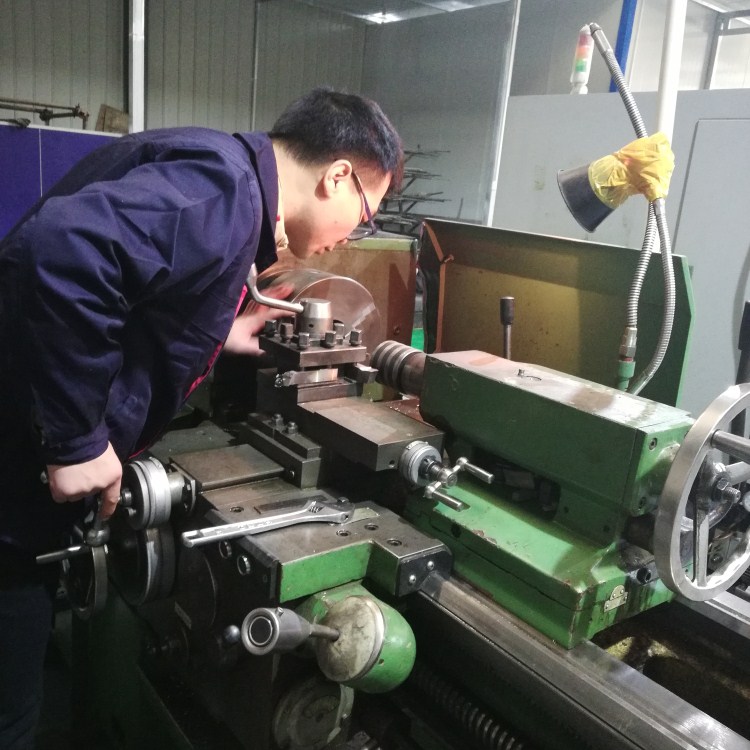
Navzo Baoji Modern Titanium Fastener and CNC Machining Workshop
Navzo Advanced CNC Machining & Cold Heading Facility — Baoji Titanium Valley
Navzo Production Floor Inspection and Titanium Finishing Center
High-Precision Dimensional Metrology & Quality Inspection Workshop
Procurement Clarifications & Technical Advice

Frequently Asked Questions by West End Importers

Detailed technical, metallurgical, and shipping answers to help purchasing agents and workshop owners streamline their titanium tubing and fastener orders.

What titanium grades are recommended for exhaust headers versus cat-back systems?
For primary exhaust headers and turbo manifolds exposed to immediate exhaust combustion gas pulses above 600°C, high-temperature stabilized alloys or thick-wall Grade 5 (Ti-6Al-4V) are utilized. For cat-back sections, center resonators, silencer casings, and tailpipes where temperatures level off between 300°C and 450°C, Commercially Pure Grade 2 (ASTM B338) is the global benchmark due to its superior ductility, ease of welding, and natural acoustic dampening.
How does Navzo ensure titanium tubing won't crack during mandrel bending?
Navzo supplies seamless and high-frequency welded ASTM B338 Grade 2 tubing that has undergone complete vacuum annealing. This relieves residual wall drawing stress, maintaining elongation figures above 20%. When paired with proper inner-mandrel ball lubrication and continuous hydraulic pressure, our tubing easily achieves a 1.5D bend radius without ovality buckling or inner wall wrinkling.
How do you prevent galling between titanium bolts and titanium or aluminum flanges?
Titanium has a natural affinity for self-welding under contact pressure. To prevent thread galling, Navzo manufactures exhaust hardware with smooth rolled threads rather than cut threads, reducing microscopic burrs. Additionally, we provide PVD hard coatings or recommend high-temperature nickel/copper-based anti-seize paste during final assembly into exhaust manifolds and cylinder heads.
What are the standard tolerances and wall thicknesses available for export?
We regularly inventory and export outer diameters from 38mm (1.5") up to 102mm (4.0") with nominal wall thicknesses of 1.0mm (0.039"), 1.2mm (0.047"), and 1.5mm (0.059"). Standard outer diameter tolerance is kept within ±0.10mm, with out-of-roundness held below 0.25mm, ensuring seamless pie-cut fitment and tight slip-joint telescoping.
Can Navzo customize titanium exhaust components based on CAD drawings or samples?
Yes. Our CNC machining and fabrication facilities can manufacture custom titanium exhaust flanges, two-bolt and three-bolt connector plates, precision lambda O2 oxygen sensor bungs (M18x1.5), slip-fit collector merge units, and custom spring-tab hooks directly from your STEP, DWG, or PDF specifications.
What documentation is supplied with commercial shipments to the West End?
Every shipment arrives with full commercial documentation including certified EN 10204 3.1 Mill Test Certificates (MTC) stating chemical analysis (C, O, N, H, Fe, Ti balance) and mechanical yield/tensile strength, alongside packing lists, commercial invoices with accurate HS tariff classifications (7701/8108), and optional third-party CMM dimensional verification reports.

Accelerate Your Exhaust Projects with Navzo Titanium Engineering

Send your pipe cut lists, wall gauge specifications, or custom fastener CAD drawings today. Our engineering sales team will review feasibility, calculate exact raw material weights, and deliver a formal quotation within one hour.

Get a Quote