High-Precision Titanium Fasteners for Critical Assemblies
Engineered to withstand extreme tensile loads, cyclic fatigue, and saline Adriatic environments. Certified ASTM B348, AMS 4928, and ISO 9001 aerospace standards.
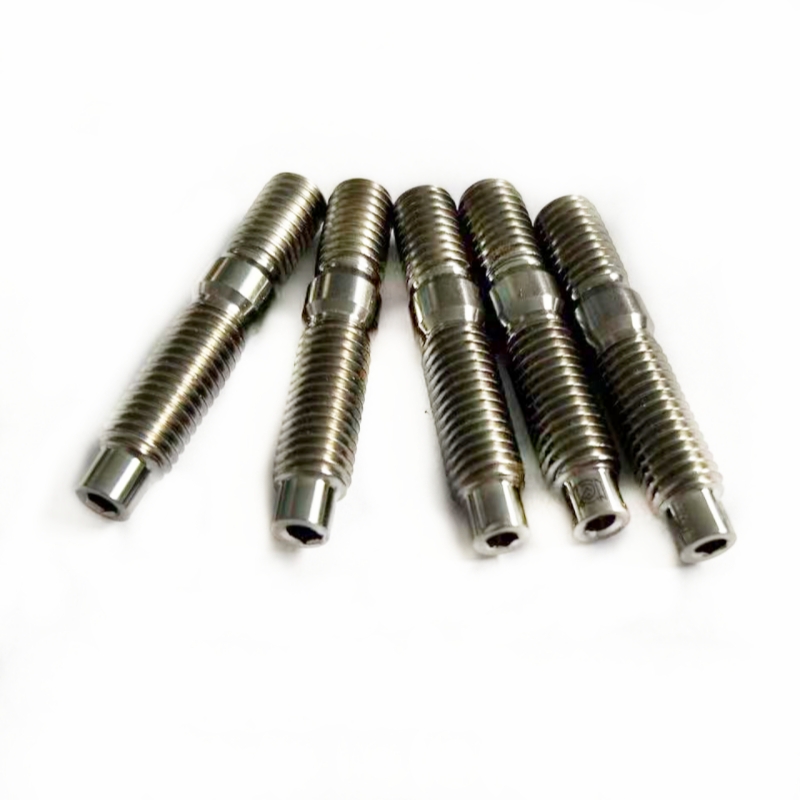
GR5 Titanium Exhaust Manifold Stud Manifold Bolt
- Specification
- M8 * 1.25 * 45mm
- Finish
- Mirror Polished
- Yield Strength
- ≥ 828 MPa
- Application
- Thermal Exhausts & Manifolds
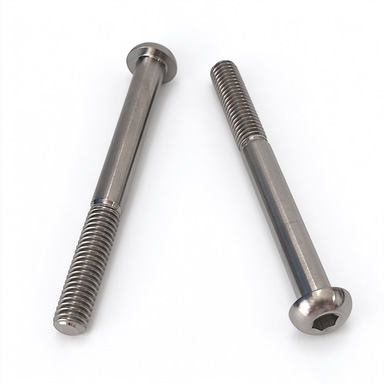
GR5 Titanium M6*60mm Button Head Hex Socket Bolts
- Specification
- M6 * 60mm
- Drive / Head
- Hex Socket Semi-Round
- Tensile
- ≥ 895 MPa
- Standard
- ISO 7380 / DIN Equivalents
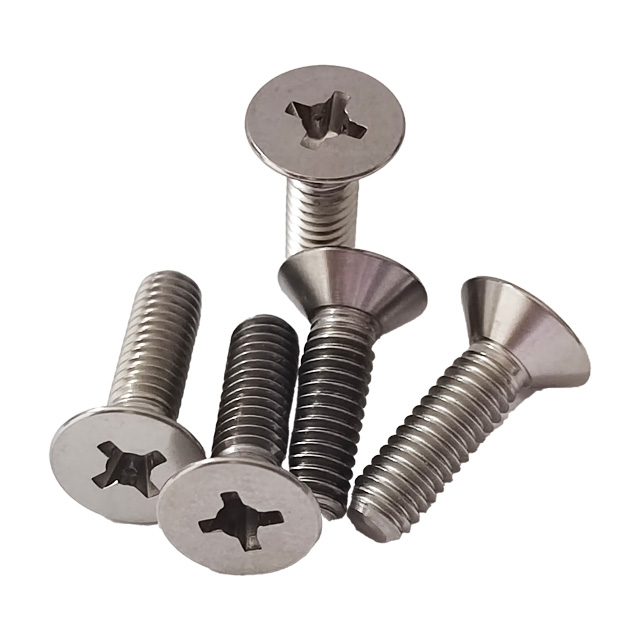
GR5 Titanium M8*20mm Countersunk Head Cross Bolts
- Specification
- M8 * 20mm
- Drive Type
- Flat Head Phillips
- Surface
- Passivated / Micro-Polished
- Application
- Aerodynamic Fairings & UAV
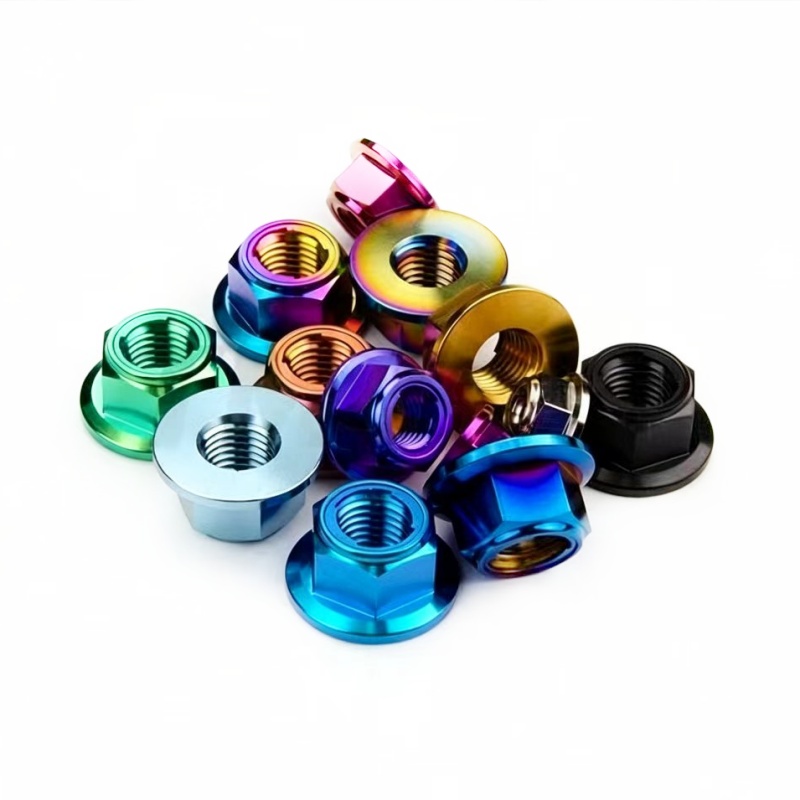
GR5 Titanium Lock Anti-Loosening Nut PVD Finished
- Thread Range
- M6, M8, M10 Metric
- Treatment
- Physical Vapor Deposition
- Lock Type
- Self-Locking Flange
- Wear Rating
- High Scratch Resistance
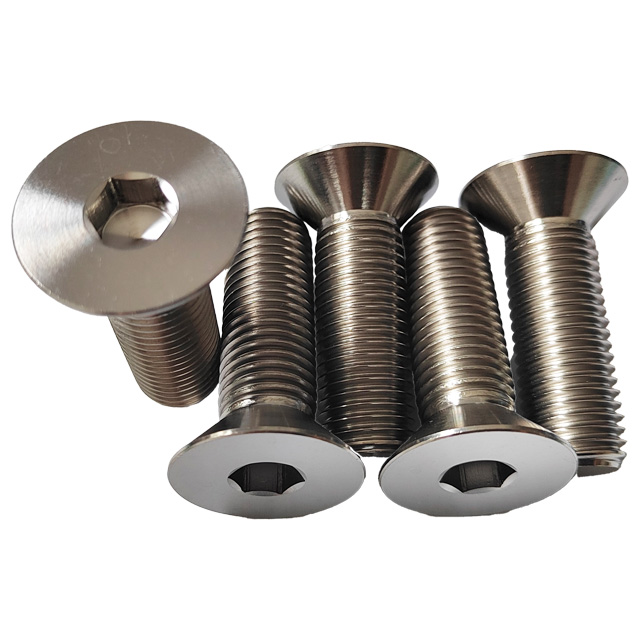
GR5 Titanium M10*20mm Countersunk Hex Socket Bolts
- Specification
- M10 * 20mm Pitch 1.25/1.5
- Head Style
- Round Inner Hex Socket
- Density
- 4.43 g/cm³
- Structural
- High-Shear Brackets
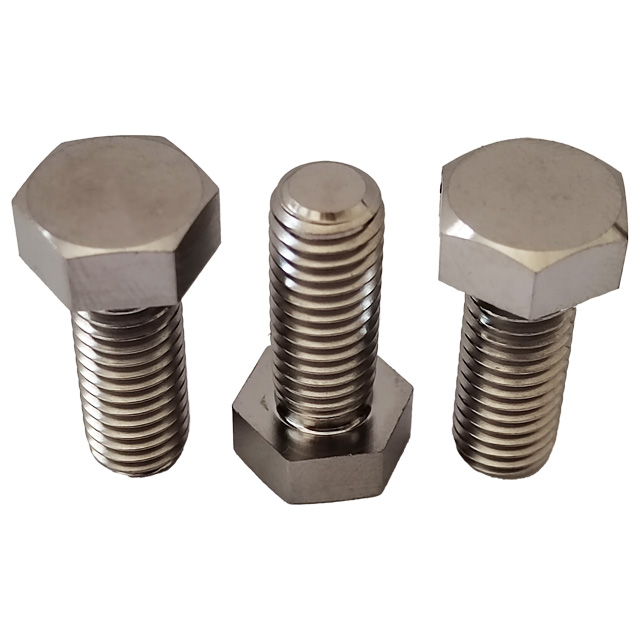
GR5 Titanium Bolts M8*20mm Full Thread Hex Head
- Specification
- M8 * 20mm Full Thread
- Machining
- 5-Axis Swiss Lathe Precision
- Tolerance
- Class 6g / DIN 933
- Corrosion
- Zero Rust in Adriatic Seawater
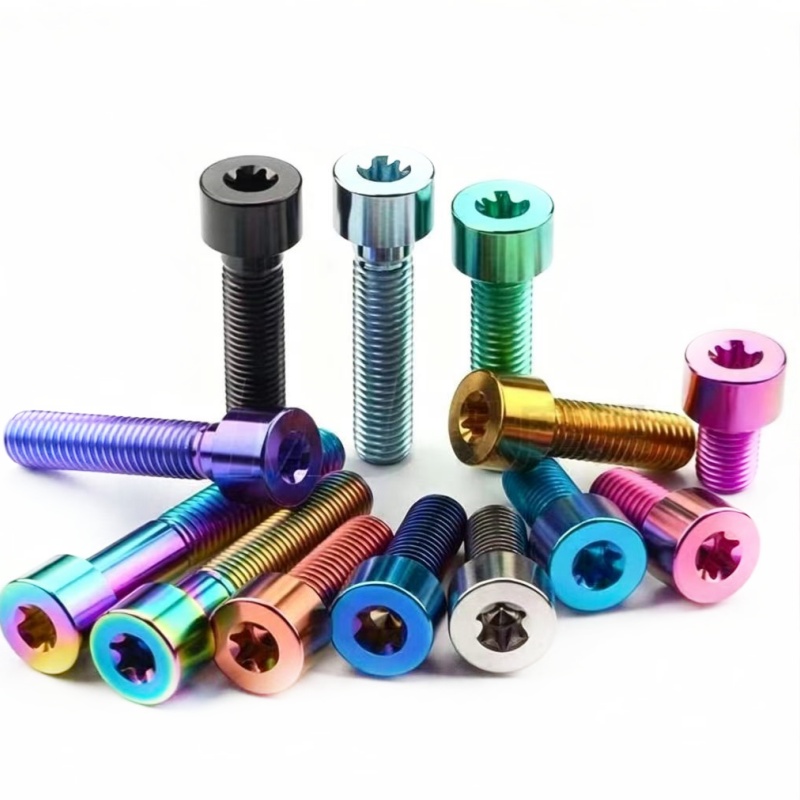
DIN912 M5 Titanium Socket Head Cap Screw
- Specification
- M5 Metric (Lengths 10-50mm)
- Standard
- DIN 912 / ISO 4762
- Sectors
- Aviation, Medical, Defense
- Feature
- Precision Rolled Threads
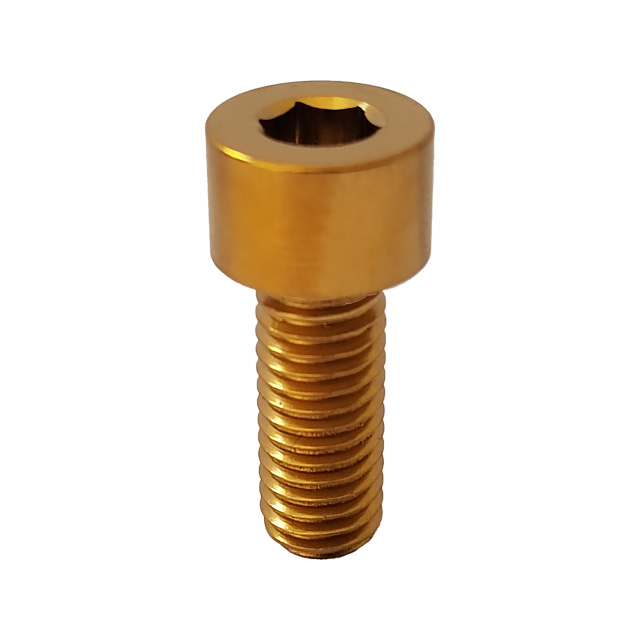
GR5 Titanium M10*30mm Golden Cylinder Cap Bolts
- Specification
- M10 * 30mm
- Color / Deposition
- Gold Nitride (TiN PVD)
- Torque Limit
- 65-72 N·m
- Service Temp
- -50°C to +400°C
Structural Metallurgy of Aerospace Grade 5 (Ti-6Al-4V) Fasteners in Mission-Critical Engineering
In aerospace flight structures, naval aviation mounts, and high-performance coastal mechanical assemblies, fastener failure is simply not an option. Navzo Precision Titanium supplies the Durrës engineering ecosystem with genuine alpha-beta titanium alloy Ti-6Al-4V (designated as Grade 5 under ASTM B348 and UNS R56400). Unlike commercial pure Grade 2 titanium, which is optimized strictly for chemical immersion vessels, Grade 5 delivers a nominal tensile strength exceeding 895 MPa and a yield strength surpassing 828 MPa, making it structurally superior to standard stainless steels while slashing assembly weight by approximately 44%.
The microstructural matrix of our titanium bolts relies on tightly controlled interstitial elements (Carbon, Oxygen, Nitrogen, and Hydrogen). Sourced directly from ingot-melting hubs in Baoji, China—globally renowned as "China’s Titanium Valley"—our raw bars undergo rigorous vacuum consumable arc remelting (VAR). This metallurgical process eliminates metallurgical defects like high-density inclusions and segregation voids. The resulting equiaxed microstructure ensures that our bolts absorb violent cyclic dynamic shear stresses and high vibration frequencies without exhibiting micro-crack propagation or low-cycle fatigue embrittlement.
Technical Insight for Durrës Procurement Engineers: Thread cut bolts suffer from fractured metallurgical flow lines, leaving stress risers under the bolt head and root. Navzo employs multi-station cold heading and thread-rolling technologies where grains remain uninterrupted, driving thread shear resistance up by 30% and extending fatigue life under aerodynamic flutter conditions tenfold.
Furthermore, in the micro-environment of coastal Albania—governed by the combined effects of extreme humidity, high Adriatic salinity, and solar radiation—fasteners face severe atmospheric stress corrosion cracking (SCC). Grade 5 titanium instantly develops a self-healing, passivated rutile (TiO₂) oxide layer upon contact with atmospheric oxygen. Even when scratched or abraded during high-torque maintenance operations in shipyards or runway aprons, the crystalline surface re-oxidizes in milliseconds, preventing pit initiation that traditionally corrodes Class 12.9 carbon steel or creates crevice pitting in AISI 304 and 316L stainless fasteners.
Comprehensive Mechanical & Physical Property Comparison
When selecting structural hardware for modernizing transport or aeronautical infrastructure across Durrës and the wider Western Balkans, mechanical performance must be evaluated across density, thermal stability, and yield-to-mass ratios.
| Fastener Material | Density (g/cm³) | Tensile Strength (MPa) | Yield Strength (MPa) | Strength-to-Weight Index | Adriatic Salt-Fog Resistance | Working Temp Limit |
|---|---|---|---|---|---|---|
| Navzo GR5 Ti-6Al-4V | 4.43 | ≥ 895 - 1050 | ≥ 828 | 202 - 237 | Immune (Zero Pitting) | -196°C to +420°C |
| Commercially Pure Grade 2 | 4.51 | ≥ 345 | ≥ 275 | 76.5 | Immune | Up to +300°C |
| Structural Alloy Steel 12.9 | 7.85 | 1220 | 1100 | 155.4 | Extremely Severe Corrosion | -20°C to +300°C |
| Marine Stainless A4-80 (316) | 8.00 | 800 | 600 | 100.0 | Moderate Crevice Attack | -196°C to +400°C |
| Inconel 718 Nickel Alloy | 8.19 | 1375 | 1100 | 167.8 | Excellent | -250°C to +650°C |
Engineering Application Scenarios Across the Durrës Industrial Corridor
Durrës functions as Albania's premier logistical gateway, linking Adriatic maritime logistics, expanding drone corridors, and specialized automotive and marine mechanical refit industries.
Port of Durrës & Coastal Aviation Logistics
As the Port of Durrës accelerates modern multi-modal transport and autonomous coastal surveillance, unmanned aerial vehicles (UAVs) and search-and-rescue rotocraft operating along the Adriatic coast demand high power-to-weight airframes. Navzo DIN 912 titanium socket head bolts and countersunk fasteners ensure UAV brackets remain lightweight and immune to airborne saline salt fog (C5-M marine exposure conditions).
High-Spec Marine Propulsion & Turbocharged Systems
Shipyards, luxury yacht refit berths, and performance engineering facilities situated around Durrës and Porto Romano routinely encounter snapped steel exhaust studs caused by extreme heat cycling and galvanic sea spray. Our Ti-6Al-4V M8 and M10 manifold studs and 12-point locking flange nuts remain ductile and galling-resistant under continuous temperatures of 400°C, eliminating catastrophic exhaust blowouts.
Durrës-Tirana Corridor High-Performance Motorsport & EV
Albania's automotive tuners, racing leagues, and emerging electric vehicle prototyping hubs along the SH2 highway rely on our titanium wheel lug nuts, caliper mounting bolts, and suspension fasteners. By reducing unsprung rotating mass across hubs and axles, vehicles achieve sharper steering feedback, immediate brake response, and reduced rotational inertia without sacrificing structural yield integrity.
Emerging Industrial and Aerospace Infrastructure Trends Across Albania
The Albanian industrial ecosystem is entering a defining transformational phase. Driven by major maritime infrastructure projects—most prominently the multi-phase relocation of commercial cargo handling to Porto Romano and the modernization of the historic waterfront—the region of Durrës is rapidly solidifying its place as the primary industrial gateway of the Western Balkans Corridor VIII.
Concurrently, cross-border defense partnerships, NATO interoperability standards, and allied civil aviation updates are compelling domestic contractors and technical procurement teams to shift from legacy carbon and stainless-steel hardware to aerospace-grade titanium alloys. Titanium fasteners, once reserved exclusively for Western European or North American tier-1 aerospace conglomerates, are now an essential structural standard in regional projects requiring superior payload-to-weight optimization, minimal recurring MRO maintenance overheads, and absolute galvanic stability when bonded to modern carbon fiber composites (CFRP).
Navzo Precision Titanium bridges the supply chain gap directly between Baoji's global titanium smelting foundries and Durrës engineering workshops, eliminating multi-tiered European distributors, lowering procurement costs, and guaranteeing full EN 10204 3.1 material traceability for every production batch.
Why Tier-1 Engineers Partner with Navzo Precision Titanium
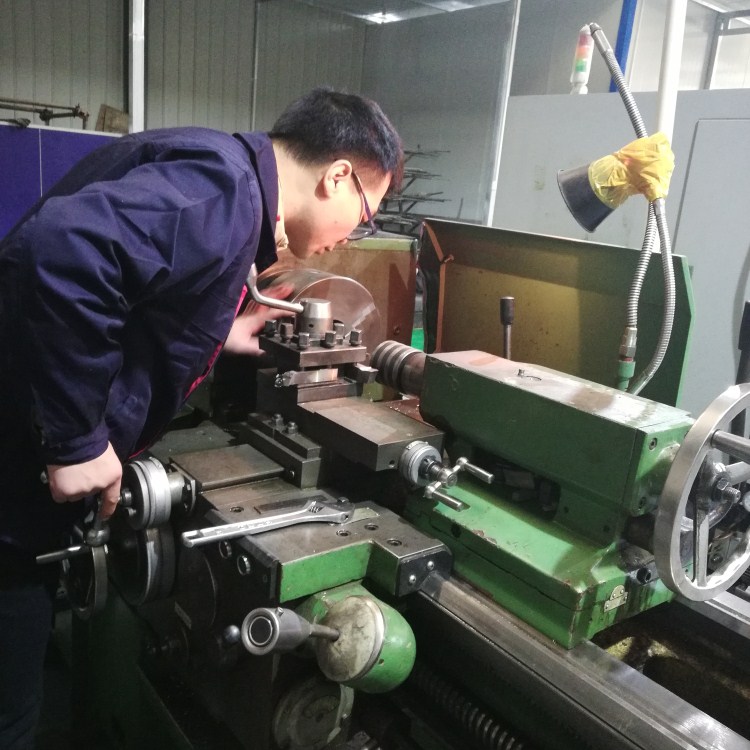
Headquartered in Baoji, Shaanxi, China since 2011, Navzo integrates complete raw material sourcing, 5-axis CNC machining, cold forming, thread rolling, and proprietary surface finishing under one accredited quality roof.
Source-Level Raw Material Chain
Positioned directly at the core of Baoji Titanium Valley, we source select sponge titanium and certified vacuum-arc remelted Ti-6Al-4V bars. Complete chemical composition and mechanical test reports (EN 10204 3.1 MTR) are verified prior to production.
In-House Machining & Cold Heading
Our workshop houses high-speed precision multi-die cold headers, 5-axis CNC turning-milling centers, and high-load hydraulic thread-rolling machines. We ensure tight dimensional tolerances down to ±0.01mm across standard metric threads and custom aerospace drawing profiles.
Rapid Technical Response < 1 Hour
We maintain an agile technical quotation workflow with an average response time of under one hour during business windows. Engineering teams in Durrës receive actionable DFM (Design for Manufacturability) feasibility assessments, exact tooling costings, and transparent shipping options.
100% Pre-Shipment Metrology
Every single batch undergoes rigorous thread profile go/no-go plug testing, micro-hardness Rockwell (HRC) evaluations, optical surface defect scanning, and coating thickness verification for PVD or electrochemical anodizing layers prior to export packing.
Four Specialized Surface Treatments for Severe Environmental Service
Surface finishing in aerospace and marine engineering is a critical functional barrier against wear, fretting corrosion, and thermal oxidation.
Electrochemical Anodizing
By regulating voltage in an electrolytic bath, we grow uniform titanium oxide layers that refract distinct color spectrums (gold, vibrant blue, emerald, deep purple). Anodizing provides anti-galling lubrication and quick size-coding for aerospace maintenance technicians without altering core thread pitch tolerances.
Burnt Blue Thermal Tinting
A precision induction thermal oxidation procedure that yields a resilient, gradient blue-gold visual aesthetic. Highly favored by automotive tuners and coastal marine racing teams across Durrës for its aesthetic excellence and resistance to thermal discoloration at high exhaust manifold temperatures.
Vacuum PVD Coating (TiN / DLC)
Physical Vapor Deposition applies a dense, ceramic-hard microscopic coating (such as Titanium Nitride or Diamond-Like Carbon) under ultra-high vacuum conditions. Boosts surface hardness past 2000 HV, drastically reducing frictional coefficients on threads undergoing frequent maintenance disassemblies.
Satin & Mirror Micro-Polishing
Mechanical buffing produces a specular, ultra-smooth surface finish (Ra ≤ 0.2 μm) that eliminates microscopic surface fissures where corrosive chlorides can pool. Ideal for clean-room installations, medical-adjacent assemblies, and direct fluid flow environments along marine intake pipelines.
Baoji Factory Infrastructure & Technical Capabilities
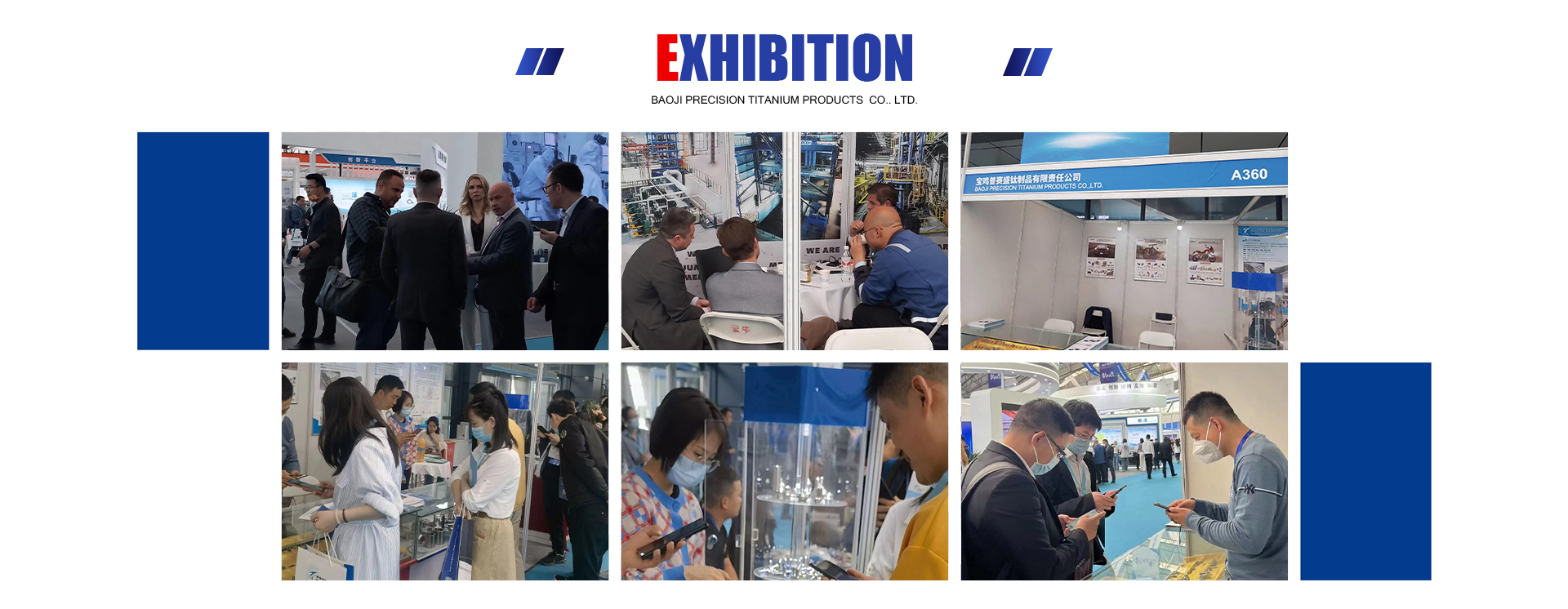
Take an inside look at our specialized production workshops, testing benches, and global exhibition showcases.

Frequently Asked Questions by Durrës & Albanian Procurement Engineers
Crucial guidance covering metallurgical selection, customs compliance, galvanic corrosion avoidance, and direct shipping logistics to Albania.
How do you mitigate galvanic corrosion when installing titanium bolts into aluminum structures in Durrës?
While Grade 5 titanium is noble and impervious to corrosion, direct electrical contact with less noble metals like 6061/7075 aluminum in an electrolyte-rich coastal environment (like the Port of Durrës) can induce galvanic oxidation in the aluminum. We recommend using our cadmium-free passivated finishes, fluoropolymer washers, or applying a certified aerospace-grade non-conductive anti-seize paste (such as molybdenum disulfide or nickel-based compounds) during assembly to isolate potential electrical couples.
What documentation accompanies bulk fastener shipments arriving at Durrës customs?
Every commercial consignment exported to Albania is accompanied by full international trade documentation: an official EN 10204 3.1 Mill Test Certificate tracing the batch back to the original Baoji titanium ingot melt, dimensional metrology inspection reports, RoHS & REACH chemical compliance declarations, commercial invoices with exact HS Codes (typically 8108.90 for finished titanium articles), and a Certificate of Origin to streamline rapid clearance through Albanian Customs Authority at Port of Durrës or Tirana International Airport.
Why is Ti-6Al-4V Grade 5 chosen over stainless steel for high-speed marine and aviation builds?
Grade 5 titanium provides a phenomenal strength-to-weight ratio (density 4.43 g/cm³ compared to ~7.9 g/cm³ for 316 stainless or alloy steel), yielding up to 45% weight reduction while delivering equivalent or superior yield strength (≥ 828 MPa vs 450 MPa for A2-70 stainless). Furthermore, stainless steels remain vulnerable to pitting attack and crevice corrosion under stagnant warm saltwater conditions prevalent during Adriatic summers, whereas titanium is 100% immune to seawater chloride attack.
What is the typical Minimum Order Quantity (MOQ) and lead time for deliveries to Albania?
Standard catalogue fasteners (such as DIN 912 socket screws, hex flange bolts, and M8/M10 manifold studs) feature an accessible MOQ of just 100 to 200 units per size, with stock items shipping within 48 to 72 hours. Custom CNC-machined components manufactured to STEP/DWG customer drawings require 10 to 18 working days for batch production. Air freight deliveries typically land in Tirana (TIA) within 5–7 days, followed by domestic logistics transit to Durrës industrial sites.
Can Navzo custom-engineer non-standard bolts from technical engineering drawings?
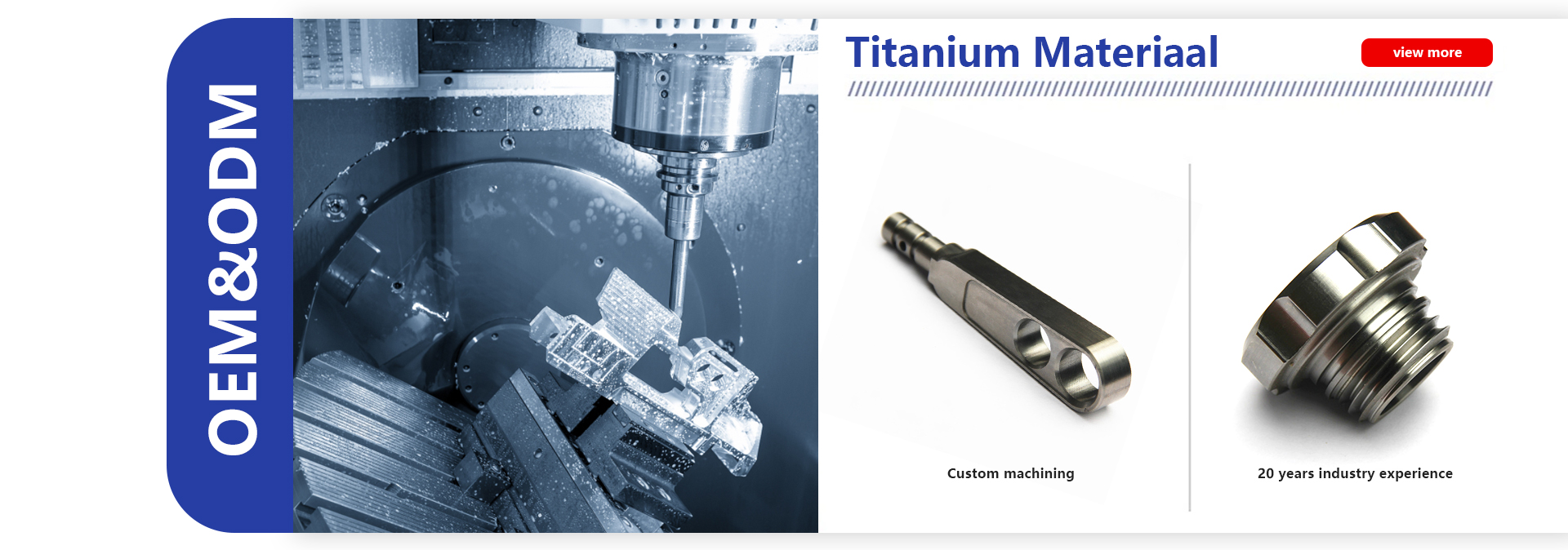
Yes. OEM and ODM bespoke manufacturing is our primary engineering specialty. We regularly produce fasteners with hollowed weight-reduction cores, non-standard thread pitches (e.g., M10x1.0, M12x1.25), pre-drilled safety wire lock-holes for aerospace security, and tailored conical or low-profile button heads. Send your 2D PDF or 3D CAD models directly to our technical team for immediate DFM and tolerance review.
What torque values should our assembly technicians apply to Grade 5 titanium bolts?
Because titanium has a modulus of elasticity approximately half that of alloy steel (~114 GPa vs ~210 GPa), elongation and preload tension develop differently. As an established engineering rule of thumb, lubricated titanium bolts should be torqued to approximately 75% to 85% of standard 8.8/10.9 steel specifications. We supply detailed engineering torque tables corresponding to each fastener diameter, pitch, and surface coating along with every production lot.
Initiate Your Aerospace Fastener Inquiry for Durrës
Connect directly with Navzo's senior metallurgical application engineers. Upload your technical bill of materials (BOM), CAD drawings, or catalogue specifications for comprehensive pricing, volume schedules, and test certification data within 1 hour.