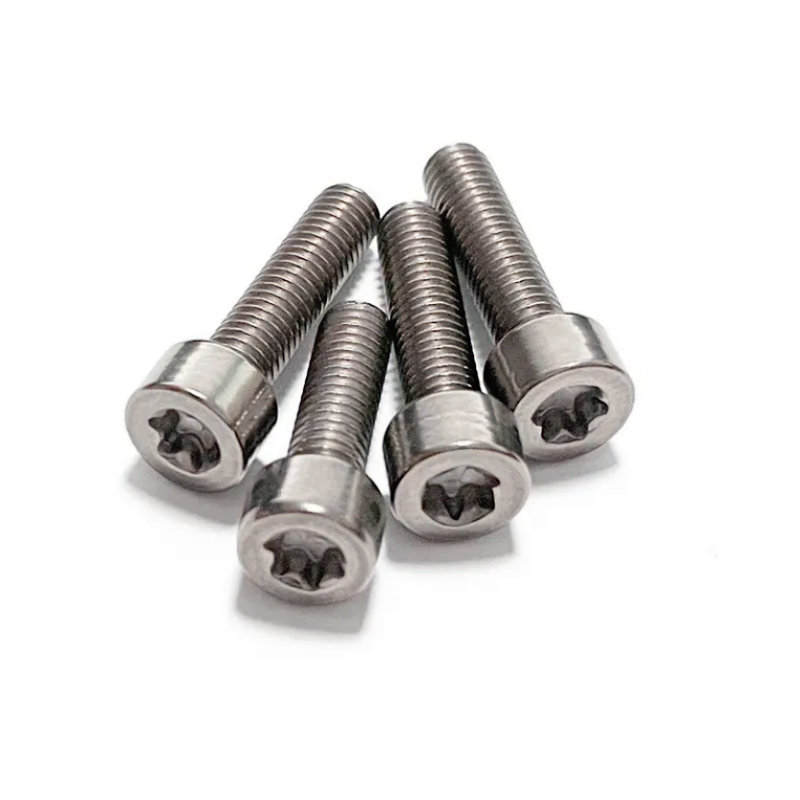
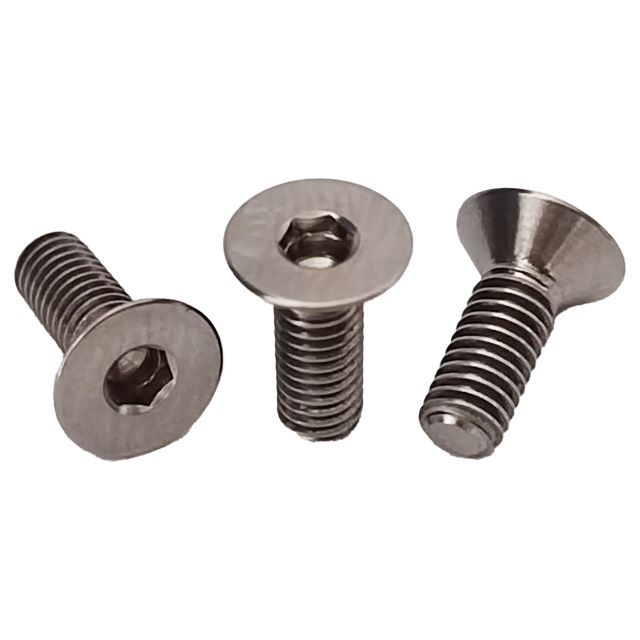
Gr5 Titanium Screws Titanium T30 Torx Bolts for Motorcycle
Alloy Grade:Ti-6Al-4V (Grade 5)
Drive System:Precision T30 Torx
Tensile:≥ 895 - 1050 MPa
Engineered for extreme tensile tolerances, aggressive chemical media, and cryogenic-to-high thermal dynamics in Graz manufacturing facilities.
Baoji Production Valley Inception
Austrian RFQ Turnaround Time
EN 10204 3.1 Traceable Melt Lots
Weight Reduction vs. Austenitic Alloys
Graz, the capital of Styria (Steiermark), represents Austria’s undisputed epicentre of advanced mobility engineering, green process technology, and high-spec mechanical construction. With anchor institutions powering the ACStyria Mobilitätscluster, specialized industrial engineering corporations around Raaba, Puntigam, and Gösting, and premier research hubs like the Virtual Vehicle Research Center and Graz University of Technology (TU Graz), the local market exhibits stringent procurement thresholds. Styrian engineers do not evaluate industrial materials merely on purchase price; they scrutinize whole-lifecycle endurance, specific strength (Strength-to-Weight Ratio), fatigue propagation resistance, and metallurgical traceability.
Industrial piping systems and precision fluid couplings operating across Styrian facilities frequently confront harsh operational profiles: cyclic thermal shock in next-generation electric vehicle (EV) battery cooling loops, aggressive organic and mineral acids in biorefining plants along the Mur river corridor, and severe weight-versus-inertia restrictions in prototype powertrain test benches. Standard austenitic stainless steels (such as 1.4404 or AISI 316L) routinely fail under extreme pitting conditions (PREN < 25) or impose unacceptable mass penalties.
Navzo Precision Titanium Co., Ltd., based directly within the global supply epicenter of Baoji, Shaanxi, China, bridges this technical divide. By providing direct-from-mill titanium pipe fittings (elbows, concentric reducers, stub ends, tees, and flanges under ASTM B363 / ASME SB363) coupled with hyper-accurate CNC parts and Grade 5 (Ti-6Al-4V) connection fasteners, Navzo offers Styrian original equipment manufacturers (OEMs) and EPC contractors seamless access to top-tier metallurgy that meets stringent European Pressure Equipment Directive (PED 2014/68/EU) expectations.
Addressing the mechanical demands of high-pressure fluid circuits, thermal dissipation loops, and corrosive transport media.
Fabricated through precision cold extrusion and hot mandrel expansion from continuous Grade 2 (UNS R50400) and Grade 5 (UNS R56400) tubing. Every elbow (45°, 90°, 180° long/short radius), tee, and cross guarantees uniform wall thickness (Schedule 10S through Schedule 80S) with zero internal weld bead interruption, eliminating turbulent cavitation in laminar sensor loops.
Forged Grade 2 and Grade 5 weld-neck, blind, slip-on, and lap-joint stub ends. Milled utilizing rigid multi-axis CNC tooling to achieve exact Ra 3.2 to 6.3 μm phonographic or smooth serration finishes. Ensures gas-tight sealing against fluoropolymer (PTFE/FKM) gaskets under elevated barometric fluctuations typical in chemical synthesis autoclaves.
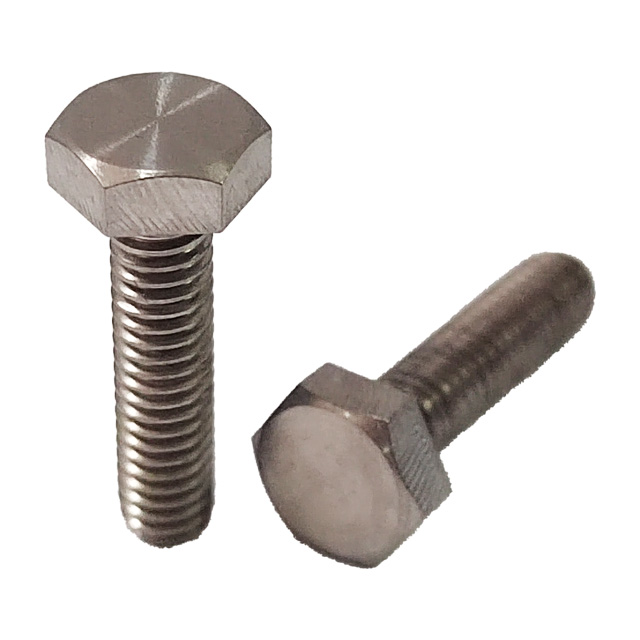
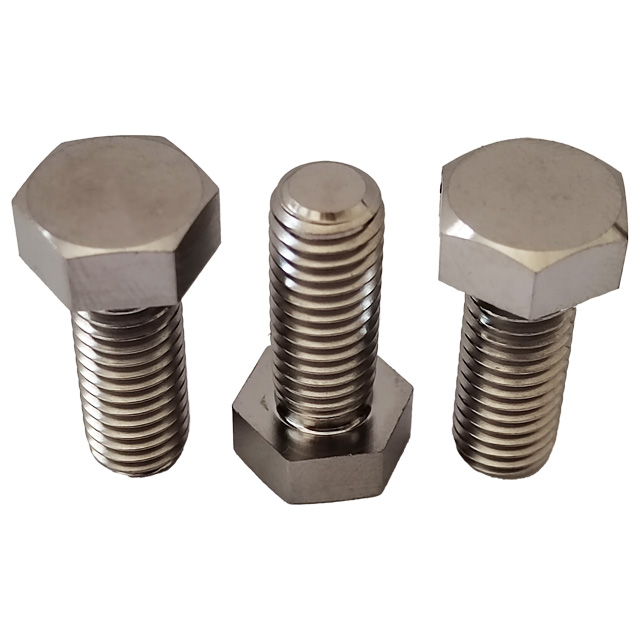
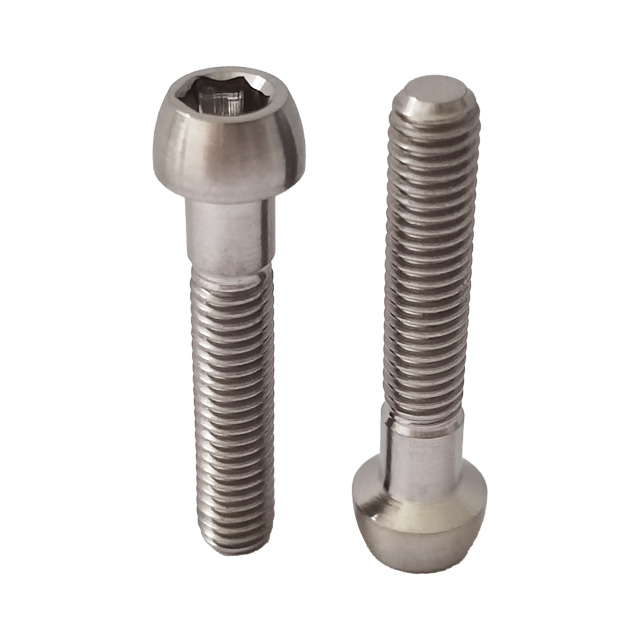
High-integrity piping joints demand parity in thermal expansion. Navzo manufactures DIN 912, DIN 933, and custom flange bolts in Ti-6Al-4V via continuous hot-forged heads and rolled thread geometry. This mitigates thread stress concentrations, resisting vibration-induced joint loosening under cyclic pulsation in automotive dynamometer testing.
Quantitative validation for design engineers in Graz specifying high-duty piping and connection hardware.
| Material Designation | Density (g/cm³) | Tensile Strength (MPa) | Yield Strength (0.2%, MPa) | Chloride Stress Corrosion | Weight Savings vs. Steel |
|---|---|---|---|---|---|
| Titanium Gr. 5 (Ti-6Al-4V) | 4.43 | ≥ 895 - 1050 | ≥ 828 | Immune (< 250°C) | 43.6% Reduction |
| Titanium Gr. 2 (CP Titanium) | 4.51 | ≥ 345 - 510 | ≥ 275 | Immune (Ambient/Hot) | 42.5% Reduction |
| Super Duplex (1.4410 / 2507) | 7.80 | 750 - 1000 | ≥ 550 | High Threshold | Baseline Reference |
| Austenitic 1.4404 (316L) | 7.98 | 500 - 700 | ≥ 220 | Vulnerable (> 60°C) | +76% Heavier vs. Gr.5 |
Standard mechanical thresholds conforming to ASTM B363 (pipe fittings), ASTM B348 (titanium bar), and EN 10204 test verifications.
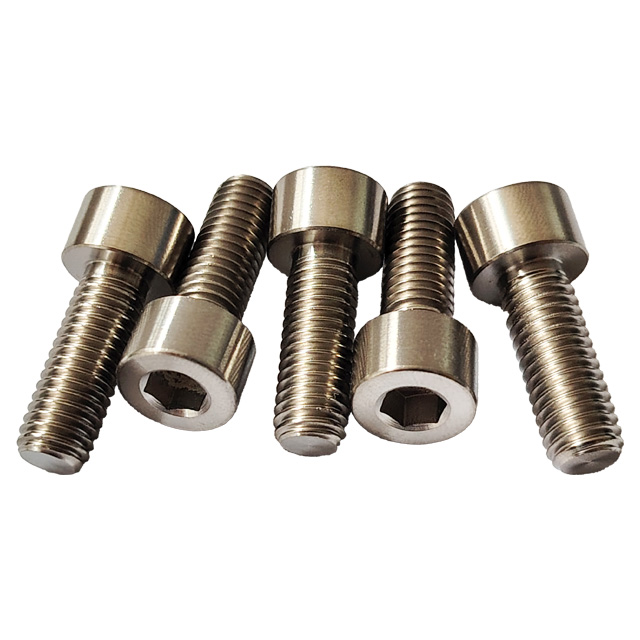
Graz is renowned globally for contract vehicle development and high-end automotive prototyping. Engine dynamometer rigs and battery-pack test stations utilize custom Navzo titanium pipe manifolds and high-strength M6–M10 GR5 hex socket cap screws. Titanium’s minimal thermal inertia accelerates thermal shock testing cycles, while its immunity to glycol-based and dielectric heat-transfer coolants prevents long-term circuit clogging.
As Austria’s spearhead for climate-neutral manufacturing, Styrian enterprises develop industrial-scale proton-exchange membrane (PEM) electrolyzers and carbon capture systems. Grade 2 titanium pipe fittings (ASTM B363 WPT2) and custom machined flow headers are mandatory to counter nascent hydrogen embrittlement while retaining zero-leak seal reliability across high-purity demineralized water circuits.
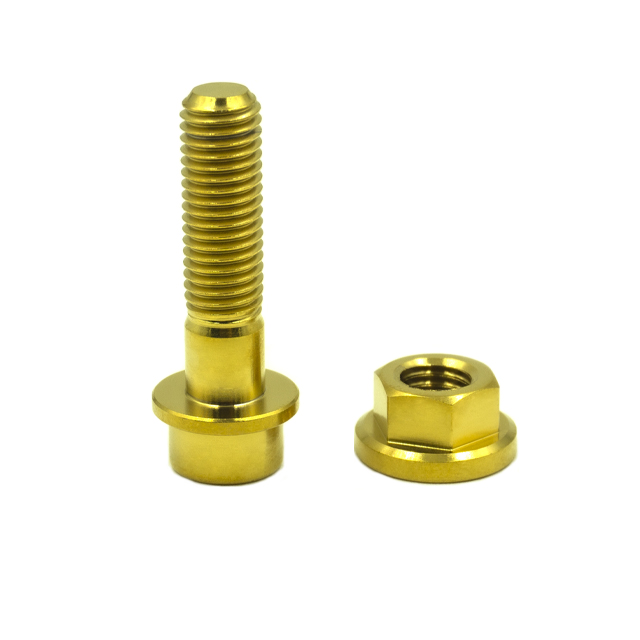
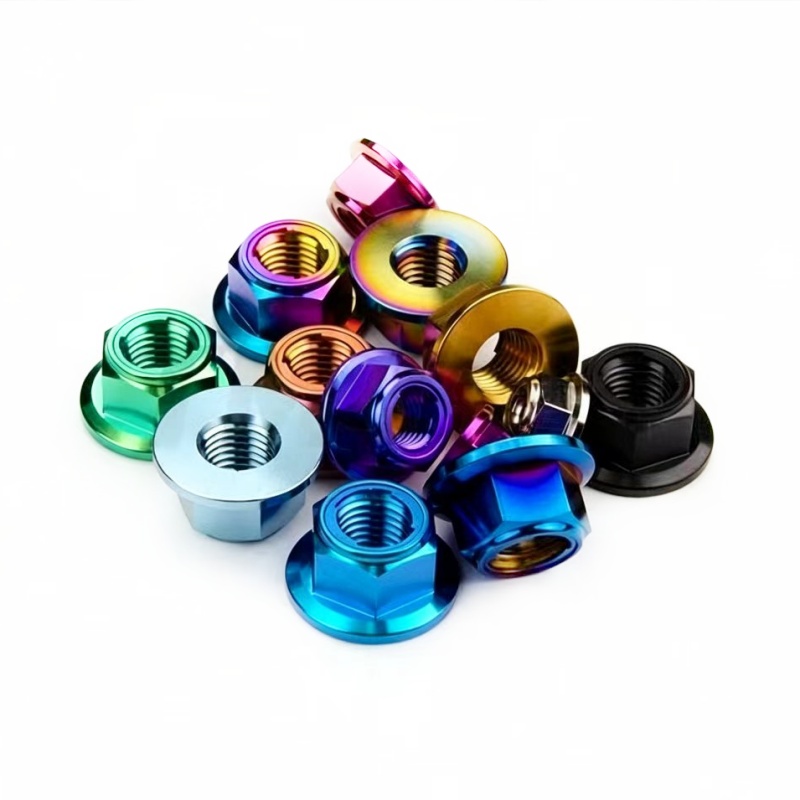
Along the Mur-Mürz industrial belt adjacent to Graz, fine-chemical, biocatalytic, and advanced wood-pulp processing systems handle aggressive wet chlorine, organic solvents, and nitric acid streams. Fitting lines equipped with Grade 2 stub ends, welded elbows, and PVD anti-loosening titanium locking nuts guarantee non-leaching chemical stability and validate compliance with rigorous plant asset integrity targets.
Several pivotal macroeconomic and technical trends are reshaping how procurement managers in Graz and throughout Austria select, source, and validate titanium equipment from China:
1. Decarbonization Mandates & Lifecycle Exergy Optimization: Under European Union carbon border adjustment frameworks and corporate ESG frameworks, Styrian manufacturers are aggressively optimizing lifecycle durability. Titanium’s virtual immortality in corrosive environments eradicates the periodic pipe replacement cycles associated with standard alloys, directly decreasing operational greenhouse gas emissions from plant overhaul shutdowns.
2. Advanced Surface Functionalization (Combating Galling): A persistent historical challenge in titanium piping and structural joints is mechanical galling under torque. Navzo has overcome this phenomenon through optimized Physical Vapor Deposition (PVD) titanium nitride/carbonitride coatings and micro-arc oxidation (MAO). Styrian assembly lines can now deploy high-strength GR5 bolts and threaded titanium pipe couplings at specified clamp loads without running the risk of thread fusion or requiring heavy grease lubrication that contaminates clean industrial media.
3. Direct Mill-to-Facility Supply Security: Traditional European supply routes via multi-tier metal brokers frequently involve 18 to 26-week lead times and heavy compounding markups. Austrian engineers now aggressively adopt direct manufacturer-to-plant sourcing models, relying on factory-direct partnerships in Baoji with digital EN 10204 3.1 inspection certification and scheduled air/intermodal rail transit into Cargo Center Graz (Werndorf).
Combining the geopolitical raw material advantages of Baoji with world-class engineering execution.
Founded on Yucai Road in Baoji’s High-Tech Development Zone in 2011, Navzo sits at the epicenter of China’s titanium sponge, forging, and extrusion supply chain. This physical location ensures direct batch access to Grade 1, Grade 2, and Grade 5 ingots, eliminating intermediate raw material markups and guaranteeing stable raw stock availability year-round.
Our production facilities unite cold heading, hot forging, 5-axis CNC machining, hydrostatic pressure testing, and coordinate measuring machine (CMM) verification under one unified roof. Every manufactured batch destined for European destinations undergoes complete thread gauge screening, optical surface validation, and rigorous tensile/flaring stress tests.
Navzo eliminates bureaucratic purchasing delays by enforcing an average RFQ technical turnaround time of ≤ 1 hour. Whether handling standard ASME/DIN pipe fitting schedules or customized STEP/DWG CAD drawings for bespoke CNC motorsport components, our in-house metallurgical engineers communicate directly with your engineering leads.
Direct answers addressing technical compliance, galling dynamics, certifications, and delivery timelines.
For pressure piping and fluid elbows handling corrosive chemical solutions, Grade 2 Commercially Pure (CP) Titanium is preferred due to its superior ductility, cold formability, and reliable weldability under ASTM B363. Conversely, for structural pipe joints, flange bolting, and dynamic powertrain interfaces, Grade 5 (Ti-6Al-4V) is mandatory to deliver high tensile strength (≥ 895 MPa) and fatigue limit.
Titanium readily forms a tenaciously adherent natural oxide layer (TiO&sub2;) that, under high dry friction torque, can cause galling or seizing. We counter this by offering PVD-deposited wear films, anti-friction micro-coatings, or recommended mating pairing (e.g., Grade 5 bolts paired with Grade 2 nuts or coated prevailing-torque nuts), alongside molybdenum disulfide or titanium-compatible synthetic anti-seize paste.
Every shipment is accompanied by a certified EN 10204 Type 3.1 Mill Test Certificate documenting exact melt heat numbers, quantitative chemical spectroscopy (verifying interstitials like O, N, C, H, and Fe), and tensile, elongation, and yield test figures. Non-destructive testing reports (liquid penetrant, ultrasonic, hydrostatic) are supplied upon initial specification.
Standard express prototypes and urgent high-precision CNC replacement batches ship via express air cargo (reaching Graz Airport GRZ or Vienna VIE) within 4 to 7 business days. Volume pipe fitting containers and bulk freight are routed via standard multimodal rail-sea logistics into European distribution hubs, arriving reliably at Cargo Center Graz within 22 to 28 days.
Yes. Beyond standard catalog dimensions (ASME B16.9, DIN 2605, EN 1092-1), our precision CNC workshop routinely machines custom eccentric reducers, sanitary tri-clamp titanium ferrules, and aerospace-spec manifolds directly from customer STEP, IGES, or DWG models, adhering to ISO 2768-m or tighter dimensional tolerances.
Titanium sits at the noble end of the galvanic series. When coupled directly to uninsulated carbon steel or aluminium in the presence of an electrolyte, the less noble metal will experience accelerated galvanic attack. For automotive and plant builds in Graz, we supply insulating sleeve kits, dielectric gasket systems, or specialized PVD barrier solutions to isolate dissimilar metal interfaces.
Whether configuring complete titanium piping spools for green hydrogen systems or demanding precision-ground Ti-6Al-4V fasteners for automotive dynamometer testing, Navzo delivers factory-direct consistency, complete material traceability, and prompt technical support.