Engineered GR5 Titanium Fasteners & CNC Assemblies
Manufactured from aerospace-certified Ti-6Al-4V bar stock using Swiss-style lathe turning, cold heading, and precision rolled threads.
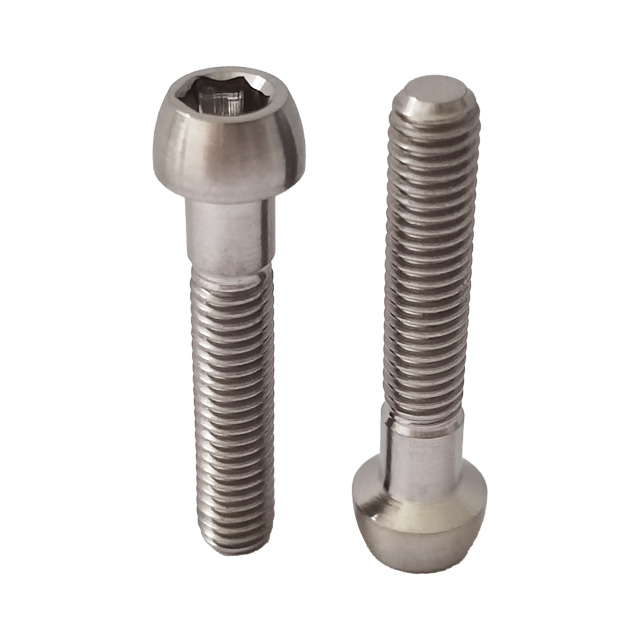
GR5 Titanium Bolts M6*31mm Tapered Head Hex Socket Bolts
- Thread Size: M6 × 1.0
- Overall Length: 31mm
- Yield Strength: ≥ 828 MPa
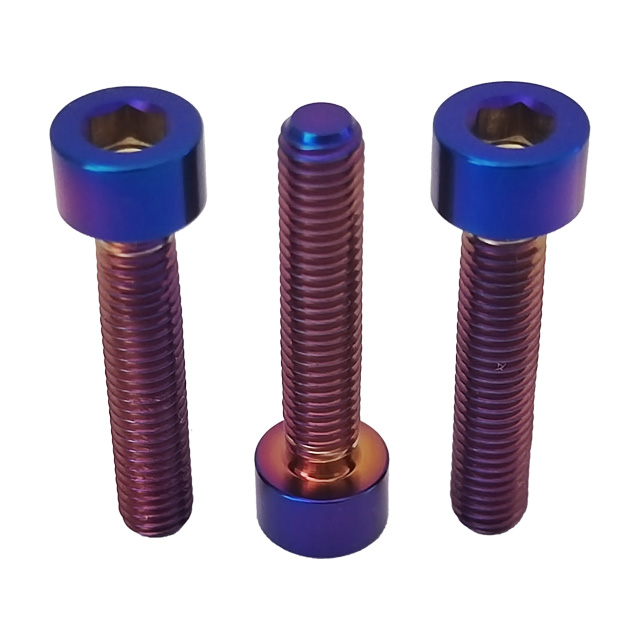
GR5 Titanium Bolts M5*25mm Burn Blue Cup Head Hex Socket Bolts
- Thread Size: M5 × 0.8
- Finish: Thermal PVD Blue
- Weight Savings: 44% vs Steel
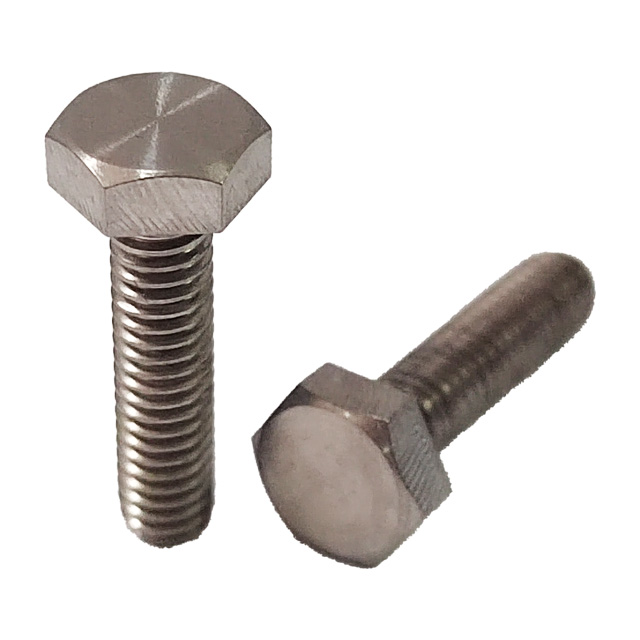
GR5 Titanium Bolts M4*15mm Hexagon Head Full Thread Bolts
- Thread Size: M4 × 0.7
- Head Type: Flange Hexagon
- Tensile Strength: ≥ 895 MPa
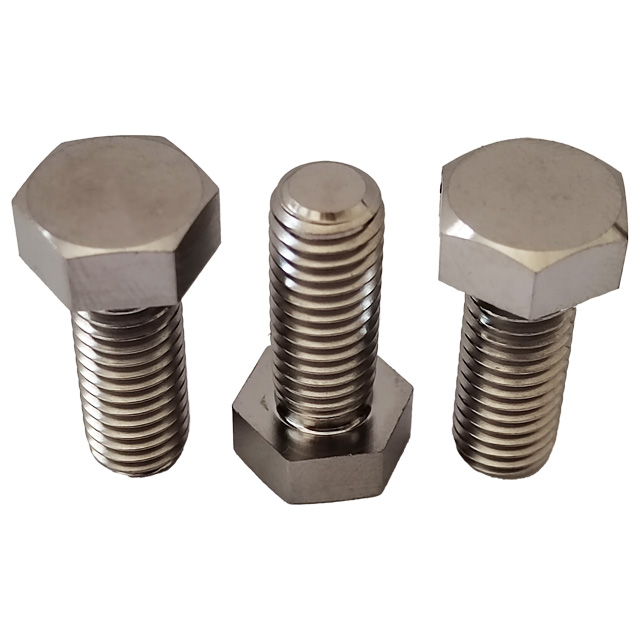
GR5 Titanium Bolts M8*20mm CNC Machined Hexagon Head Bolts
- Thread Size: M8 × 1.25
- Tolerance Class: ISO 6g / 4h
- Surface Roughness: Ra ≤ 0.8 µm
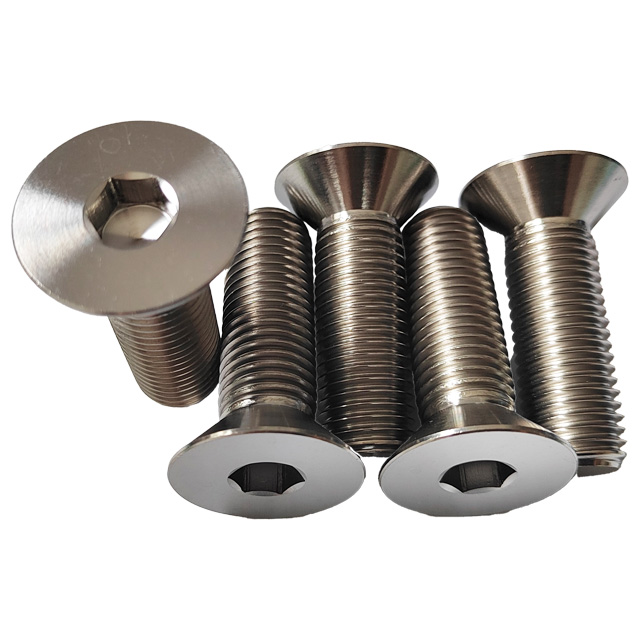
GR5 Titanium Bolts M10*20mm Countersunk Hex Socket Bolts
- Thread Size: M10 × 1.5
- Countersink Angle: 90° Precision
- Standard: DIN 7991 Compliant
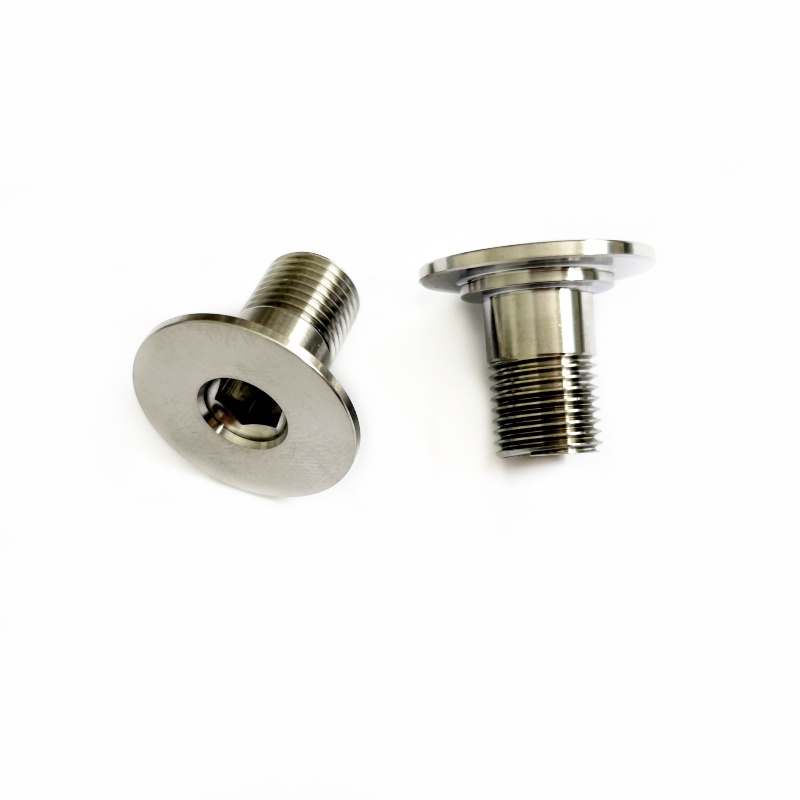
GR5 Titanium Big Pan Hexagon Head Fasteners M10*18
- Bearing Surface: Extended Pan
- Thread Size: M10 × 1.25 / 1.5
- Application: Composite Clamping
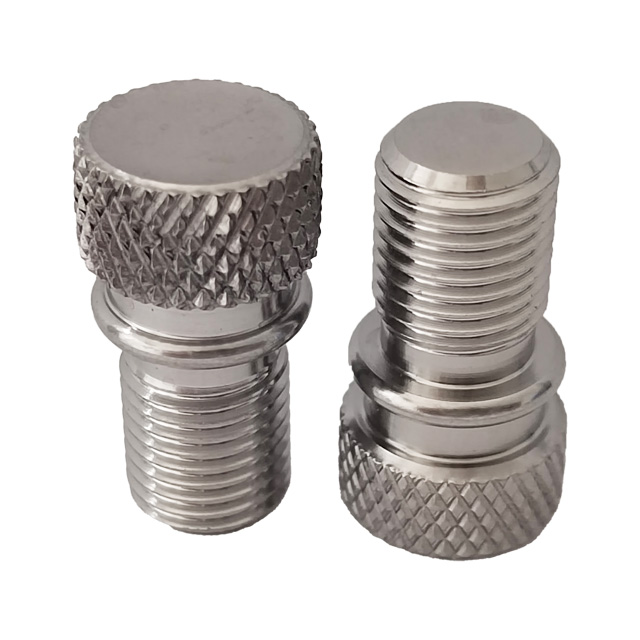
GR5 Titanium Bolts M9*1.0*12mm Cylindrical Knurled Screws
- Pitch: 1.0 Fine Metric
- Head Profile: Diamond Knurled
- Adjustment: Tool-Free & Hex
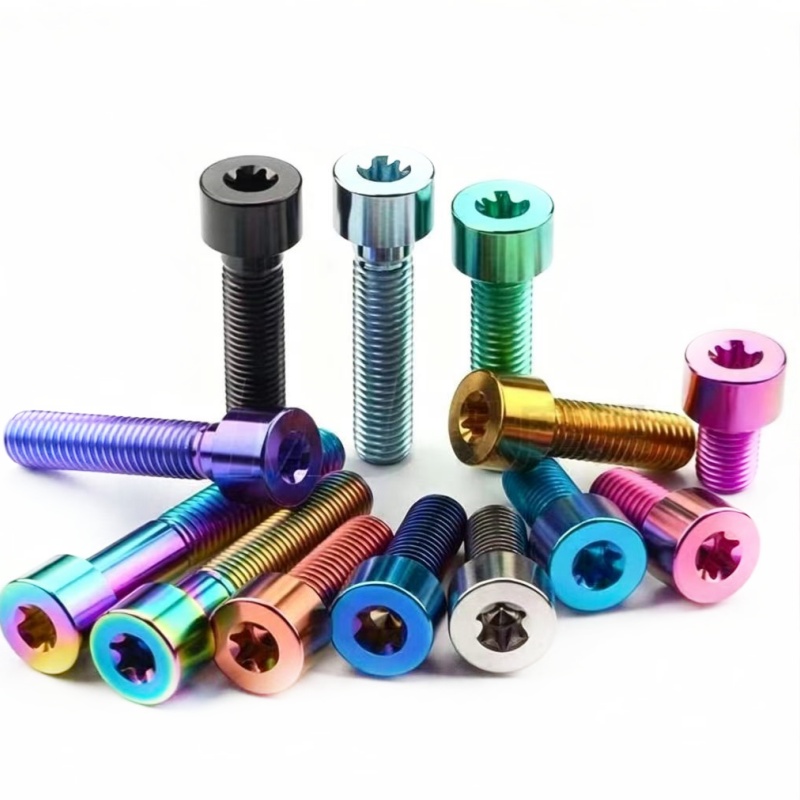
DIN912 M5 Titanium Socket Head Cap Screws (Ti-6Al-4V)
- Standard: DIN 912 / ISO 4762
- Drive: Internal Hex Socket
- Fatigue Life: Rolled Root Radius
Optimizing Advanced Engineering Procurement for the Greater Bristol Cluster
Bridging Chinese titanium extraction and multi-axis milling infrastructure directly with Filton, Avonmouth, and South West innovation centers.
The Greater Bristol and Bath metropolitan area represents the historic and contemporary heartbeat of the United Kingdom's aerospace, subsea defense, and low-carbon engineering economies. Centered around world-renowned hubs such as the Filton Aerospace Corridor, the region commands immense engineering rigor. As local Tier-1 and Tier-2 contractors accelerate next-generation wing designs, hybrid-electric flight systems, deep-water oceanographic sensors, and lightweight marine craft, the commercial pressure on high-integrity components has intensified. Titanium—specifically Grade 5 (Ti-6Al-4V)—is the foundational substrate enabling this technological evolution.
Navzo Precision Titanium Products Co., Ltd., based directly within the industrial capital of Baoji, China, eliminates the legacy friction of intermediary brokers. By managing ingot selection, precision bar rolling, multi-axis Swiss CNC machining, cold heading, and custom surface passivation under one roof, we furnish Bristol engineering teams with certified Grade 5 components that meet ISO 9001 and aerospace-adjacent quality requirements. Our strategic direct-supply model enables Western engineering firms to cut procurement overheads by 30% to 45% while maintaining absolute metallurgical traceability.
Titanium machining presents severe tribological and physical challenges: high chemical reactivity at elevated cutting temperatures, low thermal conductivity (approx. 6.7 W/m·K), and a low modulus of elasticity (114 GPa) that induces severe springback. In conventional subcontract machine shops in the UK, machining titanium often incurs prohibitive tool wear and slow cycle times, compounding lead times for urgent flight-test or race-day deadlines. Navzo leverages specialized rigid 5-axis CNC machining centers, high-pressure through-spindle coolant delivery, and specialized carbide tooling optimized exclusively for alpha-beta titanium alloys.
From bespoke knurled sensor retaining bolts to DIN 912 high-cycle structural fasteners and intricate 5-axis milled bracketry, our facility bridges high-volume capacity with hyper-customized prototyping. Bristol-based design engineers benefit from design-for-manufacturability (DFM) feedback returned within one hour, allowing rapid iterations that transition seamlessly from initial STEP CAD models into pilot batches and multi-thousand unit containerized consignments delivered direct to South West ports or air freight hubs.
Engineering Substrate Performance Benchmarks
Evaluating Ti-6Al-4V against traditional marine and structural metals across critical mechanical metrics.
| Alloy / Specification | Density (g/cm³) | Tensile Strength (MPa) | Yield Strength (MPa) | Modulus of Elasticity (GPa) | Corrosion Resistance in Marine/Estuary | Primary Industrial Utility |
|---|---|---|---|---|---|---|
| Navzo GR5 (Ti-6Al-4V) Annealed | 4.43 | ≥ 895 | ≥ 828 | 114 | Virtually Inert (Native TiO₂ Film) | Aerospace Airframes, Motorsport, Critical Subsea |
| Navzo GR2 Pure Titanium | 4.51 | ≥ 345 | ≥ 275 | 103 | Immune to Ambient Chlorides | Chemical Processing, Subsea Housings, Anodes |
| Marine Grade 316L Stainless Steel | 8.00 | 580 | 290 | 193 | Moderate (Prone to Crevice Corrosion) | General Marine Hardware, Structural Decking |
| Inconel 718 (Nickel Superalloy) | 8.19 | 1240 | 1030 | 211 | Exceptional | Turbine Hot Sections, Extreme Pressure Wells |
| High-Tensile Alloy Steel (Grade 12.9) | 7.85 | 1220 | 1100 | 210 | Very Low (Requires Sacrificial Plating) | Heavy Mechanical Plant, Internal Combustion |
Localized Application Scenarios across Bristol’s Industrial Ecosystem
Custom-tailored precision components mapped to the technical demands of the Severnside engineering cluster.
Filton Aerospace & Defense
High-integrity wing-box fasteners, empennage mounting bolts, and flight-control linkage pins. Our Grade 5 parts deliver the required strength-to-weight ratio for next-generation aerodynamic architectures developed across North Bristol’s aerospace campuses.
Severn Estuary & Marine Robotics
Operating in the high-sediment, brackish environment of the Bristol Channel requires zero-pitting materials. We supply ROV instrumentation chassis, cathodic-protection mounts, and tidal turbine structural studs that withstand aggressive galvanic exposure indefinitely.
Avonmouth Green Hydrogen & Clean Tech
As the industrial zone around Avonmouth docks scales hydrogen electrolysis and carbon capture infrastructure, Navzo supplies Grade 2 and Grade 5 flanges, valve cores, and sensor wells impervious to hydrogen embrittlement and acidic condensates.
South West Motorsport & Superbikes
Serving bespoke performance tuning houses and race constructors across Gloucestershire and Somerset. Our burnt-blue and PVD-coated wheel lug nuts, triple clamp bolts, and exhaust manifold studs drop unsprung rotational mass while resisting exhaust gas temperatures over 650°C.
Emerging Procurement Trends Shaping South West UK Manufacturing
How global supply chain recalibration is shifting procurement strategies for engineering leads in Bristol.
Decarbonization Through Weight Reduction
UK net-zero mandates for regional transport and civil aviation are transforming weight targets from optional gains into contract requirements. Shaving 40% of fastener mass by replacing A2/A4 stainless steel or alloy steel with Ti-6Al-4V directly improves battery range in electric aircraft prototypes and lowers operational fuel burn across regional fleet retrofits.
Direct-From-Source Raw Material Provenance
Due to geopolitical constraints impacting traditional Eastern European titanium suppliers, Bristol engineering firms require supply chain integrity. Navzo sources vacuum-arc remelted (VAR) ingots directly from certified Baoji mills, providing unbroken chain-of-custody documentation and insulating UK clients from commodity price volatility and intermediary markups.
Adoption of Rolled Threads over Cut Threads
Fatigue failure under cyclic dynamic stress is the foremost concern for aerospace flight controls and subsea mooring. Bristol engineering specifications increasingly mandate cold-rolled external threads for titanium fasteners. Thread rolling realigns the grain structure along the thread contours, boosting fatigue life by up to 300% compared to single-point lathe-cut threads.
Why Tier-1 Engineers Partner with Navzo Precision Titanium
Precision manufacturing capability backed by over a decade of dedicated metallurgical innovation.
Shaanxi Titanium Cluster Origin
Situated in Baoji, China's "Titanium Valley," our operations tap the world's dense raw material supply, guaranteeing consistent bar stock quality and short material lead times.
Full In-House Manufacturing Loop
From initial cold heading and hot forging to 5-axis CNC machining, micro-drilling, and high-precision thread rolling, all operations stay enclosed within our quality-controlled facility.
EN 10204 3.1 Traceability
Every shipment is accompanied by complete mill test certificates covering chemical spectroscopy (O, N, H, Fe, C checks) and mechanical tensile testing for uncompromised safety audits.
Rigorous Metrology & QA
Equipped with optical profile projectors, Zeiss coordinate measuring machines (CMM), and digital concentricity gauges to enforce tight aerospace tolerances down to ±0.005mm.
Rapid 1-Hour RFQ Response
Our multilingual mechanical engineering team reviews client STEP, DWG, and PDF drawings with swift turnaround, validating geometry and providing cost-down manufacturing advice.
Specialized Surface Engineering
Advanced surface modification including electrolytic type II anodizing, physical vapor deposition (PVD) TiN/TiAlN ultra-hard coatings, micro-bead blasting, and chemical passivation.
Zero-Defect Quality Control and Thread Integrity Protocols
A systematic breakdown of Navzo’s multi-stage validation workflow from billet to Bristol delivery.
Fastener failure in mission-critical applications rarely originates from static tensile overload; it occurs via fatigue propagation initiated at stress concentrations such as the head-to-shank fillet radius or the root of the first engaged thread. At Navzo, our fastener manufacturing protocols mandate strict radius cold-working. Rather than machining sharp 90-degree transitions, our CNC lathe centers execute continuous micro-radii that distribute load evenly across mating surfaces.
Thread geometries are produced in accordance with ISO 965 and BS 3643 standards. Utilizing thread-rolling dies that compress rather than sever the material's crystal lattice, our fasteners exhibit high work-hardening at the thread flanks and root. This critical manufacturing distinction prevents premature thread-stripping during high-torque installations into carbon composite inserts or alloy engine blocks.
Before packing, every consignment undergoes a 100% optical sorting check for pitch diameter, lead error, and shank runout. Critical flight and racing parts are subjected to dye penetrant inspection (DPI) to identify micro-fissures or inclusions. In addition, chemical verification is performed on every raw lot via inductive coupled plasma optical emission spectrometry (ICP-OES) to prevent interstitial contamination by oxygen, hydrogen, or nitrogen that could compromise fracture toughness.
When shipping to UK destinations, parts are coated with vapor-corrosion inhibitors (VCI) and vacuum-sealed in heavy-duty polyethylene packaging, preventing transit abrasion and moisture contamination. From our Baoji loading bays to Avonmouth, London Heathrow, or Bristol Airport customs depots, consignments maintain their factory finish.
Frequently Asked Questions by Bristol Engineering Buyers
Direct technical answers addressing lead times, thread galling, composite galvanic isolation, and UK import logistics.
How does Navzo prevent titanium thread galling during installation?
Is galvanic corrosion a concern between GR5 fasteners and carbon fiber composites?
What documentation accompanies consignments delivered to the UK?
What are standard production lead times and shipping options to Bristol?
Can Navzo machine titanium parts directly from customer CAD drawings?
What are your Minimum Order Quantities (MOQ) for bespoke CNC parts?
Accelerate Your Engineering Project with Certified Titanium Machining
Submit your STEP files, engineering prints, or fastener specifications. Our senior engineering team in Baoji will evaluate your tolerances, provide a DFM review, and deliver a transparent, direct-from-manufacturer quotation within one business hour.