Precision GR5 Fasteners & CNC Components in Catalog
Precision-engineered metric bolts, cone screws, flange fasteners, and custom CNC components direct from Baoji with complete batch mill test certifications.
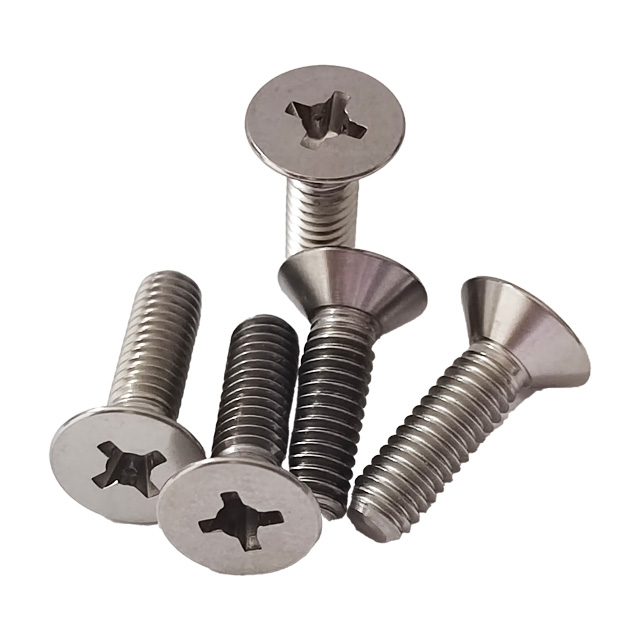
GR5 Titanium M8*20mm Countersunk Head Phillips Screws
- Grade
- GR5 (Ti-6Al-4V)
- Thread
- M8 x 1.25 (20mm)
- Drive
- Cross / Phillips
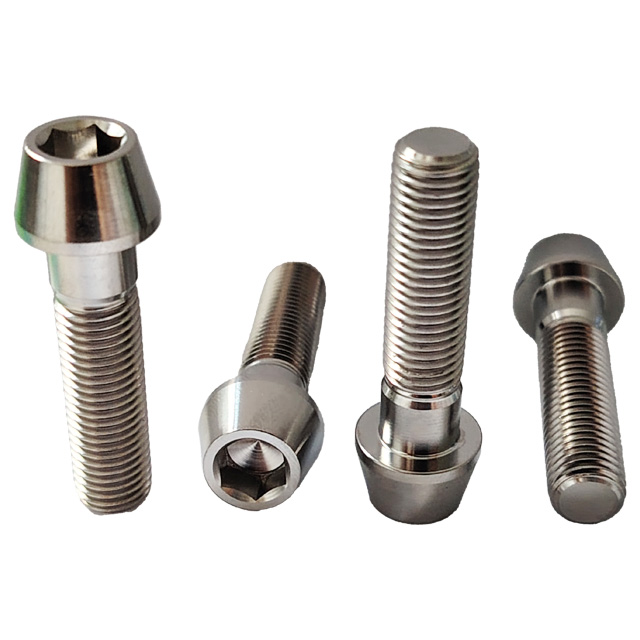
GR5 Titanium M8/M10/M12 Tapered Head Hex Socket Bolts
- Grade
- GR5 (Ti-6Al-4V)
- Process
- 5-Axis CNC Machining
- Head Type
- Cone / Tapered Socket
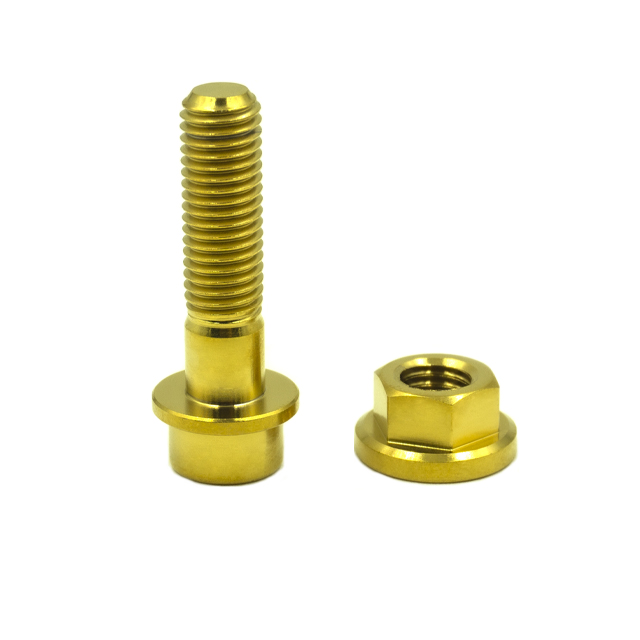
PSSTI GR5 Gold Flange Head Round Bolts M7*27
- Grade
- GR5 Titanium
- Coating
- PVD Hard Vacuum Gold
- Dimension
- M7 x 27mm Flange
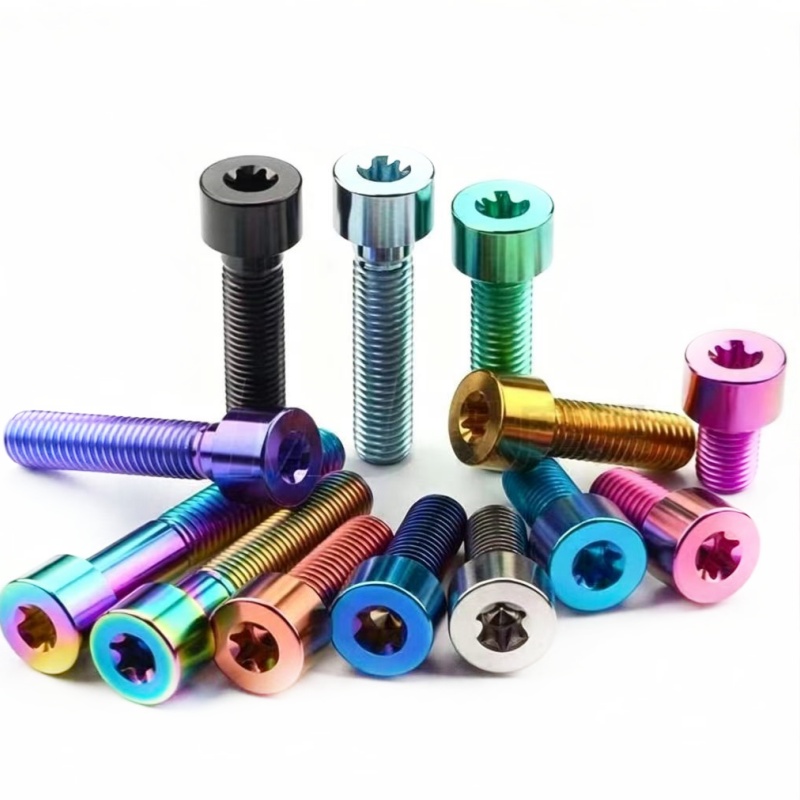
DIN912 M5 Titanium Socket Head Cap Screw Alloy Bolt
- Standard
- DIN 912 / ISO 4762
- Size
- M5 (Multi-Length)
- Application
- High Energy & Machinery
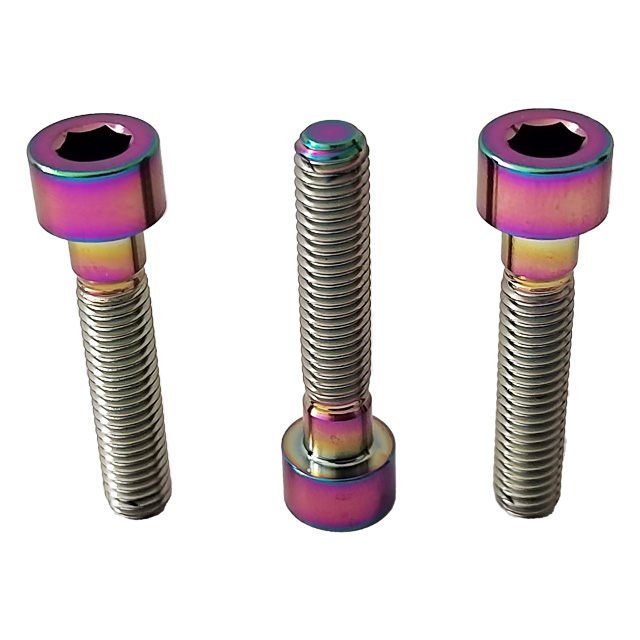
GR5 Titanium M8*40mm Colored Cylinder Allen Screws
- Grade
- Ti-6Al-4V GR5
- Thread
- M8 x 1.25 x 40mm
- Finish
- Electrolytic Anodizing
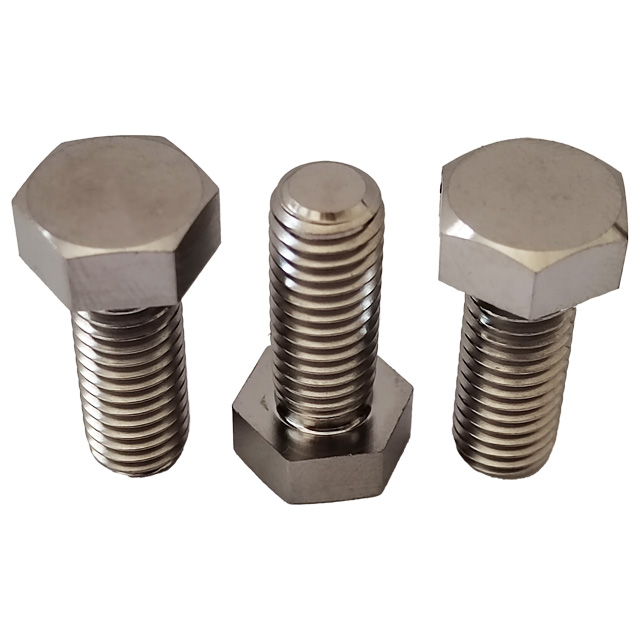
GR5 Titanium M8*20mm Hexagon Head Full Thread Bolts
- Drive
- External Hexagon
- Thread Class
- Rolled Thread 6g/6H
- Feature
- Anti-Fatigue Thread Roots
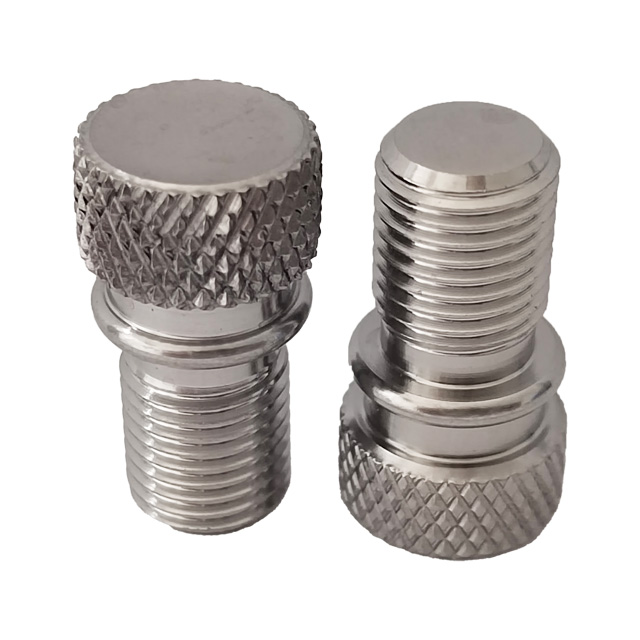
GR5 Titanium M9*1.0*12mm Knurled Hand-Tightening Screws
- Thread Pitch
- M9 x 1.0 Fine Thread
- Knurling
- Precision Diamond Mesh
- Use
- Tool-Less Quick Assembly
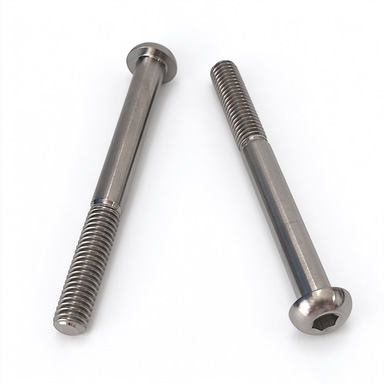
GR5 Titanium M6*60mm Button Head Semi-Round Allen Screws
- Standard
- ISO 7380 / Semi-Round
- Dimension
- M6 x 60mm Extended
- Yield
- ≥ 828 MPa
High-Precision Titanium CNC Machining Serving Nikšić, Montenegro
A technical assessment of advanced metallurgy, thermal fatigue mitigation, and precision component sourcing for Nikšić's industrial corridor.
Nikšić holds a distinct and historically vital role in Southeastern Europe's industrial framework. As Montenegro's primary center of metallurgy, heavy machinery fabrication, and electrical power generation (anchored by the Perućica Hydroelectric Power Plant and proximity to thermal and bauxite reserves), the engineering demands in Nikšić require components capable of operating under aggressive cyclic stresses, thermal shocks, and highly corrosive atmospheres. In modern industrial operations, traditional austenitic stainless steels (such as AISI 304 and 316L) and heavy chromium-molybdenum alloy steels (e.g., 42CrMo4) frequently encounter operational bottlenecks—specifically related to stress corrosion cracking (SCC), excessive structural deadweight, and thermal fatigue at welded or fastened joints.
CNC machined titanium, primarily Grade 5 (Ti-6Al-4V, Werkstoff 3.7165) and commercially pure Grade 2 (UNS R50400), represents the foremost material alternative for mechanical engineers and plant procurement directors throughout the Nikšić basin. By leveraging a high strength-to-weight ratio (density of 4.43 g/cm³ compared to 7.85 g/cm³ for alloy steel), near-zero corrosion rates in sulfurous, chloride, and mildly acidic conditions, and exceptional fatigue limits under dynamic load cycles, precision titanium fasteners and customized CNC milled components resolve chronic maintenance downtimes in mission-critical applications.
Technical Comparison: GR5 Titanium vs. Conventional Industrial Steels
For plant engineers in Nikšić designing or retrofitting mechanical assemblies, selecting the appropriate structural fastener or custom-machined bracket hinges directly on yield performance, weight constraints, and atmospheric resilience. The table below delineates key mechanical properties based on ASTM B348, ASTM F467/F468, and ISO standards:
| Material Specification | Density (g/cm³) | Tensile Strength (MPa) | Yield Strength (0.2%, MPa) | Corrosion Resistance | Thermal Expansion (10⁻⁶/K) |
|---|---|---|---|---|---|
| GR5 Titanium (Ti-6Al-4V, Annealed) | 4.43 | ≥ 895 | ≥ 828 | Exceptional (Passivated TiO₂ Film) | 8.6 |
| GR2 Titanium (Commercially Pure) | 4.51 | ≥ 345 | ≥ 275 | Supreme in Wet Chlorides / Acid | 8.6 |
| Stainless Steel AISI 316L (A4-70) | 8.00 | ≥ 700 | ≥ 450 | Moderate (Prone to Pitting in Cl⁻) | 16.0 |
| Alloy Steel Class 10.9 (Quenched/Temp.) | 7.85 | ≥ 1040 | ≥ 940 | Extremely Low (Requires Plating) | 11.7 |
| Structural Aluminum 7075-T6 | 2.81 | ≥ 572 | ≥ 503 | Low to Moderate (Exfoliation risk) | 23.4 |
As demonstrated, while Class 10.9 alloy steel provides higher nominal tensile capability, its elevated density adds nearly 78% more deadweight per cubic centimeter and remains vulnerable to galvanic and atmospheric degradation in unsealed environments. Conversely, GR5 titanium provides comparable tensile capacities to heat-treated structural fasteners while reducing mass by 44%, offering an endurance limit that withstands millions of rotational cycles without structural embrittlement.
Localized Industrial Applications Serving Nikšić
Tailored CNC titanium geometries and fastener configurations engineered to solve operational failure modes across Nikšić's key industrial clusters.
Hydroelectric Power & Substation Switchgear
In hydroelectric generation facilities such as Perućica and municipal pumping stations across the Zeta water basin, cavitation, turbulent aeration, and galvanic corrosion erode standard turbine guide vanes, valve linkages, and sensor housings. Precision CNC machined GR5 titanium shafts, flange bolts, and M8-M12 hex socket cap screws withstand continuous subsea moisture and high-velocity fluid flow without the galvanic pitting common to brass or bronze fittings.
Steel Rolling Mills & Foundry Retrofits
Nikšić's industrial heritage is founded upon metal refining and smelting operations. High-temperature furnace exhaust dampers, overhead crane bogies, and molten metal ladle guide mechanisms operate under extreme heat cycling. GR5 titanium fasteners retain exceptional creep resistance up to 400°C without yielding, preventing fastener seizure and catastrophic head shear under aggressive thermal expansion mismatch.
Heavy Mining & Bauxite Transportation
Bauxite extraction equipment in surrounding mines encounters brutal abrasive wear and dynamic shocks. CNC machined titanium pivot pins, suspension bolts, and wheel studs (such as our M14 titanium wheel lug nuts) replace fractured steel fasteners on heavy transit trailers, cutting unsprung rotational mass while resisting the corrosive effects of abrasive mineral slurry and wet clay.
Chemical Storage & Food-Grade Processing
Beverage bottling lines, dairy processing facilities, and regional chemical mixing plants require hygiene standards where leaching and rust are unacceptable. Passivated GR2 and GR5 titanium button-head screws and flanged fittings provide bio-inert contact surfaces, completely impervious to caustic washdowns (nitric acid, sodium hydroxide) used in automated Clean-in-Place (CIP) systems.
High-Performance Automotive & Motorsports
Montenegro's growing sector of enthusiast motorsports and custom motorcycle fabricators in Nikšić demand ultra-lightweight structural fasteners. Our burnt-blue and PVD-coated GR5 titanium caliper bolts, triple clamp fasteners, and exhaust manifold studs drop critical grams above the roll center while withstanding sustained 800°C exhaust gas temperatures.
Renewable Solar & Wind Infrastructure
As Montenegro expands wind turbine parks on surrounding plateaus (such as Krnovo), nacelle structural components and rotor hub fasteners endure constant wind shear and vibration. Rolled-thread GR5 titanium bolts offer extraordinary fatigue resistance, eliminating the thread fretting and catastrophic stress corrosion cracking common to coated steel bolts in high-altitude gust environments.
Emerging Procurement & Manufacturing Trends in Nikšić
How digital transformation, green metallurgical transitions, and supply chain nearshoring are reshaping titanium purchasing across Montenegro.
As Montenegro accelerates its harmonization with European Union industrial benchmarks and transitions toward sustainable green manufacturing, the procurement methodologies employed by engineering firms in Nikšić are undergoing structural shifts:
1. Transition from Reactive to Predictive Maintenance
Industrial operations in Nikšić are moving away from replacing corroded carbon steel bolts during unscheduled emergency shutdowns. By standardizing on GR5 titanium fasteners during planned overhauls, facilities extend component mean time between failures (MTBF) from 18 months to over 10 years, drastically decreasing total cost of ownership (TCO).
2. Full Material Traceability & Digital MTR Verification
Adherence to EN 10204 3.1 certification protocols has become an uncompromising requirement for Nikšić project tenders. General commercial hardware without documented chemical heat lots, Charpy impact tests, and ultrasonic flaw testing is being phased out in favor of direct manufacturer-backed supplies from accredited mills.
3. Complex Multi-Axis CNC Geometric Integration
Rather than fabricating multi-piece welded brackets that suffer from weld decay and heat-affected zone (HAZ) cracking, Nikšić mechanical workshops increasingly source monolithic 5-axis CNC machined titanium components. Single-piece billet machining enhances structural rigidity by up to 35% while shedding redundant assembly weight.
Navzo Precision Titanium Co., Ltd.
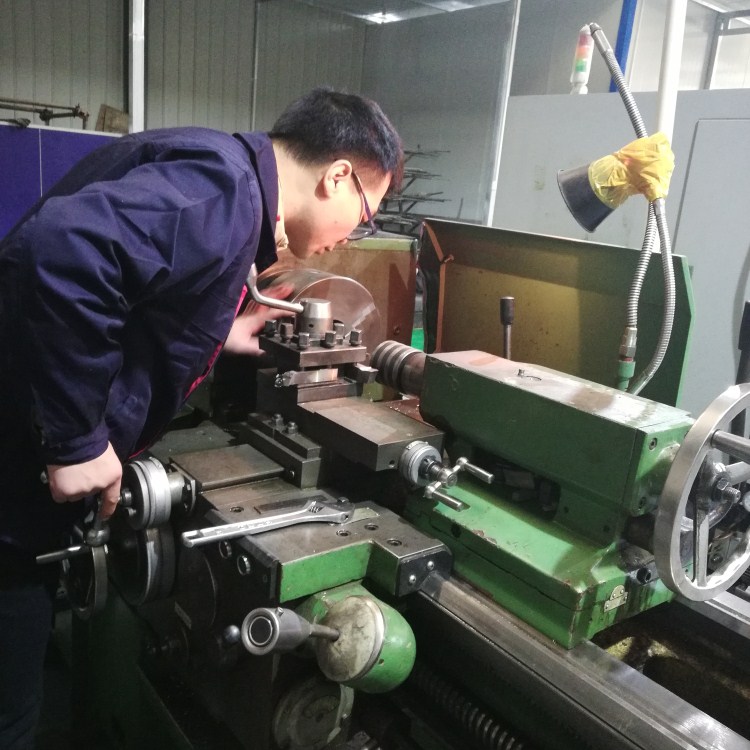
Founded on January 10, 2011, in the High-tech Development Zone of Baoji, Shaanxi, China—the epicenter of global titanium metallurgy—Navzo Precision Titanium combines advanced material science with industrial-scale CNC machining capabilities.
With an on-site verified production floor, complete cold heading machinery, multi-axis CNC turning and milling centers, and integrated surface finishing suites, we support global engineers with reliable delivery schedules, stringent ISO quality management, and rapid one-hour engineering response windows.
- Traceable Ti-6Al-4V Baoji Stock
- Rolled Thread Cold/Hot Heading
- PVD, Anodizing & Micro-Arc Finishing
- 100% Optical & Gauge Inspection
- EN 10204 3.1 MTR with Every Lot
- Worldwide Air Cargo to Montenegro
Frequently Asked Questions by Nikšić Buyers
Direct technical answers regarding thread galling, customs tariffs, CAD requirements, and surface coatings.
How does titanium resolve galling issues in heavy industrial machinery?
Titanium naturally forms an instantaneous, protective titanium dioxide (TiO₂) passivation layer. Under high-torque mechanical tightening without lubrication, friction can rupture this microscopic oxide film, causing bare metal-to-metal micro-welding—commonly termed galling or thread seizure. To eliminate galling in Nikšić industrial installations, we recommend: 1) Utilizing rolled threads rather than cut threads (our standard manufacturing process ensures compressed, burnished thread root morphology); 2) Applying anti-seize paste containing molybdenum disulfide (MoS₂), nickel, or copper-based compounds; 3) Pairing GR5 titanium male bolts with PVD-coated or dissimilar-grade titanium locking nuts.
What technical documentation accompanies titanium shipments to Montenegro?
Every commercial production batch dispatched to Nikšić is accompanied by comprehensive quality verification records. This includes a Material Test Report (MTR) compliant with EN 10204 3.1, certifying exact chemical composition (percentages of Ti, Al, V, Fe, C, N, H, O) verified by spectral emission analysis, alongside mechanical testing data including ultimate tensile strength (Rm), yield strength (Rp0.2), elongation at fracture (A%), and reduction of area (Z%). Dimensional CMM inspection sheets and plating thickness verification are included upon request.
Can you execute custom CNC milling from proprietary STEP/DWG engineering drawings?
Yes. Our in-house engineering facility operates 3-axis, 4-axis, and simultaneous 5-axis CNC machining centers alongside precision Swiss-type lathes. We accept CAD models in STEP, IGES, Parasolid, DXF, and DWG formats. Our technical team conducts an immediate Design for Manufacturability (DFM) review within 1 hour, assessing cutter clearances, wall thickness integrity, and thread tolerance compatibility (e.g., metric 6g/6H or unified 2A/2B fits) prior to quotation.
How do logistics, import customs, and lead times operate from Baoji to Nikšić?
For urgent prototype batches and small production runs, shipments are routed via expedited international air express (DHL, FedEx, UPS) directly to Podgorica Airport (TGD) or Tivat Airport (TIV), reaching Nikšić facilities within 4 to 7 business days from shipment. For larger commercial tonnage, maritime freight routes to the Port of Bar (Luka Bar) provide cost-efficient container delivery. We provide all necessary export documentation, HS Tariff coding (typically 8108.90 for titanium articles and 7318 equivalents), commercial invoices, and packing declarations for frictionless Montenegrin customs clearance.
Which surface finish is optimal for high-wear industrial applications: Anodized, PVD, or Polished?
The choice of finish depends strictly on the application environment. Anodizing is an electrochemical process that varies the thickness of the transparent oxide layer to produce vibrant interference colors (blue, gold, purple, green); it is exceptional for visual identification, mild corrosion barrier improvement, and cosmetic builds. PVD (Physical Vapor Deposition) deposits an ultra-hard titanium nitride (TiN) or carbon-based ceramic film under high vacuum, providing extreme surface hardness (up to 2500+ HV), exceptional scratch resistance, and lower frictional coefficient—making it ideal for sliding components, quick-release pins, and high-frequency tool fasteners. Polished / Natural Raw Finish retains pristine bare metal grain structure, recommended for high-temperature turbine environments (>350°C) or chemical immersion where surface coatings are non-standard.
What is the minimum order quantity (MOQ) for catalog bolts vs. bespoke CNC components?
For standard catalog fastener sizes (DIN 912, ISO 7380, countersunk bolts, and hexagon flange nuts in sizes M3 through M16), our baseline production MOQ typically starts at 100 to 200 pieces per specification. For custom CNC machined parts manufactured from customer-supplied CAD drawings, we support prototype engineering verification with sample batches starting as low as 5 to 10 units, allowing engineering teams in Nikšić to validate fit, form, and function before committing to high-volume production.