DIN 912
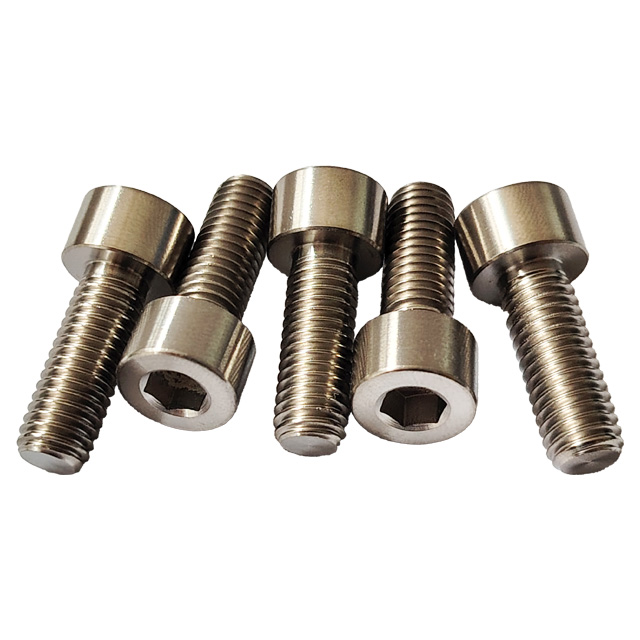
Engineered from aerospace-grade Ti-6Al-4V Grade 5 alloy, our structural bolts, precision socket screws, and CNC-machined titanium tie-assemblies provide uncompromising corrosion immunity against aggressive Mediterranean saltwater environments, acid leaching, and intense dynamic cyclical stress.
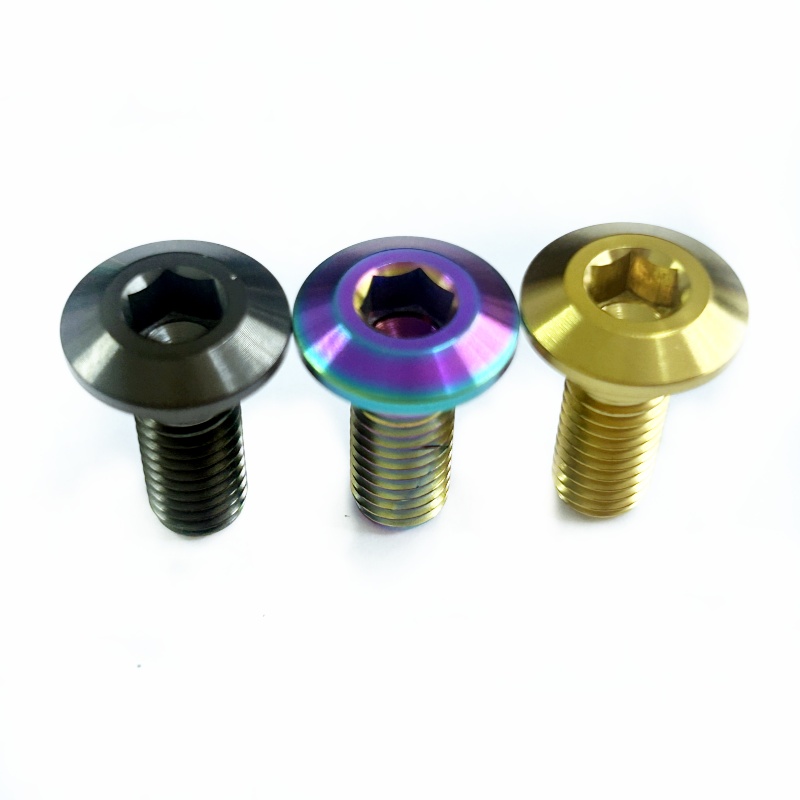
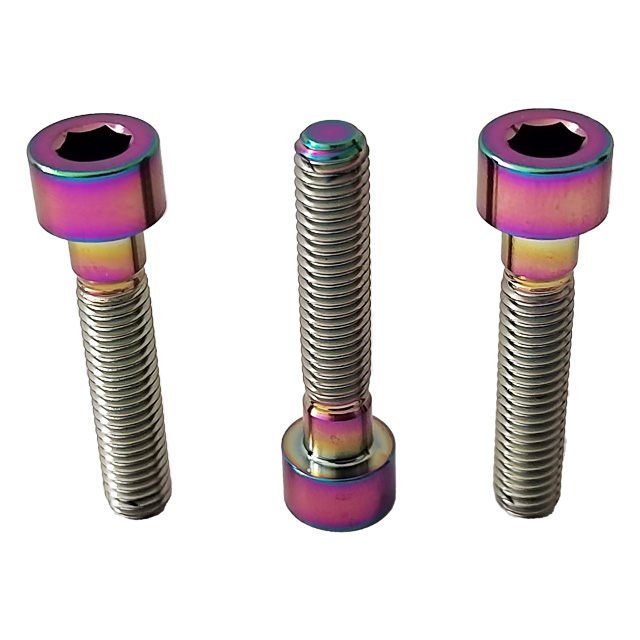
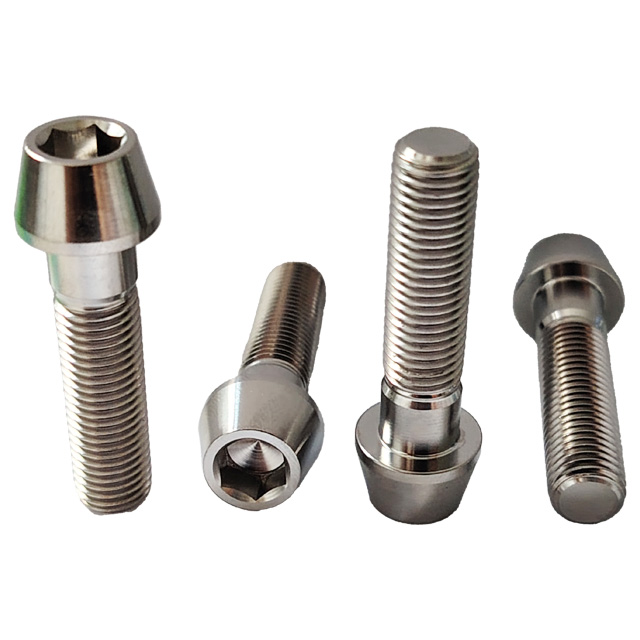
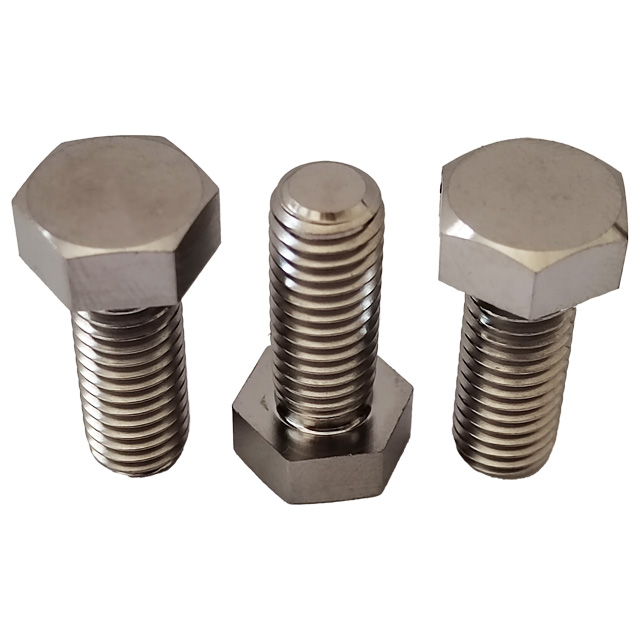
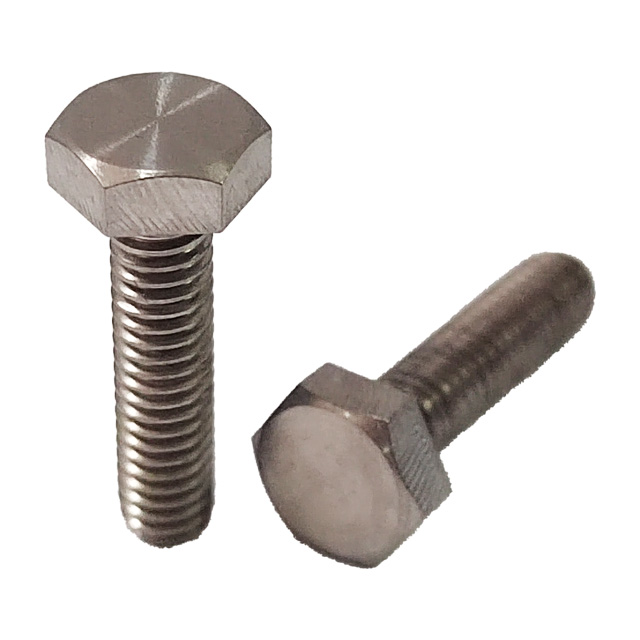
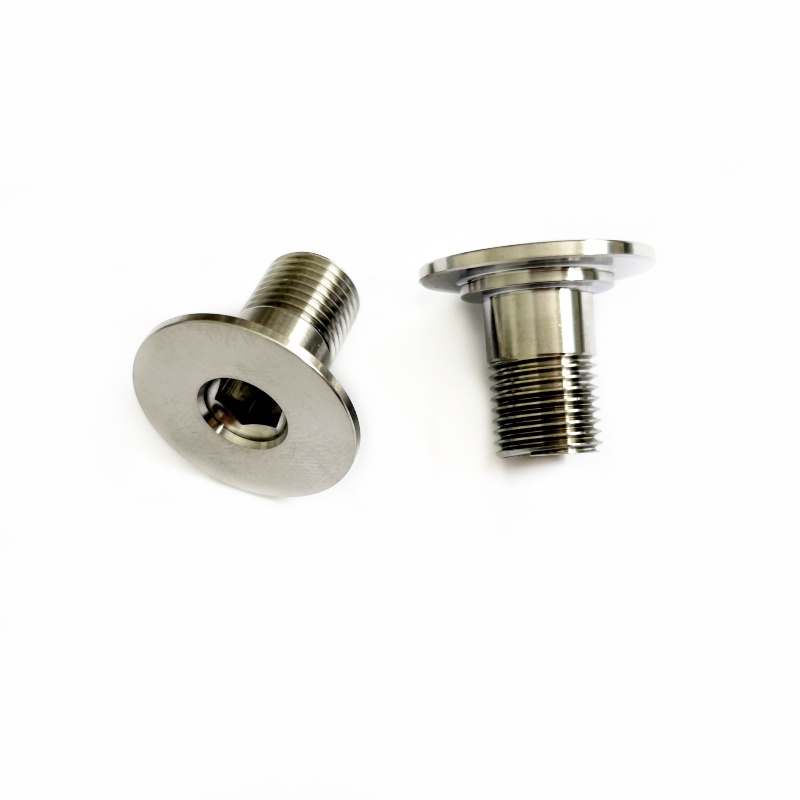
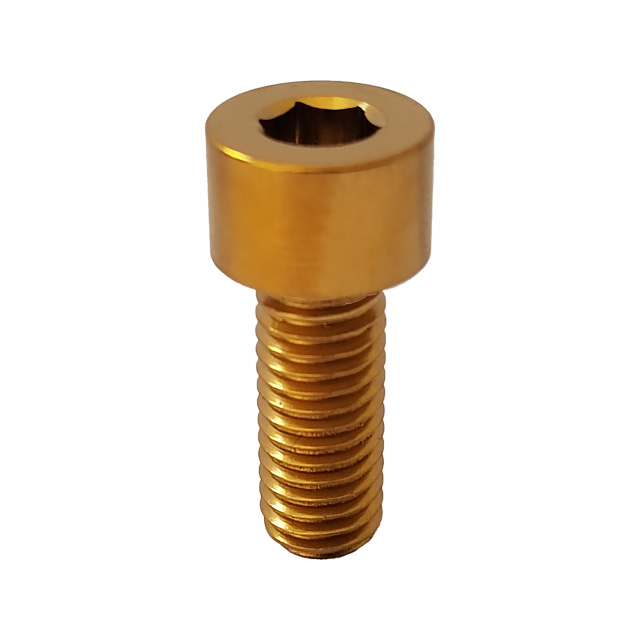
In maritime infrastructure across the Gulf of Patras, industrial chemical handling, and advanced robotic manufacturing, engineering specifiers confront continuous pitting, crevice corrosion, and mechanical fatigue. Here is how our certified titanium stock operates under stringent international design codes.
| Alloy Specification | Yield Strength (Rp 0.2, MPa) | Tensile Strength (Rm, MPa) | Density (g/cm³) | PREN / Seawater Pitting Resistance | Primary Industrial Use in Western Greece |
|---|---|---|---|---|---|
| ASTM B863 / F136 Grade 5 (Ti-6Al-4V ELI) | ≥ 828 | ≥ 895 | 4.43 | Immune (< 130°C Seawater) | Port of Patras Marine Cranes, Rigging, Subsea Sonar, Additive Wire DED |
| ASTM B863 Grade 2 (Commercially Pure) | ≥ 275 | ≥ 345 | 4.51 | Immune (Ambient Chlorides) | Electrochemical Cathodic Protection, Heat Exchangers, Aquaculture Netting |
| Austenitic Stainless Steel (AISI 316L / 1.4404) | ≥ 220 | ≥ 520 | 7.98 | PREN ~23-25 (Subject to Pitting) | General Architecture, Non-critical Commercial Fastening |
| Marine Structural Bronze (C63000 Ni-Al) | ≥ 380 | ≥ 700 | 7.58 | Moderate (Bio-fouling Resistant) | Propeller Hub Hardware, Traditional Marine Shaft Bearings |
| High-Tensile Quenched Steel (Class 10.9) | ≥ 900 | ≥ 1040 | 7.85 | Requires Galvanizing / Catastrophic Rust | Heavy Inland Civil Infrastructure, Non-coastal Machine Frames |
Standards compliance: Certified in accordance with ASTM B863 (Titanium & Titanium Alloy Wire), AWS A5.16 (Welding Wire), ISO 5832-3 (Surgical Implants), and EN 10204 3.1 Mill Inspection protocols.
Patras is Greece’s commercial gateway to the Adriatic, housing expanding port logistics, advanced scientific research institutions, maritime repair docks, and renewable energy investments. Our titanium wire and custom fasteners serve mission-critical roles across key local economic sectors.
The South Port of Patras is a bustling nexus for Ro-Pax ferries and merchant cargo transit linking Western Greece with Italy (Ancona, Venice, Bari). Dockside marine engineers replace corroded stainless steel deck fastenings, hydraulic line clips, exhaust heat-shield studs, and rudder sensor housings with Navzo Ti-6Al-4V fasteners and precision wire to completely eliminate galvanic chloride attacks and extend scheduled maintenance intervals.
In partnership with the University of Patras (Mechanical Engineering & Aeronautics) and incubation centers at Patras Science Park, regional engineers pioneer advanced Wire Arc Additive Manufacturing (WAAM) and Directed Energy Deposition (DED). Our low-interstitial AWS A5.16 ERTi-5 and ERTi-23 ELI wire spools supply uniform feedstocks with exact diameter tolerances for aerospace prototyping and lightweight structural brackets.
Offshore fish farming in the Gulf of Patras and Echinades islands requires non-toxic, anti-fouling containment mesh and cage rigging that withstands turbulent hydrodynamic wave actions. Navzo high-ductility CP Grade 1 and Grade 2 titanium spring wires provide exceptional bio-compatibility, zero copper/zinc release into sensitive aquatic habitats, and 30+ years of maintenance-free service life.
A transformation is taking place across the Achaea prefecture. Major EU-backed infrastructure initiatives, green shipping transitions, and automated manufacturing are accelerating the shift from commodity steels to titanium alloys.
With Mediterranean emissions control directives (IMO 2025/2030) tightening, ferry operators running out of Patras are refitting scrubbing mechanisms and propulsion assemblies. Lightweight GR5 titanium studs and high-temperature exhaust manifold fasteners directly reduce topside deadweight, helping naval architects achieve EEDI compliance without sacrificing strength.
Western Greece’s regional development plan emphasizes smart specialization in robotics, unmanned maritime vehicles (UMVs), and composite materials. Designers in Patras combine carbon-fiber reinforced polymers (CFRP) with titanium bolts and wire pins to avoid the severe galvanic corrosion risks common when pairing aluminum or steel with conductive carbon laminates.
The renewable pipeline around the Peloponnese includes wave energy generators, subsea HVDC interconnections, and coastal desalination facilities. These installations demand CP Grade 2 titanium grounding wires, tie rods, and electrolytic anodes to survive aggressive subterranean and benthic chloride environments without electrolytic degradation.
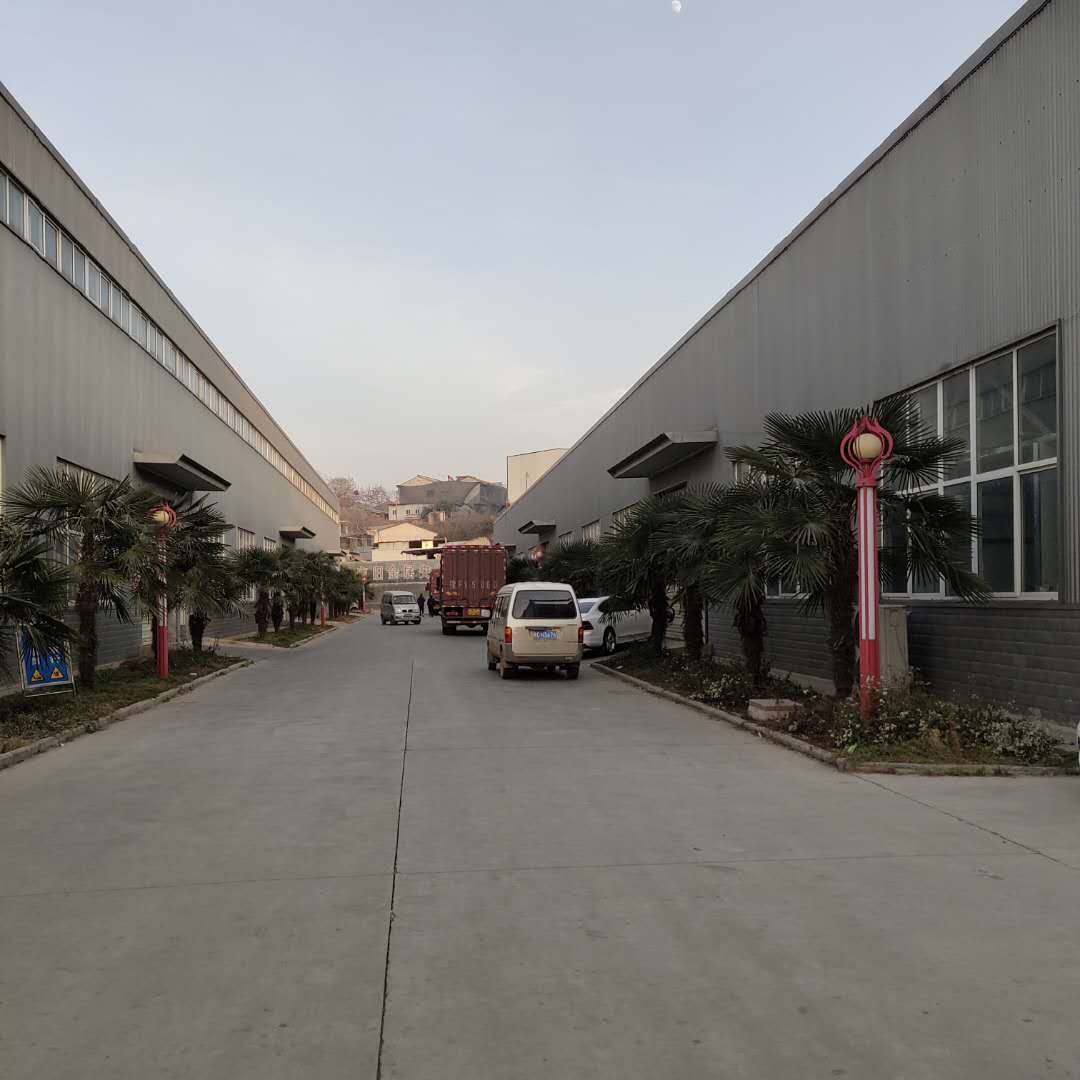
Navzo Precision Titanium operates from the world-renowned titanium industrial cluster in Baoji, Shaanxi. Our location shortens the raw ingot-to-wire supply chain, giving procurement managers in Patras verifiable material consistency, full lot traceability, and competitive direct-from-mill pricing.
Every coil of titanium wire and box of CNC bolts is forged from premium vacuum arc remelted (VAR) sponge titanium. Chemical composition, grain size, and mechanical properties are strictly documented under EN 10204 3.1 certification.
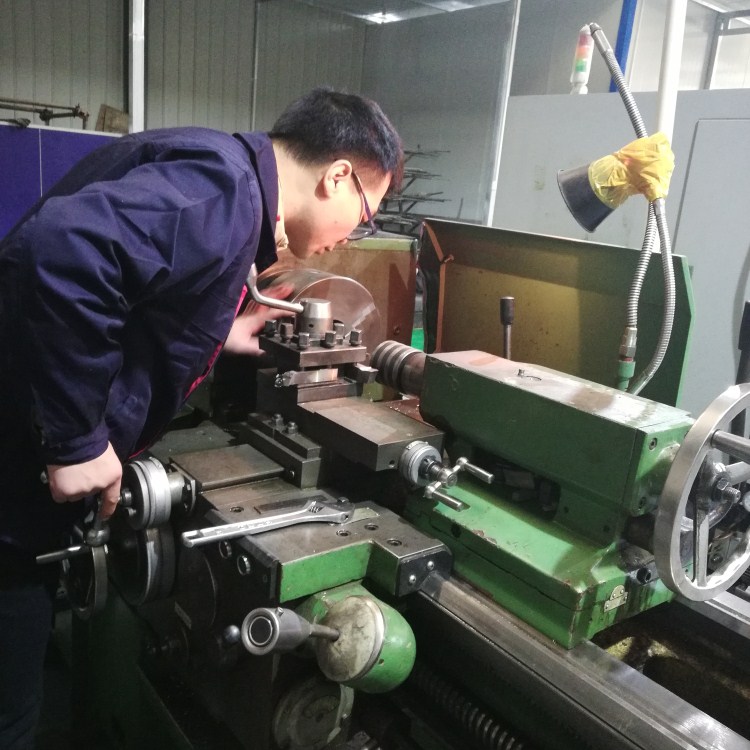
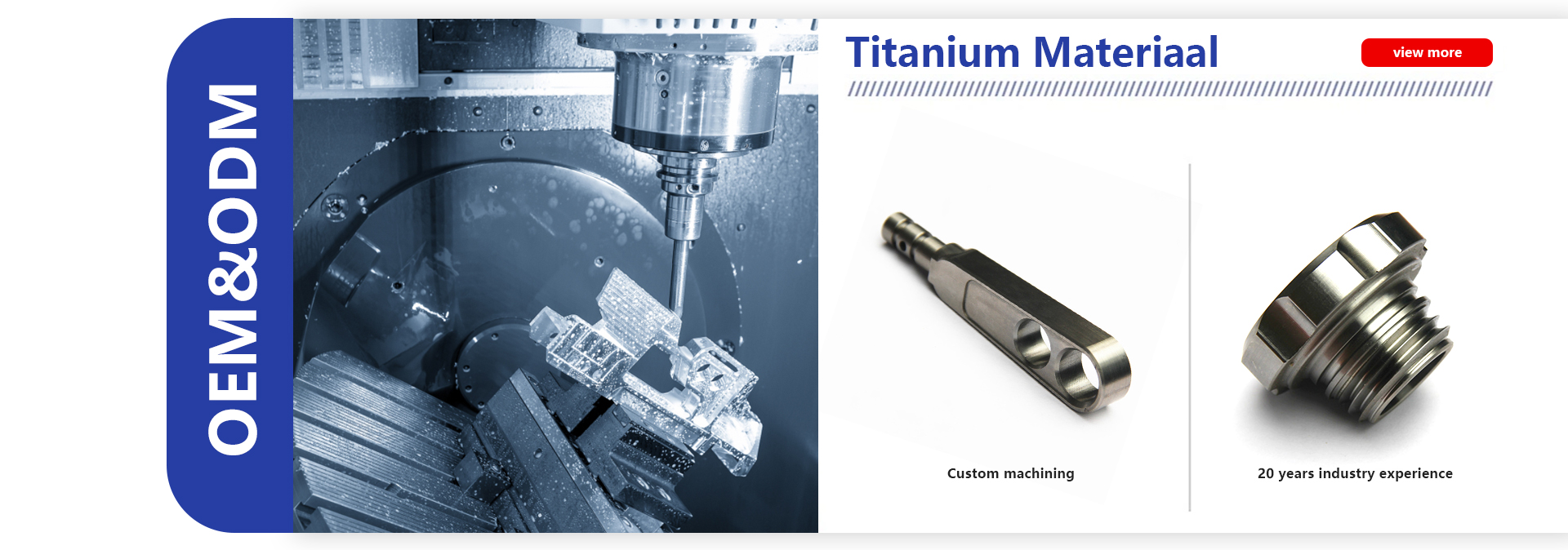
Our workshop houses high-speed cold heading units, precision multi-axis CNC Swiss turning centers, planetary thread rollers, and wire drawing benches to guarantee tolerances down to ±0.005mm.
We maintain an average response time of under one hour for European business inquiries. Detailed commercial quotes, CAD feasibility assessments, and material availability reviews keep your procurement timeline on track.
Navzo Precision Titanium Products Co., Ltd. was founded in January 2011 in the High-tech Development Zone of Baoji, Shaanxi. Over 14 years of specialized titanium fabrication has established our facility as an audited on-site manufacturer supplying distributors across Greece, Italy, Germany, and the United States.
Whether your firm in Patras requires multi-kilometer wire coils on DIN spools, ISO metric socket bolts, or custom CNC milled marine shafts from engineering drawings, our production process delivers turnkey quality with zero overseas supply chain friction.
Clear, practical technical answers addressing customs clearances, metallurgical verification, anti-galling handling, and transit protocols for Hellenic engineering and procurement directors.
For high-priority orders and pilot trials, express air freight (DHL, FedEx, UPS) clears Athens International Airport (AIA) or Patras customs within 4 to 7 working days. For bulk wire containers or large fastener volumes, maritime shipments route directly to Piraeus port (taking approximately 22 to 28 days from Shanghai/Qingdao) and are transferred via the Olympia Odos motor corridor to Patras within 24 hours of customs clearance.
Every shipment includes an EN 10204 Type 3.1 Mill Test Certificate detailing exact chemical composition (O, Fe, C, N, H levels), yield strength, elongation percentage, and tensile strength. We also provide dimensional inspection reports and third-party ultrasonic (UT) flaw detection records if required by classification societies such as DNV, Lloyd’s Register, or RINA for Greek flagged vessel refits.
Titanium threads have a thin natural oxide film that can seize under high friction torque (known as galling). When torquing Ti-6Al-4V fasteners into titanium or stainless tapped bodies, our technicians recommend using a molybdenum disulfide or nickel-based anti-seize paste. Alternatively, our factory can provide an anti-friction PVD coating or micro-arc oxidation (MAO) on fastener surfaces.
For standard wire diameters in Grade 2 and Grade 5 (ranging from 0.8mm to 6.0mm), our warehouse inventory allows trial orders as low as 10 kg to 25 kg. For non-standard dimensional draws, ultra-fine medical-grade wire, or custom spring-temper runs, production batches typically begin at 50 kg per specification, shipped on precision spool reels or cut lengths.
Yes. Our engineering department works with standard STEP, IGES, DXF, and DWG file formats. Our technicians conduct an initial Design for Manufacturability (DFM) review, confirm machine toolpaths, check tolerance stackups, and verify tool clearances for complex geometries before starting production.
Carbon fiber composite matrices possess an elevated resting electrical potential (+0.2V to +0.3V). While aluminum and standard structural steel suffer severe galvanic attack when coupled to carbon structures in saline environments, titanium shares a nearly identical galvanic potential with graphite. This makes titanium the globally accepted fastener and wire dowel material for marine carbon fiber hydrofoils, mast rigging, and racing yacht hulls.
Accelerate your project timelines, eliminate galvanic corrosion failures, and optimize equipment payload ratios. Submit your wire gauges, fastener drawings, or project bills of material today for rapid engineering evaluation and direct mill pricing.