High-Integrity Titanium Wheel Studs & Fasteners
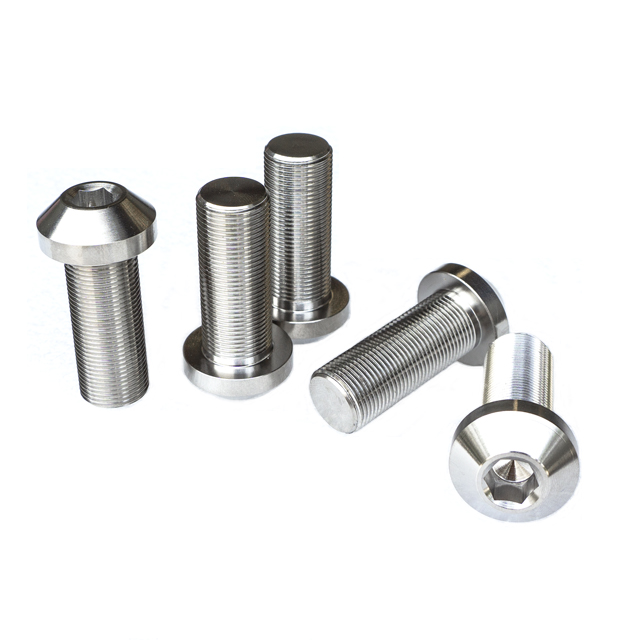
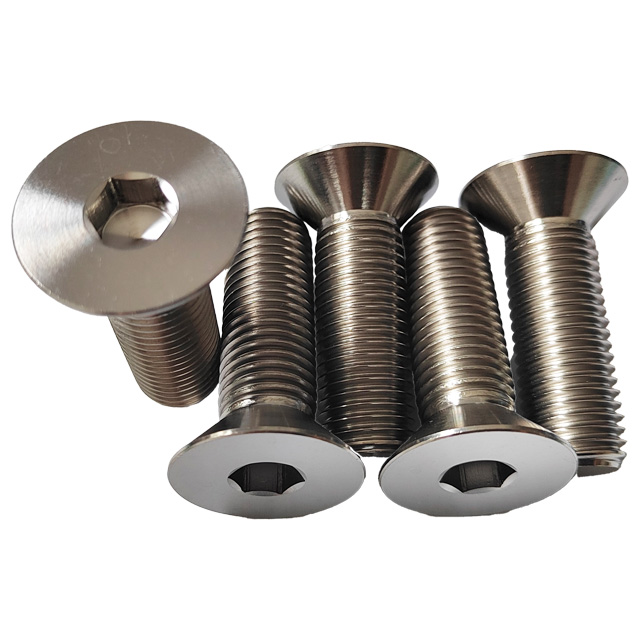
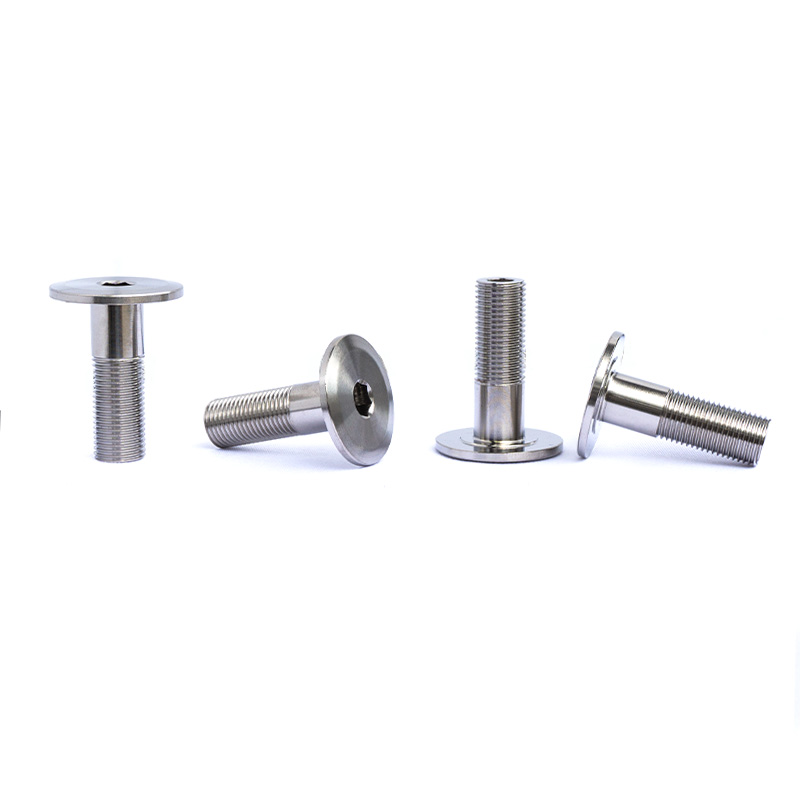
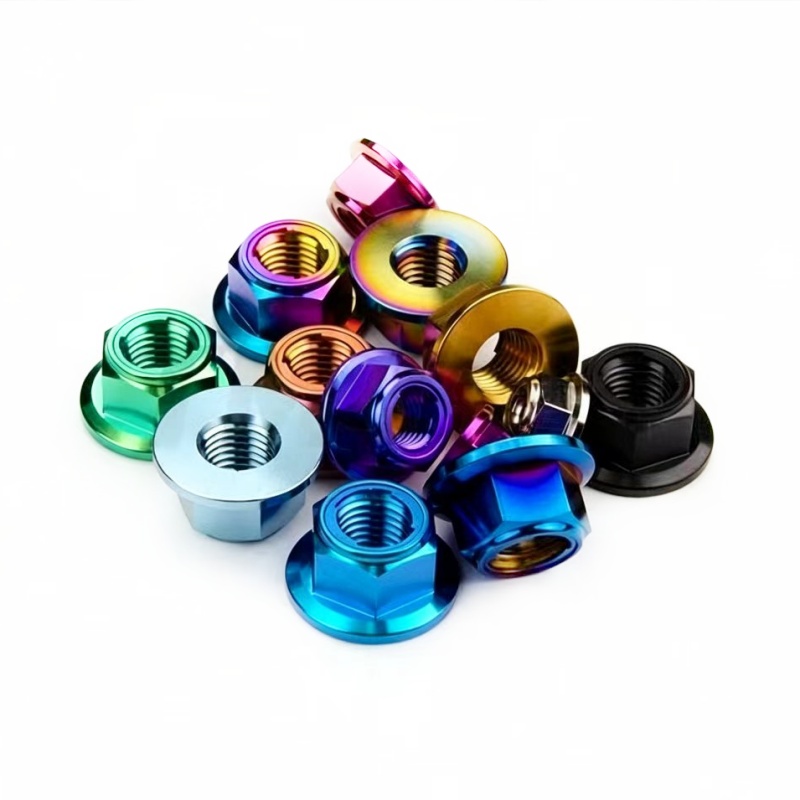
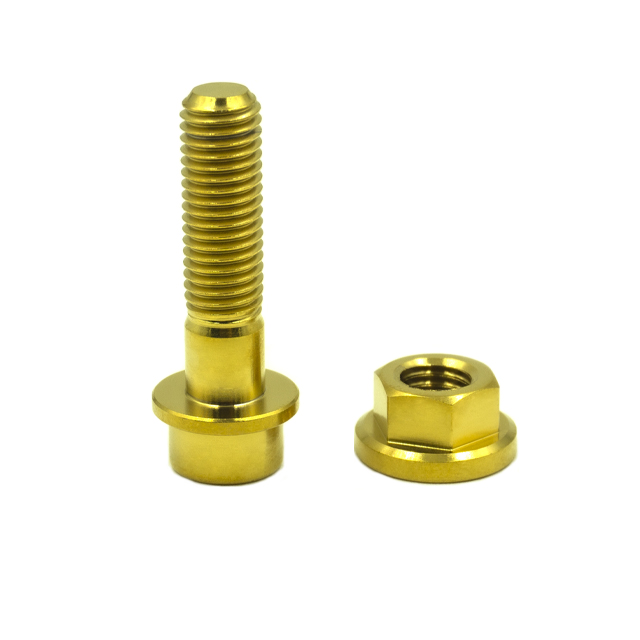
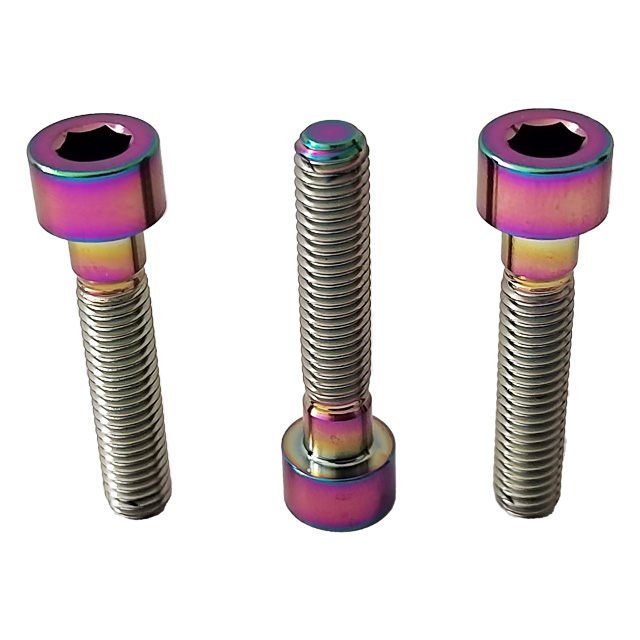
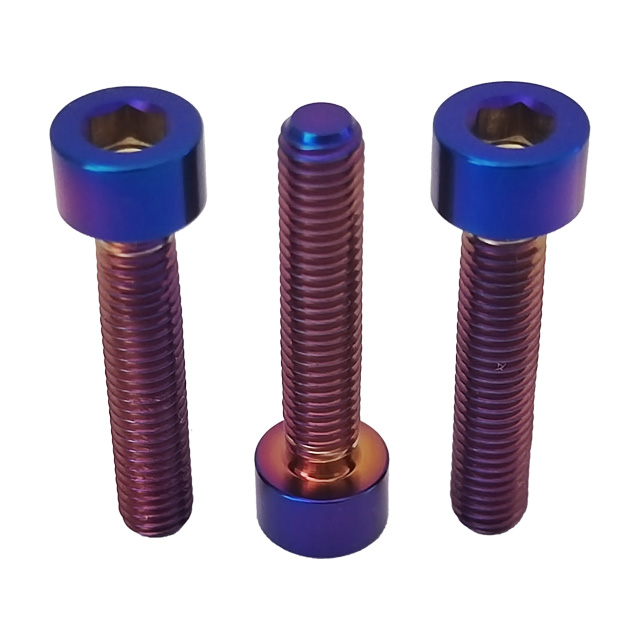
Precision-engineered Grade 5 (Ti-6Al-4V) studs, nuts, and bolts providing maximum fatigue strength, reduced rotational un-sprung mass, and permanent resistance to Mediterranean saline marine atmosphere.
The Fontvieille Automotive & Marine Procurement Paradigm
Fontvieille, the vibrant industrial and high-technology maritime ward of the Principality of Monaco, represents one of the world's most demanding procurement environments for critical hardware fasteners. Operating at the confluence of the Port de Fontvieille, prestigious engineering boutiques, Formula 1 circuit support hubs, and bespoke hypercar collectors, component failure in this micro-climate carries massive financial, technical, and reputational risk.
For automotive master-technicians, racing teams, and marine engineers based in Fontvieille, conventional steel wheel lug studs and bolts pose an unresolvable metallurgical conflict: zinc-plated and carbon steels suffer rapid galvanic breakdown under high saline humidity from the Mediterranean sea-spray, while standard stainless steel hardware (such as A2-70 or A4-80) cannot provide the necessary tensile and shear threshold to handle extreme cornering g-forces during high-speed circuit applications.
Why Un-sprung Rotating Mass Matters on Coastal Circuits
Wheel studs and lug nuts rotate at the outer perimeter of the hub assembly. Under the rotational physics governing performance dynamics, reducing one kilogram of un-sprung rotational weight is equivalent to shedding up to four kilograms of static chassis mass. This reduction diminishes the gyroscopic resistance of the wheel assembly, allowing Monaco-based sports cars navigating tight hairpins—such as the iconic Fairmont Hairpin adjacent to Fontvieille—to change direction with heightened agility, sharper steering communication, and minimized suspension rebound inertia.
Furthermore, braking systems on performance vehicles regularly produce temperatures exceeding 600°C. Steel studs transmit this intense thermal load straight into wheel bearing seals and wheel rim alloy surfaces, accelerating brake fluid degradation. Titanium maintains a remarkably lower thermal conductivity (~6.7 W/m·K compared to steel's ~50 W/m·K), serving as an effective thermal insulator that preserves bearing integrity and optimizes brake ducting efficiency.
Material Performance Matrix: Grade 5 Titanium vs. Competitive Alloys
| Alloy Classification | Density (g/cm³) | Tensile Strength (MPa) | Thermal Conductivity | Chloride Stress Corrosion | Fontvieille Applicability |
|---|---|---|---|---|---|
| Navzo GR5 Titanium (Ti-6Al-4V) | 4.43 | 950 - 1050 | 6.7 W/m·K (Thermal Insulating) | Completely Immune | Optimal for Track, Supercar & Yacht Tenders |
| Class 10.9 Carbon Steel | 7.85 | 1040 | 49.8 W/m·K (High Transfer) | High Vulnerability (Rusts easily) | Requires Constant Anti-Corrosion Spraying |
| Class 12.9 Alloy Steel | 7.85 | 1220 | 42.6 W/m·K | Extreme Hydrogen Embrittlement | High Risk of Rapid Brittle Fracture |
| 316 Marine Stainless Steel | 8.00 | 600 - 750 | 16.3 W/m·K | Moderate Resistance | Inadequate Tensile for Dynamic Hub Shearing |
Rolled Threads vs. Cut Threads: The Critical Fatigue Differentiator
The manufacturing process utilized for wheel hardware determines whether a fastener will survive continuous track vibrations or fail catastrophically under cyclic torque. Cheap aftermarket titanium bolts are frequently produced via CNC cutting methods, where cutting tools shear across the titanium grain lines, leaving microscopic micro-notches at thread roots that act as stress concentration focal points.
Navzo Precision Titanium Products employs cryogenic cold-forging and thread-rolling techniques under severe quality controls in Baoji. Cold rolling physically reshapes the metal's internal grain boundaries to follow the exact contours of the thread flanks. This continuous metallurgical grain structure increases the thread root fatigue threshold by up to 300%, eliminating thread galling propensity when paired with recommended molybdenum-disulfide or copper-free anti-seize paste during installation.
Fontvieille Specialized Engineering Applications
From the Port de Fontvieille superyacht berths to precision dyno facilities in Monaco's tech districts, discover how our fasteners solve key engineering bottlenecks.
Supercar Conversions
Bespoke M14x1.25 and M14x1.5 titanium stud conversions for Ferrari, Lamborghini, McLaren, and Porsche GT models residing in the Principality.
Monaco Historic & F1 Circuit
High-torque wheel hub studs meeting FIA stress regulations for historic formula vehicles, endurance cup racers, and track day builds.
Superyacht Tenders & Marine
Corrosion-proof hardware for high-speed luxury hydrofoils, chase boats, and dockside support equipment moored at Port de Fontvieille.
High-End Customization
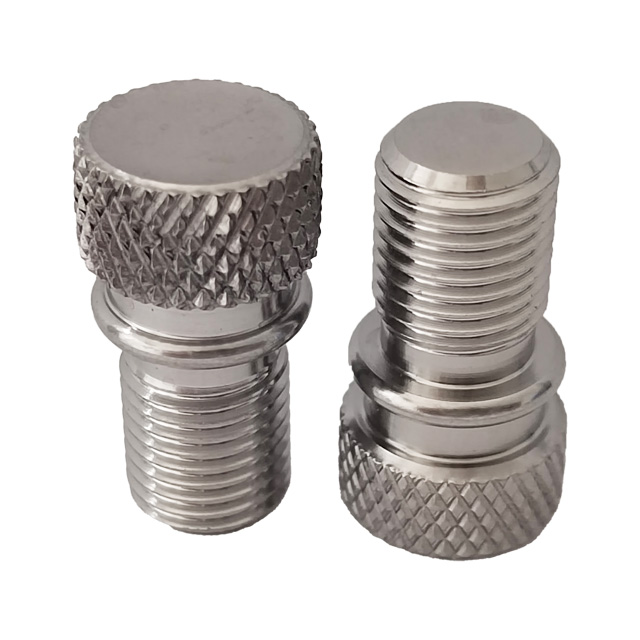
Aesthetic PVD finishes, diamond-knurled ends, and burn-blue titanium accents matching bespoke livery demands of private Riviera clientele.
Fontvieille Market Evolution & Trends
Strategic hardware developments shaping luxury automotive and high-tech supply chains in Southern Europe.
Electric Hypercar Transition
With Monaco enforcing aggressive sustainability guidelines, electric performance hypercars (such as Rimac, Lotus Evija, and bespoke EV conversions) represent heavy battery curb weights. Engineers use titanium wheel studs to claw back crucial rotational inertia.
Conversion from Bolts to Studs
Fontvieille workshops increasingly convert OEM lug bolt setups to double-ended screw-in stud kits. Stud conversions speed up wheel swaps at track days, preserve soft aluminum brake rotor bells from cross-threading, and permit variable wheel spacer configurations.
Strict Material Traceability Mandates
Boutique automotive collectors in Monaco require end-to-end documentation. Cheap uncertified titanium sourced via generic trading intermediaries is being disqualified in favor of direct-from-source manufacturers providing verified mill chemical and tensile certificates.
Navzo Precision Titanium: Direct from Baoji's Titanium Valley
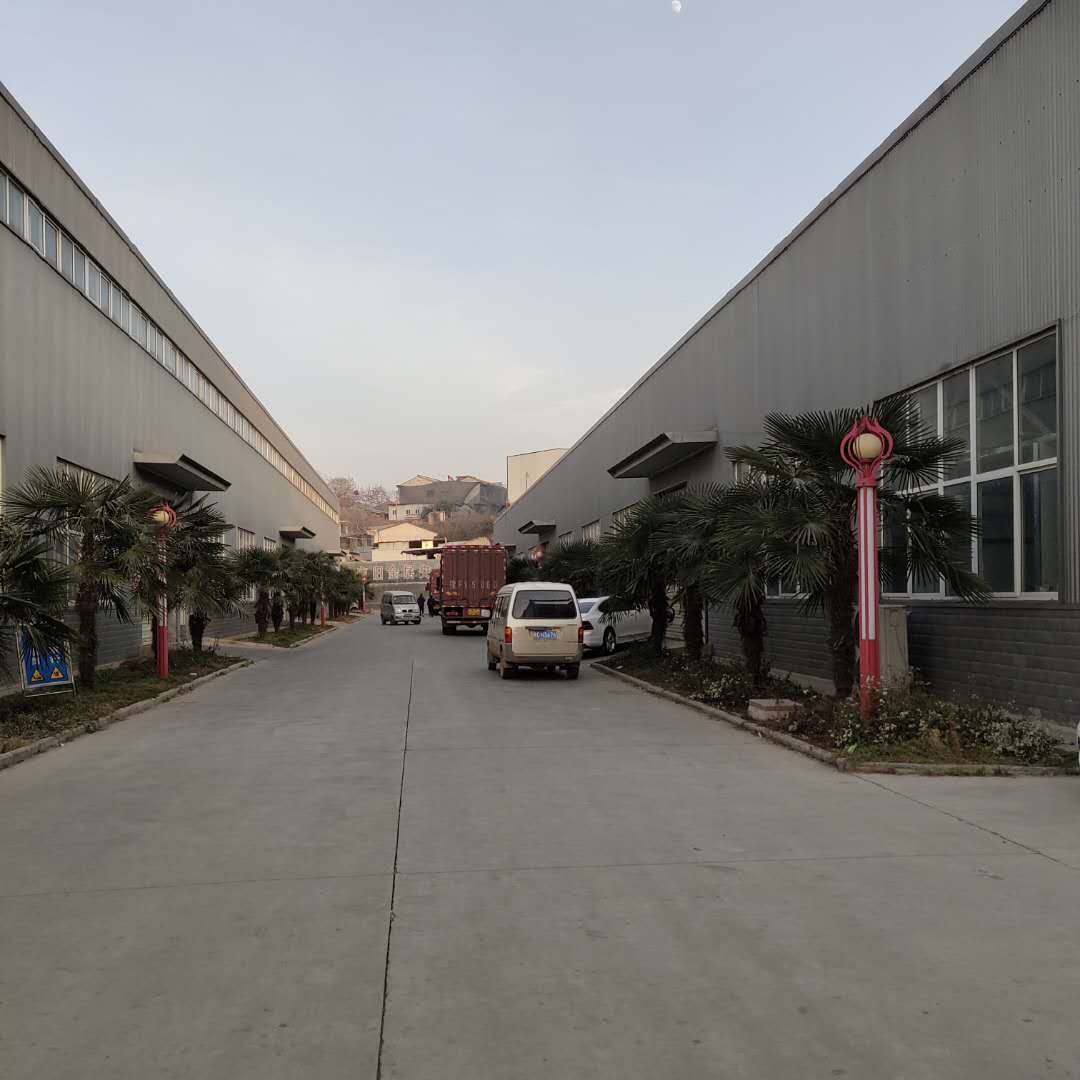
Established on January 10, 2011, on Yucai Road within the High-Tech Development Zone of Baoji, Shaanxi, Navzo Precision Titanium Products Co., Ltd. sits at the absolute core of global titanium metallurgy.
Because Baoji supplies a premier share of world titanium ingots, bars, and wire, our production facility eliminates trading intermediaries, guaranteeing verified raw material authenticity, tighter metallurgical grain consistency, and unbeatable direct-factory pricing for Fontvieille distributors.
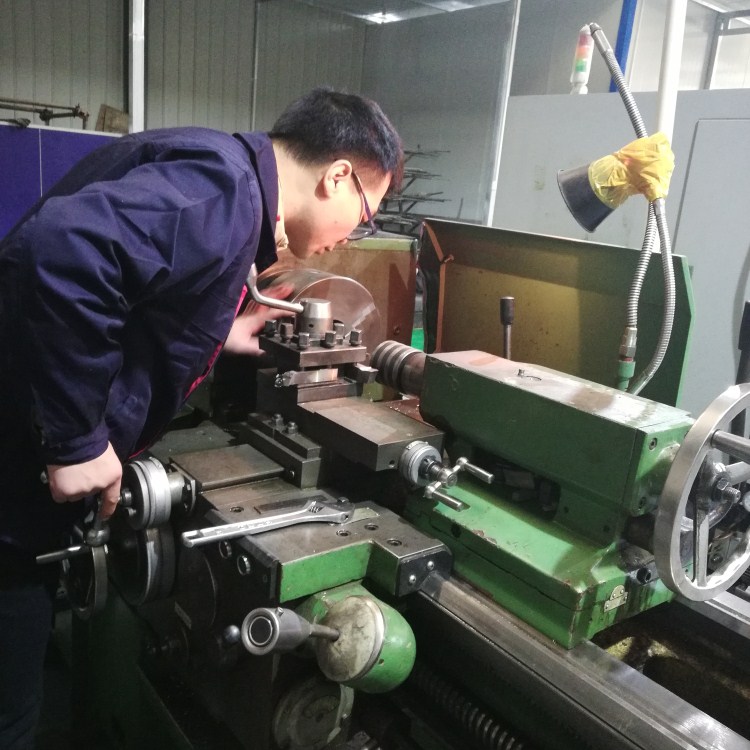
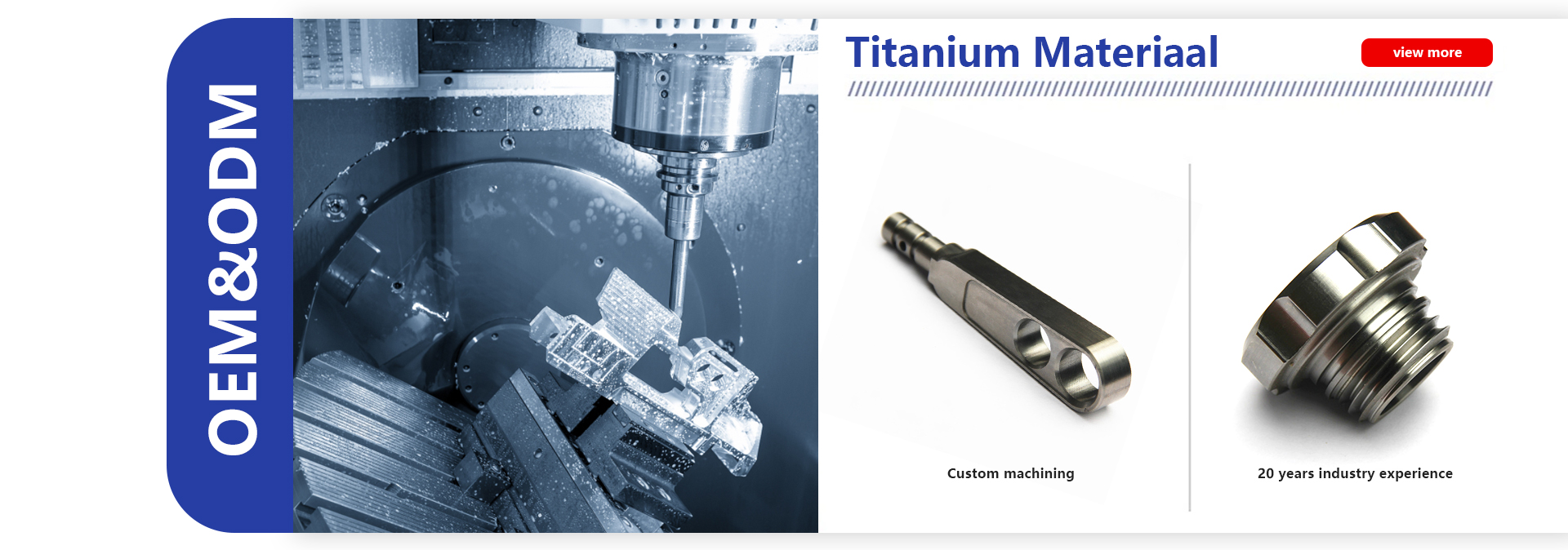
- Full-Spectrum Production: Cold heading, multi-axis CNC turning, precision thread rolling & PVD coating.
- Rigorous Quality Standards: 100% thread gauge verification, spectrometer composition analysis & lot tracking.
- Rapid Response Engineering: Technical drawings (STEP/DWG) reviewed with quotations provided within ≤ 1 hour.
Procurement FAQ for Fontvieille & Monaco Buyers
Direct metallurgical answers addressing installation, torque dynamics, safety, and international logistics.
Grade 5 (Ti-6Al-4V) titanium shares a comparable modulus of elasticity with high-tensile steel, but its friction coefficient differs depending on the surface coating. When using quality anti-seize paste, titanium studs can be torqued to OEM manufacturer specifications (e.g., 130–140 Nm for typical M14 Porsche/Ferrari setups) without stretching.
Yes. Because titanium oxidizes instantly to form a protective passivating layer, titanium-to-titanium or titanium-to-steel friction can lead to galling under dry, high-torque tension. We advise applying a thin film of copper-free or molybdenum-disulfide anti-seize paste to the hub threads during installation.
No. In the galvanic nobility series, titanium is highly noble and chemically inert. Unlike standard steel fasteners which act as sacrificial anodes and corrode adjacent forged aluminum wheels, titanium forms a non-conductive dielectric titanium dioxide film that prevents electrolytic cell formation, even in salt air.
Navzo offers custom length extensions (for wide wheel spacers), hollow lightweight bores, bullet nose / speed tips (for quick track wheel alignment), custom Allen or Torx head keys, and custom knurling per client CAD/STEP drawings. We support custom laser logo marking and private-label packaging.
For urgent racing rebuilds and shipyard orders, we coordinate direct priority express freight via DHL Express and FedEx International Priority, enabling door-to-door transit to Monaco and the Côte d'Azur within 3 to 5 business days, fully supported by export customs clearance.
Each consignment can be accompanied by an EN 10204 3.1 Mill Test Certificate specifying chemical spectrometer breakdown (Al 5.5-6.75%, V 3.5-4.5%, Ti Balance) and mechanical tensile/yield reports. Dimensional optical measurement records are verified before packing.