Precision Marine Fasteners & Titanium Assemblies Serving Split Shipyards
Engineered to pair directly with industrial titanium piping systems, ballast manifolds, and marine assemblies. Built to ASTM, DIN, and ISO marine engineering standards.
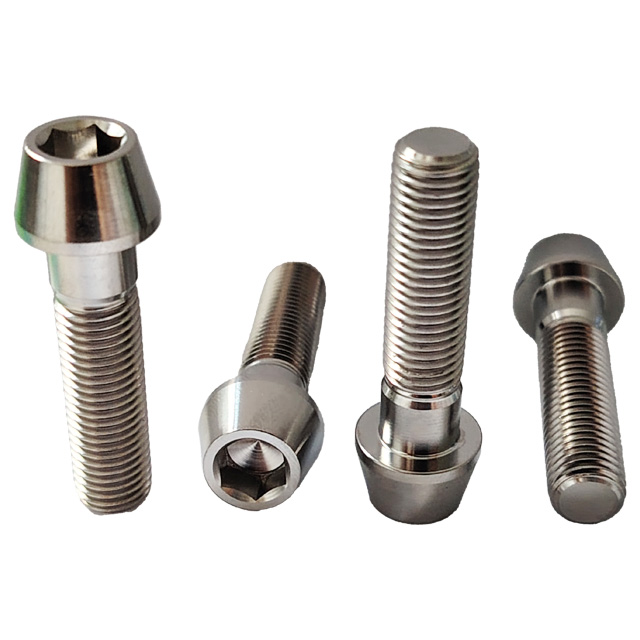
GR5 Titanium Bolts M8 M10 M12 CNC Machined Tapered Head Inner Hex Bolts
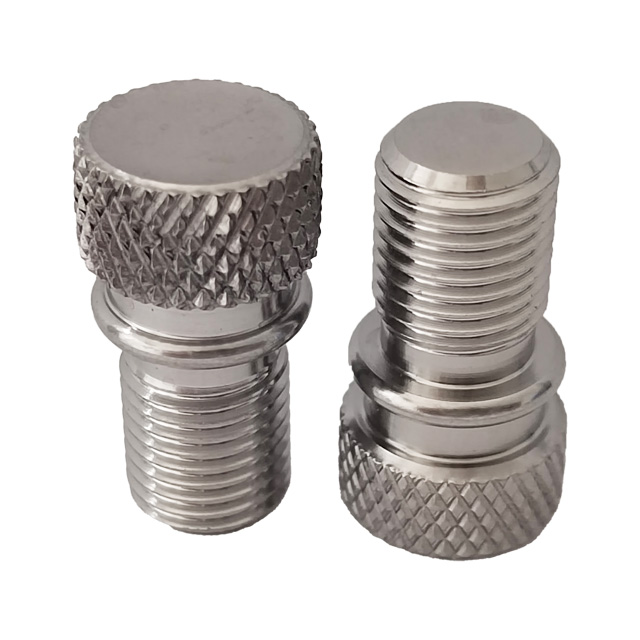
GR5 Titanium Bolts M9*1.0*12mm Cylindrical Head Knurled Bolts Hand-Tightening
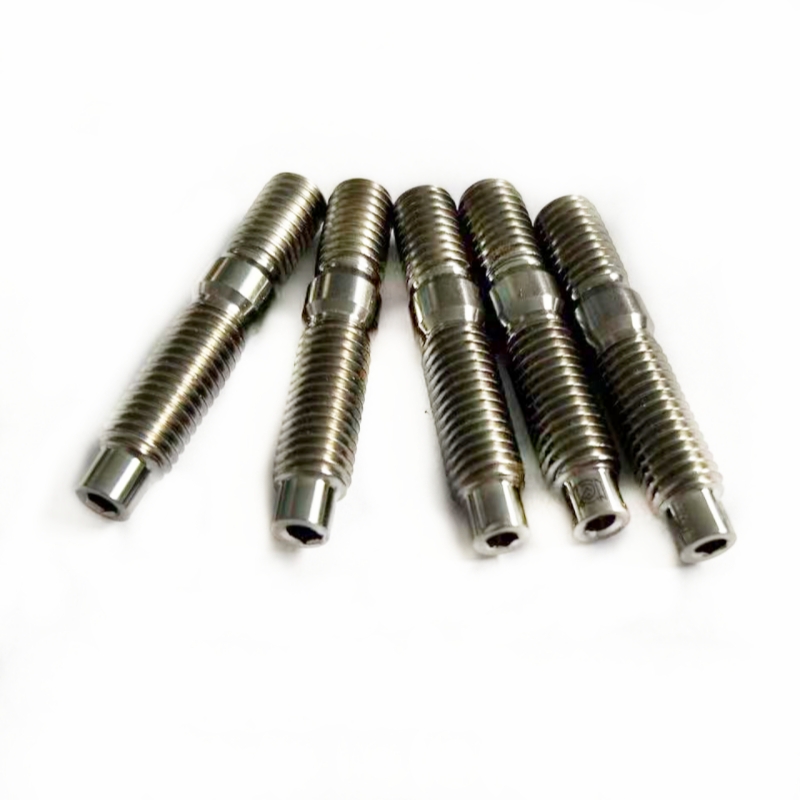
GR5 Titanium Exhaust Manifold Stud Manifold Bolt Polished Finish M8*1.25*45
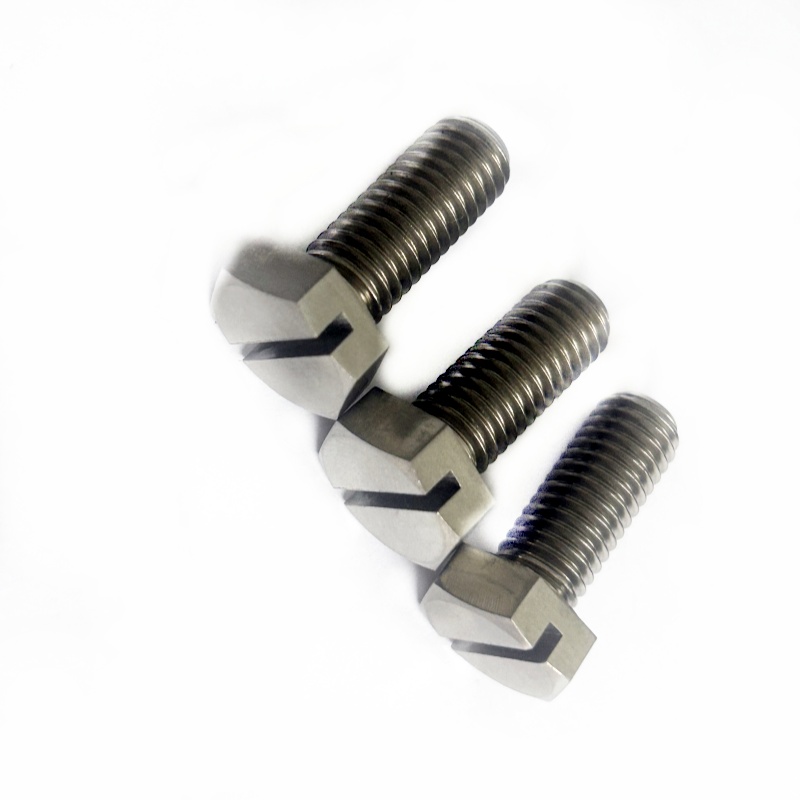
OEM Made High Precision CNC Machined Titanium Slotted Hexagonal Head Screw
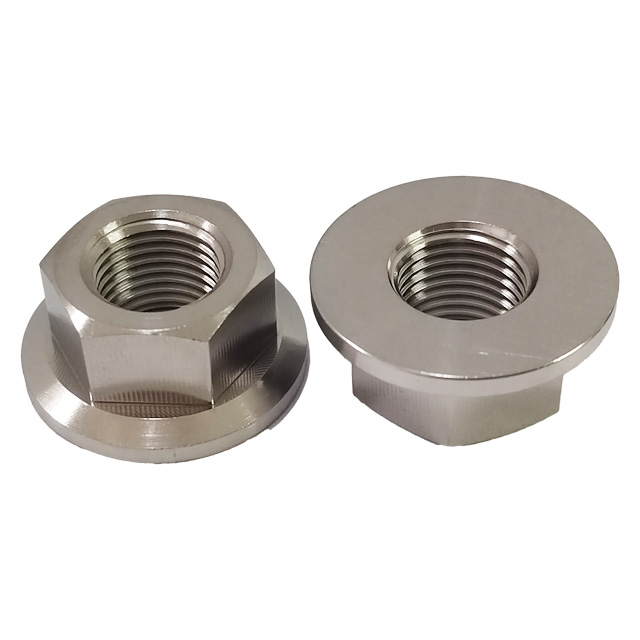
GR5 Titanium Nuts M12*1.5 High Strength Hex Flange Full Thread Nuts
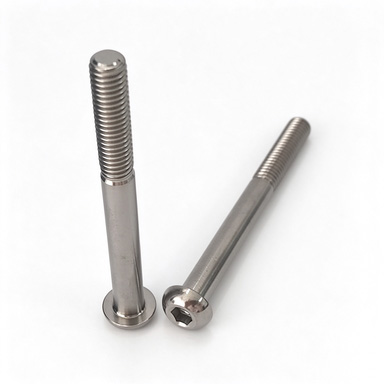
GR5 Titanium Bolts M6*70mm Button Head Inner Hex Socket Screws
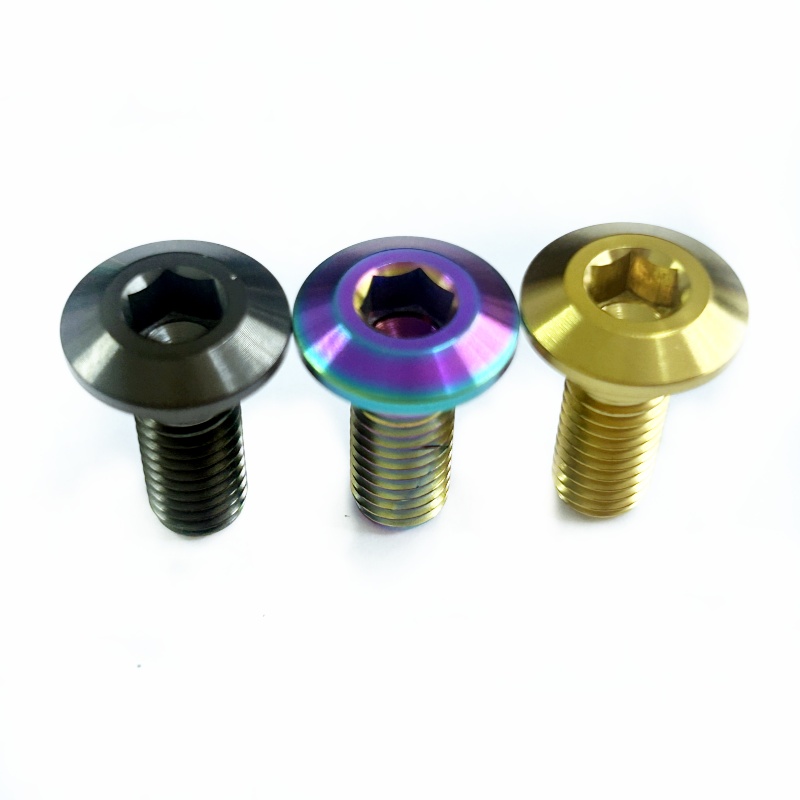
M8 Gr5 Titanium Bolts Shoulder Screws Hex Socket Head Bolts
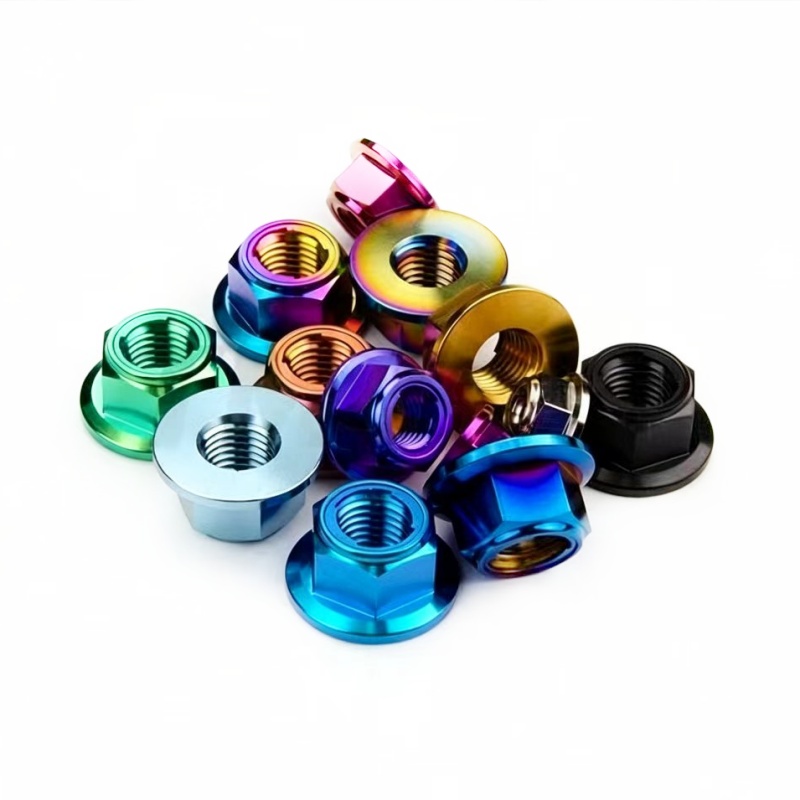
GR5 Titanium Lock Anti Loosening Nut M6 M8 M10 PVD Coated Finish
Architectural Metallurgy for the Adriatic Sea: Strategic Sourcing for Split
As the primary maritime epicenter of Croatia's Dalmatian coastline, Split commands a pivotal position in shipbuilding, ship repair (Brodosplit), luxury superyacht refit, and coastal process infrastructure. Operating along the Adriatic requires engineering materials that completely withstand extreme chloride concentrations, elevated temperatures, and microbiological corrosion. Navzo Precision Titanium delivers seamless and welded titanium tubes engineered to eliminate downtime, lower drydock maintenance cycles, and replace short-lived copper-nickel or super duplex alloys.
Titanium Tubing Specifications & Material Grades for Dalmatian Coastal Engineering
Selecting the proper titanium grade for piping systems in Split requires a thorough evaluation of velocity limitations, operating temperatures, mechanical stress, and media chemistry. Unlike traditional materials such as 90/10 Copper-Nickel (CuNi), which suffers catastrophic impingement attack when seawater flow velocities exceed 3.5 m/s, commercially pure and alloyed titanium tubes remain immune to erosion-corrosion at fluid speeds in excess of 20 m/s. This allows naval architects and marine engineers in Split to downsize pipe diameters, minimize structural weight, and maximize internal volume.
We supply seamless cold-drawn and continuous welded titanium tubing conforming strictly to international marine classification criteria, including ASTM B338, ASTM B861, ASTM B862, ASME SB338, and harmonized European EN 10216-5 standards.
| Titanium Grade | Metallurgical Composition | Tensile Strength (min. MPa) | Yield Strength (min. MPa) | Pitting / Crevice Limit | Primary Split & Adriatic Application |
|---|---|---|---|---|---|
| Grade 1 (UNS R50250) | Commercially Pure (Low O₂) | 240 MPa | 170 MPa | Up to 75°C in seawater | Intricate plate heat exchangers, cold-bent sanitary lines |
| Grade 2 (UNS R50400) | Commercially Pure (Standard) | 345 MPa | 275 MPa | Up to 80°C in marine brine | Seawater cooling loops, ballast water treatment, desalination |
| Grade 5 (Ti-6Al-4V) | Alpha-Beta Structural Alloy | 895 MPa | 828 MPa | High mechanical fatigue | Deep-sea subsea umbilicals, structural stanchions, drive shafts |
| Grade 7 (UNS R52400) | Ti + 0.15% Palladium (Pd) | 345 MPa | 275 MPa | Up to 260°C in acidic brine | High-temperature chemical processing, marine scrubber effluent |
| Grade 9 (Ti-3Al-2.5V) | Near-Alpha Hydraulic Alloy | 620 MPa | 483 MPa | Extreme burst rating | High-pressure yacht hydraulic steering, marine fuel manifolds |
| Grade 12 (UNS R53400) | Ti + 0.3% Mo + 0.8% Ni | 483 MPa | 345 MPa | Intermediate Crevice Control | High-pressure brine heaters, geothermal coastal power systems |
Localized Application Scenarios in the Split Maritime Hub
Split is uniquely positioned between bustling cargo terminals, historic shipyards, modern marina developments, and regional chemical infrastructure across the Kaštela Bay. Titanium tubing supplied by Navzo meets the exacting requirements of four dominant local industry sectors:
Brodosplit Commercial & Naval Shipbuilding
In heavy commercial vessels, polar expedition cruise liners, and naval patrol craft engineered in Split, titanium Grade 2 tubing is increasingly deployed for Ballast Water Treatment Systems (BWTS) and exhaust gas scrubbing circuits. Titanium’s absolute immunity to hypochlorite dosing and sodium chloride ensures that piping walls experience zero wall thinning over a 30-year operational life cycle.
Superyacht Refit & Racing Rigging (ACI Marina & Kaštela)
With Split serving as the primary hub for superyachts cruising the Dalmatian islands (Hvar, Brač, Vis), vessel refit yards frequently replace corroded marine stainless piping with thin-wall Grade 9 (Ti-3Al-2.5V) hydraulic tubes. Titanium delivers massive weight savings aloft in mast rigging hydraulic controls and prevents deck staining from saltwater washdowns.
Adriatic Seawater Desalination & Coastal Utilities
Coastal and island municipalities surrounding Split rely heavily on Reverse Osmosis (SWRO) facilities. High-pressure feed headers, energy recovery device interconnects, and brine reject lines operate under intense pressures up to 70 bar. ASTM B338 Grade 2 and Grade 7 seamless tubes prevent catastrophic crevice attack beneath gasket faces and flanged unions.
Emerging Trends: The Decarbonization & Modernization of Dalmatian Marine Infrastructure
The Adriatic maritime industry is undergoing an unprecedented modernization cycle driven by European Union environmental directives, including the FuelEU Maritime initiative and Mediterranean Emission Control Area (Med ECA) regulations. These shifts directly impact material procurement decisions across Split:
1. Replacement of Heavy Copper Alloys with Ultralight Titanium: Naval architects at Croatian design bureaus are aggressively targeting vessel displacement reduction to meet carbon emission reduction goals. Substituting bronze and CuNi 90/10 seawater cooling bundles with thin-walled ASTM B338 Grade 2 titanium yields structural mass reductions between 40% and 55% in engine room piping networks. This directly cuts fuel consumption across passenger catamarans and inter-island ro-ro ferries.
2. Biofouling Control without Toxic Heavy Metal Leaching: Conventional anti-fouling copper pipe systems slowly dissolve ions into sensitive maritime ecosystems. The Adriatic Sea, characterized by enclosed channels and high biodiversity around the Dalmatian archipelago, demands environmentally non-toxic materials. Titanium forms an ultra-stable amphoteric titanium dioxide ($TiO_2$) ceramic passivation barrier that does not leach copper, nickel, or biocidal compounds into the pristine marine environment.
3. Resistance to Stagnant Harbor Waters & Sulfate-Reducing Bacteria (SRB): Vessels berthed in marinas such as Split City Port, Spinut, or Kaštela frequently sit idle during off-season winter periods. In stagnant seawater, 316L and even duplex stainless steels fall victim to microbiologically influenced corrosion (MIC) induced by sulfate-reducing bacteria under bio-films. Titanium shows 100% biological inertness and total immunity to pinhole pitting under anaerobic marine sediments.
Navzo Precision Titanium: Strategic Manufacturing Advantages
Procuring titanium tubular products for high-stakes marine contracts requires uncompromising manufacturing integrity and full traceability. Located in Baoji, China—the globally recognized "Titanium Valley"—Navzo Precision Titanium Products Co., Ltd. combines sovereign raw material processing with precision aerospace-grade machining.
Baoji Material Origin & Traceability
100% virgin sponge titanium melted via Vacuum Arc Remelting (VAR). Full heat traceability with chemical composition and physical properties documented on certified EN 10204 Type 3.1 Inspection Certificates.
Integrated Cold Pilgering & Sizing
In-house cold pilger rolling mills ensure precise dimensional wall uniformity, tight roundness tolerance, and ultra-smooth inner surface roughness down to Ra < 0.4 µm for friction-free fluid dynamic efficiency.
Rigorous NDT Quality Control
Every single length of titanium tubing passes automated eddy current inspection, hydrostatic pressure testing up to 350 bar, pneumatic under-water bubble testing, and ultrasonic thickness calibration.
Direct Export Logistics to Split
Experienced in rapid ocean and multimodal air cargo dispatch straight to Split, Rijeka, or Ploče. Professional heavy-duty fumigated wooden box crating protects thin-wall tubing during transit.
Frequently Asked Questions by Marine Engineers & Buyers in Split
Technical answers addressing specific challenges faced by Croatian naval yards, repair contractors, and procurement departments.
How do Split shipyards prevent galvanic corrosion when joining titanium tubes to bronze or steel hulls?
What mill test documentation accompanies our shipments to Croatia?
What are the optimal parameters for orbital TIG welding titanium tubes in Adriatic workshops?
How does Grade 2 titanium compare with Super Duplex 2507 for Split desalination plants?
What is the typical shipping lead time from your factory to the Port of Split or Zagreb?
Can Navzo supply custom bent or prefabricated titanium tube coils and manifolds?
Request an Engineering Consultation & Mill Direct Quotation
Consult with our metallurgical engineering specialists regarding your upcoming naval construction, superyacht refit, or coastal desalination project in Split. Fast delivery, complete EN 10204 3.1 mill certs, and guaranteed competitive manufacturer pricing.
Contact Us