Factory-Direct Titanium Tubing & Precision Components
Engineered for high-stress cyclic mechanical loads, severe marine pitting resistance, and critical mechanical fastening in coastal Kvarner Gulf facilities.
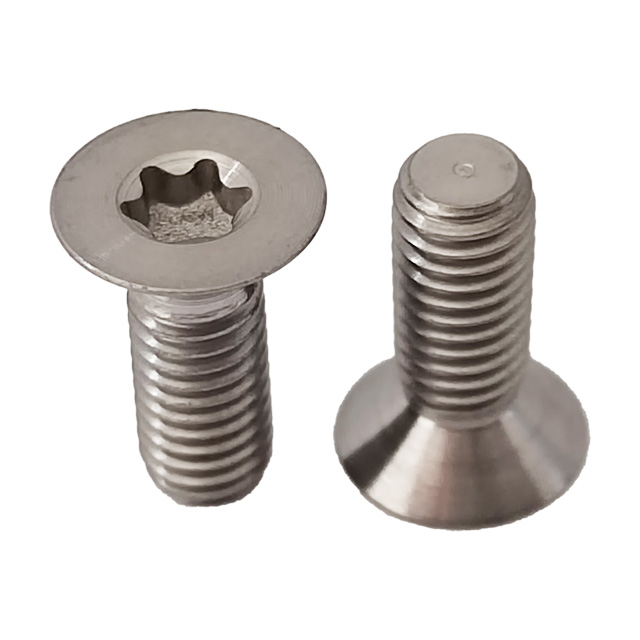
GR5 Titanium Bolts M5*13mm Lightweight Countersunk Head Torx
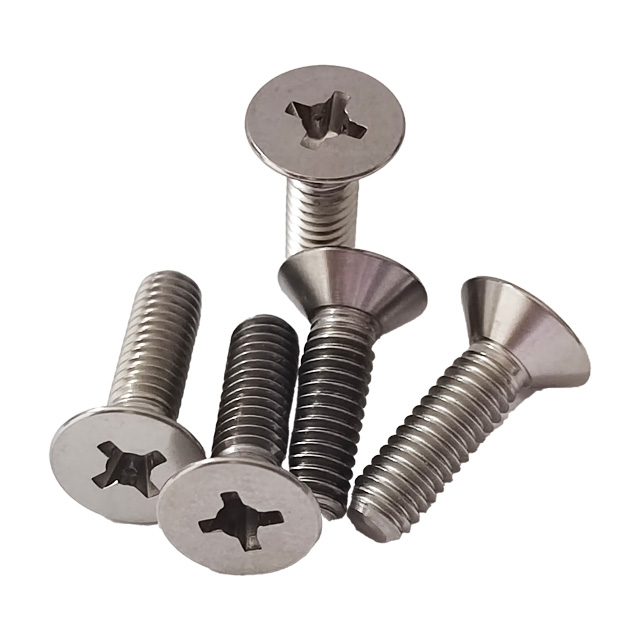
GR5 Titanium Bolts M8*20mm Countersunk Head Cross Bolts
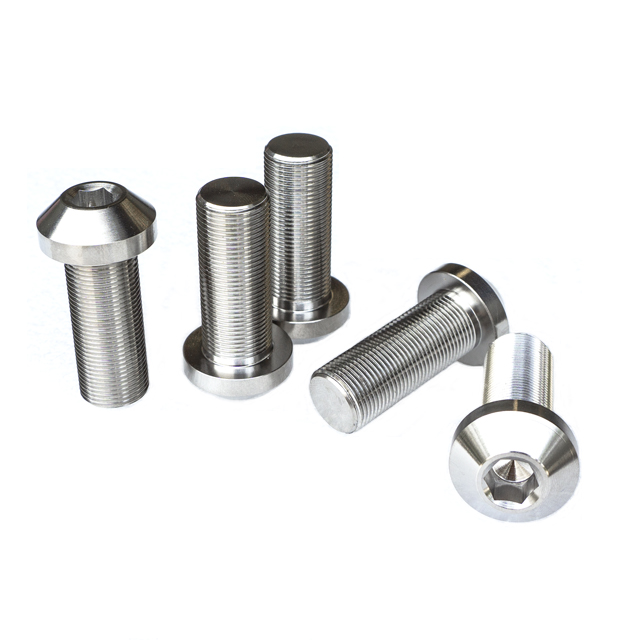
GR5 Titanium Bolts M14*1.0*35mm Umbrella Head Hex Socket
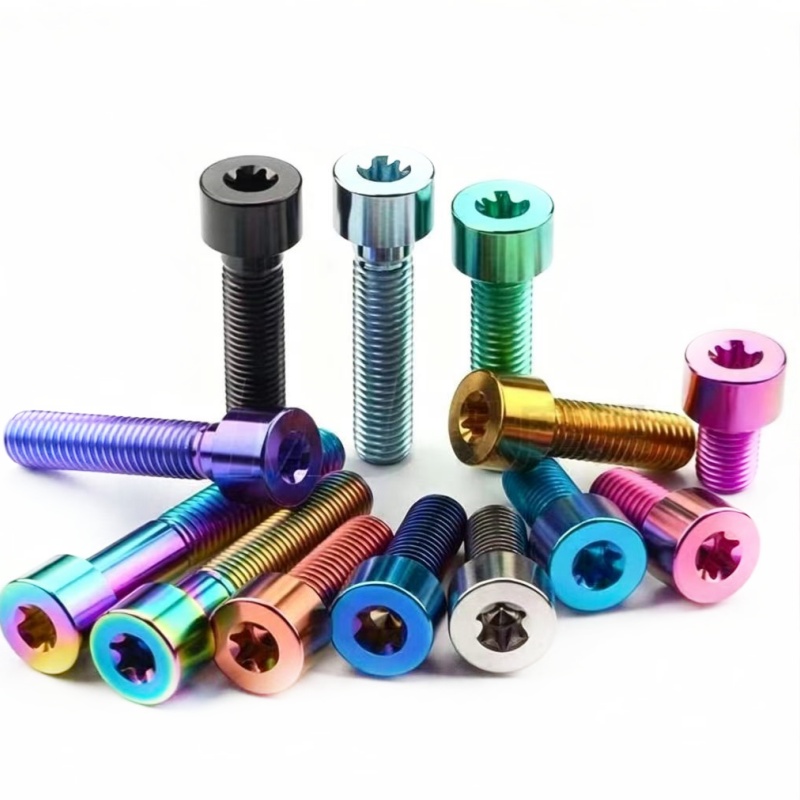
DIN912 M5 Titanium Socket Head Cap Screw Alloy Bolt
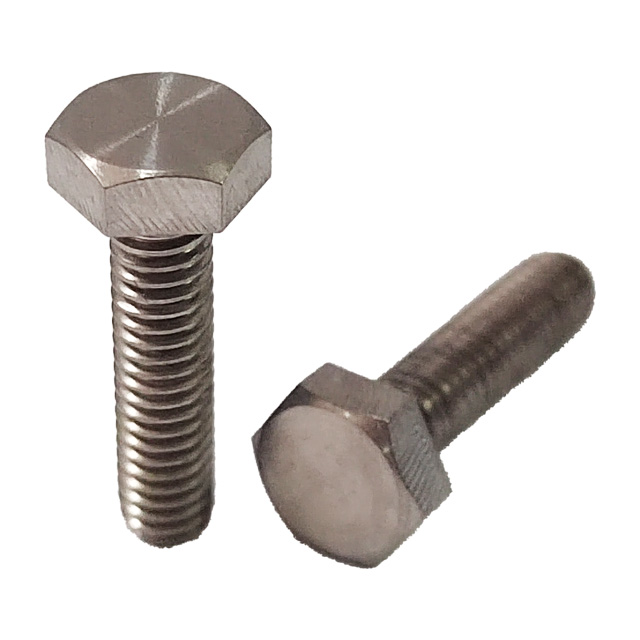
GR5 Titanium Bolts M4*15mm Hexagon Head Full Thread
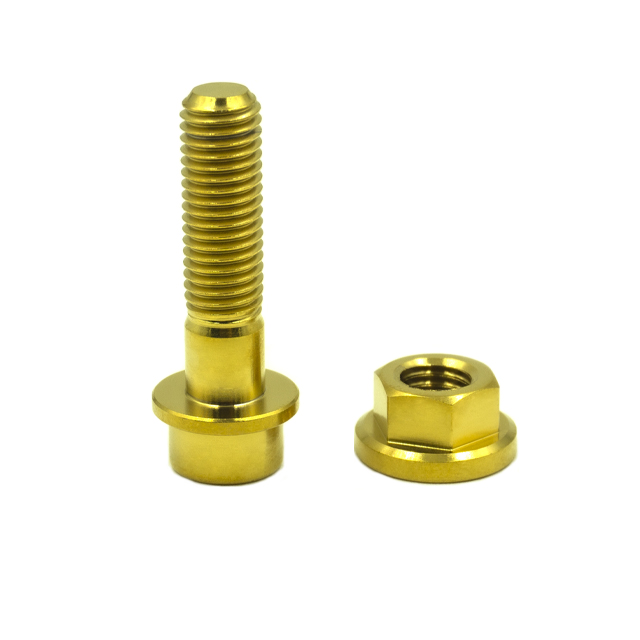
PSSTI GR5 Titanium Gold Flange Head Bolts Round Head M7*27
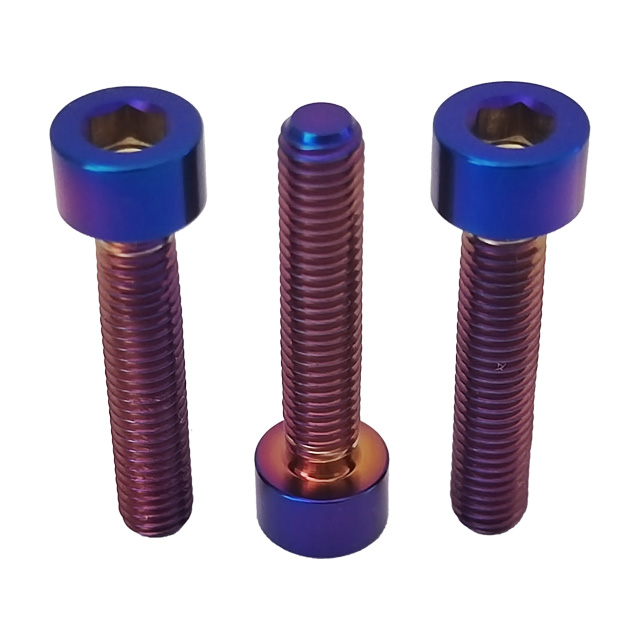
GR5 Titanium Bolts M5*25mm Burn Blue Cup Head Hex Socket
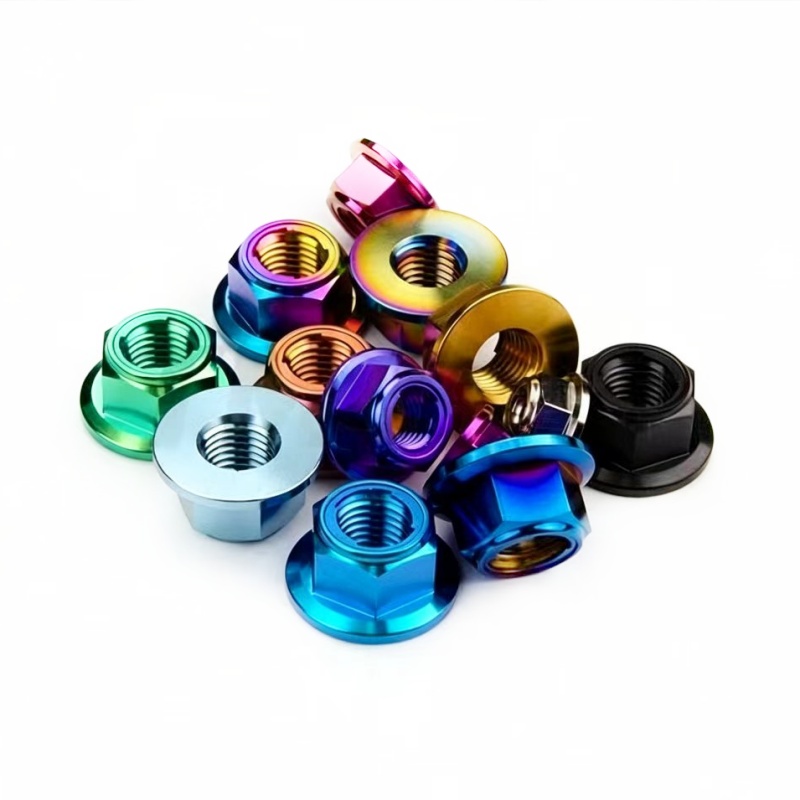
GR5 Titanium Lock Anti-Loosening Nut PVD Finished
Engineering Dynamics of Seamless & Welded Titanium Tubes in Rijeka's Coastal Industrial Corridor
As the premier deep-water maritime logistics hub and heavy manufacturing anchor on Croatia's Adriatic coastline, Rijeka demands metallurgical solutions that withstand extraordinary environmental challenges. Situated at the northern edge of the Kvarner Gulf, the industrial zone spanning the Port of Rijeka, the Viktor Lenac Shipyard, and the neighboring Urinj hydrocarbon processing terminal operates under constant exposure to high-salinity seawater, aggressive chloride stress corrosion crack (SCC) vectors, and turbulent hydrothermal cycles. In this critical operating theater, conventional marine alloys such as copper-nickel (Cu-Ni 90/10 and 70/30) and austenitic stainless steels (316L) consistently experience accelerated pitting, microbial-induced corrosion (MIC), and cavitation erosion. For long-lifecycle infrastructure, titanium tubing engineered under ASTM B338, ASTM B861, and ASME SB-338 specifications provides the definitive answer to operational failure risks.
Navzo Precision Titanium Products Co., Ltd., leveraging over a decade of concentrated precision metallurgical engineering based directly within Baoji—China's globally recognized "Titanium Valley"—delivers certified, mill-traceable seamless and welded titanium tubing directly into the Rijeka and broader Croatian industrial ecosystem. By pairing raw metallurgical extraction advantages with advanced rolling, vacuum annealing, and multi-axis CNC secondary finishing, Navzo eliminates the operational friction experienced by Rijeka procurement teams navigating complex European marine supply chains.
Metallurgical Superiority: Grade 2 (CP) vs. Grade 5 (Ti-6Al-4V) in High-Salinity Seawater
Understanding the operational trade-offs between unalloyed Commercially Pure (CP) titanium and alpha-beta structural alloys is fundamental for marine architects, mechanical piping contractors, and process engineers in the Primorje-Gorski Kotar region. Grade 2 titanium (UNS R50400) remains the global benchmark for shell-and-tube heat exchangers, ballast water treatment systems (BWTS), and desalination plants operating in Rijeka. Grade 2 forms an instantaneous, passive, self-healing oxide layer predominantly composed of rutile-phase titanium dioxide (TiO2). This passive film exhibits chemical inertness across the entire marine pH spectrum, rendering the alloy completely impervious to localized crevice pitting and microbiologically influenced microbiological erosion under stagnant seawater conditions.
Conversely, where extreme dynamic pressure, cyclical hydrostatic loads, and weight minimization intersect—such as offshore subsea riser components, hydraulic subsea lines, and racing marine assemblies—Grade 5 (Ti-6Al-4V, UNS R56400) provides an astonishing strength-to-density ratio. With minimum yield strengths exceeding 828 MPa, Grade 5 delivers more than double the structural capacity of marine austenitic steels at approximately 56% of their weight, eliminating structural weight penalties on offshore drilling jackets and topside processing modules.
| Alloy Grade | Yield Strength (Min, MPa) | Tensile Strength (Min, MPa) | Density (g/cm³) | Seawater Pitting Rate (mm/yr) | Primary Industrial Use in Rijeka |
|---|---|---|---|---|---|
| ASTM B338 Grade 2 (CP Titanium) | 275 | 345 - 450 | 4.51 | < 0.001 (Virtually Zero) | Shipyard Seawater Heat Exchangers, Ballast Water piping, Urinj Cooling Systems |
| ASTM B861 Grade 5 (Ti-6Al-4V) | 828 | 895 - 1050 | 4.43 | < 0.001 (Immune to Pitting) | High-Pressure Marine Hydraulics, Subsea Sensor Housings, Performance Superyachts |
| Austenitic 316L (EN 1.4404) | 220 | 520 | 8.00 | 0.025 - 0.12 (Risk of Crevice Attack) | Legacy General Fluid Piping, Marine Handrails, Non-Critical Exhausts |
| Copper-Nickel (Cu-Ni 90/10) | 105 | 275 | 8.90 | 0.015 - 0.05 (Velocity Limited) | Traditional Ship Condenser Loops (Prone to High-Velocity Erosion) |
Hydrodynamic Integrity and Velocity Limits in Adriatic Seawater Piping
A critical engineering limitation encountered by naval architects at the Viktor Lenac Ship Repair Yard and coastal power installations across the Kvarner region is fluid velocity constraints. Conventional copper-nickel piping is constrained by an upper velocity threshold of approximately 2.5 to 3.0 m/s; exceeding this threshold tears away the protective cuprous oxide film, inducing severe impingement attack and localized pinholing. Grade 2 titanium tubes, manufactured under precise eddy-current and ultrasonic non-destructive testing (NDT), demonstrate immunity to velocity erosion up to flow velocities exceeding 20 m/s. This hydrodynamic capability enables engineers in Rijeka to design cooling circuits with significantly smaller nominal pipe diameters (DN), reducing piping weight, raw footprint, and pump energy consumption in confined shipboard machinery spaces.
Localized Application Scenarios Across the Rijeka Industrial Base
Targeted mechanical implementations addressing the unique engineering requirements of Northern Adriatic infrastructure.
Shipbuilding, Overhaul & Superyacht Refit
Centering around the ship repair facilities in Martinšæica and Kostrena, titanium condenser tubes and Grade 5 structural fittings replace high-maintenance bronze and 316L alloy networks during major dry-dock overhauls. Essential for high-flow seawater cooling lines, exhaust scrubbers, and custom hull-penetration components.
Krk Island LNG & Petrochemical Processing
Adjacent to the Bay of Rijeka, the LNG terminal at Omišalj and the INA Rijeka Refinery demand ultra-stable cryogenic and thermal transfer tubing. Grade 2 seamless titanium tubes deliver unmatched toughness down to -196°C without brittle-transition issues, eliminating shutdown risks in heat exchanges utilizing raw seawater vaporizers.
Municipal Desalination & Coastal Infrastructure
As the Adriatic islands surrounding Rijeka (Cres, Krk, and Lošinj) upgrade reverse-osmosis (RO) desalination infrastructure, Navzo thin-wall welded titanium tubing provides zero-corrosion life-cycle assurance against concentrated brine discharge, outperforming super-duplex stainless steels over 25-year service projections.
Emerging Procurement Trends in Croatia's Maritime & Energy Transition
The Rijeka industrial cluster is undergoing significant structural modernization aligned with the European Green Deal and the Croatian National Hydrogen Strategy. These macro-economic shifts are reshaping how industrial buyers procure non-ferrous alloys:
1. Decarbonized Marine Propulsion and Lightweighting: Regional shipyards are securing contracts for hybrid and zero-emission coastal transport vessels, catamarans, and commercial yachts. In these applications, reducing displacement directly translates into battery efficiency and range extension. By substituting titanium piping and GR5 fastener systems into structural propulsion bulkheads, naval architects achieve up to 44% deadweight reductions over bronze and stainless solutions.
2. Offshore Wind and Subsea Sensor Deployment: The North Adriatic is recognized for strong offshore wind energy development prospects. Anchoring, riser joints, and instrumentation platforms located in Kvarner wave fields utilize Grade 5 seamless titanium tubing to host acoustic subsea telemetry and oceanographic sensors, capitalizing on titanium's high fatigue endurance limit and biofouling resistance.
3. Lifecycle Total Cost of Ownership (TCO) Prioritization: Rijeka municipal utilities and private fleet operators are transitioning away from lower-initial-cost bronze or copper alloys. While the initial capital expenditure of Grade 2 titanium is higher than traditional materials, the zero-maintenance overhead, absence of corrosion allowances in wall-thickness calculations, and elimination of cathodic protection anode replacements result in a net TCO breakeven within 36 to 48 months of continuous marine service.
Navzo Precision Titanium: Direct-From-Source Advantages
Bridging the gap between the world's largest titanium production basin and Adriatic industrial buyers.
Baoji Raw Material Traceability
Located in the heart of Shaanxi's Titanium Valley, Navzo sources directly from primary titanium sponge melters. Every tube, bar, and fastener lot is accompanied by authentic EN 10204 3.1 Mill Test Certificates detailing complete chemical stoichiometry and mechanical elongations.
Integrated Processing & Cold Heading
From seamless tube drawing, pillow-box welding, and vacuum annealing to high-speed CNC turning, thread rolling, and PVD surface deposition, Navzo maintains uninterrupted in-house production control, eliminating intermediary supply chains and markup.
Rapid Global Fulfillment Protocol
Navzo maintains dedicated account managers operating across Central European Time (CET). With an average technical quotation response time under one hour and verified air/sea logistics pipelines to Rijeka, project schedules stay securely on track.
Frequently Asked Questions: Sourcing Titanium in Rijeka
In-depth responses tailored to Croatian mechanical engineers, shipyard buyers, and industrial contractors.
What international piping standards govern Navzo titanium tubes delivered to Croatia?
Navzo manufactures seamless titanium tubes according to ASTM B338 / ASME SB-338 (specifically for surface condensers and heat exchangers) and ASTM B861 (for general industrial service). Welded tubes conform to ASTM B862. Tube diameters, wall schedules (e.g., Sch 10S, Sch 40S), and dimensional tolerances conform strictly to metric ISO and imperial standards commonly specified in European naval refit operations.
Can Navzo titanium products be integrated into systems using existing bronze or stainless steel without galvanic corrosion?
Titanium is the most noble metal in the galvanic series. When coupled directly with carbon steel, aluminum, or bronze in Adriatic seawater, it will accelerate the corrosion of the less noble partner. Our engineering team routinely consults with Rijeka clients on galvanic isolation—such as the deployment of non-conductive dielectric flange insulating kits, PTFE/EPDM gaskets, and specialized anti-seize compounds on GR5 threaded connections.
How does Navzo support customs clearance and logistics into the Port of Rijeka?
We provide full export documentation required for Croatian customs import clearance, including Commercial Invoices, Packing Lists, Certificates of Origin, and Mill Test Certificates (MTC EN 10204 3.1). Consignments can be dispatched under various Incoterms including FOB Chinese ports, CIF Rijeka Port, or DDP direct to your industrial facility or shipyard warehouse in the Kvarner region.
What Non-Destructive Testing (NDT) is performed on heat-exchanger grade tubing prior to shipment?
Every meter of condenser-grade tubing undergoes mandatory hydrostatic testing or non-destructive ultrasonic and eddy-current testing in compliance with ASTM B338. Furthermore, we execute pneumatic flare tests, flattening tests, and chemical spectrometry checks to guarantee crack-free field bending and expander roller integrity into tube-sheets.
Can Navzo execute custom CNC machining and custom tubing shapes from engineering drawings?
Yes. In addition to standard straight tubing runs, Navzo operates advanced multi-axis CNC machining, mandrel tube bending, and flaring facilities. We can process complex 2D and 3D technical drawings (STEP, DWG, DXF, PDF) to fabricate custom titanium manifolds, bent hydraulic tubing assemblies, and high-precision GR5 hardware tailored to custom maritime applications.
What is the minimum order quantity (MOQ) for non-standard wall-thickness titanium tubes?
For standard dimensions carried in our factory stock (outer diameters from 9.52mm to 76mm in Grade 2), MOQs can be as low as 50–100 meters. For non-standard outer diameters, extreme thin-wall configurations, or specialized Grade 5 heavy-wall structural tubulars, production batch thresholds are calculated based on raw titanium ingot weight—typically starting at 100–300 kg. Engineering sample lots can be arranged upon review.