Engineered Titanium Stock & Assembly Systems
Precision-manufactured titanium fasteners, structural sheet interfaces, and precision CNC components designed to meet strict ASTM/ASME specifications for Pacific Rim industrial applications.
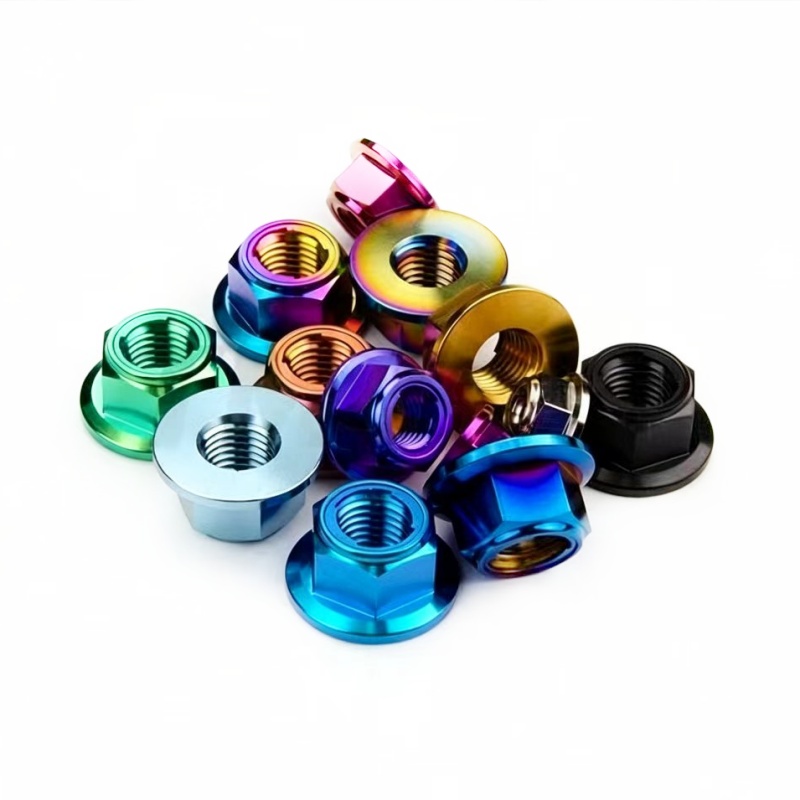
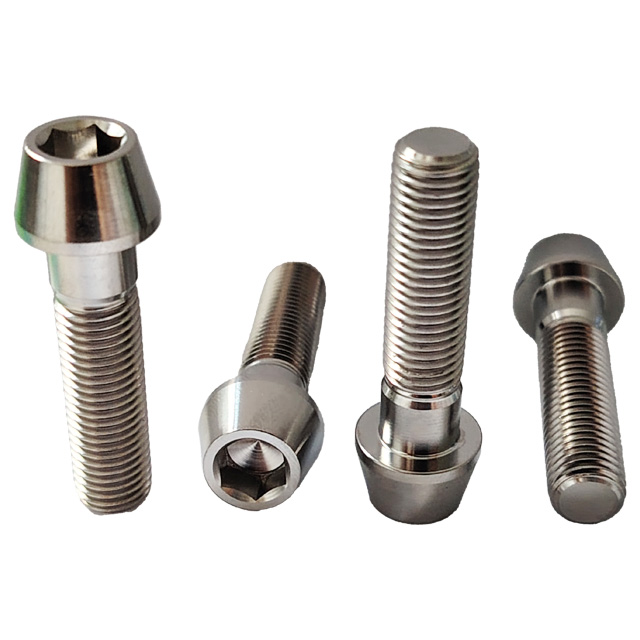
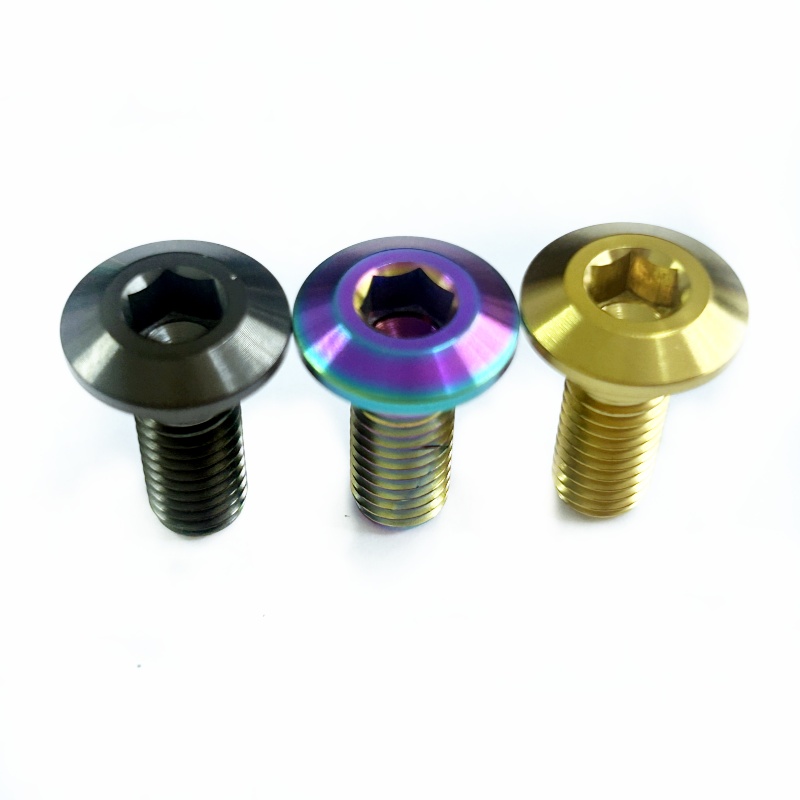
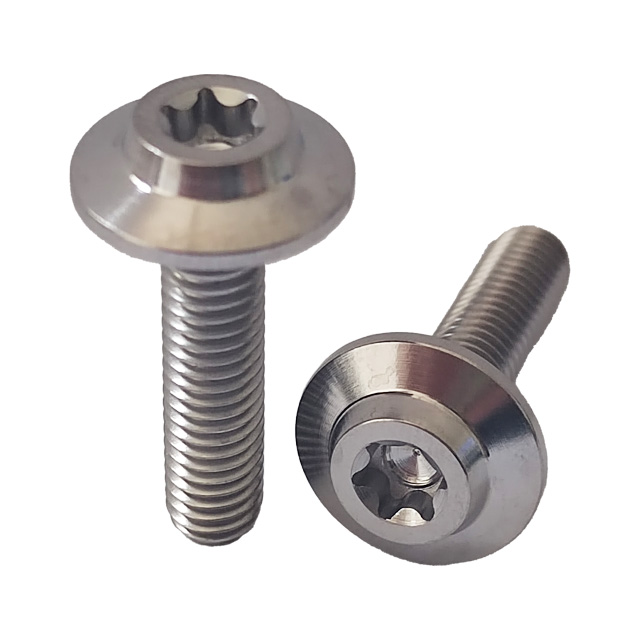
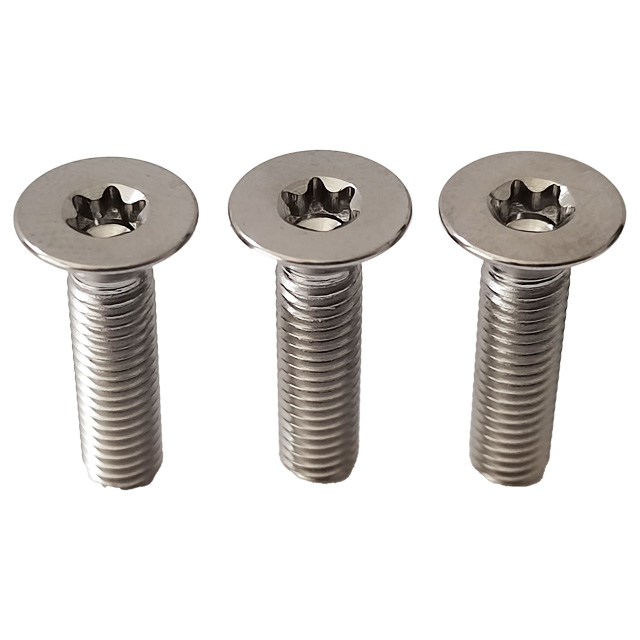
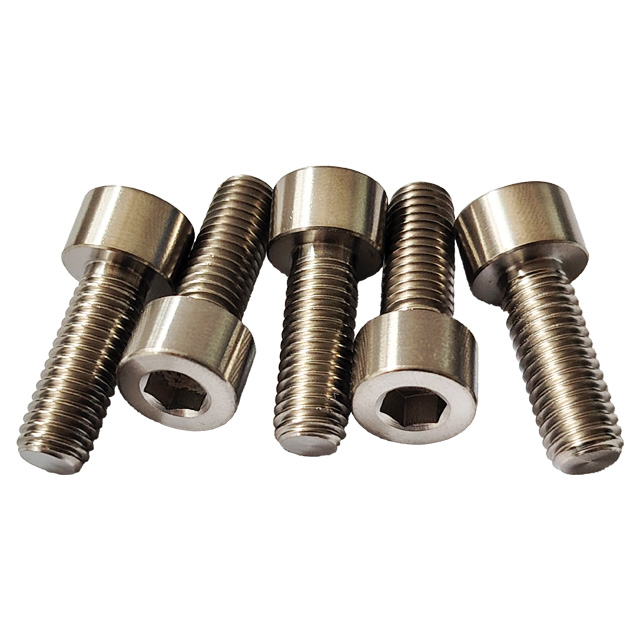
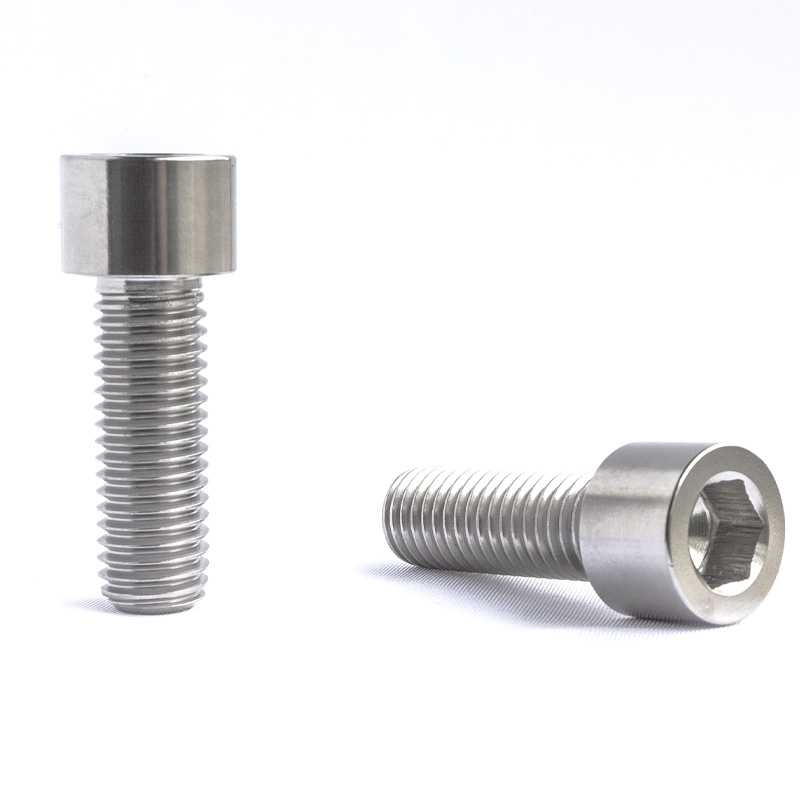
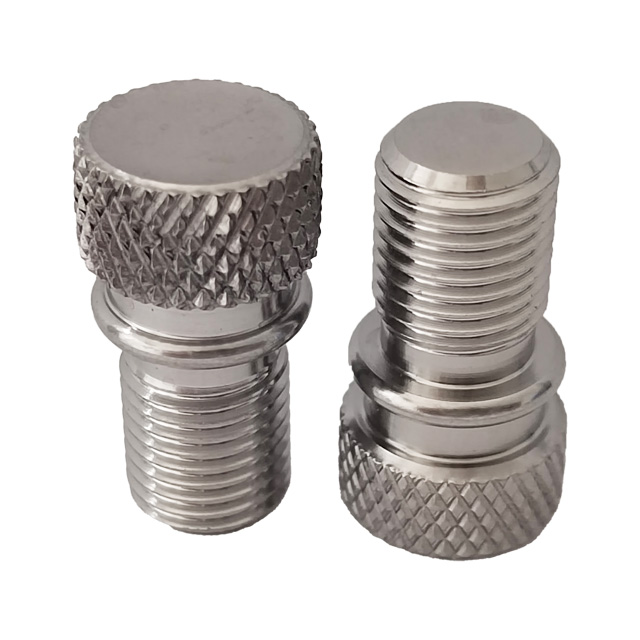
High-Yield Titanium Material Science for Modern Procurement
Comprehensive metallurgical assessment comparing Grade 2 Commercially Pure and Grade 5 Ti-6Al-4V titanium rolled stock across demanding structural environments.
Selecting industrial-grade titanium sheets and structural elements within the Pacific Northwest involves understanding severe operating factors: marine chloride contact, galvanic potentials in carbon-fiber marine hulls, and stringent strength-to-weight demands in regional aerospace engineering. Navzo Precision Titanium bridges the supply divide between Baoji—the world’s foremost primary titanium refining valley—and Vancouver’s critical tech, marine, and aviation engineering clusters.
While commercially pure Grade 2 (UNS R50400) sheets offer exceptional cold-forming characteristics and unmatched immunity to wet chlorine, organic acids, and ambient marine atmospheres, structural designers in British Columbia frequently require the high load-bearing capacity of Grade 5 (Ti-6Al-4V, UNS R56400). With minimum yield strengths surpassing 828 MPa, Grade 5 sheets and associated cold-forged fasteners present an optimal strength-to-weight profile, cutting assembly weight by over 44% compared to structural 316L stainless steel, while completely eliminating intergranular stress-corrosion cracking.
| Alloy Standard | Density | Yield Strength (0.2%) | Tensile Strength | Chloride Stress Corrosion | Typical Pacific NW Application |
|---|---|---|---|---|---|
| GR5 (Ti-6Al-4V) ASTM B265 | 4.43 g/cm³ | ≥ 828 MPa | ≥ 895 MPa | Virtually Immune (<120°C) | Subsea pressure pods, aerospace fixtures, high-stress rigging |
| GR2 Commercially Pure ASTM B265 | 4.51 g/cm³ | ≥ 275 MPa | ≥ 345 MPa | Immune (Ambient Marine) | Plate heat exchangers, desiccation tanks, chemical scrubbers |
| 316L Stainless Steel ASTM A240 | 8.00 g/cm³ | ≥ 220 MPa | ≥ 520 MPa | Prone to Pitting & Crevice Attack | Standard marine fittings, general architectural facades |
| 6061-T6 Aluminum ASTM B209 | 2.70 g/cm³ | ≥ 276 MPa | ≥ 310 MPa | Severe Galvanic Susceptibility | Unprotected hulls, lightweight non-structural brackets |
Titanium Sheet Applications Across Vancouver & British Columbia
Precision cold-rolled and hot-rolled titanium products deployed throughout coastal infrastructure, naval vessels, and high-tech manufacturing corridors across Metro Vancouver.
Marine & Subsea Offshore Systems
In Burrard Inlet, the Fraser River delta, and offshore Vancouver Island, marine architects deploy thin titanium sheet liners, propeller shaft fairings, and acoustic sonar domes. Titanium provides absolute passivation against seawater biocides, outperforming duplex steels in brackish tidal estuary zones.
Aerospace & Precision Defense MRO
Vancouver’s aerospace cluster—extending from Richmond to Abbotsford—demands AMS 4911-certified GR5 titanium sheet panels and tight-tolerance CNC turned fasteners. These components resist extreme vibration, cyclic aerodynamic loading, and fluid chemical exposure under high thermal stress.
Hydrogen & Clean Energy Cells
As British Columbia accelerates its hydrogen economy, Ballard-pioneered and local fuel-cell engineers utilize ultra-thin Grade 1 and Grade 2 titanium bipolar plate sheets. PVD-coated surfaces withstand acidic electrolytic conditions while ensuring high conductivity and zero rust ingress.
Shifting Procurement Horizons in Greater Vancouver
Key economic factors driving British Columbia engineering companies toward direct-manufacturer raw titanium procurement.
Clean-Tech Electrification & Hydro Lines
Driven by CleanBC mandates, renewable energy plants and coastal pump facilities across the Pacific Northwest are replacing traditional chrome and bronze assemblies with non-corroding, non-reactive titanium sheets to achieve 50-year structural life cycles without recurrent maintenance downtime.
Port Decarbonization & Lightweighting
The Port of Vancouver’s automated crane structures, terminal handling gears, and coastal tugs are integrating Grade 5 sheets and fasteners. Reducing structural dead-weight decreases energy consumption per container move and minimizes stress corrosion from persistent Pacific coastal salt fog.
Supply Chain Diversification & Direct Sourcing
Rising intermediary markups across North American metals distributors have prompted Vancouver procurement directors to contract directly with primary manufacturers in Baoji. This approach delivers verified MTC mill test certificates, cut-to-size plate billets, and predictable batch lead times.
Why Vancouver Engineers Source from Navzo Precision
Decades of continuous manufacturing, in-house metallurgical testing, and deep integration with Baoji's world-class primary titanium smelting cluster.
Traceable Primary Smelting Pedigree
Headquartered in Yucai Road, High-tech Development Zone, Baoji, Navzo extracts raw titanium billets straight from domestic smelting reserves. Every plate and structural bolt is fully batch-traceable with accompanying chemical and mechanical Mill Test Reports (MTRs).
Comprehensive Fabrication & Cold-Heading
From multi-axis CNC milling centers to specialized cold-heading and precision thread-rolling units, our Baoji plant controls tolerances within ±0.01mm. We produce both structural flat plates and matching DIN/ISO titanium fasteners under a single ISO-certified quality management system.
Rapid Export Delivery to Vancouver Ports
With an average RFQ response time under 1 hour and dedicated trans-Pacific shipping routes connecting directly to the Port of Vancouver and YVR Air Cargo hubs, we streamline custom clearance, crating, and just-in-time delivery for engineering contractors across BC.
Vancouver Buyer FAQ: Titanium Sheets & Fasteners
Technical guidance addressing import processes, marine galvanic prevention, material certifications, and custom tooling.
How do titanium sheets resist the Pacific Northwest marine environment?
Titanium forms an instantaneous, stable, self-repairing titanium dioxide (TiO2) oxide film upon exposure to air or moisture. In saltwater coastal settings like Richmond, Delta, or Vancouver Harbor, this passive barrier remains completely impervious to chloride ion penetration, preventing pitting and crevice corrosion even at temperatures up to 250°C.
What preventions are required to avoid galvanic corrosion in carbon-composite hulls?
Because titanium possesses a high noble electrochemical potential similar to carbon fiber, it serves as the premier fastening and plating material for aerospace structures and carbon-fiber hulls. Unlike aluminum or carbon steel, titanium avoids sacrificial galvanic reactions when paired with carbon. We recommend applying anti-seize paste during fastener threading to prevent thread galling under load.
Can Navzo cut sheets and supply custom laser-machined profiles?
Yes. We operate industrial waterjet cutting, fiber-laser cutting, and multi-axis CNC milling setups. Vancouver clients regularly send CAD drawings (DXF, STEP, DWG) for custom-profiled titanium sheets, drilled mounting plates, and subsea bracket shapes. We deliver parts ready for immediate assembly line installation.
What quality verification documentation accompanies orders to British Columbia?
Every commercial delivery includes comprehensive Mill Test Certificates conforming to EN 10204 3.1 standards. These reports record detailed chemical analysis (spectrometric verification of Ti, Al, V, Fe, C, N, H, O content) and physical tensile/yield/elongation metrics. Ultrasonic non-destructive flaw inspection records are also provided for heavy plates.
What are typical production lead times and shipping schedules to Vancouver?
Stock sheets and catalog fasteners ship within 3 to 5 business days. Custom CNC machining, cold-heading, and cut-to-size plate batches typically require 15 to 25 calendar days. Shipments can arrive via air freight into Vancouver International Airport (YVR) within 5–7 days, or via ocean container freight arriving directly at Port of Vancouver terminals within 18–22 days.
How does Grade 5 Ti-6Al-4V sheet machinability compare to stainless steel?
Grade 5 titanium features low thermal conductivity and high chemical reactivity at elevated machining temperatures. We utilize rigid tool geometries, sharp carbide or diamond tooling, high-pressure cooling setups, and slower cutting speeds with high feed rates to prevent surface work-hardening, ensuring high surface finishes across all cut plates.
Consult Our Titanium Metallurgical Engineers Today
Whether you require standard ASTM B265 Grade 2/Grade 5 sheets, custom precision CNC maritime hardware, or high-tensile fastener assortments delivered to Vancouver, our Baoji factory engineering desk is on standby to evaluate your drawings and deliver competitive, factory-direct quotes within one business hour.