Precision GR5 Titanium Fasteners Catalogue
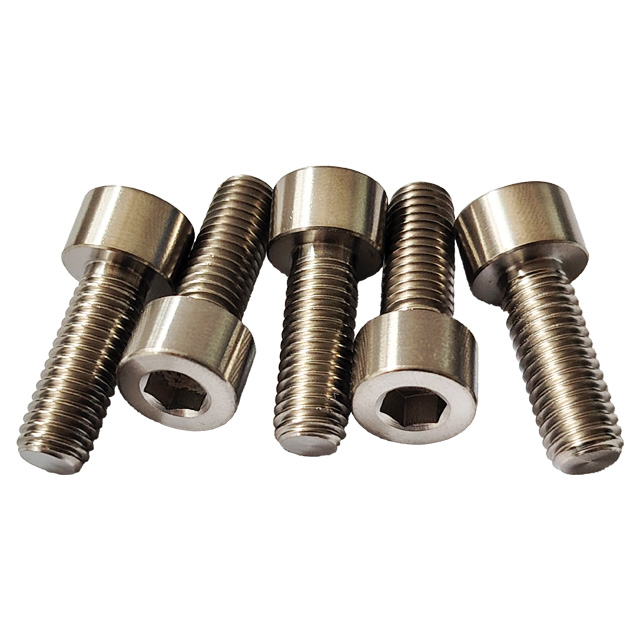
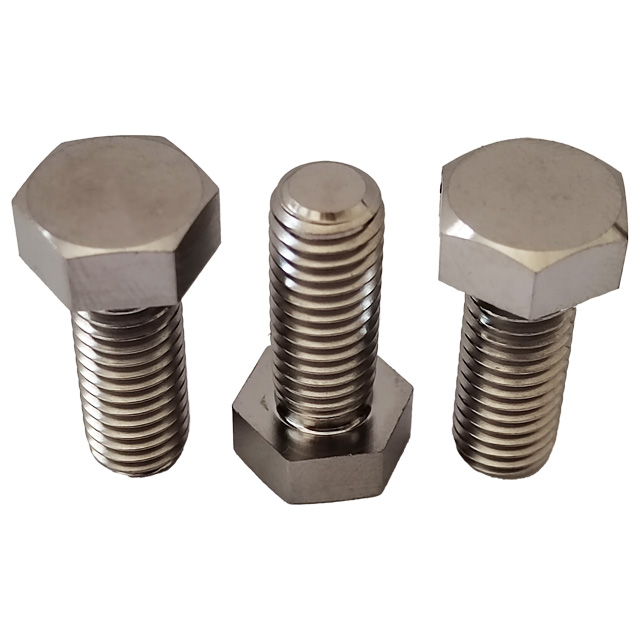
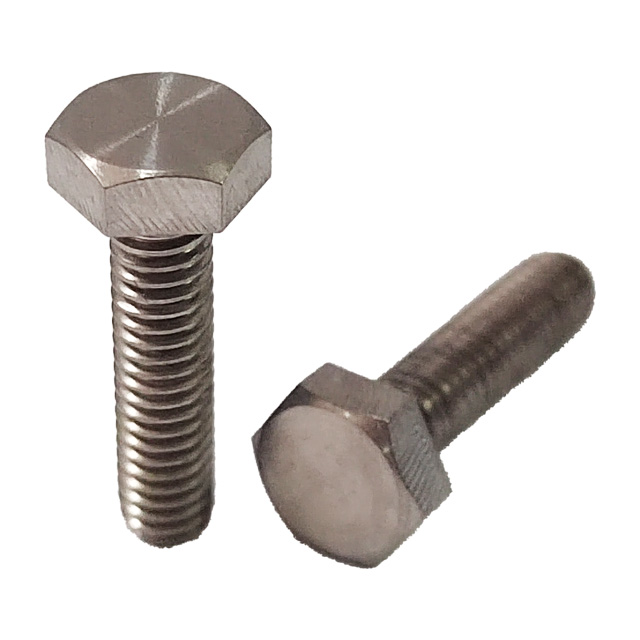
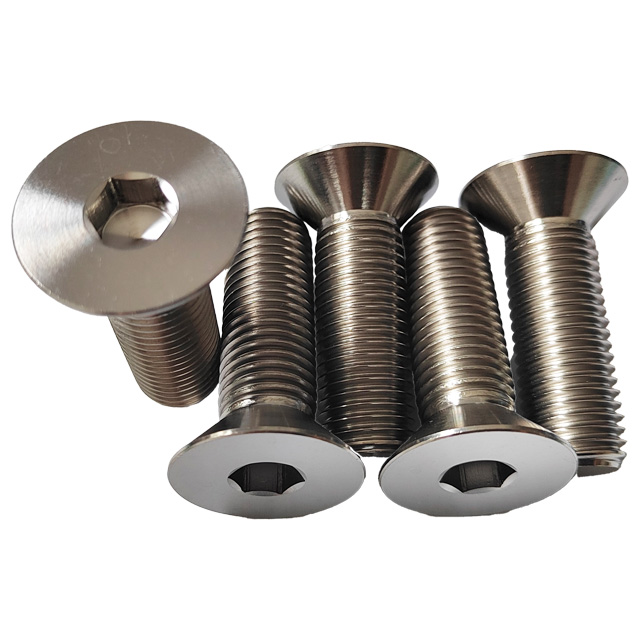
Engineered to DIN, ISO, and bespoke metric specifications. Every fastener is cold-headed or CNC machined from ultra-pure Baoji mill-certified titanium stock with rolled threads for ultimate fatigue resistance.
Localized Application Scenarios across the Valencian Industrial Basin
From the Port of Valencia (Puerto de Valencia) maritime infrastructure to the Ford Almussafes automotive belt and the high-tech cycling clubs throughout the Comunitat Valenciana, our titanium screws provide distinct mechanical advantages over conventional steel and austenitic stainless fasteners.
Marine & Port Infrastructure (Valencia Marítimo)
Valencia houses the busiest container port in the Mediterranean basin. Marine handling facilities, desalination sub-assemblies, and competitive ocean racing yachts face extreme saltwater galvanic attacks. Standard 316L (A4) stainless fasteners frequently succumb to crevice corrosion under submerged seals.
Our Grade 2 (unalloyed) and Grade 5 (Ti-6Al-4V) screws generate an instant, self-healing rutile (TiO₂) passivation layer that exhibits a Pitting Resistance Equivalent Number (PREN) effectively impervious to warm Mediterranean hypersaline environments, drastically cutting maintenance docking schedules.
Motorsport & Automotive Engineering (Almussafes Corridor)
The industrial spine surrounding Almussafes and the Circuit Ricardo Tormo in Cheste demands rigorous power-to-weight optimization. Unsprung rotational mass at the wheel hubs and brake calipers directly controls cornering inertia and suspension dampening rates.
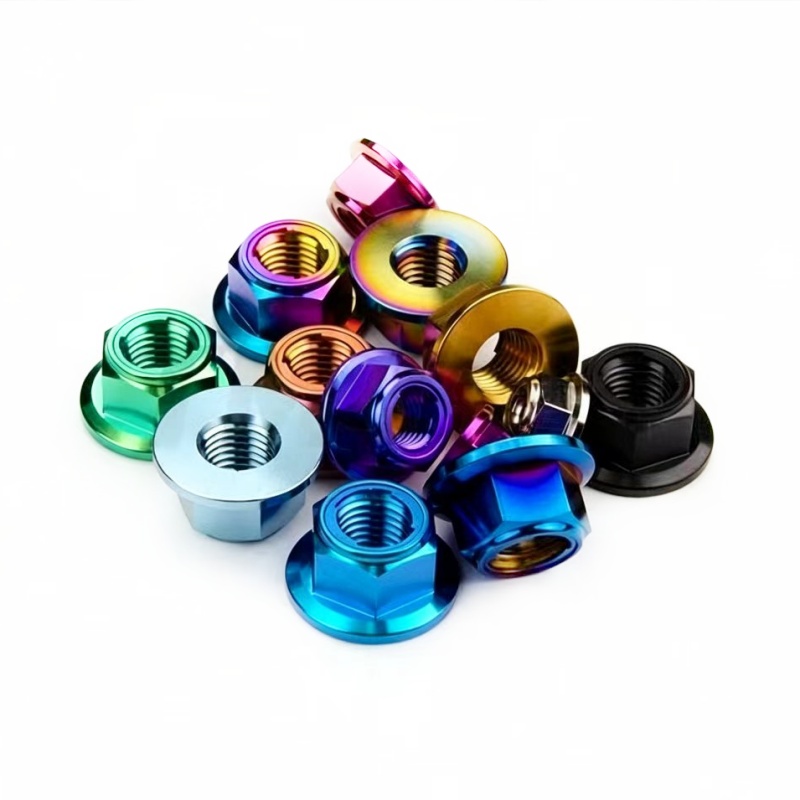
Replacing Class 10.9 or 12.9 alloy steel hardware with Navzo CNC-machined GR5 shoulder bolts and M14 lug nuts yields a 44% mass reduction while preserving a minimum yield strength of 828 MPa. Rolled threads eliminate continuous stress notches, ensuring infinite fatigue limits during track-load vibrations.
Performance Cycling & Pro-Continental Teams
Valencia and the wider Costa Blanca corridor serve as Europe's primary winter training hub for UCI WorldTour and continental cycling teams. Fasteners on stem clamps, disc rotors (T25 Torx), and seatposts endure high sweat-induced electrolyte dripping combined with high torque preload demands.
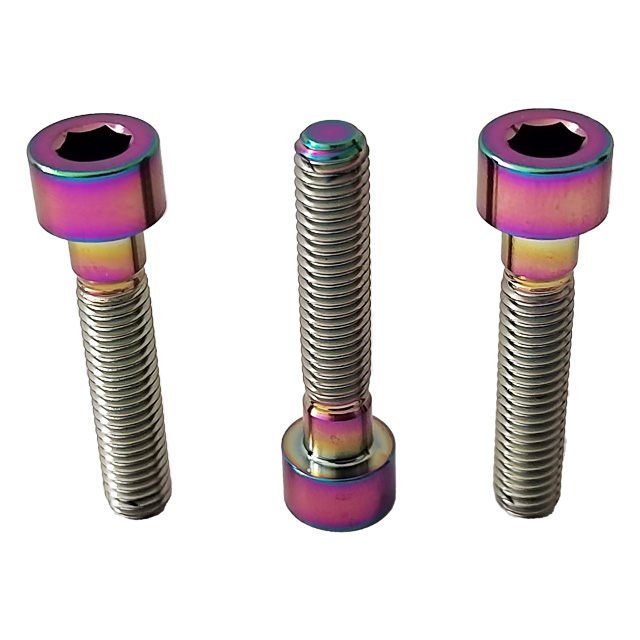
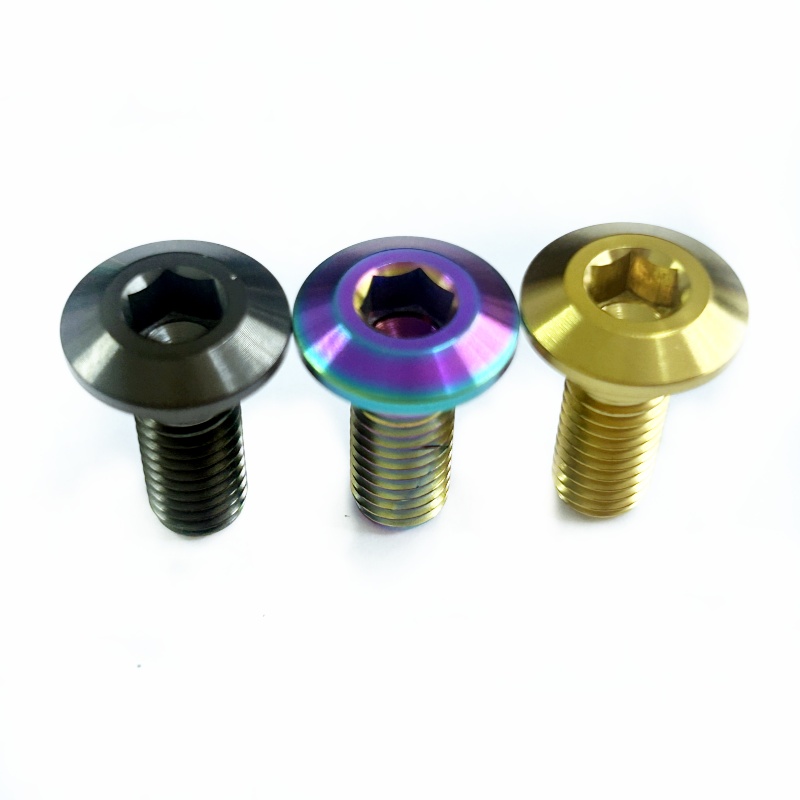
Navzo's cold-headed DIN 912 and custom umbrella-head torx screws prevent thread stripping in carbon-fiber and 7075-T6 aluminum interfaces, safeguarding athletes against catastrophic cockpit failure during steep climbs such as Puerto de Tudons or Coll de Rates.
Material Performance Matrix: Titanium vs. Conventional Fastener Alloys
Procurement teams in Valencia evaluating total cost of ownership (TCO) should contrast physical mechanics and environmental resilience parameters before drafting procurement bills of materials.
| Alloy Designation | Density (ρ g/cm³) | Tensile Strength (MPa) | Yield Strength (MPa) | Shear Strength (MPa) | Seawater Corrosion Rate | Galvanic Risk with CFRP |
|---|---|---|---|---|---|---|
| GR5 Ti-6Al-4V (Navzo Certified) | 4.43 | 950 – 1050 | 880 | 550 | < 0.001 mm/year (Immune) | Extremely Low (Compatible) |
| GR2 Commercially Pure Titanium | 4.51 | 345 – 480 | 275 | 290 | < 0.001 mm/year (Immune) | Extremely Low (Compatible) |
| A4-80 Stainless Steel (AISI 316) | 7.95 | 800 | 600 | 460 | Pitting / Crevice Vulnerable | Moderate (Cathodic Drive) |
| Class 10.9 Alloy Steel (Zinc Flake) | 7.85 | 1040 | 940 | 620 | High (Rapid Red Rust) | Severe Galvanic Degradation |
| Class 12.9 High-Tensile Steel | 7.85 | 1220 | 1100 | 730 | Extreme Rust Risk | Severe (Hydrogen Embrittlement) |
Emerging Procurement Trends Across the Valencian Community
Analysis of regional supply-chain evolution reveals three clear catalysts driving procurement shifts from mainland European stockists toward direct manufacturer partnerships with verified tier-1 titanium producers.
Decarbonization & Lightweight Automation Systems
Valencian machine builders in Sagunto and Paterna are re-engineering robotic pick-and-place end-effectors, delta arms, and continuous high-speed packaging machinery for agricultural export citrus packing facilities. Inertial mass at the actuator wrist limits cycling frequencies.
By swapping heavy steel fasteners for GR5 titanium screws, dynamic rotational inertia drops by more than 40%. This enables higher servomotor acceleration rates without exceeding motor thermal profiles, directly slashing energy consumption per packaging cycle while extending gearbox longevity.
Mitigation of Carbon-Composite Galvanic Delamination
With the expansion of aerospace composites, high-end racing frames, and wind turbine blade monitoring instruments across the Mediterranean corridor, mechanical engineers increasingly flag the severe corrosion cell formed when carbon fiber contacts standard aluminum or zinc-plated steel bolts.
Carbon fiber and titanium share remarkably proximal open-circuit electrode potentials in seawater electrolytes (+0.10V to +0.20V SCE). This metallurgical compatibility ensures that titanium screws do not act as sacrificial anodes, avoiding inter-laminar composite blistering and catastrophic bolt degradation.
Frequently Asked Questions by Technical Buyers in Valencia
Clear, direct answers regarding customs, metallurgical compliance, torque adjustments, and anti-galling guidelines.
Q1: How should Valencian engineers adjust installation torque when swapping Grade 8.8 or 10.9 steel with GR5 titanium?
Because titanium has an elastic modulus of approximately 114 GPa (roughly half that of carbon steel at 205 GPa), it stretches more elastically under tensile preload. If replacing Grade 8.8 steel, tightening torque can remain nearly identical; however, when substituting for Class 10.9 bolts, we recommend consulting our preload torque charts. Most critically, always use an anti-seize paste with copper or MoS₂ additives, reducing the friction coefficient (μ) to ~0.10–0.12 to prevent galling.
Q2: Are titanium fasteners prone to thread galling, and how can it be avoided in coastal saline environments?
Titanium naturally possesses a thin oxide film that can micro-weld under extreme contact pressure and heat during rapid threading—a phenomenon called galling or cold welding. To completely avoid this in marine maintenance around the Valencia marina, we recommend: 1) using rolled threads rather than cut threads; 2) specifying Navzo's PVD nitride finishes or anodized treatments; and 3) applying marine-grade PTFE or molybdenum disulfide anti-seize compound upon assembly.
Q3: Can Navzo supply Mill Test Certificates compliant with European EN 10204 3.1 standards?
Yes. Every shipment bound for the Spanish market includes a comprehensive EN 10204 3.1 inspection certificate upon request. This documentation outlines the exact chemical composition (aluminum, vanadium, iron, oxygen, nitrogen, and hydrogen fractions) along with physical tensile test results, yield point analysis, elongation percentages, and hardness data traceable directly to the original melt lot.
Q4: How does shipping and customs clearance work for orders delivered to Valencia?
We regularly service clients across Spain via express air freight (DHL, FedEx, UPS) directly to Valencia Airport (VLC), with door-to-door transit times typically averaging 4 to 7 business days for stock and production lots. For large-scale container maritime shipments, cargo routes directly into the Port of Valencia. All export invoices, TARIC classification codes, and packing documents are strictly pre-checked to ensure rapid Spanish Aduanas customs clearance.
Q5: What is the difference between titanium Grade 2 and Grade 5 for industrial equipment?
Grade 2 is commercially pure (CP) titanium with superior formability and outstanding corrosion resistance in highly reducing chemical baths, making it ideal for marine chemical reactors, electroplating anodes, and non-structural exhaust ducts. Grade 5 (Ti-6Al-4V) is an alpha-beta alloy heat-treatable to over 1000 MPa tensile strength, engineered specifically for high-stress dynamic components like engine studs, suspension mounts, and brake disc hardware.
Q6: Can Navzo manufacture non-standard or bespoke screws based on custom drawings or samples?
Yes. In addition to our DIN/ISO standard fastener inventory, custom precision manufacturing forms over 40% of our daily production. Valencian equipment designers can simply supply 2D drawings (PDF, DWG) or 3D CAD files (STEP). Our engineering department provides full DFM feedback, tolerance validation (down to ±0.005mm), and prototyping before initiating volume batch production.
Accelerate Your Titanium Fastener Sourcing Today
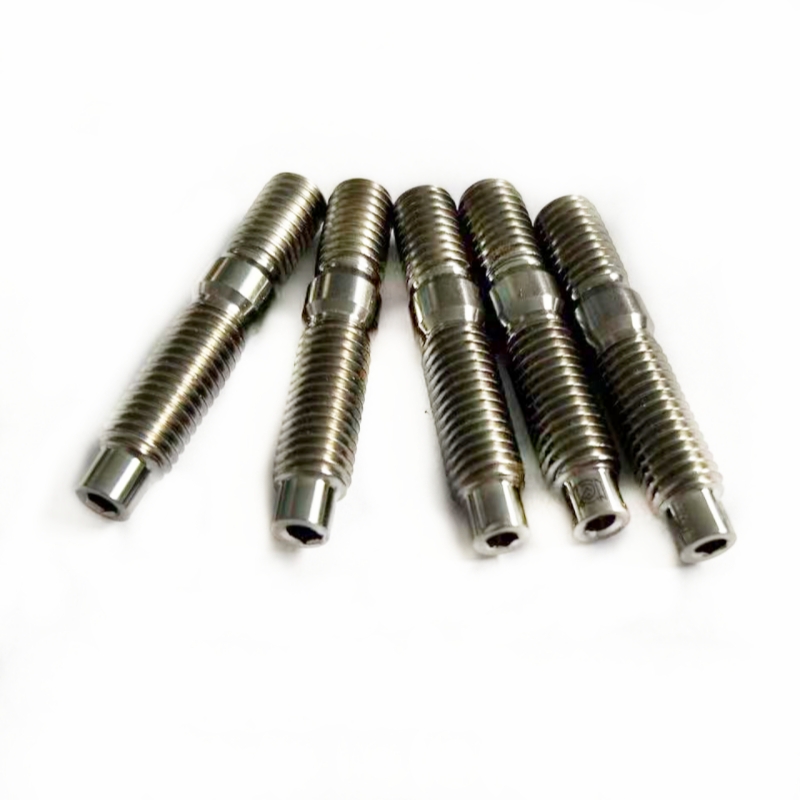
Whether you require standard DIN 912 socket screws in volume, high-temp exhaust studs for motorsport engineering, or custom OEM components machined to precise tolerances, our technical engineering team in Baoji is ready to assist your Valencian operations.