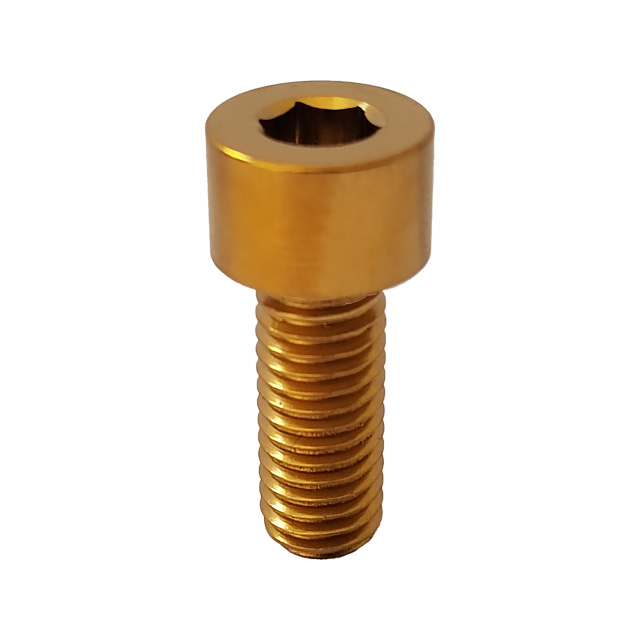
Direct OEM / Industrial Catalogue
Featured GR5 Titanium Screws & Fastener Assemblies
Manufactured from Baoji-certified vacuum arc remelted (VAR) titanium bar stock. Thread-rolled for superior fatigue strength under dynamic offshore and Arctic cyclical loads.
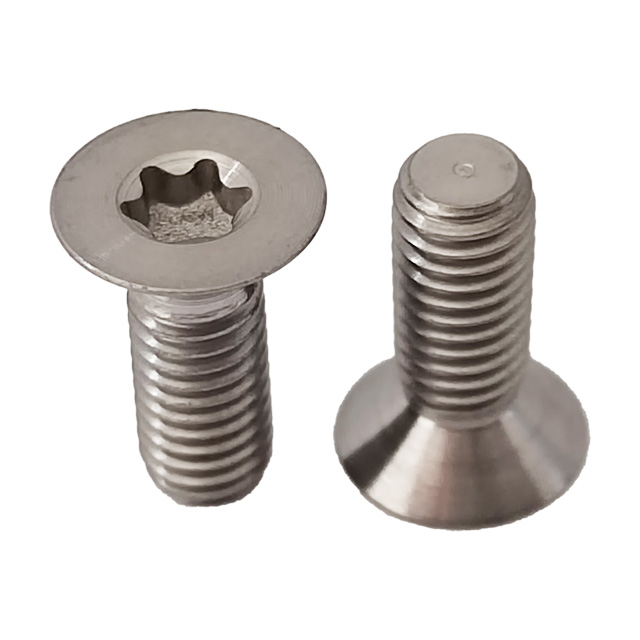
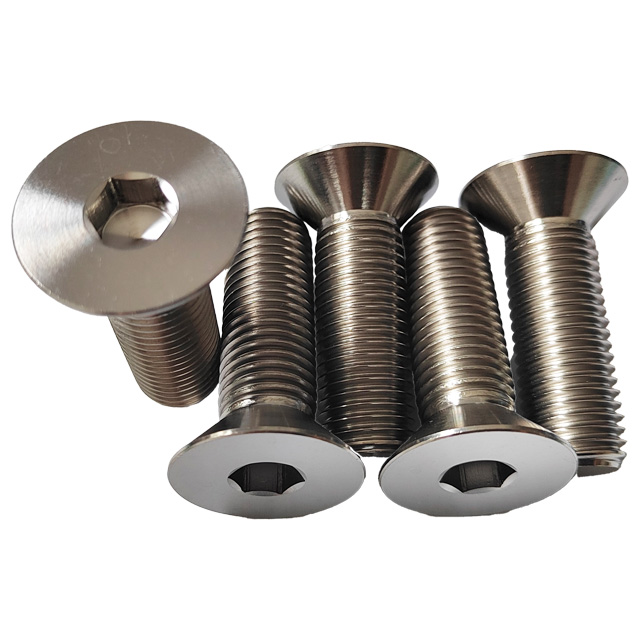
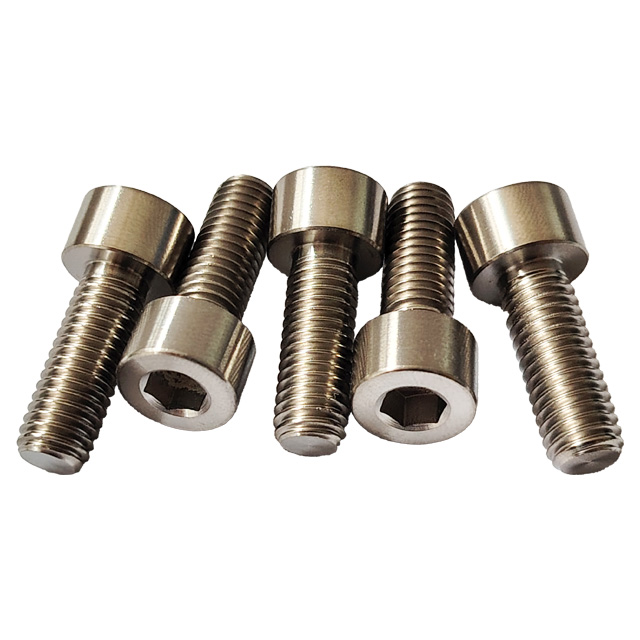
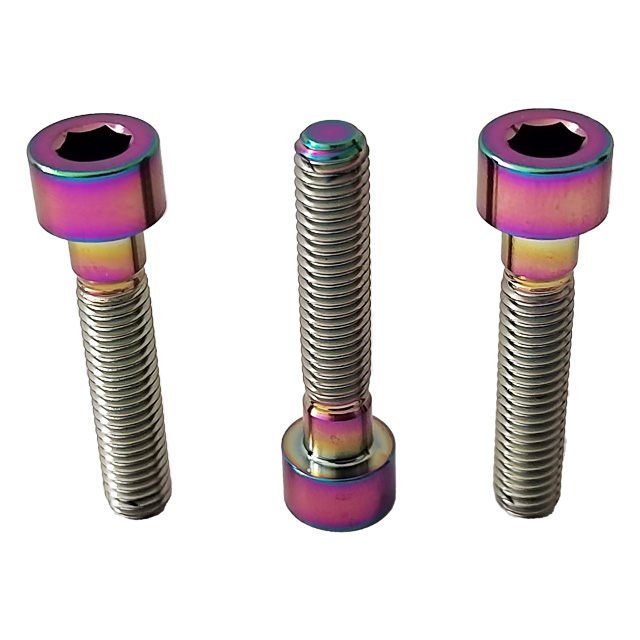
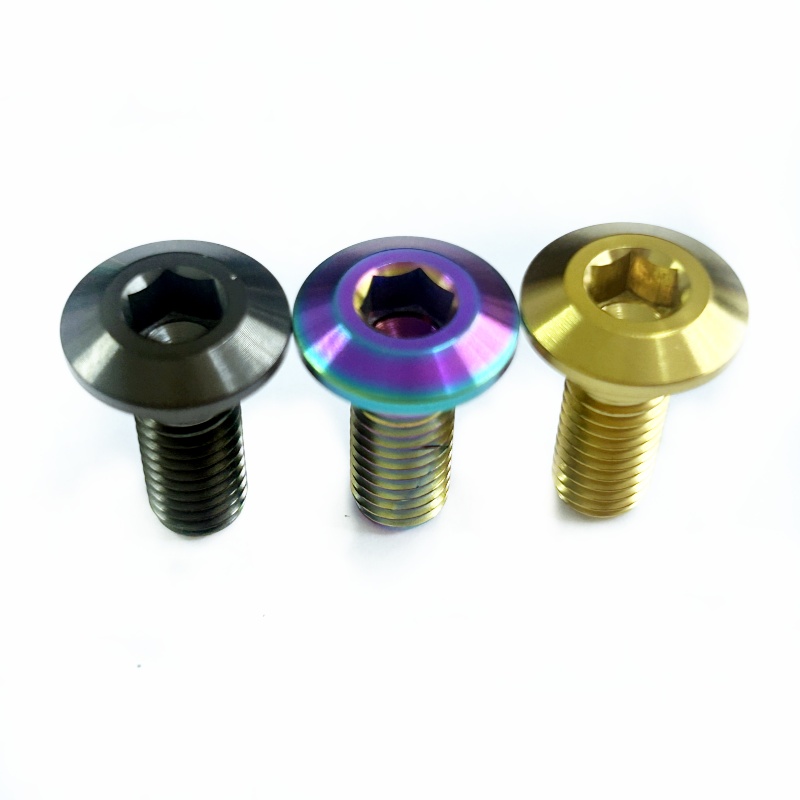
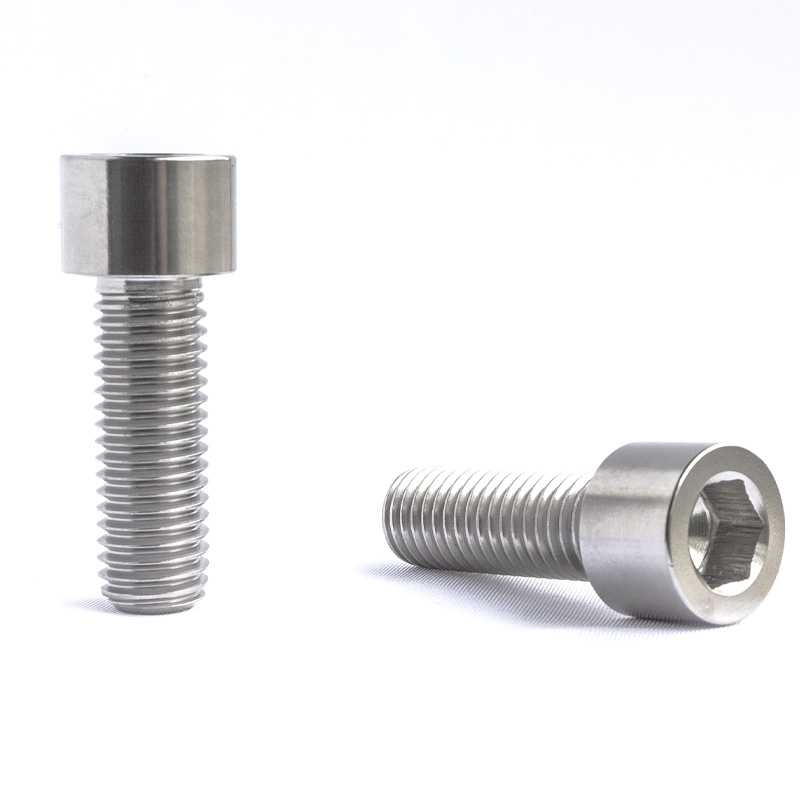
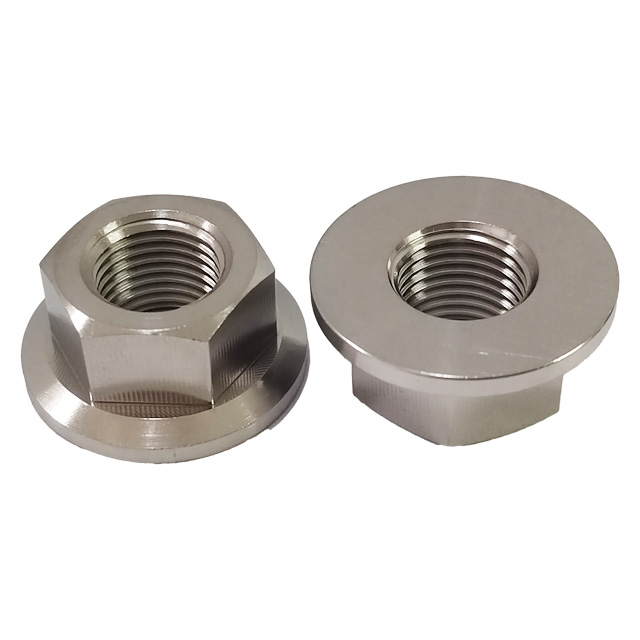
1. Engineering Whitepaper: Metallurgical Profile of Grade 5 (Ti-6Al-4V) Fasteners
In harsh Nordic marine and deepwater engineering environments, standard carbon steel and even standard austenitic stainless steels (such as AISI 304 and AISI 316L) frequently fail due to localized pitting, crevice corrosion, and chloride-induced stress corrosion cracking (SCC). For equipment engineers, subsea roboticists, and naval architects operating in Trondheim, Trøndelag, material integrity is directly tied to operational safety and the prevention of catastrophic subsea deployment failures.
Navzo Precision Titanium Products Co., Ltd. specializes in the manufacture of Grade 5 titanium fasteners (UNS R56400 / Werkstoff 3.7165). Gr5 is an alpha-beta titanium alloy containing 6% aluminum and 4% vanadium. This specific microstructure yields a minimum yield strength of 828 MPa and a minimum tensile strength of 895 MPa, vastly exceeding standard Grade A2-70 (450 MPa yield) and A4-80 (600 MPa yield) marine stainless steels while maintaining a 44% lighter physical weight (density 4.43 g/cm³ compared to ~7.90 g/cm³ for steel).
| Fastener Material | Density (g/cm³) | Tensile Strength (MPa) | Yield Strength (MPa) | Seawater Pitting Resistance | Typical Industry Application |
|---|---|---|---|---|---|
| Navzo Grade 5 (Ti-6Al-4V) | 4.43 | 895 - 1050 | 828 min | Immune (<120°C) | Offshore Sensor Packages, ROV Structural Frames, Marine Research |
| Commercially Pure Ti (Grade 2) | 4.51 | 345 min | 275 min | Immune (<80°C) | Chemical Processing, Heat Exchangers, Low-Stress Flanges |
| Marine Stainless Steel (A4-80 / 316) | 8.00 | 800 min | 600 min | Susceptible to Crevice Attack | Conventional Deck Hardware, Commercial Marine Fixtures |
| High-Tensile Alloy Steel 10.9 / 12.9 | 7.85 | 1000 - 1220 | 900 - 1100 | Zero (Rapidly Corrodes) | Dry Industrial Machinery, Internal Heavy Hydraulics |
Our fasteners are manufactured using cold-heading techniques for sizes up to M12 followed by precision thread rolling rather than thread cutting. Thread rolling maintains continuous grain flow along the flank profiles, dramatically elevating cyclic fatigue limits—a non-negotiable metric for Trondheim's turbulent fjord waves, subsea acoustic buoys, and dynamic oceanographic instrumentation.
2. Localized Industrial Application Scenarios Across Trondheim & Trøndelag
Trondheim is globally recognized as Norway's innovation capital for marine technology, anchored by research institutions like SINTEF Ocean and the Norwegian University of Science and Technology (NTNU), as well as an extensive ecosystem of high-tech aquaculture facilities, subsea mooring installations, and polar exploration developers along the Trondheimsfjord. Sourcing precision GR5 fasteners from Navzo solves localized engineering bottlenecks across four major sectors:
Autonomous Subsea Vehicles & ROVs
Trondheim-developed unmanned underwater vehicles (UUVs) and crawling seafloor survey robots operate under hydrostatic pressures reaching hundreds of bars. Navzo M5 to M12 GR5 socket head bolts secure pressure housing bulkheads, optical sensor dome rings, and thruster mounts without risking brittle chloride stress crack propagation.
Smart Ocean Aquaculture & Pelagic Pens
Trøndelag's salmon aquaculture infrastructure is transitioning to high-energy exposed offshore open-ocean sites. Traditional stainless hardware suffers severe biofouling-induced crevice corrosion under seal gaskets. Our CP Gr2 and GR5 fasteners form an instant protective TiO2 oxide film that resists microbial corrosion and continuous seawater wetting.
Arctic Oceanographic & Sub-Zero Testing
NTNU laboratories and regional environmental expeditions conduct extreme polar deployments where temperatures drop below -30°C. Unlike ferritic and martensitic steels that exhibit sudden ductile-to-brittle transitions at freezing temperatures, Ti-6Al-4V fasteners maintain remarkable impact toughness and ductility under cryogenic exposure.
3. Local Development Trends: Green Marine Electrification & Weight Optimization
The industrial landscape in Trondheim is undergoing rapid modernization driven by the green maritime transition. Autonomous zero-emission electric ferries operating along Norwegian coastal corridors, carbon-fiber composite hull vessels, and offshore floating wind installations around the Norwegian Sea are redefining structural hardware requirements.
Three strategic design trends are dominating Trondheim's maritime procurement specifications:
- Elimination of Galvanic Degradation in Carbon Fiber Assemblies: Carbon-fiber reinforced polymers (CFRP) are extensively deployed in lightweight Norwegian vessel superstructures and autonomous foil catamarans. When connected with aluminum or zinc-coated steel, violent galvanic cells develop. Titanium possesses an electrode potential virtually matching noble carbon, making Navzo GR5 titanium bolts the safest mechanical fasteners for CFRP joints.
- Battery Payload Weight Reduction: Electrified commercial craft require substantial battery storage. Every kilogram saved on non-magnetic structural hardware, chassis assemblies, and bracket bolts directly translates into longer operational range in sub-zero water conditions.
- Long-Life Maintenance Cycles for Floating Offshore Wind: Mooring line monitoring modules and subsea sensor pods cannot sustain frequent bolt replacement. With natural corrosion resistance against ambient chlorine and sulfur emissions, titanium fasteners offer a maintenance-free 25-year service life.
Enterprise Advantage
Direct Manufacturing Strength • Baoji Industrial Heritage
Headquartered in China's "Titanium Valley" with full integration across raw sponge sourcing, precision CNC multi-axis turning, micro-forming, and strict laboratory metallurgical inspection.
Direct Baoji Material Source
Located on Yucai Road, High-tech Development Zone, Baoji, Shaanxi. We access primary VAR ingots directly, eliminating multiple agent markups and ensuring 100% genuine Ti-6Al-4V chemical purity for Norwegian clients.
Comprehensive Quality Inspection
Every fastener batch undergoes rigorous thread ring/plug gauging (6H/6g standards), optical profile projector dimensional checks, torque yield testing, and spectrometer alloy composition validation prior to dispatch.
OEM/ODM Drawing Customization
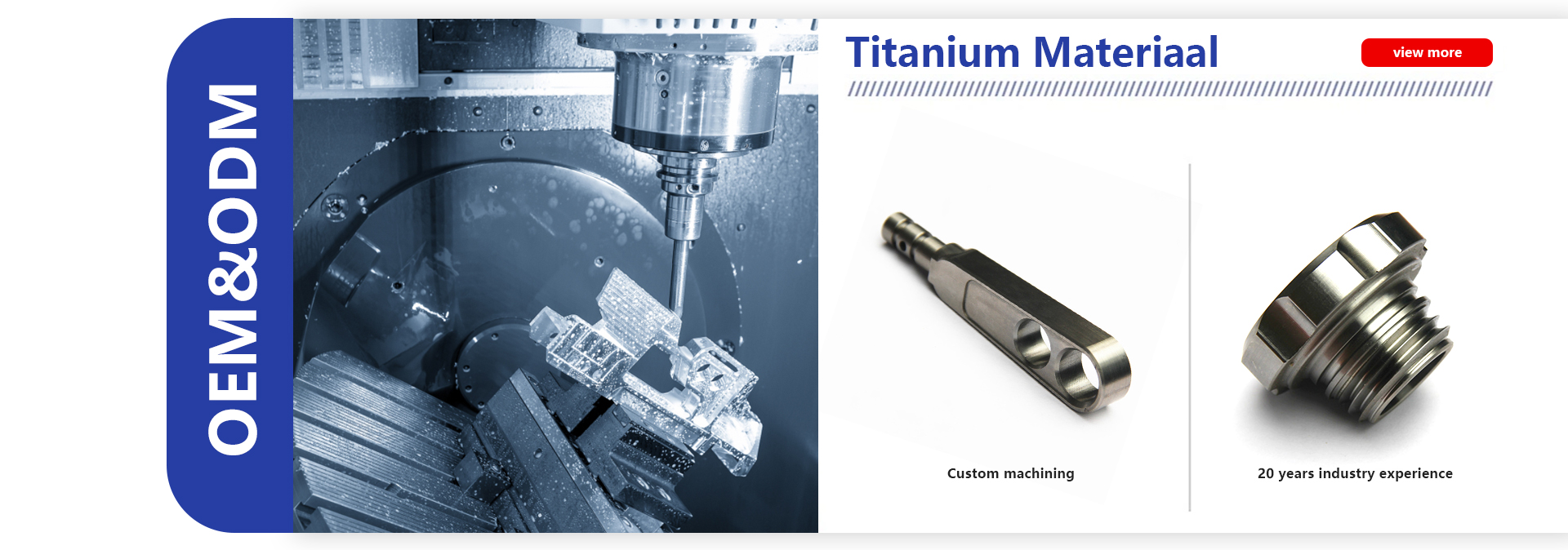
From STEP/DWG drawings to production: specialized head styles (tapered, umbrella, 12-point flange), custom pitch dimensions, pre-drilled safety lock-wire holes, and specialized CNC precision turning within ±0.01mm tolerances.
Surface Engineering Technologies
In-house electrochemical anodization (vibrant blue, purple, gold), heat-treated burnt blue gradients, physical vapor deposition (PVD) anti-wear coatings, and high-precision diamond-paste mechanical mirror polishing.
Rapid Turnaround & Agile Stock
Standard DIN 912, DIN 7991, ISO 7380 bolts and DIN 6923 flange nuts stocked for immediate air delivery to Trondheim Airport (TRD) or consolidated maritime logistics channels via Oslo/Trondheim ports.
Full Material Test Certificates
Complete documentation packages supplied with orders, including Mill Test Reports (MTR) according to EN 10204 3.1, raw chemical breakdown, tensile data, and Certificate of Conformity for regulatory clearance.
Manufacturing Verification
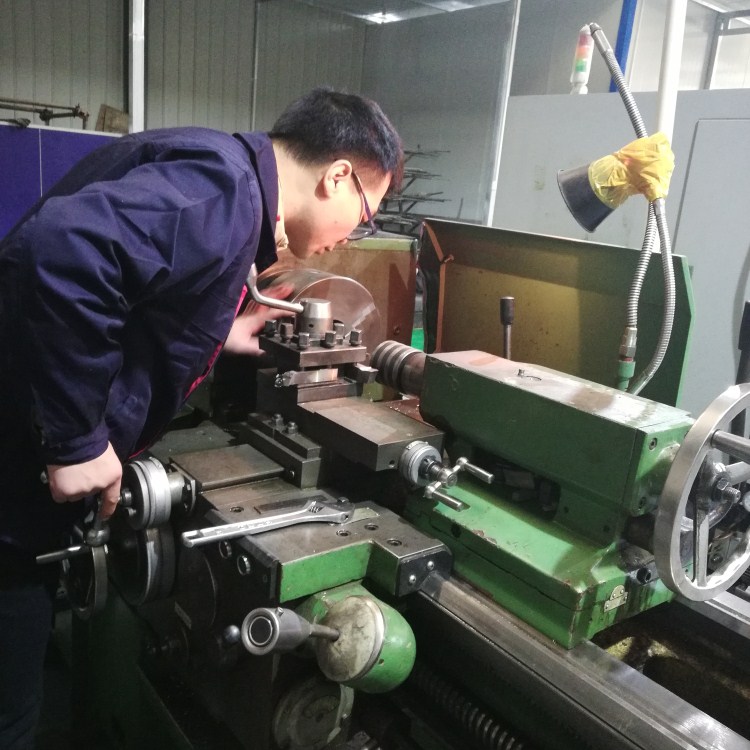
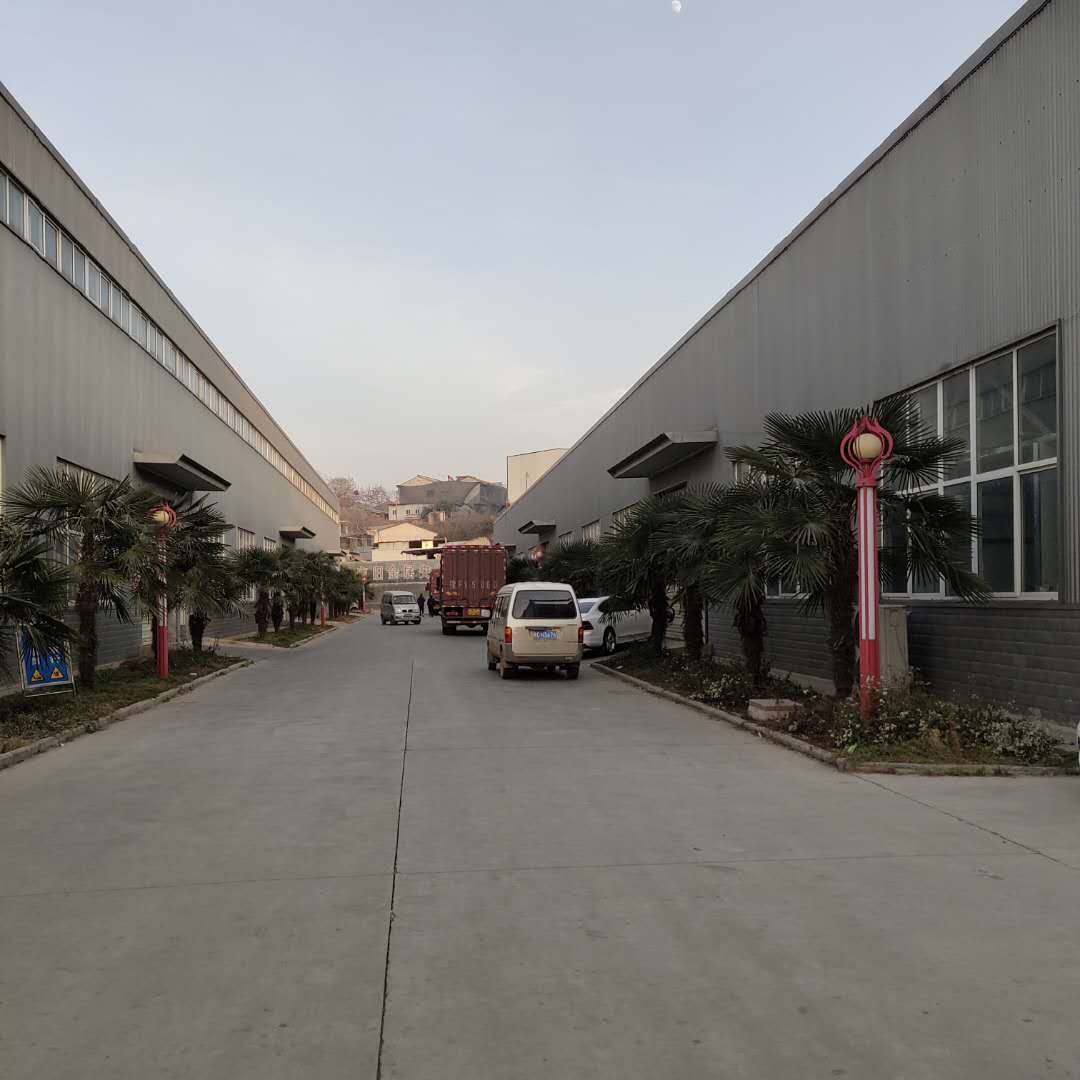
State-of-the-Art Machining Facilities • Quality in Action
Take an inside look at our Baoji machining center, heading workshops, and standardized testing environments that guarantee global consistency.
Procurement Knowledge Hub
Frequently Asked Questions by Norwegian Buyers
Practical answers addressing logistics, metallurgy, anti-galling guidelines, and customized orders serving Trondheim.
What is the lead time and shipping process for deliveries to Trondheim, Norway?
Standard metric screws (such as M4–M12 DIN 912 socket caps or DIN 6923 flange nuts) from our existing Baoji inventory ship within 48 to 72 hours via DHL Express, FedEx, or air cargo, arriving at Trondheim Airport (Værnes, TRD) or your designated facility in Mid-Norway within 5 to 8 working days. Custom CNC-machined fasteners according to client drawings typically require 15 to 20 business days including dimensional tooling, thread rolling, and EN 10204 3.1 inspection certification.
How can engineers prevent thread galling in titanium-to-titanium connections?
Because of titanium's natural oxide layer and low thermal conductivity, high friction during rapid bolt fastening can result in micro-welding or galling. To prevent galling in subsea installations or deep marine housings, we recommend: 1) applying an anti-seize paste containing molybdenum disulfide (MoS2), nickel, or marine-grade PTFE; 2) pairing Grade 5 titanium bolts with Grade 2 pure titanium nuts (the hardness differential reduces adhesive friction); or 3) ordering our fasteners with thin-film Physical Vapor Deposition (PVD) or hard anodizing.
Can Navzo supply full EN 10204 Type 3.1 material test certificates?
Yes, absolutely. For every production run supplied to our offshore, marine, and scientific instrumentation clients in Trondheim, we deliver complete material traceability documentation. This includes certified mill test reports documenting raw Ti-6Al-4V chemical compositions (iron, carbon, nitrogen, hydrogen, and oxygen limits per ASTM B348 / F136), mechanical tensile and yield validation, and post-machining dimensional certificates.
What is the minimum order quantity (MOQ) for custom CAD/STEP drawings?
For catalog standard titanium fasteners (DIN 912, DIN 7991, ISO 7380, DIN 6923), our standard MOQ is modest—typically 100 to 200 pieces per specification. For custom engineered OEM parts, prototypes, or modified marine shoulder screws, we can accommodate pilot sample runs from 50 pieces to support NTNU research and spin-off R&D phases before moving to full mass production.
Are Grade 5 titanium screws suitable for direct contact with carbon-fiber structures?
Yes. Titanium is widely acknowledged as the gold standard fastener material for composite assemblies. Unlike steel or aluminum, which experience rapid galvanic corrosion when in contact with conductive carbon fiber in saline splash zones, titanium has an electrochemical potential practically identical to carbon. This ensures complete immunity to electrolytic decay in autonomous marine craft and lightweight hulls.
How does Grade 5 titanium hold up in sub-zero Arctic sea conditions?
Unlike carbon steels that exhibit sharp ductile-to-brittle transition temperatures (DBTT) in freezing waters, alpha-beta Grade 5 titanium maintains superior impact strength, elongation, and toughness even in cryogenic environments below -50°C. It is completely immune to brittle failure in cold Norwegian fjord waters and polar expeditions.
Initiate Your Titanium Sourcing for Trondheim Projects
Submit your CAD drawings, bill of materials, or standardized fastener list. Our engineering consultation team guarantees an analytical response and formal quotation within 1 hour during business operations.