High-Conductivity Assemblies & Anode Mesh Fasteners
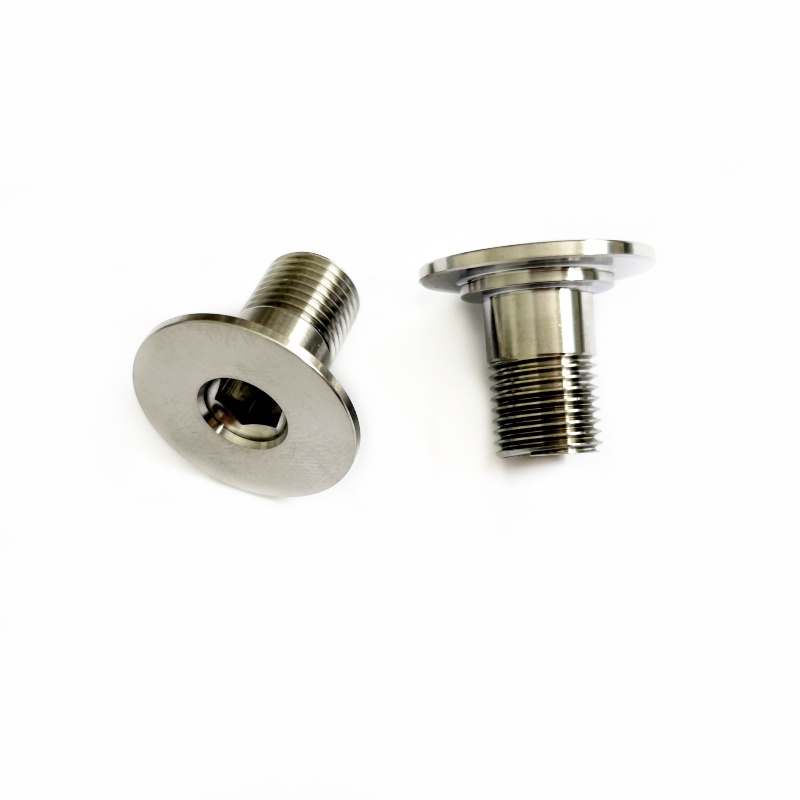
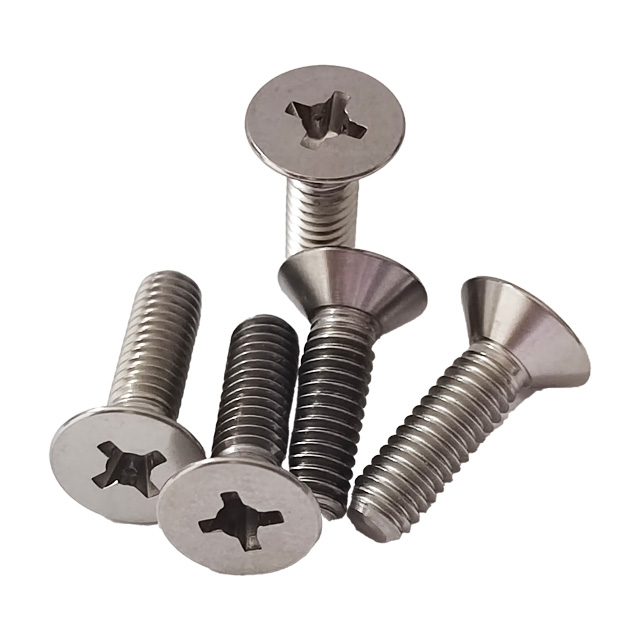
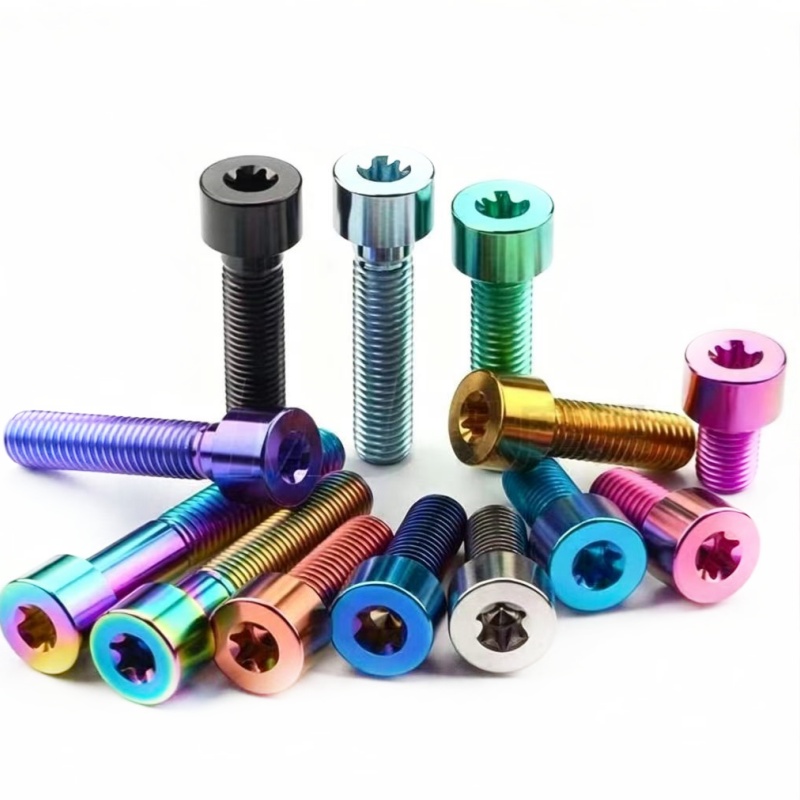
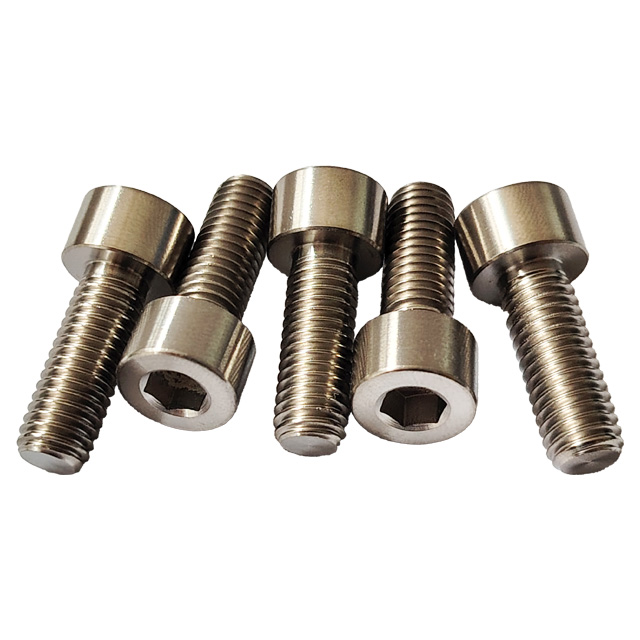
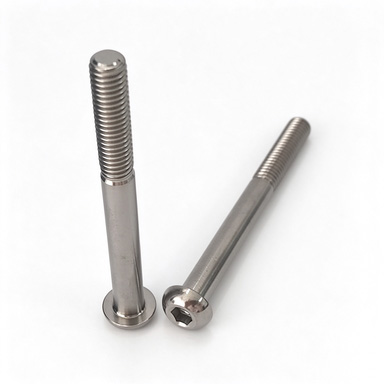
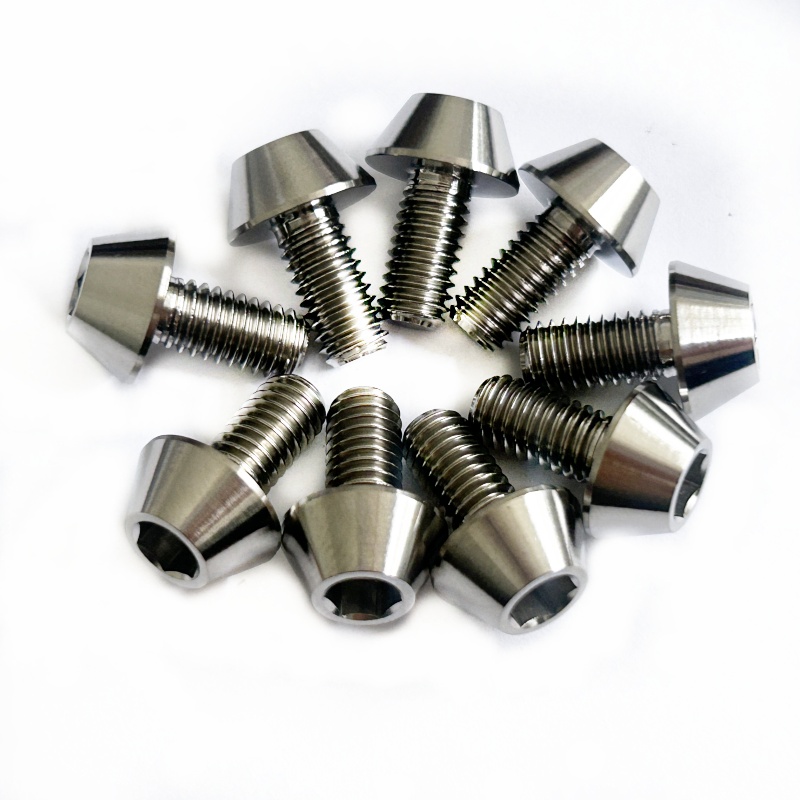
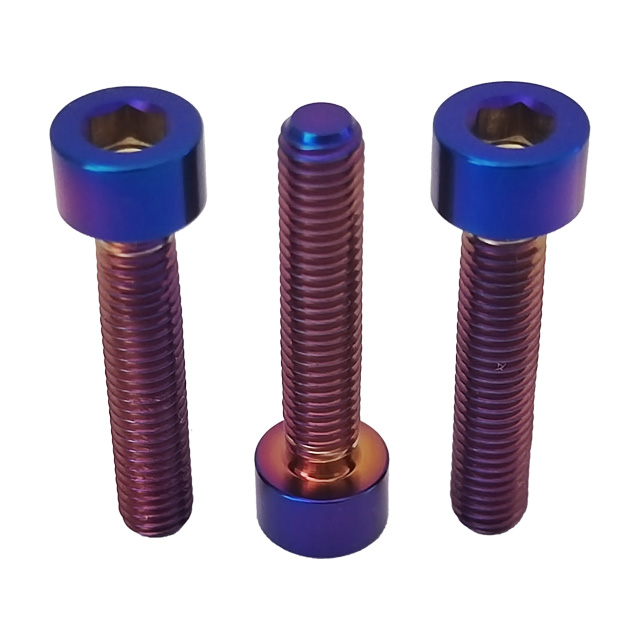
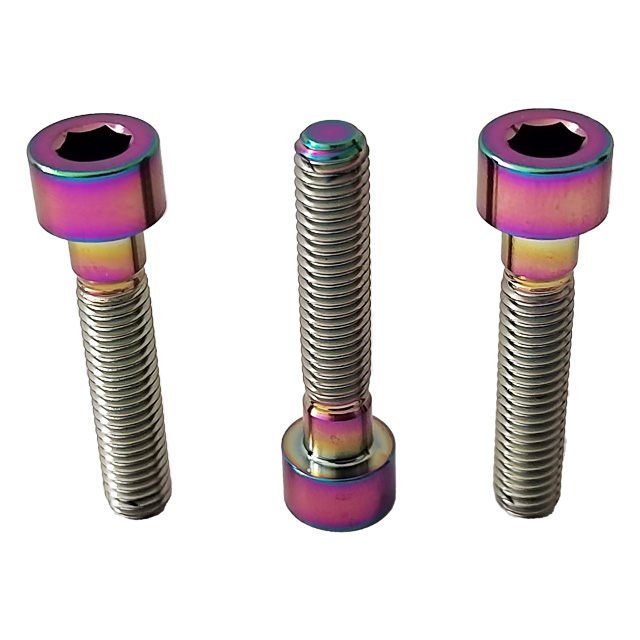
Direct supply of certified Grade 1/Grade 2 titanium anode mesh alongside ASTM B348 Grade 5 (Ti-6Al-4V) conductive fixture bolts engineered for aggressive electroplating baths, acid recovery reactors, and cathodic protection arrays.
Industrial Whitepaper: Titanium Mesh Anodes in Modern Electrochemistry
Technical Reference for Querétaro, El Marqués, and Bajío Precision Manufacturing Clusters
In high-throughput electrochemical synthesis, surface conversion, and environmental remediation, the titanium mesh anode (commonly referred to in industrial chemistry as a Dimensionally Stable Anode or DSA®) represents the apex of current efficiency, chemical inertness, and structural longevity. Fabricated from precision-expanded commercially pure titanium (ASTM B265 Grade 1 or Grade 2) and coated with a nanostructured catalytic cocktail of mixed metal oxides (MMO)—such as Iridium Oxide (IrO₂), Tantalum Pentoxide (Ta₂O₅), Ruthenium Dioxide (RuO₂), or thermal Platinum—these catalytic electrodes eliminate the catastrophic dissolution and sludge formation historically associated with consumable graphite, lead alloy, or iron anodes.
For plant managers, chemical engineers, and procurement directors operating within Querétaro's specialized manufacturing districts—including Parque Industrial Querétaro (PIQ), Parque Industrial Bernardo Quintana, and the aero-industrial parks surrounding Querétaro Intercontinental Airport (AIQ)—the metallurgical integrity of the titanium substrate, the stoichiometric balance of the catalytic coating, and the micro-geometric uniformity of the expanded diamond mesh are critical parameters governing operational expenditures (OPEX) and electrolytic cell voltage.
High-Value Industrial Application Scenarios in Querétaro
Engineered electrochemistry powering the primary manufacturing pillars of central Mexico.
Aerospace Hard Chrome & Surface Treatment
Querétaro houses Mexico’s premier aerospace cluster, home to major global aviation Tier-1 suppliers like Safran, Bombardier, and ITP Aero. Plating structural turbine assemblies, landing gear cylinders, and flight actuation shafts requires zero-sludge trivalent and hexavalent chrome alternatives. Our Iridium-Tantalum (IrO₂-Ta₂O₅) coated titanium mesh anodes withstand aggressive chromic acid and sulfuric fluoride baths, preventing lead chromate sludge contamination, stabilizing bath chemistry, and maintaining uniform deposit thickness across high aspect-ratio aero parts.
Automotive E-Coat & Zinc-Nickel Plating
Within the bustling Tier-1 automotive corridors along Carretera 57 (Querétaro-CDMX), OEM finishing plants operating electrodeposition (E-coat) paint systems rely on membrane-separated MMO titanium mesh cells to precisely balance anolyte conductivity. Concurrently, high-speed continuous Zinc-Nickel (Zn-Ni) electroplating lines for safety fasteners and sub-chassis stampings exploit expanded titanium mesh to lower cell voltage, cutting mega-watt scale factory power consumption while ensuring zero anode erosion.
NOM-001-SEMARNAT-2021 Wastewater Remediation
The revised Mexican environmental standard NOM-001-SEMARNAT-2021 enforces aggressive limits on Chemical Oxygen Demand (COD), Total Organic Carbon (TOC), and heavy metals in industrial effluent. Industrial parks in San Juan del Río and El Marqués deploy our Boron-Doped Diamond (BDD) and high-overpotential Ti/IrO₂-Ta₂O₅ mesh anodes in Advanced Electrochemical Oxidation Processes (EAOPs) and Electro-Fenton reactors to mineralize refractory petrochemicals, automotive lubricants, and textile effluents without sludge generation.
Electrowinning & Precious Metal Scavenging
Electronic component manufacturers and specialized precious metals recyclers across Querétaro’s high-tech nodes utilize Platinized Titanium Mesh Anodes (Pt/Ti with 2.5 µm to 5.0 µm platinum cladding) for electrolytic gold, copper, and rhodium reclamation from spent etching chemistry. The uniform aperture open area creates micro-eddy turbulence that maximizes metal ion replenishment at the cathode surface while minimizing platinum passivation.
Impressed Current Cathodic Protection (ICCP)
Querétaro serves as a logistical backbone for hydrocarbon distribution pipelines, natural gas trunk lines, and reinforced municipal aqueducts. Sub-surface and above-ground storage infrastructure demands continuous corrosion defense. Mixed Metal Oxide titanium mesh ribbon and slotted tubular mesh anodes embedded in conductive coke backfill provide 50+ year maintenance-free cathodic protection, insulating pipelines against severe stray currents and alkaline clay soils.
Chlor-Alkali & On-Site Biocide Electrolyzers
Beverage bottling, pharmaceutical processing, and regional food packaging facilities in central Mexico demand continuous microbial safety. RuO₂-TiO₂ coated titanium mesh anodes enable high-efficiency electrochemical generation of hypochlorous acid (HOCl) from dilute saline solution directly on-site, eliminating the hazard of bulk chlorine gas storage and hazardous tanker transport along municipal transit arteries.
Industrial Development Trends in Querétaro's Chemical & Manufacturing Ecosystem
Nearshoring Accelerations, Zero Liquid Discharge (ZLD) Mandates, and Green Hydrogen Emergence
The state of Querétaro has consolidated its standing as the strategic nucleus of Mexico’s Nearshoring Boom. Global enterprises migrating electroplating lines, PCB fabrication workshops, and semiconductor assembly operations from East Asia to central Mexico encounter strict water stewardship protocols and high local power costs. Consequently, industrial modernization within the Bajío region is defined by three electrochemical frontiers:
1. Zero Liquid Discharge (ZLD) Transition: With the acute hydrological stress in the Lerma-Santiago and Pánuco water basins governing Querétaro, local municipal environmental watchdogs (CEA Querétaro and PROFEPA) mandate rigorous closed-loop water circulation for new chemical plating plants. High-overpotential titanium mesh anodes deployed in electrochemical catalytic oxidation reactors enable up to 98% water recovery, transforming toxic, concentrated rinse baths into clear, neutral process water.
2. Transition from Lead-Tin Anodes to MMO Systems: Historic battery and heavy electroplating facilities in San Juan del Río are actively replacing toxic lead-antimony (Pb-Sb) and lead-tin (Pb-Sn) anodes with MMO mesh. This structural pivot eliminates carcinogenic lead peroxide sludge disposal costs, lowers electrolytic cell electrical potential by 300 to 500 mV, and generates an estimated 18% to 26% annual saving on factory electricity bills.
3. Pilot Green Hydrogen Generation in Bajío: Emerging R&D centers at local institutions such as CINVESTAV Unidad Querétaro and the Universidad Aeronáutica en Querétaro (UNAQ) are evaluating porous transport layers (PTL) and expanded titanium mesh anodes for Proton Exchange Membrane (PEM) and Alkaline Water Electrolysis, laying the groundwork for low-carbon aerospace synthetic fuels.
Electrochemical Metallurgy: MMO Coating Selection Matrix
Engineered Formulations Optimized for Specific Chemical Environments and Current Loads
Selecting the precise catalytic coating architecture is vital to prevent catastrophic deactivation due to passivation or rapid dissolution. Below is the engineering reference utilized by our metallurgy team to configure titanium mesh anodes for Querétaro production environments:
| Catalytic Formulation | Predominant Reaction | Electrolyte System | Current Density (A/m²) | Typical Lifetime (Querétaro Duty) |
|---|---|---|---|---|
| IrO₂ - Ta₂O₅ (Iridium-Tantalum) | Oxygen Evolution (OER) | H₂SO₄, HNO₃, Copper Foil Plating, Anodizing | 2,000 – 10,000 | 48 to 96 months continuous |
| RuO₂ - IrO₂ - TiO₂ (Ruthenium-Irid) | Chlorine Evolution (CER) | Brine, NaCl, Chlorination, Seawater, Cathodic Prot. | 500 – 3,500 | 60 to 120 months continuous |
| Pt Clad / Platinized Titanium | Multi-ion Redox | Gold/Rhodium Plating, CrO₃ Hard Chrome, PCB | 1,000 – 8,000 | 36 to 60 months (re-coatable) |
| Lead Dioxide (PbO₂ / Ti Substrate) | Hydroxyl Radical Oxidation | High COD Wastewater, Phenol Destruction, Dye Effluent | 1,500 – 5,000 | 18 to 36 months intensive |
Substrate Geometry Specifications: Base substrates are manufactured strictly per ASTM B265 Grade 1 (UNS R50250) or Grade 2 (UNS R50400). Standard diamond expanded apertures range from SWD (Short Way of Diamond) 2.5 mm × LWD (Long Way of Diamond) 4.5 mm up to SWD 12.5 mm × LWD 25 mm. Overall sheet thickness varies between 0.5 mm and 3.0 mm, engineered with integrated solid titanium busbars (welded via automated precision GTAW under 99.999% argon purge) for homogeneous current distribution across the entire working face.
Why Mexican Industrial Procurement Teams Partner With Navzo
Integrated supply chain advantages direct from Baoji—China's Titanium Valley—to the state of Querétaro.
Primary Raw Material Source
Founded in 2011 on Yucai Road in the High-tech Development Zone of Baoji, Navzo sits at the epicenter of China's titanium sponge, sheet, and bar production. We eliminate secondary traders, providing Mexican enterprises with certified prime melt traceability (EN 10204 3.1 Mill Test Certificates) for zero defect substrate conductivity.
Automated Thermal Decomposition Lines
Our proprietary coating process utilizes multi-stage automated precursor painting, computer-controlled infra-red drying, and inert-atmosphere sintering kilns. Every square meter of titanium mesh receives an exact stoichiometric catalyst profile, preventing micro-pinholing and guaranteeing uniform catalytic performance across huge panel arrays.
Full-Spectrum CNC Machining & Hardware
Unlike bare mesh converters, Navzo designs, machines, and fabricates turnkey anode structures. From custom solid titanium busbars, threaded contact studs, and immersion hanging hooks to precision GR5 (Ti-6Al-4V) DIN912 socket bolts and anti-loosening flange nuts, we deliver drop-in electrolytic packages tailored to existing plating tanks.
Stringent NACE & ASTM Quality Testing
Every anode batch undergoes rigorous quality assurance: Accelerated Life Testing (ALT per NACE TM0108 / ASTM G210) in 1.0 M H₂SO₄, cross-hatch adhesion testing, X-Ray Fluorescence (XRF) coating loading analysis, and microscopic SEM surface topography validation before packing in export-grade crating.
Rapid 1-Hour RFQ Response for Mexico
Our dedicated international technical sales desk bridges time-zone discrepancies across the Americas. Operating with an average inquiry response speed of ≤ 1 hour during business hours, we provide 2D/3D CAD drawing confirmation, metallurgical recommendations, and transparent DDP/CIF Manzanillo shipping quotes.
Substrate Stripping & Re-Coating Service
To maximize total lifecycle ROI, Navzo offers chemical stripping and re-activation of de-passivated titanium mesh anodes. By chemically digesting residual spent oxides and abrasive grit-blasting without thinning the parent titanium skeleton, we re-apply fresh MMO or Platinum coatings at a fraction of full replacement cost.
Frequently Asked Questions by Querétaro Plant Engineers
Comprehensive answers addressing tariffs, chemical compatibility, lead times, and dimensional standards.
What is the HS Code, import tariff, and customs path into Querétaro, Mexico?
Why should an electroplating facility switch from lead (Pb) anodes to MMO titanium mesh?
How do I determine whether my process requires an Ir-Ta coating or a Ru-Ir coating?
- IrO₂-Ta₂O₅ (Iridium-Tantalum): Mandated for Oxygen Evolution Reactions (OER) in acidic electrolytes (sulfuric acid, nitric acid, copper/zinc electrowinning, hard chrome plating, E-coat anolyte cells). Ruthenium dissolves instantly in these environments.
- RuO₂-IrO₂ (Ruthenium-Iridium): Optimized for Chlorine Evolution Reactions (CER) where chloride ions exceed 5 g/L (brine electrolysis, seawater chlorination, active sodium hypochlorite production).