Featured Titanium Fasteners & CNC Turned Components
Certified Gr5 (Ti-6Al-4V) and Gr2 Commercially Pure components calibrated for unmatched tensile strength, extreme galvanic stability, and immunity to warm marine salt-spray corrosion.
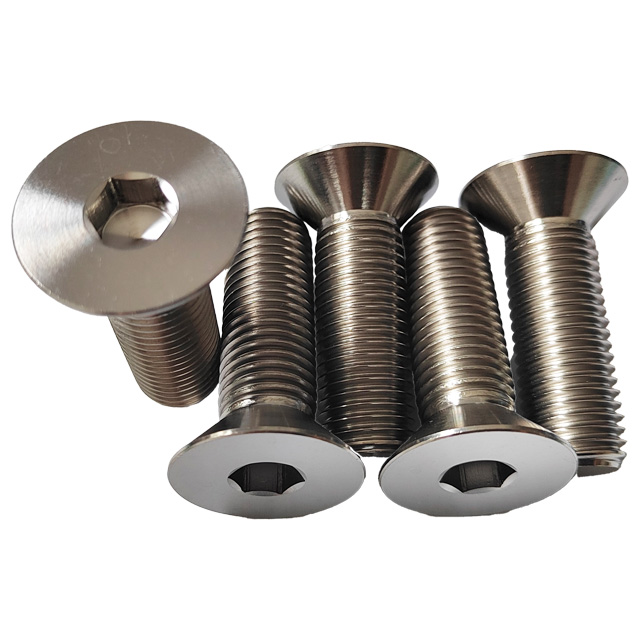
GR5 Titanium Bolts M10*20mm Countersunk Head Hex Socket Screws
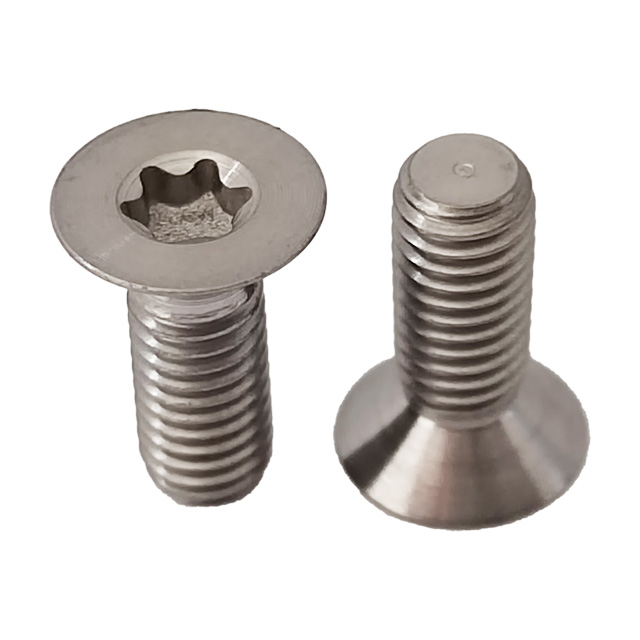
GR5 Titanium Bolts M5*13mm Countersunk Flat Head Torx Screws
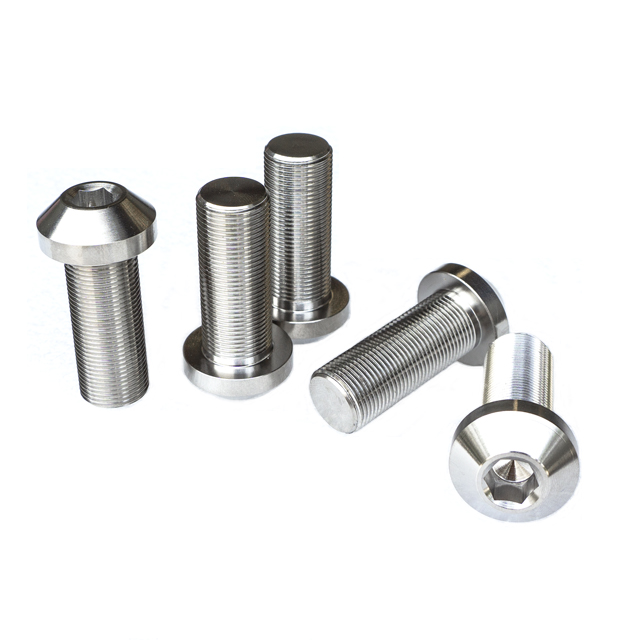
GR5 Titanium Bolts M14*1.0*35mm Umbrella Head Hex Socket Screws
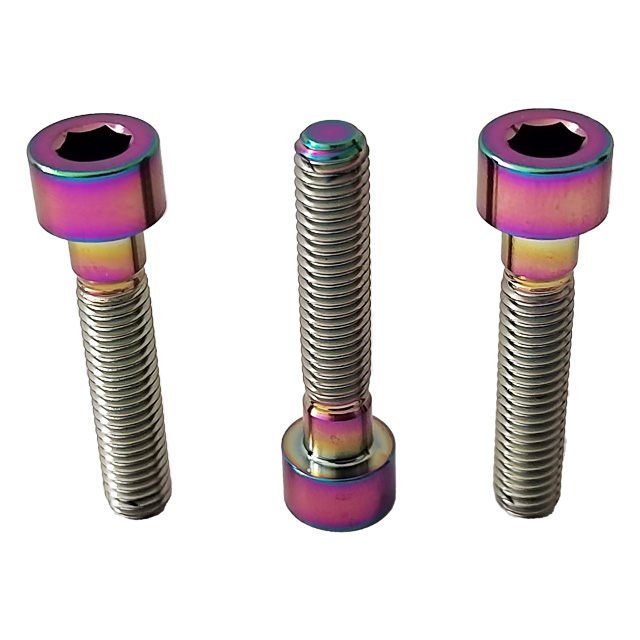
GR5 Titanium Bolts M8*40mm Colored Cylinder Head Allen Screws
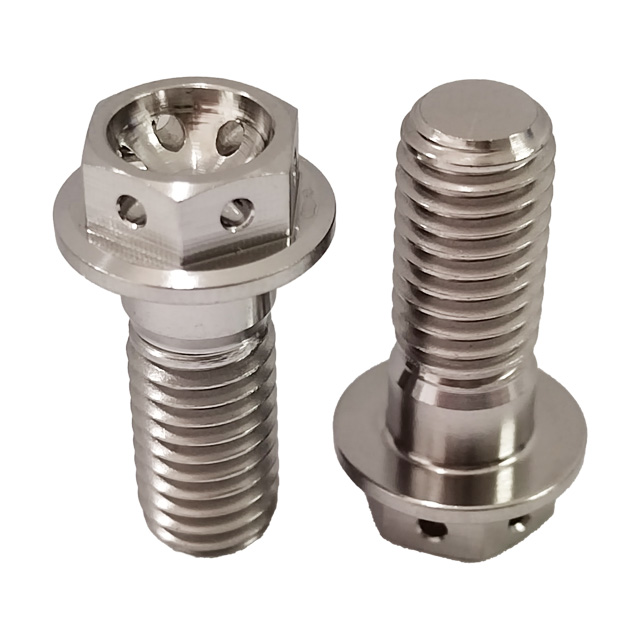
GR5 Titanium Bolts M8*20mm Hex Flange Head Drilled Lock Screws
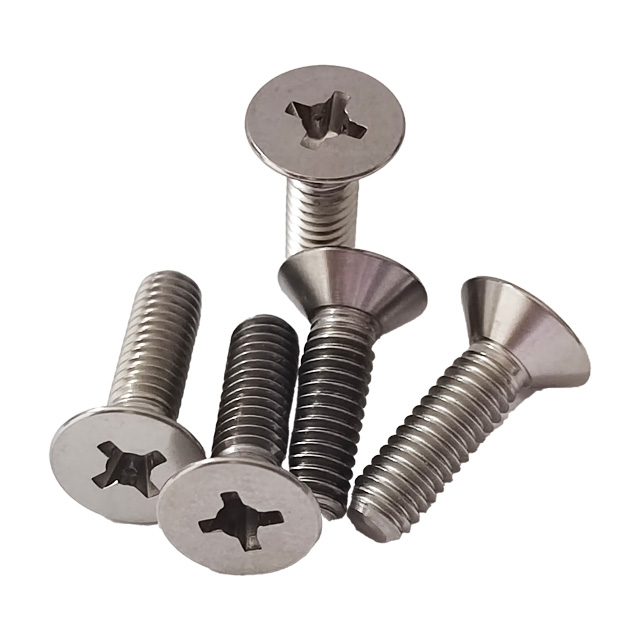
GR5 Titanium Bolts M8*20mm Countersunk Flat Phillips Screws
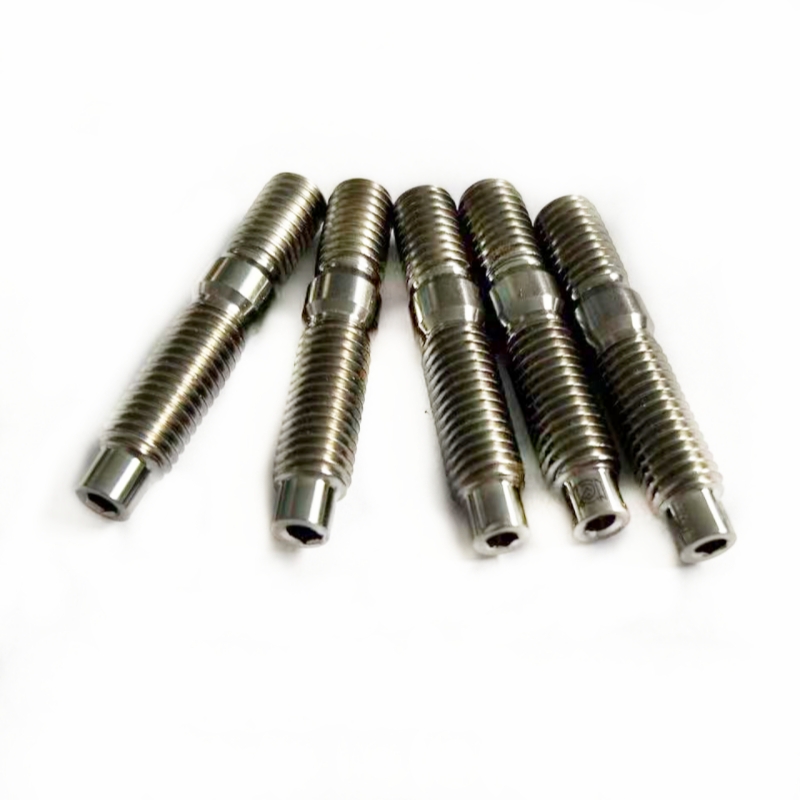
Polished GR5 Titanium Exhaust Manifold Stud Bolt M8*1.25*45
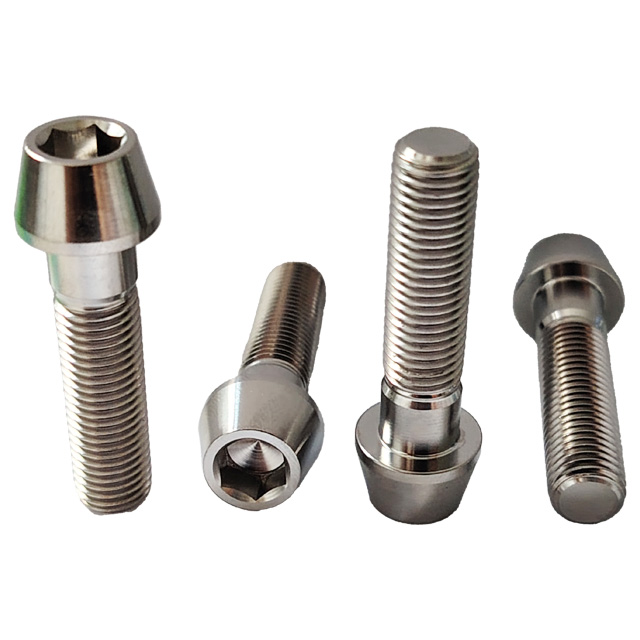
GR5 Titanium Bolts M8 M10 M12 CNC Tapered Head Hex Screws
Santiago de Cuba: Engineering Realities & The Shift to Titanium
Santiago de Cuba stands as the premier economic, maritime, and manufacturing capital of eastern Cuba (Oriente). Situated around the deep sheltered waters of Santiago Bay and backed by the Sierra Maestra, the industrial core of the region is subjected to some of the Caribbean’s most rigorous operating conditions: year-round relative humidity exceeding 82%, intense UV exposure, atmospheric chloride concentrations reaching severe levels along the shoreline, and high ambient tropical temperatures.
For decades, maintenance engineers at maritime facilities, processing refineries, and energy installations throughout Santiago de Cuba relied on AISI 304 or 316L stainless steels, marine-grade bronze, and coated alloy steels. However, under the combined action of hyper-saline splash zones, biofouling, warm estuarine water, and aggressive processing acids, traditional stainless fasteners and machined fittings inevitably suffer from chloride stress corrosion cracking (CSCC), severe pitting, and crevice attack within 12 to 24 months.
As precision manufacturing partners based directly at the core of Baoji Titanium Valley, China, our engineered Ti-6Al-4V (Grade 5) and Commercially Pure Titanium (Grade 2) components offer an impervious solution. By virtue of an instantaneously self-regenerating, non-porous titanium dioxide (TiO₂) protective oxide film, titanium provides total thermodynamic immunity to seawater pitting and microbial corrosion. This performance eliminates unscheduled plant shutdowns, extends maintenance turnarounds from months to decades, and drastically minimizes total life-cycle procurement expenditures for Santiago de Cuba’s industrial enterprises.
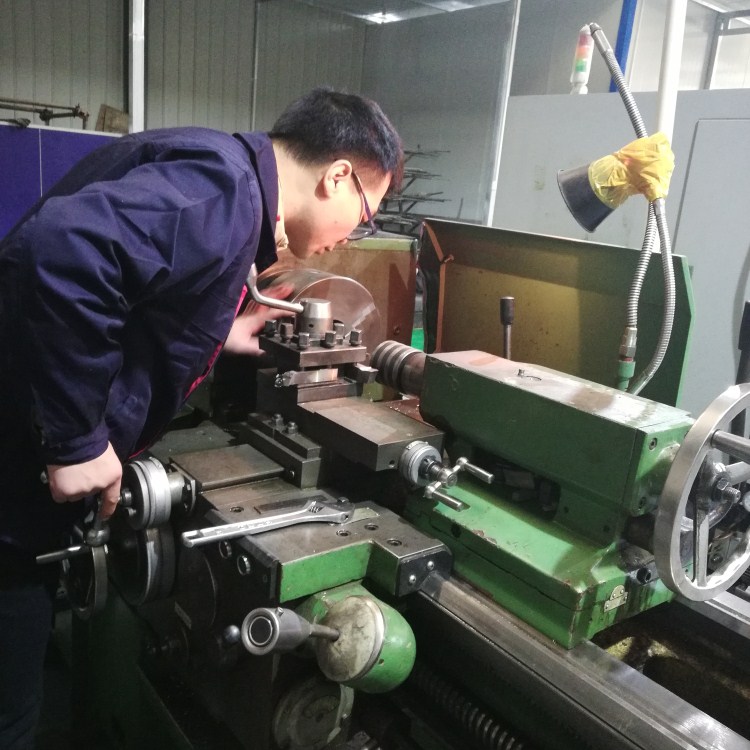
Localized Application Scenarios in Eastern Cuba
Our precision titanium machined parts and specialized fasteners are custom-engineered to overcome the exact mechanical and electrochemical failure points encountered across Santiago de Cuba’s primary industrial sectors.
Port of Guillermón Moncada & Maritime Vessel Refit
Santiago de Cuba's primary commercial deep-water seaport requires specialized underwater hardware, propulsion assembly studs, deck winch fastenings, and container handling crane components. Titanium eliminates crevice corrosion under submerged marine gaskets, barnacle encrustations, and warm stagnant bay waters where 316 stainless fails.
Coastal Thermal Power Generation (Renté Facility)
Large power facilities like the Antonio Maceo (Renté) thermoelectric station situated directly on Santiago Bay pull raw seawater for high-volume cooling and condensation loops. Our Grade 2 and Grade 5 titanium condenser tie-rods, heat exchanger baffles, and turbine casing bolts survive turbulent hyper-saline fluid flow without cavitation or impingement attack.
Oriente Metallurgical, Nickel & Acid Extraction Supply
As the key transportation and logistical gateway to the mineral-rich Oriente region (including proximity to Holguín nickel-cobalt processing corridors), Santiago de Cuba acts as a hub for heavy chemical autoclaves and leaching circuits. Titanium components withstand high-pressure sulfuric acid environments and slurry erosion during high-pressure acid leaching (HPAL).
Agro-Industrial Distillation & Sugar Processing
Santiago de Cuba’s historic rum distilleries, ethanol fermentation plants, and municipal cane processing facilities utilize complex evaporation pans, centrifugal separators, and fermentation vats. High-purity Gr2 and high-strength Gr5 titanium eliminate iron contamination, prevent organic acid degradation, and ensure ultra-pure liquid contact surfaces.
Desalination, Water Infrastructure & Coastal Civil Engineering
To combat municipal freshwater shortages along Cuba's Caribbean coast, reverse osmosis (RO) desalination plants operate under high hydrostatic brine pressures (up to 70 bar). Standard austenitic steels pit catastrophically within months under concentrated Caribbean brine; our titanium high-pressure manifolds, pump impellers, and feed-tube couplings offer indefinite operational lifespans.
Engineering Matrix: Titanium vs. Marine Alloys in Santiago de Cuba
A direct technical comparison demonstrating why Grade 5 and Grade 2 titanium outperform conventional austenitic stainless steels, super duplex, and marine bronze in high-salinity Caribbean ambient environments.
| Material Specification | UNS / Standard | Density (g/cm³) | Min. Tensile (MPa) | Yield 0.2% (MPa) | Seawater Pitting Resistance | Weight Reduction vs Steel |
|---|---|---|---|---|---|---|
| Titanium Grade 5 (Ti-6Al-4V) | UNS R56400 / ASTM B348 | 4.43 | ≥ 895 - 1000 | ≥ 828 | Immune / Non-Corrosive | -44.2% Lighter |
| Titanium Grade 2 (CP Titanium) | UNS R50400 / ASTM B348 | 4.51 | ≥ 345 - 510 | ≥ 275 | Immune / Superior Ductility | -43.1% Lighter |
| Marine Grade 316L Stainless | UNS S31603 / EN 1.4404 | 8.00 | ≥ 485 | ≥ 205 | Vulnerable (Crevice & Pitting >25°C) | Baseline (0%) |
| Super Duplex 2507 | UNS S32750 / EN 1.4410 | 7.80 | ≥ 750 | ≥ 550 | Good (High Galling Tendency) | -2.5% Lighter |
| Silicon Bronze (C65500) | UNS C65500 / ASTM B98 | 8.53 | ≥ 380 | ≥ 150 | Moderate (Dezincification Risk) | +6.6% Heavier |
| High-Tensile Alloy Steel 10.9 | ISO 898-1 Class 10.9 | 7.85 | ≥ 1040 | ≥ 940 | Rapid Corrosion (Requires Plating) | -1.8% Lighter |
Modernization Trends & Direct Supply Chains to Eastern Cuba
The eastern Cuban industrial corridor is currently navigating a period of strategic efficiency overhauls. As capital equipment imports face tight budgetary constraints, maintenance departments and procurement directors across Santiago de Cuba are pivoting away from repetitive component replacements toward durable, lifetime-rated materials. In high-exposure applications, the replacement frequency of 316L fasteners every 18 months represents a massive cumulative burden in labor, ship downtime, and equipment unreliability.
By sourcing directly from Baoji—the epicenter of China's titanium manufacturing sector producing over 65% of the country's high-grade ingots and forged bars—buyers serving Santiago de Cuba bypass multiple European and regional trading intermediaries. Direct factory engagement enables tailored engineering drawings, certified raw material provenance, specialized thread configurations (such as UNJ aerospace threads or customized thread-locking slots), and competitive export price points.
Furthermore, with containerized and breakbulk shipping connecting primary Asian maritime hubs to the Caribbean Basin, consolidated sea freight schedules to eastern Cuban terminals have become predictable and cost-effective. Navzo provides comprehensive export documentation, including Certificate of Origin, Mill Test Reports (MTRs) to EN 10204 3.1, and dimensional inspection protocols.
Navzo Precision Titanium: Factory Advantages
Established in 2011 on Yucai Road in Baoji’s High-tech Industrial Development Zone, Navzo combines upstream material supremacy with world-class multi-axis CNC machining, hot/cold heading, and precision threading.
Origin Supply Chain Supremacy
Headquartered directly in Baoji ("China Titanium Valley"), we access certified 0A-grade titanium sponge and vacuum-arc remelted (VAR) billet stock directly from source mills. This eliminates secondary distributor markups and guarantees 100% chemical traceability.
Full In-House Manufacturing Loop
We operate automated high-speed cold and hot heading machines, CNC Swiss lathes, 3/4/5-axis turning-milling centers, and precision thread rolling dies. Processing threads via thread rolling instead of cut threading increases grain density and yields 30% higher fatigue resistance.
Strict Quality Verification & CMM
Every export consignment undergoes optical coordinate measuring machine (CMM) dimensional checks, GO/NOGO thread ring gauge testing, and chemical composition verification via Portable X-ray Fluorescence (XRF) analyzers before packing into moisture-sealed export packaging.
Verified Export Credentials
Consistently ranked in the top tier for industrial titanium fasteners on international B2B platforms, maintaining a 4.9/5 store rating and verified on-site facility validation. Our export footprint spans over 40 countries across the Americas, Europe, and Asia.
Engineering Support & ≤1h Fast Quoting
We maintain an in-house team of senior metallurgical and mechanical engineers collaborating closely with university materials institutes. We review complex 2D/3D CAD files (STEP, DWG, PDF) and provide detailed engineering feedback, DFM (Design for Manufacturability) analysis, and firm commercial quotations in under one hour.
Industrial Surface Treatments for Extreme Caribbean Exposure
Specialized functional coatings and treatments designed to enhance galling resistance, surface micro-hardness, and electrochemical passivity in hot saline environments.
Type II Hard Anodizing
Creates a controlled electrochemical oxide film that substantially raises anti-galling performance during high-torque dry assembly, perfect for repetitive marine service.
Physical Vapor Deposition (PVD)
Deposition of ultra-dense TiN, TiAlN, or DLC (Diamond-Like Carbon) coatings imparting surface hardness exceeding 2500 HV for severe mechanical abrasion zones.
Micro-Arc Oxidation (MAO)
Grows a thick, ceramic-like crystalline TiO₂ film directly on the substrate, providing extreme dielectric breakdown resistance and total barrier isolation against galvanic coupling.
Precision Chemical Polishing
Eliminates surface micro-cracks and imperfections, generating an ultra-smooth mirror finish (Ra < 0.2 µm) that inhibits biofouling adhesion in submerged marine systems.
Santiago de Cuba Industrial Procurement FAQ
Practical, technical answers addressing logistics, metallurgical compliance, customs standards, and operational guidelines for purchasing managers in eastern Cuba.
How does Grade 5 Titanium prevent galvanic corrosion when coupled to marine aluminium hulls in Santiago Bay?
What documentation is supplied to satisfy import customs and plant engineering verification in Cuba?
Why is rolled threading superior to cut threading for high-vibration power and port machinery?
What are the freight lead times and logistical pathways for shipping from Baoji to Santiago de Cuba?
Is anti-seize paste required when assembling titanium bolts in coastal industrial applications?
Can Navzo machine non-standard legacy equipment components from physical samples or older drawings?
What is the minimum order quantity (MOQ) for custom CNC components vs standard catalog fasteners?
How does Grade 5 Titanium perform under high exhaust temperatures in marine diesel propulsion engines?
Engineer Your Santiago de Cuba Components with Certified Titanium
Contact our direct factory engineering desk today. Send your part specifications, CAD drawings, or annual supply requirements. Our engineering team reviews all technical requirements and provides detailed quotations within one hour.
Inquire Now