High-Integrity Titanium Machined Components
Direct supply from our verified Baoji manufacturing base to Eindhoven's engineering workshops, system integrators, and OEM assembly hubs.
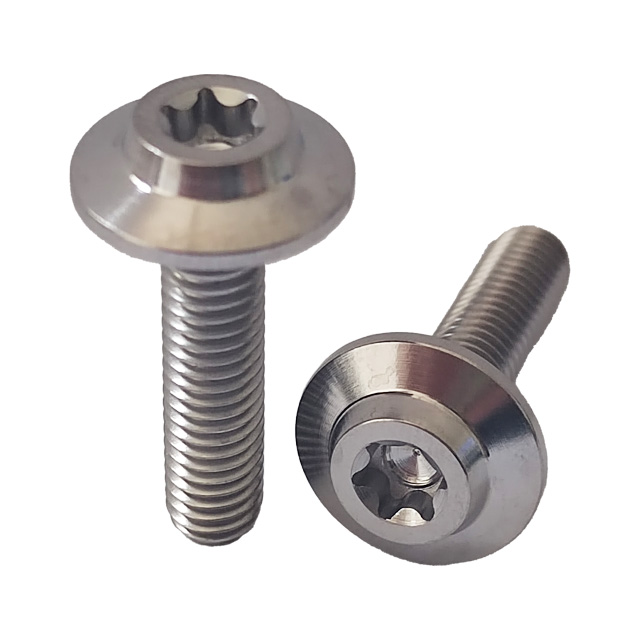
GR5 Titanium Bolts M6*25mm Umbrella Flange Head Torx Screws
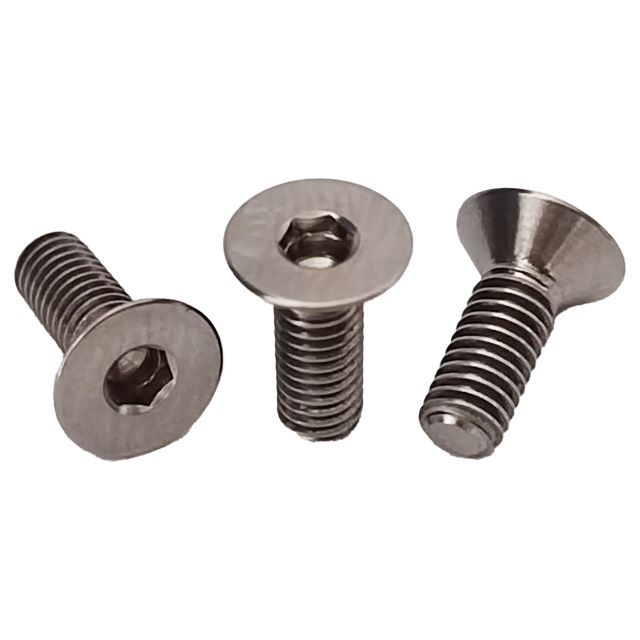
GR5 Titanium Bolts M8*20mm CNC Machined Countersunk Hex Socket
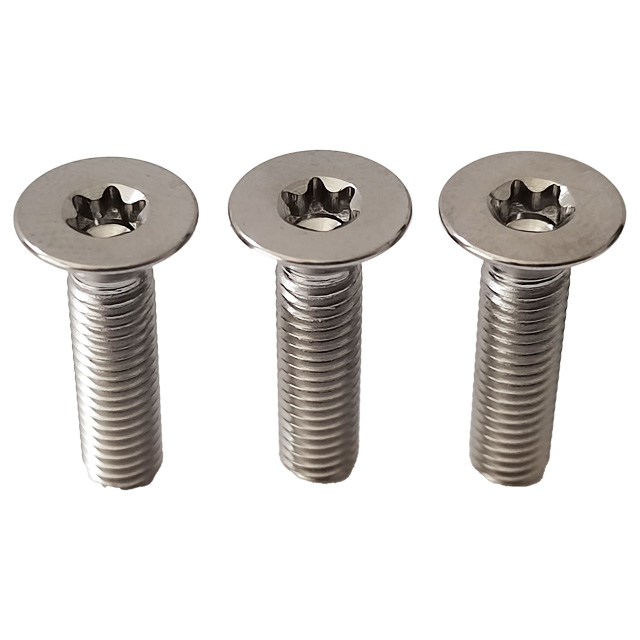
GR5 Titanium Bolts M5*20mm Countersunk Head Hex Socket Bolts
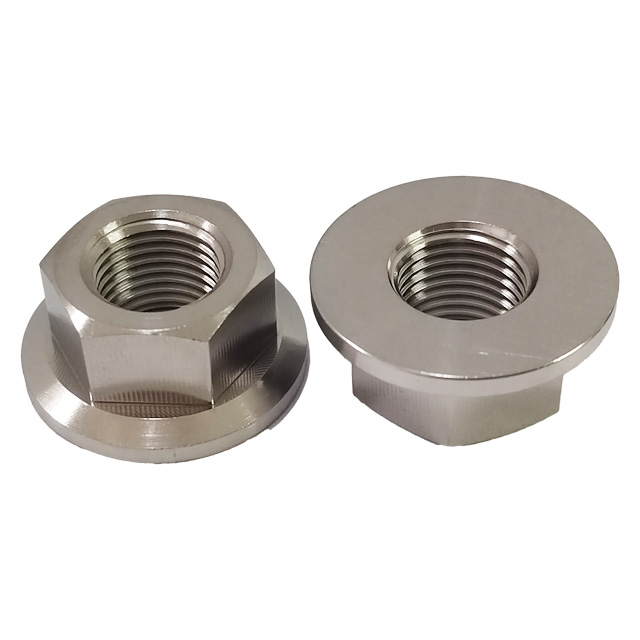
GR5 Titanium Nuts M12*1.5 Hex Flange Full Thread Fastener
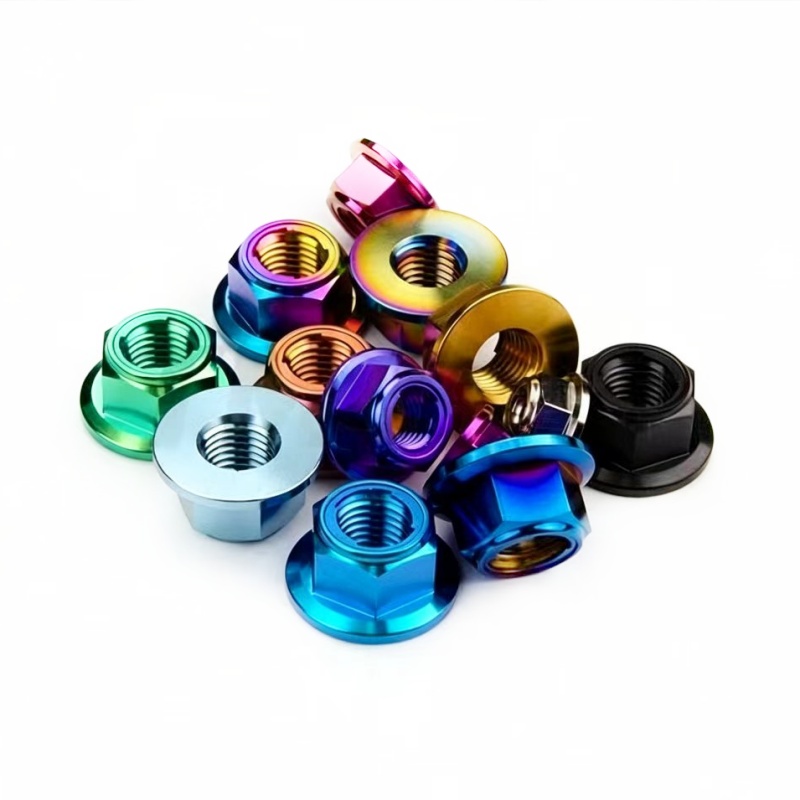
GR5 Titanium Anti-Loosening Lock Nuts M6 M8 M10 PVD Coated
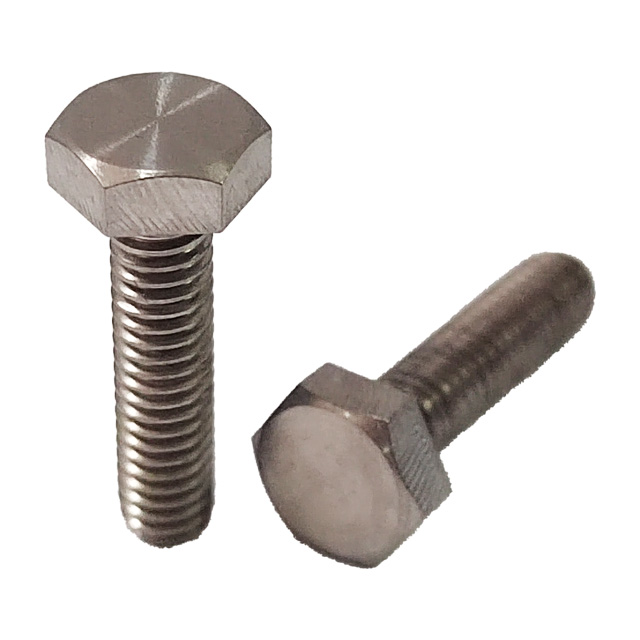
High Strength GR5 Titanium M4*15mm Hexagon Head Bolts
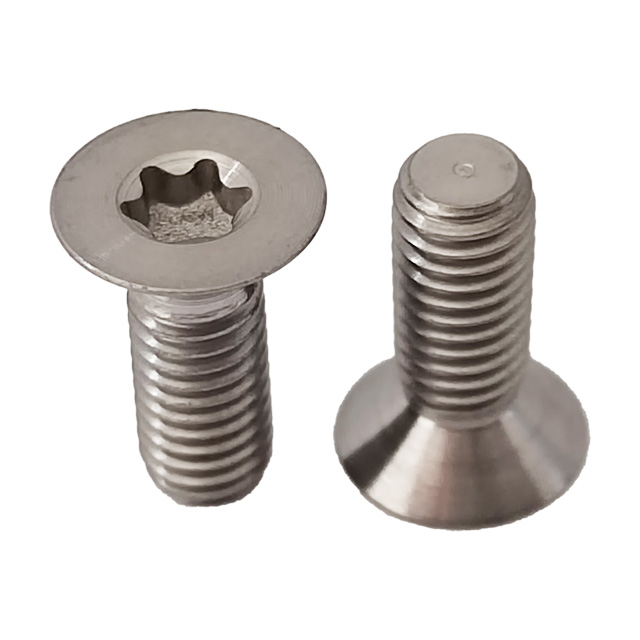
GR5 Titanium Bolts M5*13mm Countersunk Inner Torx Screws
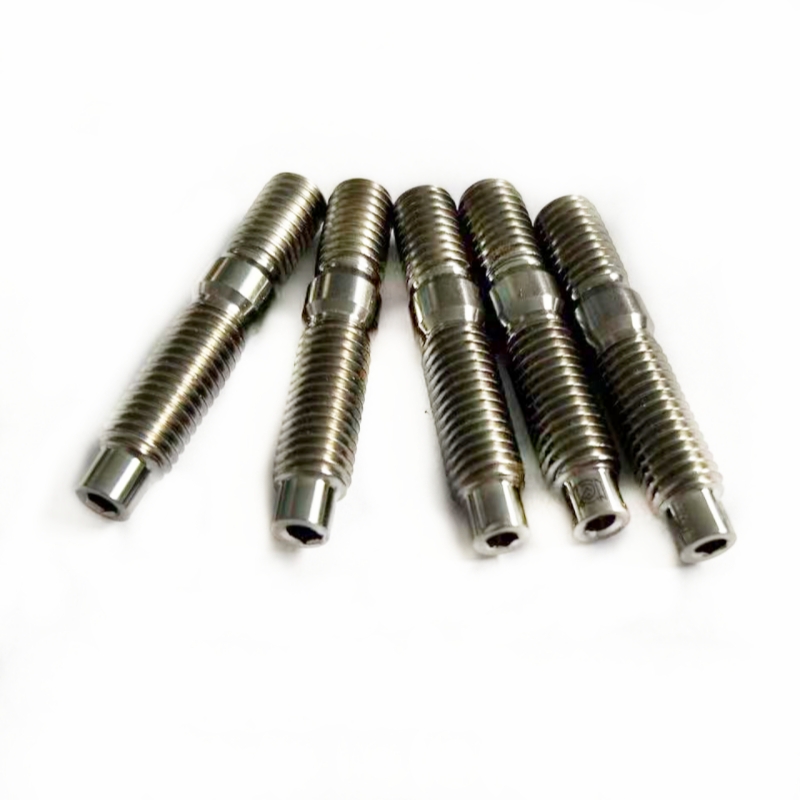
Polished GR5 Titanium Exhaust Manifold Stud M8*1.25*45
Engineering Whitepaper: Titanium Machining Dynamics in the Brainport Eindhoven Ecosystem
The Brainport Eindhoven metropolitan region represents Europe's definitive nexus of precision mechatronics, lithography advancements, and ultra-high vacuum (UHV) semiconductor manufacturing. System architects and precision mechanics across North Brabant face non-negotiable operational requirements: escalating acceleration forces in direct-drive linear stages, relentless thermal management challenges, and the imperative for absolute chemical inertness inside wafer processing modules. Engineering procurement teams regularly evaluate Grade 5 Ti-6Al-4V (UNS R56400) and Grade 2 Commercially Pure Titanium against conventional austenitic stainless steels (316L, 1.4404) and aeronautical aluminum alloys (AW-7075).
From an applied materials science perspective, titanium provides a density of 4.43 g/cm³ compared to 7.9 g/cm³ for stainless steel, yielding a weight saving of nearly 45% while delivering ultimate tensile strengths exceeding 895 MPa. For moving assemblies within high-speed pick-and-place robotics and optical gantry mounts in Eindhoven cleanrooms, shedding moving mass translates directly into attenuated parasitic inertia, enhanced bandwidth for servo loops, and eliminated cycle latency.
Cleanroom & UHV Compatibility
Navzo titanium fasteners and custom CNC millings demonstrate zero outgassing under deep vacuum environments (< 10⁻⁸ mbar). Resistant to micro-particle exfoliation and cleanable under IPA ultrasonic protocols, ensuring pristine operational parameters inside Grade 1 to 4 cleanroom enclosures.
Thermal Expansion Stabilization
With a coefficient of thermal expansion (CTE) of approximately 8.6 × 10⁻⁶/K—substantially lower than austenitic stainless steel (16.0 × 10⁻⁶/K) and aluminum (23.0 × 10⁻⁶/K)—our components mitigate focal drift, thermal bowing, and structural warping in intense optomechanical alignments.
Zero Magnetic Susceptibility
Unlike 300-series stainless steels that can develop cold-work ferromagnetic martensite transformation during heavy machining, Ti-6Al-4V remains fully non-magnetic (μr ≈ 1.00005). Ideal for electron beam, ion projection, and high-field RF sensors.
Material Performance Matrix: Grade 5 Titanium vs. Structural Engineering Alloys
To assist Dutch development engineers and R&D team leaders in their design verifications, the table below provides quantifiable metallurgical parameters based on ASTM B348, ISO 3506, and EN 10088 criteria:
| Alloy & Condition | Density (g/cm³) | Tensile Strength (MPa) | Yield Strength 0.2% (MPa) | CTE (10⁻⁶/K) | Magnetic Permeability (μr) |
|---|---|---|---|---|---|
| Navzo GR5 Titanium (Ti-6Al-4V Annealed) | 4.43 | ≥ 895 | ≥ 828 | 8.6 | 1.00005 (Inert) |
| Austenitic Stainless Steel (AISI 316L / 1.4404) | 7.95 | 500 - 700 | ≥ 220 | 16.5 | 1.008 - 1.05 (Cold Work Risk) |
| High-Tensile Structural Steel (Class 10.9) | 7.85 | 1040 | 940 | 11.2 | Ferromagnetic (> 100) |
| Aerospace Aluminum (EN AW-7075-T6) | 2.81 | 540 | 480 | 23.4 | 1.00002 |
| Navzo CP Grade 2 (Unalloyed Titanium) | 4.51 | ≥ 345 | ≥ 275 | 8.9 | 1.00005 (Inert) |
Advanced Manufacturing Trends Driving Titanium Consumption in Eindhoven
As the Brainport Eindhoven region solidifies its status as the hardware capital of the European continent, several structural technological shifts are accelerating the migration toward precision-machined titanium hardware:
1. Thermal Neutrality in Next-Generation Optical Modules: With numerical apertures widening and extreme ultraviolet (EUV) source powers scaling upward, thermal dissipation across reticle holders and optical mirror mounts creates unacceptable micro-strains. Titanium Grade 5 offers an exceptional modulus-to-weight ratio and a thermal expansion curve harmonized with specific specialty ceramics, virtually eradicating optical focal distortion across continuous production cycles.
2. Lightweighting in Autonomous Robotics & AGVs: The industrial automation and agritech sectors in Veldhoven, Best, and Helmond are shifting toward rapid, battery-operated mobile handlers and cobots. Replacing unyielding stainless linkages, shoulder bolts, and structural spindles with titanium allows automated guided vehicles (AGVs) to conserve kinetic energy, minimize battery payload drain, and prolong service intervals of brushless servomotors.
3. Galling Mitigation & High-Cycle Thread Integrity: High vacuum hardware often suffers from severe adhesive wear (galling) when threaded fasteners bind under torque. Navzo engineers have optimized precision thread rolling techniques combined with physical vapor deposition (PVD) DLC or TiN coatings and micro-arc oxidation. This process hardens thread flanks while preserving base ductility, resolving long-standing installation seized-thread bottlenecks experienced by assembly technicians on Dutch integration lines.
Enterprise Strengths & Engineering Pedigree
Founded on January 10, 2011, on Yucai Road in Baoji's High-tech Industrial Development Zone, Navzo Precision Titanium Products Co., Ltd. is physically rooted in "China Titanium Valley"—the world's most concentrated cluster for titanium metallurgy, sponge reduction, and rod extrusion.
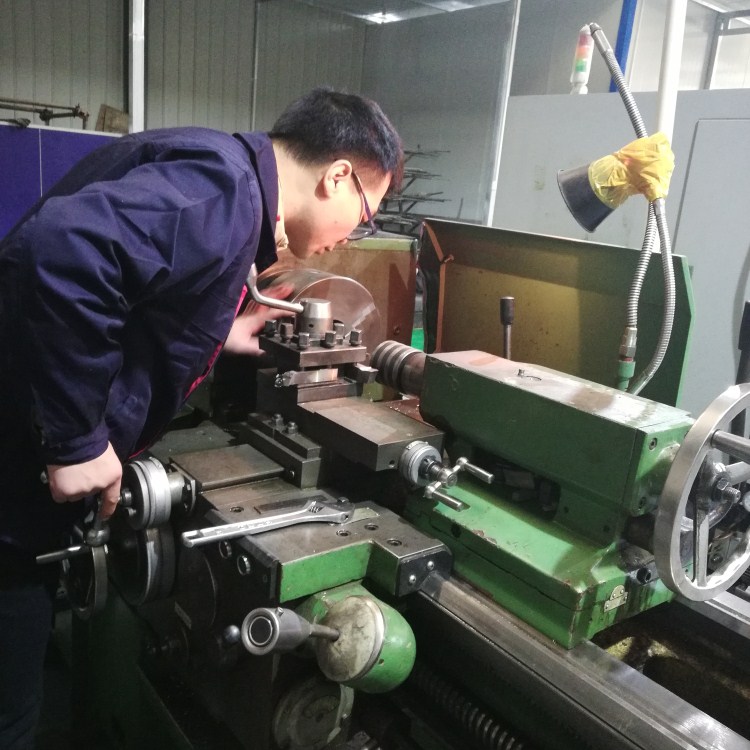
Operating a closed-loop fabrication cycle, we handle bar peeling, multi-spindle Swiss CNC turning, 5-axis simultaneous high-speed milling, precision cold heading, thread rolling, and proprietary vacuum surface finishing under a strictly audited quality management infrastructure.
Frequently Asked Questions by Dutch Technical Buyers
Key clarifications addressing logistics, technical verification, material conformity, and customs protocols when ordering titanium parts for the Dutch market.
What is standard door-to-door transit time to the Eindhoven region?
For catalog fasteners and approved pre-production prototypes, air express consignments (via DHL, FedEx, or UPS Priority) typically arrive at Eindhoven Airport or regional receiving facilities in Veldhoven, Nuenen, or Son en Breugel within 4 to 6 business days following dispatch. High-volume scheduled blanket orders are consolidated and cleared through Amsterdam Schiphol (AMS) with complete DDP (Delivered Duty Paid) documentation.
Do you supply EN 10204 3.1 material test certificates?
Yes. Every single batch of Grade 5 (Ti-6Al-4V) and Grade 2 parts is accompanied by a certified Mill Test Certificate (MTC) stating the exact melt ingot chemistry (Al, V, Fe, C, N, H, O content) along with tensile tests, yield strengths, elongation percentages, and dimensional compliance records. Spectrometry traceability is maintained from billet to packaged components.
How do you safeguard against thread galling in cleanroom applications?
When anti-seize lubricants cannot be permitted inside ultra-clean semiconductor or optical settings due to contamination hazards, we offer rolled threads manufactured with optimized clearances, complemented by electrochemical anodizing or physical vapor deposition (PVD) coatings. This produces an exceptionally hard, low-friction ceramic skin that effectively eliminates thread galling even under high preloads.
What tolerances can your CNC turning and 5-axis milling centers hold?
Our temperature-controlled CNC turning and milling suites reliably hold linear tolerances down to ±0.005 mm (5 microns) on critical bearing journals, locating dowels, and optical alignment pin bores. Standard fasteners conform rigorously to ISO 965-1 Class 6g for external threads and Class 6H for internal tapped nuts.
Can you manufacture bespoke parts directly from 3D CAD files?
Absolutely. Dutch engineering teams routinely transmit STEP, IGES, or DXF files accompanied by PDF 2D technical drawings detailing critical geometric dimensions and tolerancing (GD&T). Our technical engineering bureau performs a detailed Design for Manufacturability (DFM) review and issues quote feedback within 60 minutes during active operating windows.
What are the Minimum Order Quantities (MOQ) for custom components?
For custom CNC machined parts and pre-series prototype evaluations, our minimum order quantity starts as low as 10 to 50 pieces to support design validation cycles. For standard metric bolts, nuts, and studs, typical packaging units begin at 100 to 200 units, scaling seamlessly to monthly frame contracts of 100,000+ pieces.
Accelerate Your Engineering Project with Certified Titanium Components
Whether you require standard high-grade fastener inventory or intricate 5-axis CNC machined titanium housings for next-generation Brainport applications, our application engineers stand ready to review your specifications.