Catalogue Portfolio
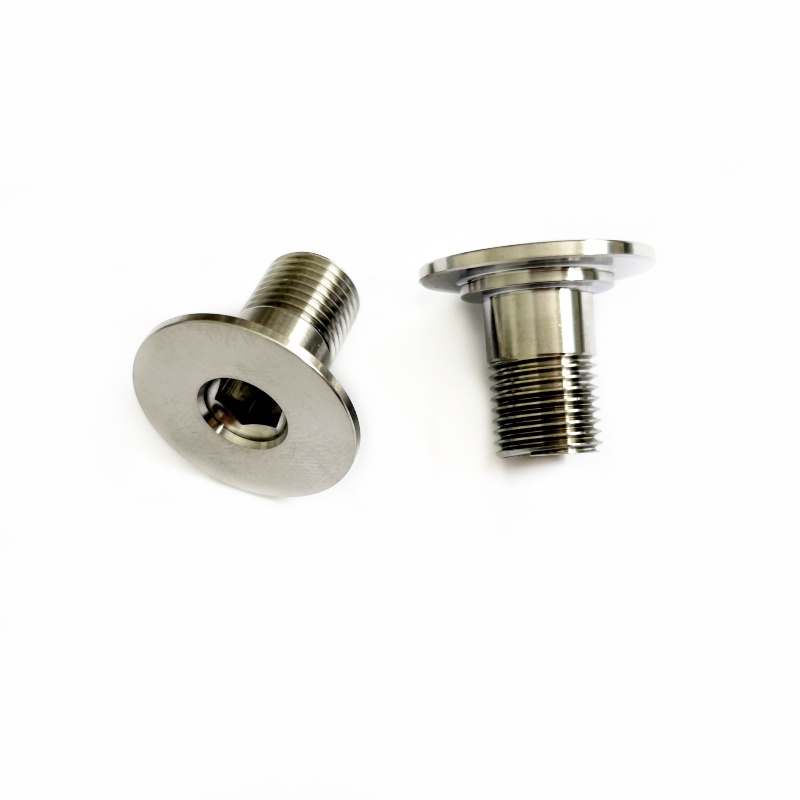
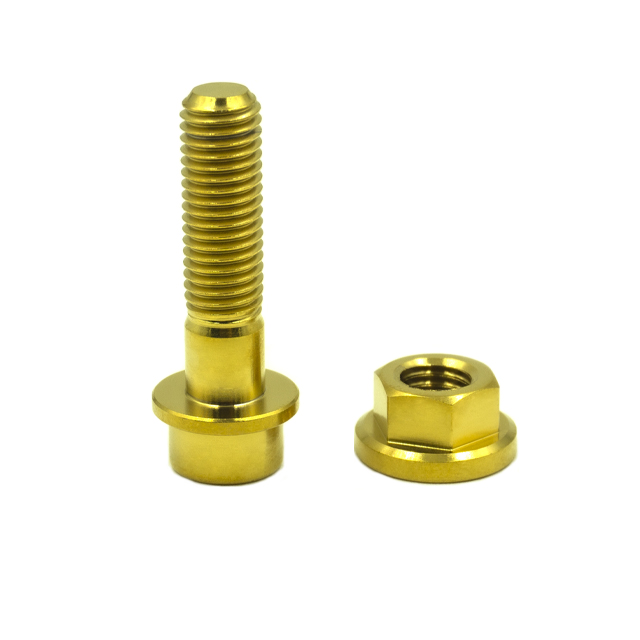
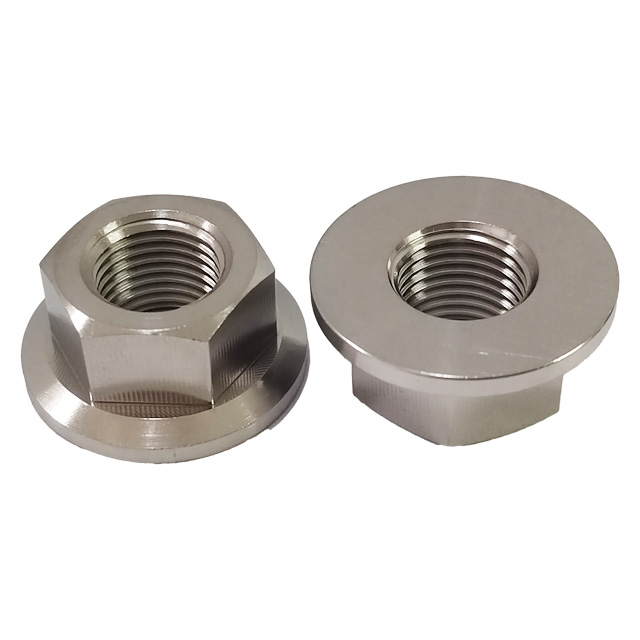
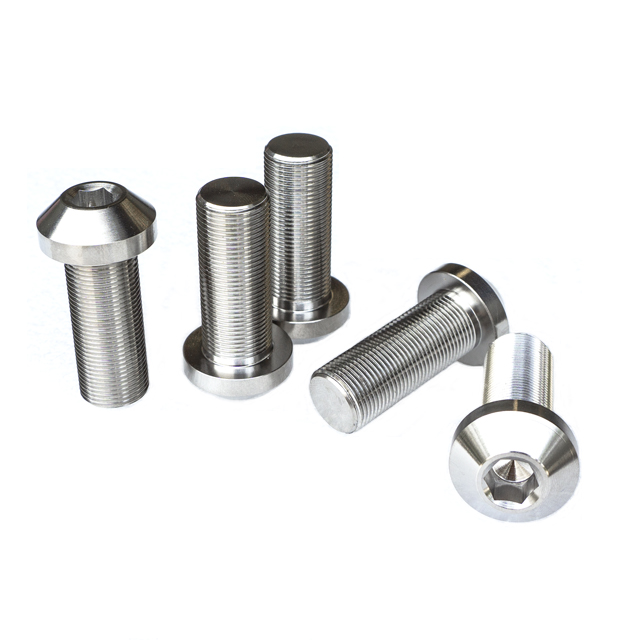
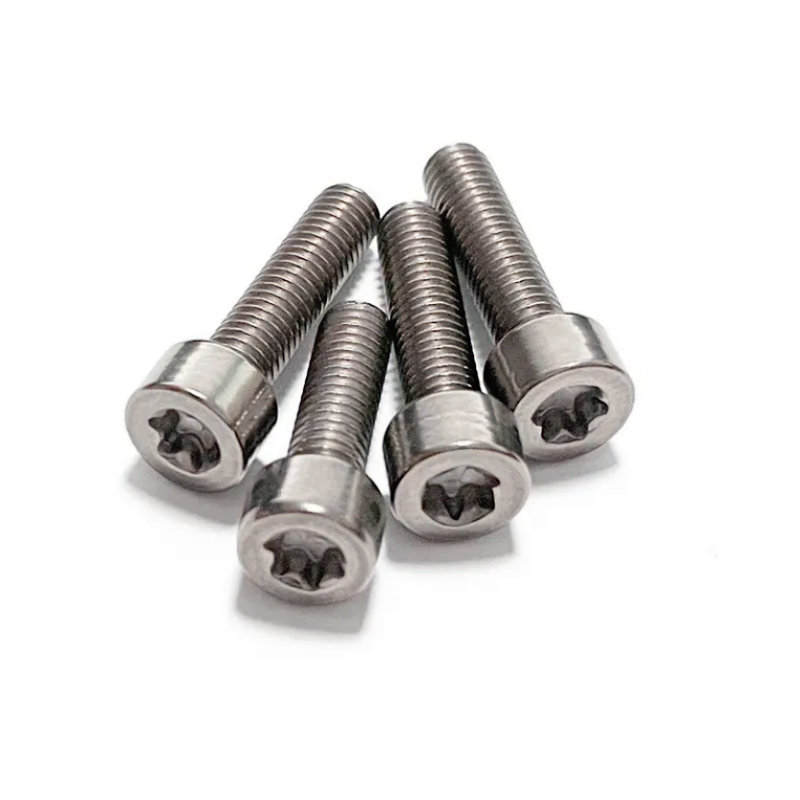
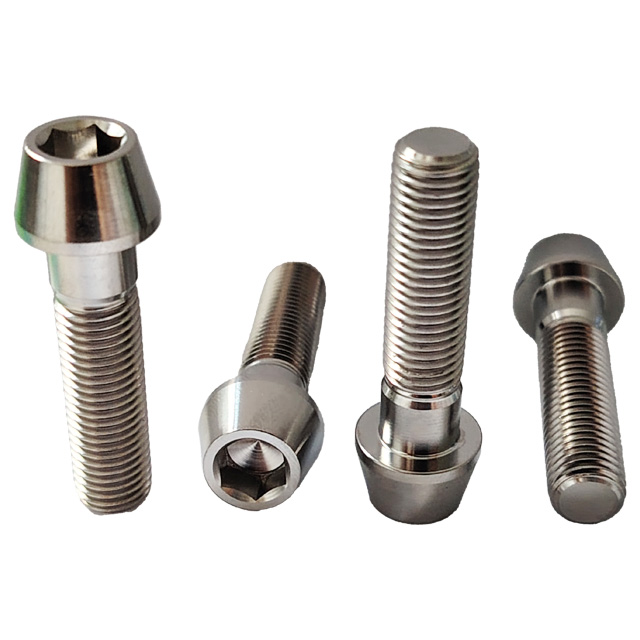
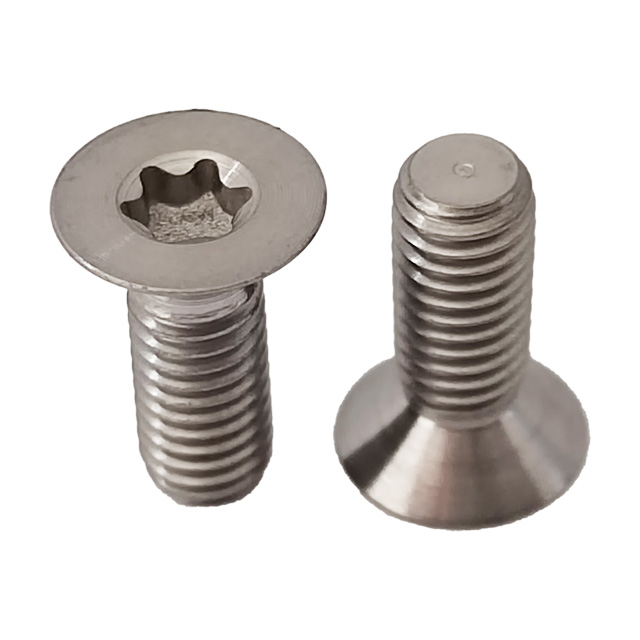
Precision Titanium Flange Bolting & Fastening Solutions
Direct supply from Baoji’s dedicated titanium manufacturing infrastructure to heavy engineering, subsea processing, and industrial marine operations across St. John’s.
2011
Established in Baoji Cluster
895+ MPa
GR5 Tensile Strength Standard
≤ 1 Hour
RFQ Engineering Feasibility
100% Traceable
Certified EN 10204 3.1 Reports
Application Engineering
Engineering Titanium Flanges for the St. John’s & North Atlantic Corridor
A rigorous metallurgical overview of why offshore projects in Newfoundland and Labrador rely on titanium piping interconnects and flange fasteners over traditional alloys.
Operating within the St. John’s industrial zone and the adjacent Grand Banks offshore basin (including pioneering developments such as Hibernia, Hebron, White Rose, and Terra Nova) exposes equipment to some of the most aggressive marine environments globally. Heavy sea spray, sub-zero sea currents, microbiologically influenced corrosion (MIC), and cyclic mechanical slamming loads quickly degrade standard austenitics (such as 316L stainless steel) and shorten the lifecycle of duplex nickel-copper configurations. When marine piping, heat exchangers, cooling loops, and subsea tiebacks require zero-leak reliability, titanium blind, slip-on, weld neck, and lap joint flanges become critical assets rather than optional upgrades.
As an internationally acknowledged manufacturer located in Baoji—China's primary hub producing a dominant portion of the world's raw titanium sponge and wrought products—Navzo bridges the high metallurgical demand of the St. John’s engineering market with verified mill stock. Titanium's exceptional native stability stems from the spontaneous formation of a tenacious, ceramic-like rutile and anatase titanium dioxide (TiO₂) passivation film upon surface exposure to air or dissolved oxygen. When mechanical abrasion occurs in choppy coastal waters, this film reconstitutes instantaneously, preventing the onset of pitting and crevice corrosion under marine flange gaskets.
Offshore Oil & Gas Hydrocarbon Handling
Seawater injection systems, produced-water handling loops, and topside deluge lines require Grade 2 and Grade 5 weld-neck flanges to eliminate chloride crevice attack at gasket faces under high-pressure cycle loads.
Subsea ROVs & Ocean Instrumentation
St. John’s functions as an international epicenter for autonomous underwater vehicles (AUVs) and harsh-environment marine robotics, where uncompromised strength-to-weight ratios and 6,000-meter hydro-static seals are mandatory.
Aquaculture & Cold-Ocean Processing
Modern coastal processing facilities along the Avalon Peninsula implement titanium heat exchangers and pipe connections to resist chemical sanitizers, cold brine scaling, and continuous biological biofilm colonization without leaching toxic metal ions.
Metallurgical Specification
Comparative Metallurgy: Marine & Subsea Flange Alloys
Quantitative analysis evaluating GR5 (Ti-6Al-4V) and GR2 Pure Titanium against legacy offshore alloy selections.
| Alloy Specification | Nominal Density | Tensile Strength (min) | Yield Strength (min) | PREN Rating | Seawater Cavitation & Crevice Life |
|---|---|---|---|---|---|
| Titanium Grade 5 (Ti-6Al-4V) | 4.43 g/cm³ | 895 MPa | 828 MPa | Immune (>50 equiv.) | Virtually infinite; zero measurable loss in ambient Atlantic seawater. |
| Titanium Grade 2 (Unalloyed) | 4.51 g/cm³ | 345 MPa | 275 MPa | Immune (>50 equiv.) | Exceptional ductility; optimal for lower-pressure seawater supply lines. |
| Super Duplex (UNS S32750) | 7.80 g/cm³ | 750 MPa | 550 MPa | 42 – 45 | Susceptible to localized crevice pitting under anaerobic biofilms over time. |
| Marine Stainless (AISI 316L) | 7.95 g/cm³ | 485 MPa | 170 MPa | 23 – 25 | High vulnerability to stress corrosion cracking (SCC) at ambient maritime salts. |
*Note: PREN (Pitting Resistance Equivalent Number) approximations reflect relative localized corrosion vulnerability. Titanium grades rely on spontaneous TiO₂ passivation which surpasses typical critical pitting temperature (CPT) limitations found in iron-nickel matrices. Certified Material Test Reports (CMTR) matching EN 10204 3.1 accompany every batch dispatched from our Baoji facility.
Strategic Outlook
Regional Procurement Trends in St. John’s & Eastern Canada
Market forces influencing titanium adoption across Newfoundland’s maritime and energy infrastructure.
Life-Cycle Cost (LCC) Optimization
Canadian asset operators are actively moving away from frequent scheduled maintenance. The steep operational expense of offshore vessel mobilization to service corroded flanges has made high-performance titanium the more cost-effective total lifecycle choice.
Transition to Clean Tech & Offshore Wind
As Newfoundland expands into green hydrogen synthesis and potential offshore wind testing, high-amperage electrolyzers and floating sub-structures require light, inert titanium connection points immune to harsh, wind-driven saline atmospheres.
Subsea Electrification & Deep-Water Enclosures
Autonomous monitoring stations off the Grand Banks demand lightweight housings with non-magnetic properties. Titanium flanges guarantee neutral magnetic profiles, high compressive yield, and minimal structural burden on acoustic positioning frameworks.
Why Choose Navzo
Precision Manufacturing & Global Supply Chain Strengths
Operational integrity verified directly at China's titanium epicenter: Yucai Road, High-tech Development Zone, Baoji, Shaanxi.
Baoji Supply Chain Integration
Positioned directly inside the Baoji Titanium Valley industrial cluster, we eliminate intermediaries. Our forged flange billets, bar stock, and cold-heading blanks are procured from verified regional melters with uninterrupted traceability back to virgin sponge.
Full In-House Processing Stream
From multi-axis CNC milling, precision flange facing, deep-hole drilling, to automated thread rolling and specialized PVD or anodizing lines, every step is executed under an ISO-aligned quality management framework.
Rigorous Pre-Shipment Inspection
Every lot undergoes ultrasonic testing (UT), spectrographic chemical verification, thread pitch inspection using calibrated hardened gauges, and mechanical tensile validation before export approval to Canada.
Rapid Global Technical Response
Navzo maintains a verified average response time of under one hour. Our engineering team reviews technical drawings (PDF, DWG, STEP) to deliver rapid manufacturability assessments and prompt pricing feedback.
Procurement Guidance
Frequently Asked Questions: St. John’s Engineering Teams
Clear, direct answers regarding flange bolting, cold-temperature metallurgy, galvanic isolation, and logistics.
How does Grade 5 Titanium behave in the sub-zero ocean waters of the Grand Banks?
Unlike carbon and alloy steels that undergo a severe ductile-to-brittle transition temperature (DBTT) around low freezing marks, Grade 5 Ti-6Al-4V and Grade 2 unalloyed titanium retain their impact toughness and tensile elongation down to cryogenic levels, making them exceptionally stable in cold North Atlantic water.
What steps are required to prevent galvanic corrosion when coupling titanium flanges to steel systems?
Titanium acts noble (cathodic) in galvanic couples. When bolted directly to carbon steel, copper-nickel, or stainless steel without isolation, the non-titanium component may experience accelerated sacrificial corrosion. We recommend non-conductive G10/FR4 insulating gasket kits, Mylar bolt sleeves, and phenolic isolation washers to break electrical continuity.
Do titanium flange studs and nuts suffer from thread galling?
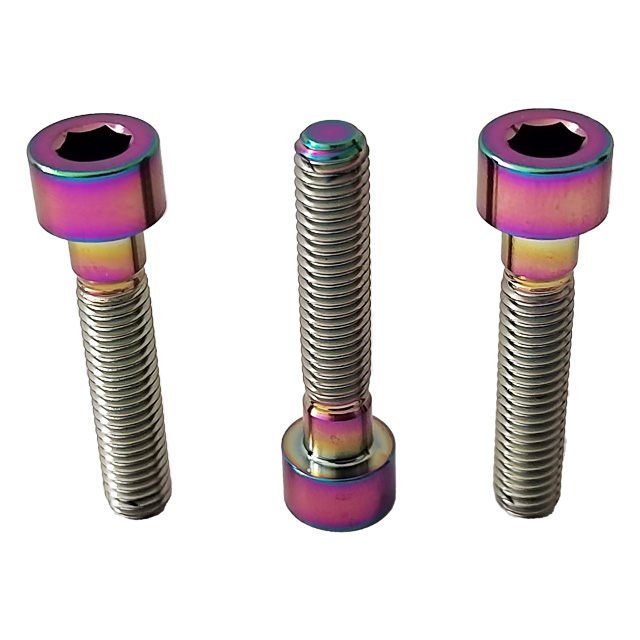
Titanium is chemically reactive under direct sliding friction without lubrication, which can cause micro-welding and thread galling. Navzo mitigates this by providing precise rolled threads rather than cut threads, and offers surface hardening options like Physical Vapor Deposition (PVD). Additionally, application of nickel-free or marine-grade molybdenum disulfide anti-seize paste is standard practice during field assembly.
Can Navzo supply custom ANSI/ASME, MSS, and DIN/EN dimensioned titanium flanges?
Yes. Beyond standard hardware and fasteners, we machine slip-on, weld-neck, blind, threaded, and reducing flanges according to ASME B16.5, ASME B16.47, or proprietary OEM subsea prints. Sizes range from NPS 1/2" up to custom large-diameter forged ring geometries.
What documentation is included for Canadian customs and technical safety compliance?
All commercial consignments destined for St. John’s include authentic Mill Test Reports (MTRs) to EN 10204 3.1 certifying chemical composition (carbon, oxygen, nitrogen, hydrogen, iron, aluminum, vanadium) and mechanical yield, tensile, and elongation metrics alongside Certificate of Conformance (CoC) documents.
What is typical lead time for standard versus bespoke CNC flange components to St. John’s?
Stock fasteners and pre-machined raw titanium blanks ship via expedited air courier (DHL/FedEx/UPS) reaching St. John’s within 5 to 8 business days. Custom-forged and specialized CNC machined flanges typically follow a 3- to 4-week production schedule subject to raw forging batch availability.
Connect with Navzo’s Titanium Engineering Team
Whether you require standard ANSI flange bolting, custom-machined subsea tiebacks, or material consultations for Atlantic offshore deployments, our Baoji engineering headquarters provides immediate assistance and rapid quotes.