Certified Titanium Industrial Products
Direct-mill supply of precision GR5 (Ti-6Al-4V) and GR2 industrial components, fasteners, and connection systems manufactured in strict conformance with ASTM, DIN, and GOST technical requirements.
Industrial Flange Sourcing & Application in Gomel
A Comprehensive Technical Whitepaper on Material Selection, Corrosion Mitigation, and Eurasian Pipeline Compliance
The Gomel Region (Homiel Voblasts) occupies an indispensable position within the industrial architecture of Belarus. Situated in the southeastern territory, Gomel serves as an operational artery for mineral fertilizer production, petrochemical distillation, heavy agricultural combine engineering, and thermal power generation. Modern industrial plants across Gomel—notably major chemical production complexes specializing in phosphoric acid, sulfuric acid, and NPK complex fertilizers, alongside petrochemical facilities situated along the Pripyat petrochemical corridor—face severe material degradation challenges. For process engineers and mechanical integrity supervisors, premature equipment failure caused by aggressive chloride pitting, wet chlorine gas attack, and hot concentrated acidic streams translates directly into catastrophic operational downtime.
Historically, regional facilities relied on austenitic stainless steels (such as AISI 316L, AISI 321, or GOST 12X18H10T) and nickel-chromium alloys for pressure vessel piping, heat exchanger bundles, and pipeline transitions. However, under high-velocity flow, elevated temperatures exceeding 80°C, and fluctuating pH regimes, standard stainless steels experience rapid stress corrosion cracking (SCC) and pinhole pitting. Sourcing Grade 2 Commercial Pure (CP) Titanium and Grade 5 Titanium (Ti-6Al-4V) Flanges has transitioned from a specialized upgrade to an indispensable standard across Gomel's chemical, agrochemical, and process engineering facilities.
Metallurgical Superiority: Passivation Mechanics in Aggressive Media
The fundamental justification for deploying titanium flanges in Gomel's industrial infrastructure lies in titanium's spontaneous affinity for oxygen. When exposed to trace moisture or oxygenated industrial fluids, titanium instantaneously forms an ultra-thin, continuous, and chemically inert titanium dioxide ($TiO_2$, rutile and anatase) passivation film. This nanometer-scale barrier exhibits exceptional stability across broad thermodynamic ranges, preventing metallic ion dissolution even when handling wet chlorine, nitric acid, chloric salts, and organophosphates.
Unlike duplex steels or high-nickel alloys, titanium is immune to intergranular corrosion in chloride-saturated process streams. In wet sulfuric acid environments encountered during fertilizer acidulation in Gomel, Grade 2 and Grade 7 (palladium-enhanced) titanium demonstrate zero measurable wall loss, rendering Grade 2 Weld Neck, Slip-On, and Blind Flanges exceptionally cost-effective on a 25-year Total Cost of Ownership (TCO) calculation.
Engineering Metallurgy & Material Performance Matrix
Quantitative analysis comparing Grade 2 and Grade 5 Titanium against standard industrial steels deployed in Gomel chemical units.
| Alloy Grade / Specification | Density (g/cm³) | Min. Tensile Strength (MPa) | Min. Yield Strength (MPa) | Chloride Stress Corrosion Resistance | Primary Industrial Application in Gomel |
|---|---|---|---|---|---|
| Titanium Grade 2 (UNS R50400 / VT1-0) | 4.51 | 345 | 275 | Immune (<250°C) | Fertilizer acidulation lines, heat exchanger shells, scrubbers |
| Titanium Grade 5 (Ti-6Al-4V / VT6) | 4.43 | 895 | 828 | Superior | High-pressure hydraulic flanges, compressor manifolds, structural bolting |
| Titanium Grade 7 (Ti-0.15Pd / VT1-00) | 4.51 | 345 | 275 | Maximum (Reducing Acids) | Dilute boiling hydrochloric & hot sulfuric acid reaction tanks |
| Stainless Steel 316L (1.4404 / 03X17H14M3) | 8.00 | 485 | 170 | Susceptible (>60°C) | Standard non-saline utilities, cooling towers, ambient water |
| High-Tensile Alloy Steel 12.9 | 7.85 | 1220 | 1100 | Extremely Poor | Heavy mechanical drives, unexposed agricultural combine framing |
Localized Application Scenarios in the Gomel Market
Where high-performance titanium flanges, flange nuts, and precision fasteners integrate into regional operational units.
Phosphate & Sulfuric Agrochemical Refining
Gomel's chemical plants are renowned for extensive mineral fertilizer production. The continuous processing of apatite concentrate with sulfuric acid generates extremely corrosive slurries laden with hydrofluoric, fluosilicic, and phosphoric acids. Navzo's Grade 2 Slip-On and Weld Neck flanges provide impervious fluid containment on reactor discharge manifolds, fluorinated exhaust scrubbing towers, and high-temperature evaporation loops where conventional chromium alloys fail within months.
Petrochemical & Hydrocarbon Separation
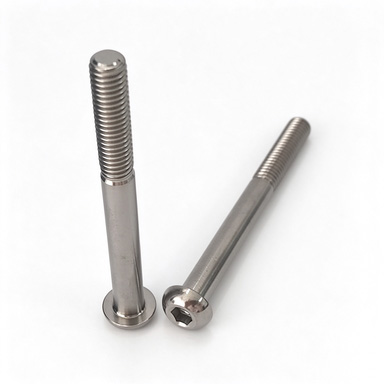
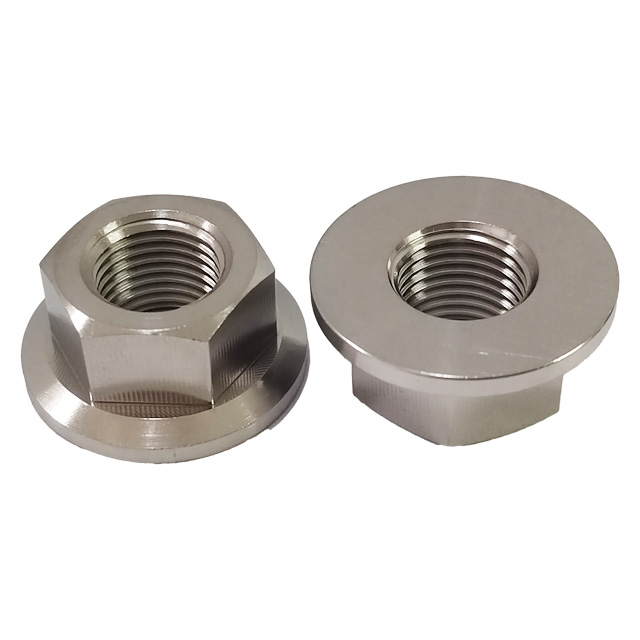
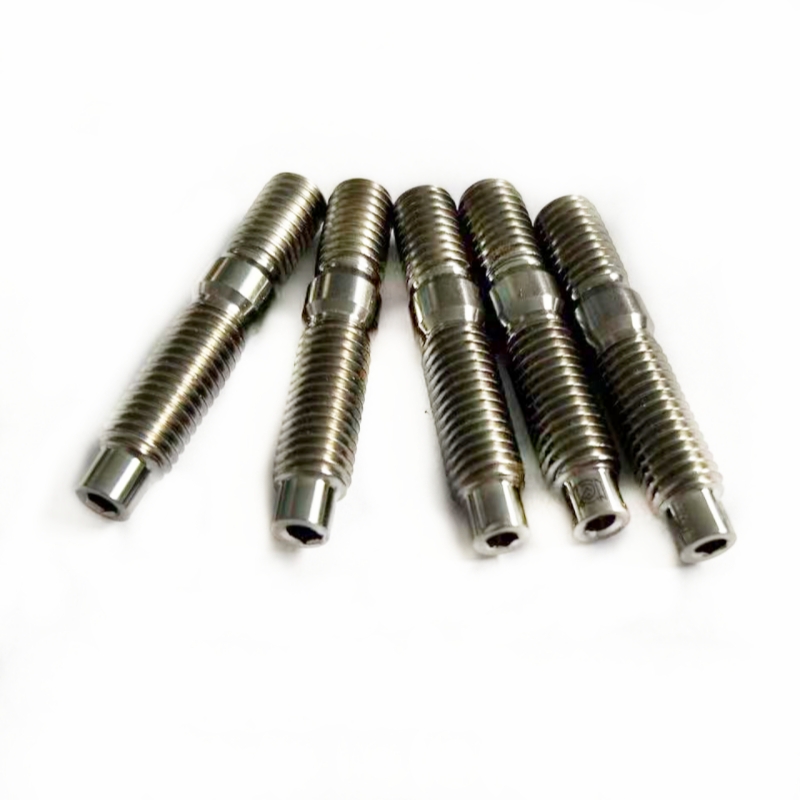
The Pripyat petrochemical basin demands zero-leakage, high-integrity piping joints for sour crude desulfurization and condensation towers. Titanium Grade 5 blind flanges and ASME B16.5 Class 300 pressure components withstand sulfide stress cracking (SSC) and high-velocity brine impingement. Paired with our GR5 Titanium Manifold Studs and Hex Flange Nuts, these connection systems guarantee seal integrity under cyclic thermal expansion.
Heavy Combine Harvesters & Mobile Hydraulics
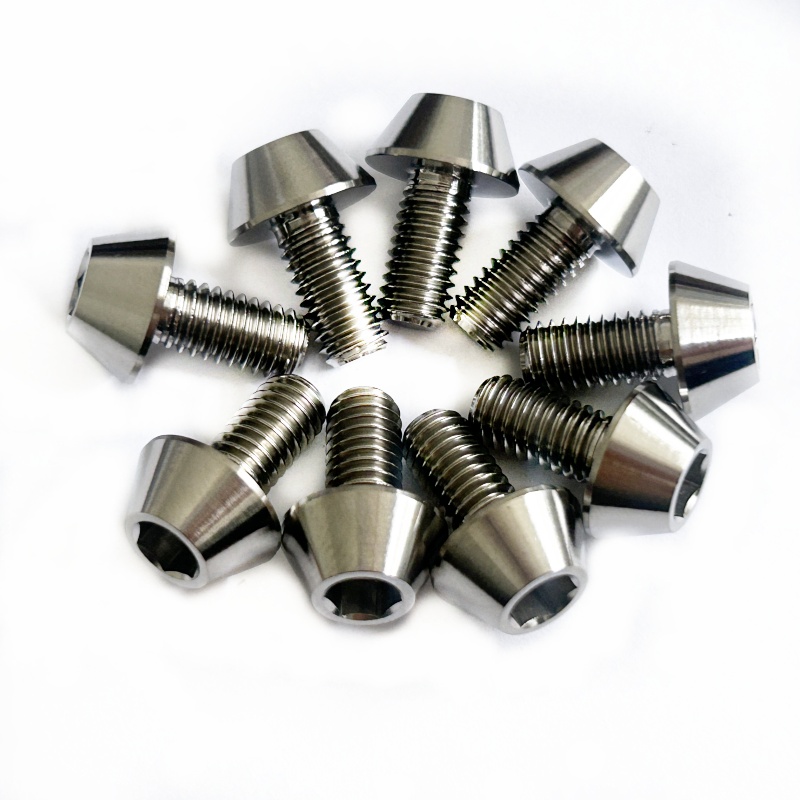
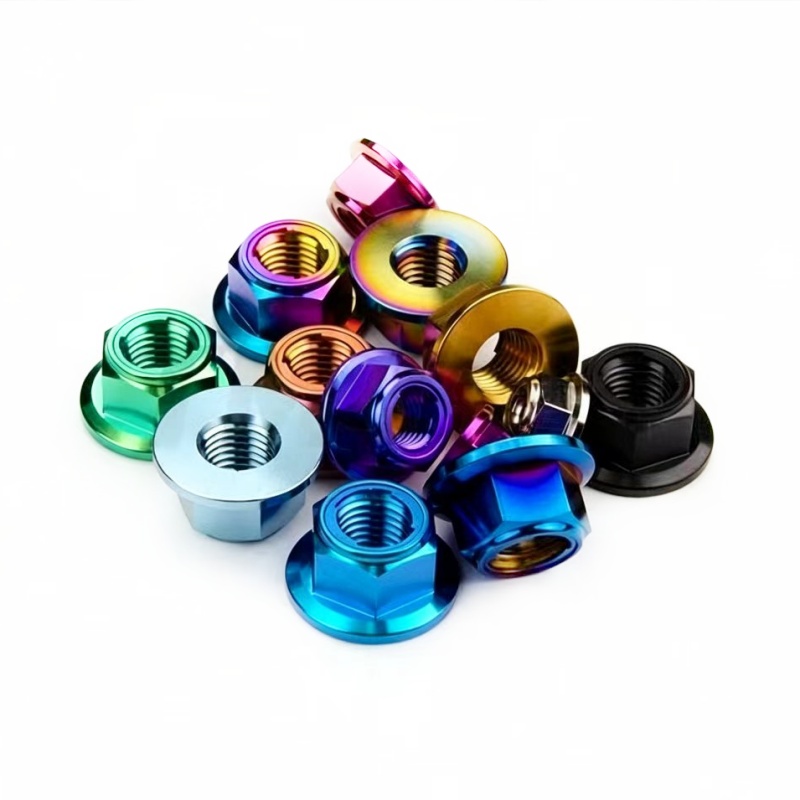
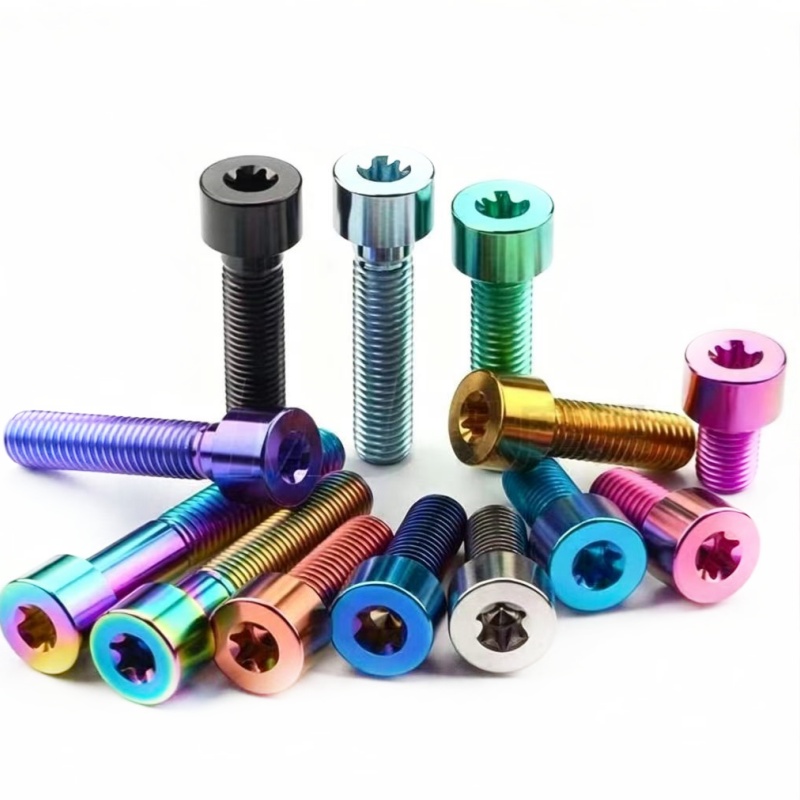
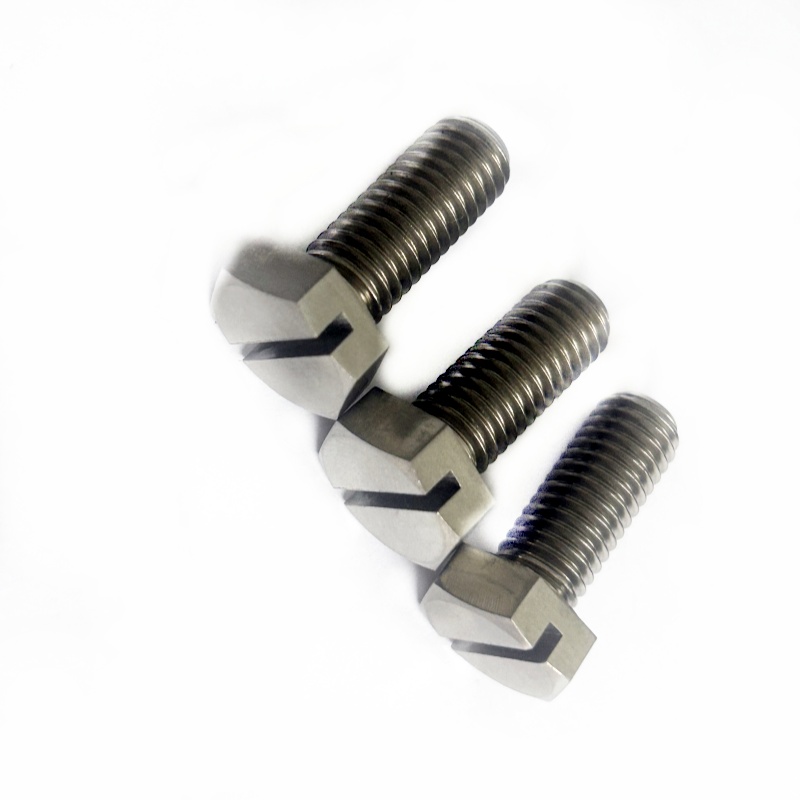
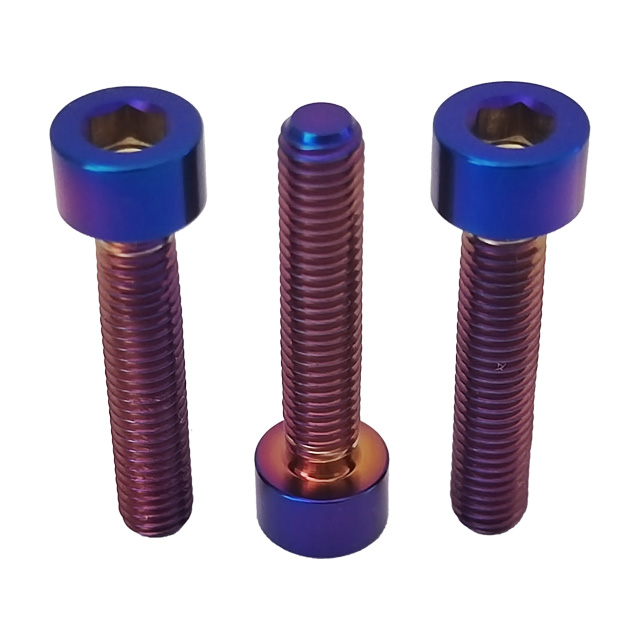
The manufacturing plants around Gomel producing self-propelled combines, forage headers, and agricultural equipment increasingly substitute heavy steel hydraulic couplings with lightweight, corrosion-proof titanium components. Applying our OEM High-Precision CNC Machined Screws and GR5 Hex Flange Nuts reduces unsprung weight, withstands corrosive liquid nitrogen fertilizer field spray, and prevents vibrational bolt back-out during intense harvest cycles.
Regional Sourcing Trends & Supply Chain Modernization
Strategic shift in the Gomel market toward traceable, direct-from-mill titanium manufacturing partners.
Across Belarus and the Eurasian Economic Union (EAEU), procurement frameworks for industrial components are undergoing structural modernization. Purchasing departments in Gomel are actively replacing outdated multi-tier intermediary distributors with direct, auditable factory partnerships that offer full technical transparency. Four dominant market drivers define modern titanium procurement in Gomel:
- Standardization Interoperability (GOST vs. ASME/EN): Plant engineers in Gomel frequently maintain complex legacy pipelines built according to GOST 12820-80 (plate flat flanges) and GOST 33259-2015, while newer modular skids imported for modernization adhere to ASME B16.5 or EN 1092-1 Type 11. Navzo bridges this operational divide by producing precision dual-certified flanges machined precisely to required bolt-circle diameters (PCD), raised face (RF) finishes, and RTJ ring-joint grooves.
- Life-Cycle Cost (LCC) Analysis vs. Capital Expenditure (CAPEX): With maintenance budgets scrutinized, industrial operators have realized that austenitic stainless steel flanges requiring replacement every 14 to 24 months incur prohibitive labor, shutdown, and safety overhead. Titanium's initial cost premium is completely amortized within the first planned maintenance turnaround, offering uninterrupted service lives spanning two decades.
- Rigorous Non-Destructive Testing (NDT) Mandates: Due to stringent pressure vessel safety regulations monitored by local technical surveillance agencies, Gomel enterprises require full radiographic, ultrasonic (UT), and dye-penetrant inspection (PT) protocols to guarantee zero internal porosities, slag inclusions, or forged microstructure defects in pressurized flange hubs.
- Fast-Track Lead Times & Strategic Raw Material Reserves: Given unpredictable global supply routes, holding direct relationships with Baoji-based factories possessing integrated sponge, melting, and forging capacity shields Gomel facilities from sudden market allocation bottlenecks.
Navzo Precision Titanium: Factory Authority & Capabilities
Direct manufacturing from the heart of China's Titanium Valley, delivering engineered excellence worldwide.
Rooted in Baoji's Titanium Epicenter
Founded on January 10, 2011, on Yucai Road in the High-tech Development Zone of Baoji, Shaanxi, Navzo sits at the center of the world's most concentrated titanium industrial cluster. This proximity shortens raw material lead times and guarantees access to superior, certified titanium sponge and forged ingots with continuous chemical homogeneity.
Comprehensive Vertical Manufacturing
From billet cutting and open-die forging to advanced multi-axis CNC turning, multi-station cold heading, thread rolling, and precision grinding, our production chain is fully unified under an ISO-regulated quality management framework. Every flange facing, bolt bore, and thread profile matches international engineering tolerances.
Absolute Material Traceability & MTRs
We supply complete EN 10204 3.1 Material Test Reports (MTR) with every single production shipment destined for Gomel. Mill certificates document precise chemical composition (hydrogen, nitrogen, oxygen, and carbon contents) alongside yield strength, elongation, tensile tests, and ultrasonic inspection verification.
Frequently Asked Questions for Gomel Procurement Managers
Critical metallurgical, logistics, and installation considerations answered by our engineering export division.
Q1: Can Navzo manufacture titanium flanges conforming to GOST 33259-2015 and GOST 12821-80?
Yes. Our engineering division routinely machines titanium flanges to Russian and Eurasian interstate standards, including GOST 12820-80, GOST 12821-80 (weld neck), and modern GOST 33259-2015 (Types 01, 02, 11) for pressures from PN 6 to PN 100. We fully align bolt circle diameters, neck heights, and gasket face configurations with domestic pipe dimensions.
Q2: How do we prevent galvanic corrosion when mating titanium flanges to existing steel piping in Gomel?
When connecting a titanium flange to an existing carbon steel or stainless pipe system, galvanic coupling can occur if conductive electrolyte is present. We recommend deploying non-conductive dielectric isolation kits consisting of reinforced PTFE or G10 epoxy resin insulating gaskets, full-length bolt sleeves, and non-metallic insulating washers to break electrical continuity.
Q3: Which grade is better for phosphate fertilizer production: Grade 2 or Grade 5?
For chemical fluid containment involving wet acids, scrubbers, and reactors, Grade 2 (Commercial Pure, UNS R50400) is the preferred standard due to its optimum ductility, ease of welding, and superior general corrosion resistance. Grade 5 (Ti-6Al-4V) is reserved for high-pressure structural manifolds, compressor heads, and mechanical bolting requiring tensile strengths over 895 MPa.
Q4: How do your engineers address thread galling on titanium bolts and flange nuts?
Titanium threads are inherently susceptible to galling under friction due to localized microwelding of the passive oxide film. Navzo solves this by applying physical vapor deposition (PVD) hard coatings, micro-arc oxidation, or recommending high-purity nickel-free or molybdenum-disulfide anti-seize paste designed specifically for titanium-to-titanium interfaces.
Q5: What are the Minimum Order Quantities (MOQs) and lead times for Gomel deliveries?
For standard catalog items, fasteners, and standard ASME/GOST flanges, our MOQs start as low as 10 to 50 pieces. Custom forged flanges or precision CNC parts machined from customer blueprints are quoted per production batch. Standard delivery times range from 15 to 30 days via direct Eurasian express rail or air cargo corridors.
Q6: Can Navzo provide OEM flange machining according to custom STEP or DWG files?
Absolutely. Our in-house technical department includes veteran CAD/CAM engineers. You can submit 2D drawings (DWG, PDF) or 3D models (STEP, IGES) specifying your dimensional tolerances, surface roughness (Ra), and material grade. We perform complete manufacturability reviews and deliver first-article inspection samples prior to mass cutting.
Connect with Our Titanium Flange Engineering Division
Whether you require replacements for a scheduled turnaround at a chemical facility, custom pressure flanges, or high-tensile fasteners for heavy equipment in Gomel, our technical specialists respond within one business hour.
Get a Quote