Technical Whitepaper: Engineering Titanium Exhaust Valves for Maritime & High-Stress Powertrains
Internal combustion propulsion within harsh marine interfaces and aggressive motorsport applications requires components capable of withstanding cyclic mechanical shock, aggressive thermal spikes, and corrosive salt-laden atmospheric exposure. In modern internal combustion engineering, the exhaust valve experiences the most hostile thermodynamic environment of any non-structural cylinder head component. Exhaust stream temperatures routinely exceed 750°C to 880°C under full-load operation, exposing the valve head to sustained oxidation, high-velocity gas erosion, micro-welding friction against valve seats, and violent reciprocating impact forces.
As a world-tier manufacturer and direct exporter serving regional marine engineering facilities, ship repair docks, and high-performance engineering workshops in Varna, Bulgaria, our production leverages certified aerospace-grade titanium raw material. By applying sophisticated metallurgical heat treatments, advanced CNC profile grinding, and Physical Vapor Deposition (PVD) surface coatings, our titanium exhaust valves eliminate the primary failure modes commonly observed in standard austenitic stainless steel and nickel-chromium alloys.
1. Metallurgical Synthesis: Titanium Grade 5 (Ti-6Al-4V) vs. Inconel and 21-4N Steels
Historically, exhaust valves have been produced using austenitic 21-4N (EV8) steel or nickel-based superalloys like Inconel 718. While superalloys offer elevated high-temperature yield points, their immense density (approx. 8.19 g/cm³) generates severe inertial forces at high reciprocating speeds. This inertial penalty limits engine RPM, increases valvetrain friction, mandates excessive valve spring seat pressures, and accelerates camshaft lobe wear.
Our Grade 5 Alpha-Beta Titanium Alloy (Ti-6Al-4V / ASTM B348 Grade 5) features an optimal nominal composition of 6% Aluminum, 4% Vanadium, balanced with pure Titanium sponge refined at our core Baoji production base. Aluminum acts as an alpha-phase stabilizer, boosting hot-hardness and oxidation boundary strength, while Vanadium stabilizes the beta phase, conferring remarkable fracture toughness and hot ductility.
| Alloy Grade | Density (g/cm³) | Tensile Strength (MPa) | Yield Strength (MPa) | Thermal Expansion (10⁻⁶/K) | Corrosion Resistance |
|---|---|---|---|---|---|
| Ti-6Al-4V (Grade 5) | 4.43 | 950 - 1050 | 880 - 920 | 8.6 | Immune in Marine / Salt Spray |
| Inconel 718 (Nickel Alloy) | 8.19 | 1240 | 1030 | 13.0 | High |
| Austenitic 21-4N (EV8) | 7.80 | 900 | 580 | 15.5 | Moderate (Pitting prone) |
| Stainless 316L Marine | 8.00 | 580 | 290 | 16.0 | Good (Low Hot-Hardness) |
By transitioning to Grade 5 titanium, powertrain engineers in Varna achieve an instantaneous 43% to 45% reduction in reciprocating valve mass. In marine auxiliary diesel units, naval fast-craft, and specialized performance engines, lighter valves mean that dynamic harmonic valve float is drastically suppressed, enabling precise valve timing profiles, lower spring fatigue, and a substantial reduction in parasitic frictional horsepower loss across thousands of continuous running hours.
2. Precision CNC Manufacturing & Surface Engineering Architecture
Titanium exhibits low thermal conductivity (approx. 6.7 W/m·K) and an inherent chemical affinity for cutting tool carbides during processing, rendering it notoriously difficult to machine within sub-micron tolerances. Our factory deploys multi-axis Swiss-type precision CNC lathes, hydrostatic cylindrical grinders, and cold thread-rolling centers specifically parameterized for titanium alloy metallurgy:
• One-Piece Forged Head Construction: Our exhaust valve blanks are hot-isostatically formed or precision friction-welded to avoid molecular discontinuity. The continuous metal grain flow runs smoothly from the stem through the transition fillet into the valve head face, maximizing dynamic bending fatigue life under cylinder peak firing pressures (Pmax) exceeding 180 bar.
• Multi-Layer CrN / TiN PVD Hard Coatings: Bare titanium is vulnerable to micro-adhesive wear (galling) against sintered steel or bronze valve guides. To counter stem galling, we apply a vacuum Physical Vapor Deposition (PVD) Chromium Nitride (CrN) or Titanium Nitride (TiN) barrier measuring 2.5 to 4.0 µm with an ultra-high surface hardness of 2400 to 2800 HV. This ceramic-metallic casing delivers a friction coefficient below 0.25 under boundary boundary lubrication.
• Stellite Hard-Faced Seat Welding: For ultra-duty exhaust applications, valve seat faces are laser-clad with Stellite cobalt-base alloys, ensuring valve-to-seat sealing surfaces remain immune to micro-chipping, guttering, and flame washing when burning heavy fuel or oxygenated racing compounds.
3. Strategic Localization: Application Vectors in Varna, Bulgaria
Positioned on the western coast of the Black Sea, Varna stands as Bulgaria's maritime capital, a premier deep-water shipping hub, and an active epicenter for naval maintenance, luxury yacht retrofitting, and advanced technical manufacturing. The operational profile of engines in the Varna Gulf and adjacent internal waterways imposes unique stresses:
Black Sea Maritime & Commercial Fleet Maintenance: Marine diesel generator sets, turbocharger wastegate bypass valves, and high-speed patrol vessels operating out of the Port of Varna face aggressive brackish water environments. Moisture entrained in intake and exhaust manifolds causes catastrophic chloride pitting and galvanic corrosion in conventional alloy steels. Grade 5 titanium instantly forms a passive, self-healing Titanium Dioxide (TiO₂) ceramic film upon air or water contact, conferring virtual immunity to marine salt spray, sulfur dioxide emissions, and exhaust condensation acids.
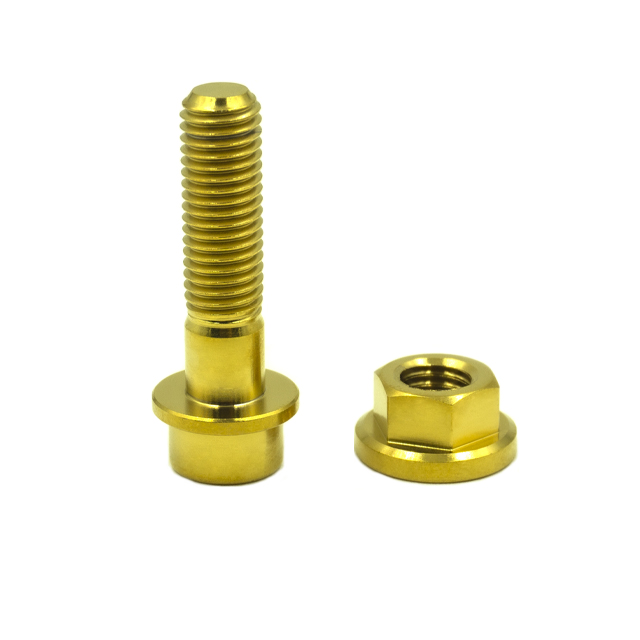
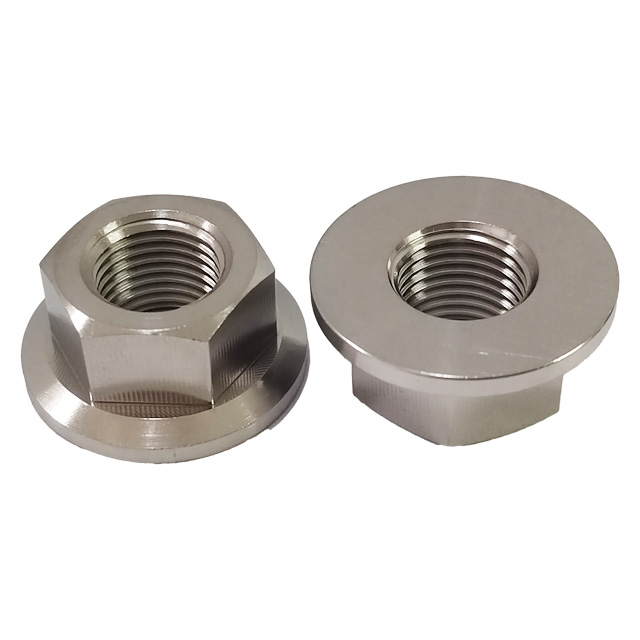
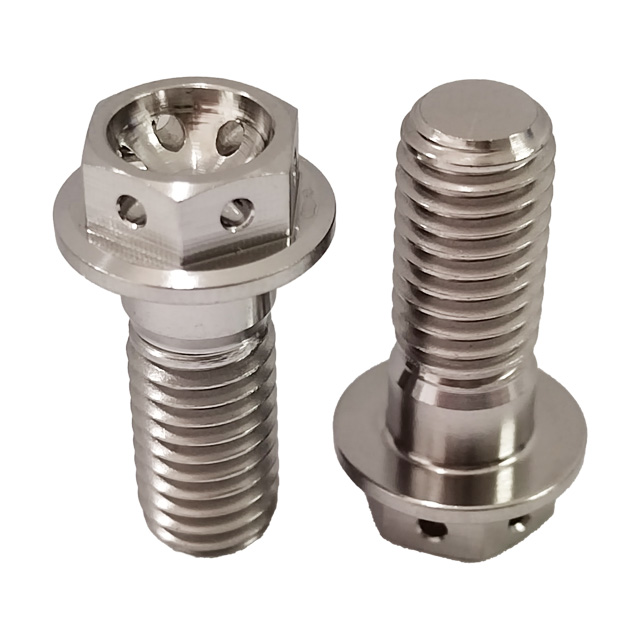
Performance Motorsport & Off-Shore Powerboating: Bulgaria's expanding motorsport engineering community relies heavily on high-revving naturally aspirated and turbocharged forced-induction platforms. Tuning facilities in the Varna region upgrade to our titanium exhaust valves and companion GR5 fasteners (flanged studs, safety-wired bolts, and 12-point locking nuts) to sustain sustained thermal cycling across winding Balkan track runs and coastal sprint stages.
Industrial Cogeneration & Auxiliary Marine Turbines: Municipal and coastal industrial power facilities around Lake Varna utilize localized gas generators and exhaust heat recovery systems where valve seat leakage results in substantial environmental fines and thermal efficiency degradation. Our dimensionally stable titanium components guarantee sustained sealing integrity even during extreme cyclic start-stop regimes.
4. Emerging Market Trends & Decarbonization in the Balkan Marine Corridor
The shipping and industrial landscape across the Black Sea basin is undergoing profound regulatory shifts aligned with European Green Deal maritime emission benchmarks and IMO (International Maritime Organization) Tier III NOₓ standards. These developments directly influence valve manufacturing dynamics:
1. Dual-Fuel & Alternative Combustion Pressures: Modern marine vessels docking at Varna are steadily converting to LNG (Liquefied Natural Gas), bio-methanol, and hydrogen-enriched diesel mixtures. These combustion regimes burn with significantly drier gas mixtures, lacking the lubricity of traditional heavy fuel oils. Consequently, conventional exhaust valves suffer from rapid dry-seat recession. Our specialized PVD-treated titanium valves provide the required self-lubricating surface properties and oxidation resilience necessary to survive dry alternative combustion cycles.
2. Valvetrain Mass Reduction for Fuel Economy: Naval architects in the Black Sea region are systematically stripping excess top-end mass to improve craft trim and optimize dynamic displacement. Shaving 40% of valve mass translates directly into lighter cylinder head architecture, lighter springs, and smaller actuation components, generating a cumulative fuel consumption reduction of 1.2% to 2.8% on auxiliary marine generators.
3. Regionalized Supply Chain Resilience: European tier-1 engine rebuilders and industrial dockyards are aggressively diversifying procurement away from multi-tiered trading intermediaries. By establishing direct technical export channels from our Baoji manufacturing complex to Varna, we deliver certified factory-direct Grade 5 components with transparent Mill Test Reports (EN 10204 3.1 certification) within reduced freight lead times.