Optimizing Structural Integrity in Cobbled Terrain: Titanium Fastening Engineering for Lille
The cycling geography of the Lille Metropole (MEL) and the wider Hauts-de-France region represents the world’s most exacting proving ground for bicycle mechanical hardware. Bordering the legendary cobblestone sectors of Roubaix, Cysoing, and Camphin-en-Pévèle, high-end bicycles operating in this industrial zone encounter extreme harmonic micro-vibrations, cyclic loading, and unrelenting dynamic strain. While traditional fastener engineering relies on cold-forged 304 or 316 stainless steel and Grade 10.9 zinc-plated carbon steel, these materials present critical structural compromises. Stainless steel provides adequate atmospheric corrosion protection but suffers from poor yield strength (approx. 450 MPa) and elevated rotational mass. Conversely, high-tensile carbon steel delivers sufficient yield capacity but rapidly succumbs to galvanic blistering and pitting corrosion triggered by road de-icing salts used on Northern French roads, industrial moisture, and persistent Flanders dampness.
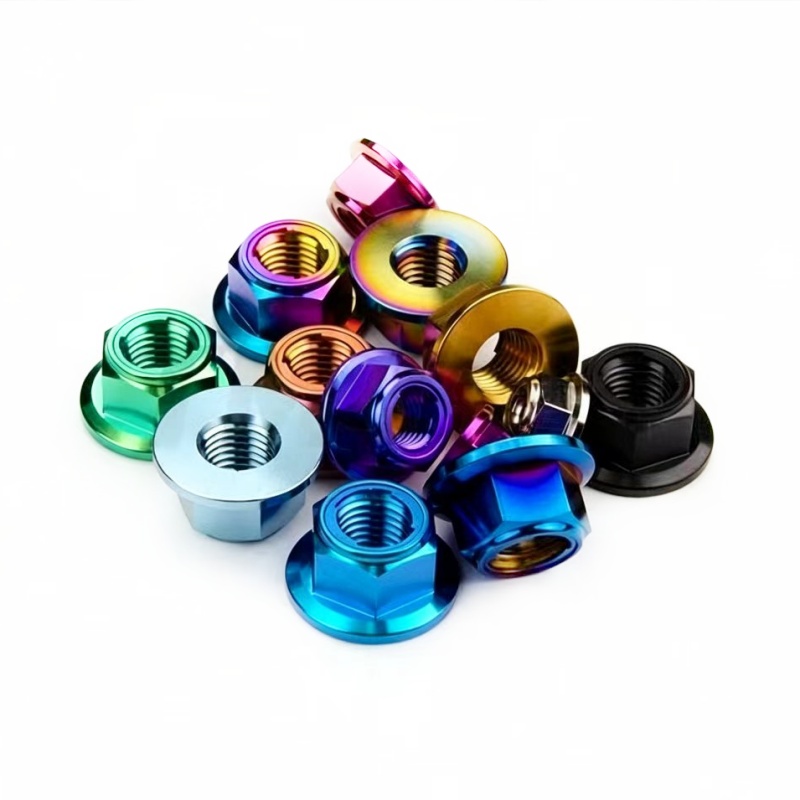
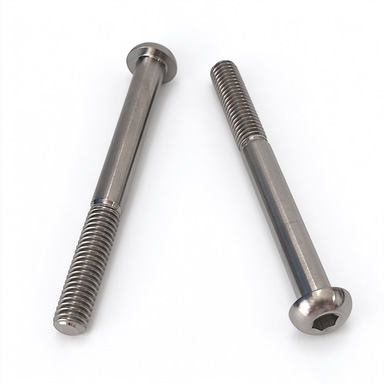
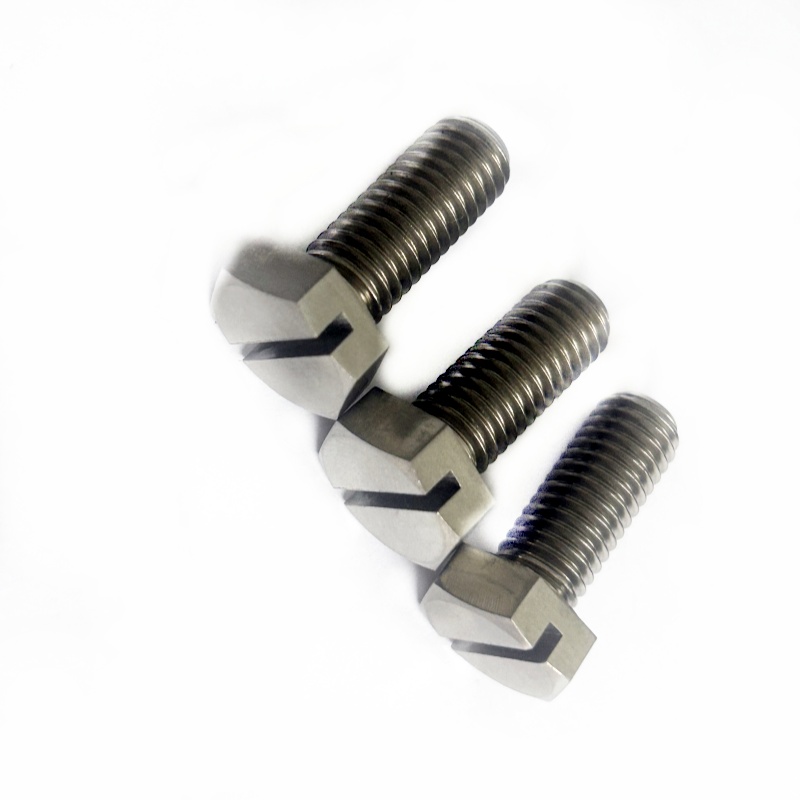
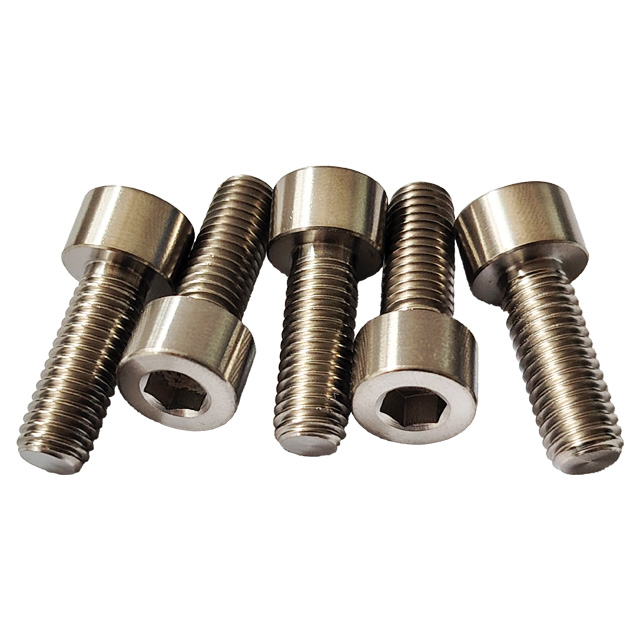
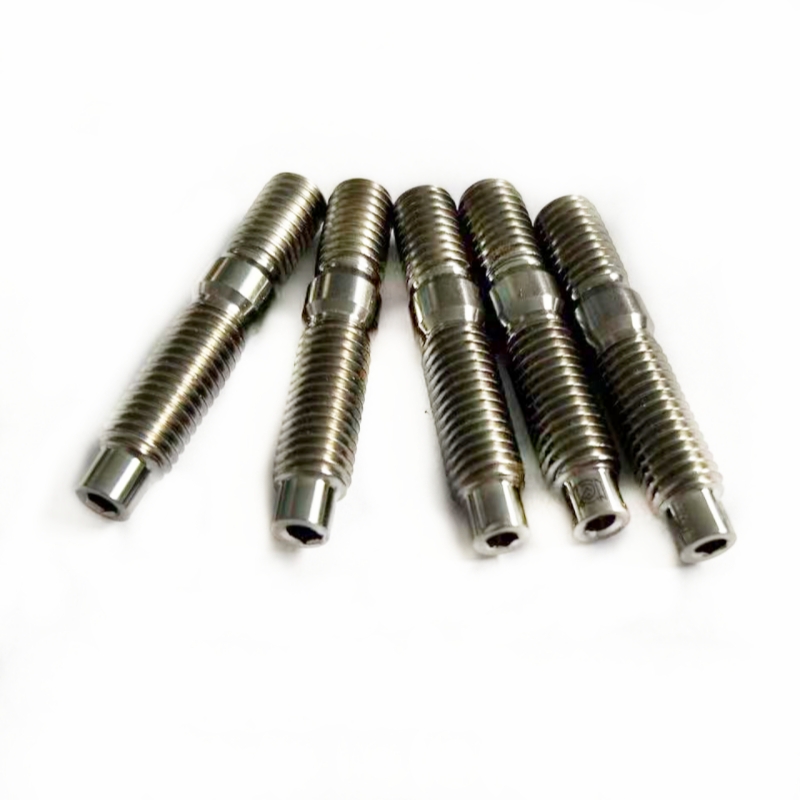
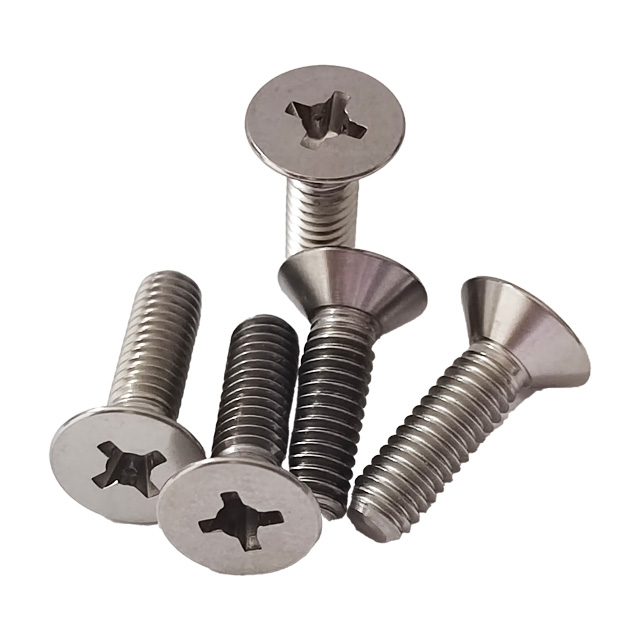
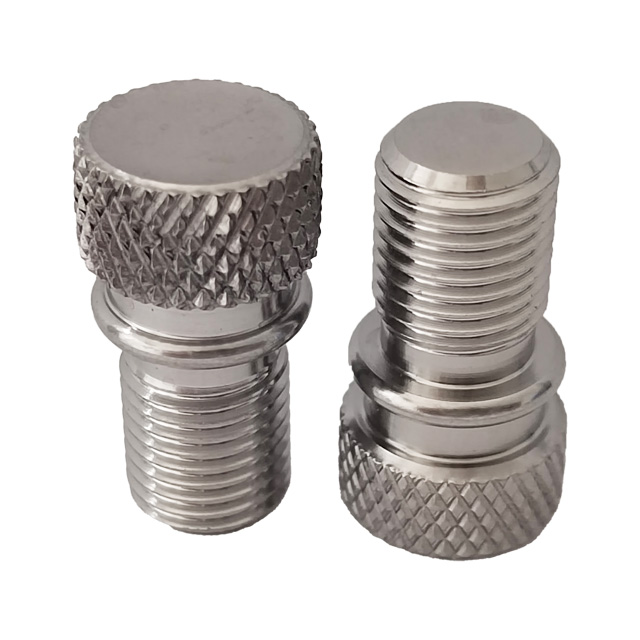
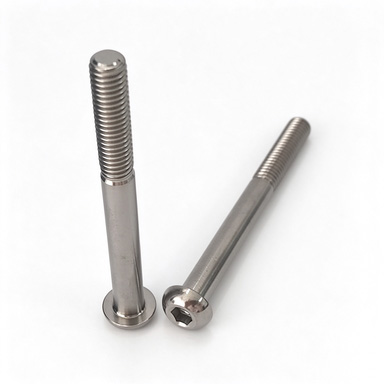
Navzo Precision Titanium Co., Ltd. supplies Grade 5 Ti-6Al-4V (UNS R56400) fastening systems engineered specifically to solve the structural fatigue profile encountered across Northern France. Utilizing raw titanium ingots sourced directly within China’s premier Titanium Valley in Baoji, Shaanxi, our fasteners combine a yield strength exceeding 828 MPa with a physical density of only 4.43 g/cm³. In bicycle disc rotor assemblies, fork dropouts, integrated aerodynamic stems, and seatpost clamps, titanium fasteners achieve an extraordinary strength-to-weight ratio that dampens high-frequency cobblestone chattering while eliminating the peril of catastrophic shear failure.
A crucial factor in Northern European engineering compliance is the precise mitigation of galvanic coupling. When stainless steel bolts interface with carbon-fiber matrix components or high-grade 7075-T6 aluminum hubs, microscopic water intrusion containing chloride ions catalyzes electrolytic battery reactions, resulting in aluminum galvanic corrosion and thread seizure. Grade 5 titanium maintains a remarkably narrow electrochemical potential differential relative to graphite/epoxy matrices, functioning as a semi-inert noble interface. When installed with Navzo’s proprietary copper-aluminum based anti-seize lubrication or treated with hard PVD vacuum vapor coatings, Navzo Grade 5 hardware achieves lifelong integrity without cold welding, thread fretting, or interfacial oxidation.
| Material Classification | Density (g/cm³) | Tensile Strength (MPa) | Yield Strength (MPa) | Modulus of Elasticity (GPa) | Galvanic Compatibility (with Carbon) |
|---|---|---|---|---|---|
| Navzo Ti-6Al-4V (Grade 5 Titanium) | 4.43 | ≥ 895 - 1000 | ≥ 828 | 114 (Superior Vibration Damping) | Superior (Noble / Passive Film) |
| Austenitic Stainless Steel (A2-70 / 304) | 7.90 | 700 | 450 | 193 (Rigid, Prone to Chattering) | Moderate (Prone to Crevice Corrosion) |
| High-Tensile Steel (Class 10.9) | 7.85 | 1040 | 940 | 205 (Zero Compliance) | Poor (Aggressive Galvanic Degradation) |
| Commercially Pure Ti (Grade 2) | 4.51 | 345 | 275 | 103 | Superior |