Factory-Direct Titanium Bicycle Fastener Showcase
Explore standard metric cold-forged and precision CNC-machined titanium hardware designed for professional bicycle assembly, premium retail custom builds, and severe coastal weather durability.
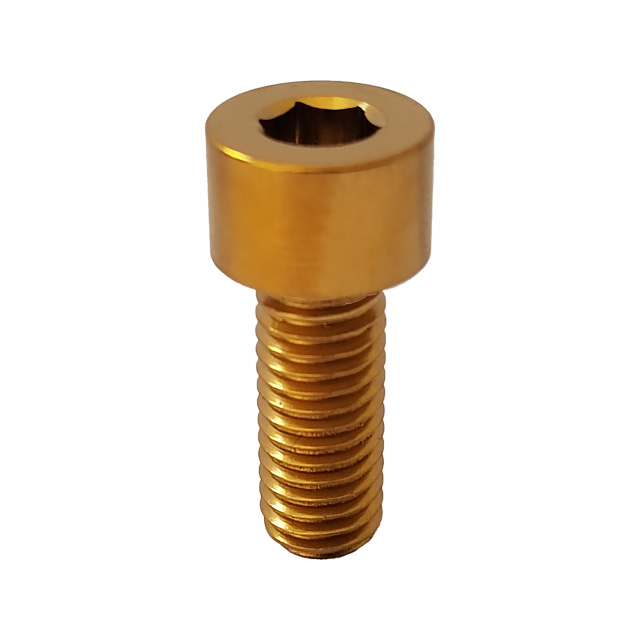
GR5 Titanium Bolts M10*30mm Golden Cylinder Head Hex Socket Bolts
- Material: GR5 Ti-6Al-4V
- Thread: Rolled M10 x 1.25 / 1.5
- Surface: PVD Vacuum Gold
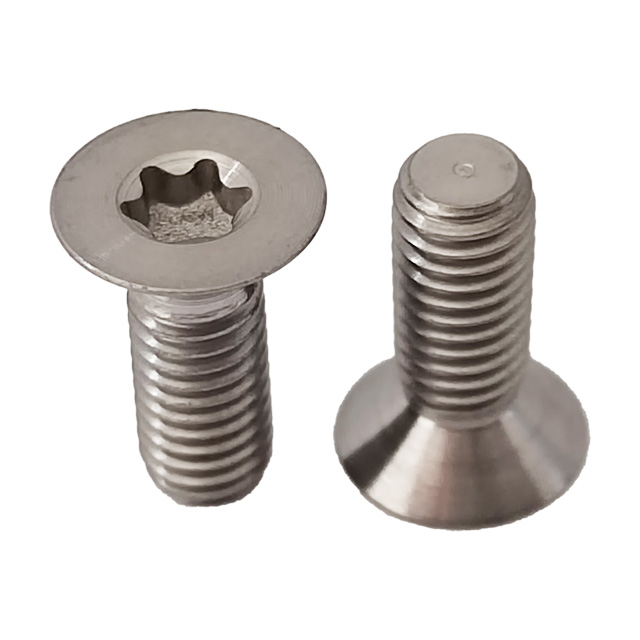
GR5 Titanium Bolts M5*13mm Lightweight Countersunk Head Torx Bolts
- Material: GR5 Ti-6Al-4V
- Thread: Precision Metric M5
- Application: Aero Cockpits / Rotors
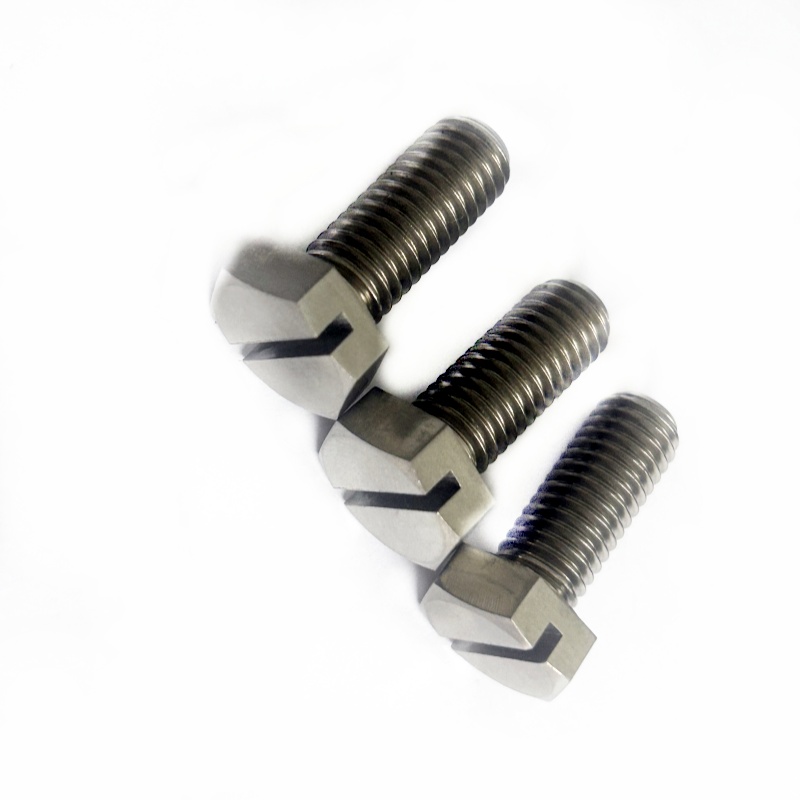
OEM Precision CNC Machined Titanium Slotted Hex Head Screw
- Machining: Multi-Axis Lathe Turn
- Tolerance: ±0.01 mm Standard
- Spec: Per Engineering Drawing
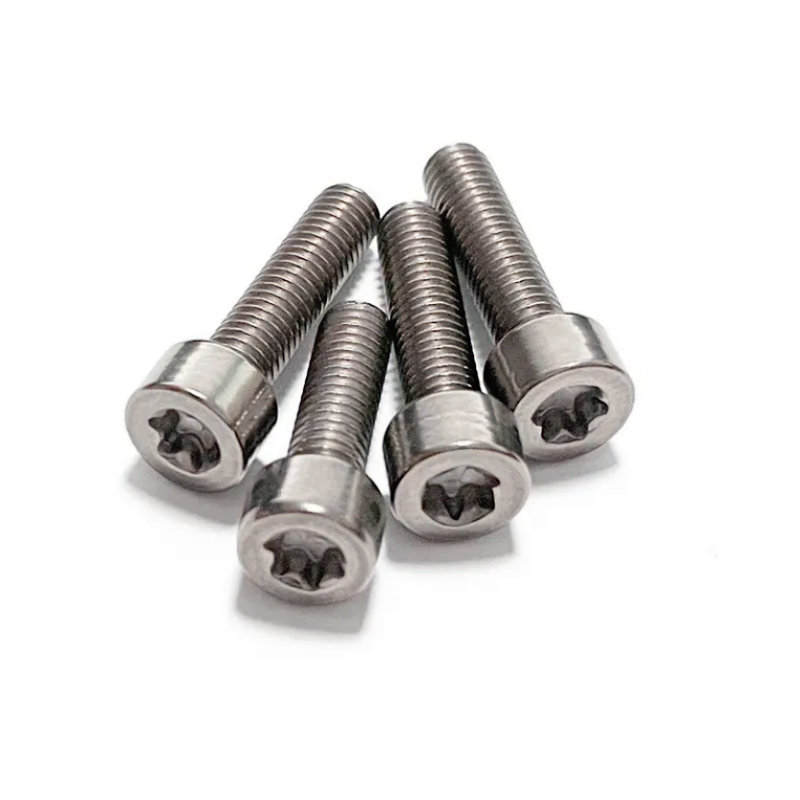
Gr5 Titanium Screws T30 High-Torque Torx Fastener Hardware
- Drive: Internal Torx T30
- Shear Rate: Anti-Stripping Flange
- Finish: Heat Tinted / Polished
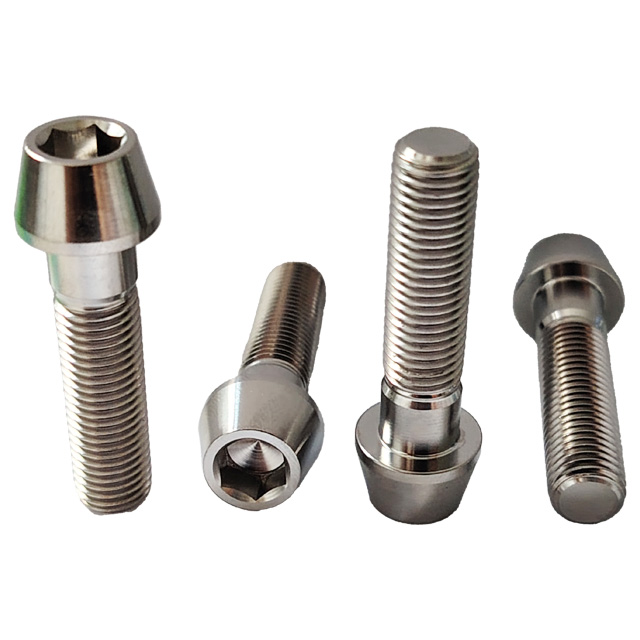
GR5 Titanium Bolts M8 M10 M12 CNC Machined Tapered Hex Bolts
- Sizes: M8, M10, M12 Available
- Profile: Weight-Reduced Conical
- Drive: Internal Hex Socket
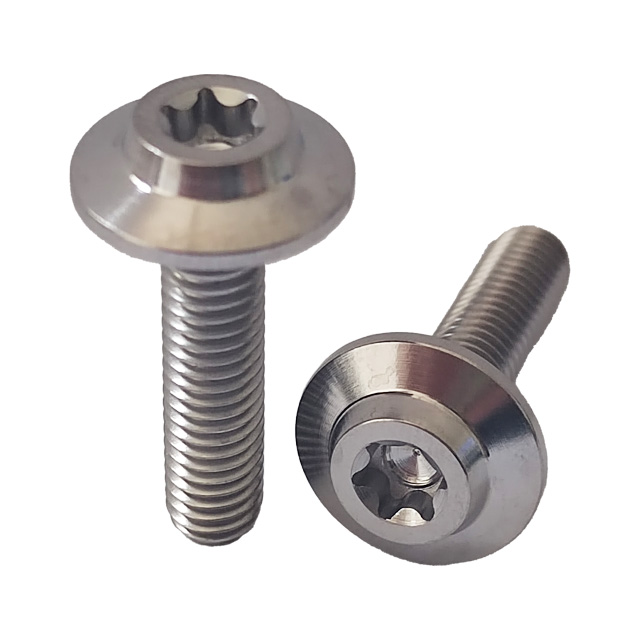
GR5 Titanium Bolts M6*25mm Umbrella Flange Head Torx Bolts
- Design: Load-Distributing Flange
- Size: M6 × 25mm Pitch 1.0
- Feature: Washers Eliminated
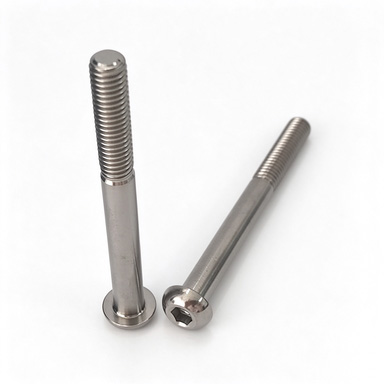
GR5 Titanium Bolts M6*70mm Button Head Lightweight Hex Bolts
- Length: 70mm Long Reach Shank
- Head: Dome / Low-Drag Dome
- Application: Thru-Axles / Long Stems
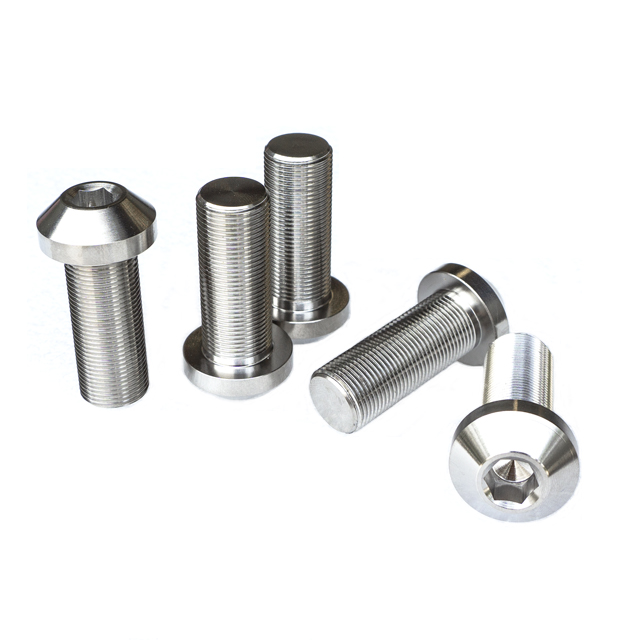
GR5 Titanium Bolts M14*1.0*35mm High-Stress Umbrella Head Bolts
- Thread: Fine Pitch M14 × 1.0
- Tensile: ≥ 950 MPa Tested
- Use: Bottom Brackets / Pivots
Technical Whitepaper: Metallurgy, Fatigue Limits, and Mechanical Integrity in Cycling Fasteners
In high-performance bicycle manufacturing and aftermarket assembly, fasteners represent small fractions of total mass but are responsible for the critical static and dynamic load paths of the entire structure. From holding handlebars under aggressive sprint torques to anchoring disc brake rotors absorbing intense thermodynamic dissipation, mechanical failures at fastener interfaces often lead to catastrophic mechanical loss. For professional distributors, premium boutique builders, and component assemblers catering to the Singapore City market, selecting between structural metals is fundamentally an exercise in metallurgy, fracture mechanics, and electrochemical dynamics.
Standard bicycle manufacturing traditionally relies on either grade 8.8 / 10.9 zinc-plated alloy steels or austenitic stainless steels (such as A2-70 or A4-80). While alloy steel delivers adequate tensile yield strength, its vulnerability to atmospheric humidity and galvanic initiation requires aggressive zinc plating or phosphate coatings that inevitably break down when exposed to tropical maritime air. Conversely, commercial stainless steels resist surface rusting through a passive chromium oxide layer, but they suffer from high mass density (approx. 7.93 g/cm³) and notoriously low fatigue endurance under cyclic harmonic stresses, leading to unexpected work-hardening shear failure.
Grade 5 Titanium (Ti-6Al-4V, Werkstoff 3.7165) provides the definitive engineering equilibrium. Containing 6% aluminum to stabilize the alpha phase and 4% vanadium to stabilize the beta phase, this dual-phase micro-alloy exhibits an exceptional strength-to-weight ratio. At a density of 4.43 g/cm³, Ti-6Al-4V is roughly 44% lighter than alloy steel while matching the ultimate tensile thresholds of class 10.9 fasteners (≥895–950 MPa). More crucially for bicycles subjected to constant road vibration, titanium exhibits an infinite fatigue limit below its cyclic strain boundary, dampening road high-frequency vibration without micro-crack propagation.
| Alloy Specification | Density (g/cm³) | Yield Strength (MPa) | Tensile Strength (MPa) | Modulus of Elasticity (GPa) | Marine Salt Atmospheric Resistance |
|---|---|---|---|---|---|
| Navzo GR5 (Ti-6Al-4V Alpha-Beta) | 4.43 | 828 | 895 - 1000 | 114 | Immune (TiO2 Self-Passivating Oxide) |
| Austenitic Stainless (A2-70 / 304) | 7.90 | 450 | 700 | 193 | Susceptible to Crevice & Pitting |
| Marine Stainless (A4-80 / 316) | 8.00 | 600 | 800 | 193 | Moderate (Pitting under salt build-up) |
| Alloy Steel Grade 10.9 (Quenched) | 7.85 | 900 | 1040 | 210 | Severe Galvanic & Atmospheric Oxidation |
| 7075-T6 Aerospace Aluminum | 2.81 | 503 | 572 | 71.7 | Pitting & Stress Corrosion Cracking (SCC) |
Rolled Threads vs. Cut Threads: The Fatigue Life Imperative
At our Baoji manufacturing plant, every Navzo titanium bolt is manufactured with continuous thread-rolling dies rather than subtractive lathe cutting. When threads are machined away using single-point CNC cutting, the grain structure of the forged titanium bar stock is severed across every crest and root, establishing acute micro-notches that act as local stress concentration points. Under the sustained cyclic tension of bicycle disc calipers or stem clamps, cut threads frequently experience early fatigue failure.
Through severe cold deformation in our multi-stage hydraulic thread rolling equipment, the titanium grain flow lines are compressed continuously along the flank profile, work-hardening the root radius. This cold-working process achieves burnished root geometries that increase fatigue endurance life by up to 300% compared to cut threads, delivering an unyielding safety envelope under high-torque road and gravel conditions.
Localized Engineering Scenarios: Singapore City Microclimates
Singapore’s geographical and infrastructural conditions create a demanding operating environment for bicycle hardware. Discover how our titanium fasteners directly solve equatorial environmental issues.
East Coast Park & Coastal Marine Corrosiveness
Singapore’s coastal stretches—such as East Coast Park (ECP), Changi Coastal, and Marina Bay—subject bicycles to airborne sodium chloride mist combined with daily relative humidity exceeding 85%. Standard steel hardware rusts within weeks, seizing stem and bottle cage mounts. Navzo GR5 titanium generates an instantaneous, self-healing stoichiometric Titanium Dioxide (TiO₂) passive barrier that prevents pitting and galvanic oxidation entirely.
High-Torque Performance: Lim Chu Kang & Mandai
For elite pelotons tackling high-velocity training along the Neo Tiew, Lim Chu Kang, and Mandai rolling loops, sprinting out of the saddle creates high lateral torque loads across handlebars, stems, and bottom brackets. Our rolled-thread GR5 conical and umbrella flange bolts maintain constant pre-load torque without yielding, preventing catastrophic cockpit slippage under maximum rider wattage.
Round-Island Route (RIR) & Gravel Enduro
The expansion of the 150 km Round Island Route (RIR) and park connector networks (PCN) has accelerated multi-day endurance and adventure gravel cycling. Heavy sweat drips combined with tropical downpours collect in recessed bolt sockets. Unlike aluminum hardware which shears under dynamic load or steel which seizes, titanium handles continuous wet shock cycling with total structural reliability.
Singapore Market Trends: The Rise of Custom Folding Bikes, Carbon Electrification & Ultra-Boutique Tuning
The cycling infrastructure in the Republic of Singapore has undergone a generational shift, backed by the Land Transport Authority’s (LTA) visionary Active Mobility Plan aimed at expanding the island-wide cycling path network to over 1,300 kilometers by 2030. This infrastructural expansion, intersecting with Singapore's status as a high-density international wealth hub, has generated unique micro-trends within bicycle component procurement:
The Premium Folding Bike Tuning Boom
Due to high urban apartment density and seamless MRT commuting, custom performance folding bicycles (Brompton, Birdy, Moulton, and Dahon) enjoy immense popularity. Discerning owners in Tiong Bahru, Tanjong Pagar, and River Valley actively strip out stock steel fasteners, seeking lightweight, colorful aftermarket titanium kits to drop hinge and triangle weights while achieving distinctive aesthetics.
Weight Weenie Road Culture & Crit Racing
Local racing teams competing in the Singapore National Cycling Championships and international criteriums prioritize rotational and static gram savings. Swapping 30-40 bolt positions across the cockpit, derailleur cage, seatpost clamp, and brake assemblies yields over 120-180 grams of weight reduction, giving competitive athletes a measurable advantage on climbs and accelerations.
PVD Vacuum Surface Wear Demands
Singaporean cycling enthusiasts demand visual panache matched with enduring quality. Conventional chemical anodizing often fades under the equatorial Sun's UV index (frequently reaching extreme levels 11+). As a result, commercial demand has pivoted heavily toward Physical Vapor Deposition (PVD) titanium coatings—yielding hard diamond-like colors like burnt blue, deep black, and rainbow oil-slick that resist scratching and UV degradation.
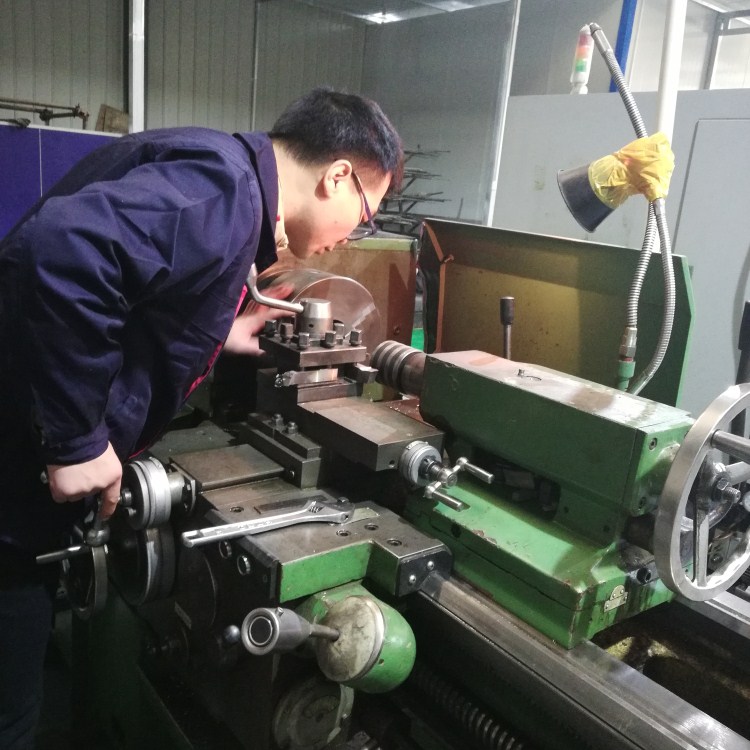
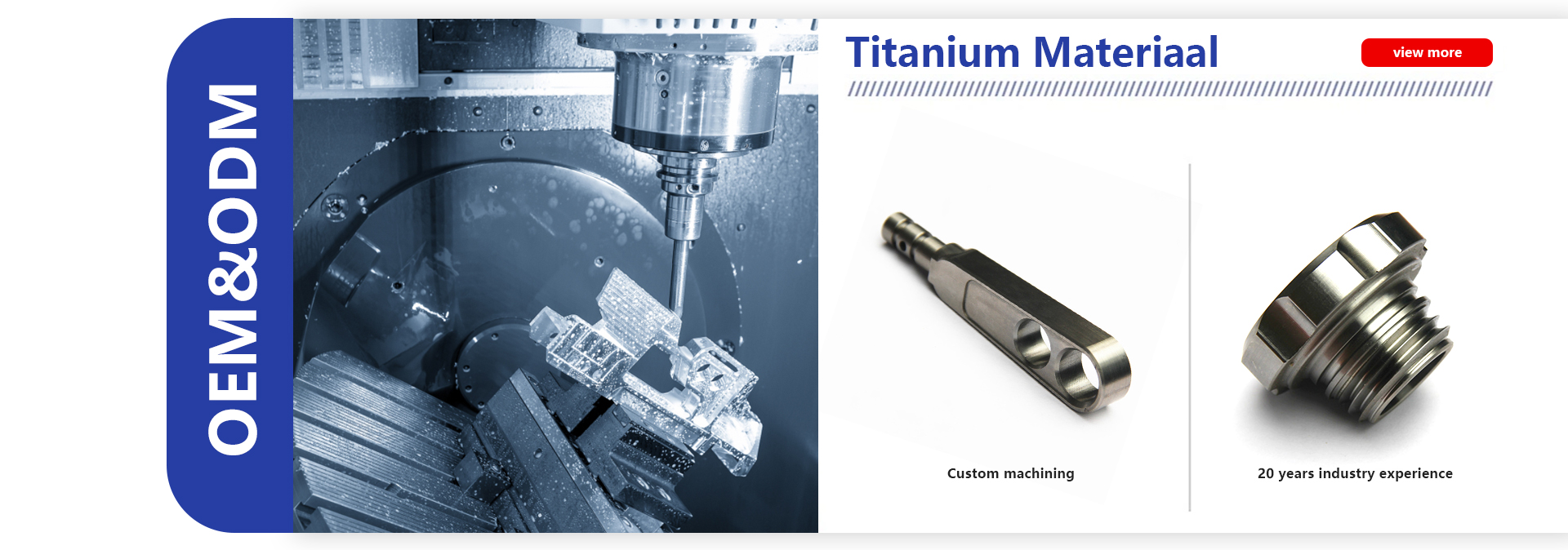
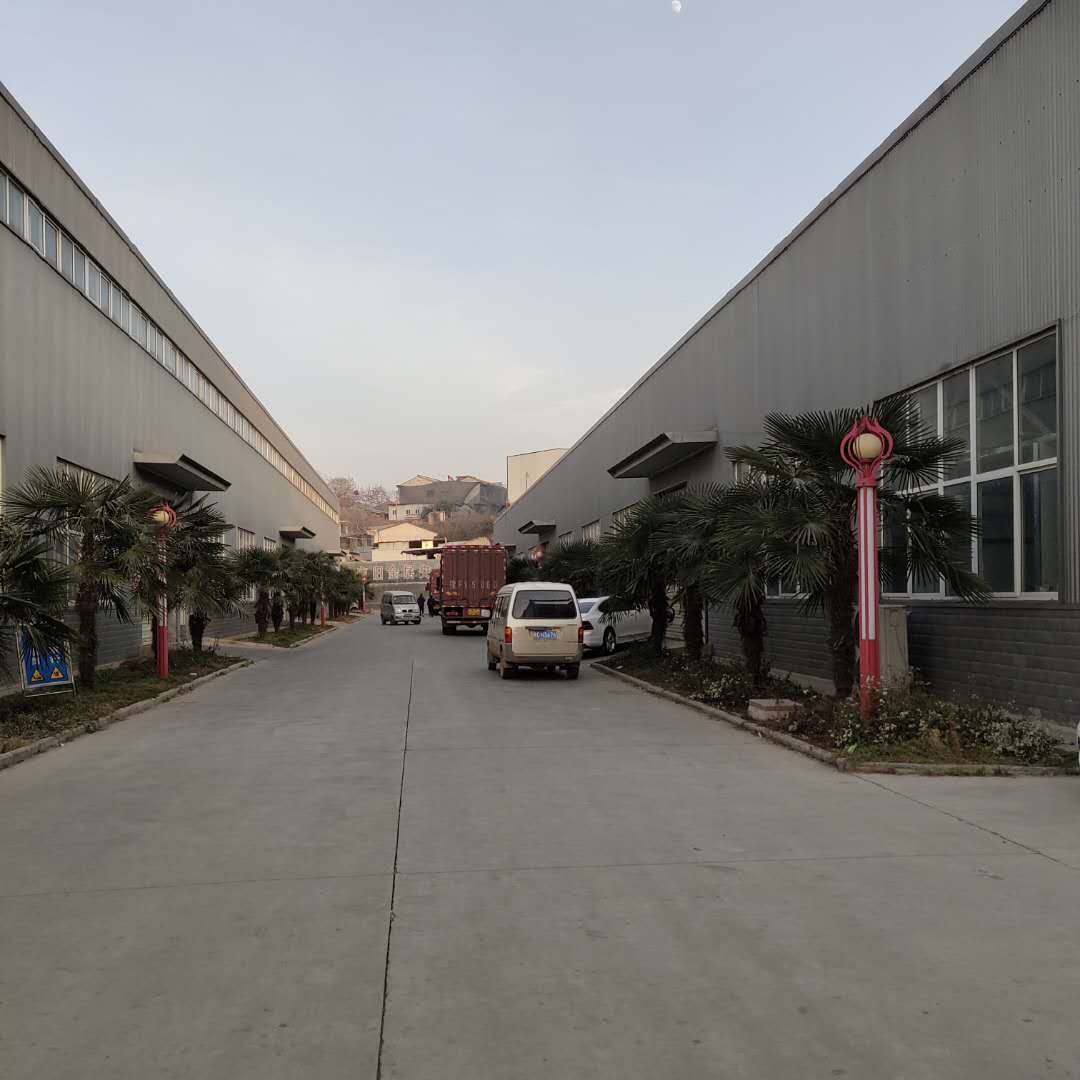
Navzo Precision Titanium Co., Ltd.
Founded on January 10, 2011, in the High-tech Development Zone of Baoji, Shaanxi—China’s Titanium Valley—Navzo controls the complete value chain from raw titanium sponge ingot selection to CNC finished hardware. We supply bicycle brands, race workshops, and commercial distributors with traceable, certified Grade 5 fasteners.
- Certified Ti-6Al-4V Mill Test Bar
- In-House Cold Heading & CNC Multi-Axis
- 100% Go/No-Go Gauge Inspection
- Fast Air Freight direct to Singapore Changi
Frequently Asked Questions: Sourcing & Engineering
Clear, uncompromised answers compiled from our technical department for procurement managers, frame builders, and local workshop mechanics across Singapore.
How do we prevent thread galling between titanium bolts and aluminum bike frames?
What are the exact torque limits when installing titanium stem and disc rotor bolts?
What shipping times and customs procedures apply to commercial orders delivered to Singapore?
Can we request custom bolt lengths, specialized head geometries, or proprietary laser logos?
How does PVD coloring compare with standard electrochemical anodizing in tropical weather?
What is the Minimum Order Quantity (MOQ) for bike shops and component distributors?
Upgrade Your Fastener Line to Aerospace-Grade Titanium
Partner directly with a proven Baoji titanium manufacturer. Reduce component weight, eliminate tropical maritime salt corrosion, and supply Singapore’s discerning cyclists with certified, precision-engineered GR5 fasteners.