Aero / Interior
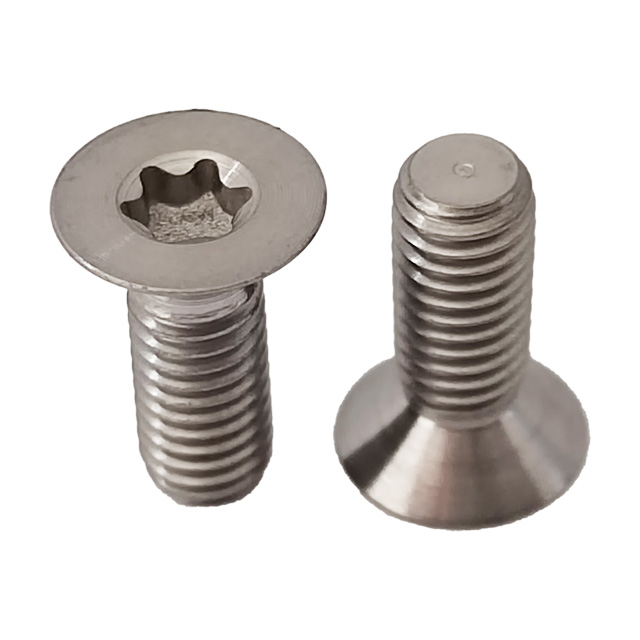
Engineered for high-stress powertrain, unsprung chassis dynamics, and extreme thermal conditions across the Rhine Valley and Alpine motorsport corridors.
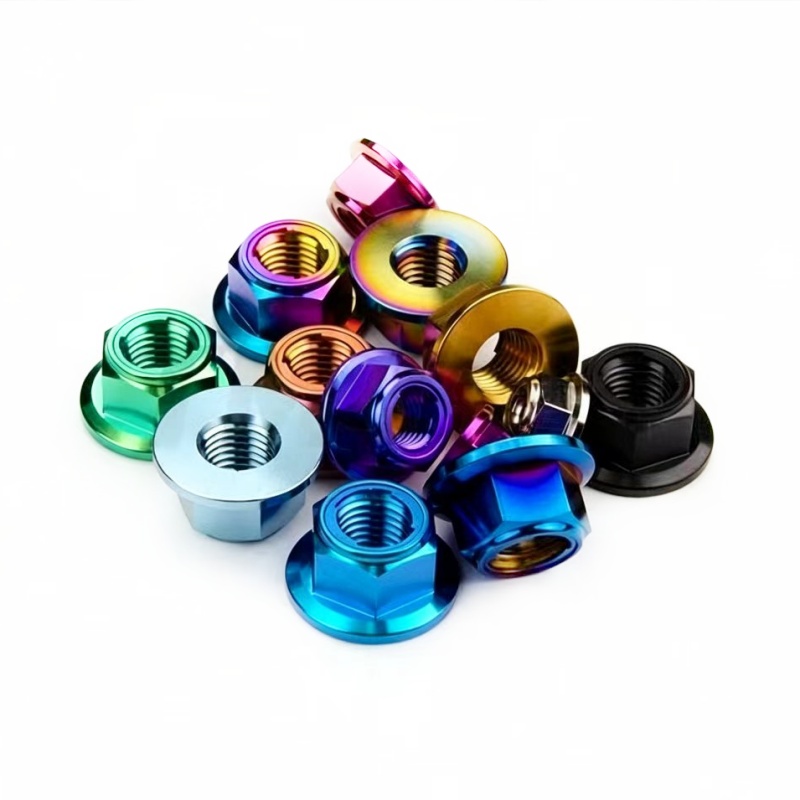
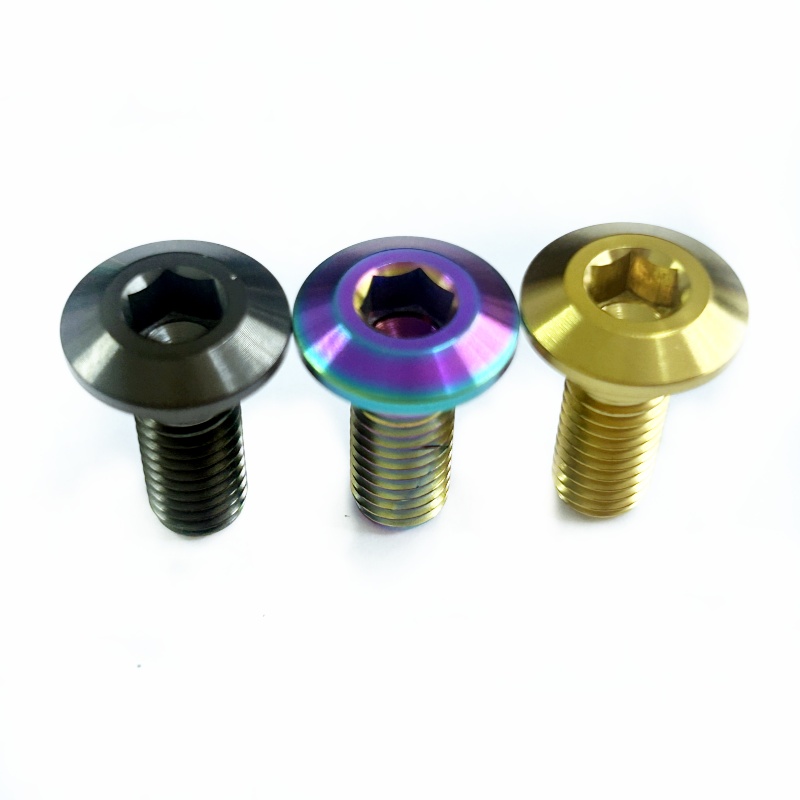
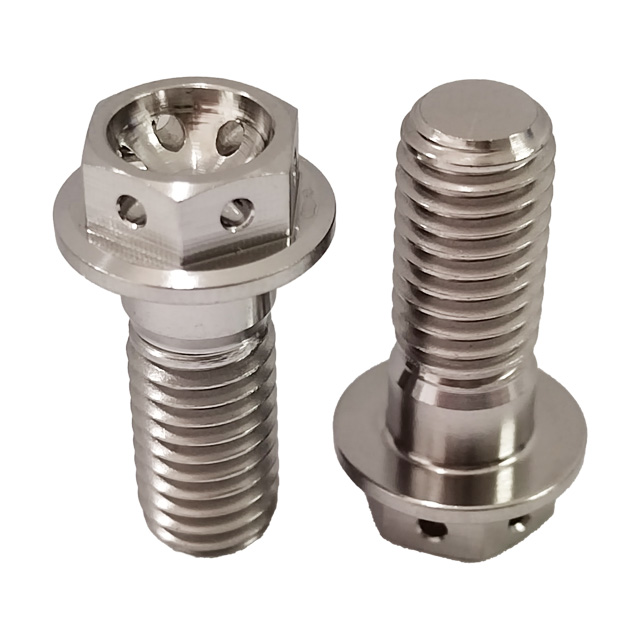
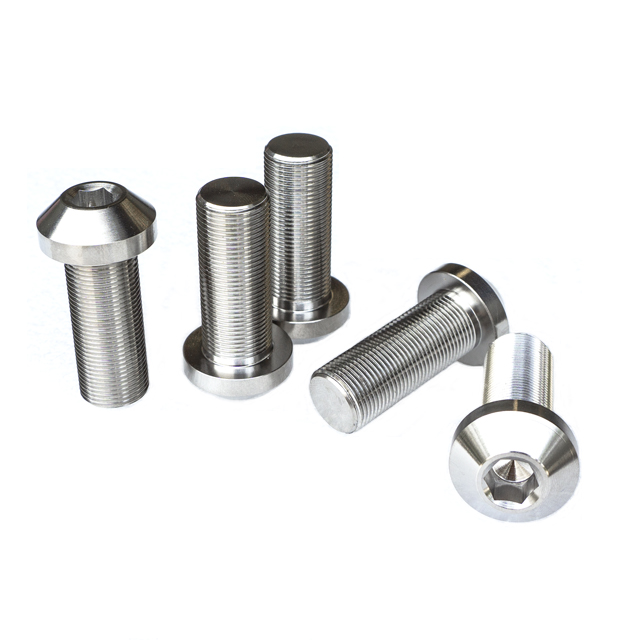
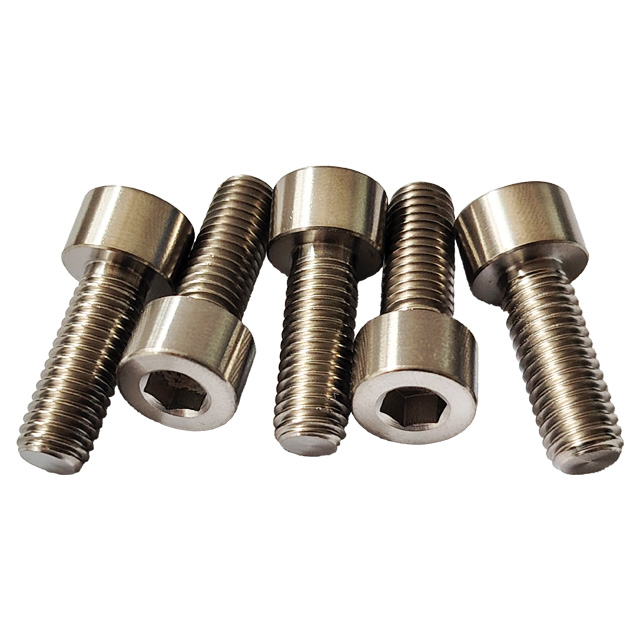
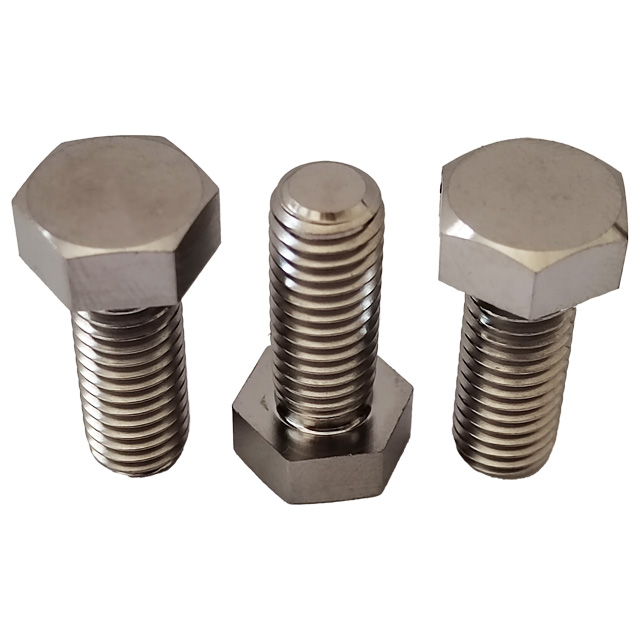
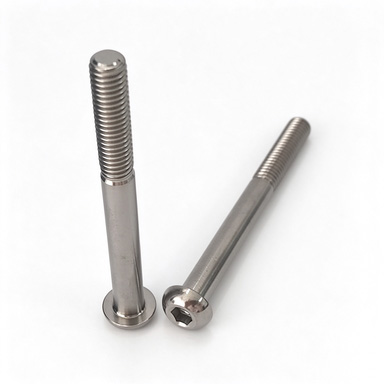
A technical brief on overcoming cyclic Alpine stress, road-salt galvanic exposure, and electric powertrain weight constraints in the Rhine Valley.
The Principality of Liechtenstein, nestled strategically within the Alpine Rhine Valley (Alpenrheintal) bordered by Switzerland and Austria, serves as a hyper-specialized micro-hub for world-class high-precision mechanics, sensor fabrication, and luxury motorsport development. Despite its geographic footprint, engineering enterprises situated around Vaduz, Schaan, Balzers, and Bendern maintain profound ties with tier-one European automotive manufacturers, international GT racing squads, and bespoke coachbuilding ateliers. For mechanical procurement specialists within this micro-market, fastener sourcing is never a generic commodity trade—it represents a mission-critical choice balancing unsprung rotational weight, cyclic fatigue resistance, and absolute environmental passivation.
Operating motor vehicles across the topography of Liechtenstein—ranging from low-altitude river valleys to steep alpine passes such as Steg and Malbun—demands severe dynamic accountability from fasteners. Mountainous driving introduces relentless thermal cycling into brake calipers, wheel hubs, and turbocharger manifolds, compounded by the heavy application of aggressive chemical de-icers (magnesium and calcium chloride) during prolonged winter periods. Standard grade 8.8 and 10.9 zinc-plated carbon steel bolts, or even general A2/A4 austenitic stainless steels, frequently fall short either due to excessive tare mass, stress corrosion cracking (SCC), or rapid galvanic degradation when placed directly into contact with advanced carbon-fiber composites and lightweight forged magnesium alloys.
| Alloy Specification | Yield Strength (Rp0.2, MPa) | Tensile Strength (Rm, MPa) | Density (g/cm³) | Strength-to-Weight Ratio | Corrosion Resistance Index (Alpine Road Salt) |
|---|---|---|---|---|---|
| Navzo GR5 Titanium (Ti-6Al-4V) | ≥ 828 | ≥ 950 | 4.43 | 214.4 | Exceptional (Passivated TiO₂ Native Barrier) |
| Austenitic Stainless (A2-70 / 304) | ≥ 450 | ≥ 700 | 7.90 | 88.6 | Moderate (Prone to Pitting & Crevice Attack) |
| Marine Grade Stainless (A4-80 / 316) | ≥ 600 | ≥ 800 | 8.00 | 100.0 | High (High Mass Penalty) |
| High-Tensile Carbon Steel (Class 10.9) | ≥ 900 | ≥ 1040 | 7.85 | 132.5 | Severe Degradation Upon Coating Breach |
Engineered hardware meeting the meticulous testing benchmarks of Central European engineers.
Navzo M8 and M10 shoulder bolts eliminate up to 45% of rotating unsprung mass at the wheel assembly. Our fasteners offer exceptional damping capacity against high-frequency brake shudder experienced during continuous alpine downhill engine-braking.
Liechtenstein's precision electronics integration demands non-magnetic, corrosion-proof structural closures. Our titanium fasteners prevent electromagnetic interference in inverter housings and retain torque stability under extreme battery pack thermal expansions.
With an operating window surpassing 400°C without phase embrittlement, our M10x1.25 titanium studs prevent sheared studs caused by mismatched coefficient of thermal expansion (CTE) between aluminum heads and high-flow stainless downpipes.
How the shifting regulatory and technological landscape across Liechtenstein and Switzerland drives titanium adoption.
Liechtenstein design offices are replacing aluminum monolithic chassis parts with prepreg carbon fiber and titanium inserts. Ti-6Al-4V acts as an inert barrier, eliminating galvanic corrosion couples that occur naturally between carbon matrix and zinc-plated steels.
Given the rigorous Swiss and Liechtenstein motor vehicle inspection standards (MFK - Motorfahrzeugkontrolle), aftermarket modifications require uncompromising material compliance. Grade 5 titanium offers lifetime structural integrity without seasonal salt degradation.
Liechtenstein's boutique automotive skunkworks actively employ 3D-printed titanium suspension uprights paired with Navzo's CNC-machined, thread-rolled fasteners to guarantee precise micro-tolerance fitment and avoid thread galling under load.
Direct supply from Baoji Titanium Valley with Western industrial quality management protocols.
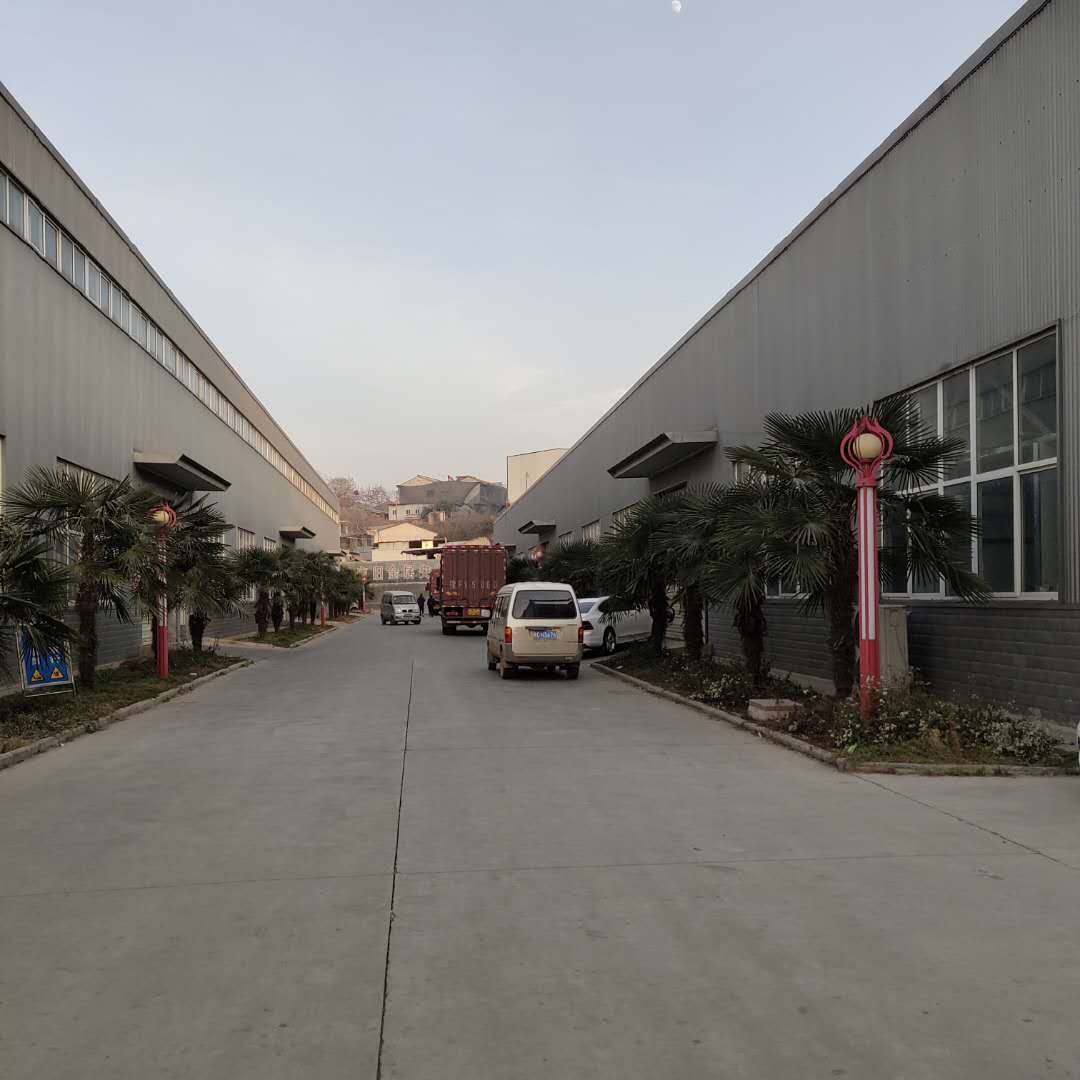
Located directly in Baoji, China's titanium cluster, we source vacuum arc remelted (VAR) Ti-6Al-4V bar stock with complete chemical batch composition assays and mechanical tensile verification sheets.
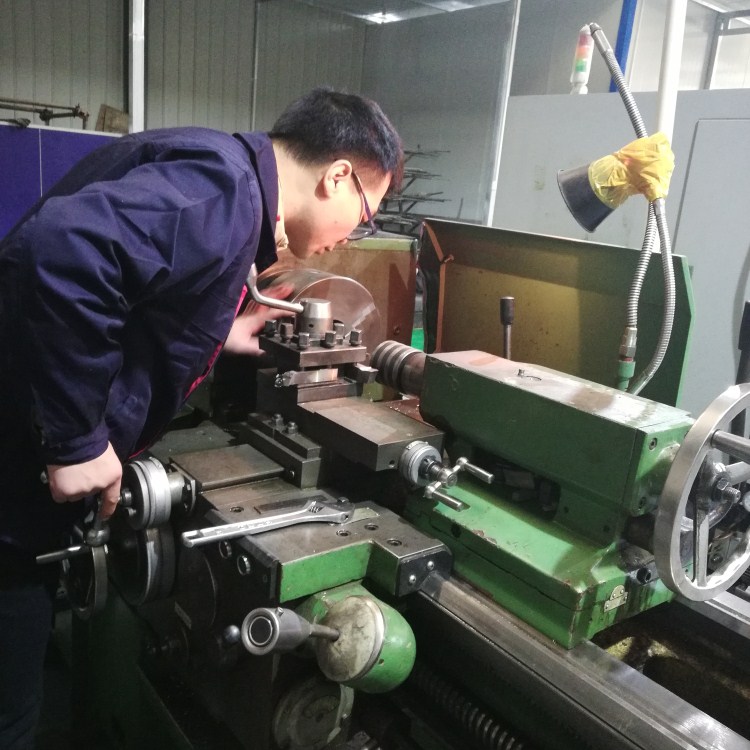
Unlike budget workshops that cut threads using lathes, Navzo utilizes precision die thread-rolling. This grain-flow alignment increases cyclic shear fatigue resistance by over 300% under high-vibration automotive loads.
We respect the exacting pace of Central European design offices. Our engineering desk analyzes STEP files, CAD blueprints, and tolerance callouts, providing detailed DFM (Design for Manufacturability) input within one working hour.
Clear, technical explanations regarding customs clearance, thread standards, anti-galling, and material compliance.
Liechtenstein is part of the Swiss Customs Union (Schweizer Zollgebiet) and shares Switzerland's VAT and import regimes. Navzo routinely ships via direct DHL Express, FedEx, or air freight to Zurich Airport (ZRH) or directly into Liechtenstein postal codes (9485–9498). We handle commercial invoicing, export declarations, and HS code documentation (typically 8108.90 for titanium articles) seamlessly, allowing your goods to clear Swiss customs without administrative holdups.
Yes. Our core lines are manufactured in strict compliance with standard metric norms such as DIN 912 (socket head cap screws), DIN 933 (full-thread hex bolts), DIN 6921 (flanged hex bolts), and ISO 7380 (button heads). Threads are rolled to class 6g precision standards, ensuring drop-in replacement compatibility with standard European automotive tapped holes.
Thread galling occurs when friction strips the oxide layer, causing microscopic cold welding. We strongly advise applying an anti-seize paste formulated with copper, molybdenum disulfide (MoS₂), or nickel. For dry applications, Navzo provides physical vapor deposition (PVD) coatings or titanium anodizing with micro-wax seals, significantly reducing the dry friction coefficient.
Every industrial order shipped to Liechtenstein can be paired with an EN 10204 Type 3.1 inspection certificate. This document verifies the heat batch chemical composition (spectrographic analysis of Ti, Al, V, Fe, C, N, H, O) along with destructive mechanical testing figures including yield strength, ultimate tensile strength, elongation, and reduction of area.
While our catalog fasteners usually carry an MOQ of 100 to 200 pieces, bespoke components produced from STEP/DWG drawings are quoted flexibly. We frequently accommodate prototype and pre-series batches of 20 to 50 pieces for development teams in Liechtenstein before moving into high-volume scheduled releases.
Our Grade 5 wheel lug nuts and bolts are forged or multi-axis CNC machined from certified cold-worked bar stock with radius-runout thread roots. Unlike cheaper alloys, our Grade 5 bolts retain high fatigue resistance under cyclic pneumatic wrench impacts. For track applications, we recommend torquing with calibrated hand tools using manufacturer friction-adjusted ratings.
Whether you are outfitting an endurance GT chassis, developing next-generation e-mobility platforms, or requiring bespoke CNC titanium parts delivered to Liechtenstein, our engineers are standing by to review your technical drawings.