High-Precision Titanium Fasteners Delivered to Greater Nagoya
Manufactured from pure Baoji virgin titanium sponge alloys, precision cold-headed, and CNC finished to satisfy strict mechanical requirements across Aichi, Gifu, and Mie prefectures.
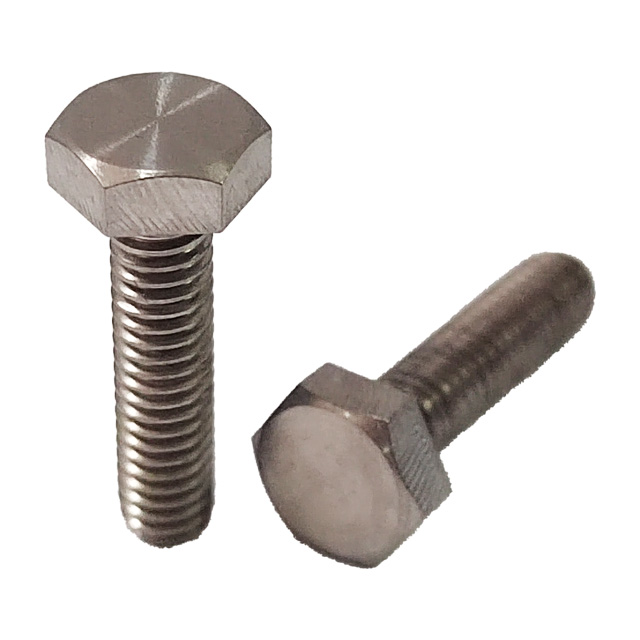
GR5 Titanium Bolts M4*15mm Hexagon Head Full Thread Bolts
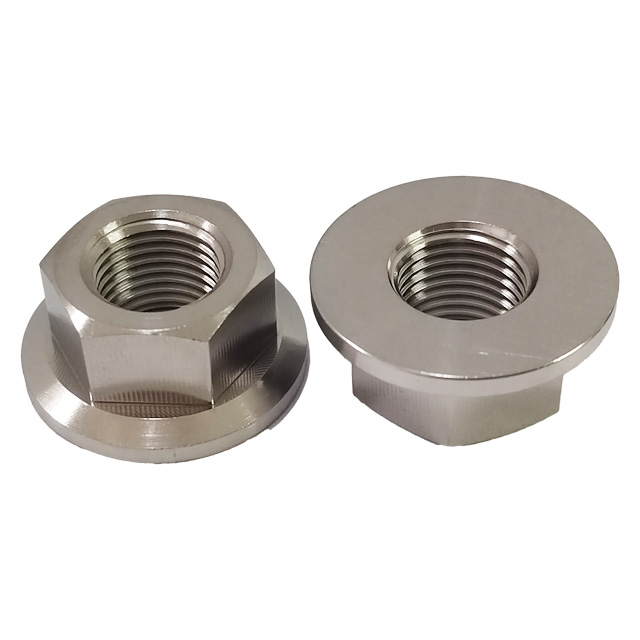
GR5 Titanium Nuts M12*1.5 High Strength Hex Flange Fastener
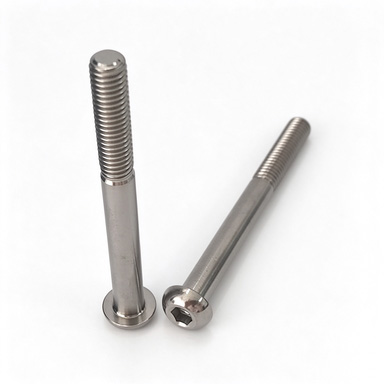
GR5 Titanium Bolts M6*70mm Button Head Inner Hex Bolts
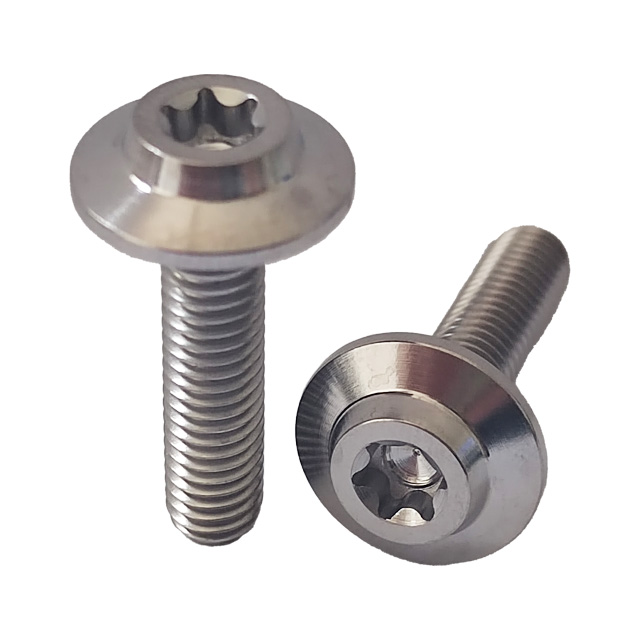
GR5 Titanium Bolts M6*25mm Umbrella Flange Head Torx Bolts
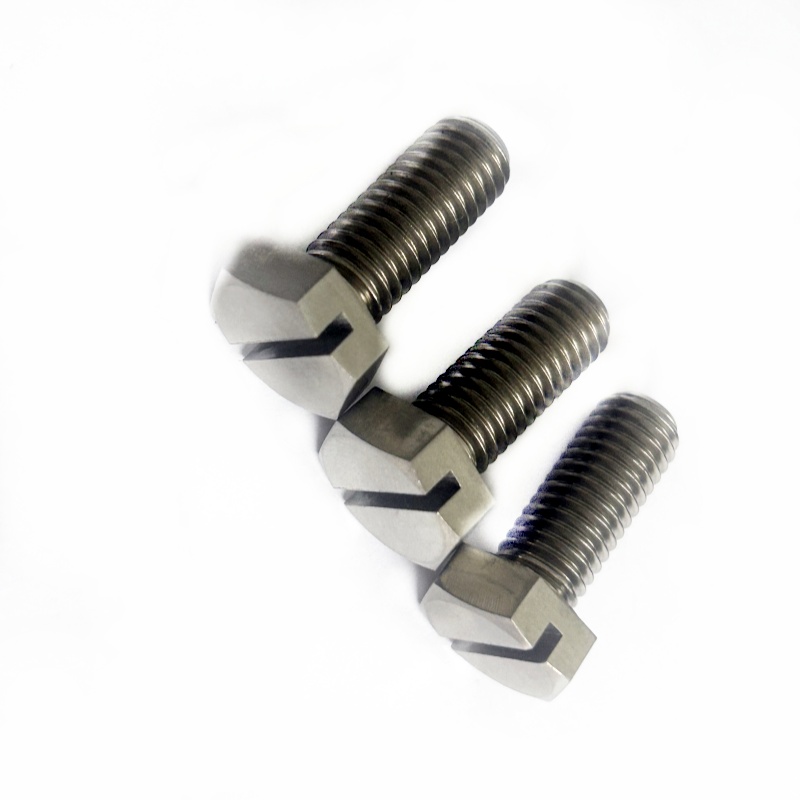
OEM Precision CNC Machined Slotted Hexagonal Head Screw
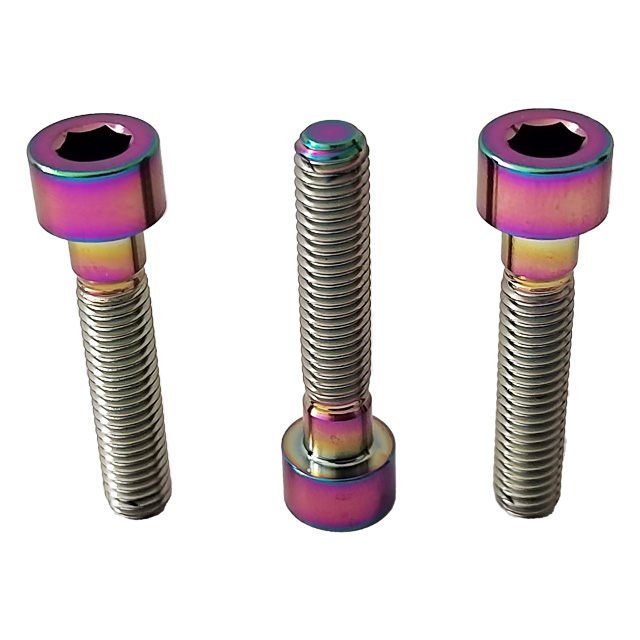
GR5 Titanium Bolts M8*40mm Colored Cylindrical Head Socket Bolts
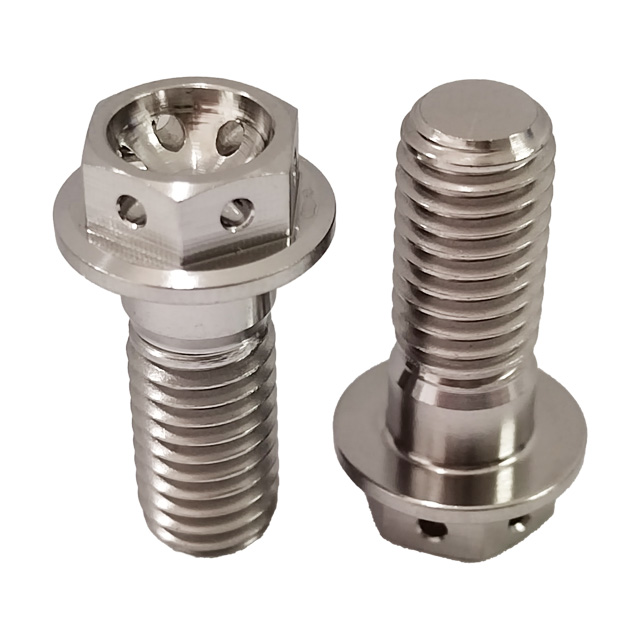
GR5 Titanium Bolts M8*20mm Hex Flange Safety Wire Drilled Bolts
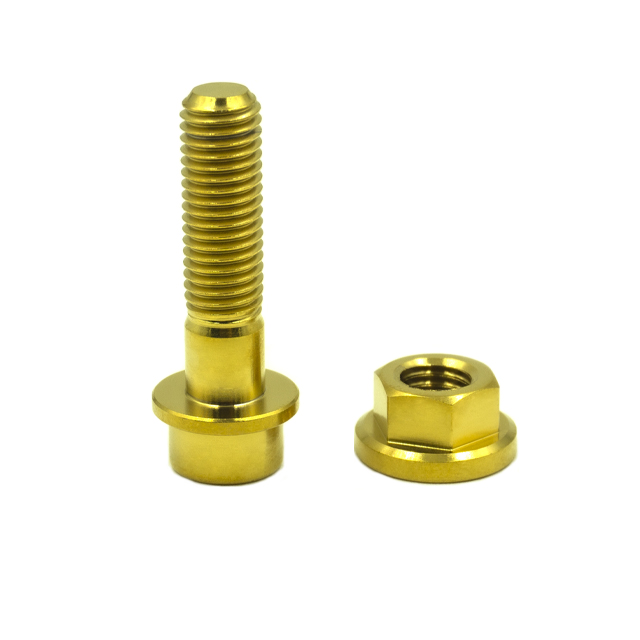
PSSTI GR5 Titanium Gold Flange Head High-Duty Bolts M7*27
Executive Whitepaper: Titanium Alloy Cylindrical Head Bolts in Modern Japanese Industry
As the industrial capital of Japan, the Greater Nagoya Metropolitan Area (the Chukyo Industrial Belt encompassing Aichi, Gifu, and Mie prefectures) generates over 40% of Japan’s total manufacturing output. In this demanding manufacturing ecosystem, comprising aerospace giants in Kakamigahara and Minato-ku, automotive leaders in Toyota City and Kariya, and global robotics pioneers in Komaki and Inuyama, lightweight mechanical fastening is a primary driver of performance. Engineering teams increasingly discard traditional Grade 8.8, 10.9, and 12.9 alloy steel or austenitic stainless steels (SUS304, SUS316) in favor of Ti-6Al-4V Grade 5 Titanium Alloy Cylindrical Head Socket Bolts (governed by DIN 912 and JIS B1176 standards).
Navzo Precision Titanium Products Co., Ltd., based in the epicenter of China's titanium refining cluster in Baoji, Shaanxi, bridges direct upstream sponge smelting with downstream precision machining. We serve as a direct OEM and ODM manufacturing partner for Japanese purchasing managers, engineering departments, and Tier-1/Tier-2 supply chains throughout Nagoya and Central Honshu, ensuring metallurgical compliance, complete lot traceability, and rapid lead times.
Comparative Metallurgy: Ti-6Al-4V Gr5 vs. Conventional Industrial Fasteners
A cylindrical head socket bolt (cap screw) is engineered for counterbored assemblies where maximum clamping load must be transferred through a compact, recessed geometry. In automated assembly lines, high-g robotic end-effectors, or aerospace engine housings, fastener mass creates parasitic inertia. The table below illustrates the mechanical superiority of aerospace-grade Ti-6Al-4V compared to standards commonly specified across Japanese JIS manufacturing catalogs:
| Material Designation | Density (g/cm³) | Tensile Strength Rm (MPa) | Yield Strength Rp0.2 (MPa) | Modulus of Elasticity (GPa) | Corrosion Index (PREN / Saline) |
|---|---|---|---|---|---|
| Navzo GR5 Titanium (Ti-6Al-4V) | 4.43 | 895 – 1050 | 828 – 950 | 114 | Immune to ambient chlorides, pit-free |
| High-Tensile Alloy Steel (SCM435 / Gr 12.9) | 7.85 | 1220 | 1100 | 210 | Zero (Requires plating; risk of hydrogen embrittlement) |
| Austenitic Stainless (SUS304 / A2-70) | 7.93 | 700 | 450 | 193 | Moderate (Prone to stress cracking in chlorides) |
| Marine Grade Stainless (SUS316 / A4-80) | 8.00 | 800 | 600 | 195 | High (High mass, susceptible to galling under torque) |
| Structural Aluminum (A7075-T6) | 2.81 | 570 | 505 | 72 | Moderate (Poor fatigue endurance & galvanic vulnerability) |
From the mechanical analysis above, Ti-6Al-4V exhibits a strength-to-weight ratio exceeding 210 kN·m/kg, dwarfing Grade 12.9 carbon steel (155 kN·m/kg) and SUS304 stainless steel (88 kN·m/kg). The lower elastic modulus of titanium (114 GPa vs. 210 GPa of steel) allows cylindrical head socket screws to stretch elastically under preload, acting like a dynamic spring that resists vibration-induced loosening under severe cyclical harmonic excitation—a critical asset in high-speed Shinkansen railway subassemblies, automotive racing engines, and rotary tooling spindles across Nagoya.
Local Application Scenarios in Nagoya & The Chukyo Industrial Hub
The manufacturing ecosystem in Nagoya does not tolerate generic hardware. Every metric fastener must be engineered to withstand dedicated thermal, environmental, and mechanical stresses. Navzo’s DIN 912 / JIS B1176 titanium cylindrical head bolts are deployed across four primary regional sectors:
Aerospace Fuselage & Avionics Fixtures
Concentrated in Nagoya’s Ooe and Tobishima districts and nearby Gifu-Kakamigahara, tier-1 suppliers build wing boxes, cabin composite assemblies, and drone airframes. Our cylindrical head bolts offer counterbored flush fits with galvanic resistance against carbon-fiber reinforced polymers (CFRP).
Automotive Powertrain & Next-Gen BEV
Within the Toyota City corridor, reducing unsprung mass and battery casing deadweight is paramount. Our titanium cylindrical head bolts fasten motor stators, inverter heat sinks, lightweight wheel carriers, and turbocharger manifolds, enduring operating heat cycles up to 400°C without creep failure.
Industrial Robotics & High-Speed Pick-and-Place
Nagoya hosts some of the world's most dense clusters of articulated robot manufacturing. Replacing steel joint fasteners with titanium socket cap screws slashes rotational inertia on robot arms (Axes 4, 5, and 6), accelerating cycle speeds, cutting servo motor heat, and improving positional repeatability.
Semiconductor & Cleanroom Wet Process Equipment
In chemical etch stations and vapor deposition tooling found in Mie and Aichi electronics plants, titanium forms an instantaneous, passive titanium dioxide (TiO2) self-healing oxide film that is inert to deionized rinse water, nitric etching solutions, and chemical reagents where stainless steel corrodes.
Motorsport Tuning & High-End Track Builds
Near the Suzuka Circuit perimeter, professional racing teams utilize our titanium cylindrical cap screws for multi-piston brake calipers, cylinder heads, steering stems, and triple clamps, securing weight savings without sacrificing tensile rigidity during track loads.
High-Speed Rail & Shinkansen Assemblies
Central Japan Railway engineering specifications demand maximum joint integrity against relentless vibrations. Titanium’s low density, high shear strength, and fatigue resistance prevent stress fracture in undercarriage sensor mountings along the Tokaido corridor.
Emerging Procurement & Manufacturing Trends in Central Honshu
Procurement teams across Aichi Prefecture operate under strict kaizen (continuous improvement) and total cost of ownership (TCO) frameworks. Over the past three fiscal cycles, our technical sales engineers have recorded distinct structural shifts in the requirements submitted by Japanese engineering firms:
1. Stringent Anti-Galling & Thread Tribology Requirements: Because titanium forms an adhesive oxide layer, unlubricated titanium threads run the risk of galling (micro-welding) when driven at elevated RPM into tapped titanium or aluminum blind holes. Japanese buyers now mandate cold-rolled external threads (which create smooth root radiuses, grain orientation, and compressive surface stresses) paired with vacuum PVD (Physical Vapor Deposition) DLC (Diamond-Like Carbon), TiN, or micro-anodized oxidation treatments.
2. Transition from JIS B1176 Standard to Weight-Optimized Head Geometries: While standard DIN 912 / JIS B1176 cylindrical head profiles remain standard, Nagoya tier-1 suppliers increasingly demand CNC-fluted socket heads, taper heads, and umbrella flange socket cap screws. Fluting the exterior circumference of the cylindrical head removes up to 12% additional metal without compromising the internal hexagon or Torx drive torque threshold.
3. Elimination of Plating-Related Hydrogen Embrittlement: Carbon steel fasteners heat-treated beyond 1000 MPa (Class 10.9 and 12.9) risk delayed catastrophic fracture caused by hydrogen pickup during acid pickling and electroplating. Ti-6Al-4V is naturally immune to hydrogen-assisted stress cracking in industrial environments, freeing manufacturers from costly post-bake de-embrittlement verification protocols.
Engineering Strengths: Navzo’s Direct Manufacturing Edge
Navzo Precision Titanium Products Co., Ltd. is not an export broker or intermediary. Founded in 2011 on Yucai Road within the High-tech Development Zone of Baoji, Shaanxi, China, Navzo operates directly within the "China Titanium Valley" industrial cluster, accounting for a massive share of the world’s virgin titanium refining capacity. This provides a direct, uninterrupted supply line of vacuum-arc remelted (VAR) Grade 5 titanium ingot and certified cold-heading wire rod stock.
Traceable Virgin Sponge
We use zero scrap metal. Every heat is certified with Mill Test Reports (EN 10204 3.1) stating exact chemical percentages of Ti, Al, V, Fe, C, N, and ultra-low H₂ (<0.0125%).
High-Speed Cold Heading
Heads are upset formed on multi-station heading machines, aligning metal grain flow smoothly along the bolt shank transition, delivering up to 35% higher fatigue thresholds than turned heads.
Thread Rolling Technology
Threads are cold-rolled after heat treatment rather than machine cut. This cold-working burnishes the thread flank and eliminates micro-notches where cyclical cracks propagate.
Cleanroom Inspection
100% thread pitch testing via digital optical projectors, Go/No-Go plug gauges (6g/6H tolerances), eddy current flaw detectors, and micro-hardness testers prior to vacuum packaging.
Our facility operates under an ISO-aligned quality management framework, supporting comprehensive PPAP (Production Part Approval Process) Level 3 documentation, full dimensional CMM reports, and spectral chemical analysis. With an average quotation turnaround time of under 60 minutes and dedicated maritime/air freight routing into Nagoya Port (Chubu Centrair logistics corridor), we eliminate the traditional delays of overseas procurement.
Nagoya Procurement FAQ: Engineering, Standards & Logistics
Does Navzo manufacture cylindrical head bolts conforming strictly to JIS B1176 dimensions?
Yes. While DIN 912 and JIS B1176 share the same basic cylindrical head geometry, slight variations exist in socket depths, head diameter tolerances (da/dk), and transition fillet radius maximums on specific pitches (such as M6 and M8). Our CNC tooling and cold-forming heading dies can be calibrated directly to JIS B1176 tolerances or DIN 912 standards per your CAD drawing specifications.
What Mill Test Certificates (MTC) accompany titanium shipments to Japan?
Every single production batch ships with an EN 10204 Type 3.1 Inspection Certificate. This document records the heat melt number, chemical composition testing (spectrometric verification of Ti balance, 5.5–6.75% Al, 3.5–4.5% V, O < 0.20%, Fe < 0.40%), tensile strength (Rm), 0.2% yield strength (Rp0.2), percent elongation (A%), and reduction of area (Z%). Third-party SGS or TÜV verification can also be arranged prior to export.
How can Japanese assembly plants prevent thread galling during automated driving?
To eliminate adhesive thread wear, we advise three production solutions: (1) Applying our proprietary thin-film vacuum PVD (TiN gold or DLC black) coating, which provides a hard, low-friction barrier; (2) Specifying micro-arc oxidation or Type II hard anodizing; or (3) Utilizing a factory-pre-applied dry-film molybdenum disulfide (MoS2) or anti-seize paste during installation. Furthermore, maintaining tool speed below 300 RPM during automated driving protects the thread interface from friction-generated heat spikes.
What is your Minimum Order Quantity (MOQ) and lead time to Aichi Prefecture?
For standard metric inventory (M3 through M16 DIN 912 Grade 5 bolts in bare, anodized, or burnt-blue finish), standard MOQs start at 100 to 200 pieces per dimension. For specialized OEM custom CNC-machined designs according to customer DWG/STEP files, pilot run batches of 50 pieces are available for trial fitment. Standard maritime consolidation to Nagoya Port takes approximately 7–10 days; priority air courier (via Chubu Centrair International Airport - NGO) delivers in 3–4 business days.
Can Navzo customize the bolt head geometry with safety wire holes or low-profile tapers?
Absolutely. We frequently supply motorsport, aerospace, and defense contractors with custom modifications, including cross-drilled heads (for lock-wiring per NASM standards), interior hollow-weight reduction bores, Torx (six-lobe) tamper-proof heads, and low-profile cylindrical profiles for space-constrained robotic bearing mounts.
How does Grade 5 Titanium behave against galvanic corrosion when paired with aluminum in Nagoya automotive structures?
Titanium is electrochemically more noble than aluminum alloys (such as A6061 or A7075). When directly joined in an electrolyte-rich or coastal marine environment (such as Nagoya Port), the aluminum may serve as a sacrificial anode. We resolve this by supplying bolts with isolation coatings (electrically insulating anodization) or by recommending non-conductive fluoropolymer washers to isolate the metallic interfaces completely.
Accelerate Your Engineering Project in Greater Nagoya
Send your drawings (CAD / 2D PDF / 3D STEP) or standard dimension requirements. Our metallurgical engineers review tolerances, application stresses, and finishing specifications to provide a binding factory-direct quotation within 60 minutes.