Featured Ti-6Al-4V Precision Stock & Machined Fasteners
Manufactured directly from certified vacuum arc remelted (VAR) Ti6Al4V Grade 5 bars in Baoji ("China's Titanium Valley"). Fully compliant with Japanese JIS and international ASTM standards for critical mechanical assemblies.
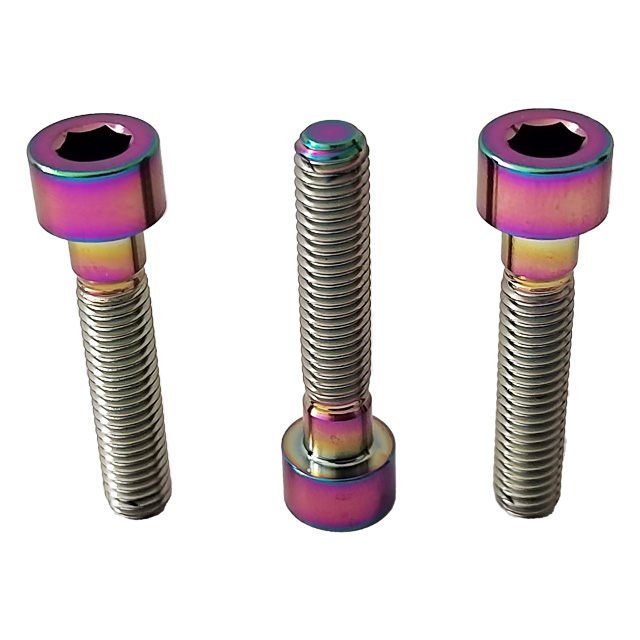
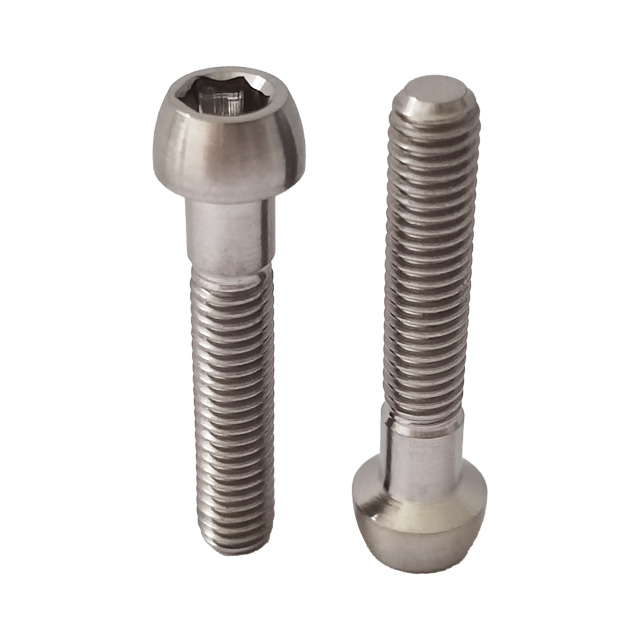
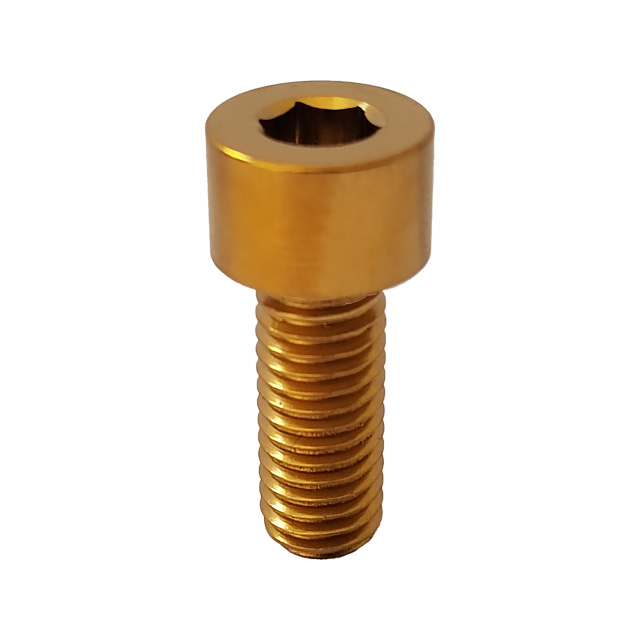
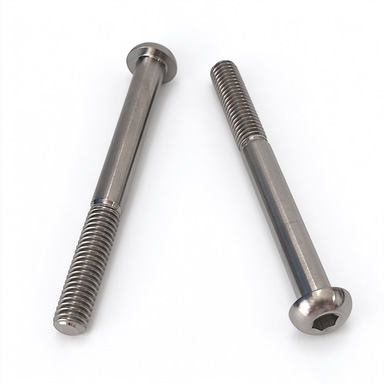
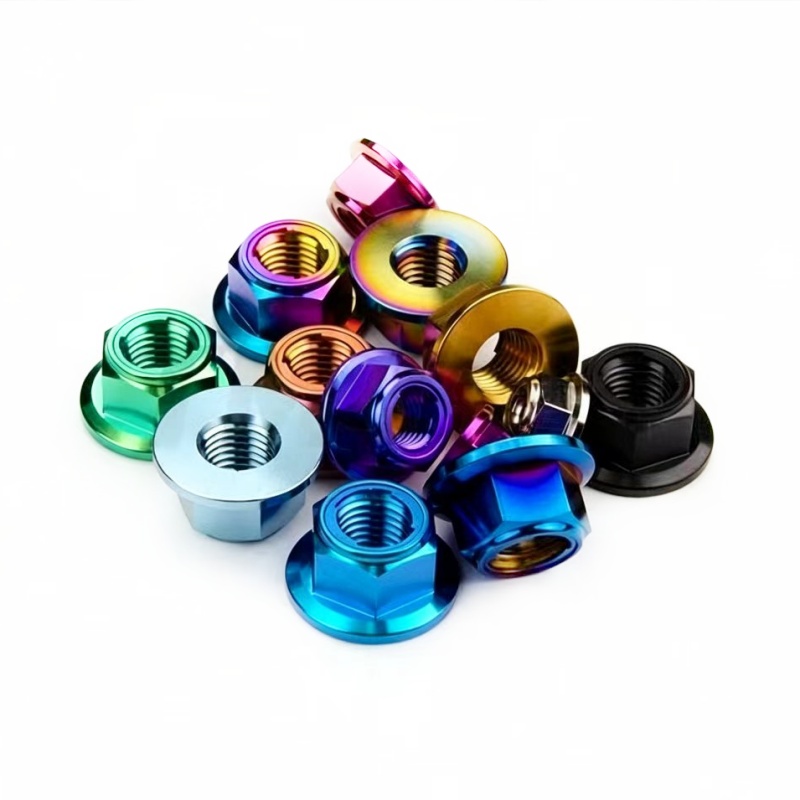
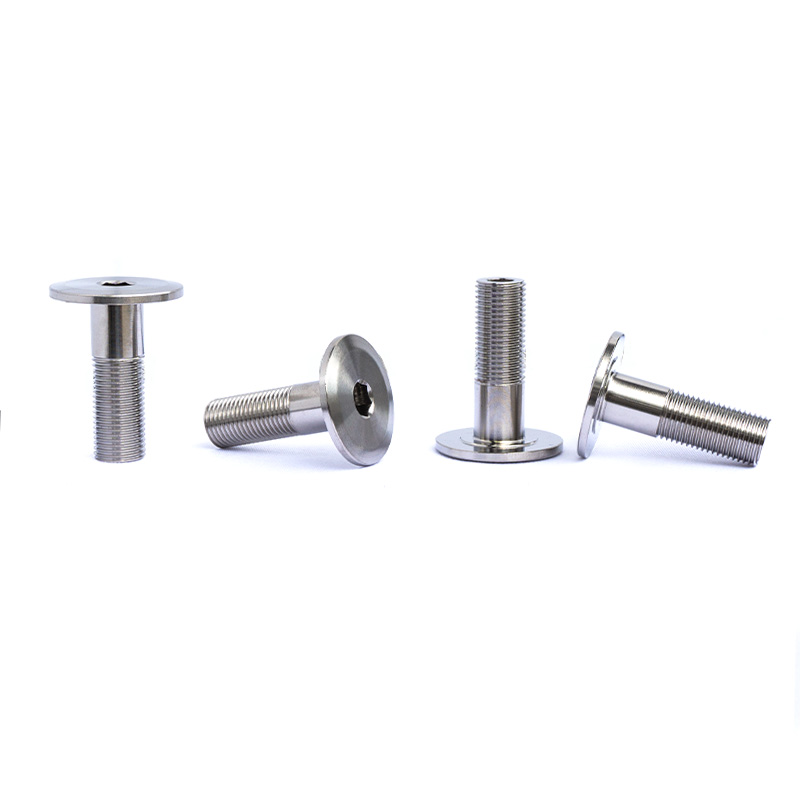
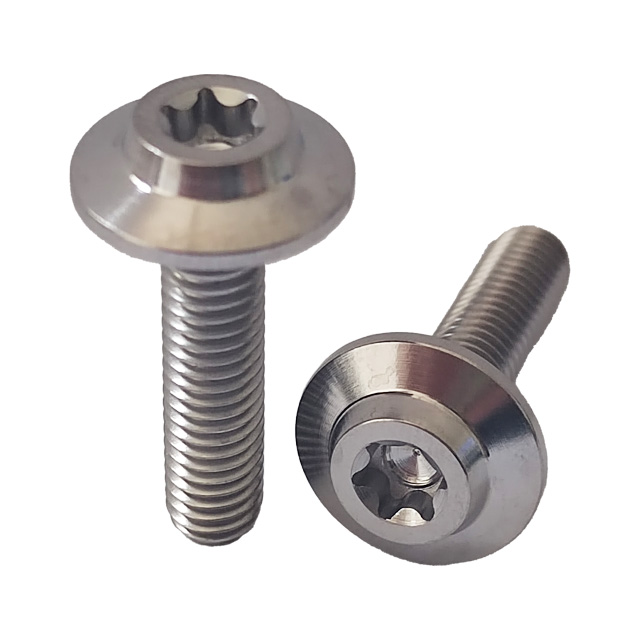
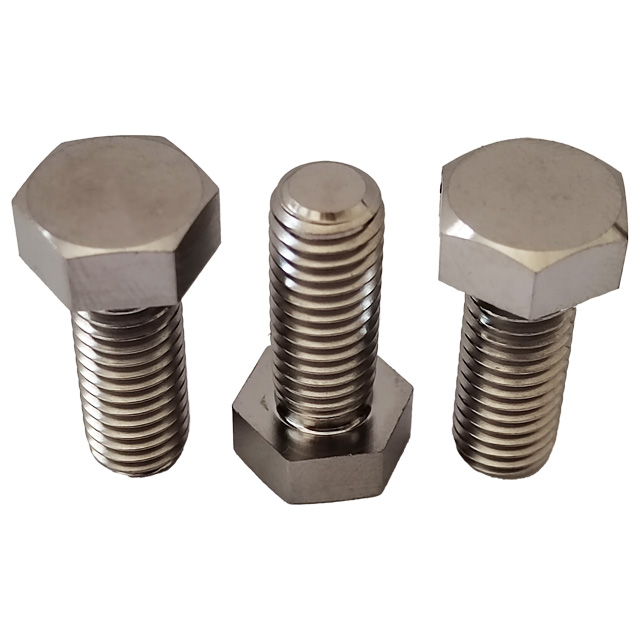
Ti6Al4V (Grade 5) Round Bars: Structural Integrity for Precision Kyoto Industries
In high-precision manufacturing corridors across Japan—notably within the Kyoto Prefecture Industrial Ecosystem extending from Keihanna Science City (Kansai Science City) to the southern precision clusters in Minami-ku and Fushimi-ku—engineering requirements for alpha-beta titanium alloy bars exceed standard commercial grades. Ti6Al4V (designated as Grade 5 under ASTM B348 and JIS H4650 Class 60 / TAB6400) represents the gold standard for high strength-to-weight structural applications, combining minimum yield strength of 828 MPa with exceptional chemical inertness and biocompatibility.
Navzo Precision Titanium Co., Ltd. supplies high-homogeneity Ti-6Al-4V bars directly from China’s metallurgical epicenter in Baoji to precision turners, machine builders, and system integrators serving Kyoto's global manufacturing elite. By controlling the entire thermodynamic pathway—from 0-grade titanium sponge vacuum double and triple arc remelting (VAR) to multi-directional radial forging and centerless precision grinding—we deliver round bar stock exhibiting isotropic equiaxed alpha grains with intergranular transformed beta phase microstructures.
Comparative Mechanical & Physical Property Matrix
| Property Parameter | Ti6Al4V Grade 5 (Navzo Certified) | SUS304 (Austenitic Stainless) | SUS316L (Medical Grade) | A7075-T6 (Duralumin) |
|---|---|---|---|---|
| Density (g/cm³) | 4.43 | 7.93 | 7.98 | 2.81 |
| Tensile Strength, Ultimate (MPa) | ≥ 895 - 980 | ≥ 520 | ≥ 485 | ≥ 524 |
| Yield Strength 0.2% Proof (MPa) | ≥ 828 | ≥ 205 | ≥ 170 | ≥ 462 |
| Modulus of Elasticity (GPa) | 114 | 193 | 193 | 71.7 |
| Thermal Expansion (10−&sup6;/K) | 8.6 | 17.2 | 16.0 | 23.4 |
| Corrosion in Chloride/Acid Media | Immune (Forms TiO² passive layer) | Moderate (Pitting risk) | High resistance | Susceptible to SCC |
| Machinability & Surface Uniformity | Centerless Ground h7/h8/h9 | Cold Drawn | Cold Drawn | Extruded/Drawn |
Kyoto Application Scenarios: Where Precision Meets Advanced Material Physics
Kyoto's industrial identity merges centuries of meticulous artisanal craftsmanship (Monozukuri) with world-leading semiconductor automation, spectroscopic analysis, and biomedical engineering. Navzo’s Ti6Al4V bar stock is optimized for these specialized applications.
Semiconductor Wafer Processing & Vacuum Robotics
In semiconductor manufacturing facilities around Kyoto and neighboring Shiga, wafer handling end-effectors, robotic arms, and vacuum chamber guides demand materials with zero outgassing, high stiffness-to-weight ratios, and extreme dimensional stability. Our centerless ground Ti6Al4V bar stock prevents chamber particle contamination while handling ultra-fast cyclic accelerations without dynamic inertia deflection.
Analytical & Spectroscopic Instrumentation
Kyoto hosts global leaders in chromatographic, mass spectrometry, and optical measurement devices. Internal fluidic blocks, ion chamber housing screws, and collimator mounts machined from our Ti6Al4V bars exhibit low thermal expansion coefficients (8.6 × 10−&sup6;/K), non-magnetic properties, and complete passivity against aggressive organic solvents and volatile carrier reagents.
Advanced Biomedical & Orthopedic Machining
Kyoto University Medical Center and regional medical R&D spin-offs pioneer high-end surgical guides, spinal stabilization devices, and precision micro-machined bone screws. Conforming to ASTM F136 and ISO 5832-3 ELI (Extra Low Interstitial) cleanliness thresholds, our medical-grade titanium rods undergo rigorous interstitial control ensuring biocompatibility, low modulus, and osseointegration.
Keihanna R&D Prototyping & Drone Technologies
Research consortiums across Keihanna Science City developing high-altitude environmental monitoring platforms and heritage site inspection drones utilize our Grade 5 small-diameter bars (3mm to 16mm). These components survive extreme rotational fatigue, damp vibratory resonance, and survive humid atmospheric exposure in the Kansai basin without galvanic degradation.
Sub-Micron CNC Swiss Lathe Turning & Micromechanics
Small-to-medium precision machine shops (Machikoba) in Kyoto rely on consistent linear straightness and minimal core-to-surface hardness differentials when operating Citizen, Tsugami, or Star Swiss-type automatic lathes. Our h7-ground bar stock guarantees continuous high-speed chip breaking without thermal seizing or tool chatter, dramatically improving carbide insert life.
Ultra-High Vacuum (UHV) Physics & Cryogenics
Kyoto University scientific research institutes rely on non-magnetic structural fasteners and bar flanges down to liquid nitrogen (-196°C) and liquid helium (-269°C) temperatures. Ti-6Al-4V maintains high yield integrity without ductile-to-brittle transition phenomena observed in ferritic steels, rendering it indispensable for quantum and cryo-mechanical fixtures.
Kyoto Procurement Trends: Decarbonization, Precision Micro-Machining & Dual-Sourced Resilience
1. The Shift to High-Efficiency Lightweight Tooling
Kyoto’s manufacturing community is accelerating carbon footprint reductions through equipment weight shedding. Replacing conventional stainless steel (SUS304/SUS316) tooling, robotic wrists, and test racks with Ti6Al4V slashes mechanical inertia by approximately 44%. This reduction directly translates into smaller servomotor requirements, decreased electrical consumption, faster machine cycle times, and prolonged actuator life across production plants.
2. Strict Demand for Traceable Mill Origin
Following recent global supply chain realignments, Japanese tier-1 and tier-2 purchasing officers require full metallurgical transparency. Raw materials must be backed by EN 10204 3.1 inspection certification confirming melt pedigree, hydrogen content (≤ 0.0125%), and ultrasonic defect inspection. Spot buys from unverifiable brokers are being actively eliminated in favor of direct mill partnerships in Baoji with documented quality management.
3. Growth in Micro-Diameter Swiss Lathe Machining
With Kyoto dominating sectors such as precision optics and analytical probes, local demand for cold-drawn, peel-turned, and high-polish small-diameter titanium bar stock (∅2.0mm to ∅12.0mm) has grown at over 8.4% annually. Tolerance consistency at ±0.005mm (h7) and continuous bar straightness under 0.5mm/m are essential to enable uninterrupted 24-hour lights-out unmanned Swiss lathe turning.
4. Strategic Sino-Japanese Supply Chain Resilience
Kyoto companies maintain stringent quality standards while requiring cost-effective, dependable raw materials. By partnering directly with Navzo in Baoji, Japanese importers bypass layered trading houses (Shosha markups), securing ex-factory tier pricing and agile logistics routes via Shanghai/Qingdao sea lanes into Port of Kobe and Port of Osaka, or air freight into Kansai International Airport (KIX).
Why Navzo Precision Titanium Is the Trusted Partner for Japanese Buyers
Founded in 2011 on Yucai Road in the High-Tech Development Zone of Baoji, Shaanxi, Navzo sits at the center of China's primary titanium concentration. Our integrated infrastructure bridges raw material melting directly to precision CNC machining.
Direct Mill Sourcing in Baoji Valley
Baoji supplies the majority of China’s aerospace titanium ingot and bar stock. Being embedded at the source grants us first-selection rights to premium 0-grade sponge titanium, eliminating secondary material hoarding and ensuring 100% heat-to-heat lot traceability with mill test certificates (MTR).
Centerless Grinding & h7 Precision
Equipped with multi-head centerless grinding lines and computerized eddy current inspection tables, we achieve diameter tolerances of h7, h8, and h9 with surface roughness down to Ra ≤ 0.4μm. Bars arrive degreased, deburred, chamfered, and ready for immediate loading into automatic bar feeders.
Non-Destructive Testing (100% NDT)
Every bar destined for overseas precision markets undergoes immersion ultrasonic testing conforming to AMS 2631 Class A/AA and ASTM E2375, guaranteeing freedom from internal voids, high-density tungsten/molybdenum inclusions, and center-line micro-porosities.
Full CNC Machining & Cold Heading Suite
In addition to raw bar distribution, Navzo operates complete multi-station cold heading machinery, multi-axis turn-mill machining centers, thread-rolling machines, and optical sorting stations. We manufacture custom fasteners and complex drawing-based parts directly under one roof.
Surface Engineering: Anodizing & PVD
Offering Type II anodizing, electrochemical micro-arc oxidation, burnt-blue thermal gradients, and physical vapor deposition (PVD Titanium Nitride TiN, Titanium Carbonitride TiCN) to elevate surface Vickers hardness above 2000 HV and eliminate thread galling.
Responsive Export Desk (Average ≤ 1 Hour)
Our international engineering sales team accommodates Japanese technical procurement formats, drawing title blocks (JIS / ISO CAD files), and Incoterms (FOB Shanghai, CIF Kobe, DDP Kyoto workshops) with typical RFQ turnarounds within 60 minutes during business hours.
Kyoto Engineering Procurement FAQ
Detailed answers covering certification, shipping to Kansai, material machinability, and anti-galling surface properties.
Does your Ti6Al4V bar stock comply with JIS H4650 Class 60 specifications?
Yes. Navzo’s Ti6Al4V Grade 5 bars strictly conform to JIS H4650 (60種 / TAB6400) chemical composition and mechanical performance criteria, as well as ASTM B348 and AMS 4928 standards. Every production lot is shipped with a fully compliant EN 10204 3.1 Mill Test Certificate (MTR) verifying chemical elements (Al, V, Fe, C, N, H, O, balance Ti) and mechanical values (tensile, yield, elongation, and reduction of area).
What diameter tolerances and surface finishes are provided for Swiss lathe bar feeders?
For automatic bar feeding machines (Ikura Seiki, ALPS Tool, etc.), we provide cold-drawn and precision centerless-ground round bars with h7, h8, and h9 outer diameter tolerances. Surface roughness is maintained at Ra ≤ 0.4μm − 0.8μm, with bar straightness held within 0.5mm per meter and end faces chamfered to prevent feed tube jamming.
How does Navzo manage logistic lead times to Kyoto and the Kansai region?
Urgent prototyping samples and small bar orders are dispatched via direct air courier (DHL, FedEx, SF International) arriving at Kansai International Airport (KIX) within 3 to 5 business days from clearance. Bulk commercial lots are containerized and routed from Qingdao or Shanghai port directly to Port of Kobe or Port of Osaka with sea transit times of only 2 to 4 days, followed by domestic bonded customs transport into Kyoto.
What measures prevent thread galling (seizing) on titanium bolts and threaded rods?
Due to titanium's low thermal conductivity and stable oxide film, dry thread-on-thread friction can generate micro-welding (galling). To prevent this, Navzo utilizes cold rolled threads (which retain continuous grain flow) and provides surface solutions including physical vapor deposition (PVD TiN/DLC), specialized hard anodizing, and molybdenum disulfide anti-seize lubrication protocols.
Can Navzo supply custom-turned parts according to Japanese 2D/3D drawings?
Yes. Our CNC machining division accepts CAD files in STEP, IGES, DWG, and PDF formats. We routinely work to micro-tolerances down to ±0.005mm, adhering to Japanese geometric dimensioning and tolerancing (GD&T) standards. Our technical department completes an engineering manufacturability review prior to issuing firm quotes.
What is the minimum order quantity (MOQ) for custom bar diameters and fasteners?
Standard diameter bars (∅3mm to ∅100mm) held in inventory have no MOQ restriction and can be cut to specified lengths. Custom melt compositions or special non-standard bar pull sizes typically begin at 50kg to 100kg. Standard catalogue fasteners start at 100 to 200 pieces, while specialized CNC components are quoted flexibly based on machine cycle times.
Mill-to-Delivery Quality Verification Protocol
From titanium sponge lot sampling to final wooden crate export dispatch, each production stage adheres to ISO 9001 quality management standards.
Accelerate Your Titanium Procurement for the Kyoto Market
Whether you require precision h7-ground Ti6Al4V bar stock for automated Swiss turning, ASTM F136 medical rods, or finished titanium fasteners, Navzo’s metallurgists and export engineers provide rapid quotes with complete mill test documentation.