Stock
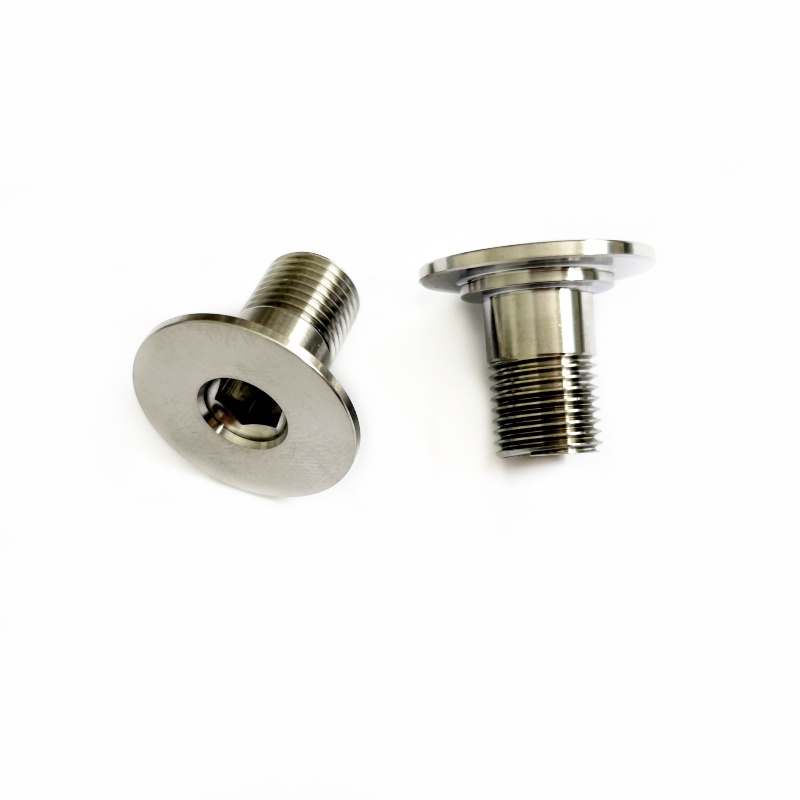
Factory-direct Ti-6Al-4V Grade 5 fasteners manufactured via CNC multi-axis turning and precision thread rolling, delivering superior fatigue endurance and total immunity to Arctic saline and hydrogen sulfide corrosion.
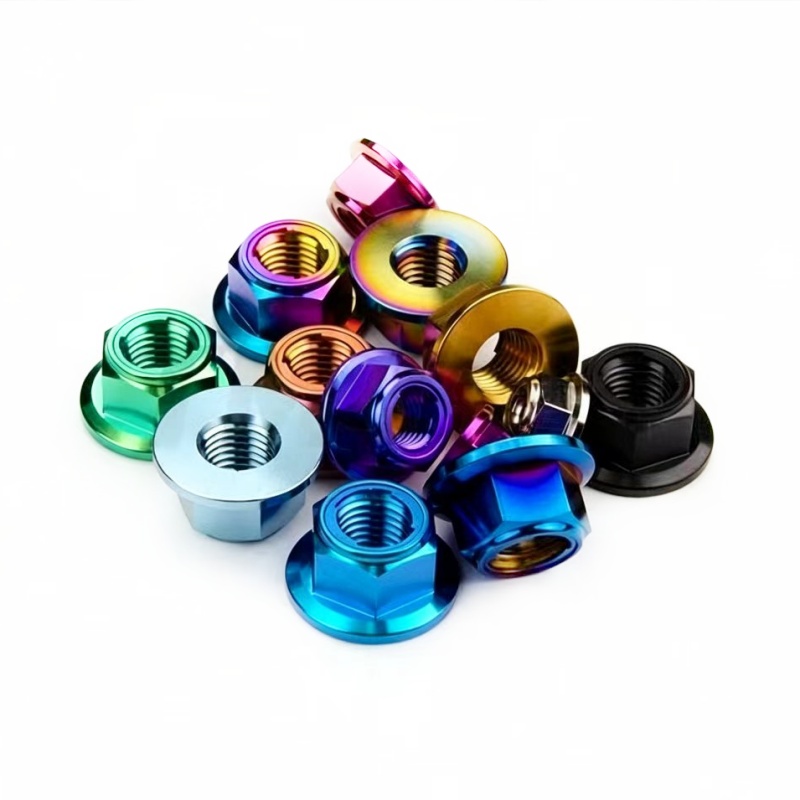
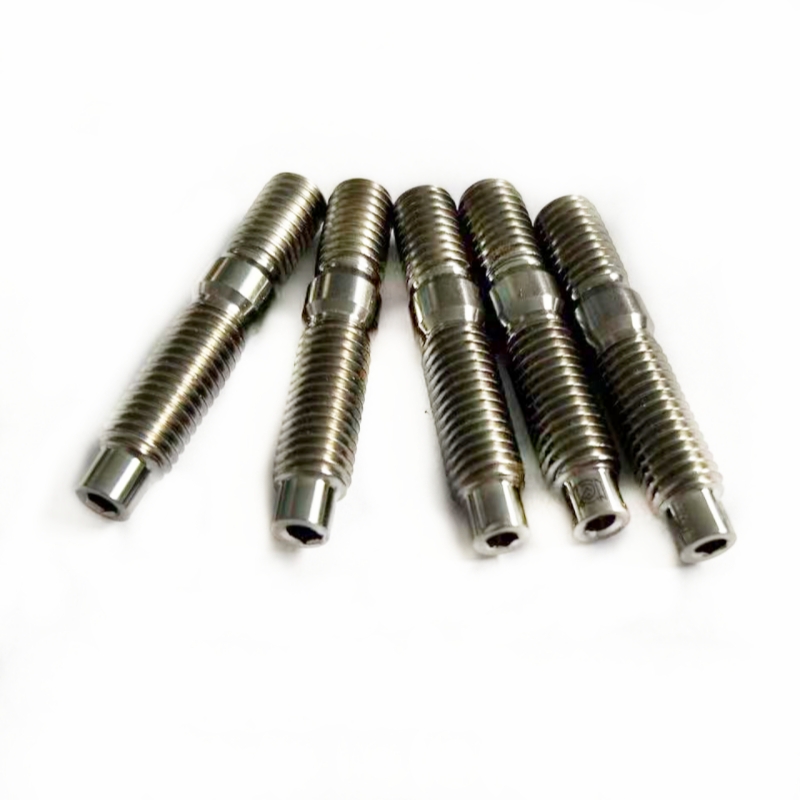
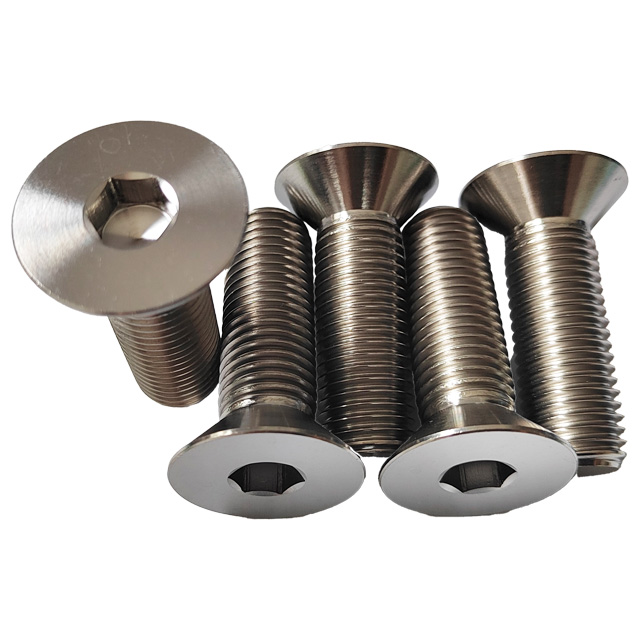
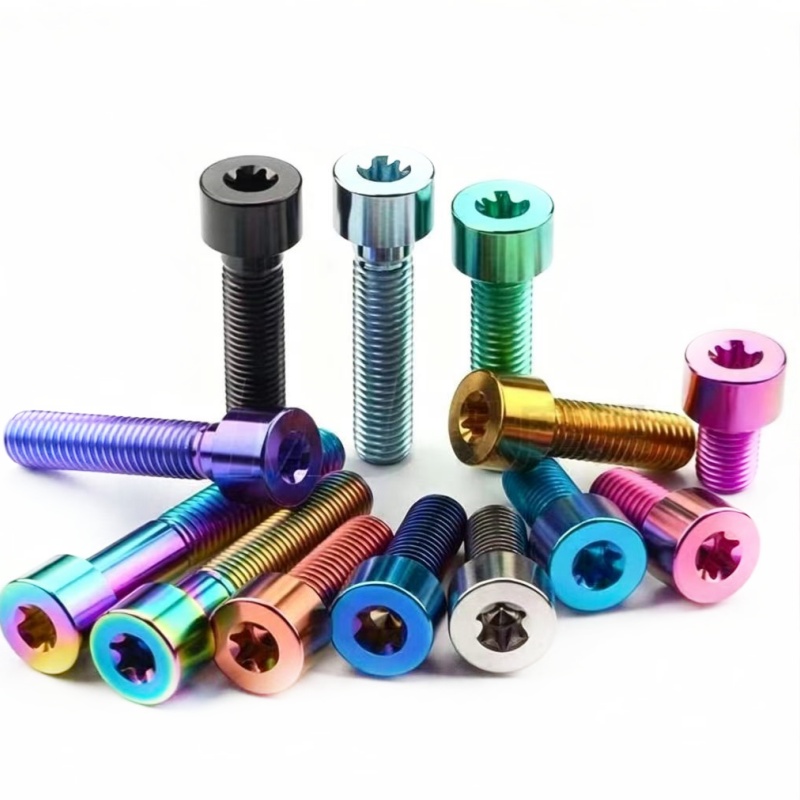
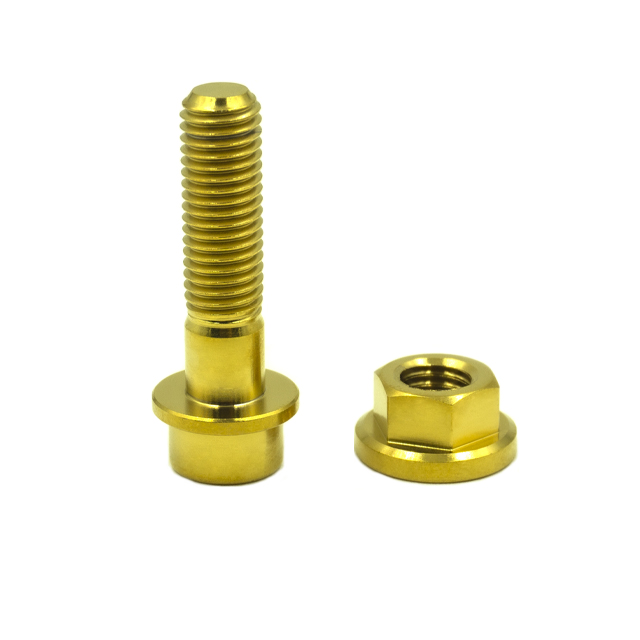
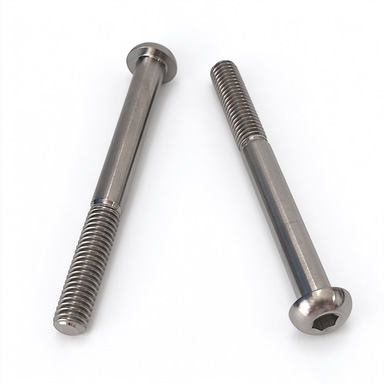
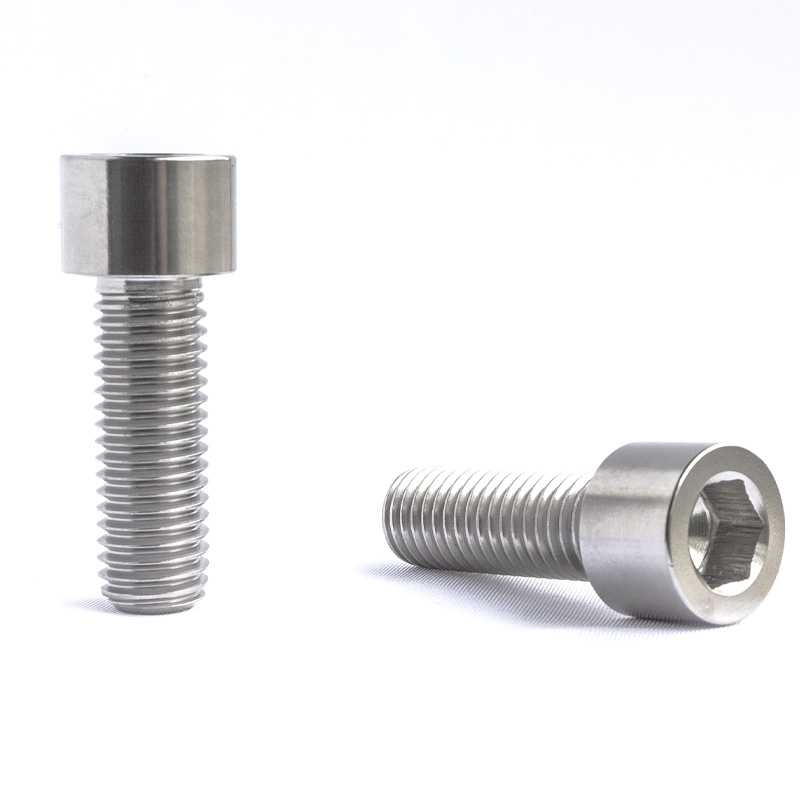
Comprehensive failure analysis and fluid-dynamic integrity assessment for high-pressure hydraulic junctions operating across Iceland's extreme geothermal, marine, and sub-arctic vehicular landscapes.
In high-performance hydraulic systems, the banjo bolt is a deceptively simple yet geometrically fragile engineering component. Functioning as a dual-purpose mechanical fastener and internal fluid conveyance conduit, a banjo bolt contains a hollow axial bore intersected by one or more radial discharge cross-holes. When subjected to systemic hydraulic line pressures ranging from 180 to 350 bar (typical in heavy-duty braking, auxiliary winches, and hydraulic power-steering assist modules), the intersection between the axial bore and the radial port serves as a classic stress concentration nexus (Kt factor frequently exceeding 2.4).
Traditional automotive and industrial hydraulic circuits deployed standard zinc-plated 8.8/10.9 grade alloy steel or standard AISI 304/316 austenitic stainless steel banjo bolts. However, when these components are deployed in the Icelandic theatre of operations, their metallurgical limitations are laid bare. Iceland presents a distinct trifecta of mechanical and environmental aggressors: high-salinity coastal atmosphere, sub-zero glacial conditions that provoke brittle failure in low-alloy ferritic steels, and airborne hydrogen sulfide ($H_2S$) emitted from active geothermal fields (such as Hellisheiði, Reykjanes, and Nesjavellir). Standard steel fasteners undergo rapid surface pitting, galvanic seizing, and hydrogen embrittlement. Austenitic stainless steel, while nominally corrosion resistant, lacks the shear yield strength required for compact, lightened hydraulic ports and remains acutely susceptible to chloride-induced stress corrosion cracking (SCC) at elevated geothermal operating temperatures.
Navzo Precision Titanium manufactures OEM/ODM banjo bolts predominantly from certified Ti-6Al-4V (ASTM B348 Grade 5), an α-β dual-phase titanium alloy. The microstructural distribution of fine equiaxed α grains surrounded by transformed β matrix confers an exceptional balance of mechanical attributes: an ultimate tensile strength exceeding 895 MPa, a yield strength exceeding 828 MPa, and a modest modulus of elasticity (~114 GPa). This lower elastic modulus provides notable resilience under cyclic vibrational shock loads experienced during rough Highland travel over washboard volcanic gravel, dampening peak shock transmission directly into caliper threads.
Critically for Iceland's winter environment, Ti-6Al-4V exhibits no ductile-to-brittle transition temperature (DBTT) down to −196°C. Where standard ferritic bolts experience sharp drops in Charpy V-notch impact toughness when ambient temperatures plunge below zero across Iceland's interior plateaus, Navzo titanium banjo bolts retain their plastic deformation capability and notch toughness, eliminating the risk of catastrophic hydraulic burst fractures during sudden high-g brake actuations.
| Engineering Property | Navzo GR5 Titanium (Ti-6Al-4V) | AISI 316L Stainless Steel | Zinc-Plated Alloy Steel 10.9 | Grade 7 Titanium (Ti-0.15Pd) |
|---|---|---|---|---|
| Density (g/cm³) | 4.43 | 7.98 | 7.85 | 4.51 |
| Yield Strength Rp0.2 (MPa) | 828 – 910 | 220 – 290 | 940 – 1040 | 275 – 350 |
| Tensile Strength Rm (MPa) | 895 – 1020 | 520 – 680 | 1000 – 1200 | 345 – 480 |
| Resistance to Geothermal H²S & Cl¯ | Immune (< 250°C) | Pitting / SCC Susceptible | Rapid Failure / Embrittlement | Extreme Immunity (pH 1-14) |
| Charpy Impact at −40°C (J) | 42 – 54 (No DBTT) | 75 – 90 | < 15 (Severe Drop) | 50 – 65 |
| Thread Manufacturing Method | Cold Rolled / Micro-Polished | Cut or Rolled | Rolled / Heat Treated | Cold Formed / CNC Micro-Bore |
A persistent vulnerability of lower-tier banjo bolt machining is the crude drilling of radial fluid discharge ports. Sharp burrs or micro-notches left at the inner bore intersection create stress risers that foster low-cycle fatigue cracks under repetitive hydraulic pulsation. Navzo Precision Titanium employs dedicated 5-axis CNC machining centers paired with customized micro-ball endmills and electrochemical deburring (ECD) to achieve a minimum 0.3mm blend radius at all cross-port transitions. This smooth profile simultaneously optimizes fluid discharge coefficients (ΔP reduction of 8–12%), preventing hydraulic fluid cavitational aeration during high-frequency anti-lock braking (ABS) cycling in icy mountain descents.
From sub-glacial highland conversions to deep geothermal brine wellheads, Navzo titanium fluid fasteners endure Iceland's most hostile operating environments.
Iceland's custom 38-inch to 46-inch Super-Jeeps negotiate the unforgiving terrain of Vatnajökull, Langjökull, and remote F-roads. Rapid tire deflation systems, centralized axle-drop assemblies, and long-travel remote-reservoir dampers rely on M10x1.0 and M10x1.25 single/double titanium banjo bolts. Standard steel fittings corrode within months due to volcanic ash slurry and winter de-icing brine; Navzo GR5 titanium banjo bolts deliver zero-corrosion fluid delivery under continuous flexure and brutal cyclic vibration.
Operating out of Grindavík, Hafnarfjörður, and Akureyri, pelagic trawlers and aquaculture catamarans face non-stop exposure to aggressive North Atlantic spray. Deck crane controls, net winches, fish-pump fluid circuits, and emergency steering helms utilize titanium banjo hardware. By completely resisting saltwater crevice corrosion beneath crush washers, our Grade 5 and Grade 7 banjo bolts prevent catastrophic high-pressure oil leaks, protecting both crew safety and marine ecology.
Iceland leads global geothermal energy generation at plants like Hellisheiði and Krafla. Auxiliary hydraulic actuators on steam valves, pressure transmitters, and chemical dosing systems must withstand geothermal brines laden with hydrogen sulfide ($H_2S$), carbon dioxide, and silicates. While stainless steel suffers rapid stress corrosion cracking and sulfide pitting, Navzo's titanium banjo bolts form an instantaneous, self-healing rutile ($TiO_2$) protective film that remains completely inert up to 300°C.
Structural demand shifts influencing the specification of titanium hydraulic components across the Icelandic industrial supply chain.
Iceland's ambitious climate targets require fishing vessels and coastal ferries to transition toward hybrid-electric and hydrogen fuel cell propulsion. Modern compact electric winches and battery thermal management cooling loops demand lightweight, ultra-reliable fluid fittings. Ti-6Al-4V provides weight reductions of 44% compared to stainless steel, directly expanding payload capability while eliminating maintenance dockings for corroded hydraulic hardware.
Iceland's pioneering carbon mineralization technology dissolves captured $CO_2$ and $H_2S$ into geothermal water and injects the acidic brine deep into basaltic formations. Monitoring manifolds, injection head valves, and sampling lines require fluid bolts that survive corrosive acidic mineralization solutions without leaching metallic ions. Certified titanium Grade 5 and Grade 7 banjo bolts have become the engineering standard for these subterranean monitoring manifolds.
The electrification of glacier tour coaches and high-latitude rescue vehicles has created new metallurgical challenges: heavy battery packs amplify chassis stresses, requiring severe unsprung weight reductions in braking calipers and suspension steering links. Navzo's custom OEM titanium banjo bolts and hollow-stud assemblies shed vital grams while delivering higher yield capacity than 10.9 steel fasteners under severe shock loading.
Headquartered in Baoji, Shaanxi — the global heart of titanium sponge refining and aerospace milling — Navzo provides vertically integrated engineering controls from raw billet to vacuum PVD deposition.
Every banjo bolt is machined from aerospace-certified Ti-6Al-4V or CP titanium bars. We provide complete EN 10204 3.1 chemical composition and tensile mechanical mill test certificates with every commercial delivery batch.
Unlike cut threads that sever metal grain flow lines, our threads are cold-rolled via hardened carbide dies. This induces compressive residual surface stresses, increasing cyclic fatigue endurance by up to 300% under high hydraulic pulsation.
We provide in-house Type II hard anodizing, micro-polishing, Burnt Blue heat coloration, and vacuum Physical Vapor Deposition (DLC, TiN, TiAlN) coatings to ensure extreme galling prevention and aesthetic brilliance.
Every single batch passes go/no-go optical thread sorting machines and 100% pneumatic/helium micro-leak testing. Custom prototype batches undergo destructive hydrostatic burst proofing reaching beyond 600 bar.
From single-outlet M8x1.0 banjo fittings to multi-port M12x1.5 double banjo bolts with integrated bleeder valves, our technical department supports full 3D CAD modeling (STEP, DWG, PDF) and rapid sample turns.
Our dedicated European export division maintains round-the-clock availability, guaranteeing comprehensive technical evaluations, material certs, and formal price quotations within one hour during business windows.
Direct technical guidance for Icelandic fleet engineers, workshop fabricators, and equipment procurement managers.
Send your 2D/3D technical drawings (STEP, DWG, PDF) or size list. Our Baoji metallurgy team evaluates fluid dynamics, clamping preloads, and alloy selection to return an actionable OEM quote within one hour.