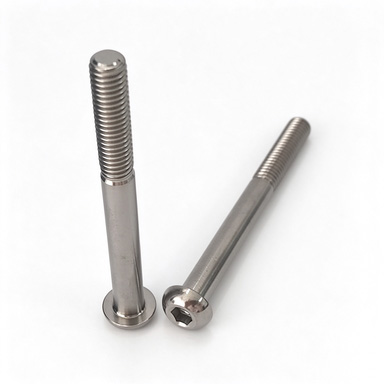
ASTM B348 / GR5
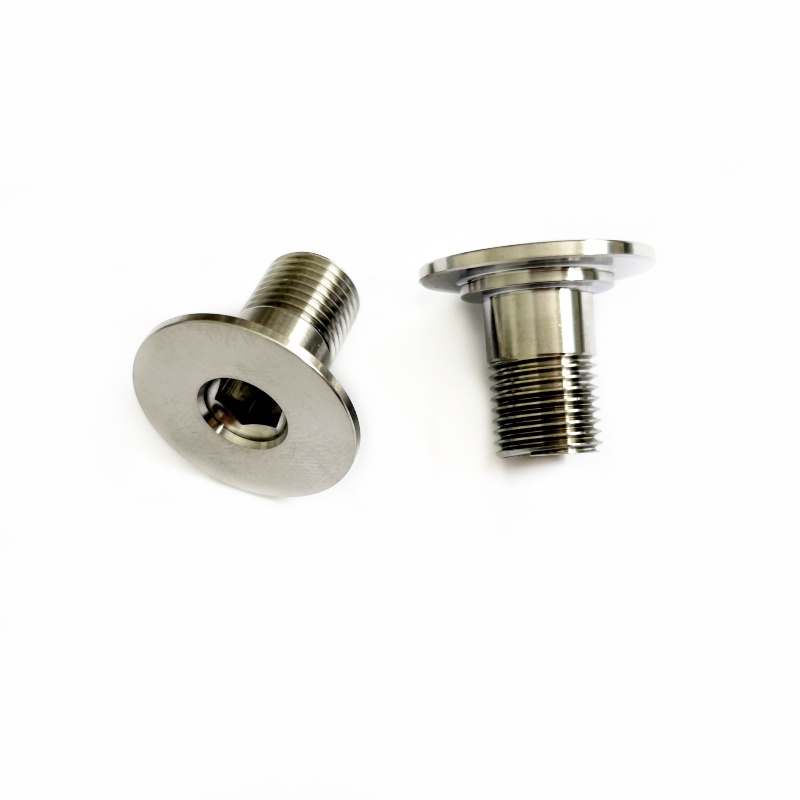
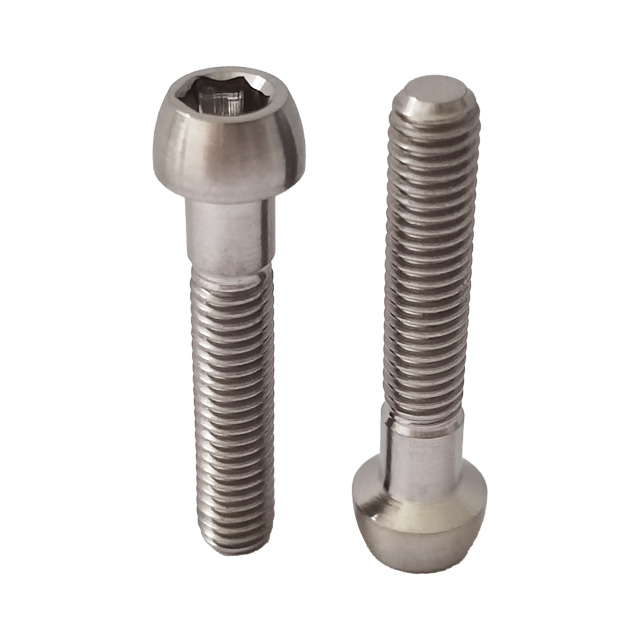
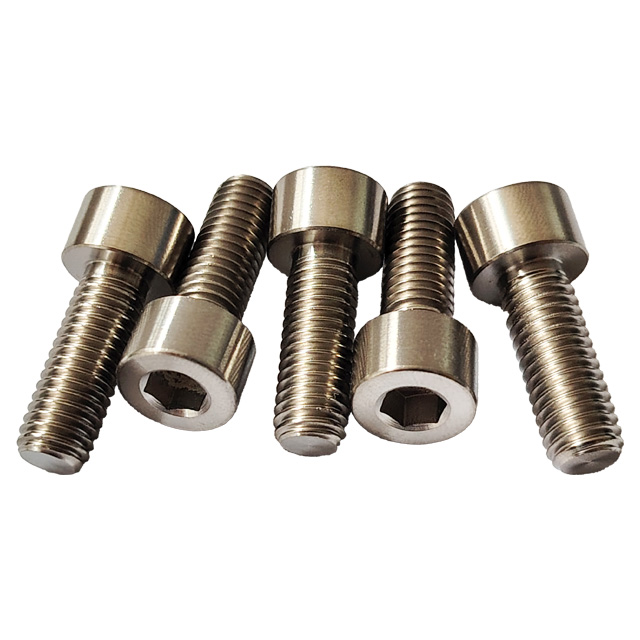
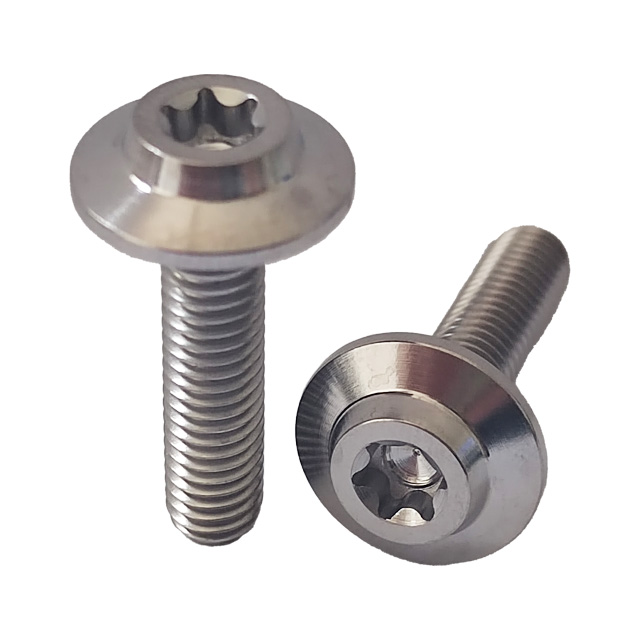
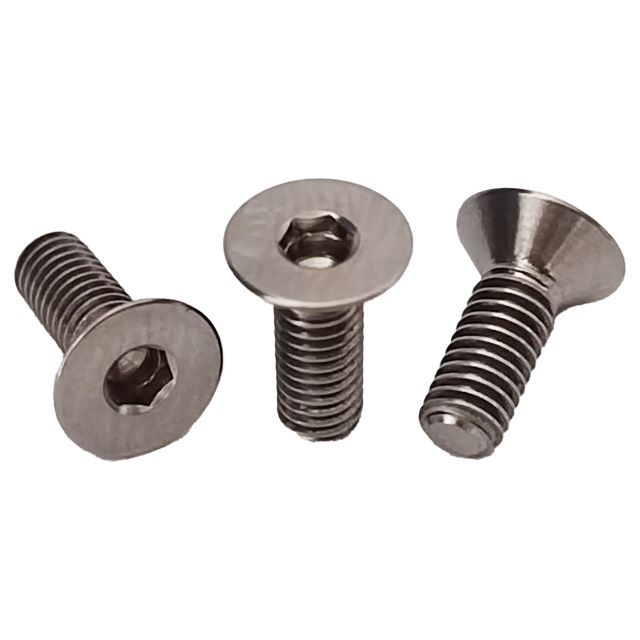
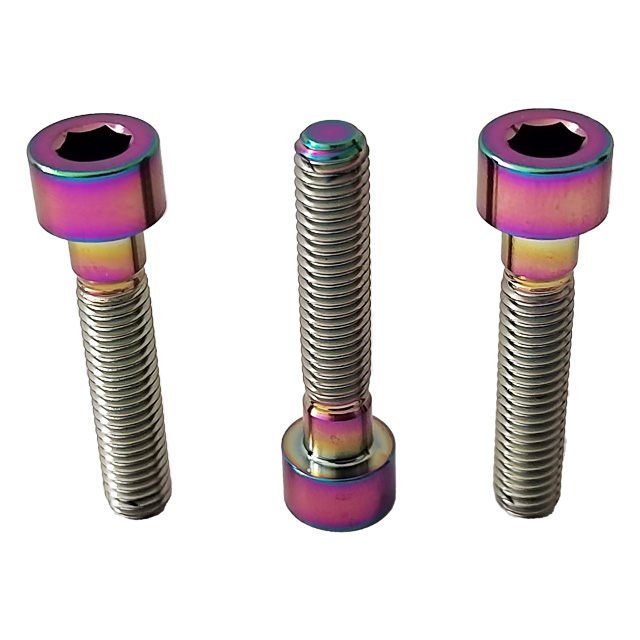
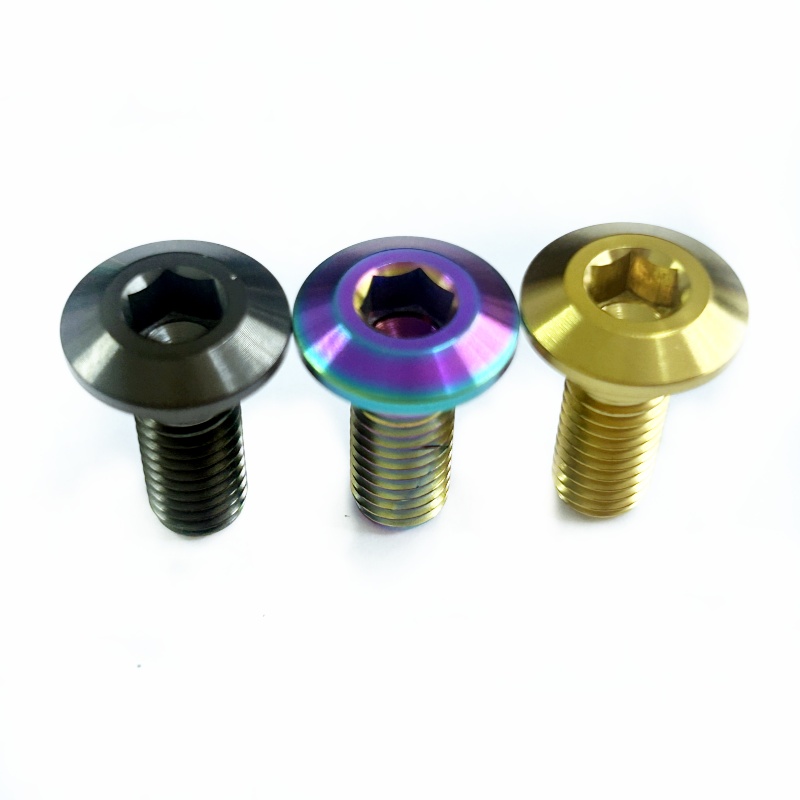
GR5 Titanium Big Pan Hexagon Head Bolts (M10*18)
- Grade: Ti-6Al-4V Grade 5
- Tensile Strength: ≥ 895 MPa
- Surface: Micro-Polished
- Tolerance: ISO 965 Class 6g
Engineered to withstand extreme saline, chlor-alkali, and aggressive acidic media. Standard configurations and custom-engineered dimensions directly available from our verified Baoji manufacturing base.
A rigorous examination of cathodic protection, industrial chlor-alkali production, and wastewater electro-oxidation within Kanagawa Prefecture’s industrial coastal corridor.
Kawasaki City occupies the heart of Japan's prominent Keihin Industrial Zone, extending along Tokyo Bay. This region accommodates immense clusters of petrochemical refineries, thermal power stations, heavy industrial complexes, and extensive marine port architectures. For facility maintenance engineers and industrial procurement directors operating across Ukishima-cho, Mizue-cho, and Chidori-cho, aggressive electrochemical corrosion constitutes a continuous operational risk. The combined exposure to high salinity seawater, dissolved industrial sulfides, atmospheric chlorides, and elevated thermal discharge necessitates anode technologies that exceed conventional limits.
Mixed Metal Oxide (MMO) coated titanium anodes represent the pinnacle of modern electrochemistry for this environment. Constructed over a structurally stable Grade 1 or Grade 2 pure titanium substrate (or reinforced via high-strength Ti-6Al-4V fasteners), our MMO anodes feature microscopically sintered electrocatalytic films composed of noble metal oxides—predominantly Ruthenium Oxide (RuO2), Iridium Oxide (IrO2), Tantalum Pentoxide (Ta2O5), and Platinum (Pt). Unlike sacrificial zinc or aluminum anodes that dissolve continuously into the local marine ecosystem, Dimensionally Stable Anodes (DSA®) remain structurally permanent, releasing target currents with near-zero substrate depletion.
In chlorine evolution reactions (CER) characteristic of seawater-based cooling water disinfection in Kawasaki's power generation blocks, our RuO2-IrO2 formulation drastically minimizes overpotentials. Conversely, in soil-bed Impressed Current Cathodic Protection (ICCP) protecting underground gas pipelines and sub-sea fuel lines traversing Kawasaki's reclaim districts, our IrO2-Ta2O5 multi-layer coatings endure stringent oxygen evolution reactions (OER) without passivating the underlying titanium lattice, securing operational lifespans exceeding 25 continuous years.
Technical Field Insight: In Tokyo Bay's localized marine interface at Kawasaki, high levels of chemical oxygen demand (COD) in port basins accelerate conventional steel degradation up to 0.42 mm/year. Operating MMO titanium mesh and ribbon anodes at regulated protective potentials between -850 mV and -1100 mV (vs. CSE) ensures cathodic polarization without hydrogen embrittlement hazards.
| Anode System Class | Substrate Material | Primary Catalytic Coating | Current Output Capacity | Degradation Consumption Rate | Expected Life (Kawasaki Marine) |
|---|---|---|---|---|---|
| Navzo MMO Titanium Ribbon/Mesh | ASTM B265 Gr1 Titanium | IrO₂ / Ta₂O₅ / RuO₂ Thermal Sinter | Up to 1000 A/m² (Seawater) | 0.5 – 2.0 mg/A·a (Negligible) | 25 to 30+ Years Constant |
| High-Silicon Cast Iron (HSCI) | Cast Iron Alloy (14% Si) | None (Bulk Passive Film) | 10 – 30 A/m² | 100 – 500 g/A·a | 5 to 8 Years |
| Sacrificial Zinc Alloy (ASTM B418) | Zinc Ingot with trace Al/Cd | Sacrificial Galvanic Mechanism | Limited by Natural Potential | 10.7 kg/A·a (Rapid Dissolution) | 2 to 4 Years (High Maintenance) |
| Platinized Titanium Anodes | Grade 1 / Grade 2 Titanium | Electroplated Platinum (Pt) | Up to 500 A/m² | 4 – 8 mg/A·a (Subject to Breakdown) | 10 to 15 Years (Expensive) |
Tailored electrochemical configurations matching the unique thermodynamic, chemical, and marine conditions of Kanagawa Prefecture.
Kawasaki Port handling wharves and offshore oil-berth steel tubular piles face relentless splash-zone aeration and deep tidal wash. Our MMO tubular anodes and expanded titanium mesh ribbons deliver uniform protective current distributions to prevent microbial-influenced corrosion (MIC) and pitting.
The vast petrochemical refining corridors in the coastal Kanagawa zone rely on on-site electro-chlorination units to deter biofouling in massive cooling water heat exchangers. Our Ru-Ir oxide active coatings guarantee lowest chlorine evolution potential and reduced power costs under severe duty cycles.
Local industrial effluent facilities handling phenolic compounds, recalcitrant hydrocarbons, and heavy metal ions require highly energetic hydroxyl radical generation. Our Ir-Ta-Sn ternary MMO plates resist aggressive acidic striping during high-voltage advanced oxidation processes (AOPs).
Kawasaki's extensive crude oil and liquefied gas storage terminals require deep-well groundbeds and tank bottom linear anode grids. Flexible MMO titanium wire anodes in carbonaceous backfill provide zero-defect potential profiles across massive spatial layouts.
Supplying the sophisticated electronics and precision sensor manufacturers clustered along the Kanagawa high-tech valley. Navzo's high-purity insoluble titanium mesh anodes maintain dimensional stability and homogenous current flow across delicate copper and precious metal plating baths.
As Kawasaki aggressively advances towards carbon neutrality with Tokyo Bay Hydrogen Hub projects, our specialized Platinum and Iridium-coated titanium porous transport layers (PTL) and bipolar anode plates deliver record electrical efficiencies in proton exchange water splitting.
Adapting procurement strategies to Tokyo Bay environmental treaties, decarbonization infrastructure, and stringent asset lifecycle mandates.
Kawasaki Port has initiated structural transitions toward becoming an integrated hydrogen, ammonia, and CO2 receiving terminal. This overhaul mandates advanced electrolytic cracking processes and robust anti-corrosive protection for newly engineered cryogenic infrastructure, vastly elevating the consumption of durable MMO anodes over traditional sacrificial metals.
Tokyo Bay environmental management accords increasingly restrict the deployment of standard sacrificial aluminum and zinc anodes due to excessive heavy metal silt sedimentation. MMO titanium anodes do not shed toxic chemical residues into coastal fishery zones, making them the singular compliant choice for sustainable infrastructure.
With aging steel highway overpasses, harbor breakwaters, and tunnel linings in the metropolitan bay circle, regional engineering agencies are pivoting to Impressed Current Cathodic Protection (ICCP) using mixed-metal oxide titanium ribbon mesh cast directly inside reinforced concrete to halt chloride rebar spalling for decades.
Combining the metallurgical foundation of China's "Titanium Valley" with world-class CNC turning, automated thermal spraying, and rigorous destructive quality verification.
Located on Yucai Road, High-tech Development Zone, Baoji, Shaanxi. We tap directly into China's primary titanium sponge and smelting cluster, ensuring every heat of Grade 1, Grade 2, and GR5 bar stock carries comprehensive mill test reports (MTR) meeting ASTM, DIN, and JIS standards.
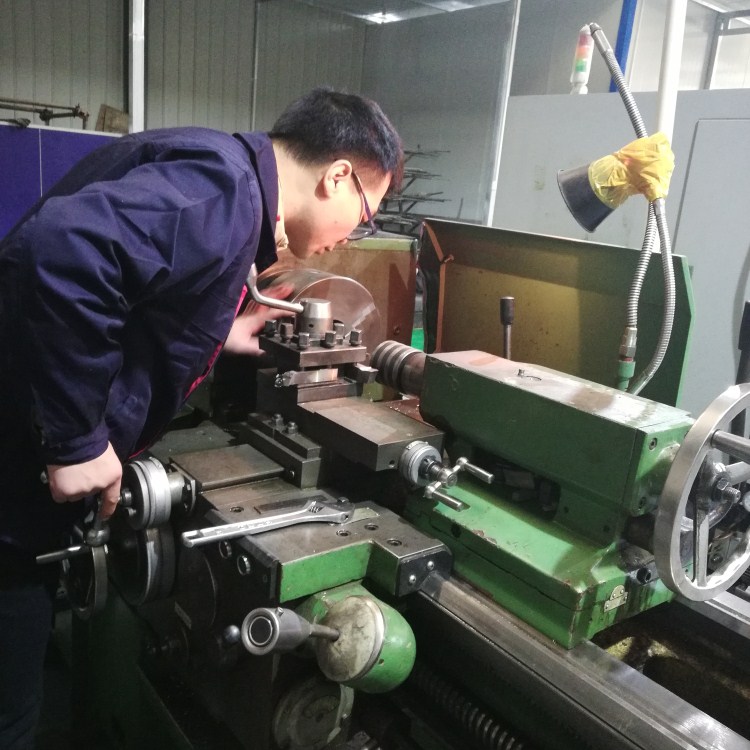
From initial hot heading, multi-axis CNC milling, precision thread rolling to fully automated multi-pass thermal decomposition coating kilns. Consolidating the mechanical manufacturing and electrochemical coating processes eliminates external subcontracting variance.
Our in-house engineering squad collaborates actively with leading metallurgical institutes and invited overseas electrochemical experts to optimize catalytic coating morphology, ensuring minimal internal crystal boundary defects and outstanding service lives.
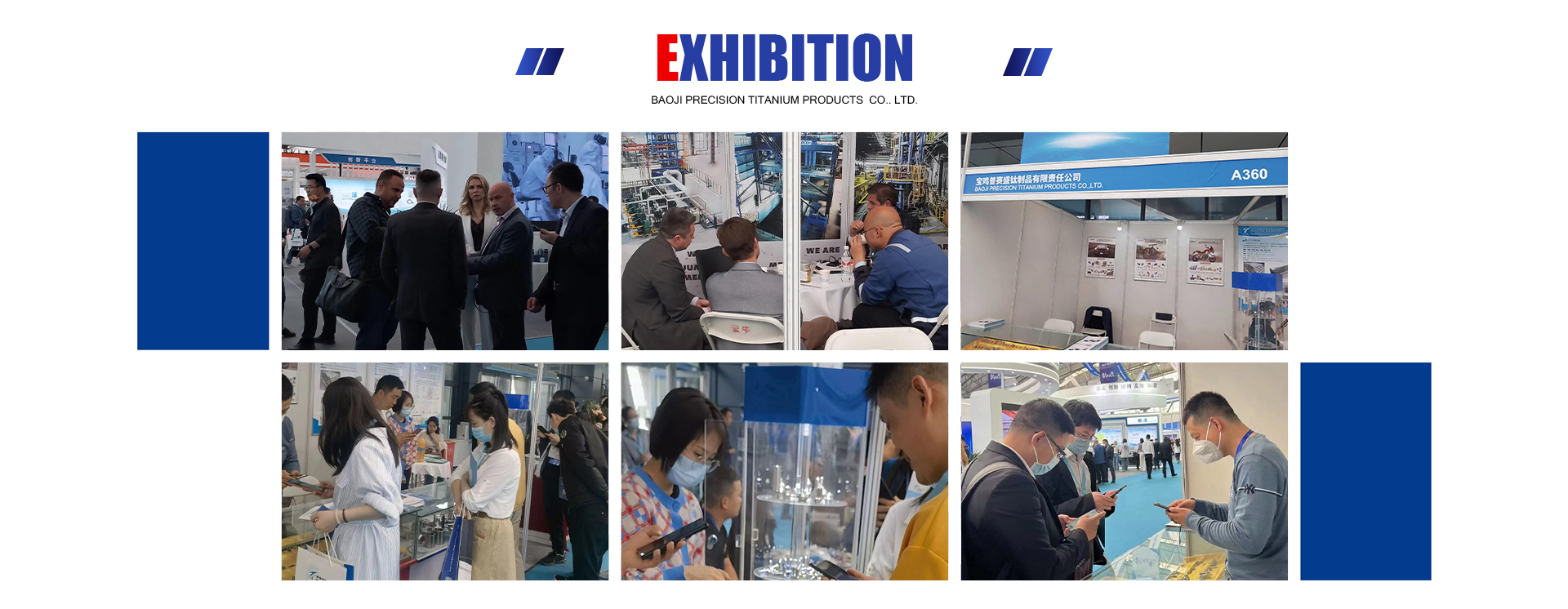
With over a decade of continuous global trade, verified on-site by international certification authorities, our products routinely ship to demanding customers in Japan, Germany, the USA, South Korea, Russia, and the Netherlands with zero non-conformance returns.
Clarifying technical tolerances, electrochemical coatings, logistics turnaround, and compliance documentation for local engineering teams.