High-Integrity Titanium Hardware & Anode Assemblies
Precision-machined structural fasteners and engineered electrocatalytic base components delivering zero-crevice failure across harsh acid, alkaline, and marine electrolytes.
Strategic Electrolytic Anode Deployment Across Greater HCMC
Southern Vietnam represents the industrial heartbeat of the nation. As factories in Ho Chi Minh City, Binh Duong, Dong Nai, and Ba Ria-Vung Tau transition toward closed-loop operations, catalytic Mixed Metal Oxide (MMO) titanium anodes serve as mission-critical equipment.
High-Density PCB & Electronics Plating
Across the Saigon Hi-Tech Park (SHTP) and Linh Trung Export Processing Zones, advanced multi-layer printed circuit board (PCB) and semiconductor fabricators demand dimensionally stable anodes (DSA) for continuous acid copper plating. Navzo's IrO2-Ta2O5 coated titanium mesh and expanded plate anodes eliminate bath contamination common to traditional soluble copper balls, stabilizing plating bath chemistry, enhancing micro-via filling uniformity, and drastically decreasing sludge generation.
Textile & Chemical Wastewater Degradation
Textile finishing facilities in Tan Binh, Binh Chanh, and nearby Long An industrial estates face rigorous compliance audits under Vietnam’s environmental mandates. Our RuO2-IrO2-SnO2 / TiO2 multi-component catalytic MMO electrodes generate potent hydroxyl free radicals (•OH) and active chlorine in situ, achieving up to 94% chemical oxygen demand (COD) breakdown, total organic carbon (TOC) reduction, and full dye de-colorization without hazardous chemical dosing.
Marine, Port & Energy Impressed Current CP
Operating in the brackish, high-salinity estuarine environments of Hiep Phuoc Port, Cat Lai, Cai Mep-Thi Vai, and the offshore petroleum platforms off Vung Tau, subsea steel pilings and pipelines require continuous Cathodic Protection (ICCP). Navzo manufactures MMO titanium tubular anodes, ribbon strings, and canister assemblies capable of discharging 600 A/m² in marine mud with consumption rates under 2 mg/A·year, guaranteeing 25+ years of maintenance-free cathodic defense.
Catalytic Coating Architectures & Operational Thresholds
Precision-engineered thermal decomposition layers synthesized over ASTM B265 Grade 1 & Grade 2 titanium substrates, configured for specific anolyte reaction pathways.
| Anode Classification | Primary Precious Metal Oxide | Evolution Target | Standard Current Density | Accelerated Life (ASTM G100) | Primary HCMC Industrial Setting |
|---|---|---|---|---|---|
| Chlor-Alkali & Hypochlorite (DSA) | RuO2 + TiO2 / RuO2-IrO2 | Chlorine (Cl2) | 2,000 – 4,500 A/m² | > 200 hours in 1M H2SO4 (10 kA/m²) | On-site electro-chlorination, cooling tower biocides, municipal effluent plants. |
| Oxygen Evolution (OEA) | IrO2 + Ta2O5 (Solid Solution) | Oxygen (O2) | 1,500 – 6,000 A/m² | > 350 hours in 1M H2SO4 (10 kA/m²) | Copper foil electrowinning, PCB acid plating, hard chrome electroplating. |
| Advanced Oxidation Wastewater (AOP) | β-PbO2 / Sub-Stoichiometric TiOx / SnO2-Sb | Hydroxyl Radical (•OH) | 800 – 2,500 A/m² | > 180 hours under extreme anodic polarity | Refinery runoff, pharmaceutical sludge, landfill leachate treatment. |
| High-Purity Platinized Anode | Electroplated Platinum (99.99%) Pt | Mixed Cl2 / O2 | 2,000 – 8,000 A/m² | Dependent on Pt thickness (1.5 – 5.0 μm) | Precious metal electroplating (Gold, Rhodium), hydrogen fuel cells, medical devices. |
Strategic Procurement Shift: The Evolution of Vietnam's Electrochemical Manufacturing
Over the past half-decade, Ho Chi Minh City’s manufacturing ecosystem has systematically graduated from low-tier assembly operations to precision-driven, high-technology fabrication. Driven by national sustainability mandates—most notably Decree No. 08/2022/ND-CP detailing the Law on Environmental Protection and strict enforcement of QCVN 40:2011/BTNMT (National Technical Regulation on Industrial Wastewater)—plant managers and environmental engineers can no longer tolerate hazardous, sacrificial heavy-metal anodes.
Historically, industrial facilities across Dong Nai, Binh Duong, and Ho Chi Minh City relied heavily on lead-antimony (Pb-Sb) alloys or conventional graphite electrodes in electrowinning and electro-flotation circuits. The structural degradation of lead anodes introduces hazardous sludge, cross-contaminates copper cathodes, and leads to voltage penalties of 0.4V to 0.7V compared to catalytically active dimensionally stable titanium anodes. By transitioning to Mixed Metal Oxide (MMO) coated titanium technologies, manufacturing units reduce overall cell electrical consumption by 15% to 28% while completely eliminating toxic lead discharge from municipal effluent channels.
Electrocatalytic Mechanism & Film Morphology Analysis
The operational longevity of a Mixed Metal Oxide anode hinges upon the microscopic adhesion and crystal structure between the ASTM Grade 1 or Grade 2 titanium substrate and the nano-structured catalyst layer. Navzo Precision Titanium utilizes an intensive, 7-stage surface preparation protocol:
- Thermal Stress Relieving: Relieves internal mechanical strain from laser slicing, stamping, or expanding titanium mesh to prevent thermal warping during high-temperature baking cycles.
- Micro-Blasting with Corundum: Generates a controlled Ra 3.5 – 5.0 μm surface roughness, dramatically multiplying mechanical anchorage points for the catalyst precursor solution.
- Boiling Oxalic Acid Etching: Removes the native passivated TiO2 film, creating a crystalline, pitted micro-morphology conducive to inter-metallic mechanical locking.
- Thermal Decomposition Coating (Sol-Gel Route): Precursor salts of pure Ruthenium (Ru), Iridium (Ir), Tantalum (Ta), and Titanium (Ti) dissolved in organic solvents are applied in multiple passes. Each micro-layer undergoes 450°C – 520°C thermal consolidation to synthesize a solid-solution rutile crystalline lattice.
- Post-Sintering Crystallization: Maximizes catalyst density, prevents cracked-mud fractures, and inhibits passive titanium oxide barrier growth at the substrate-coating interface.
For plant managers operating throughout the Southern Key Economic Zone (SKEZ), choosing the optimal precious metal ratio ensures that the oxygen evolution potential (OEP) or chlorine evolution potential (CEP) remains finely tuned to the target electrochemical window, eliminating parasitic side-reactions and optimizing kWh/kg production ratios.
Why Southern Vietnam Sourcing Teams Partner With Navzo
Direct supply-chain linkage from the cradle of global titanium production in Baoji to Ho Chi Minh City's manufacturing nodes, backed by strict ISO 9001 quality audits.
Baoji Raw Material Integration
Headquartered on Yucai Road in the High-tech Development Zone of Baoji—China's famed "Titanium Valley"—Navzo operates adjacent to premier sponge and melt facilities. This geographical privilege grants uncompromised access to high-purity, traceable ASTM B265 Grade 1 titanium coils, plates, and seamless tubes, delivering price resilience and 100% mill test traceability (EN 10204 3.1) to overseas procurement managers.
Rapid Response & ASEAN Logistics
With an audited average inquiry turnaround time under one hour and proven export conduits servicing Southeast Asia, our logistics network provides expedited sea freight into Cat Lai Port (Ho Chi Minh City) within 5 to 7 transit days. Airfreight consignment directly through Tan Son Nhat International Airport (SGN) accommodates urgent plant shut-down overhauls within 72 hours of dispatch.
End-to-End CNC & Anode Recoating
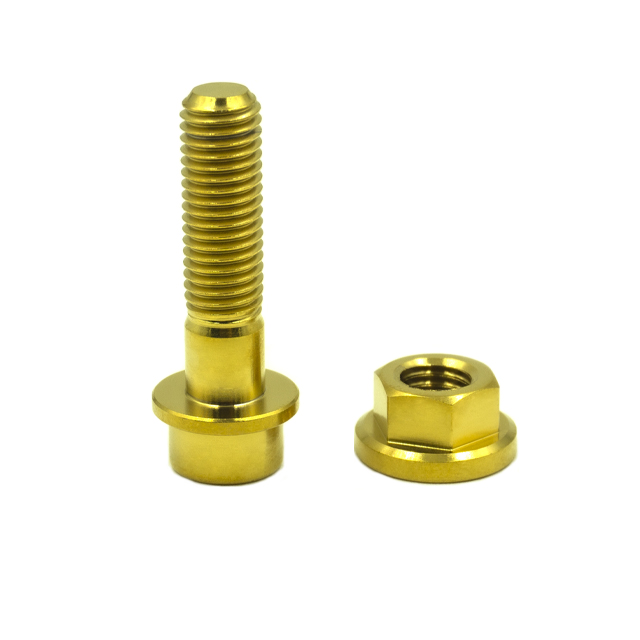
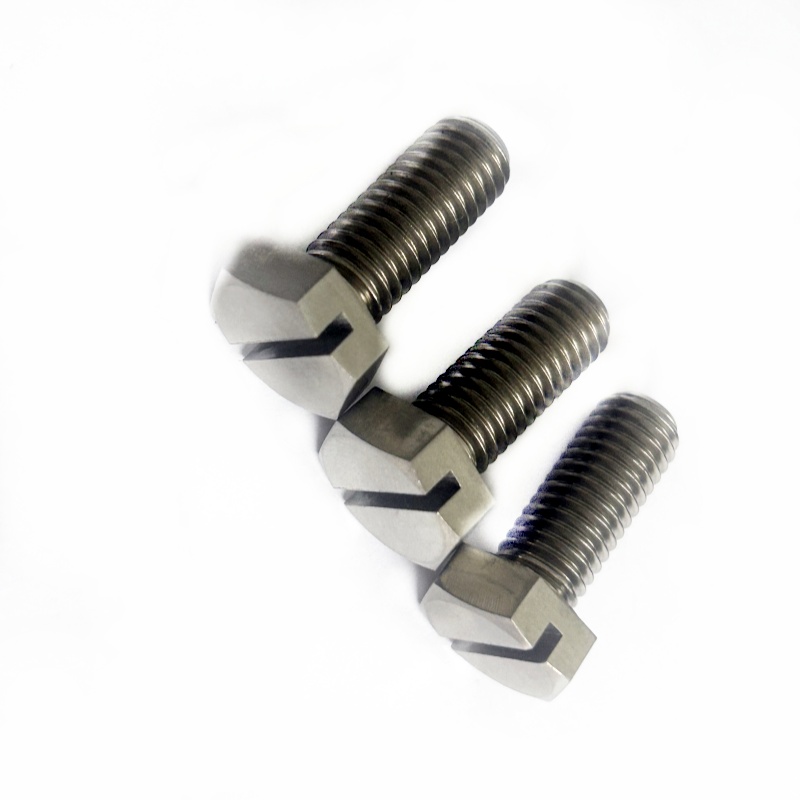
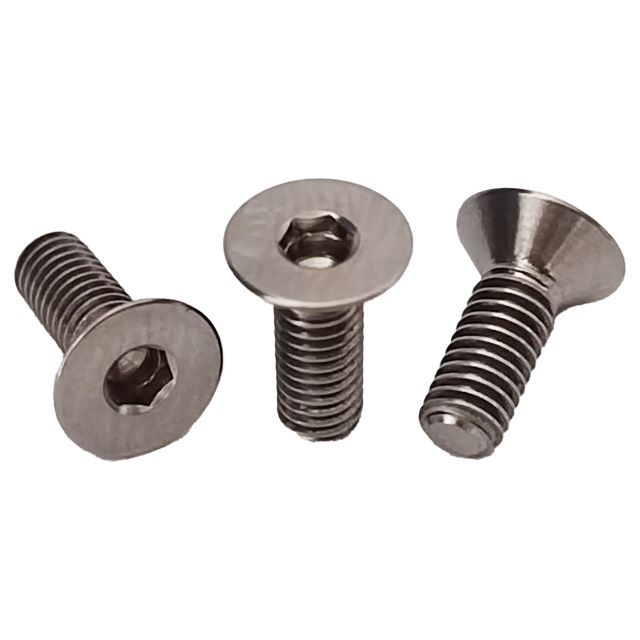
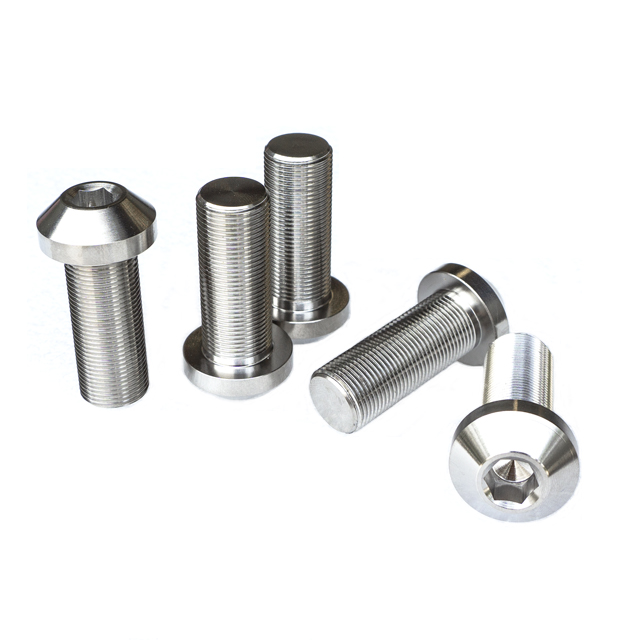
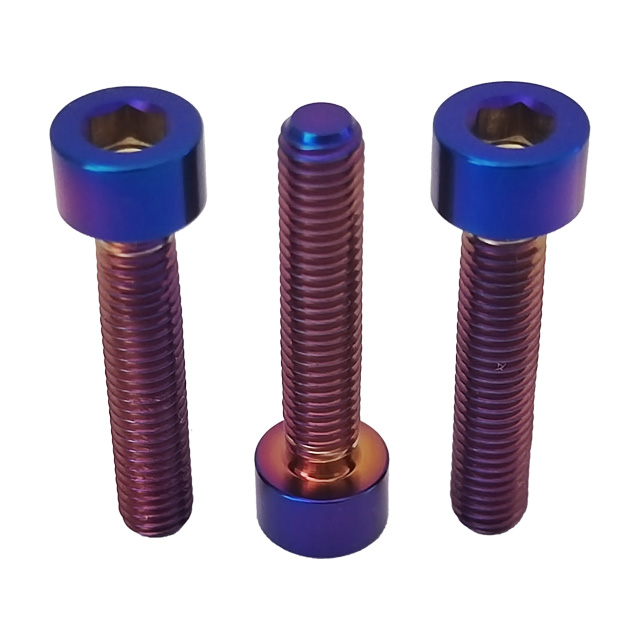
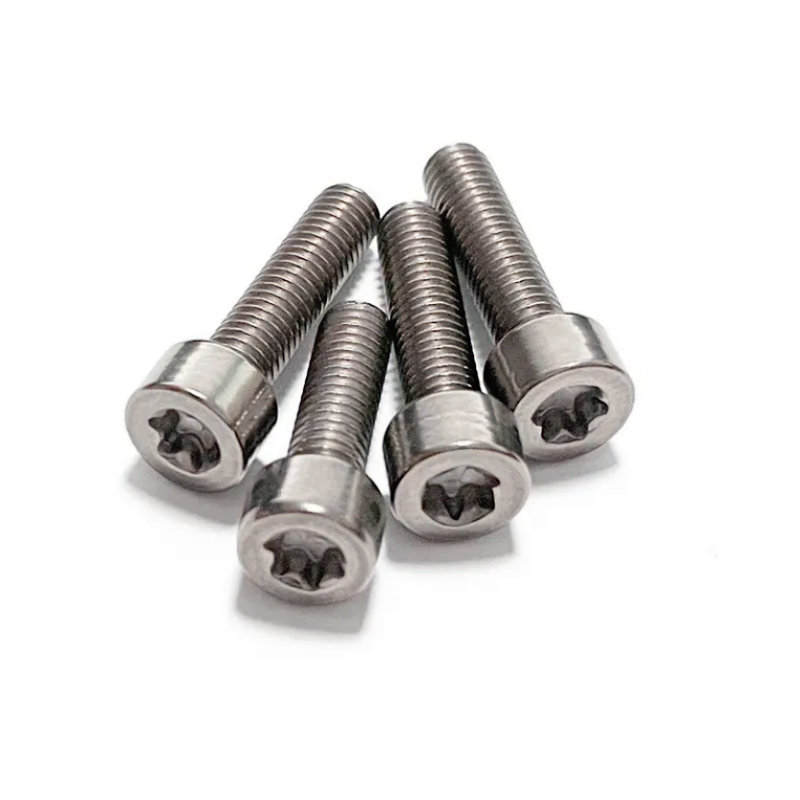
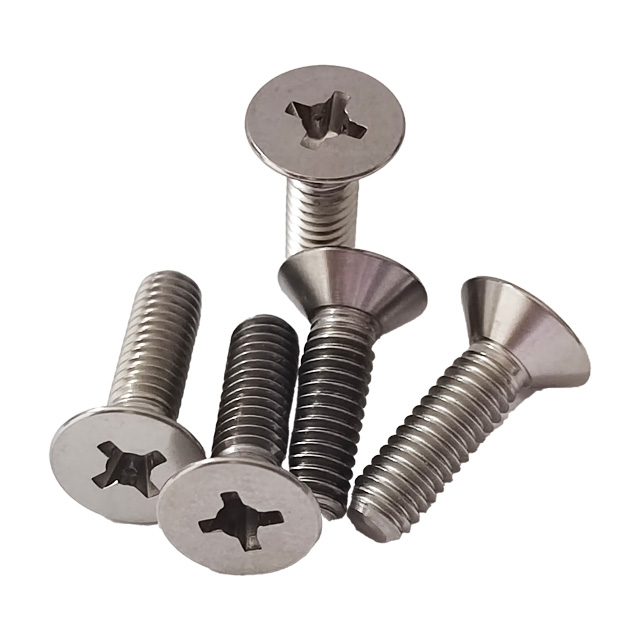
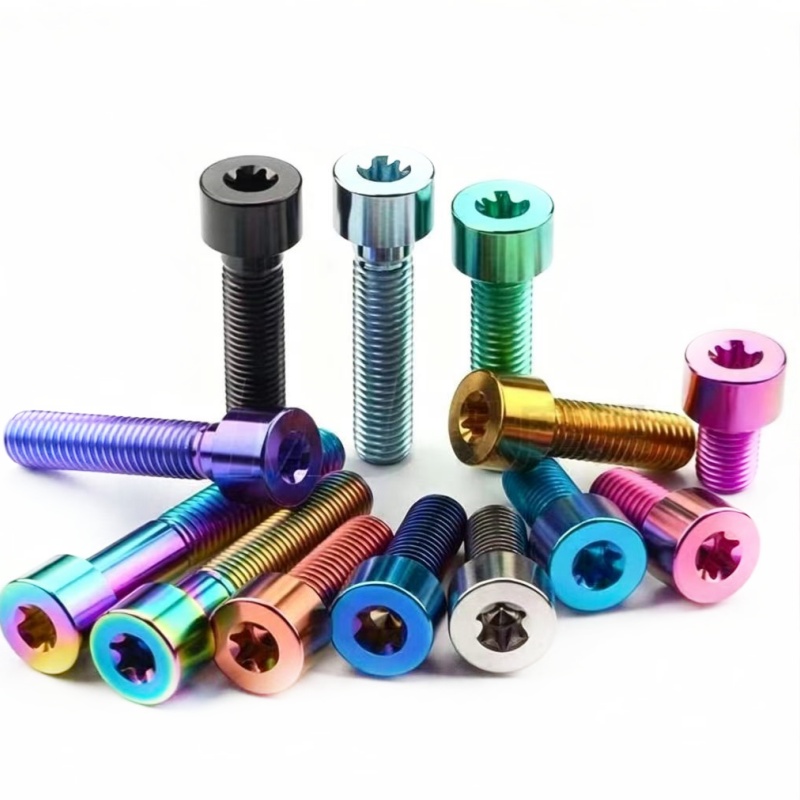
Beyond standard sheet and mesh fabrication, Navzo provides fully integrated CNC turning, cold heading, and precision threading for complex titanium electrode structures, current-feeder busbars, and titanium fasteners. Furthermore, we offer stripping and re-coating evaluations for depleted titanium substrates, slashing client capital re-investment by up to 55% compared to complete hardware replacement.
Frequently Asked Questions by Vietnam Procurement Specialists
Direct technical and commercial clarifications addressing import duties, coating specifications, and operational parameters.
Q1 What are the standard import customs clearance considerations for titanium anodes in Vietnam?
MMO titanium electrodes and structural titanium hardware typically import under HS Code 8486.90 or 8108.90. Shipments from our manufacturing hub in Baoji qualify for preferential tariff treatments under the ASEAN-China Free Trade Agreement (ACFTA). Navzo routinely issues official Form E Certificate of Origin documentation, enabling Vietnamese purchasers to claim preferential 0% or reduced import duties at Cat Lai or Tan Son Nhat customs checkpoints.
Q2 How do IrO2-Ta2O5 and RuO2-TiO2 formulations differ in wastewater and electroplating lines?
The choice is dictated by the primary anodic reaction. RuO2-TiO2 formulations feature low chlorine overpotential (≤ 1.15V vs SCE) and are optimized for solutions containing chloride ions (> 1,000 ppm), as seen in on-site hypochlorite generation. In contrast, IrO2-Ta2O5 exhibits remarkable resistance against oxygen evolution and acid attack, making it essential for copper electrowinning, trivalent chrome plating, and sulfate-based wastewater where aggressive nascent oxygen would rapidly passivate ruthenium-based layers.
Q3 Can Navzo fabricate custom anode shapes based on 2D engineering drawings or samples?
Yes. Approximately 60% of our production volume comprises OEM/ODM custom assemblies. Vietnamese buyers regularly send CAD, DWG, or STEP files for custom titanium anode baskets, rod-and-tube assemblies, slotted plates, and expanded mesh sheets with welded current distribution busbars. Our technical team conducts a manufacturability and current-distribution review prior to CNC machining, forming, and catalytic coating.
Q4 How does local humidity and high water temperature in Southern Vietnam impact MMO anode lifespan?
Tropical industrial environments often feature wastewater influent temperatures fluctuating between 32°C and 42°C. Elevated temperatures accelerate catalytic chemical dissolution kinetics. To ensure rated operational lifespans of 3 to 7 years in Southern Vietnam, Navzo enriches the secondary stabilizing oxides (such as Ta2O5 or SnO2) and increases coating loading from the standard 8 g/m² up to 12–15 g/m² of noble metal content, guaranteeing prolonged structural resilience.
Q5 What quality verification documents are supplied with each consignment?
Every commercial delivery includes an inspection dossier: 1) Chemical composition and mechanical properties test report (Mill Test Certificate per EN 10204 3.1); 2) Coating loading and uniformity certification measured via X-Ray Fluorescence (XRF); 3) Substrate adhesion bend test verification; and 4) Dimensional inspection reports verifying critical tolerances to ±0.1mm on fabricated assemblies.
Q6 Can spent titanium anode plates be refurbished and recoated?
Yes. When the underlying ASTM Grade 1 titanium core has suffered no major mechanical perforation or deep pitting, the remaining depleted oxide layer can be chemically stripped without reducing base plate thickness. After controlled mechanical blasting and oxalic acid re-etching, a brand-new catalytic MMO formulation is thermally applied. This circular approach saves local plant operators substantial procurement capital.
Accelerate Your Industrial Electrochemistry Project
Whether you require standard titanium expanded mesh, custom DSA electrodes for PCB manufacturing lines, or high-tensile titanium fasteners for your electrolytic cells, our technical team delivers responsive quotes and engineering drawings within 1 hour.