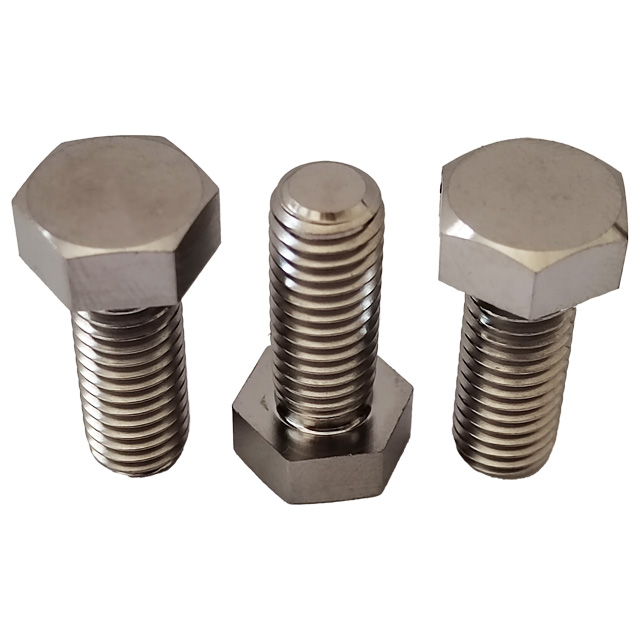
GR5 Titanium Bolts M8*20mm CNC Machined Hexagon Head Full Thread Bolts
- Dimensions: M8 × 20mm Pitch 1.25
- Yield Strength: 828 MPa Min.
- Finish: Precision CNC Machined
Direct from our CNC turning and cold-heading facility in Baoji to California wheel shops, race builders, and distributors. Traceable certified Grade 5 metallurgy.
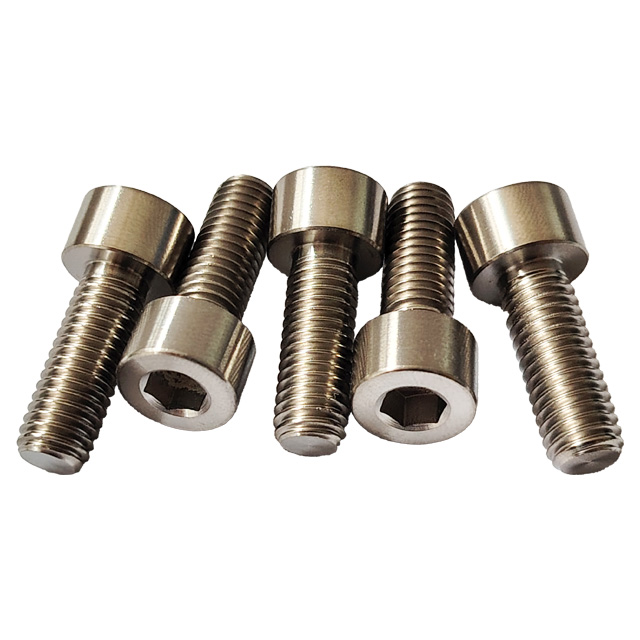
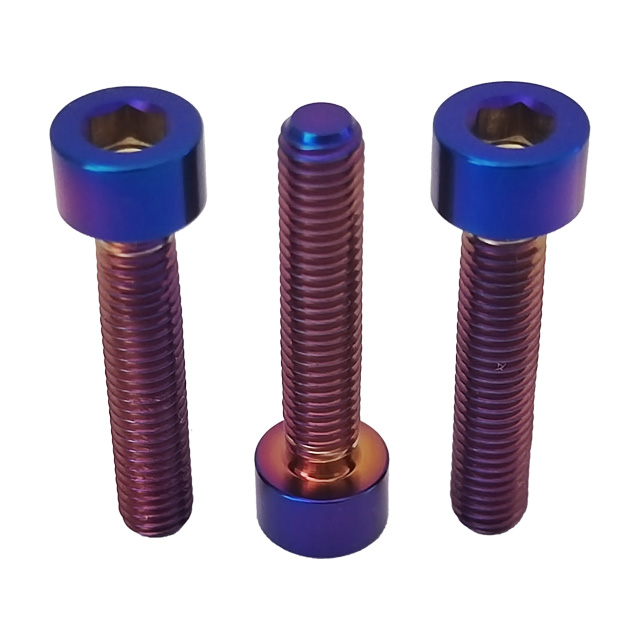
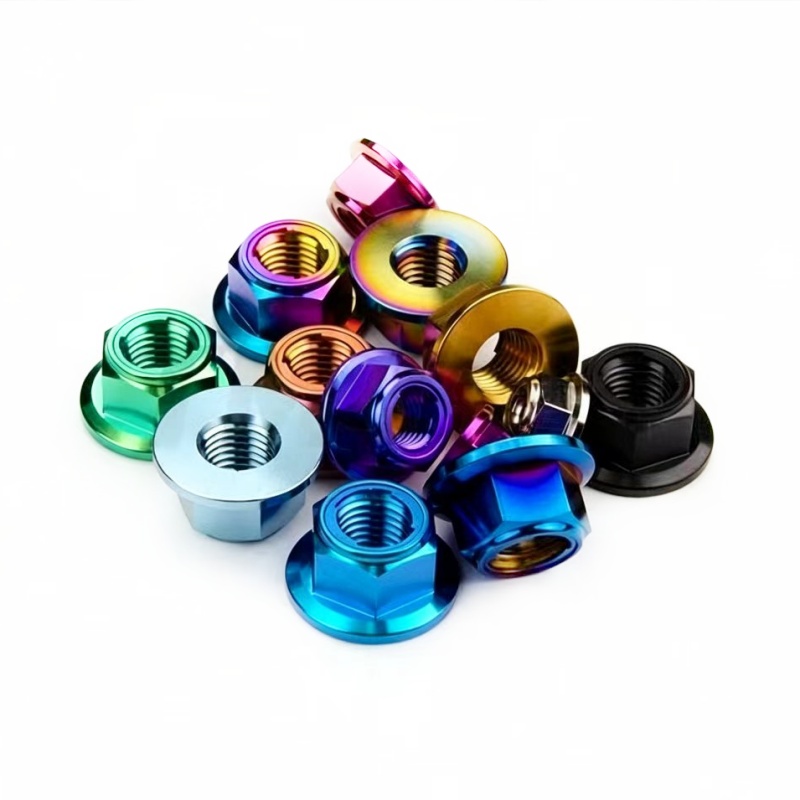
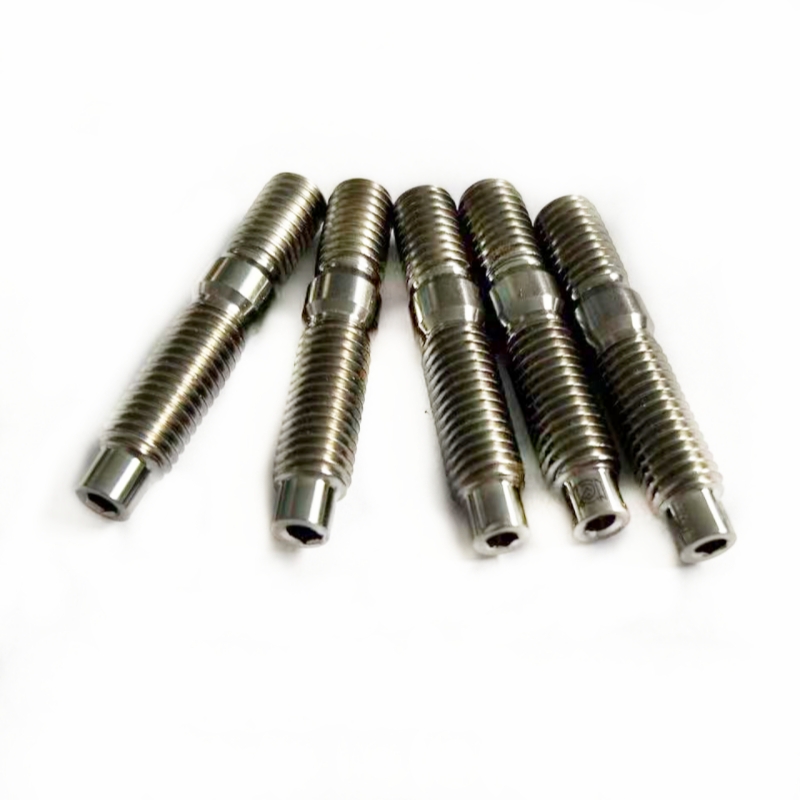
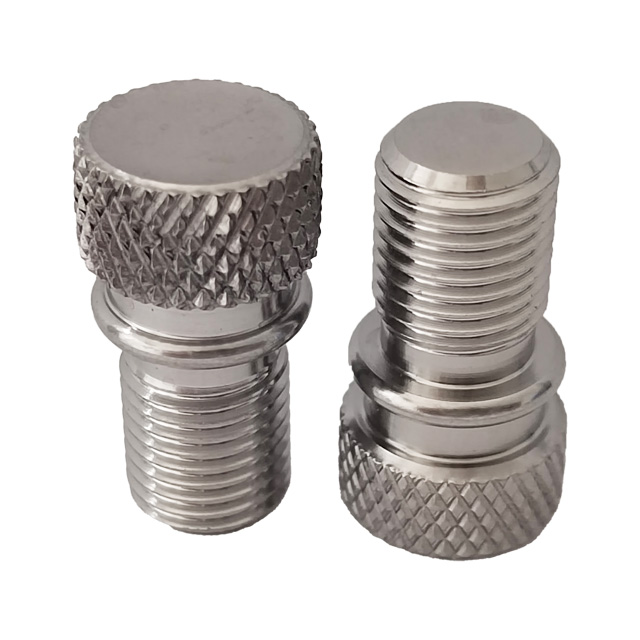
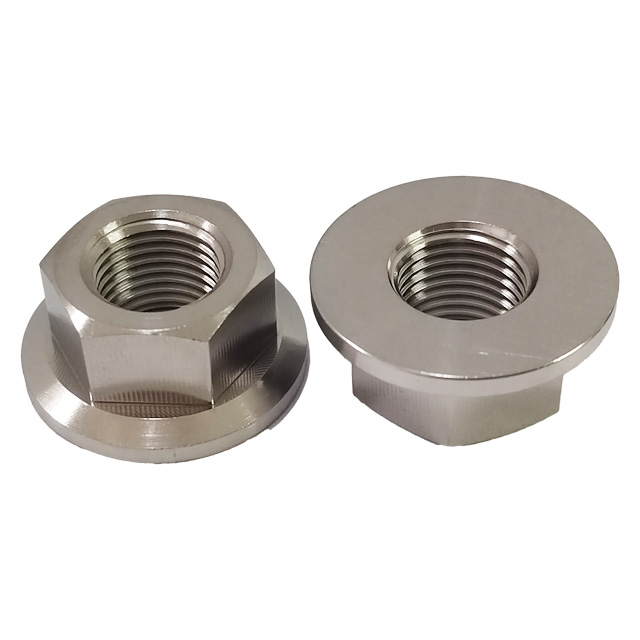
A metallurgic analysis of unsprung rotational mass, fatigue life, and shear load capabilities for high-performance automotive platforms.
Wheel assemblies occupy the most demanding physical environment on an automobile: they are simultaneously unsprung, rapidly rotating, and subjected to immense mechanical, centrifugal, and thermal cyclical stress. In professional motorsport circles across Northern California—from the downhill carousel of Sonoma Raceway to the corkscrew of WeatherTech Raceway Laguna Seca—substituting factory carbon-steel lug hardware with Navzo's GR5 (Ti-6Al-4V) titanium wheel lug nuts represents an engineered leap in dynamics rather than a cosmetic enhancement.
Standard grade 10.9 or 12.9 alloy steel lug nuts carry a density of approximately 7.85 g/cm³, adding unnecessary rotational unsprung inertia directly onto the wheel hub perimeter. Titanium Grade 5 (Ti-6Al-4V, UNS R56400) features a nominal density of 4.43 g/cm³, achieving a mathematically provable 43.6% reduction in component mass while delivering equivalent or superior yield and tensile margins.
Unsprung mass dictates the vertical acceleration of wheel and suspension assemblies as they navigate roadway and track kerbing imperfections. Lower unsprung mass allows the damper and spring system to maintain tire contact patches with less rebound lag. Furthermore, reducing mass located outward from the center of rotation exponentially reduces the polar moment of inertia ($I = mr^2$), allowing quicker rotational acceleration under full drivetrain torque and more rapid deceleration during threshold braking zones.
Many aftermarket wheel fasteners marketed as "titanium" are turned completely from hexagonal bar stock on cheap subtractive lathe equipment. While dimensionally accurate, subtractive machining completely severs the longitudinal grain structure of the alloy at the critical transition between the lug nut body and the 60-degree conical or spherical seating surface. Under intense cornering G-loads (such as lateral tire deflection exceeding 1.3G on slick racing compounds), stress concentrations accumulate precisely where the grain boundaries were truncated.
At Navzo Precision Titanium Products Co., Ltd., our GR5 racing lug nuts utilize a proprietary hybrid production protocol: high-speed multi-station warm heading pre-forms the blank while maintaining uninterrupted internal crystalline flow lines. Subsequently, precision CNC multi-axis machines finish critical internal seat angles, and threads are formed exclusively through cylindrical thread rolling dies. Unlike single-point cut threads, rolled threads compress and burnish the titanium surface, yielding a work-hardened root zone with a 30% higher fatigue limit and drastically minimized susceptibility to thread stripping under elevated torque loads.
| Material Specification | Yield Strength (MPa) | Tensile Strength (MPa) | Density (g/cm³) | Thermal Expansion (×10⁻⁶/K) | Galling Resistance |
|---|---|---|---|---|---|
| Navzo GR5 Titanium (Ti-6Al-4V) | 828 - 910 | 950 - 1050 | 4.43 | 8.6 | High (With PVD / Anti-Seize) |
| Class 10.9 Carbon Alloy Steel | 900 - 940 | 1000 - 1040 | 7.85 | 11.5 - 12.2 | Moderate (Requires Zinc/Phosphate) |
| 7075-T6 Billet Aluminum (Anodized) | 480 - 505 | 540 - 570 | 2.81 | 23.4 | Very Low (Severe Strip Risk) |
| AISI 316 Stainless Steel (A4-80) | 600 | 800 | 8.00 | 16.0 | Poor (High Galling Propensity) |
Analyzing the specific mechanical, thermal, and atmospheric demands of Northern California race circuits, Silicon Valley EV builders, and coastal environmental stressors.
The San Francisco Bay Area constitutes one of the world's most concentrated ecosystems for advanced vehicle electrification, precision restomod automotive workshops, and competitive regional road racing. Fastener specifications in this metropolitan area must endure conditions drastically different from inland continental markets.
San Francisco's characteristic advection fog ("Karl the Fog") carries dense marine salt aerosols off Ocean Beach, over Twin Peaks, and into the East Bay. Carbon steel lugs quickly suffer unsightly rust weep and thread lock, while aluminum lugs oxidize and seize. GR5 titanium forms an instantaneous, regenerative titanium dioxide ($TiO_2$) ceramic passivity layer that remains completely inert in saline coastal microclimates.
High-output performance electric sedans and hyper-EV platforms (such as the Tesla Model S Plaid and Lucid Air Sapphire built and tuned across the Fremont and Newark corridors) deliver instantaneous torque exceeding 1,000 lb-ft. This instant twist exerts extreme cyclic shear on wheel studs and lug seats. Navzo GR5 titanium lugs provide the tensile yield resistance of hardened steel while eliminating critical grams from curb-heavy platforms.
Bay Area track enthusiasts driving Sears Point (Sonoma Raceway) and Laguna Seca experience intense brake rotor temperatures exceeding 550°C. Aluminum racing nuts soften and lose clamping torque at these temperatures, precipitating wheel detachment. GR5 titanium retains structural modulus and preload integrity past 400°C, offering indispensable safety insurance for NASA and SCCA NorCal competitors.
Driving within San Francisco proper—navigating steep grade inclines such as California Street, Filbert Street, or the switchbacks of Lombard—places intermittent, alternating shock loads through the hub face during sudden braking transitions on uneven asphalt. Outside the urban core, driving enthusiasts frequent technical asphalt stages along Skyline Boulevard (Highway 35), CA-9 through the Santa Cruz Mountains, and Mount Hamilton.
In these tight, transition-heavy environments, unsprung weight directly correlates to vehicle compliance. High unsprung mass forces suspension dampers to work harder to control wheel bounce over frost heaves and pavement seams. By implementing Navzo Grade 5 titanium lug nuts across a 20-bolt hub system (typical M14×1.5 or M12×1.25 fitments), total unsprung rotational weight decreases by roughly 1.2 to 1.8 kilograms at the most influential point of the rotating radius, noticeably sharpening steering responsiveness through NorCal hairpin corners.
Market vectors driving the wholesale transition from conventional steel fasteners to certified titanium alloy hardware.
The rise of high-end vintage air-cooled builders and coachbuilders in Berkeley, San Francisco, and San Jose prioritizes raw material authenticity. Raw machined and satin PVD titanium provides period-correct, industrial elegance with non-corrosive permanence.
Bay Area customers investing in mono-block forged aerospace 6061-T6 wheels refuse to pair premium rims with cheap plated steel hardware that leaks zinc oxide onto freshly powdered finishes. Custom anodized titanium is now the baseline standard.
Racing organizations are clamping down on hazardous cadmium plating and toxic electroplating runoffs. Navzo's vacuum-deposited PVD (Physical Vapor Deposition) and clean electrochemical anodizing align seamlessly with strict California environmental standards.
Performance garages throughout the Peninsula are converting factory European wheel bolts to wheel stud configurations. Navzo's open-ended GR5 12-point and knurled race nuts accommodate extended motorsport studs for rapid pit lane wheel swaps.
Direct supply security from China's "Titanium Valley" to automotive procurement teams in the United States.
Founded on January 10, 2011, in the High-tech Development Zone of Baoji, Shaanxi, China, Navzo Precision Titanium Products Co., Ltd. is positioned at the exact epicenter of raw titanium extraction and specialized metallurgic processing.
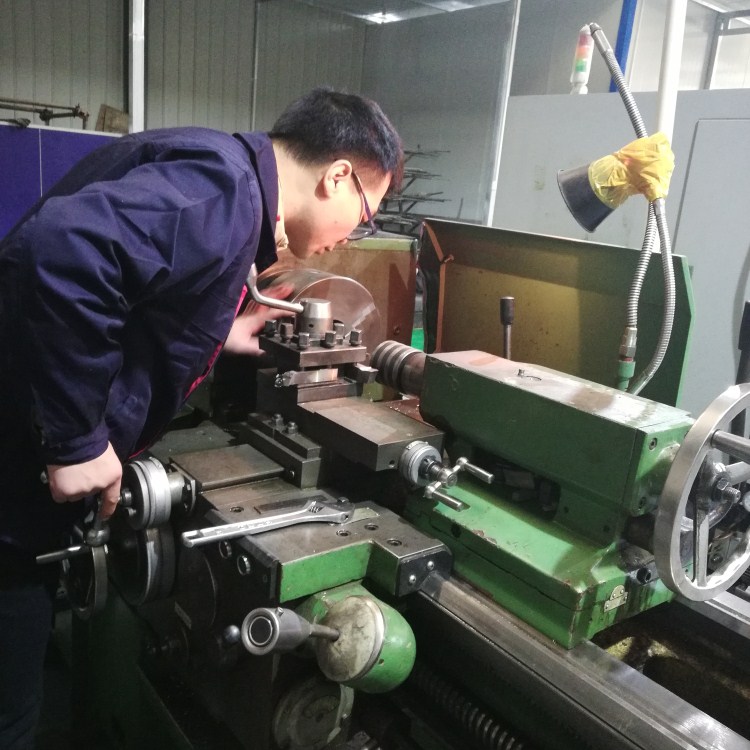
Unlike regional machine brokers or assembly re-sellers, Navzo maintains complete, vertically integrated production oversight: from vacuum consumable-arc melted Ti-6Al-4V titanium ingot certification to cold-heading, multi-axis precision CNC turning, automated thread rolling, and clean-room surface finishing.
Navzo ensures seamless supply chain delivery for Bay Area automotive importers, race shops, and retailers. Standard orders are expedited via air courier (FedEx, UPS, DHL Air Express) with direct customs arrival through San Francisco International Airport (SFO) in 4–7 business days. Container volume wholesale procurements are cleared directly through the Port of Oakland maritime terminals, streamlining drayage across the I-80, I-880, and US-101 industrial logistics corridors without third-party distributor markups.
In-depth responses covering metallurgy, anti-galling lubrication, torque specifications, galvanic corrosion, and customs compliance.
Whether you need standard racing sets for your Bay Area speed shop or high-volume custom CNC OEM titanium components, our engineers reply with technical validation and pricing within 1 hour.