Grade 5 (Ti-6Al-4V) Fastener Metallurgy for Tokyo Industry
In Tokyo's demanding high-tech manufacturing landscape—spanning the advanced R&D enclaves of Shinagawa, the precision micro-machining workshops of Ota Ward, and the elite motorsport constructors surrounding the Kanto plain—structural fasteners operate under strict performance parameters. Grade 5 Titanium (designated as Ti-6Al-4V, UNS R56400, and ASTM B348 / JIS 60種) represents the quintessential alpha-beta alloy, delivering an unparalleled strength-to-weight ratio that eclipses traditional SUS304/SUS316 austenitic stainless steels and high-tensile alloy steels (SCM435 class 10.9/12.9). By offering minimum yield strengths exceeding 828 MPa, complete resistance to chloride pitting in marine environments around Tokyo Bay, and non-magnetic permeability (μ < 1.00005), our bolts deliver critical advantages for robotics, racing, semiconductor, and subsea assemblies.
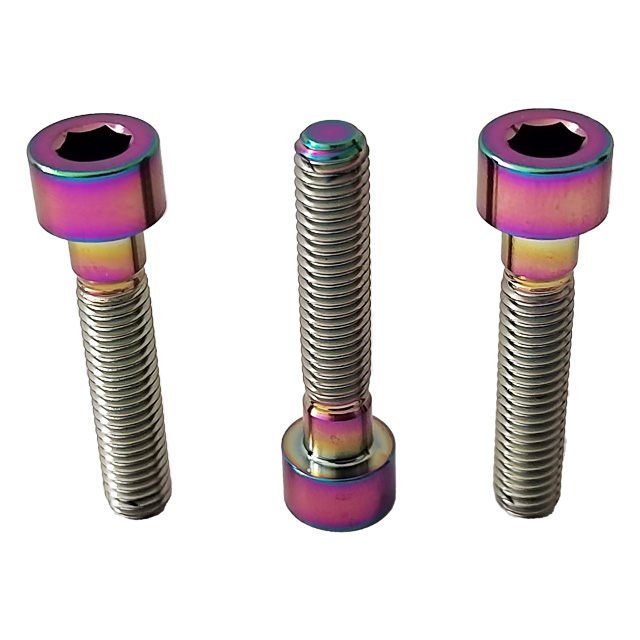
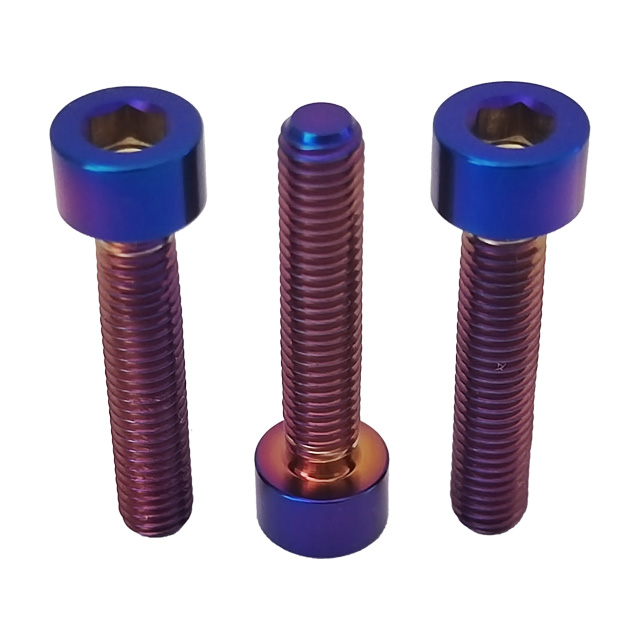
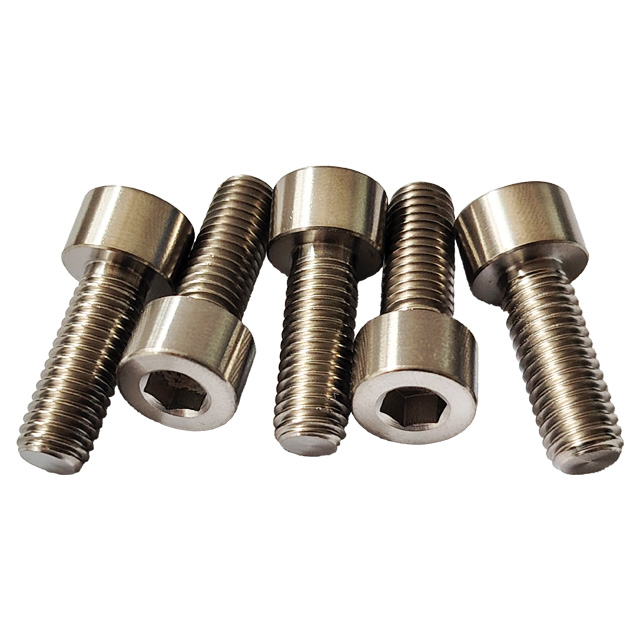
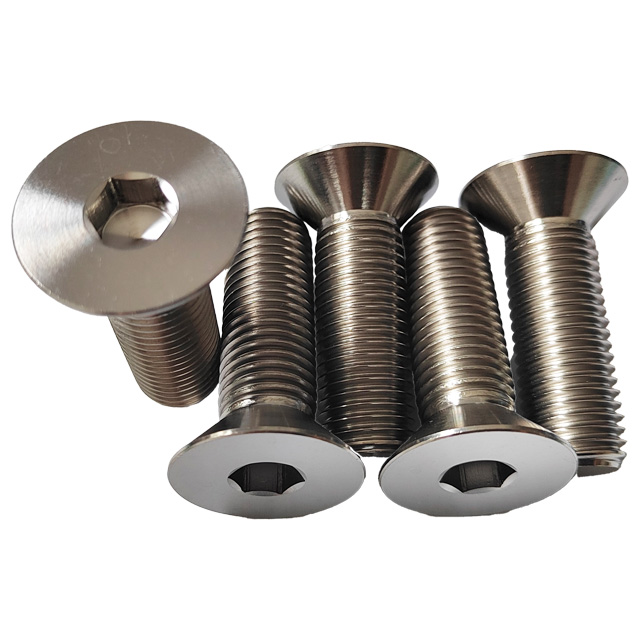
Precision GR5 Titanium Bolts for Tokyo Engineering Procurement
Precision CNC-turned and cold-headed metric bolts produced under ISO 9001:2015 quality frameworks with custom thread pitch and PVD finish allocations.
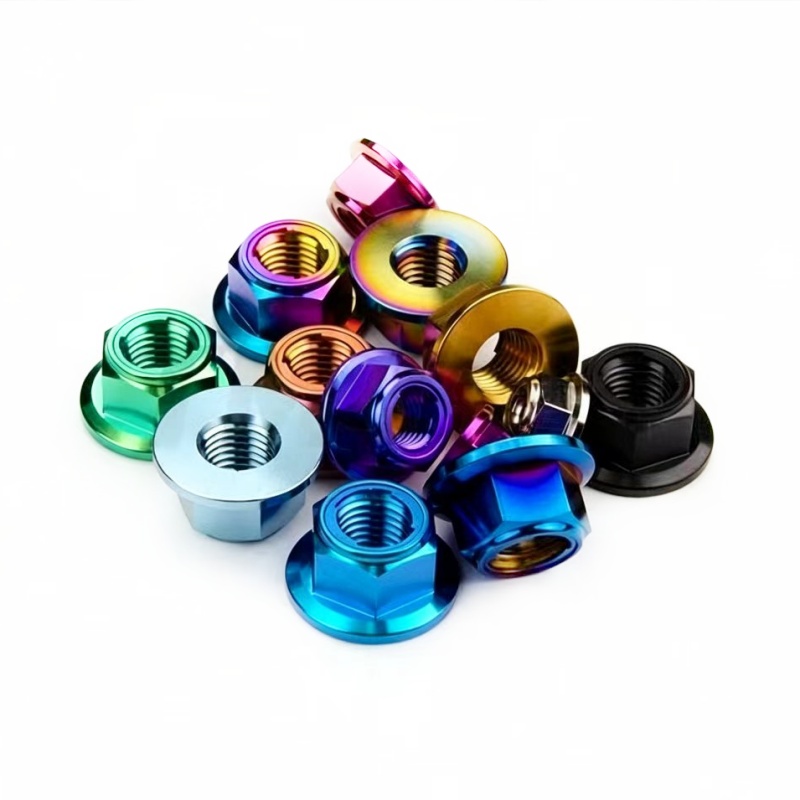
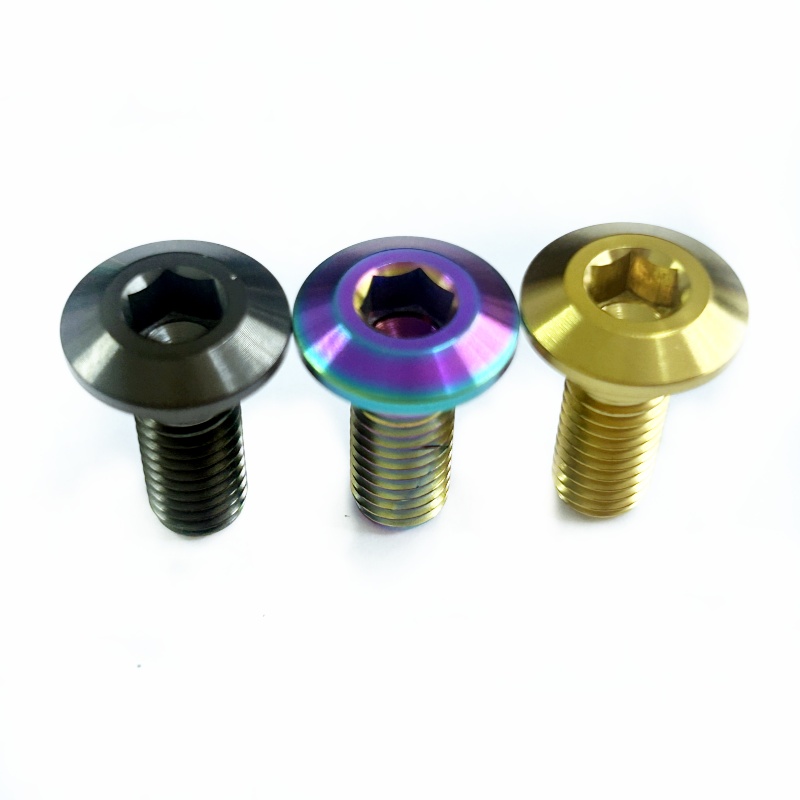
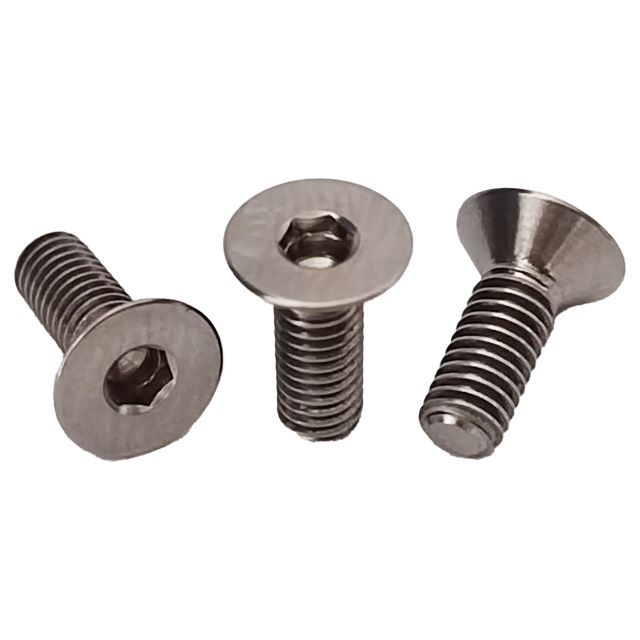
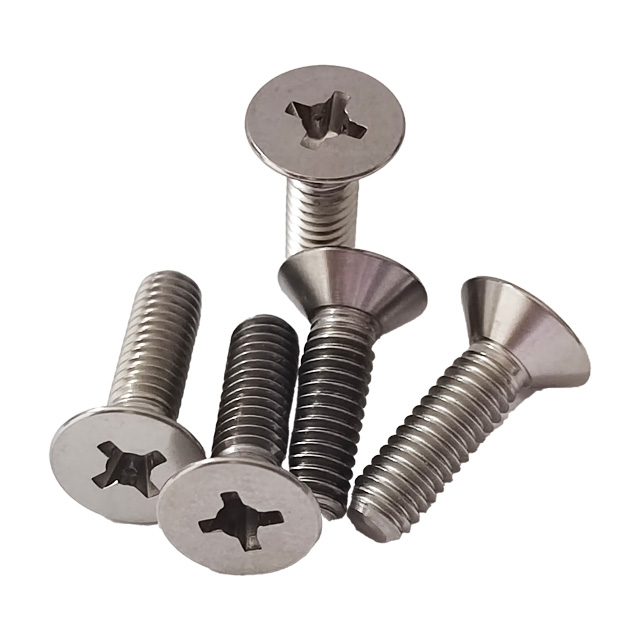
Localized High-Tech Applications Across the Tokyo Metropolitan Area
From micro-factories in Jonan to mega-tech hubs in Tsukuba and the Tama region, titanium fasteners are deployed in mission-critical environments requiring stringent weight, magnetism, and thermal performance.
Ota-ku Advanced Robotics & SCARA Actuators
In Tokyo's Ota Ward—the epicenter of Japan's precision craftsmanship (Monozukuri)—miniature robotic arms, collaborative SCARA robots, and precision grippers rely on our GR5 M3 to M6 socket screws to reduce end-effector rotational inertia without sacrificing clamping force.
Reduced Dynamic Servomotor LoadMotorsport & Superbike Tuning (Shuto Ecosystem)
The performance automotive and superbike engineering hubs flanking Tokyo's Metropolitan Expressway and Kanagawa boundaries mandate Grade 5 titanium disc rotor shoulder bolts, triple-tree pinch bolts, and subframe studs to eliminate unsprung mass and withstand track thermal cycles.
Critical Unsprung Mass ReductionSemiconductor & Ultra-High Vacuum (UHV)
Serving cleanrooms and semiconductor lithography suppliers in West Tokyo (Tachikawa/Hachioji), our vacuum-degassed Ti-6Al-4V fasteners exhibit zero magnetic distortion and negligible outgassing in 10⁻⁷ Pa vacuum chambers exposed to corrosive fluorinated etch vapors.
Non-Magnetic & Low OutgassingTokyo Bay Subsea & Port Infrastructure
Marine research instruments, ROVs operating out of Tokyo Port, and coastal sensor platforms utilize our Ti-6Al-4V and CP Grade 2 bolts for complete immunity to micro-biological induced corrosion (MIC) and crevice attack in stagnant seawater.
Zero Marine Chloride PittingKey Factors Driving Grade 5 Fastener Adoption in Greater Tokyo
Japanese procurement leaders prioritize supply continuity, RoHS/REACH environmental compliance, and life-cycle cost efficiency over short-term procurement expenses.
1. eVTOL & Urban Mobility Prototypes
With Tokyo Metropolitan Government initiatives targeting commercial eVTOL flight corridors between Haneda Airport and Odaiba, tier-1 suppliers are replacing chrome-moly fasteners with Grade 5 Titanium to meet stringent grams-per-component airborne mass ceilings.
2. Green Transformation (GX) & LCA Demands
Tokyo stock exchange prime-listed manufacturers require quantified Life Cycle Assessment (LCA) data. The 50+ year fatigue life and zero-corrosion degradation of Ti-6Al-4V eliminates scheduled replacement cycles and protective cadmium/zinc electroplating wastes.
3. Direct China-to-Tokyo Fast-Track Supply
Due to raw sponge titanium price volatility, Tokyo trading firms (Shosha) increasingly circumvent intermediary markups by establishing direct factory-level supply lines with qualified Baoji manufacturers, securing reliable batch traceability and competitive unit economics.
Mechanical Properties: Ti-6Al-4V vs. Standard Japanese Industrial Steels
Benchmark data compiled in accordance with ASTM F468, JIS B 1051, and ISO 3506 fastener standards.
| Material Designation | Density (g/cm³) | Tensile Strength (MPa) | Yield Strength (0.2% MPa) | Shear Strength (MPa) | Magnetic Permeability (μ) | Corrosion Resistance (Seawater) |
|---|---|---|---|---|---|---|
| Navzo GR5 Titanium (Ti-6Al-4V) | 4.43 | ≥ 950 | ≥ 880 | 550 | 1.00005 (Non-Magnetic) | Exceptional (>100 yrs) |
| Pure Titanium (CP Grade 2) | 4.51 | ≥ 345 | ≥ 275 | 290 | 1.00005 (Non-Magnetic) | Exceptional (>100 yrs) |
| SCM435 Alloy Steel (Class 10.9) | 7.85 | 1,040 | 940 | 620 | Ferromagnetic (>500) | Poor (Rapid Rusting) |
| Austenitic Stainless (SUS304 / A2-70) | 7.93 | 700 | 450 | 420 | 1.005 – 1.050 (Cold Worked) | Moderate (Pitting Risk) |
| Marine Stainless (SUS316 / A4-80) | 8.00 | 800 | 600 | 480 | 1.003 – 1.020 (Low) | Good (Susceptible to Crevice) |
| Duralumin (A7075-T6 Aluminium) | 2.81 | 570 | 505 | 330 | 1.00000 (Non-Magnetic) | Susceptible to Exfoliation |
Navzo Precision Titanium Co., Ltd. — Direct From China's Titanium Valley
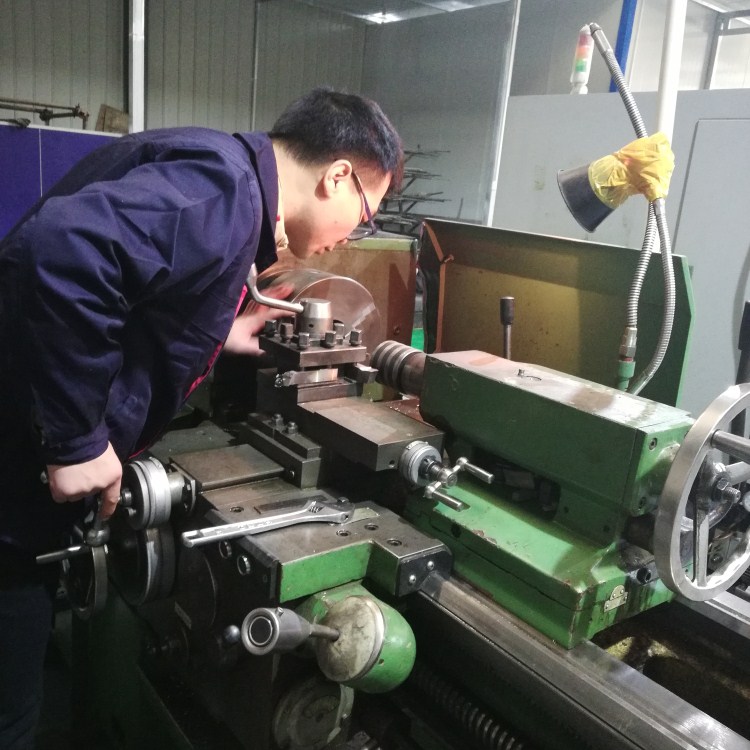
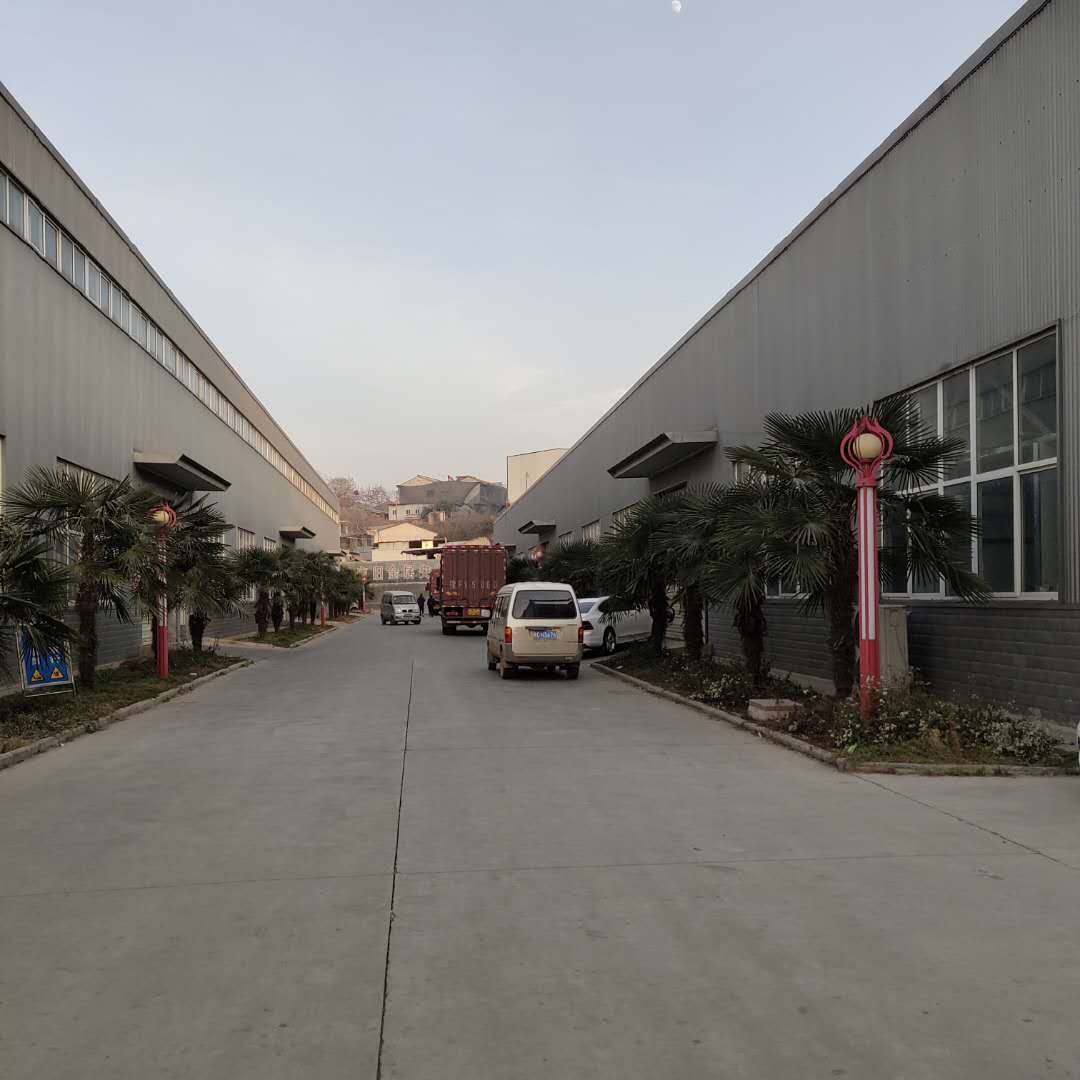
Located on Yucai Road in the High-tech Development Zone of Baoji, Shaanxi—China's recognized Titanium Valley—Navzo Precision Titanium Products Co., Ltd. controls the complete supply chain from certified vacuum-melted ingot billets to precision multi-axis CNC Swiss turning and cold heading.
- Guaranteed Material Authenticity: Sourced exclusively from Baoji prime titanium sponge with 100% EN 10204 Type 3.1 chemical and mechanical inspection certificates.
- Rolled Thread Grain Flow: Cold/warm thread rolling technology preserves continuous molecular flow lines, enhancing fatigue strength by 30% over lathe-cut threads.
- Comprehensive Surface Treatments: In-house electrochemical anodizing, controlled thermal blueing, and hard Physical Vapor Deposition (PVD TiN/DLC).
- Dedicated Tokyo Logistics Support: 1-hour quotation responsiveness, rapid DHL/FedEx air freight to Haneda/Narita within 3 business days, or direct maritime LCL/FCL to Tokyo Port.
Frequently Asked Questions by Japanese Engineers & Procurement Teams
Direct technical guidance addressing thread galling, JIS metric compatibility, torque calculations, and customs compliance for shipments entering Tokyo Port and Narita.
FAQ 01 Are Navzo GR5 titanium bolts compatible with standard Japanese JIS B 0205 metric threads?
Yes. Our standard bolts adhere to the ISO metric profile and JIS B 0205 metric coarse and fine thread tolerances (tolerance class 6g for external bolt threads and 6H for nuts). They integrate directly into existing Japanese tapping matrices across standard sizes including M3, M4, M5, M6, M8, M10, M12, and M14 without binding or clearance mismatch.
FAQ 02 How do you prevent thread galling (seizure) between titanium male threads and aluminum/titanium tappings?
Titanium has a high coefficient of friction under sliding contact, making it susceptible to cold-welding (galling). To prevent this, we recommend: 1) Utilizing our hard PVD (DLC or TiN) coated bolts, which dramatically lower surface friction; 2) Applying an anti-seize paste containing copper, molybdenum disulfide (MoS₂), or nickel; and 3) Avoiding pneumatic impact wrenches during installation in favor of calibrated torque tools.
FAQ 03 What torque value conversion is required when replacing high-tensile steel bolts (Class 10.9) with GR5 Titanium?
While Grade 5 Titanium boasts a comparable tensile strength (950–1050 MPa) to Class 10.9 steel (1040 MPa), its modulus of elasticity is approximately half (113 GPa vs. 210 GPa). Consequently, titanium stretches more under the same tensile load. When using anti-seize lubricant (friction coefficient μ ≈ 0.12–0.15), tighten titanium bolts to approximately 80–85% of the dry torque value specified for standard steel bolts to achieve optimal preload clamping force.
FAQ 04 What inspection documentation accompanies shipments dispatched to Japan?
Each production lot is accompanied by a full EN 10204 Type 3.1 Inspection Certificate detailing spectrochemical composition (Al: 5.5–6.75%, V: 3.5–4.5%, Fe ≤ 0.40%, O ≤ 0.20%), tensile yield strength, elongation percentage, and dimensional CMM reports. RoHS and REACH SVHC conformity declarations are provided for seamless regulatory clearance.
FAQ 05 What are the standard shipping timelines and customs tariffs for titanium fasteners into Tokyo?
Under Japan Customs Tariff Code (HS Code 8108.90 or 7318.15 classification for titanium articles), qualifying commercial trade agreements frequently permit preferential duty rates. Air consignments via DHL, FedEx, or SF Express land at Narita (NRT) or Haneda (HND) within 2 to 4 business days. Palletized ocean container shipments arrive at Tokyo Port / Yokohama Port within 7 to 10 days post-dispatch from Baoji.
FAQ 06 Can Navzo manufacture custom CNC titanium parts according to proprietary 2D/3D CAD drawings?
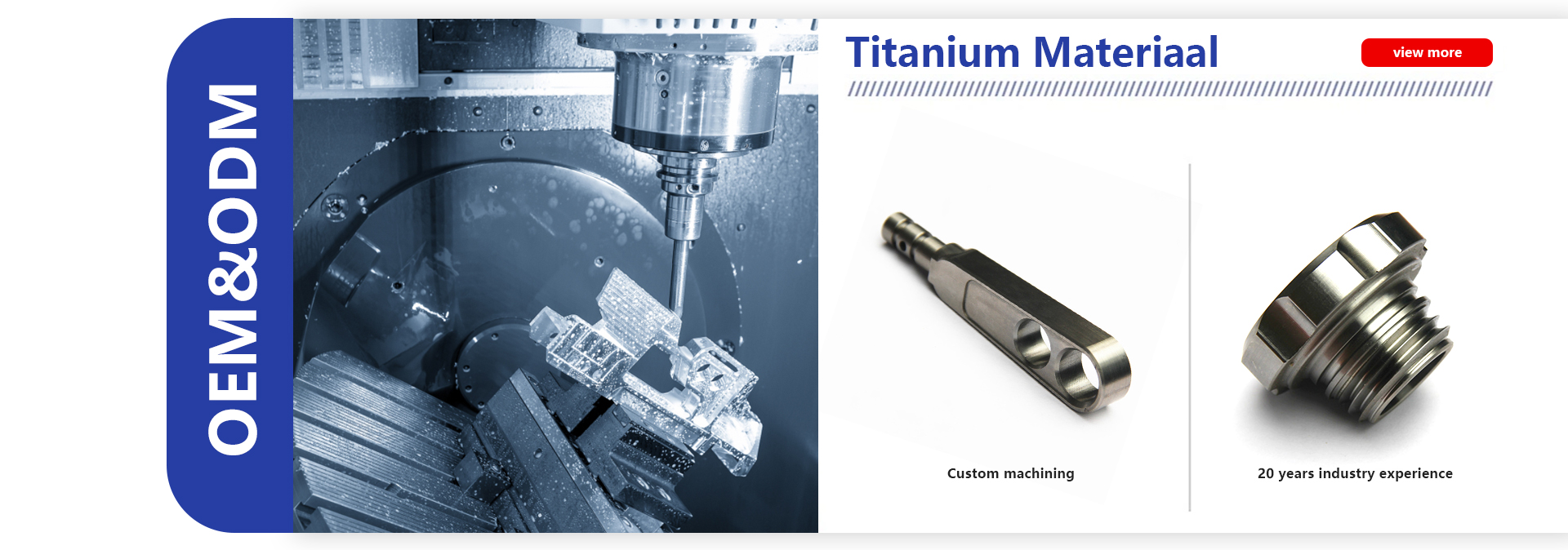
Absolutely. Our engineering team processes STEP, IGES, DXF, and PDF drawings. We operate 3-axis, 4-axis, and 5-axis CNC machining centers alongside high-speed precision swiss lathes. We accommodate custom head geometry (low-profile button, drilled safety wire holes, tapered torx, stepped shoulder dowel pins) with minimum batch runs starting as low as 100 pieces for bespoke prototypes.
Accelerate Your Tokyo Engineering Project with Navzo Titanium
Request our comprehensive 2025 engineering catalog, complete with CAD 3D models, JIS compatibility tables, torque conversion formulas, and factory-direct volume pricing delivered within 60 minutes.