Featured GR5 (Ti-6Al-4V) Fasteners & Machined Hardware
Precision-drawn from traceable Baoji mill bar stocks. Certified to ASTM B348, AMS 4928, and ISO 5832-3 standards for immediate delivery to Duval County and First Coast engineering facilities.
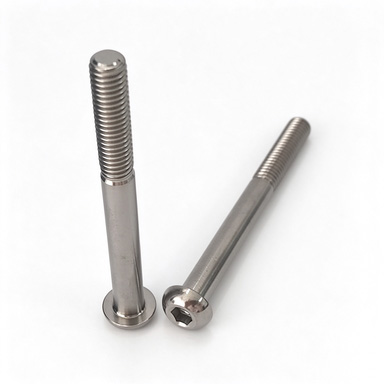
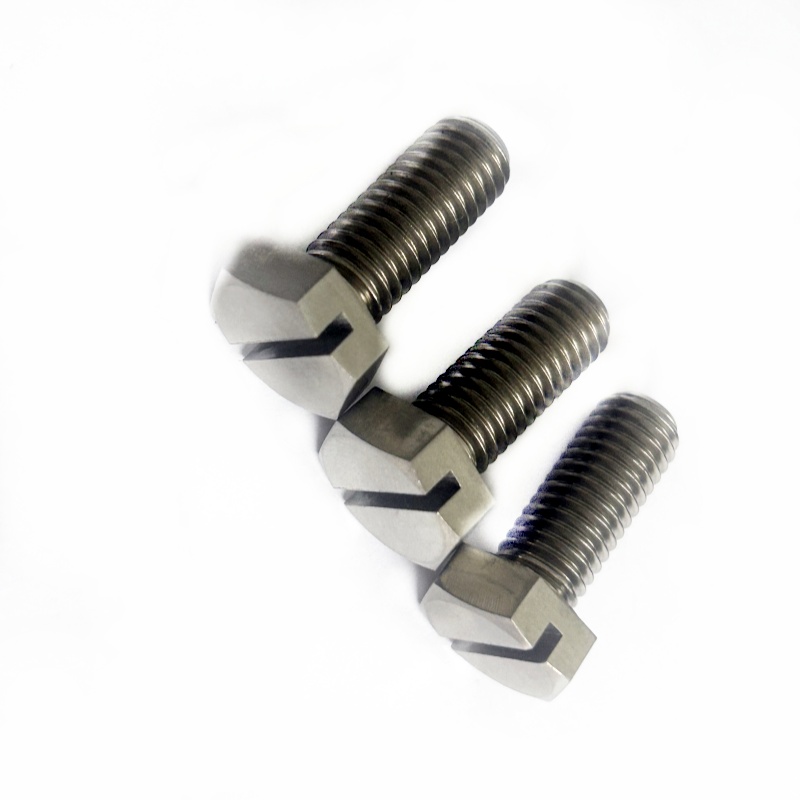
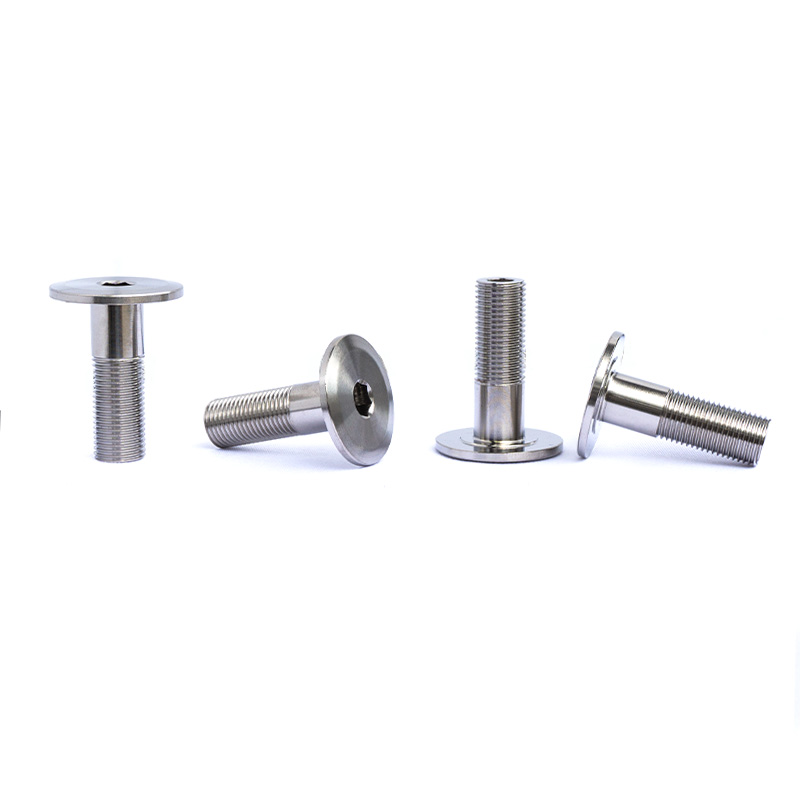
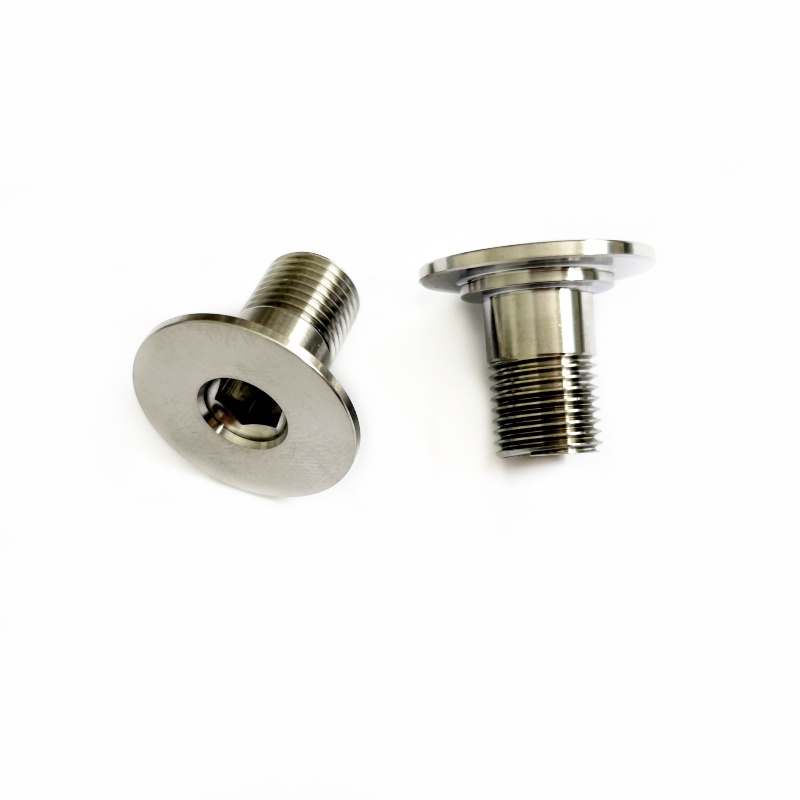
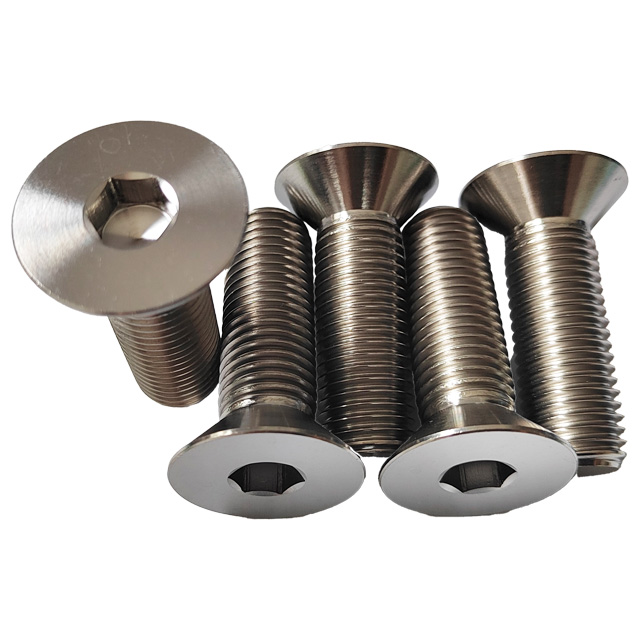
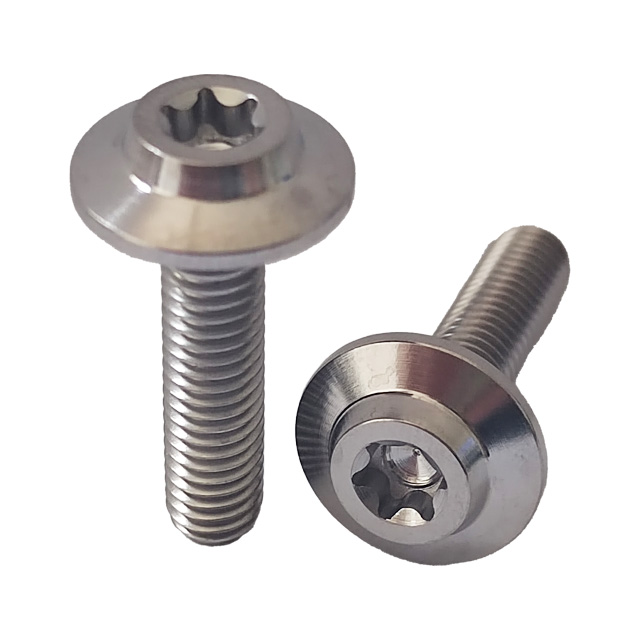
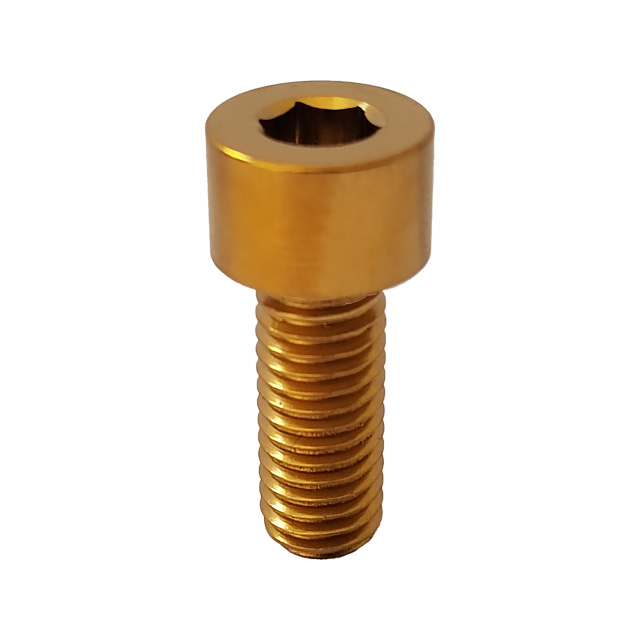
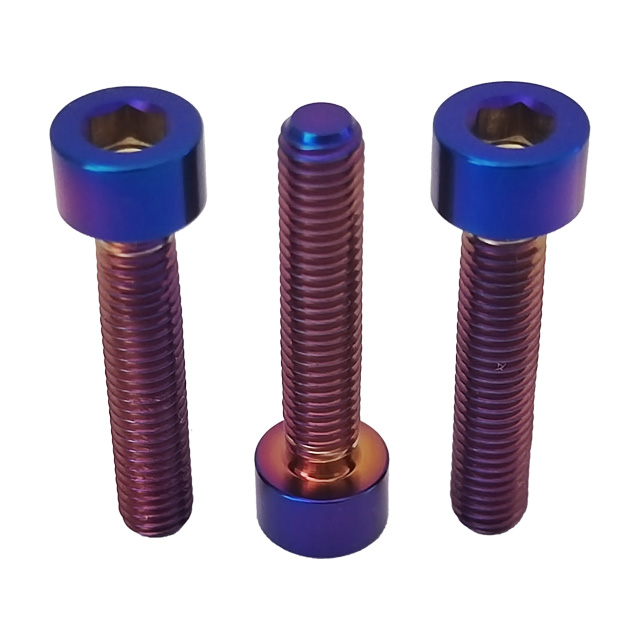
Jacksonville Strategic Materials Report: Why Ti-6Al-4V Dominates First Coast Industry
The industrial corridor of Jacksonville, Florida—anchored by the deepwater terminals of JAXPORT, the St. Johns River marine refit complexes, and proximity to the Cecil Airport aerospace cluster—represents one of North America's most demanding operating theaters for structural metals. As naval refits, subsea autonomous operations, commercial rocketry components, and advanced unmanned aerial vehicles converge along Northeast Florida's waterways, conventional stainless steels (316L, 17-4PH) consistently encounter lifecycle limitations driven by chloride-induced stress corrosion cracking, fatigue cycle failures, and severe weight penalties.
Grade 5 Titanium (Ti-6Al-4V / UNS R56400) represents the premier alpha-beta metallurgical solution. Composed of approximately 6% Aluminum (an alpha-phase stabilizer that enhances strength and oxidation resistance) and 4% Vanadium (a beta stabilizer providing microstructural refinement and superior workability), GR5 bars deliver a distinctive strength-to-density quotient that transforms heavy industrial architecture. With a density of only 4.43 g/cm³ compared to 7.85–7.90 g/cm³ for marine alloy steels, structural assemblies engineered with GR5 achieve weight reductions exceeding 44% while retaining minimum ultimate tensile strengths of 895 to 1,000 MPa.
For procurement managers and marine engineers throughout Jacksonville, sourcing direct from verified manufacturing mills in Baoji—China's renowned Titanium Valley—eliminates intermediate markups while ensuring metallurgical adherence to stringent MIL-T-9047, AMS 4928, and ASTM B348 specifications. Navzo Precision Titanium operates a closed-loop raw material pipeline, guaranteeing that every extruded, peeled, or cold-drawn bar supplied to the Jacksonville market arrives with certified ultrasonic non-destructive testing (NDT), precise microstructural phase balancing, and comprehensive mill test certificates (MTR).
Metallurgical Comparison: GR5 Titanium vs. Conventional Marine Alloys
Data evaluated under ASTM/ISO testing standards reflecting seawater immersion, cyclic mechanical fatigue, and high-load stress states.
| Alloy Designation | Density (g/cm³) | Min. Yield Strength (MPa) | Tensile Strength (MPa) | Corrosion Resistance (Chloride) | Jacksonville Target Application |
|---|---|---|---|---|---|
| GR5 Ti-6Al-4V (Annealed) | 4.43 | 828 | 895 - 1000 | Impervious (Passivated TiO₂ film) | Deepwater subsea valves, aerospace brackets, marine shafts |
| 316L Marine Stainless Steel | 8.00 | 220 | 520 | Susceptible to crevice/pitting in warm tidal water | Light deck brackets, low-stress plumbing |
| 17-4 PH Stainless (H900) | 7.78 | 1170 | 1310 | Moderate; prone to stress corrosion under tension | High-load shafts (requires heavy sacrificial anodes) |
| Inconel 625 (Nickel Alloy) | 8.44 | 415 | 827 | Exceptional | High-temp exhaust manifolds (Heavyweight disadvantage) |
| 6061-T6 Marine Aluminum | 2.70 | 276 | 310 | Moderate (Requires continuous anodized sealing) | Superstructures, bicycle frames (Low fatigue threshold) |
Where Ti-6Al-4V Drives Regional Industry Performance
Tailored structural integrations across Northeast Florida’s maritime corridors, coastal aerospace test centers, and high-performance racing platforms.
JAXPORT Shipyard & Subsea Refits
Jacksonville's naval refit shipyards on the St. Johns River demand round titanium bars for drive-shaft components, underwater sensor enclosures, and rudder pintle bushings. Ti-6Al-4V provides permanent immunity to warm, brackish Atlantic tidal water, eliminating downtime caused by galvanic breakdown.
Cecil Field Aerospace & Defense Rigging
From unmanned aerial system (UAS) prototypes to airframe modification depots around West Jacksonville, our centerless-ground GR5 bars supply precise CNC feedstock. Tight dimensional tolerances (±0.01mm) support complex mill-turn aviation fasteners, torque linkages, and hydraulic fittings.
First Coast Coastal Power & Desalination
Coastal thermal energy generating facilities and water reclamation projects throughout Duval and St. Johns Counties utilize GR5 titanium tie rods, tube sheets, and high-pressure flanges that withstand aggressive wet chlorination, high velocities, and localized micro-biological corrosion attacks.
Jacksonville Market Trends: The Shift to Titanium Procurement
How First Coast manufacturing is adapting to aggressive decarbonization, fleet electrification, and next-generation composite structures.
Transition to Carbon-Fiber Compatibility
Jacksonville's performance aerospace and advanced racing boat builders are rapidly pairing structural carbon fiber with GR5 titanium hardware. Unlike aluminum or carbon steel, titanium does not generate galvanic corrosion when coupled with carbon matrix composites, ensuring zero structural degradation in salty ocean air.
JIT Warehouse & Direct Factory Mill-Runs
To protect capital against rising domestic warehousing markups, Florida procurement directors are bypassing multi-tiered local distributors. Sourcing direct from primary Baoji manufacturer Navzo cuts inventory financing overhead while securing complete mill heat traceability on every bundle of GR5 titanium bar.
Stricter Quality Assurance & Ultrasonic Verification
Jacksonville defense contractors are standardizing defect screening under AMS 2631 Class A/AA ultrasonic testing protocols. Defect-free internal crystal structures in hot-rolled and annealed bars prevent costly machine downtime when executing micro-milling, deep drilling, and high-speed multi-axis turning.
Why North American Engineers Partner With Navzo Precision
Direct production capability from China's Titanium Valley, backed by verified quality systems and over a decade of continuous precision manufacturing.
Primary Manufacturing Backbone Since 2011
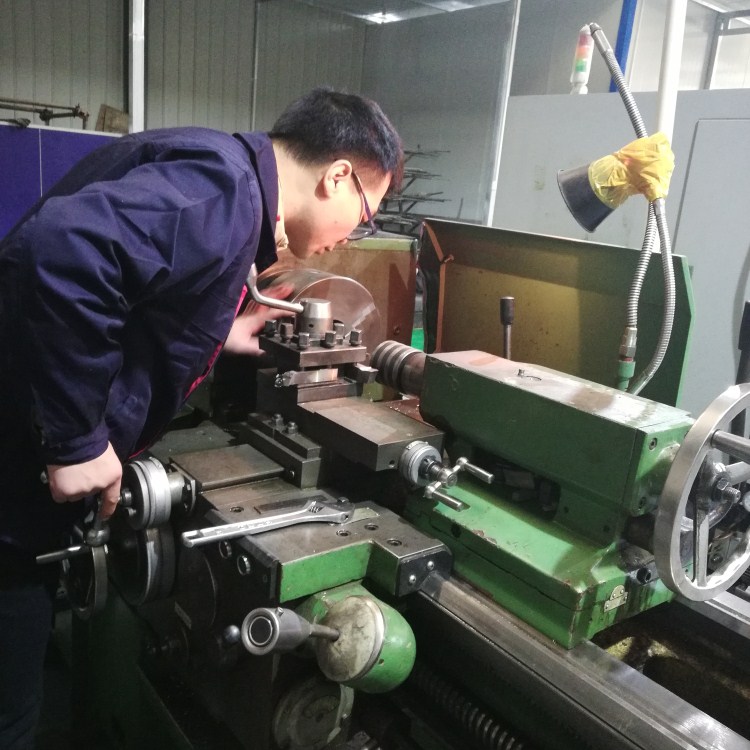
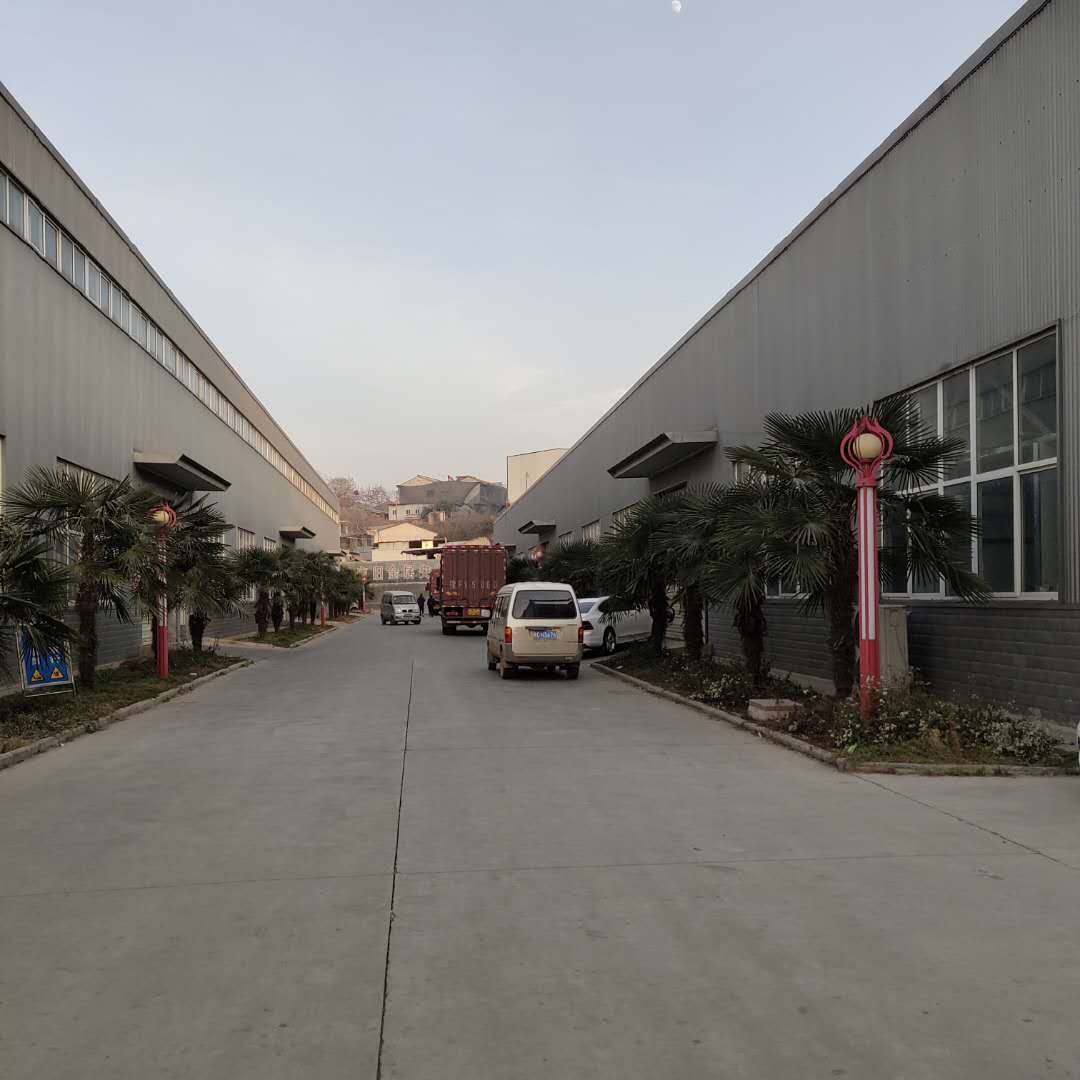
Founded on Yucai Road in the High-tech Development Zone of Baoji, Shaanxi, Navzo Precision Titanium Products Co., Ltd. operates in the epicenter of the global titanium sponge and ingot supply chain. We maintain an integrated production complex encompassing cold heading, precision CNC turning, thread rolling, ultrasonic defect verification, and advanced surface coloration systems.
By maintaining raw ingot reserves and dedicated multi-axis machining cells, we shorten production turnaround times, providing Jacksonville engineering firms with certified custom parts and metric/imperial standard stocks at primary mill pricing.
Frequently Asked Questions: Sourcing Titanium in Jacksonville
Direct technical answers addressing tariff compliance, freight routing, machining dynamics, and galvanic mitigation.
How does GR5 (Ti-6Al-4V) handle Jacksonville's high-salinity coastal atmosphere compared to 316 stainless?
While 316 stainless steel forms a passive chromium oxide film that remains susceptible to localized breakdown (pitting and crevice corrosion in stagnant, warm seawater), GR5 titanium forms an instantaneous, chemically stable, self-repairing titanium dioxide (TiO₂) ceramic boundary layer. This film renders GR5 completely immune to marine chlorides, hydrogen sulfide, and biofouling acids across ambient Jacksonville water temperatures.
What shipping and port logistics are utilized for bulk orders arriving in Jacksonville?
For ocean freight, containerized titanium bar billets and heavy fastener orders can route directly into the Talleyrand or Blount Island marine terminals at JAXPORT with standard customs bond clearance. For fast-turnaround aerospace prototyping, expedited air freight arrives via Jacksonville International Airport (JAX) within 5–7 business days, complete with pre-cleared customs documentation.
Is thread galling a concern with titanium fasteners, and what lubrication is recommended?
Yes. Titanium's high friction coefficient and rapid oxide formation can cause localized microscopic cold-welding (galling) under high torque, particularly on dry titanium-to-titanium threads. We strongly recommend using nickel-based or molybdenum-disulfide anti-seize pastes (such as Loctite Marine Grade Anti-Seize) or opting for our PVD-coated or specialized hard-anodized fastener variants which significantly lower friction coefficients.
What documentation and material test reports are included for aerospace buyers?
Every shipment includes comprehensive EN 10204 Type 3.1 Mill Test Certificates. These detail precise chemical compositions (analyzing Al, V, Fe, C, N, H, and O content to ensure low interstitials) and physical performance metrics (Yield Strength, Tensile Strength, Elongation %, Reduction of Area). On request, third-party NDT ultrasonic inspection sheets per AMS 2631 Class A can be provided prior to dispatch.
Can Navzo machine titanium parts directly from Jacksonville customer engineering drawings?
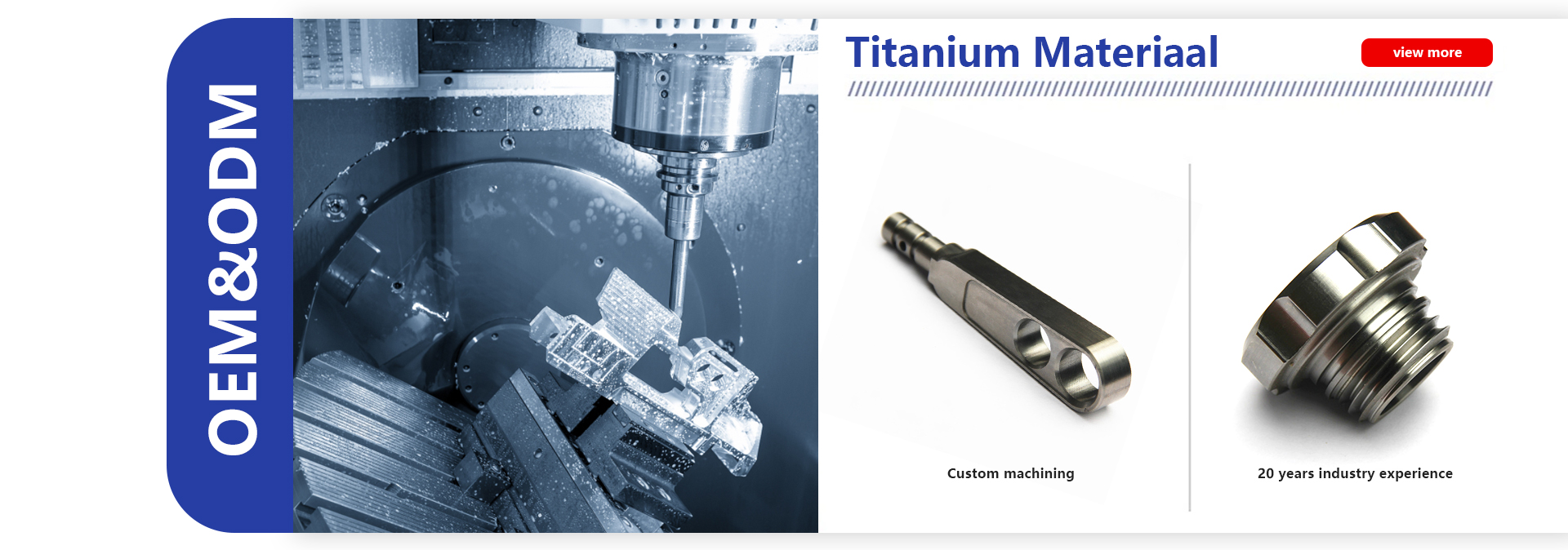
Yes. Our engineering department processes 2D blueprints (PDF, DWG, DXF) and native 3D solid models (STEP, IGES, Parasolid). Our team evaluates tight geometric dimensioning and tolerancing (GD&T), recommending tooling pathways, centerless bar grinding, or cold-heading sequences to minimize tool deflection and heat concentration common to titanium turning.
What surface treatment options are best suited for marine racing vs. aerospace fasteners?
For marine racing and high-performance automotive platforms, our thermal burnt blue and electrochemical multi-color anodizing provide striking aesthetics alongside a dense surface oxide. For aerospace and subsea defense components, we suggest vacuum physical vapor deposition (PVD) coatings (such as DLC or TiN) or standard natural acid-pickled passivation to ensure maximum wear resistance without compromising dimensions.