Flange Torx
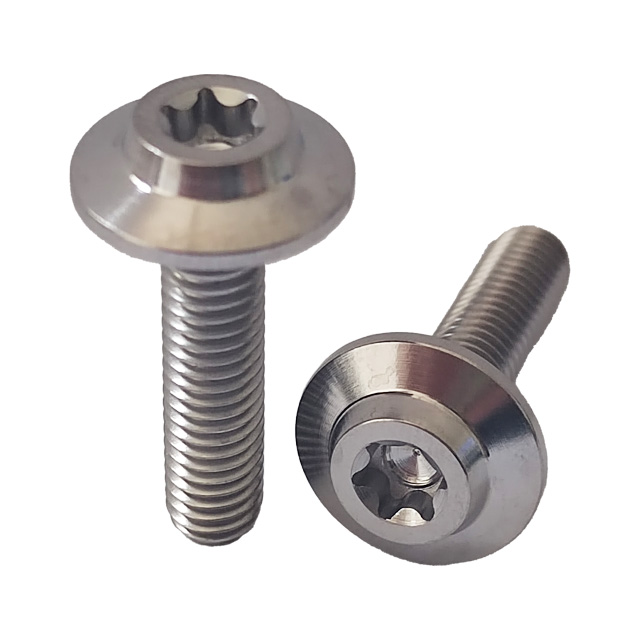
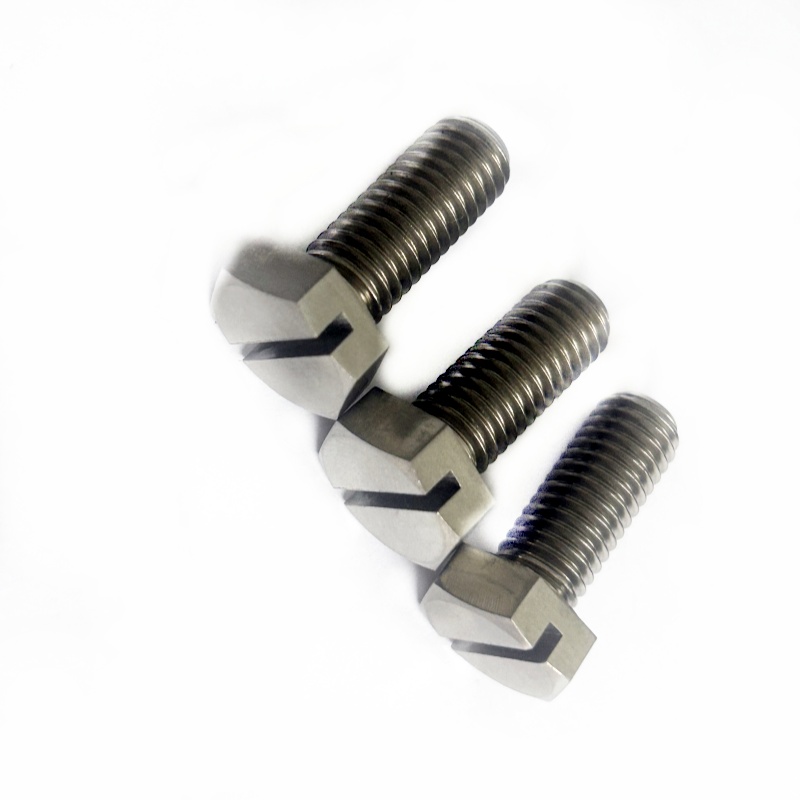
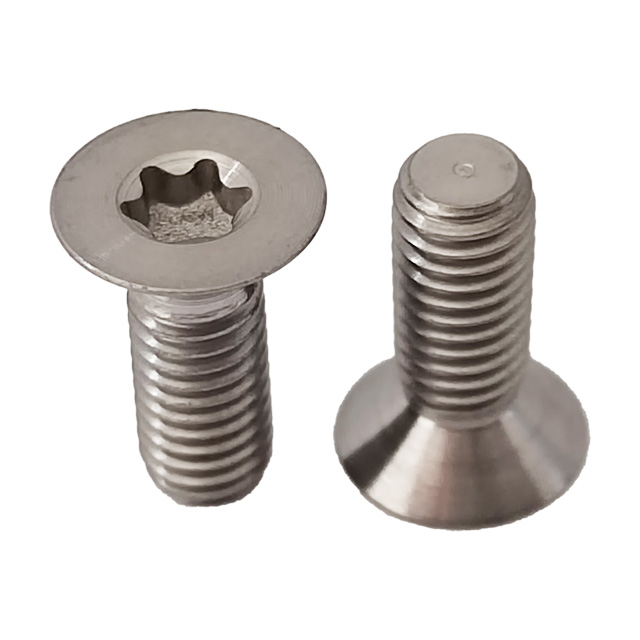
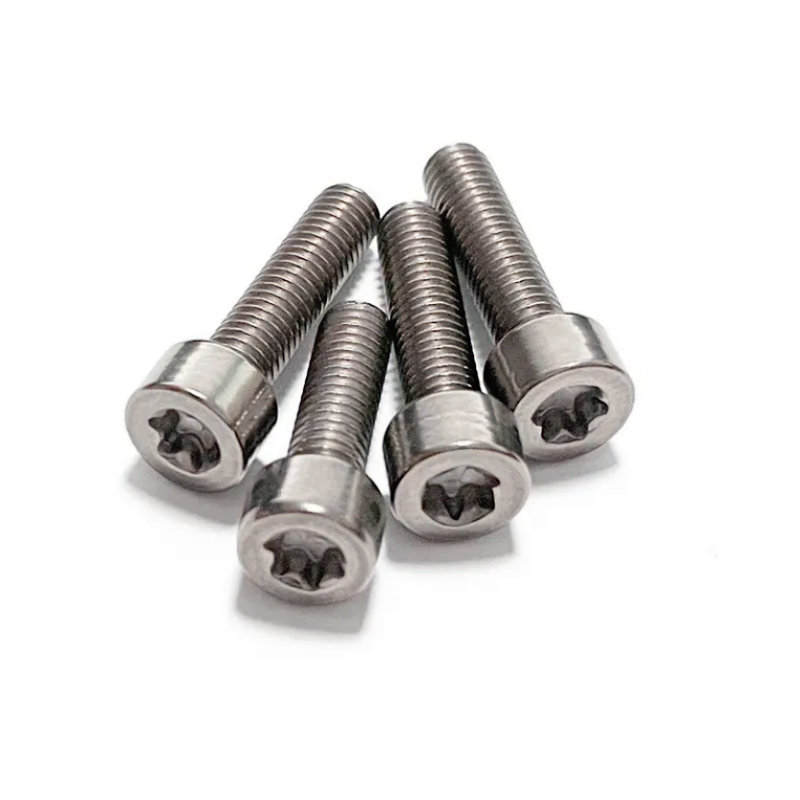
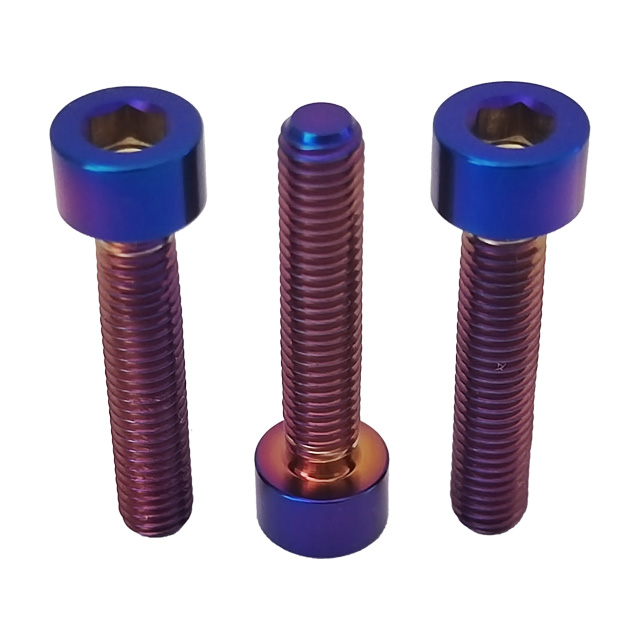
GR5 Titanium Bolts M6*25mm Umbrella Flange Head Torx
- Standard:
- OEM / Customized
- Drive Type:
- Inner Plum / Torx T30
- Tensile:
- ≥ 895 - 950 MPa
- Application:
- Marine Sensors & Enclosures
Manufactured from mill-certified titanium alloy bar stock in Baoji Titanium Valley. Fully tailored for high tensile loads, extreme North Sea salinity, and cryogenic-to-high thermal dynamics.
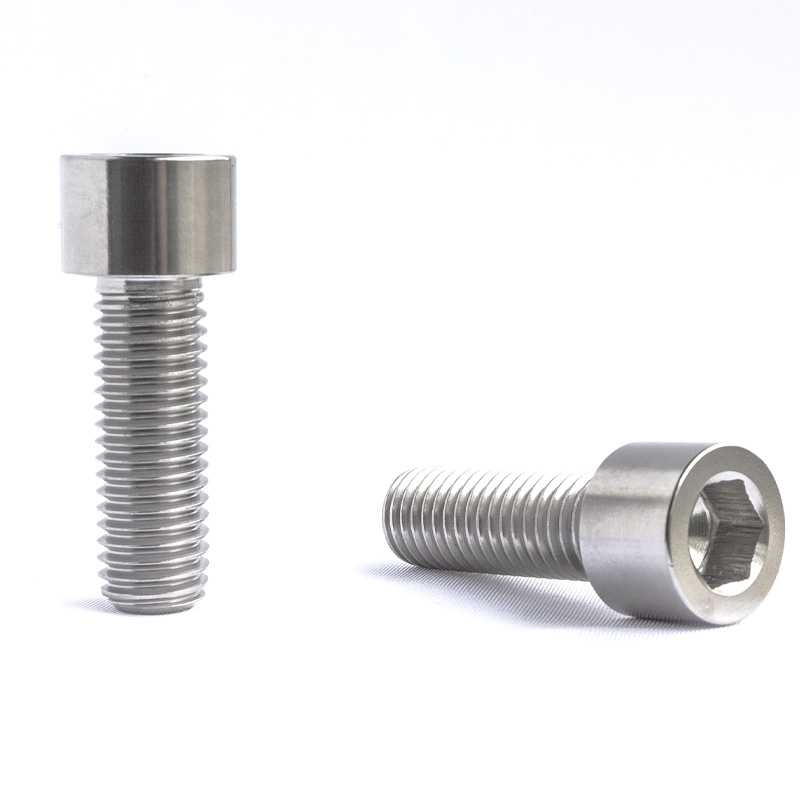
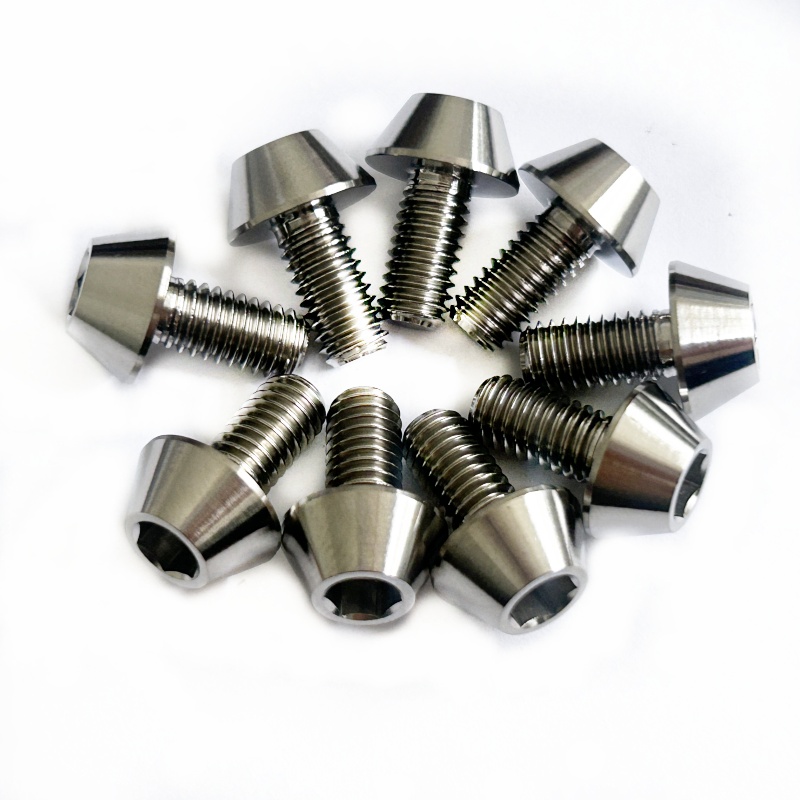
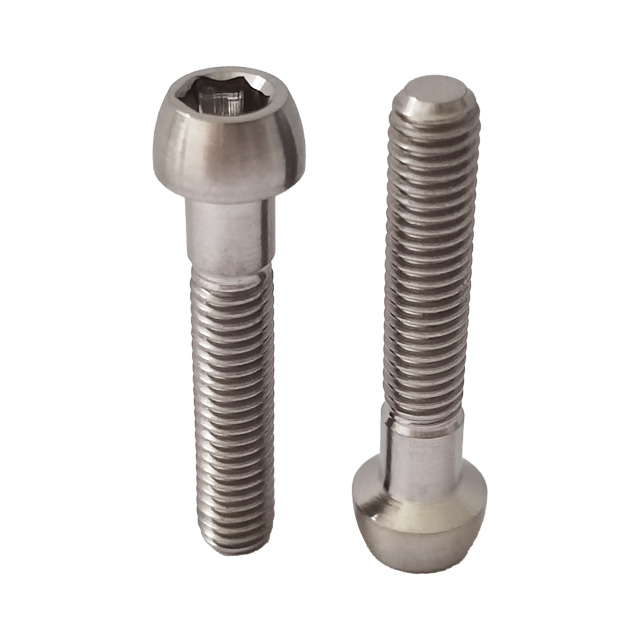
Stavanger stands as Europe’s premier energy capital and subsea technology corridor. In the severe operating conditions of the North Sea and the Norwegian Continental Shelf (NCS), marine equipment engineers demand Grade 5 (Ti-6Al-4V) fasteners that permanently resist chloride-induced stress corrosion cracking, bio-fouling, and cryogenic splash zones.
The transition from traditional carbon steel and austenitic stainless fasteners toward Grade 5 (Ti-6Al-4V, UNS R56400) fasteners in the Greater Stavanger sector (encompassing Tananger, Dusavik, and Forus industrial parks) is driven by life-cycle cost reduction and failure prevention. North Sea operations governed by stringent engineering standards prioritize titanium fasteners across multiple sub-surface, splash zone, and deck-mounted interfaces.
Autonomous underwater vehicles operating at depths exceeding 2,000 meters in the Norwegian Trench require critical payload optimization. Titanium GR5 fasteners deliver an unmatched strength-to-weight density (4.43 g/cm³), eliminating excess parasitic mass from manipulator arms, acoustic Doppler current profiler (ADCP) mounts, and subsea hydraulic valve blocks.
Drilling and extraction packages deployed off the coast of Rogaland encounter aggressive sour-gas (H2S), hot hydrocarbons, and cold ambient seabed currents. Our cold-headed and CNC thread-rolled GR5 stud bolts and cap screws maintain preload stability without experiencing hydrogen-induced stress cracking (HISC).
Floating offshore wind substructures positioned off the coast of Haugesund and Stavanger undergo millions of high-cycle dynamic fatigue stresses caused by North Sea wave slap. Our high-fatigue rolled threads distribute bending moments across root radii far better than cut threads, guaranteeing multi-decade structural survival.
Western Norway's industrialized open-ocean aquaculture facilities utilize titanium fasteners in automated submerged feeding systems, underwater camera gantries, and net tensioners where zinc or cadmium coatings from steel bolts leach and contaminate the marine ecosystem.
Mud-pulse telemetry housings and downhole sensor strings subject fasteners to extreme hydraulic pressures and vibrational resonance. Our precision CNC machined hex head bolts and socket screws undergo thread pitch checking to ensure tight interference fits that prevent downhole tool detachment.
Titanium GR5 clamping bolts and umbilical junction flange hardware provide galvanic isolation when paired with proper non-conductive washers or treated titanium alloys. They secure critical telemetry interfaces connecting offshore control rooms with deep subsea production manifolds.
Procurement teams in Rogaland regularly evaluate material trade-offs between Super Duplex 2507, Inconel 625, Marine Grade 316L, and Titanium Grade 5. The following mechanical and corrosion characteristics illustrate why GR5 is the preeminent choice for high-strength, lightweight offshore assemblies.
| Alloy Specification | Density (g/cm³) | Tensile Strength (MPa) | 0.2% Yield Strength (MPa) | PREN Value | Marine Crevice Corrosion | Weight Impact |
|---|---|---|---|---|---|---|
| Titanium Grade 5 (Ti-6Al-4V) | 4.43 | 895 - 1000 | 828 - 910 | > 45 (Immune) | Immune up to 120°C Brine | Baseline (-44% vs Steel) |
| Super Duplex 2507 (UNS S32750) | 7.80 | 750 - 1000 | 550 | ≥ 42 | Resistant up to 40°C Brine | +76% Heavier than Ti |
| Inconel 625 (UNS N06625) | 8.44 | 827 - 1030 | 414 - 600 | ≥ 50 | Excellent | +90% Heavier than Ti |
| Stainless Steel 316L (EN 1.4404) | 8.00 | 485 - 620 | 170 - 290 | 23 - 25 | High Risk of Pitting / HISC | +80% Heavier than Ti |
| High-Tensile Alloy Steel 12.9 | 7.85 | 1220 | 1100 | N/A (Rusts) | Severe without sacrificial plating | +77% Heavier than Ti |
Corrosion Mechanism Breakdown: In North Sea marine splash zones, standard austenitic 316L bolts rapidly develop pitting within crevice zones beneath bolt heads and nuts due to stagnant oxygen starvation. While Super Duplex 2507 resists general pitting, it remains susceptible to hydrogen embrittlement if cathodic protection systems (CP) run at negative potentials (< -1050 mV vs. Ag/AgCl). Navzo GR5 Titanium Fasteners form a spontaneous, self-healing rutile-dominated titanium dioxide (TiO2) film upon contact with oxygen or sea water, ensuring complete immunity against both localized crevice attacks and hydrogen-induced cracking.
How the green industrial shift, subsea electrification, and strict EU/Norwegian emissions directives are shaping titanium fastener sourcing in Stavanger and the broader Nordic territory.
Equinor and key Norwegian operators are aggressively electrifying offshore installations (such as Troll and Johan Sverdrup) from shore power cables. This requires long-life titanium bolts in electrical transformer modules and subsea switchgear where scheduled maintenance shutdown windows are stretched from 3 years to over 10 years.
Traditional Scandinavian engineering machine shops have historically machined small titanium fastener batches directly from round bars on multi-axis turning centers, creating high material scrap rates (often exceeding 70%). Stavanger OEMs now partner with factory-direct Chinese manufacturers who employ precision warm heading followed by CNC thread rolling, cutting finished piece costs by 35% to 50%.
Norwegian engineering buyers now track scope 3 carbon emissions across their entire fastener supply chain. By utilizing certified virgin sponge titanium smelted in high-efficiency integrated clusters in Baoji and shipping directly via optimized multimodal air/sea corridors into Stavanger Sola Airport or Port of Tananger, we ensure clean material provenance.
Headquartered in Baoji, Shaanxi—China’s internationally acclaimed Titanium Valley—Navzo Precision Titanium combines raw ingot traceability, advanced multi-axis CNC machining, cold/hot heading, and rigorous metallurgical inspection under one ISO-managed roof.
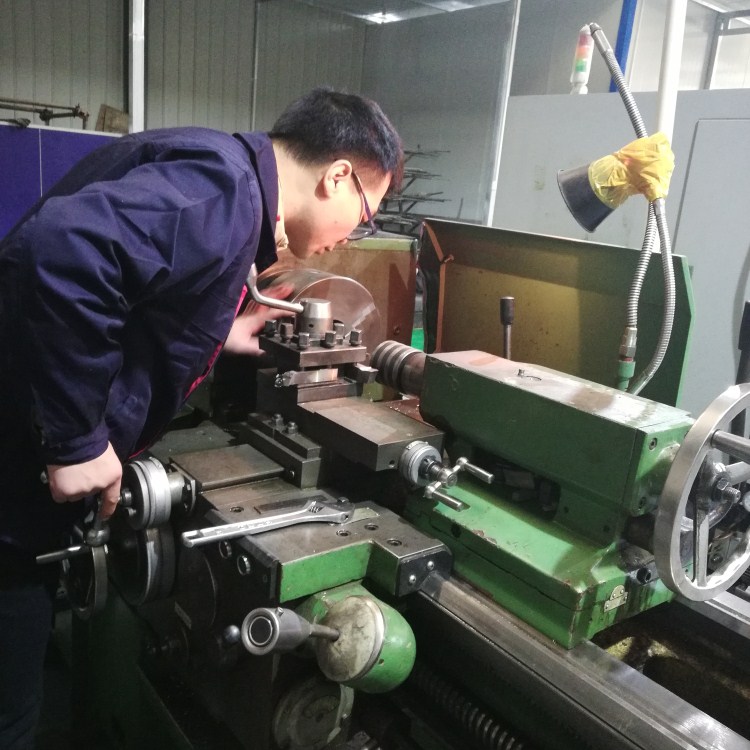
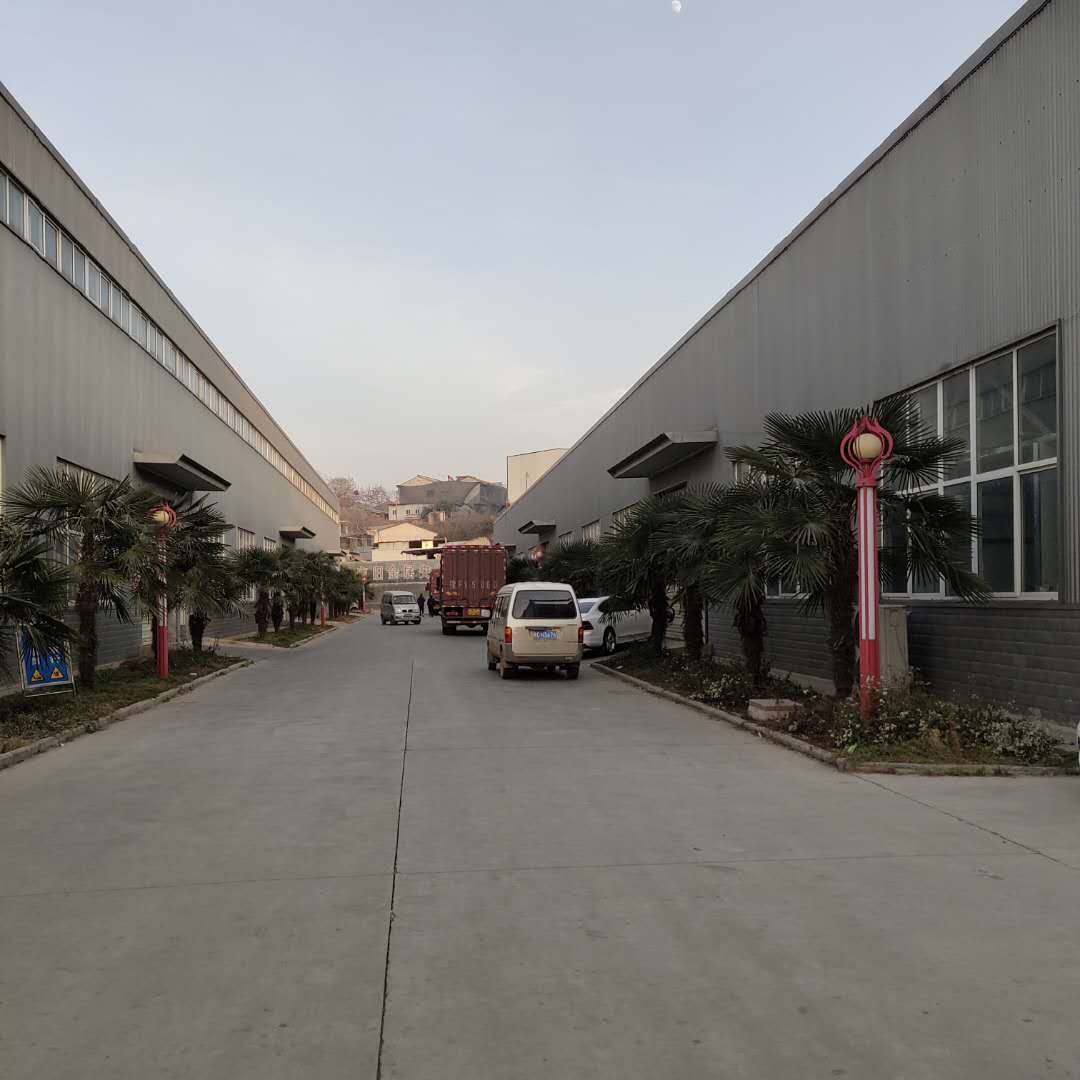
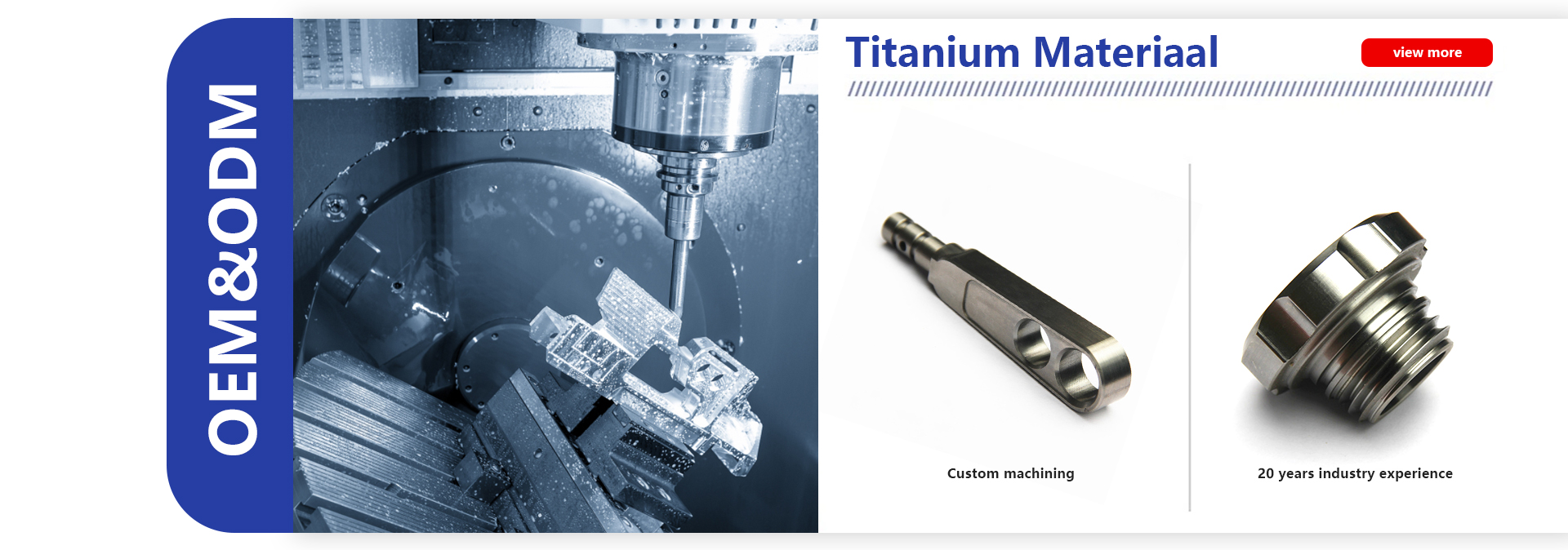

Located at the origin of China's titanium sponge reserves, we eliminate multiple middleman markups and secure first-grade Ti-6Al-4V bar stock with tight chemical composition controls (Fe ≤ 0.20%, O ≤ 0.18%, H ≤ 0.012%).
Our rolled fastener threads compress the microcrystalline matrix rather than tearing through metal fibers. This preserves compressive surface stress, boosting thread fatigue endurance by over 40% under North Sea wave cyclic loading.
Time-zone gaps are eliminated by our dedicated European export engineering desk. Technical drawings (PDF, STEP, DWG) receive manufacturability review, tolerance confirmation, and commercial proposals within 60 minutes.
Every shipment comes complete with chemical composition breakdowns (spectrometry), mechanical pull tests, hardness values (Rockwell C 30-36), and dimensional CMM reports matching ISO/DIN/ASME standards.
Clear, practical, and technically comprehensive answers addressing logistics, customs, anti-galling engineering, and qualification standards for Norwegian procurement teams.
Submit your 2D technical drawings, 3D CAD files (STEP/IGES), or standard metric bolt lists today. Our metallurgical engineering team provides comprehensive manufacturability validation, material certificates, and direct factory pricing within one hour.