Race / Marine
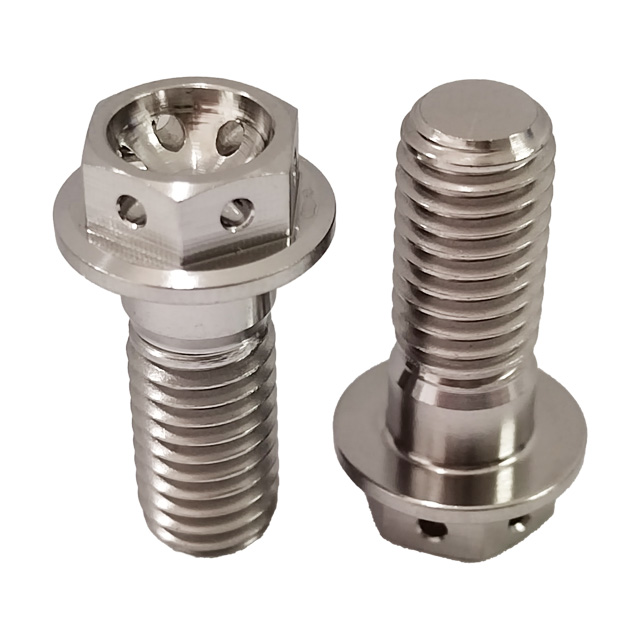
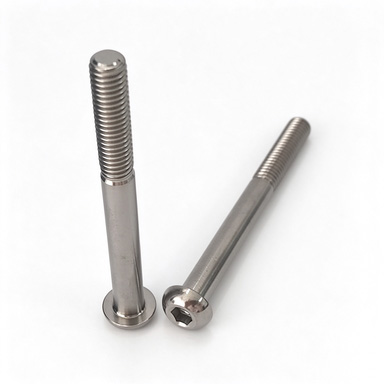
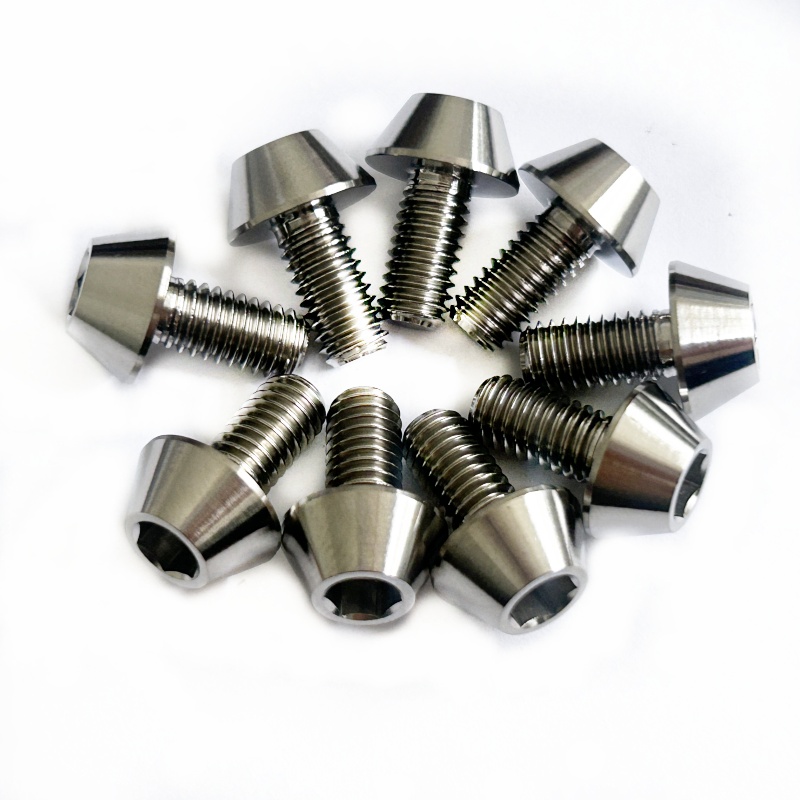
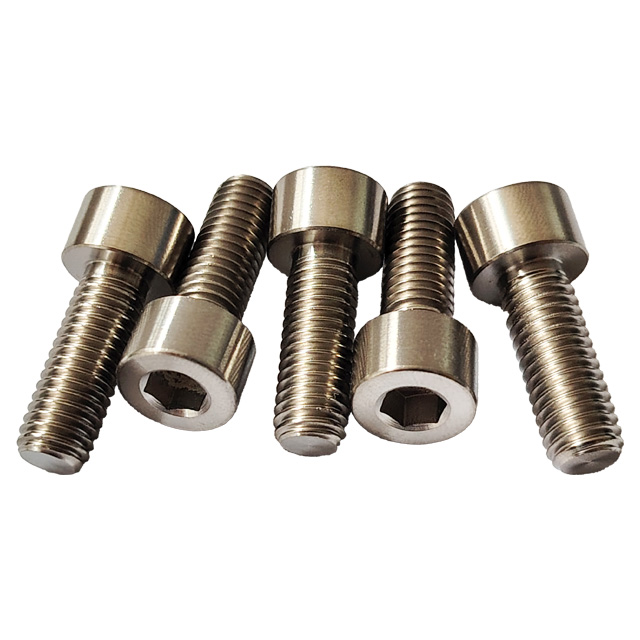
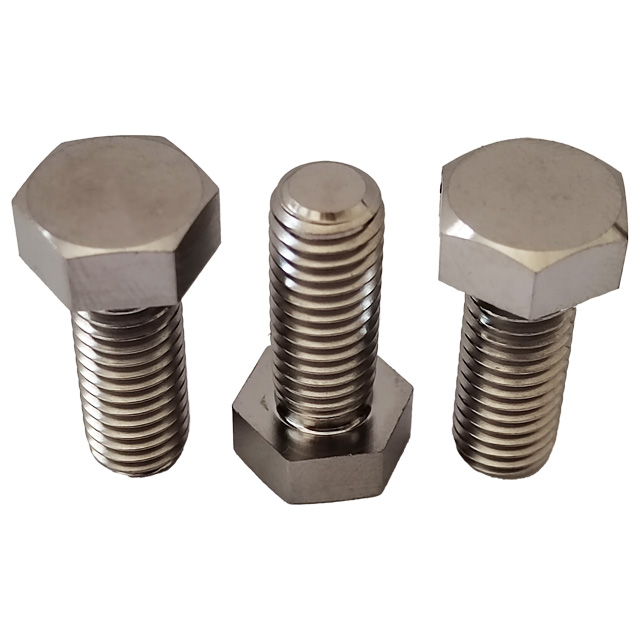
GR5 Titanium Bolts M8*20mm Factory Price Hex Flange Head Drilled Bolts
- Grade: Ti-6Al-4V (Grade 5)
- Execution: Flange Head / Safety Wire Drilled
- Standard: DIN 6921 / Custom OEM
Precision Engineering, JIS H4600/ASTM Technical Conformance, and Resilient Direct-Vessel Logistics Connecting Baoji's Titanium Valley with Northern Kyushu's Heavy Industries.
Engineered to withstand coastal salt exposure, corrosive chemical streams, and aggressive thermal cycling across Kyushu's advanced manufacturing sector.
The Greater Fukuoka industrial nexus, extending across Hakata Bay, Kitakyushu, and through the broader Kanmon Strait corridor, represents one of East Asia's most demanding metallurgical operating environments. Characterized by aggressive marine atmospheric salinity, intensive coastal industrialization, and rapid infrastructure evolution across green semiconductor manufacturing and hydrogen handling, standard austenitic steels (SUS304, SUS316L) routinely succumb to localized pitting, chloride stress corrosion cracking (SCC), and crevice corrosion under insulation. Sourcing mill-traceable titanium piping assemblies directly from China's primary raw-materials cluster—Baoji Titanium Valley—delivers a transformational procurement advantage for Japanese EPC contractors, plant operators, and procurement engineers.
Seawater intake, brine concentration networks, and cooling loops around Hakata Port demand total immunity from microbial bio-fouling and chlorine corrosion. Commercially Pure Grade 2 (UNS R50400 / JIS H4600 Class 2) seamless pipes outlast duplex alloys tenfold in stagnant coastal sea environments.
As Northern Kyushu solidifies its position as Japan's "Silicon Island" revitalization hub, automated fabs in Fukuoka and Kumamoto require ultra-inert piping conduits. Electropolished ASTM B338 Grade 1 and Grade 2 titanium tubes eliminate metallic ion shedding during acidic wafer etching and aggressive solvent transmission.
Fukuoka's municipal and academic lead in the "Hydrogen Grid" demands structural elements immune to high-pressure hydrogen embrittlement at ambient and intermediate temperatures. Our alpha-beta GR5 (Ti-6Al-4V) heavy-wall structural conduits provide extreme yield security for pilot fuel-cell transfer lines and performance manifolds.
A rigorous metallurgical comparison designed to assist Japanese design consultants in calculating lifecycle cost efficiency (LCC).
| Material Designation | Yield Strength (Rp0.2 MPa) | Tensile Strength (Rm MPa) | Density (g/cm³) | PREn (Pitting Resistance) | Thermal Expansion (×10⁻⁶/K) | Hakata Port Seawater Longevity |
|---|---|---|---|---|---|---|
| Titanium Grade 2 (UNS R50400) | ≥ 275 | ≥ 345 | 4.51 | Immune (TiO₂ Passivated) | 8.6 | > 50 Years (Zero Wall Loss) |
| Titanium GR5 (Ti-6Al-4V) | ≥ 828 | ≥ 895 | 4.43 | Superior (Passivated) | 8.8 | > 40 Years (High Fatigue Margin) |
| Super Duplex Steel (2507) | ≥ 550 | 750 - 1000 | 7.80 | ≥ 42 | 13.0 | 15 - 20 Years (Crevice Risk) |
| Austenitic SUS316L | ≥ 220 | 520 - 680 | 7.98 | ~ 23 - 25 | 16.5 | 3 - 8 Years (Severe Pitting Risk) |
In thermal cyclic environments like Fukuoka's coastal industrial furnaces and vessel exhaust exchangers, titanium's exceptionally low coefficient of thermal expansion (nearly half that of standard stainless steel) radically reduces thermal fatigue, thermal stress concentration at fixed welded joints, and flange seal blowouts.
How shifting geopolitical sourcing models and geographic proximity position Fukuoka as the most cost-effective Japanese gateway for Chinese titanium pipes.
Unlike deliveries to Tokyo or Osaka Bay which involve longer coastal circumnavigation, shipping from Chinese ports (Qingdao, Ningbo, Shanghai) to Fukuoka's Hakata Port or Kitakyushu's Hibiki Container Terminal averages just 2 to 3 days sailing time. This matches Japanese regional JIT (Just-In-Time) inventory requirements.
Japanese procurement auditors maintain strict verification standards. All titanium seamless and welded pipes dispatched to Fukuoka comply simultaneously with JIS H4600 / JIS H4630 and ASTM B338 / ASTM B861 specifications, accompanied by complete EN 10204 3.1 Mill Test Certificates indicating full isotopic and chemical melt traces.
Given recent JPY fluctuations against traditional Western currencies, direct factory billing from Baoji minimizes intermediate markups. By eliminating multiple domestic trading intermediaries (shosha), Fukuoka plants reduce baseline procurement expenditures by 25% to 40% while securing direct engineering support.
Founded on January 10, 2011 on Yucai Road in the High-tech Development Zone of Baoji, Shaanxi — China's undisputed Titanium City.
Direct integration with certified Baoji sponge and ingot reduction mills guarantees absolute chemical purity without unverified scrap additions, resulting in low interstitial gas contents (O ≤ 0.15%, H ≤ 0.012%).
Full manufacturing versatility running multi-axis turning-milling centers, cold-forming machines, rolled-thread machines, and clean-atmosphere vacuum annealing furnaces under an ISO-controlled factory environment.
Every single metric run passes hydrostatic pressure testing, Eddy Current testing (ET), and Ultrasonic testing (UT) to identify sub-surface discontinuities, accompanied by strict go/no-go optical gauge verification.
We maintain a rapid quotation response within one hour, fully understanding customized JIS drawings, bevel angle specifications, Ra surface roughness values, and specialized nitrogen-purged wooden crate packaging requirements.
Addressing the technical, operational, and regulatory considerations common among Japanese purchasing teams.
Every delivery is backed by a fully traceable EN 10204 3.1 inspection certificate recording melt furnace numbers, spectroscopic chemistry analysis, and mechanical tensile/flattening results. Heat numbers are laser-etched onto every pipe and fastener according to customer guidelines.
For temperatures under 80°C, Grade 2 Commercially Pure Titanium is the global benchmark. For higher operating temperatures or closed crevice points with concentrated salts, Grade 7 (Ti-0.15Pd) or Grade 12 (Ti-0.3Mo-0.8Ni) prevents localized crevice oxidation.
Yes. In addition to standard ASTM schedules (Sch 10S, Sch 40S, Sch 80S), our CNC turning, precision bending, and orbital TIG welding capabilities deliver pre-fabricated spool pieces made straight from customer isometric drawings.
Standard sizes in stock ship within 3 to 5 business days. Custom rolling, extrusion, or drawing runs require 18 to 25 production days. Direct sea container transit from Qingdao/Shanghai to Hakata takes 48 to 72 hours, enabling streamlined delivery across Fukuoka Prefecture.
We provide ultra-clean surface treatments including mechanical mirror polishing, chemical pickling, and electropolishing (EP) achieving an internal roughness Ra ≤ 0.25 μm, followed by ultrasonic DI water washing and sealed clean-room packaging.
Because titanium is noble on the galvanic series, direct electrical contact with carbon steel accelerates steel degradation. We supply dielectric insulation gasket sets, fluoropolymer-sleeved titanium studs, and custom flange isolators to eliminate galvanic couple risks.
Send your pipe schedule, custom spool drawings, or hardware specifications for a detailed quote and mill test sample plan within one hour.
Get Catalog