High-Torque Titanium Anode Mounting Hardware & Precision Fasteners
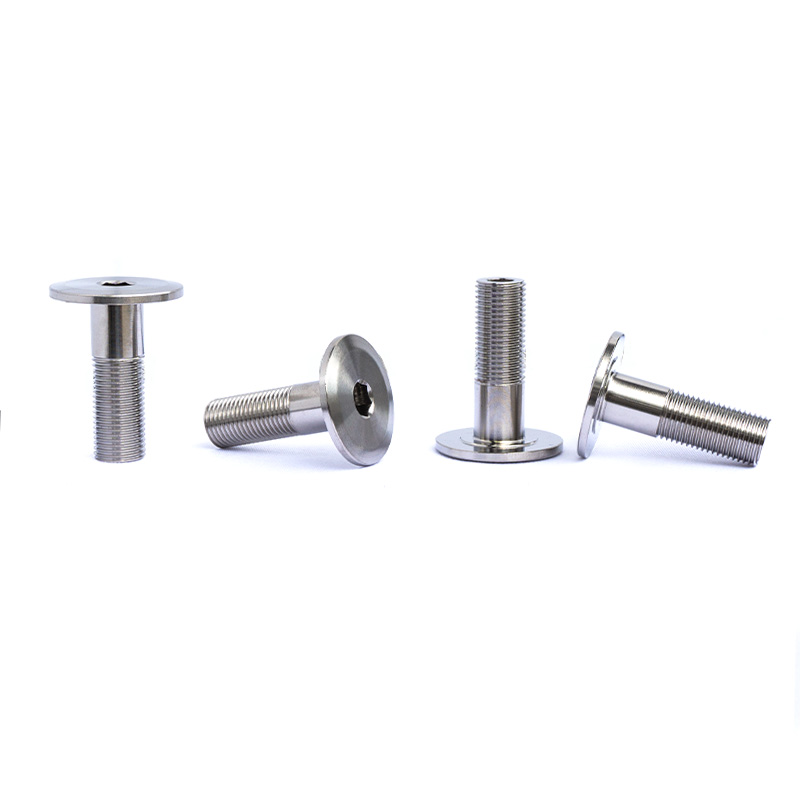
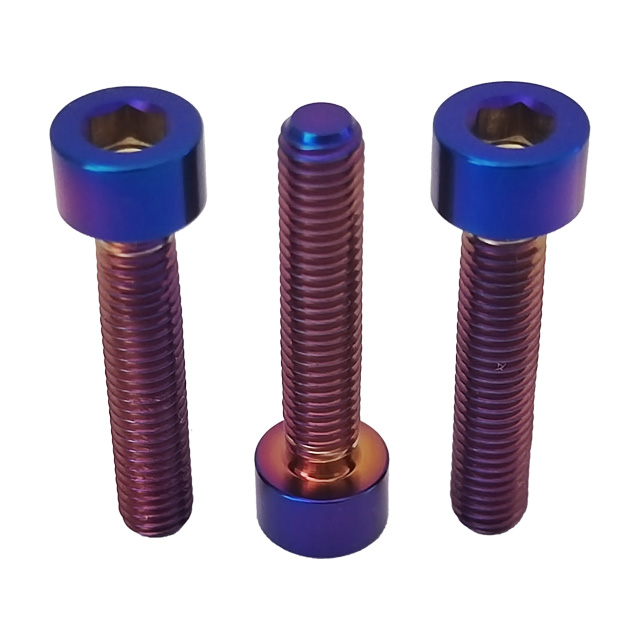
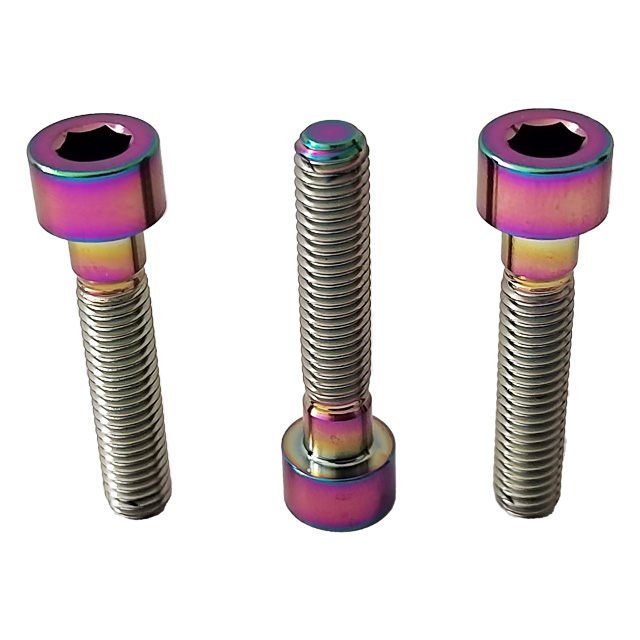
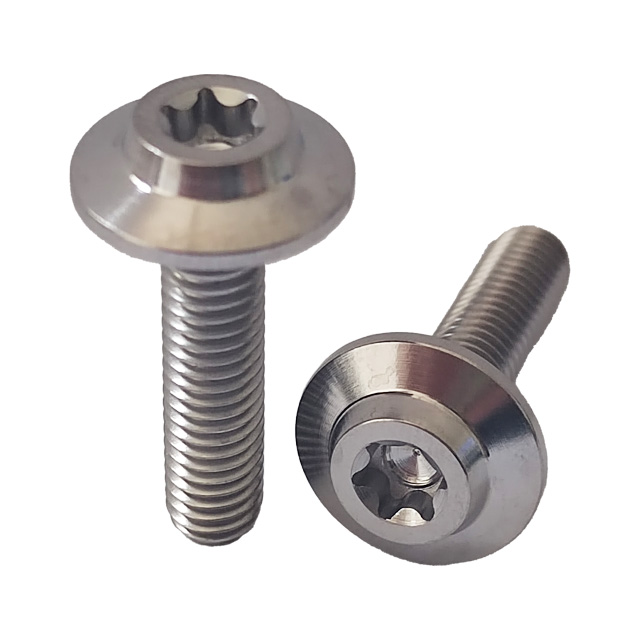
Engineered from Baoji aerospace-grade Ti-6Al-4V (Grade 5) and ASTM B348 pure titanium, providing zero-galvanic corrosion compatibility for MMO anode busbars, subsea cathodic skids, and maritime electrolyzers serving La Ceiba.
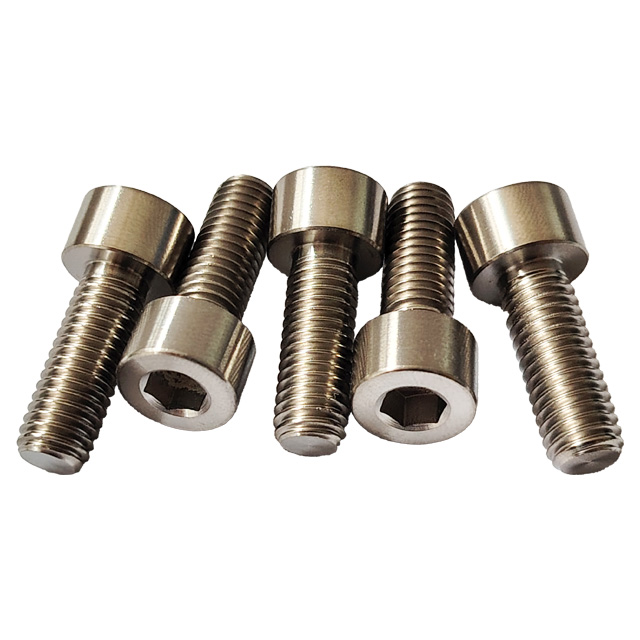
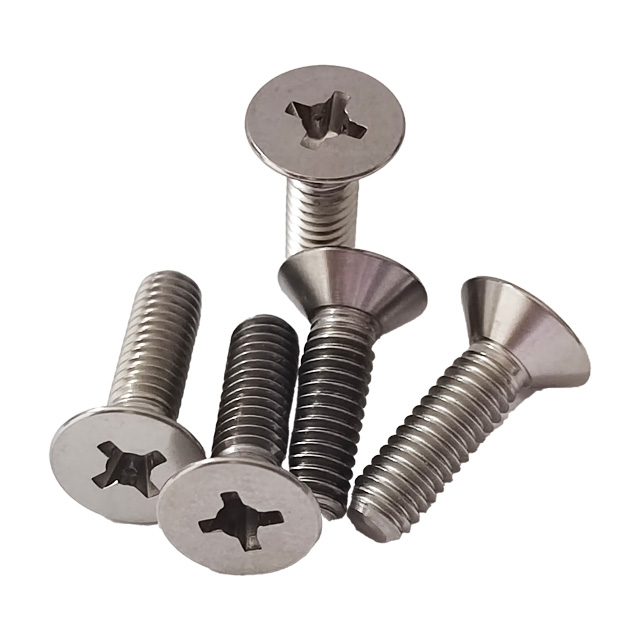
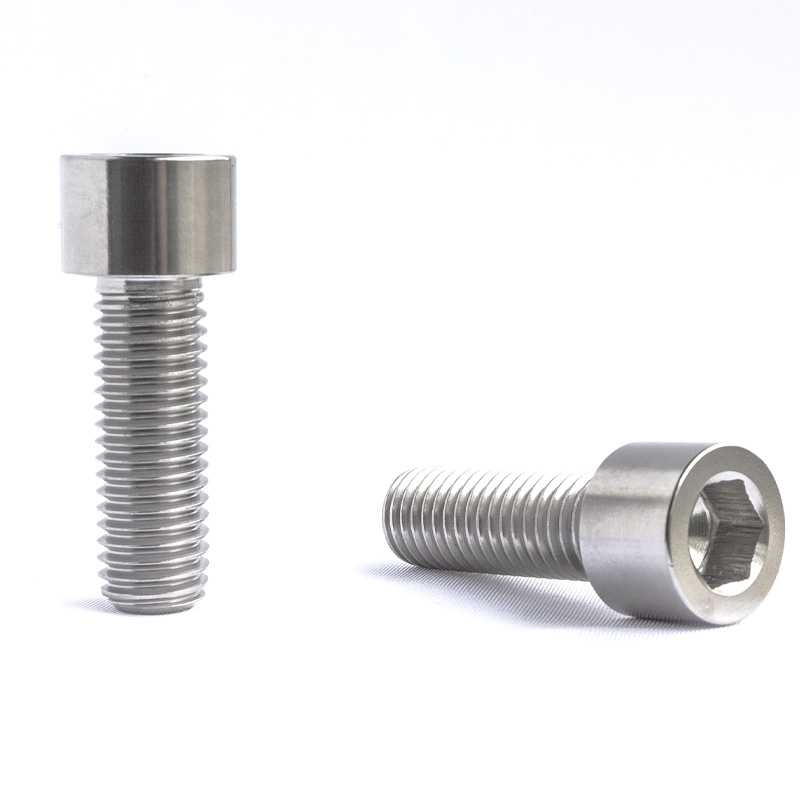
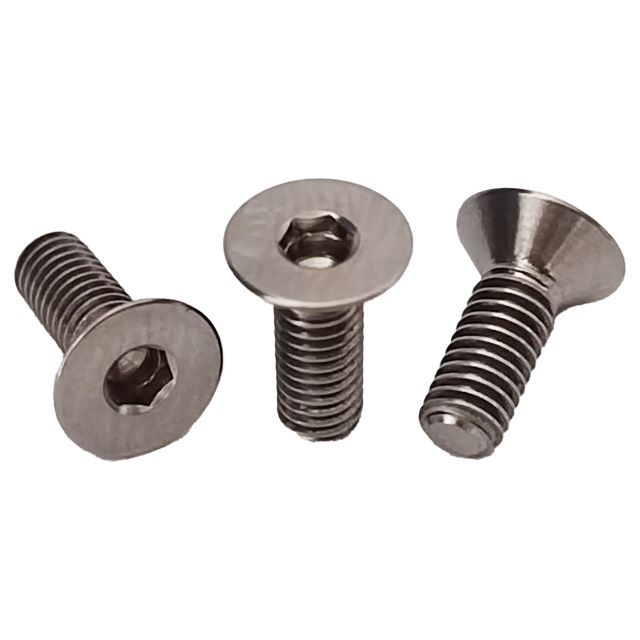
Technical White Paper: MMO Titanium Anode Engineering for Atlantic Marine Environments
In aggressive coastal and maritime environments such as the Bay of Honduras, standard sacrificial anodes (aluminum, zinc) suffer from accelerated consumption rates, erratic current output, and environmental toxicity caused by heavy-metal dissolution. Mixed Metal Oxide (MMO) Titanium Anodes, fundamentally recognized as Dimensionally Stable Anodes (DSA®), represent the pinnacle of electrochemical efficiency and structural permanence. Manufactured in Baoji, China—the world's most concentrated titanium production cluster—our MMO anodes utilize ASTM B265 Grade 1 or Grade 2 titanium substrates coated with nanostructured electrocatalytic formulations of Iridium Oxide (IrO2), Tantalum Oxide (Ta2O5), and Ruthenium Oxide (RuO2).
When current passes through an MMO titanium anode in marine waters, the catalytic oxide film facilitates either the chlorine evolution reaction (CER) or the oxygen evolution reaction (OER) with extremely low anodic overpotential (< 0.15 V). The titanium substrate provides an indestructible, valve-metal barrier: upon any nominal pore exposure to electrolyte, titanium spontaneously forms an adherent, dielectric titanium dioxide (TiO2) film that withstands breakdown voltages up to 10–12 volts in typical seawater. Consequently, while the catalytic multi-layered oxide gradually conducts current at current densities up to 2000 A/m², the dimensional geometry of the anode remains pristine across decades of continuous service.
| Electrode Category | Catalytic Coating Chemistry | Electrolyte Application | Standard Current Density | Consumption Rate | Expected Service Life |
|---|---|---|---|---|---|
| MMO Ribbon / Mesh | IrO2 / Ta2O5 Thermal Sintered | Concrete Reinforced Rebar (CP) | 20 - 100 mA/m² | < 0.5 mg/A·yr | 50 - 75 Years |
| MMO Tubular Anode | RuO2 / IrO2 / TiO2 Multilayer | Seawater Jetty Piles / Deepwell Groundbed | 100 - 600 A/m² | < 1.0 mg/A·yr | 20 - 30 Years |
| MMO Disc / Probe Anode | Pt-IrO2 Composite Matrix | Ship Hull ICCP & Sea Chests | 500 - 1200 A/m² | < 1.8 mg/A·yr | 15 - 25 Years |
| Titanium Fasteners & Hardware | GR5 (Ti-6Al-4V) Aerospace Spec | Electrolyzer / Rack Clamping | N/A (Structural Mechanical) | Zero Galvanic Loss | Permanent Match |
Localized Applications in La Ceiba & Caribbean Honduras
From the Port of Cabotaje to coastal aquaculture processing and municipal electrochlorination, our engineered titanium solutions provide the highest level of corrosion mitigation across regional coastal installations.
Port of Cabotaje Marine Piling ICCP
La Ceiba's commercial harbor, Puerto de Cabotaje, handles critical freight and passenger transit to the Bay Islands (Roatán, Utila, Guanaja). Steel tubular and H-pile foundations endure severe Caribbean tidal wash, high biological fouling, and oxygen-rich seawater attack. Our MMO tubular string anodes, supported by GR5 high-tensile titanium mounting brackets, deliver precision impressed current cathodic protection (ICCP) ensuring steel polarization to -850 mV (vs. CSE) without mechanical degradation from wave shock.
Seawater Electrochlorination & Disinfection
High-capacity coastal resorts and processing facilities along the Atlántida department require reliable biofouling control in seawater intake pipes and municipal wastewater circuits. Utilizing Ru-Ir-Ti coated DSA anodes, our electrochlorination cells generate active hypochlorite (NaOCl) in situ from raw Caribbean seawater, completely eliminating the hazardous transport, storage, and handling of pressurized liquid chlorine containers into Northern Honduras.
Shrimp Aquaculture & Hatchery Sanitation
Aquaculture operations surrounding the coastal wetlands of Northern Honduras rely on precise, non-toxic water oxidation to control pathogens, vibrio bacteria, and algal blooms. Titanium MMO mesh and ribbon electrodes operate at optimized current densities to produce mixed oxidants and hydroxyl radicals without leaching toxic zinc or copper ions into fragile larval habitats, guaranteeing compliance with seafood export biosecurity mandates.
Reinforced Concrete Jetty Cathodic Protection
Elevated ambient tropical humidity and airborne chloride aerosols cause accelerated chloride-induced rebar pitting in bridges, coastal docks, and warehouse slabs near the Cangrejal River delta. Embedded MMO titanium ribbon anodes, wired with titanium conductor bars and fastened via Grade 5 expansion bolts, provide uniform current distribution inside carbonated concrete, effectively halting concrete spalling and extending infrastructure service lifespans by up to 50 years.
Commercial Vessel Hull & Sea Chest ICCP
Ferries and fishing fleets operating out of La Ceiba frequently battle pitting corrosion around bronze propellers, rudder assemblies, and sea chests. Navzo provides flush-mounted circular MMO titanium disc anodes and Grade 5 titanium grounding studs that deliver stable potential regulation across alternating transit speeds, resisting cavitation erosion and significantly reducing hull maintenance dry-dock cycles.
Heavy Industrial & Agricultural Processing Wastewater
Processing mills (including palm oil and agricultural export plants in the surrounding valleys) discharge complex organic effluents requiring Advanced Oxidation Processes (AOP). Using IrO2-Ta2O5 coated titanium planar and mesh plates, our anodes catalyze the electrochemical destruction of refractory COD, phenols, and color compounds under harsh, low-pH conditions where standard stainless steel or graphite anodes decompose rapidly.
Infrastructure & Electrochemical Trends in Northern Honduras
Strategic modernization across the Caribbean logistics corridor is driving a decisive shift toward permanent, lifecycle-cost-optimized titanium electrochemical systems.
Shift from Sacrificial Anodes to Automated ICCP
Rising replacement labor costs, combined with frequent diving inspection hazards in open Caribbean waters, are pushing port operators away from zinc and aluminum blocks. Engineering authorities in Honduras are increasingly specifying permanent MMO titanium impressed current systems with automated rectifiers, providing digital potential monitoring and eliminating annual dry-dock replacements.
Stricter Environmental Limits on Heavy Metals
With the Mesoamerican Barrier Reef adjoining the Bay of Honduras, environmental oversight on industrial effluent and marine infrastructure has tightened. MMO titanium anodes do not release toxic zinc hydroxide sludges or toxic chemical byproducts, ensuring complete alignment with regional marine park conservation criteria and sustainable blue economy financing.
Demand for High-Grade Titanium Hardware
Cathodic protection failures frequently stem not from the electrode itself, but from galvanic deterioration of standard 304/316 stainless steel mounting screws. Local engineering firms now insist on full titanium assemblies—matching Grade 1/2 MMO anode substrates with high-tensile Grade 5 (Ti-6Al-4V) bolts and lock nuts to eliminate dissimilar metal couples entirely.
Why International Engineers Rely on Navzo Precision Titanium
Direct supply from the heart of Baoji, China's "Titanium Valley," delivering end-to-end metallurgical control from raw sponge to microscopic catalyst sintering.
Traceable Baoji Raw Material
Every bar, sheet, and wire is processed from 100% virgin titanium sponge, backed by EN 10204 3.1 Mill Test Reports detailing chemical composition and mechanical properties.
Multi-Pass Thermal Sintering
Our automated coating facilities utilize precision micro-spraying and high-temperature oxidation furnaces, ensuring multi-layer Ir-Ta-Ru adhesion tested up to ASTM G100 and NACE standards.
Full In-House CNC & Thread Rolling
Integrated manufacturing featuring cold heading, high-speed 5-axis CNC machining, and cold thread rolling, delivering Class 6g/6H metric threads with superior fatigue resistance.
Rapid Technical RFQ Turnaround
Our engineering support team delivers technical feasibility reviews, custom drawings, coating loading recommendations, and commercial quotes within 1 hour across active global business cycles.
Frequently Asked Questions by Regional Buyers in La Ceiba
Authoritative technical and commercial insights for port engineers, water utility procurement officers, and maritime contractors in Honduras.
Accelerate Your Marine & Electrochemical Projects in La Ceiba
Consult directly with our electrochemical engineering team in Baoji, China. Send your anode specifications, CAD drawings, operating current density, or fastener requirements for immediate feasibility review and direct manufacturer pricing.