M8 Shoulder
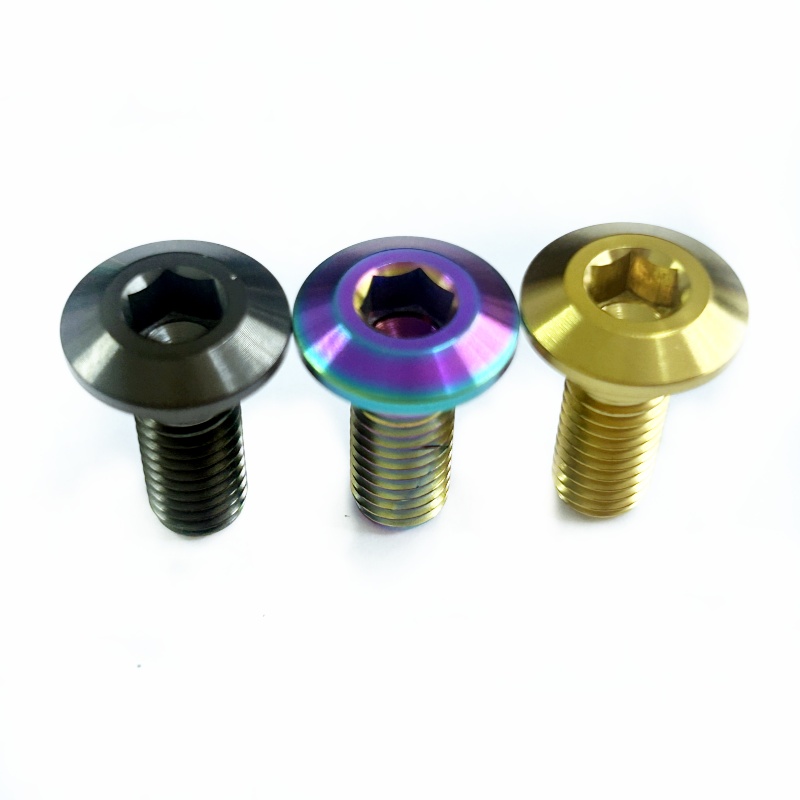
M8 Gr5 Titanium Bolts Shoulder Screws Hex Socket Head Bolts for Disc Brake
Grade: Ti-6Al-4V • High Shear Resistance
Manufactured from traceable aerospace-grade Ti-6Al-4V alloy, engineered to meet rigorous DIN and ISO metric standards for European equipment builders.
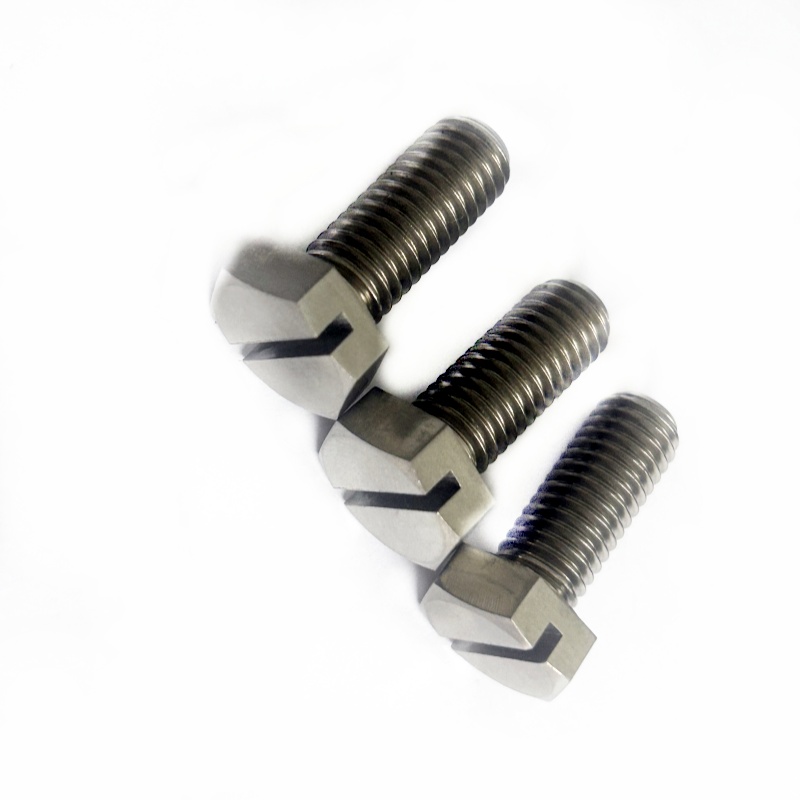
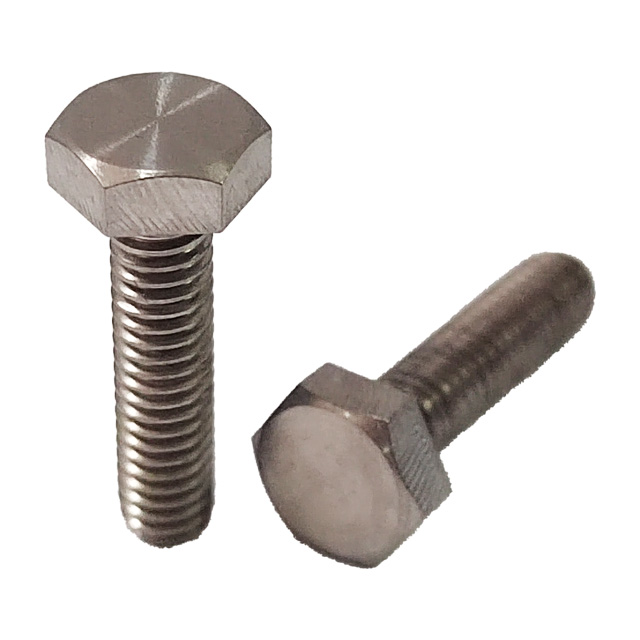
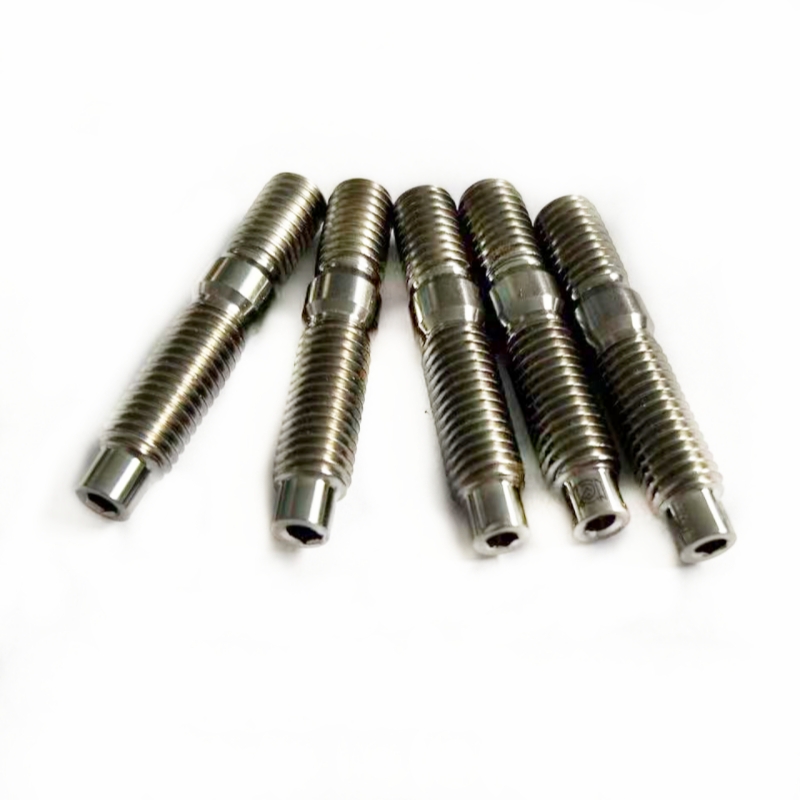
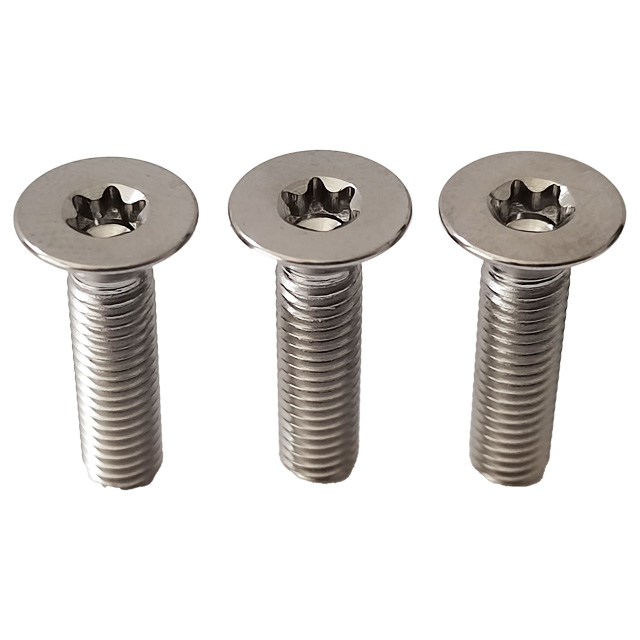
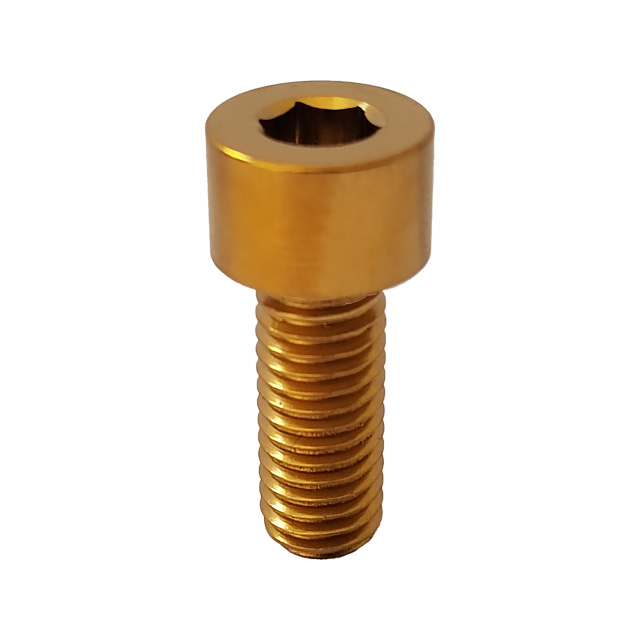
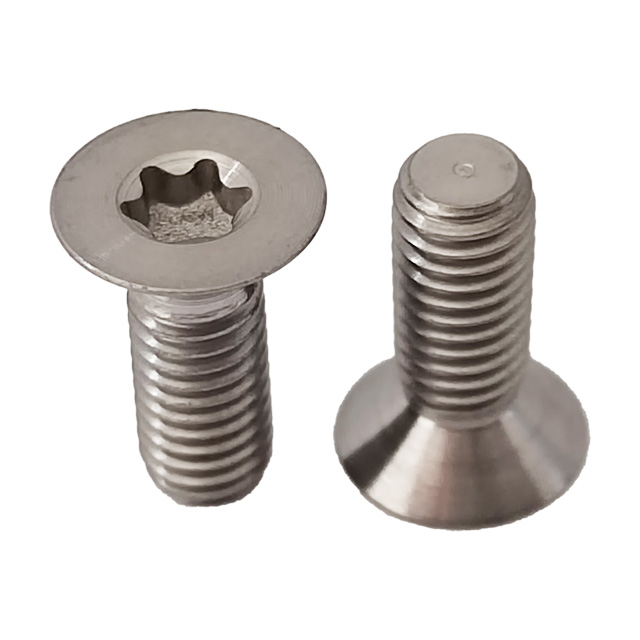
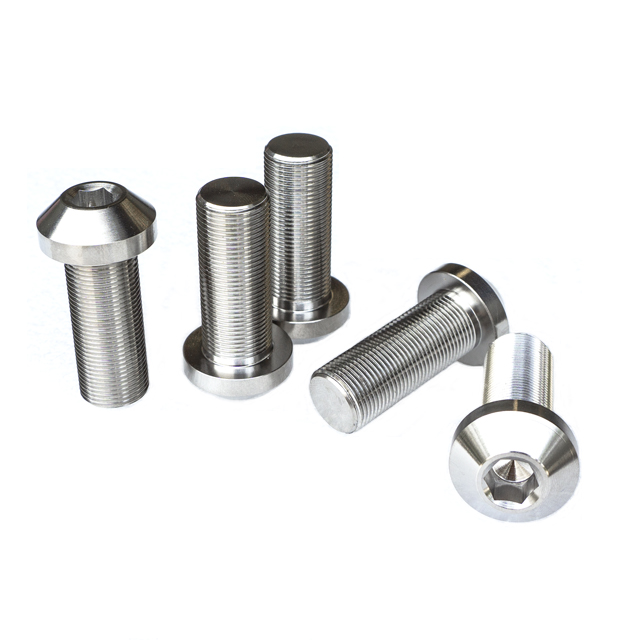
Decarbonization, structural weight reduction, and aggressive media resilience across Upper Austria’s leading engineering enterprises.
Modern plant managers and mechanical designers in Linz are systematically replacing conventional austenitic stainless steels (such as 1.4404 / AISI 316L) and coated 8.8 or 10.9 structural steels with Grade 5 Titanium (Ti-6Al-4V, Werkstoff 3.7165). With a density of only 4.43 g/cm³—approximately 44% lighter than carbon and stainless steels—combined with a minimum tensile strength of 895 MPa, titanium provides unmatched power-to-weight ratios, eliminating mechanical inertia in automated handling lines while delivering permanent resistance to chlorides, hydrogen sulfide, organic acids, and atmospheric weathering along the Danube basin.
| Alloy / Standard | Yield Strength Rp0.2 (MPa) | Tensile Strength Rm (MPa) | Density (g/cm³) | Specific Strength (kN·m/kg) | Corrosion Resistance (Chloride/Acid) |
|---|---|---|---|---|---|
| Navzo GR5 (Ti-6Al-4V) | ≥ 828 | 895 – 1050 | 4.43 | 202 – 237 | Immune to stress corrosion cracking |
| Commercially Pure GR2 (Ti 99.2) | ≥ 275 | 345 – 480 | 4.51 | 76 – 106 | Exceptional in aggressive reducing acids |
| Austenitic Stainless (1.4404 / 316L) | ≥ 220 | 520 – 680 | 7.98 | 65 – 85 | Susceptible to pitting & crevice attack |
| Quenched Alloy Steel (Class 10.9) | ≥ 900 | 1000 – 1200 | 7.85 | 127 – 153 | Zero resistance; requires plating |
Values established in accordance with ASTM B348, DIN EN ISO 3506-1, and VDI 2230 guidelines for high-integrity bolted joints.
Where custom titanium fasteners solve critical weight, fatigue, and chemical challenges in Upper Austria.
The chemical processing corridor adjacent to the Linz harbor processes aggressive organic acids, ammonia fertilizers, melamine derivatives, and halogenated compounds. Standard duplex and 316L bolts regularly suffer crevice corrosion under gaskets and flanges. Navzo CP Grade 2 and GR5 titanium stud bolts, hex nuts, and flat washers form an instantaneous, self-healing rutile TiO&sub2; passivation layer, ensuring zero chloride pitting and extending scheduled maintenance intervals in autoclaves, scrubbing towers, and high-pressure metering pumps.
Linz’s world-renowned continuous steel casting, cold rolling lines, and automated slag processing machinery operate under intensive cyclic thermal shocks. High-speed multi-axis pick-and-place end-effectors require minimal rotating mass to preserve motor torque and servo positioning precision. Replacing steel fasteners with Navzo custom-machined GR5 hollow bolts and drilled socket screws reduces the dynamic mass of tooling arms by over 40%, cutting cycle wear on robotic gearboxes while resisting ambient sulfur fumes.
Within the automotive powertrain development institutes across Upper Austria, unsprung mass reduction directly dictates lateral acceleration, heat dissipation, and suspension responsiveness. Navzo hot-forged and precision-rolled GR5 titanium wheel lug nuts, brake rotor disc screws (Torx T25/T30), and exhaust manifold studs withstand extreme thermal cycles exceeding 500°C without embrittlement or fastener siezure, providing critical engineering gain for competitive racing teams and electric hypercar prototypes.
Navigating the transition toward green manufacturing, lightweight robotics, and rigorous EU regulatory frameworks.
Linz is transitioning heavy steel operations toward hydrogen-based direct reduction (H2 green steel). High-pressure hydrogen pipelines and cracking reformers require fasteners that demonstrate total immunity to hydrogen embrittlement. Navzo high-purity GR5 and custom-annealed titanium fasteners eliminate the microstructural lattice diffusion risks inherent in high-tensile steel grades.
Upper Austrian mechatronic builders are engineering collaborative robotic arms (cobots) with stricter payload-to-deadweight ratios. Utilizing custom-milled titanium socket head screws with tapered shanks and thin umbrella profiles allows local machinery builders to satisfy CE collision kinetic energy thresholds without sacrificing structural joint integrity.
In accordance with Austrian industrial standards and EU pressure vessel directives (PED 2014/68/EU), every batch exported by Navzo includes verifiable Mill Test Certificates verifying complete melt heat numbers, mechanical yield, elongation, and quantitative chemical spectroscopy (Fe, C, N, H, O limits strictly monitored).
Direct supply from China’s Titanium Valley, eliminating intermediate broker margins and securing technical reliability.
Situated in China’s largest titanium cluster, our raw bar stock is sourced directly from certified titanium sponge melting mills, ensuring consistent microstructures without porosity.
We deploy high-speed multi-station heading machines, high-precision thread rolling machines for unbroken grain flow, and 5-axis Swiss-type CNC centers with tolerances down to ±0.005mm.
Complete control over surface functionalization: electrochemical anodizing (AMS 2488), vacuum PVD hard physical vapor deposition, micro-arc oxidation, and anti-galling lubrication.
Navzo maintains a dedicated European export desk. With our ≤1-hour rapid quotation protocol, engineering drawing reviews (STEP, DWG, PDF) proceed seamlessly with Linz time alignment.
Clear, direct answers regarding standards, logistics, galvanic isolation, and custom batch ordering.
Yes. All standard metric fasteners adhere strictly to DIN 912 (ISO 4762), DIN 933 (ISO 4017), DIN 7991 (ISO 10642), and ISO 7380. Threads are rolled to class 6g / 6H tolerances, guaranteeing 100% interchangeability with existing tapped blind holes and nuts in Austrian plant equipment.
Titanium threads have a high friction coefficient and can gall if driven dry under high torque. We recommend applying a high-pressure molybdenum disulfide (MoS&sub2;) paste, nickel-based anti-seize, or requesting our factory PVD titanium carbonitride or micro-arc oxidation treatments which provide dry lubricating self-release properties.
Standard catalogue stock items ship within 48 to 72 hours via DHL/FedEx air express, reaching Linz (Blue Danube Airport LNZ or freight terminals) within 4 to 6 business days. Custom CNC machining runs or forged fasteners typically require 15 to 22 working days including full dimensional CMM inspection.
Titanium sits near carbon fiber on the galvanic scale, making it the premier fastener choice for carbon composites where steel or aluminum bolts cause rapid galvanic degradation. When bolting to aluminum in humid Danube river environments, we supply insulating anodized barriers or non-conductive ceramic washers to halt galvanic potential.
Yes. While our standard catalog packaging begins at 100–200 pieces per size, we support industrial prototype testing for engineering firms across Upper Austria with low-volume pilot batches (20–50 pieces) accompanied by full mechanical test sheets and dimensional reports.
Each delivery includes an EN 10204 Type 3.1 inspection certificate verifying chemical melt analysis, tensile tests, proof load, and hardness (Rockwell C 30–36 for GR5). Full REACH and RoHS declaration of conformity certificates are provided as standard.
Submit your 2D/3D component drawings (STEP, DWG, PDF) or fastener specifications. Our senior metallurgical and application engineering team provides technical feasibility and competitive factory-direct pricing within one hour.