Race Flange
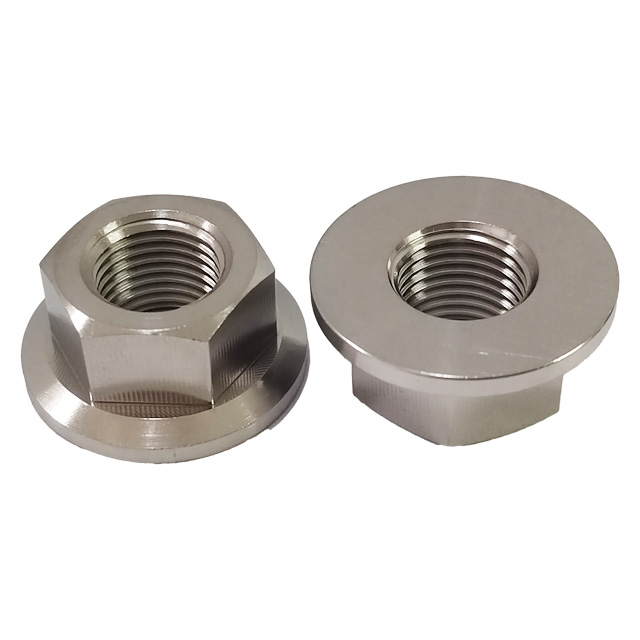
Engineered in Baoji's Titanium Valley to strict DIN/ISO aerospace and automotive standards, our Grade 5 components eliminate unsprung rotational weight and salt-induced galvanic oxidation across coastal environments.
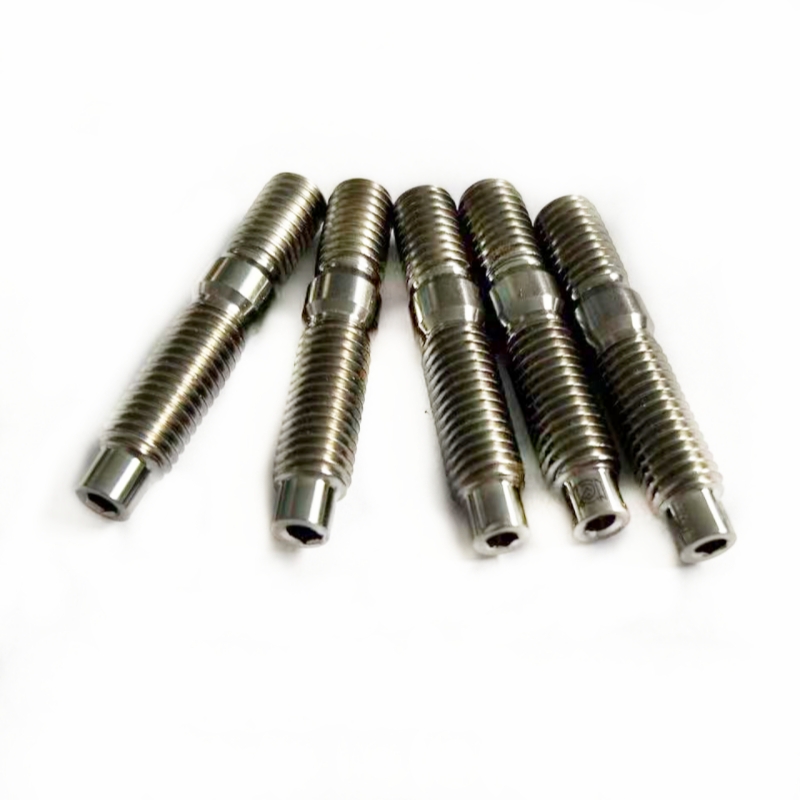
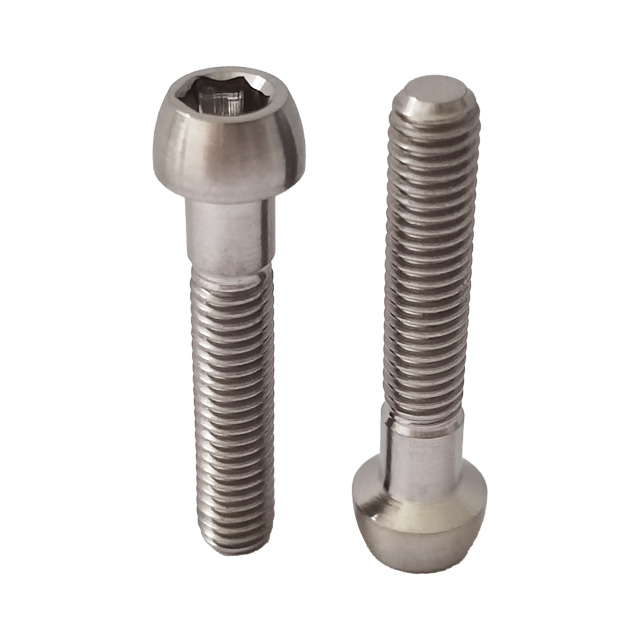
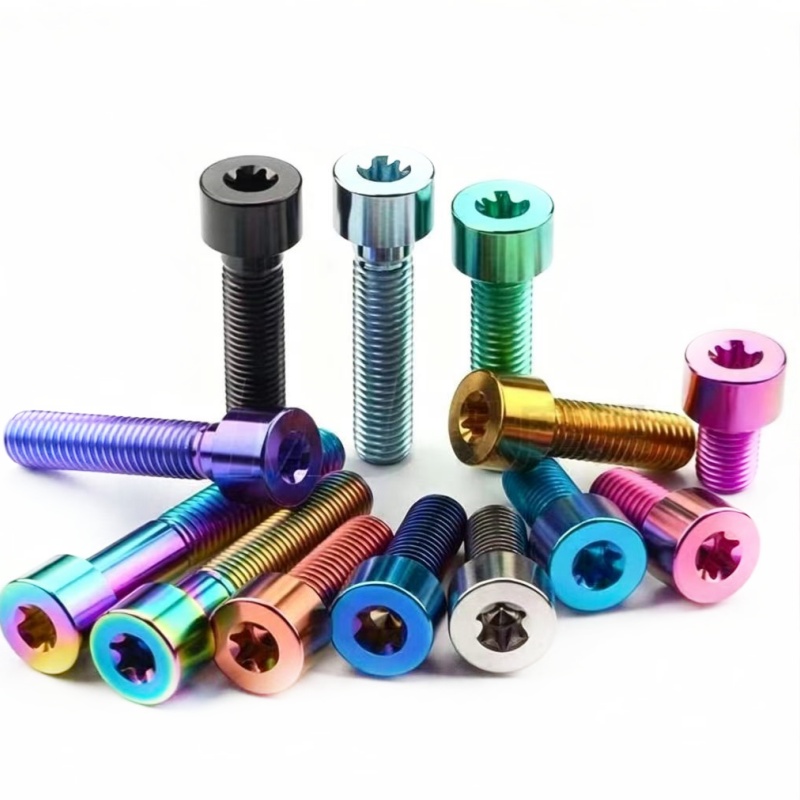
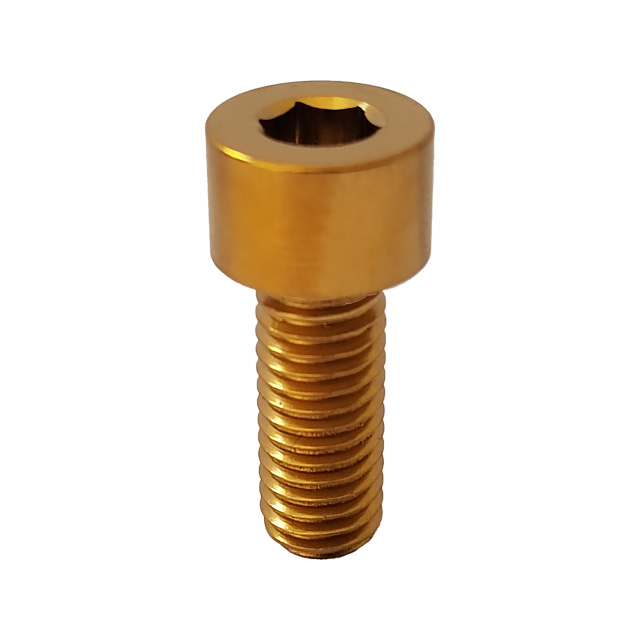
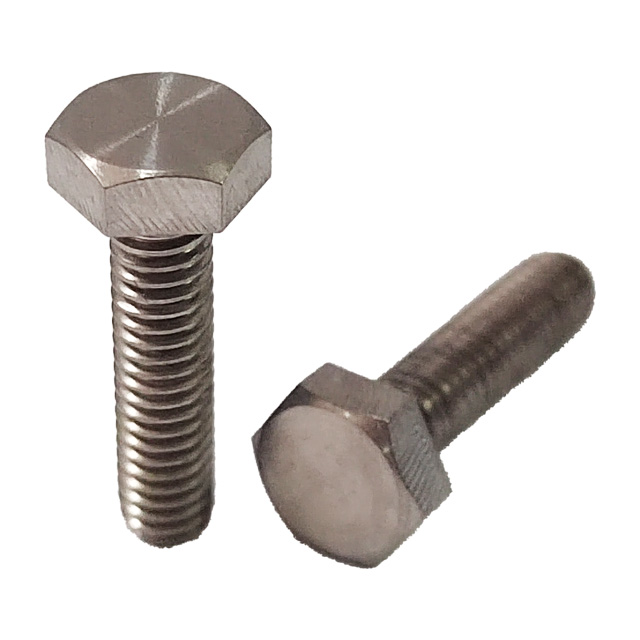
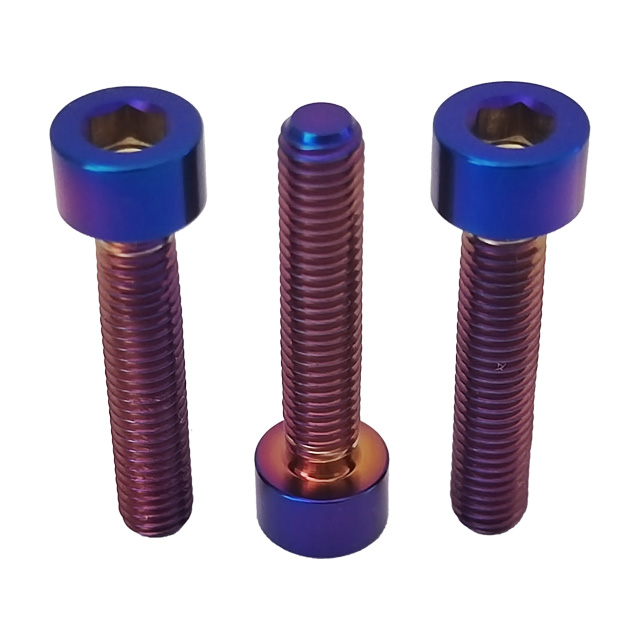
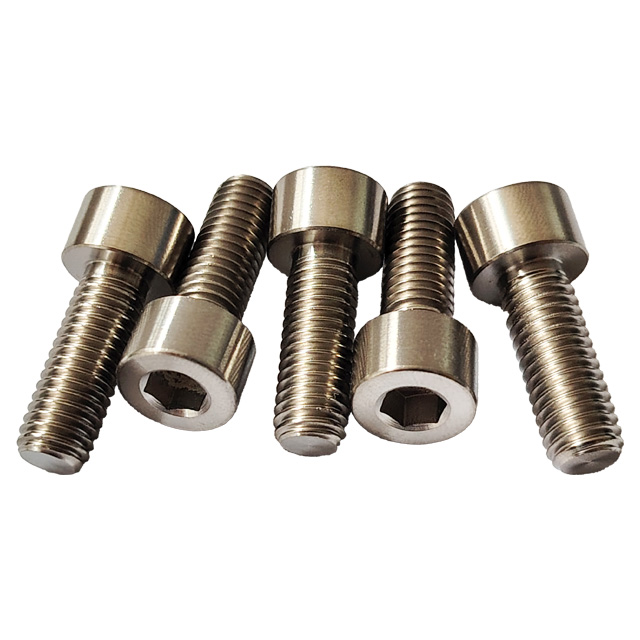
Situated along the western rim of the Black Sea basin, the city of Burgas represents Bulgaria's critical commercial logistics artery, housing the Port of Burgas, expanding automotive modification engineering centers, and an extensive network of specialized fleet transports. However, the geographic reality of Southern Bulgaria's coastal ecosystem presents severe challenges to vehicle mechanical longevity. The atmospheric humidity in Burgas continuously carries chloride aerosols originating from maritime surf, accelerating electrolytic and galvanic corrosion on traditional fasteners.
Automotive workshops and OEM fabricators across Burgas frequently report premature seizure, thread shearing, and structural stress corrosion cracking (SCC) on zinc-plated Grade 8.8 and 10.9 structural steel hardware. While standard 304 or 316 austenitic stainless steel is sometimes substituted to combat coastal rust, its mechanical yield limits (often below 450 MPa) prove dangerously inadequate for safety-critical automotive load points like suspension knuckles, brake calipers, and wheel hubs.
Beyond atmospheric longevity, rotational inertia minimization represents the second performance frontier. In custom automotive performance assemblies, dynamic unsprung weight reduction yields disproportionate advantages in suspension responsiveness, dampening fidelity, and transient turn-in acceleration. By replacing standard carbon steel wheel studs and brake rotor hardware with Navzo Grade 5 Titanium (density 4.43 g/cm³ versus steel's 7.85 g/cm³), engineers in Burgas eliminate up to 44% of uncompressed chassis mass without compromising tensile thresholds.
Engineered to satisfy demanding metallurgical duty cycles across high-salinity coastal tracks, industrial port equipment, and regional tuning assemblies.
Local racing enthusiasts navigating regional circuits and coastal track days require brake rotor hats, wheel studs, and strut tower bolts that resist sudden thermal shock while stripping essential rotating mass.
Heavy transport trailers, flatbeds, and commercial chassis frequently exposed to coastal docks suffer catastrophic bolt seizure. Grade 5 titanium exhaust and pneumatic studs eliminate recurring downtime.
Burgas's robust recreational boating and amphibious automotive conversions demand engine bay hardware that endures direct Black Sea spray without galvanic seizure between alloy engine blocks.
Quantitative analysis highlighting why precision titanium outperforms structural steel and standard marine stainless in high-load dynamic applications.
| Material Specification | Density (g/cm³) | Tensile Strength (MPa) | Yield Strength (MPa) | Thermal Expansion (×10⁻⁶/K) | Chloride Stress Corrosion |
|---|---|---|---|---|---|
| Navzo GR5 (Ti-6Al-4V) | 4.43 | ≥ 950 - 1050 | ≥ 880 - 920 | 8.6 | Immune (TiO2 passivated) |
| High-Tensile Steel 10.9 | 7.85 | 1000 - 1040 | 900 - 940 | 11.7 | Rapid Rusting & Stress Cracking |
| Alloy Steel 12.9 | 7.85 | 1220 | 1100 | 11.2 | Extreme Hydrogen Embrittlement |
| Stainless Steel 316 (A4-70) | 8.00 | 700 | 450 | 16.0 | Prone to Crevice Corrosion |
*All test data verified through certified Baoji lab spectroscopy and digital tensile testers according to ASTM B348 and ISO 898-1 protocols.
The automotive and logistics sector across the Burgas municipality is witnessing two significant technological shifts: the accelerated integration of electric vehicles (EVs) across urban transport fleets, and the modernization of custom aftermarket tuning hubs. As electric drivetrains become prevalent, vehicles encounter an unavoidable weight penalty driven by high-density lithium-ion battery packs. In response, Tier-2 engineering shops in Bulgaria are prioritizing modular light-weighting strategies to reclaim curb appeal and maximize energy efficiency.
Concurrently, the growth of industrial logistics connecting the Port of Burgas with Pan-European Transport Corridors VIII and IV has amplified vehicle maintenance costs. Fleet managers are turning toward total cost of ownership (TCO) assessments rather than initial component costs. A seized manifold bolt or corroded suspension pin can stall a commercial transport run, causing disproportionate labor overhead. By sourcing direct factory-machined Grade 5 titanium from Navzo, Bulgarian procurement engineers protect their margins and eliminate catastrophic mechanical downtime.
Headquartered on Yucai Road in the High-Tech Development Zone of Baoji (China's Titanium Valley), Navzo delivers end-to-end metallurgical security and rapid export turnaround.
Situated in Baoji, we secure prime certified Ti-6Al-4V titanium ingot and bar stock straight from primary domestic smelters, accompanied by EN 10204 3.1 mill test certificates.
Unlike simple machining workshops, our factory pairs multi-station cold heading machines with 5-axis CNC turning and thread-rolling lines that keep grain structure unbroken.
Every single export batch undergoes pitch diameter optical sorting, thread gauge verification (6g/6H tolerance), and micro-hardness testing before leaving our export terminal.
Seamless door-to-door or port-to-port export shipping to Burgas via air express (DHL/FedEx, 4-7 days) or maritime consolidation through the Port of Burgas with zero customs friction.
From custom 12-point titanium lug nuts to extended exhaust studs with integrated hex drive sockets, our in-house engineers process STEP/DWG drawings within 24 hours.
Our multilingual global export team maintains a verified response time under 60 minutes, ensuring business hours alignment with our Bulgarian and European commercial partners.
Clear, engineering-backed answers addressing the practical considerations of ordering titanium fasteners from China.
Titanium threads have a natural tendency to gall when tightened dry under high friction against identical alloys. To prevent thread galling in coastal environments like Burgas, our fasteners feature rolled threads rather than cut threads, creating smoother surface topography. We recommend applying a quality molybdenum disulfide or copper-free anti-seize paste during installation, which also safeguards adjacent aluminum components against mild galvanic potential.
For urgent batches, sample verification, and race preparation orders, we ship directly from Xi'an or Beijing via DHL/FedEx/UPS Express to Burgas Airport or corporate addresses within 4 to 7 business days. For volume bulk orders (exceeding 200 kg), sea cargo routes land directly at the Port of Burgas or transit through Varna, taking approximately 28 to 35 days with full bill of lading (B/L) and customs documentation provided.
Yes. We manufacture standard fasteners conforming strictly to DIN 912, DIN 6921, ISO 4762, and ISO 7380, along with metric fine thread pitches common in European vehicles (such as M12×1.25, M12×1.5, M14×1.25, and M14×1.5). We also machine specialized 12-point heads, umbrella flange Torx bolts, and hollow-core drilled race heads directly from 2D/3D customer drawings.
While raw polished titanium offers natural resistance to marine spray, our PVD (Physical Vapor Deposition) coatings provide an ultra-hard surface layer (over HV 2000) that prevents abrasion from road grit, gravel, and sand. Anodized finishes (blue, purple, gold, rainbow) deliver striking aesthetic customization, while burnt-blue heat-treatment provides an organic gradient look popular for exposed exhaust hardware.
Every shipment is accompanied by a formal Commercial Invoice, Packing List, Certificate of Origin (COO), and an EN 10204 3.1 Material Test Report detailing chemical composition analysis (spectrometry) and mechanical elongation/yield test figures. This ensures smooth clearance through Bulgarian customs and provides full traceability for professional engineering documentation.
For standard catalog sizes (such as M6/M8 socket bolts and flange nuts), our standard MOQ starts at just 100 to 200 pieces. For custom CNC machined parts made from technical drawings, we support prototype test batches of 20 to 50 pieces before initiating mass production runs, giving your engineering team total confidence in fit and tolerance.