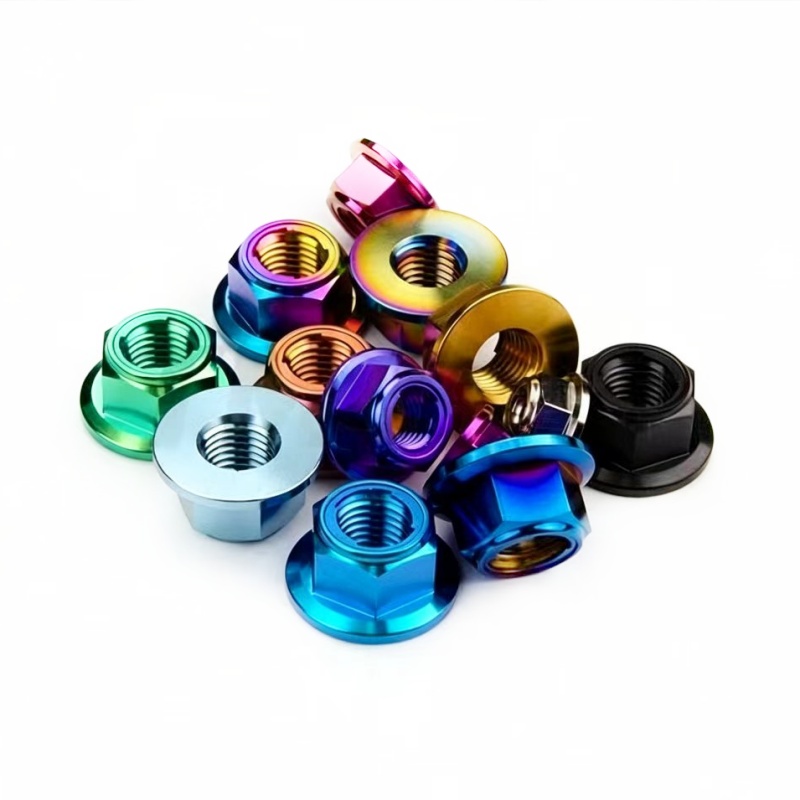
GR5 Titanium Lock Anti Loosening Nut Motorcycle & Car Locked Tightly M6 M8 M10 PVD Finished
Thread:M6, M8, M10 (Metric Pitch)
Coating:Vacuum PVD Wear Resistant
Application:Chassis, Suspension & Drive
Tested in endurance motorsport and extreme thermal duty cycles: cold-headed blanks with rolled threads designed to resist harmonic shear, galling, and cyclic fatigue.
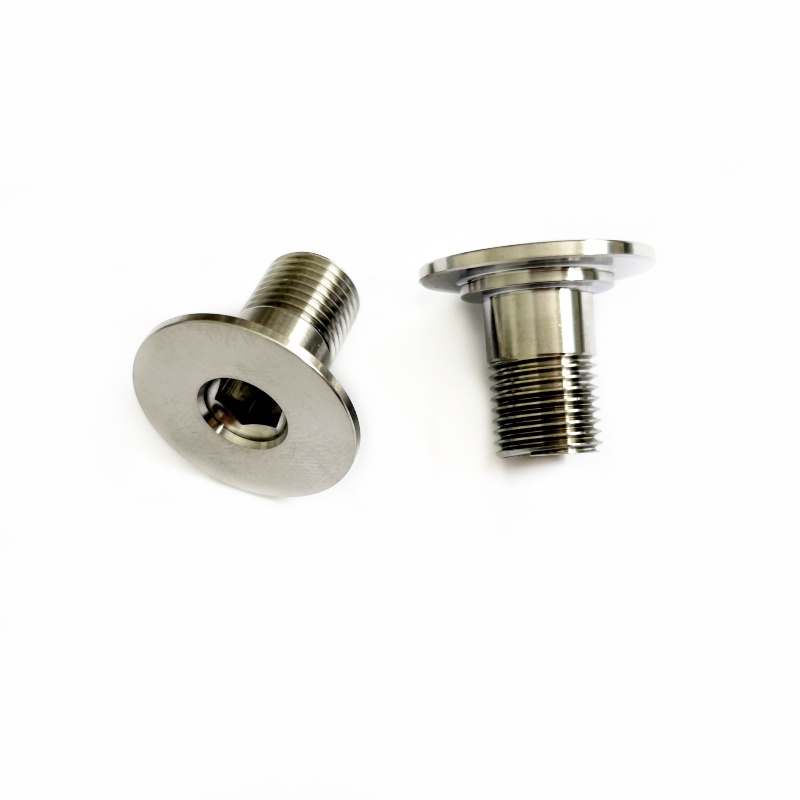
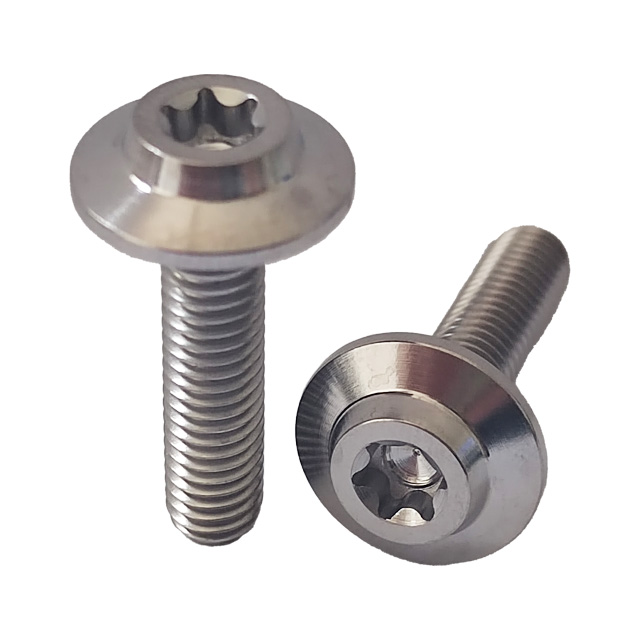
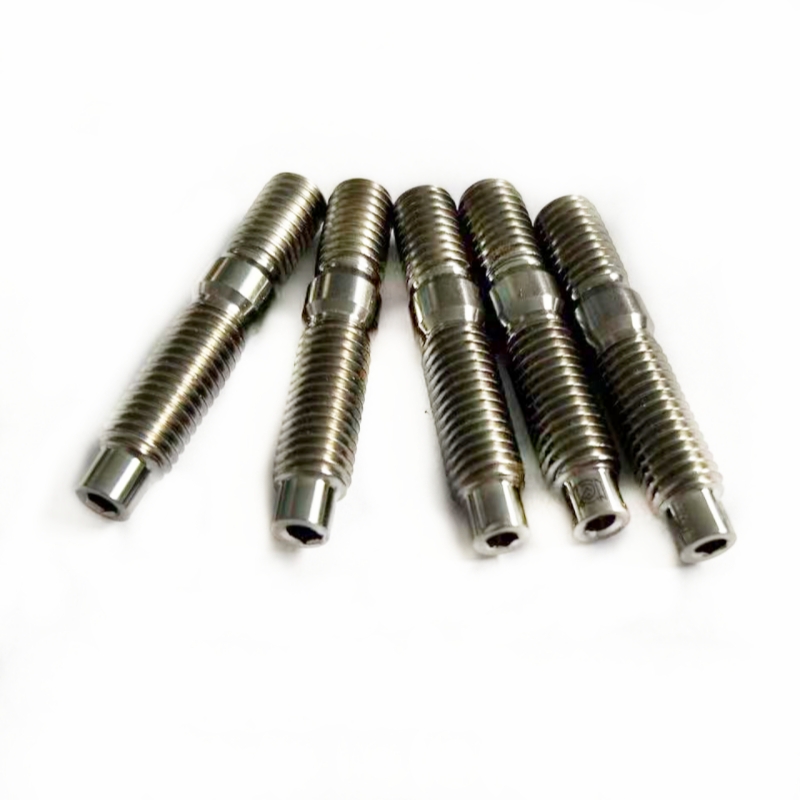
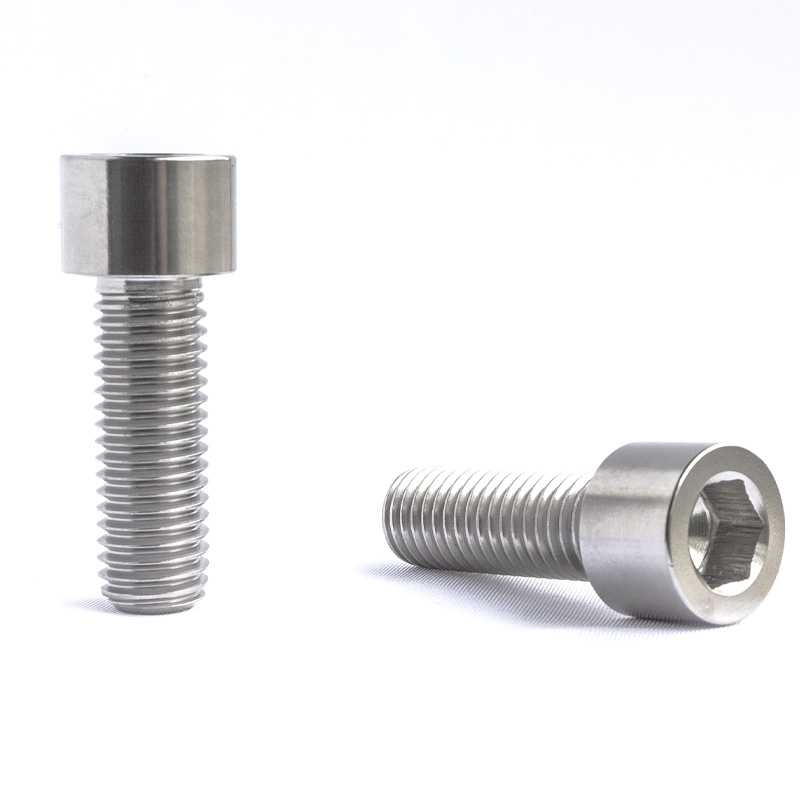
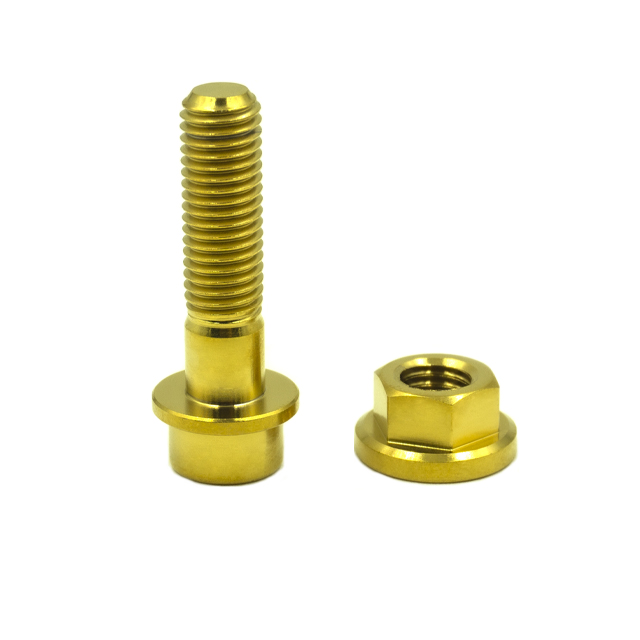
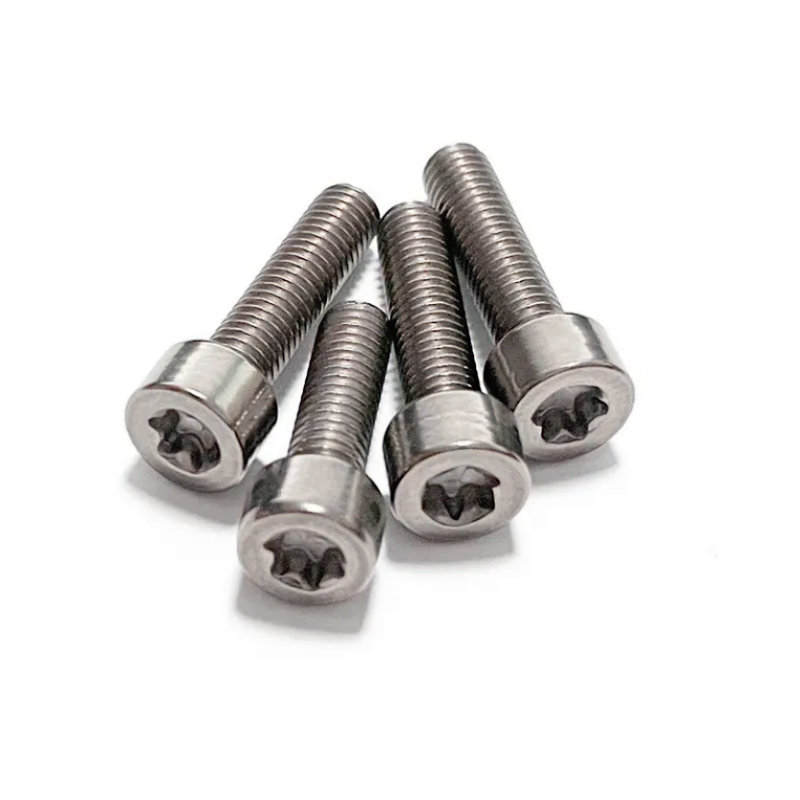
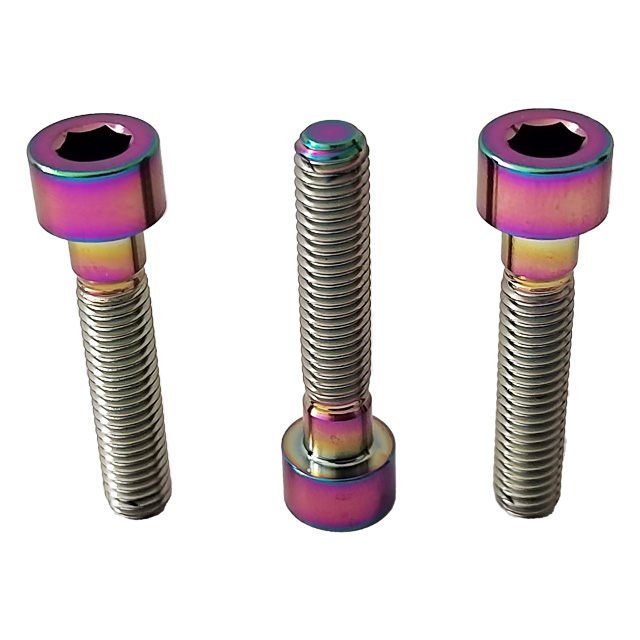
Indianapolis, Indiana—universally celebrated as the "Racing Capital of the World"—demands an uncompromised standard of mechanical efficiency and material durability. Centered around the iconic Indianapolis Motor Speedway (IMS) and the dense cluster of precision race engineering firms throughout Speedway, Brownsburg, and Plainfield, professional motorsport syndicates operate under margins where fractions of a milligram in unsprung rotational mass directly dictate victory or defeat. Navzo Precision Titanium bridges the supply chain between Baoji, China—the undisputed heart of global titanium sponge and aerospace ingot extraction—and the engineering dynos of Hoosier state builders.
The operational stress encountered across the 2.5-mile oval of IMS, the drag strips of Lucas Oil Indianapolis Raceway Park, and the high-banked dirt circuits of central Indiana requires fastener solutions tailored to extreme harmonic vibration, thermal expansion gradients, and shear forces:
Unlike steel studs that seize and snap during the extreme 750°C heat cycles generated by turbocharged methanol or high-octane gasoline setups, Navzo’s M8 and M10 GR5 titanium manifold studs feature a low thermal coefficient of expansion, preventing gasket crushing and flange warpage.
Replacing standard steel wheel studs with our M14 Grade 5 titanium racing lug nuts cuts rotating mass at the outermost radius of the hub, directly reducing angular inertia, sharpening steering response, and cooling brake disc assemblies.
Navzo DIN 912 M10 and M12 titanium socket cap screws with cold-rolled threads resist sustained lateral brake torque without micro-stretching, maintaining precise clamp force along carbon-composite and ceramic brake rotor hats.
Motorsport chassis design engineers must evaluate yield strengths, galvanic corrosion potentials, and weight metrics. The mechanical properties detailed below validate why GR5 (Ti-6Al-4V) represents the gold standard for racing vehicles:
| Alloy Classification | Density (g/cm³) | Yield Strength (MPa) | Tensile Strength (MPa) | Shear Resistance | Galvanic & Road Salt Corrosion |
|---|---|---|---|---|---|
| GR5 Titanium (Ti-6Al-4V Annealed) | 4.43 | 828 - 910 | 895 - 1000 | Superior (Cold-Rolled Grain) | Impervious (Self-Passivating TiO2) |
| Class 10.9 Alloy Steel (Zinc Plated) | 7.85 | 940 | 1040 | High (Risk of Hydrogen Embrittlement) | Poor (Prone to Rust & Flaking) |
| Stainless Steel (AISI 304 / A2-70) | 7.93 | 450 | 700 | Moderate (Prone to Galling) | Moderate Resistance |
| Commercially Pure Titanium (GR2) | 4.51 | 275 | 345 | Low (Aero Paneling Only) | Immune |
The automotive landscape of Indiana is evolving beyond internal combustion power. With major battery research hubs and next-generation powertrain facilities investing throughout the I-65 and I-70 commercial corridors, fastener requirements have pivoted decisively toward non-magnetic, corrosion-immune, and lightweight materials. Navzo’s precision-machined titanium fasteners serve as essential components for:
1. EV Battery Pack Enclosures: Titanium's non-magnetic property prevents electrical eddy current interference within high-voltage battery enclosures, while its lightweight profile maximizes single-charge ranges.
2. Composite Aerodynamic Structures: When mated directly with modern carbon fiber wings and undertrays, titanium avoids the severe galvanic corrosion that occurs when aluminum or unfinished steel contacts raw carbon weaves, safeguarding costly composite body components.
3. Harsh Winter Road Resistance: Beyond track applications, custom street performance builders in Marion, Hamilton, and Hendricks counties turn to titanium fasteners to eliminate the corrosive decay caused by aggressive winter road salts and deicers.
Navzo utilizes high-speed thread rolling rather than chip-cutting CNC lathes for all structural fasteners. Thread rolling continuously deforms the grain flow along the root and flank of the thread, increasing fatigue cycle life by more than 30% and eliminating stress concentrations that cause premature snapping under intense shock loads.
Because titanium and aluminum have different galvanic potentials and can be subject to thread galling, we recommend using a high-temperature copper-based or nickel-based anti-seize lubricant. For turbo manifold studs running above 400°C, a pure molybdenum disulfide or ceramic anti-seize compound ensures accurate torque retention and effortless disassembly.
We accept 2D and 3D technical drawings (STEP, DWG, IGES, PDF). Our Baoji production line houses multi-axis Swiss-type CNC centers and heading units capable of holding ±0.01 mm tolerances. Whether producing custom 12-point ARP-style flange nuts, drilled safety wire bolt heads, or custom thread-pitch conversion studs, we deliver rapid prototypes within 5–7 business days.
Yes. Every manufacturing run comes with documented Mill Test Reports (MTR) per EN 10204 3.1 standards. We verify chemical composition (aluminum, vanadium, oxygen, nitrogen limits) and mechanical tensile parameters via third-party laboratories so technical scrutineers and race directors can verify alloy authenticity.
Founded on January 10, 2011 on Yucai Road within the High-tech Development Zone of Baoji, Navzo Precision Titanium Products Co., Ltd. sits at the center of "China Titanium Valley." This geographic foundation gives us end-to-end control of certified ingot sourcing, cold heading, precision CNC machining, and automated optical batch sorting.
Direct supply agreements with primary Baoji sponge titanium reduction mills guarantee certified Ti-6Al-4V stock without scrap blending or low-grade recycled alloys.
From initial cold heading and multi-axis CNC milling to cold thread rolling, PVD coating, and automated thread-go-nogo sorting, all operations are managed in-house.
Our international trading desk operates on dynamic shifts to align with US Eastern and Central time zones, guaranteeing quotation returns within 1 hour of drawing intake.