CE Certified
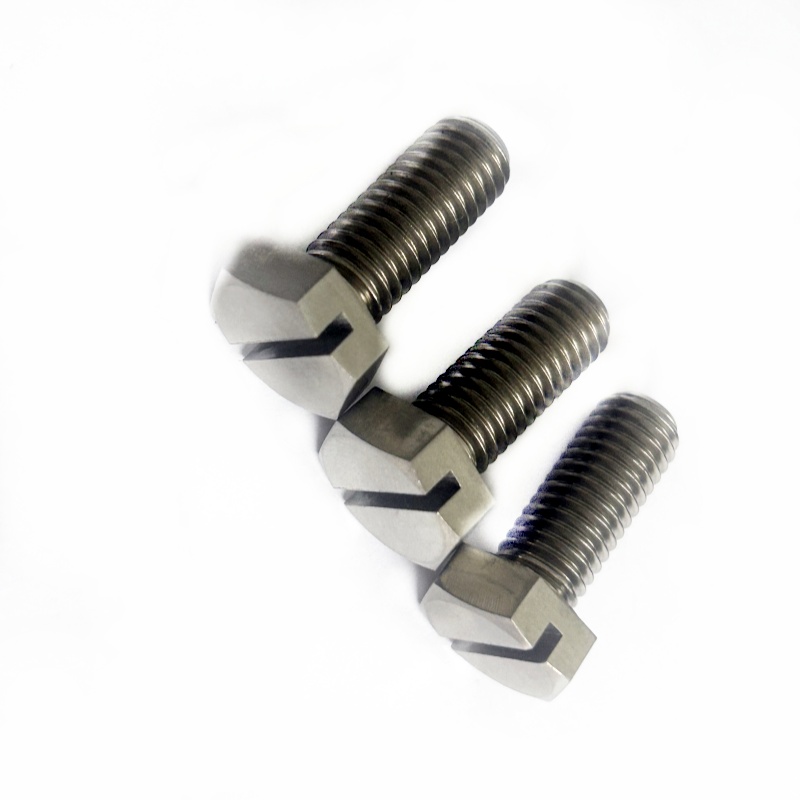
OEM Made High Precision CNC Machined Titanium Slotted Hexagonal Head Screw
- Grade
- Grade 5 (Ti-6Al-4V)
- Standard
- Custom / DIN
- Application
- Subsea Actuators
Manufactured strictly to DIN 912, ISO 4762, and customized engineering drawings. Sourced from high-purity virgin titanium sponge in China's Titanium Valley (Baoji) and pre-conditioned for high-saline coastal duty.
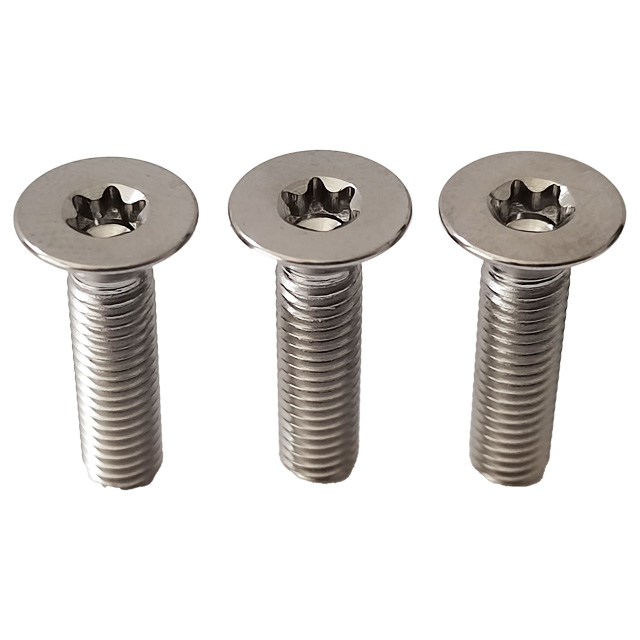
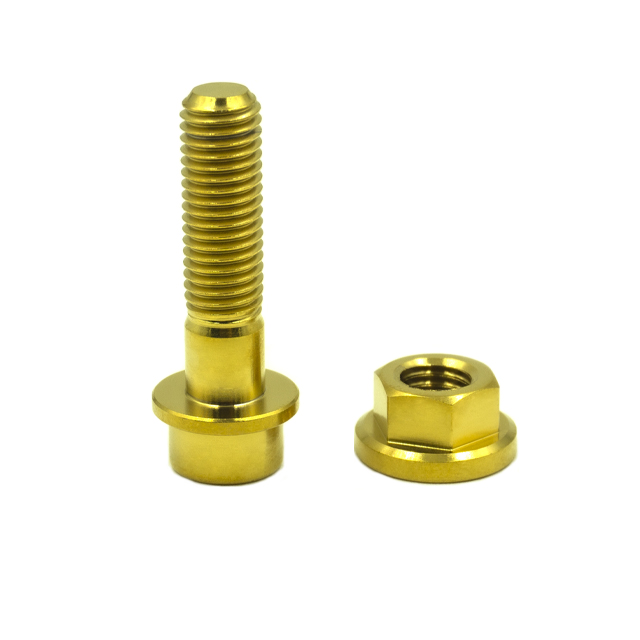
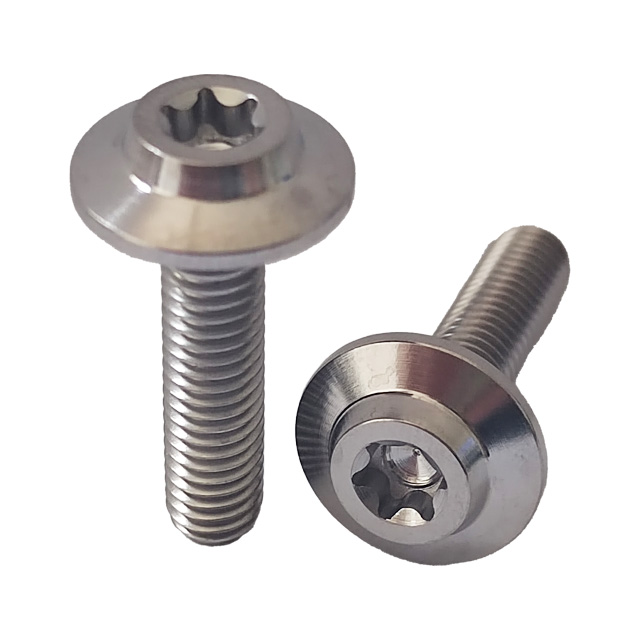
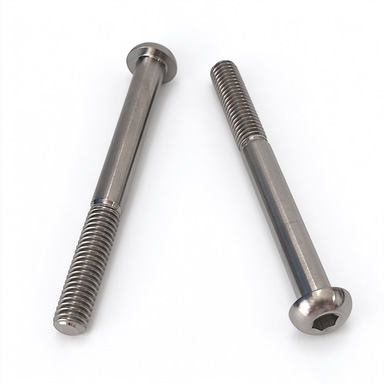
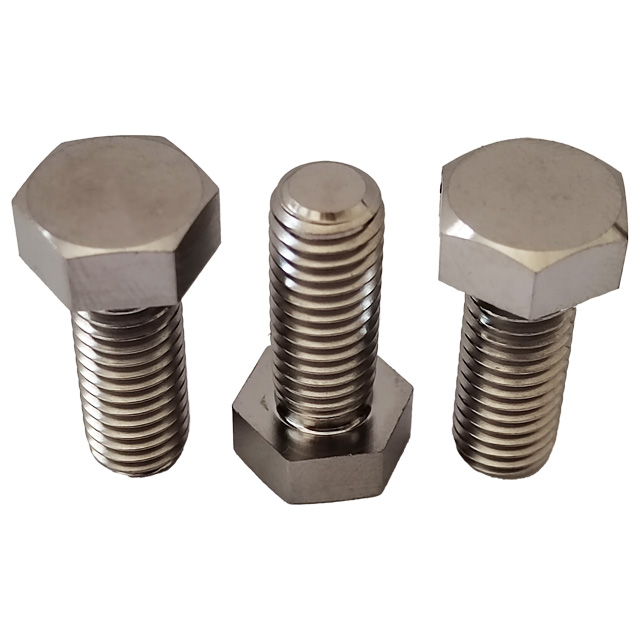
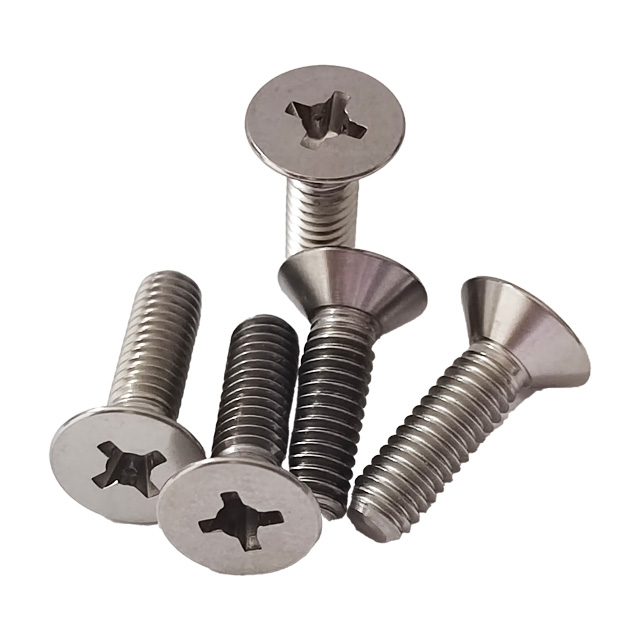
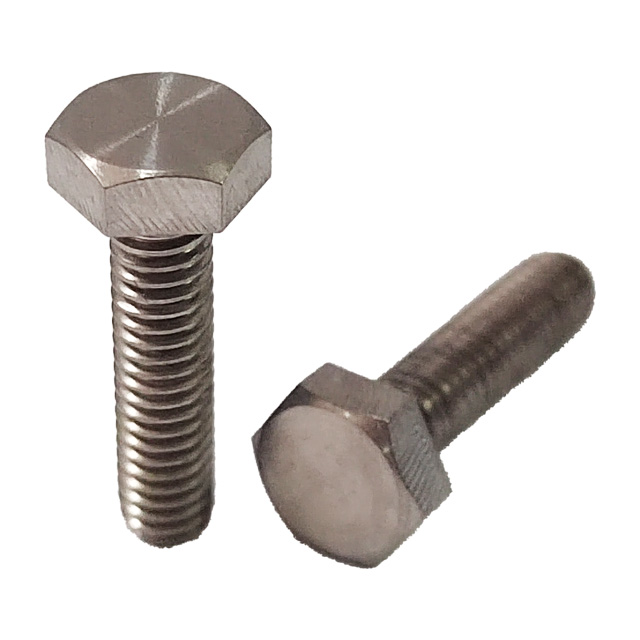
Navzo’s Grade 5 cylindrical head bolts (standardized under DIN 912 and ISO 4762) represent the pinnacle of aerospace-derived fastening systems configured for extreme terrestrial and subsea applications. In hyper-saline oceanic belts and high-temperature hydrocarbon processing environments such as those surrounding the Timor Sea and the Suai supply corridor, austenitic stainless steels (such as AISI 304 and 316L) routinely succumb to Stress Corrosion Cracking (SCC) and crevice attack under thermal loads exceeding 60°C.
By cold-heading and precision CNC-turning alpha-beta structural titanium alloy (Ti-6Al-4V, Werkstoff 3.7165), Navzo produces cylindrical head bolts possessing an intrinsic rutile/anatase titanium oxide (TiO₂) passivation layer. This passive film self-repairs instantaneously upon mechanical scratch or hydraulic shear, ensuring an absolute zero-rate corrosion profile against warm stagnant seawater, hydrogen sulfide (H₂S), wet chlorine, and sour petroleum distillates.
| Property Metric | Navzo GR5 (Ti-6Al-4V) | AISI 316L Stainless | Alloy Steel 10.9 |
|---|---|---|---|
| Tensile Strength (Rm) | ≥ 895 – 1000 MPa | 500 – 700 MPa | 1000 – 1040 MPa |
| Yield Strength (Rp0.2) | ≥ 828 MPa | ≥ 220 MPa | ≥ 900 MPa |
| Density (Specific Weight) | 4.43 g/cm³ | 8.00 g/cm³ | 7.85 g/cm³ |
| Strength-to-Weight Ratio | 202 kN·m/kg | 62 kN·m/kg | 127 kN·m/kg |
| Seawater Pitting Resistance | Immune (TiO₂ Film) | Moderate / Risk of Crevice | Extremely Poor (Corrodes) |
| Permeability (Magnetic) | Non-magnetic (1.00005) | Slightly Work-Hardened | Ferromagnetic |
Positioned as the pivotal petroleum operations and supply base for Timor-Leste's southern coast, Suai demands severe-service components built to withstand high oceanic humidity, monsoonal weather, and aggressive coastal chemical runoff.
Dockside gantry cranes, offshore workboat mooring winches, ROV handling equipment, and fuel bunkering manifolds exposed continuously to oceanic salt mist require DIN 912 titanium socket cap screws to eliminate downtime from seized carbon steel fasteners.
High-pressure fluid lines, catalytic cracked gas valves, heat exchangers, and cryogenic liquid nitrogen manifolds require non-deforming Grade 5 cylindrical head bolts that maintain clamp load without thermal embrittlement down to deep sub-zero conditions.
Riser anchor blocks, tie-in spools, cathodic protection monitoring brackets, and benthic observation node housings require titanium fasteners because titanium behaves completely passively toward benthic micro-organisms, preventing biological biofouling-induced pitting.
Navigational guidance arrays, maritime VHF transmitters, and avionics weather monitoring masts at Suai Airport leverage the non-magnetic nature of Grade 5 titanium bolts to eliminate electromagnetic interference (EMI) across critical avionics spectrums.
Municipal reverse osmosis (RO) desalination pumping blocks operating under 70+ bar brine pressures utilize Navzo cylindrical head screws to eradicate galvanic decay across duplex stainless steel housings and ceramic piston assemblies.
Specialized marine expansion anchors and seismic joint restraints built along coastal retaining seawalls and harbor jetties rely on titanium bolts for calculated 50-year maintenance-free service intervals without sacrificial anode renewals.
Strategic modernization across the Timor Sea economic zone is rapidly shifting contractor specifications from conventional structural fasteners to advanced alloy hardware.
Engineering EPCs now mandate Life Cycle Costing (LCC). While initial procurement for titanium is higher than carbon steel, zero recoating and zero replacement during 25-year operational windows deliver massive net cost savings.
International capital infrastructure projects require audited proof of traceability. Mill Test Reports (MTR) according to EN 10204 3.1 and CE conformity markings have become mandatory non-negotiable compliance gates.
High-torque subsea connections now universally require physical vapor deposition (PVD) anti-friction coatings (such as DLC or Titanium Nitride) directly applied during manufacturing to prevent galling under automated pneumatic torque wrenches.
The rise of modular offshore floating production units and green hydrogen pilot modules demands non-magnetic, low-mass fasteners that reduce topside deck weight and mitigate high-voltage stray current corrosion.
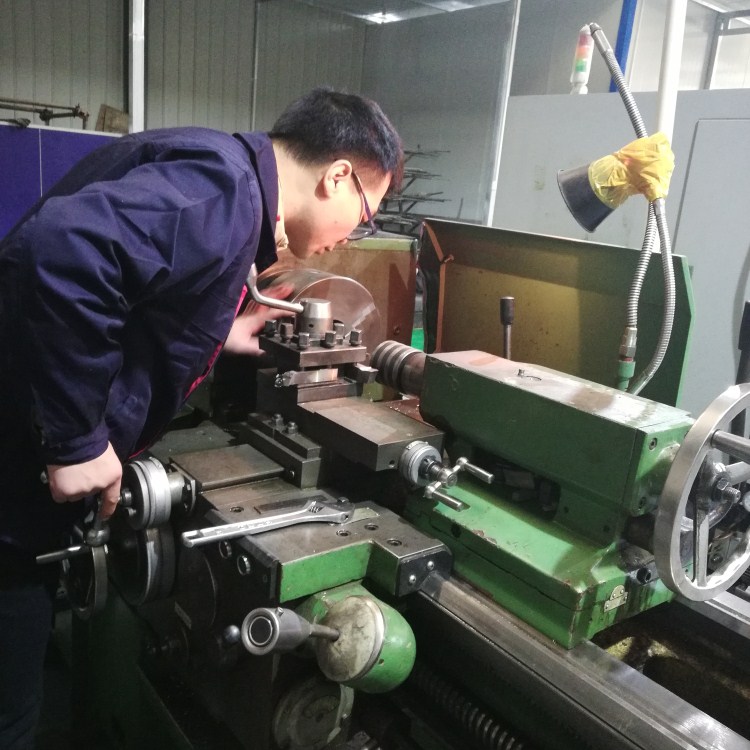
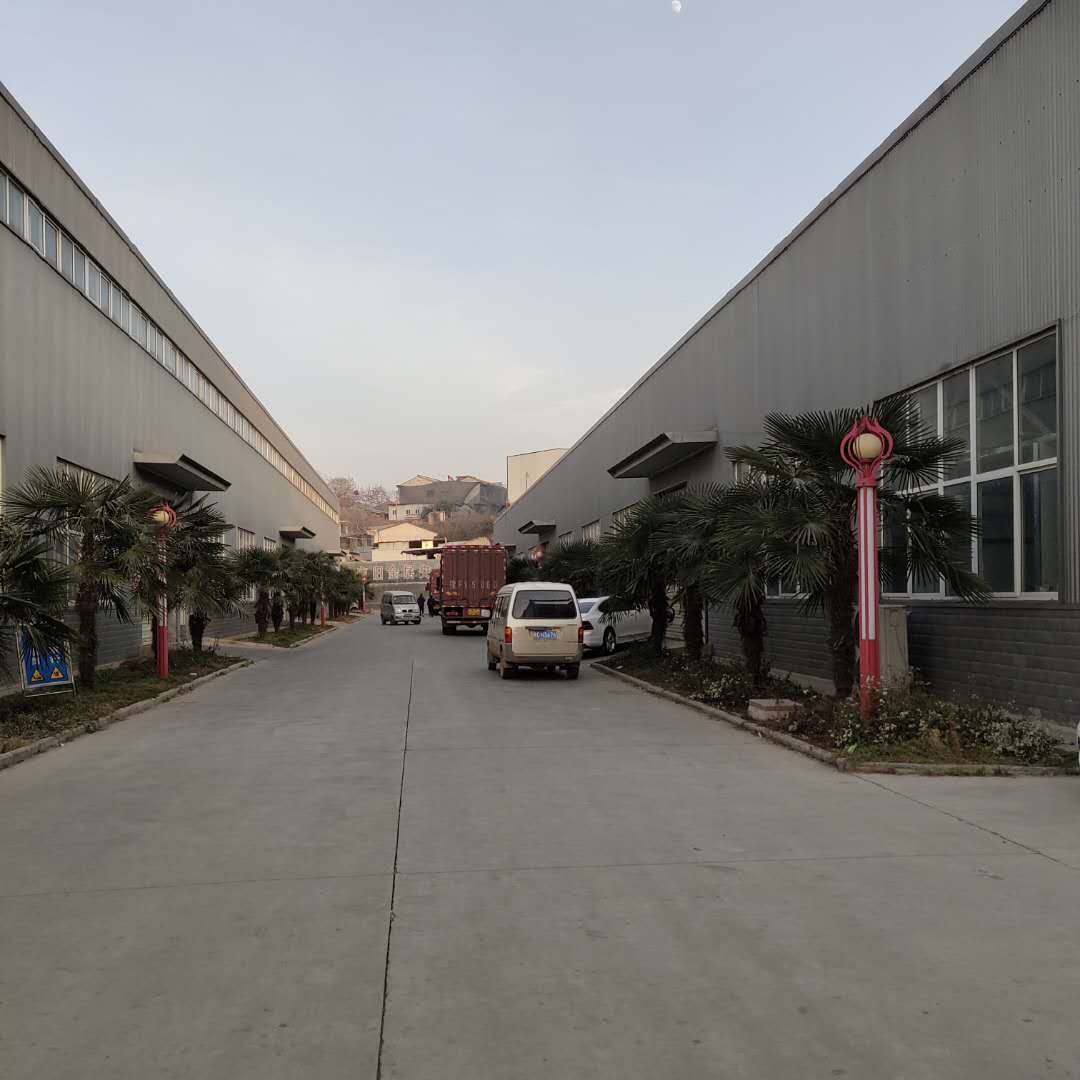
Founded on January 10, 2011, on Yucai Road in the High-tech Development Zone of Baoji, Shaanxi—widely celebrated as China’s Titanium Valley—Navzo Precision Titanium Products Co., Ltd. integrates the complete titanium supply chain directly from sponge melting to micro-precision CNC machining.
Our facility hosts cold heading, multi-axis CNC turning and milling centers, thread-rolling machines, and automated multi-color anodizing and vacuum PVD coating systems under a unified ISO 9001:2015 quality assurance umbrella. Every cylindrical head bolt produced for global export to demanding maritime regions like Suai is scrutinized with calibrated optical thread comparators, ultrasonic defect detectors, and mechanical tensile testing equipment.
Detailed, actionable answers addressing metallurgical validation, logistics routes, torque specifications, and galvanics for procurement managers in Timor-Leste.
Grade 5 titanium (Ti-6Al-4V) develops a dense, stoichiometric titanium dioxide (TiO₂) film that maintains structural equilibrium in chloride solutions up to 250°C. Unlike austenitic or duplex stainless steels, titanium does not rely on stagnant oxygen levels to avoid crevice decay. Even in oxygen-depleted marine mud or underneath pipeline gaskets in the Timor Sea, corrosion rates remain essentially immeasurable (0.000 mm per year).
Every commercial consignment includes comprehensive quality documentation: Mill Test Certificate conforming to EN 10204 3.1 (detailing precise spectroscopic chemical analysis and mechanical tensile/yield tests), CE Declaration of Conformity, full dimensional inspection logs from micrometric CMM checks, and ultrasonic testing (UT) reports proving sub-surface zero-defect integrity in accordance with AMS 4928 standards.
Titanium’s low thermal conductivity and microscopic friction coefficient make dry threads susceptible to galling under high-speed impact installation. We recommend: (1) Applying nickel-free or copper-based marine-grade anti-seize pastes (e.g., moly-disulfide or PTFE-loaded grease); (2) Requesting factory PVD coatings (DLC or TiN) or micro-bead blasted matte finishes; and (3) Controlling pneumatic torque wrench speeds below 30 RPM during bolt engagement.
Urgent tooling orders and critical breakdown spares are dispatched via express air freight (DHL/FedEx/air cargo routing via Singapore or Darwin into Dili, followed by bonded overland transit to Suai) within 5 to 8 business days. Full container load (FCL) or palletized LCL consignments transit by sea freight through Surabaya or Singapore to the Port of Dili or direct coastal feeder discharge at Suai within 22 to 30 days.
Yes. Our engineering department routinely works with STEP, IGES, DWG, and PDF blueprints. We can customize head diameters, shallow cylindrical profiles, drilled lock-wire holes, internal plum/torx or anti-tamper socket patterns, and varied pitch configurations (UNF, UNC, Metric Fine) with precision tolerances held strictly within ±0.01 mm.
Titanium sits high on the galvanic noble scale. When direct metallic contact occurs with less noble metals (such as carbon steel or structural aluminum alloys) in wet maritime environments, the less noble metal may sacrifice itself. To eliminate galvanic action, Navzo provides non-conductive dielectric isolation kits, including PTFE or G10 glass-reinforced epoxy insulating washers and sleeves, guaranteeing total electrical isolation.