M12 Hex Cap
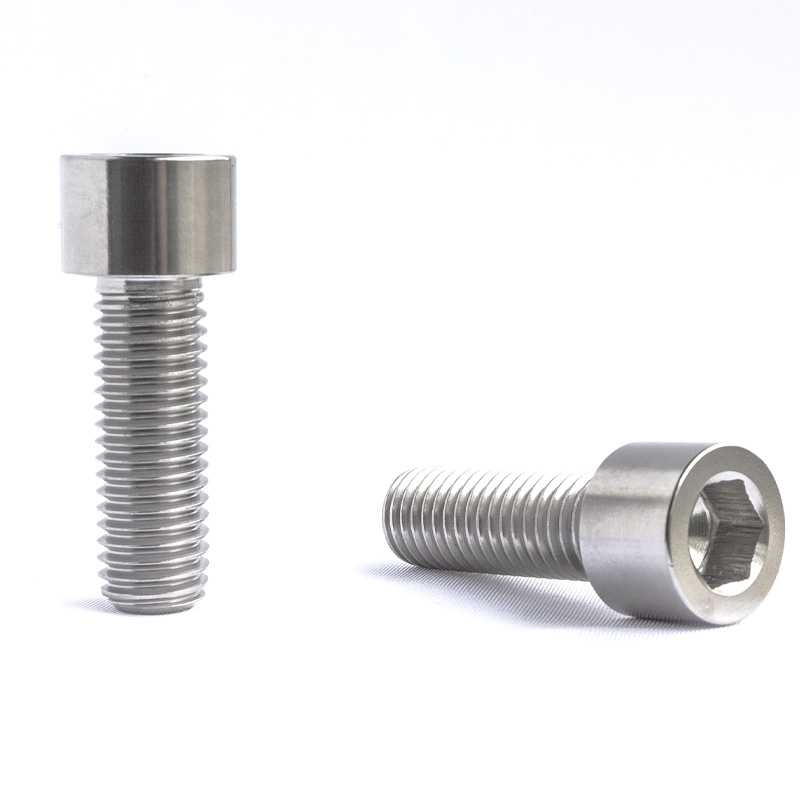
Manufactured from aerospace-certified Baoji Grade 5 titanium billet. Cold-forged heads, CNC precision-machined threads, and vacuum PVD finishes for maximum fatigue strength.
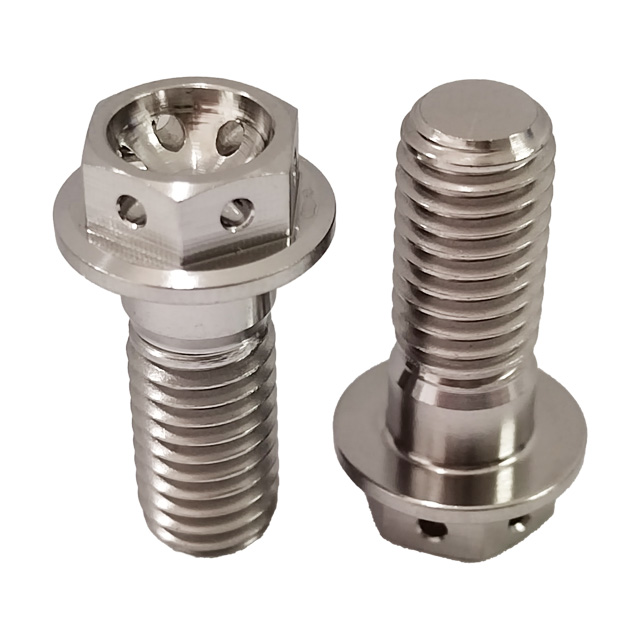
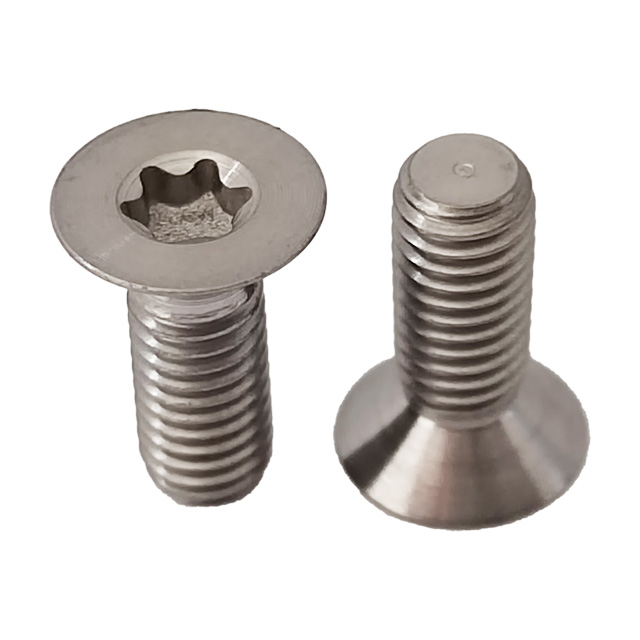
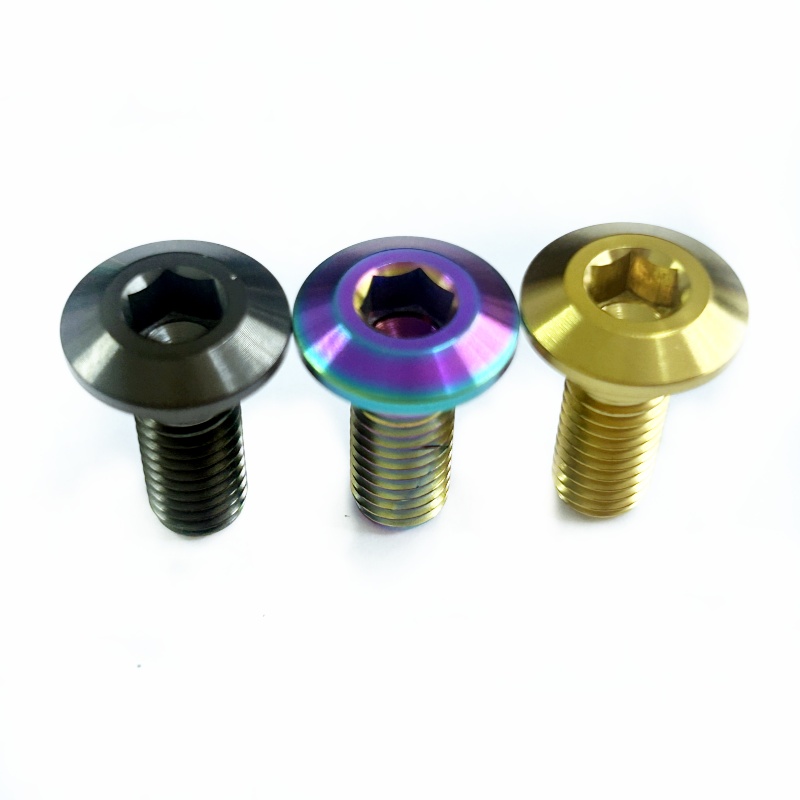
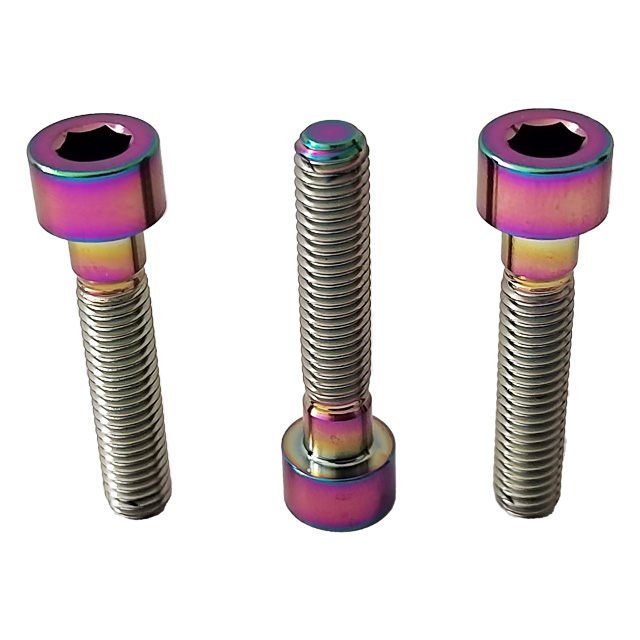
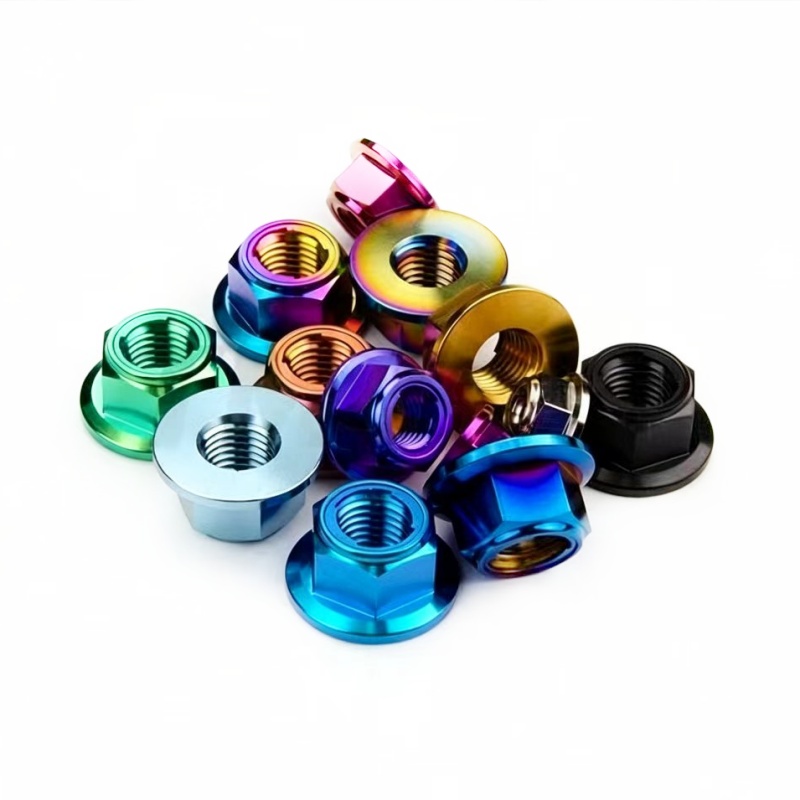
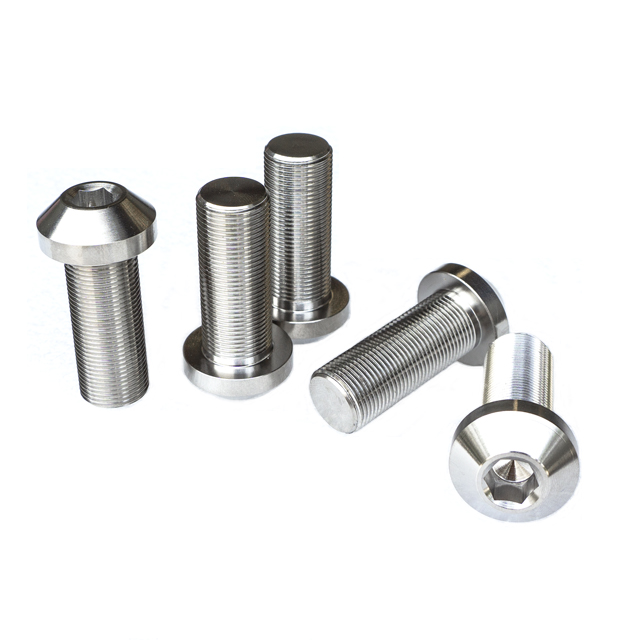
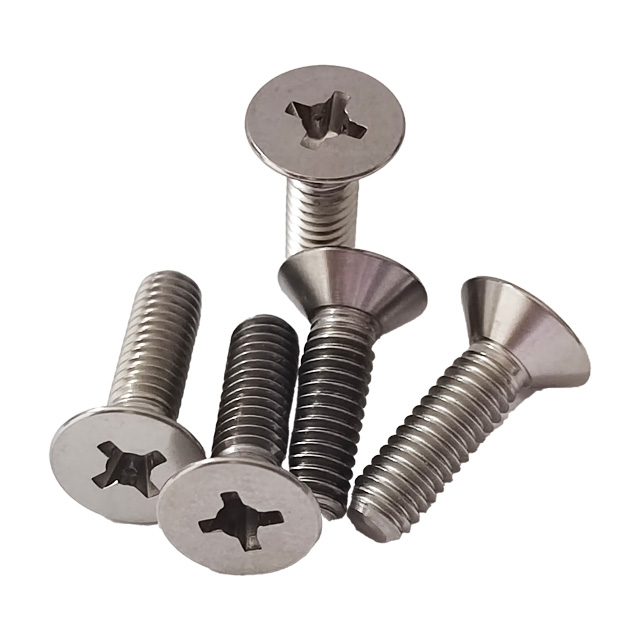
A technical evaluation for Estonian design engineers specifying Ti-6Al-4V fasteners for subsea, autonomous robotics, and advanced industrial equipment under EU CE Directives.
In modern industrial product architecture, mechanical connections must reconcile conflicting demands: maintaining a perfectly flush aerodynamic or hydrodynamic exterior profile while tolerating high torque loads without internal drive wall rupture. Conventional cross-recess (Phillips) drives are susceptible to cam-out, an inherent axial slippage that damages bolt recesses and compromises factory assembly cycle times.
While internal hexagonal drives (DIN 7991) have long served the mechanical sector, their 60-degree contact angles concentrate torsional stresses at narrow corner radiuses. As head heights decrease to achieve countersink geometries, internal hex sockets face shearing failure during high-torque tightening. The Torx (Hexalobular, ISO 10664) drive utilizes a 15-degree drive angle that distributes rotational torque along six broad parabolic lobes. In high-tensile Grade 5 titanium, this enables up to 85% higher drive fatigue endurance and prevents tool slippage in automated robotic assembly cells across Tallinn and Tartu.
| Material Benchmark | Yield Strength Rp0.2 (MPa) | Tensile Strength Rm (MPa) | Density (g/cm³) | PREN (Pitting Resistance) | Baltic Sea Corrosion Rate |
|---|---|---|---|---|---|
| Navzo GR5 Titanium (Ti-6Al-4V) | ≥ 828 | 895 – 1050 | 4.43 | > 45 (Immune) | < 0.0001 mm/year |
| Marine Stainless A4-80 (AISI 316) | 600 | 800 | 7.98 | ~ 25 | Subject to crevice pitting |
| High-Tensile Alloy Steel (Grade 10.9) | 900 | 1040 | 7.85 | N/A | Rapid failure without plating |
| Aerospace Aluminum 7075-T6 | 505 | 570 | 2.81 | N/A | Severe galvanic vulnerability |
A critical engineering failure point in threaded titanium hardware is micro-notch cracking at thread root radiuses. Low-grade suppliers machine titanium threads using single-point CNC cutting, which shears across the continuous metallurgical grain boundary of the extruded bar. Navzo employs hydraulic thread rolling under strict cryogenic coolant lubrication.
This process plastically reforms the Grade 5 grain boundaries around the thread contours rather than cutting them, inducing a compressive residual stress layer at the thread root. The result is a 30% increase in shear fatigue life, essential for dynamic loading environments such as Baltic marine turbulence, vehicle vibration harmonics, and uncrewed aerial vehicle (UAV) motor assemblies.
Tailored fastening solutions answering the extreme environmental and technological demands of Estonian innovators, from Harju County to South Estonia.
The Gulf of Finland and Baltic coastline present brackish, cold marine waters with concentrated chloride contents that induce rapid crevice corrosion and pitting on 304 and standard 316 stainless hardware. Our CE-certified GR5 countersunk bolts form a stable, chemically inert rutile (TiO₂) oxide layer immediately upon contact with oxygen. They provide total immunity to Baltic seawater, rendering them optimal for subsea sensors, autonomous underwater surveying rovers (AUVs), and marine monitoring buoys operated from Muuga Harbor and Saaremaa shipyards.
Estonia is globally celebrated as the birthplace of last-mile autonomous logistics robots and tracked uncrewed ground vehicles (UGVs). In these electric platforms, reducing structural mass directly scales payload capacity and operational battery range per charge cycle. Utilizing flush-mounted countersunk Torx titanium hardware allows battery enclosure plates, LiDAR scanning sensor brackets, and structural carbon-composite chassis members to lock together without external protruding bolt heads that accumulate mud, snow, or road debris.
Standard ferritic and martensitic high-tensile steels suffer from severe ductile-to-brittle transition phenomena when ambient temperatures plunge below -25°C in Estonian winters. In contrast, Grade 5 Ti-6Al-4V preserves remarkable charpy impact toughness and notch resistance down to cryogenic temperatures (-196°C). Furthermore, titanium resists chemical degradation caused by heavy roadway applications of calcium chloride and magnesium chloride de-icing compounds.
How our ISO 14581 GR5 countersunk fasteners support Estonia's national strategic initiatives in clean energy, defense engineering, and deep tech.
With Tallinn hosting premier NATO cyber and defense engineering hubs, Estonian defense contractors are pioneering lightweight autonomous reconnaissance drones, tactical robotics, and ruggedized communication repeaters. Weight optimization without yielding structural shear resistance is critical. Navzo’s fully traceable GR5 bolts, accompanied by EN 10204 3.1 chemical inspection certificates, satisfy the defense sector's audit protocols.
As Estonia expands offshore wind projects across the Gulf of Riga, maintaining turbine nacelle electronics and external anemometer masts in harsh maritime gale corridors poses major maintenance expenses. Replacing stainless hardware with Grade 5 titanium eliminates maintenance cycles driven by rust bleed and thread siezing, matching the 25-year design lifetimes mandated by European renewable infrastructure operators.
The Estonian manufacturing ecosystem, coordinated through Enterprise Estonia (EAS), is migrating rapidly toward agile, high-speed automated packaging, laser processing, and electronics assembly systems. High-speed reciprocating linear motion components demand low inertia. Countersunk titanium fasteners minimize rotating and reciprocating mass, lowering wear on servomotors while allowing higher cycle speeds.
Why Tier-1 engineering teams and industrial procurement managers in Estonia choose Navzo as their direct titanium manufacturing partner.
Our production facilities are situated in Baoji, Shaanxi, China's titanium epicenter producing over 60% of national titanium output. We maintain direct billet contracts with certified vacuum arc remelt (VAR) ingots, ensuring metallurgical consistency and verifiable chemical purity (Ti-6Al-4V) from melt to fastener.
All titanium countersunk torx bolts supplied to Estonian customers comply with EU Directive guidelines. Hardware arrives with certified EN 10204 Type 3.1 Material Test Reports (MTR), detailing heat number chemical assays, yield strength, tensile rupture, and elongation metrics.
From high-speed multi-station cold heading to high-precision Swiss-type CNC lathe machining, roll threading, and secondary PVD (Physical Vapor Deposition) and micro-arc anodizing, every manufacturing phase is kept in-house under strict ISO 9001:2015 process monitoring.
Every fastener undergoes dimensional inspection against DIN 965 / ISO 14581 standards using automated laser gauging machines. Pitch diameter, countersink taper angle (90° ± 0.5°), and Torx drive lobular symmetry are verified before export packaging.
Our specialized international export engineering desk guarantees a full response to technical drawings (STEP, DWG, DXF, PDF) within 1 hour during business hours, ensuring rapid feedback for fast-moving engineering schedules in Estonia.
Streamlined logistics routes deliver small-batch custom prototypes to Lennart Meri Tallinn Airport (TLL) in 4–6 business days via DHL/FedEx priority, and volume industrial consignments to Muuga Port or Paldiski with customs clearance documentation handled seamlessly.
Key technical, commercial, and regulatory guidance for engineers and purchasing agents sourcing titanium fasteners into Estonia.
Every commercial delivery includes an authentic EN 10204 Type 3.1 Mill Test Certificate proving chemical composition compliance (Ti, Al 5.5-6.75%, V 3.5-4.5%, Fe < 0.40%, O < 0.20%) and mechanical metrics (tensile, yield, elongation). CE marking declarations and RoHS/REACH SVHC non-containment compliance sheets are furnished with customs clearance manifests.
In humid Baltic coastal conditions, coupling titanium directly to bare aluminum creates an electrochemical potential differential. For marine or outdoor exposure, we recommend our factory-applied thin-film PVD coatings, anodizing, or the use of non-conductive PTFE/phenolic washers and nickel-based anti-seize paste (e.g., Ti-Prep) to completely isolate electrical contact between dissimilar metals.
Standard DIN 965 / ISO 14581 sizes (M3 to M10) held in stock ship within 48 hours, arriving in Estonia via express air freight within 4 to 6 business days. Custom CNC machining, unusual thread pitches, or custom countersink dimensions typically require a 12–18 day manufacturing cycle depending on volume.
Yes. While standard European countersunk specifications mandate a 90° taper (DIN 965 / ISO 14581), we regularly manufacture 100° aerospace tapers, shallow-head variants, undercut heads for thin sheet metal, and captive unthreaded shanks based on your 2D and 3D CAD models.
Estonian corporate entities registered with a valid EU VAT number (EE...) can receive shipments under DDP (Delivered Duty Paid) or standard DAP terms. Commercial invoices include correct Harmonized System (HS) codes (7318.15 / 8108.90 for titanium articles) to streamline swift clearance at the Estonian Tax and Customs Board (Maksu- ja Tolliamet).
Due to the lower modulus of elasticity of titanium (114 GPa vs 210 GPa in steel) and countersunk geometry, tightening torque should typically be 15–20% lower than an equivalent Class 10.9 steel fastener. We provide an exact engineering torque and preload recommendation matrix matched to each thread diameter and lubrication state.
Request our comprehensive GR5 Titanium Fastener Engineering Handbook and catalog, or submit your 2D/3D component drawings for a rapid commercial quotation and DDP delivery schedule.