Engineering White Paper: Anodized Titanium Fasteners in Sub-Arctic & Geothermal Service
As industrial automation, subsea extraction, renewable infrastructure, and extreme automotive sectors accelerate across Iceland and the Capital Region, procurement engineers face hostile metallurgical operating environments. Structural components installed in and around Reykjavik are subject to a catastrophic trifecta: high saline maritime mist from Faxaflói Bay, pervasive geothermal hydrogen sulfide (H₂S) emissions, and extreme thermal cycling between sub-zero Arctic freeze-thaw sequences and active geothermal line temperatures.
Conventional A2 (AISI 304) and even marine-grade A4 (AISI 316) stainless steel fasteners routinely succumb to Chloride Stress Corrosion Cracking (CSCC) and sulfide-induced pitting under cyclic mechanical strain. The solution adopted by high-reliability engineering sectors in Reykjavik is the transition to Alpha-Beta Titanium Alloys (Ti-6Al-4V, ASTM B348 / Grade 5) supplemented with controlled electrochemical anodization.
Electrochemical Anodizing: Why Voltage-Controlled Oxide Layers Matter
In heavy industrial and marine applications, anodizing is frequently misunderstood purely as a visual identification or cosmetic modification. However, in aggressive chemical environments such as Hellisheiði and Nesjavellir geothermal stations or maritime retrofits at the Port of Reykjavik, electrochemical surface conversion is a critical line of defense:
- Type II Anodization (AMS 2488 compliant): Enhances lubricity, significantly diminishes thread micro-galling under dynamic torquing, and provides an impermeable ceramic-like titanium dioxide (TiO₂) film that mitigates galvanic reactions when coupled to carbon-fiber composites or structural aluminum masts.
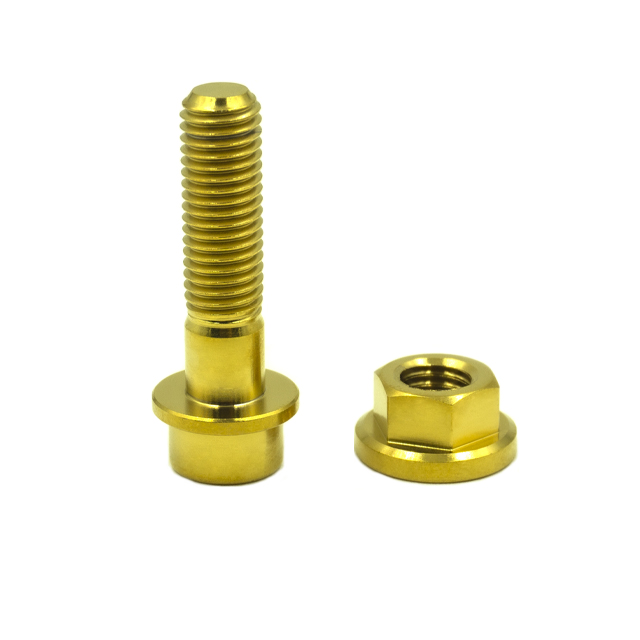
- Type III Micro-Color Anodization: By manipulating bath electrolyte formulations and precision voltages (15V to 110V), uniform oxide layers of 20 to 200 nanometers are grown directly from the native titanium lattice without adding non-conductive, flaking pigments. This allows optical phase interference to generate distinct colors (Gold, Burnt Blue, Violet, Acid Green) for instantaneous identification of critical torque zones, pressure limits, and metric thread pitches during maintenance shutdowns.
| Material Specification | Tensile Strength (MPa) | Yield Strength (MPa) | Density (g/cm³) | H₂S / Marine Pitting Resistance | Arctic Toughness (-40°C) |
|---|---|---|---|---|---|
| Navzo GR5 Ti-6Al-4V (Anodized) | 895 – 1000 | 828 – 910 | 4.43 | Immune (Immersion Rated) | Outstanding (No Ductile-Brittle Shift) |
| Stainless Steel AISI 316L (A4-80) | 800 | 600 | 8.00 | Moderate (Susceptible to Crevice Attack) | Acceptable |
| High-Tensile Alloy Steel 12.9 | 1220 | 1100 | 7.85 | Fails (Severe Stress-Corrosion Cracking) | Brittle Failure Risk |
| Commercially Pure Grade 2 Titanium | 345 | 275 | 4.51 | Immune | Excellent |
Localized Industrial Applications in the Greater Reykjavik Region
Geothermal Generation & CCUS
Superheated geothermal steam carries high concentrations of dissolved silica, sulfur dioxide, and hydrogen sulfide. Navzo's GR5 anodized bolts and CNC-machined studs secure pipeline flow valves, downhole telemetry sensors, and carbon mineralization injection pumps without degradation.
Maritime Fleet & Subsea Robotics
Operating out of the Port of Reykjavik and Hafnarfjörður, modern deep-sea fishing trawlers and benthic mapping AUVs rely on lightweight, zero-maintenance titanium bolts for sonar transducers, trawl sensors, and external winches where cathodic protection systems fail.
Arctic Superjeep & E-Mobility
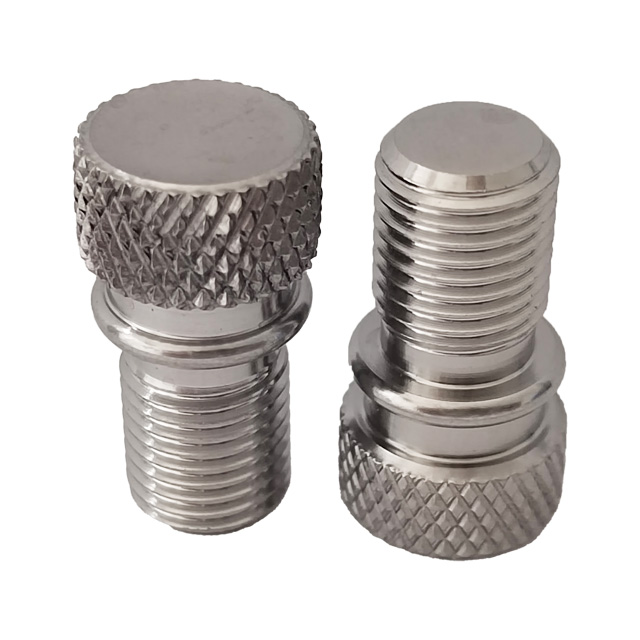
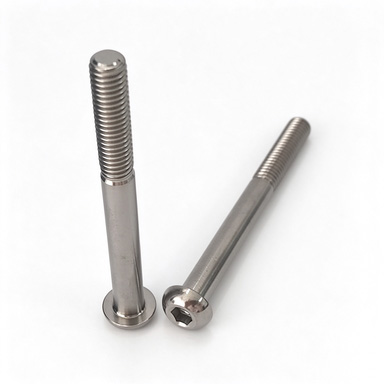
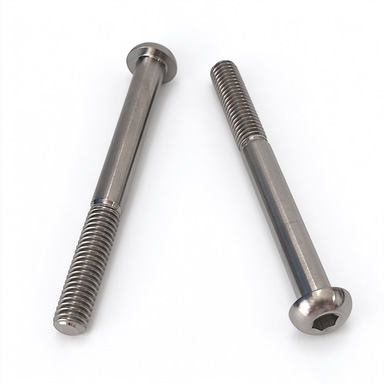
Iceland's world-famous modified 4x4 glacier exploration vehicles require suspension components capable of absorbing violent shock loads in volcanic ash and deep snow. Our GR5 knurled and button-head socket bolts shave unsprung mass while remaining impervious to de-icing salt sprays.
Emerging Procurement Trends Across Iceland's Industrial Sector
Analysis of Reykjavik's procurement channels demonstrates an aggressive pivot toward circular, high-efficiency equipment designs. Maintenance engineers are actively moving away from scheduled annual fastener replacements caused by corroded zinc and galvanized assemblies. Key market developments include:
- Adoption of Metric Fine Thread Pitch Standards: Growing demand for specialized pitches (e.g., M9*1.0, M10*1.25) on downhole actuators and off-road pneumatic locks to prevent back-out caused by continuous harmonic vibration.
- Demands for Traceable Mill Certification: Major Icelandic research institutes and geothermal consortiums enforce strict supplier compliance requiring full chemical assay and tensile yield test certification according to EN 10204 3.1 specifications.
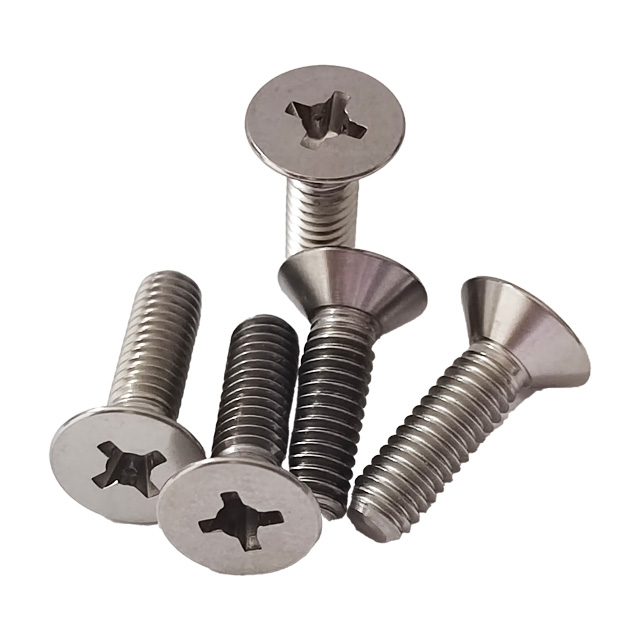
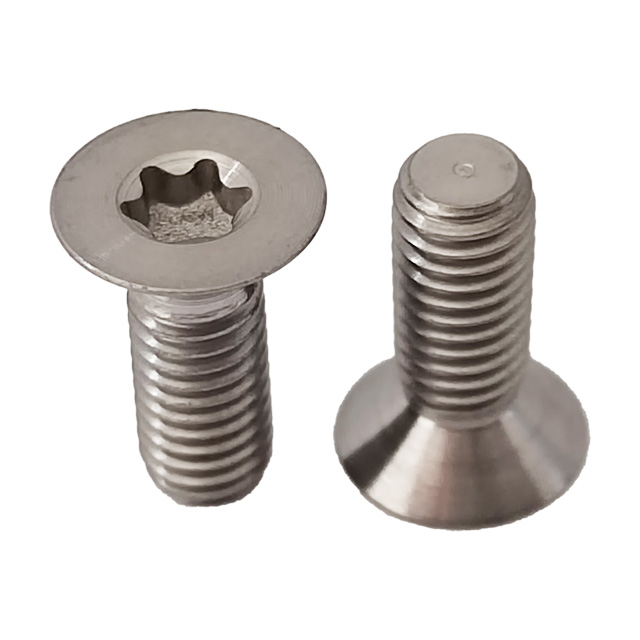
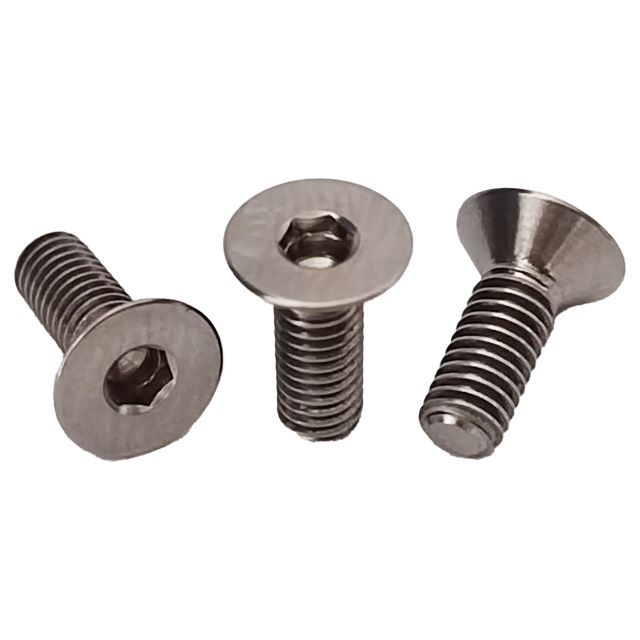
- Standardization on Hex-Flange and Torx Drive Architectures: Fastener head redesigns—particularly T25, T30 Torx, and integrated broad-surface flange bolts—are replacing traditional Phillips and external hex designs to eliminate cam-out during rapid automated field repairs under freezing outdoor conditions.