High-Integrity GR5 Titanium Bolt Assemblies
Engineered cold-headed and precision CNC-turned Ti-6Al-4V fasteners with electrochemical anodized, burnt blue, and PVD hard coatings ready for rapid export dispatch.
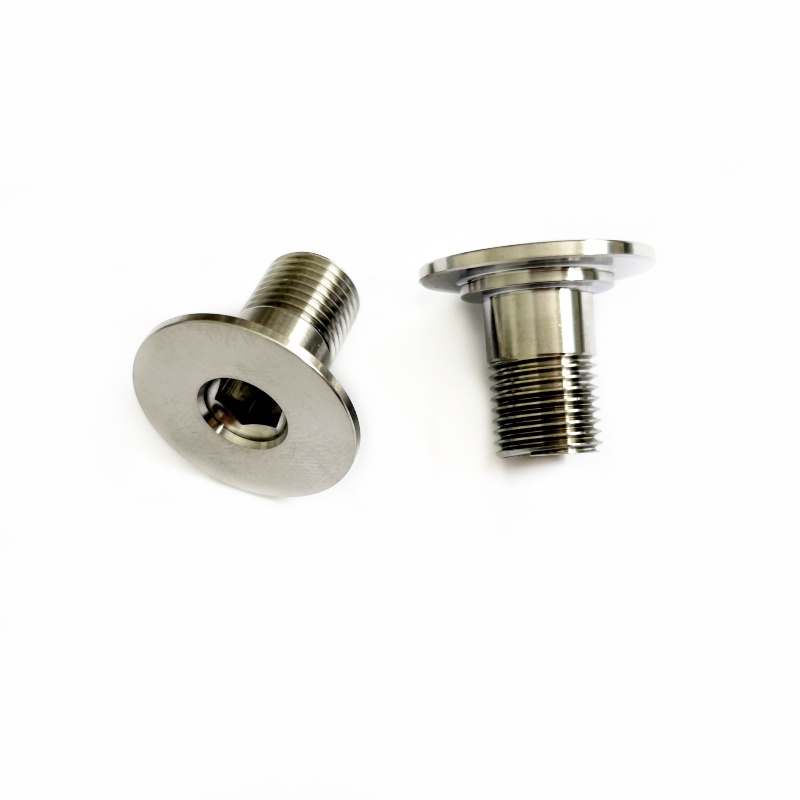
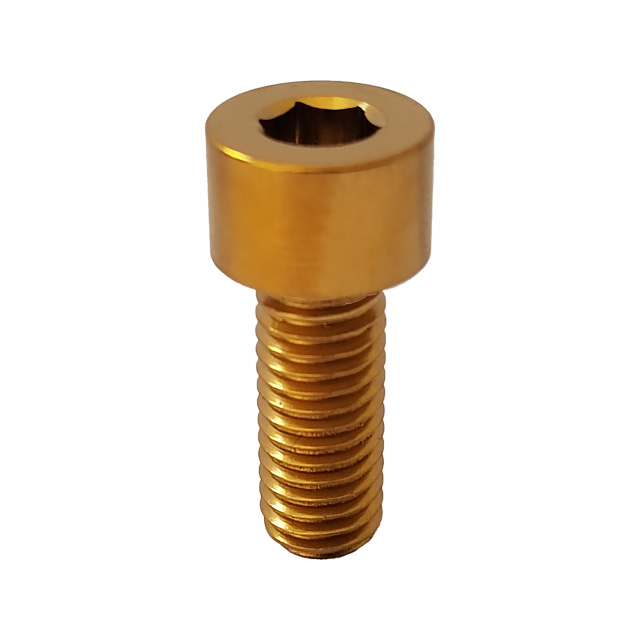
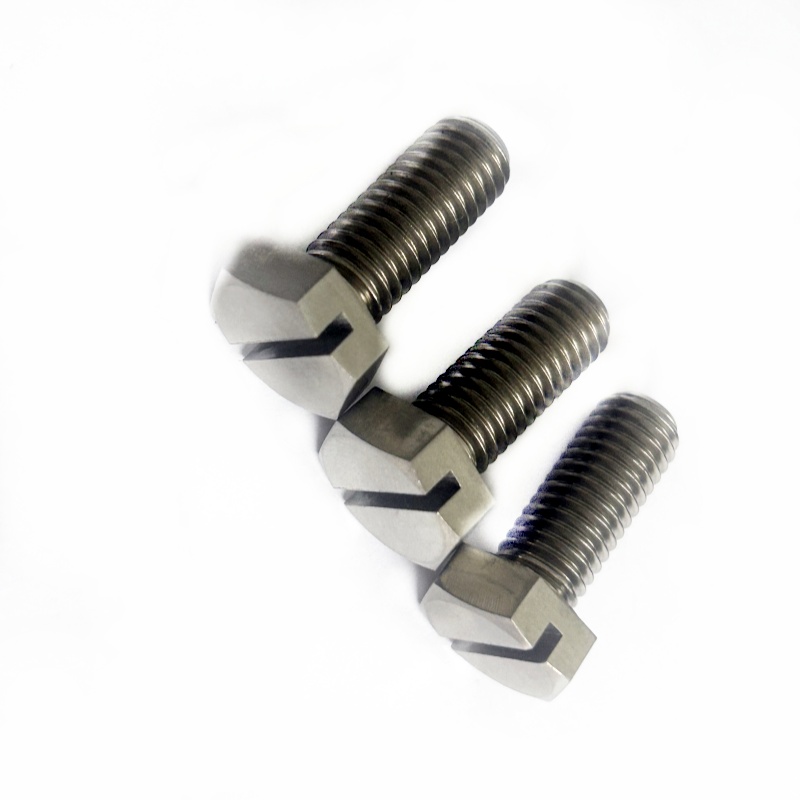
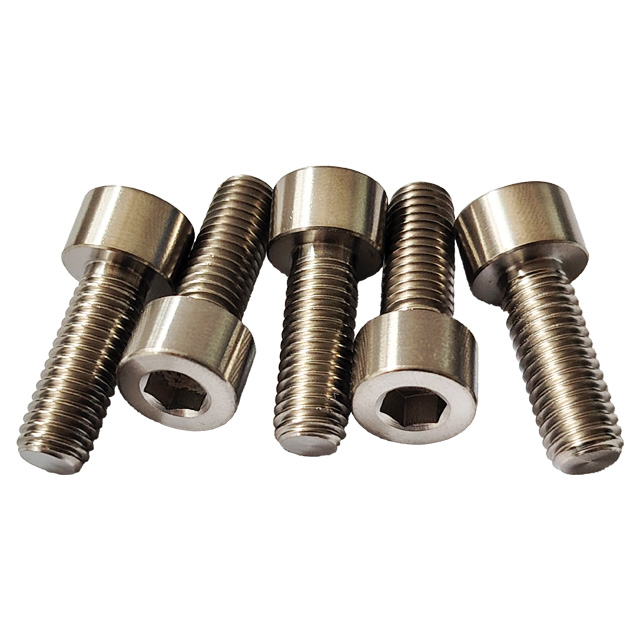
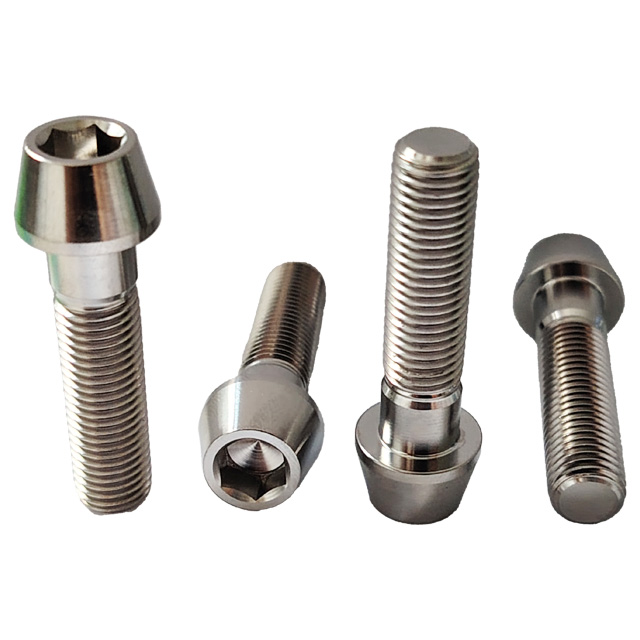
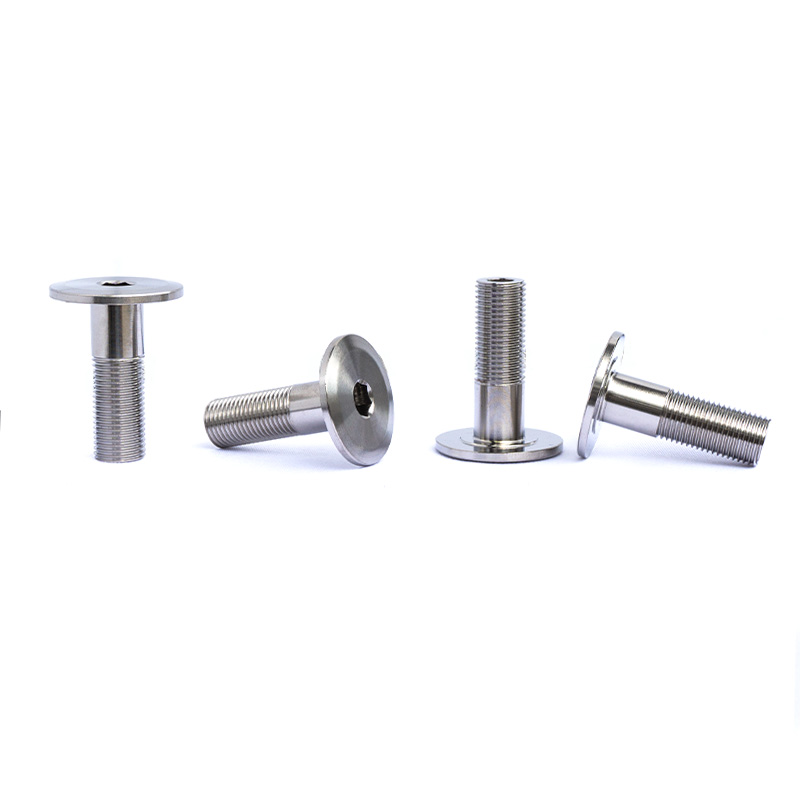
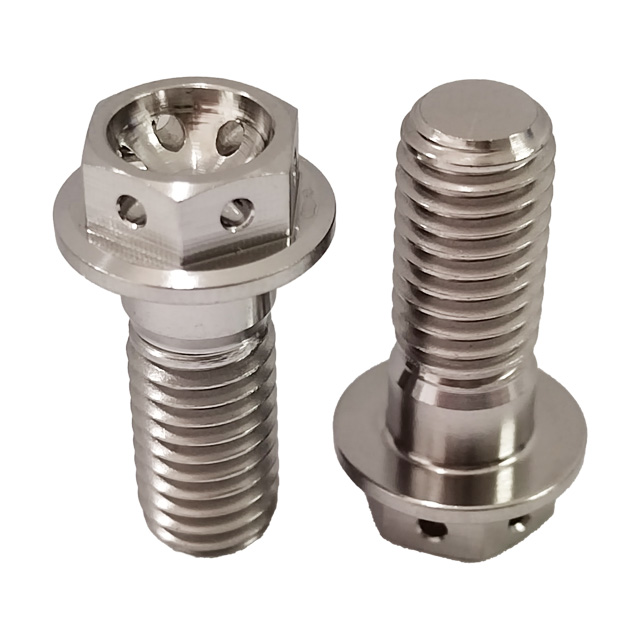
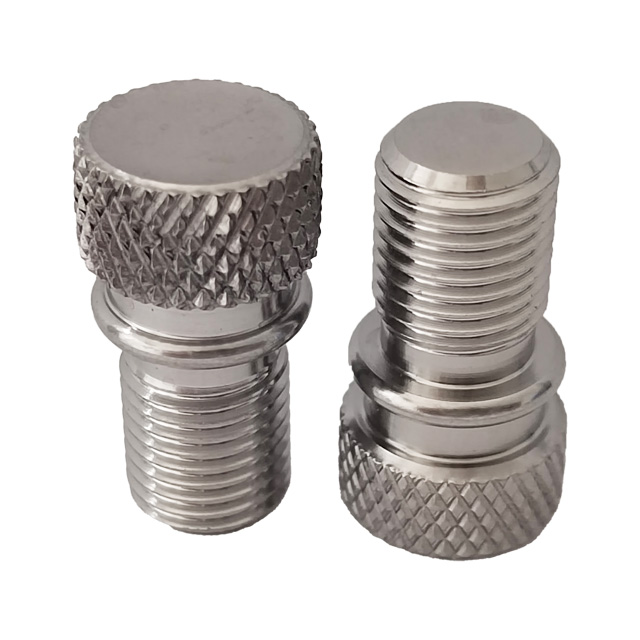
Executive Technical Brief: The Critical Role of Ti-6Al-4V Hexagon Flange Fasteners in Saint Lucia
Industrial procurement authorities, naval architects, and structural engineering firms across the Caribbean archipelago face extreme environmental degradation mechanisms characterized by ISO 12944 Category C5-M (Marine) and CX (Extreme Offshore) corrosive classifications. In the tropical marine biosphere of Saint Lucia—bounded by the turbulent Atlantic waters on the east and the Caribbean Sea on the west—coastal installations, commercial marine vessels docking at Port Castries, luxury superyachts berthed in Rodney Bay Marina, and coastal energy systems encounter rapid atmospheric chloride precipitation and relentless saline humidity.
Under these operational realities, conventional austenitic stainless steels (such as AISI 304 and standard 316L) routinely succumb to catastrophic localized failure modes, including pitting corrosion, crevice attack under gaskets, and stress corrosion cracking (SCC) under tropical thermal cycles. Anodized GR5 Titanium Hexagon Flange Bolts (comprising the alpha-beta alloy Ti-6Al-4V, UNS R56400, Werkstoff 3.7165) provide an uncompromising structural resolution. Combining an ultimate tensile strength exceeding 895–1000 MPa with a lightweight density of only 4.43 g/cm³, titanium fasteners yield an exceptional strength-to-weight ratio that outclasses Grade 8.8 and Grade 10.9 structural steels while remaining totally impervious to ambient seawater corrosion.
The integration of an integral flange eliminates the need for separate flat washers, distributing high clamping preloads across a significantly broader surface area ($A_w = \frac{\pi}{4}(d_w^2 - d_h^2)$). This structural design prevents surface galling on aluminum mounting brackets, reduces localized compressive stress concentrations on marine fiberglass or carbon fiber composites, and maintains consistent clamping force even under severe hydro-mechanical vibrations.
| Material Specification | Yield Strength (MPa) | Tensile Strength (MPa) | Density (g/cm³) | Pitting Resistance (PREN) | Immunity in Seawater (25°C - 80°C) |
|---|---|---|---|---|---|
| Navzo GR5 Titanium (Ti-6Al-4V) | 828 - 910 | 895 - 1050 | 4.43 | Immune (TiO₂ Passivated) | Complete Immunity / Zero Corrosion Rate |
| Marine Stainless Steel 316L | 220 - 310 | 520 - 680 | 8.00 | 23 - 25 | Vulnerable to Crevice Corrosion & Pitting |
| Duplex Stainless 2205 | 450 - 550 | 680 - 880 | 7.80 | 35 - 38 | Resistant, but High Density Penalty |
| High-Tensile Alloy Steel 10.9 | 900 - 940 | 1000 - 1040 | 7.85 | N/A | Rapid Rusting / Hydrogen Embrittlement |
Electrochemical Anodization Metallurgy: Enhancing Tribological & Passivation Performance
The surface engineering applied to Navzo GR5 titanium hexagon flange bolts goes beyond aesthetic coloration. Titanium anodizing is an electrolytic oxidation process that artificially deepens the naturally occurring amorphous titanium dioxide (TiO₂) passivation layer from an ambient thickness of 2–5 nanometers up to 20–300 nanometers. By immersing the precision-machined Ti-6Al-4V bolts in an acid-buffered electrolyte bath and modulating the direct current (DC) voltage from 12V to over 110V, interference film optics are established.
This interference layer splits incident white light waves into reflected and refracted components, displaying vibrant optical colors—such as burnt blue, imperial gold, deep purple, and forest green—without introducing artificial pigments, toxic dyes, or synthetic polymer topcoats that could flake off under high torque:
Enhanced Micro-Hardness
Controlled Type II and Type III electro-oxidation densifies the surface grain boundaries, increasing surface microhardness to resist particulate erosion and assembly galling during high-speed torque cycles.
Galvanic Isolation
The compact TiO₂ dielectric ceramic film behaves as an electrical barrier, drastically suppressing galvanic current when torqued directly against aluminum bulkheads, marine outdrives, and composite carbon structures.
Color Code Identification
Precision repeatable anodizing voltages allow mechanical engineers to visually color-code fasteners across complex vessel systems (e.g., fuel lines, raw seawater circuits, structural brackets) to streamline field maintenance.
Localized Application Sectors Across Saint Lucia
Saint Lucia's distinctive geography—defined by steep volcanic terrain, sheltered anchorages, expanding commercial port facilities, and a thriving blue economy—creates demanding structural application niches where Navzo's GR5 titanium flange hardware outperforms legacy alloys:
Superyacht Rigging & Marine Propulsion
Rodney Bay and Marigot Bay host premier transatlantic yachts. Our M8, M10, and M12 drilled hexagon flange bolts are used in deck winches, mast tangs, rudder gudgeons, and outdrive flange couplings where failure under cyclic sea swell is not an option.
Geothermal Exploration (Soufrière Arc)
Saint Lucia’s aggressive exploration of volcanic geothermal energy near the Qualibou caldera involves corrosive environments loaded with high concentrations of H₂S, SO₂, and superheated brine. GR5 titanium fasteners resist sulfide stress cracking that destroys high-strength steels.
Coastal Luxury Architecture & Resorts
From architectural cliffside resorts in Soufrière to coastal villas in Cap Estate, structural glazing, frameless glass balustrades, and stainless cable tensioners require zero-rust, maintenance-free titanium flange bolts that withstand salt spray without staining limestone façades.
Strategic Infrastructure & Blue Economy Trends in the Eastern Caribbean
Over the past decade, Saint Lucia’s National Infrastructure Assessment and Caribbean Regional Oceanscape frameworks have prioritized sustainable resilience and life-cycle asset optimization. The capital cost of steel maintenance—sandblasting, toxic biocidal coatings, recurring bolt extraction, and premature assembly replacement—has driven an industry-wide reassessment of Total Cost of Ownership (TCO).
The shift toward titanium structural fasteners is driven by three notable regional factors:
1. Decarbonization and Electrification of Marine Transit: The transition toward high-speed catamaran ferries and electric-propulsion water taxis connecting Castries, Soufrière, and Vieux Fort requires structural weight minimization. Saving 44% in hardware mass directly translates to extended battery range, reduced hull displacement, and lower operating fuel consumption.
2. Climate-Resilient Port Infrastructure: Port Castries cargo expansions and Vieux Fort maritime transshipment hubs are modernizing container crane gantry tracks, hydraulic mooring arms, and subsea cathodic protection systems. Fasteners in these high-impact tidal splash zones cannot rely on sacrificial zinc coatings that strip away in months.
3. Elimination of Environmental Contaminants: Unlike cadmium-plated or toxic chromate-passivated bolts historically used in heavy industry, anodized titanium utilizes an ecologically inert physical oxide barrier, aligning with the OECS (Organisation of Eastern Caribbean States) marine preservation mandates.
Why Procurement Officers Partner With Navzo
Headquartered on Yucai Road in Baoji’s High-tech Industrial Zone, Navzo combines direct access to prime titanium sponge with comprehensive CNC precision machining lines.
100% Traceable GR5 Stock
Every fastener is produced from certified vacuum arc remelted (VAR) Ti-6Al-4V bar stock. Mill Test Reports (MTRs) to EN 10204 3.1 are delivered with every production batch, detailing chemical composition and mechanical stress test results.
Cold Heading & Precision Thread Rolling
Rather than cutting threads—which shears continuous grain structures—Navzo cold-rolls bolt threads. This work-hardens thread roots, increasing fatigue life by up to 35% under demanding marine wash and cyclic engine loads.
Multi-Tier Metrology & Inspection
Our ISO-certified clean testing laboratory employs automated optical sorting machines, Mitutoyo thread micrometers, coordinate measuring machines (CMM), and Rockwell hardness testers for total dimensional accuracy.
Dedicated Export Logistics
Experienced in Caribbean-bound multimodal logistics. We support express air cargo directly to Hewanorra International Airport (UVF) or George F. L. Charles Airport (SLU), along with consolidated ocean containers landing in Port Castries.
Rapid Technical Support (≤1h)
Our dedicated engineering desk operates across global time zones, delivering comprehensive drawing reviews (STEP, DWG, DXF, PDF), CAD compatibility cross-checks, and commercial price quotes within one hour.
OEM & Custom Geometry
We manufacture custom hexagon flange dimensions, including reduced-shank weight-optimized hardware, reverse thread pitches, pre-drilled safety wire heads, 12-point flange heads, and specialized knurling profiles.
Frequently Asked Questions by Saint Lucia Buyers
Essential guidance for purchasing agents, maintenance engineers, and marine technicians sourcing Grade 5 titanium flange hardware.
How does GR5 titanium prevent galling during high-torque assembly?
What are the freight options and transit times from Baoji to Saint Lucia?
What customs documentation and HS codes apply to titanium bolts in Saint Lucia?
How do torque specifications for GR5 bolts compare to Grade 8.8 and 10.9 steel?
Will anodized color fade under tropical Caribbean solar UV and salt mist?
What is the minimum order quantity (MOQ) for custom-machined flange bolts?
Secure Factory-Direct Titanium Fasteners for Your Next Marine or Structural Build
Eliminate crevice corrosion, shave parasitic mass, and ensure long-term structural reliability under Saint Lucia's tropical marine conditions. Submit your bill of materials, engineering drawings, or catalog specifications to our technical sales desk.