Baoji Titanium Valley · Direct Mill Precision
Top Trusted Titanium Sheets Manufacturer & Exporters
Global metallurgical source for ASTM B265, AMS 4911, and ASME SB-265 titanium plates, cold-rolled sheets, and ultra-precision fasteners engineered for aerospace, hydrogen energy, chemical processing, and racing dynamics.
2011EST
Pioneered in Baoji Valley
99.8%
Mill Spec Compliance
≤1HR
Engineering RFQ Reply
45+
Export Destination Nations
0.02MM
Precision Thickness Tolerance
Precision Hardware & Component Line
High-Performance Titanium Hardware Fasteners
Complementing our premium titanium sheet and plate fabrication, Navzo manufactures cold-headed and multi-axis CNC machined titanium fasteners from certified aerospace-grade Ti-6Al-4V (Grade 5) bar stock.
Bicycle
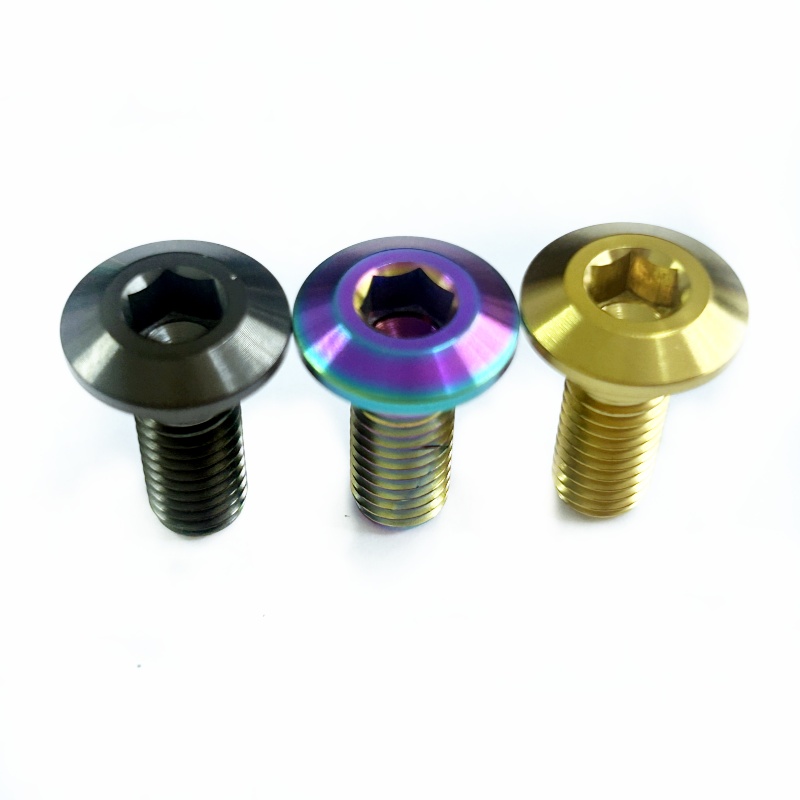
M6*12 Titanium Allen Hex Bolts Umbrella Type Screws Bike Frame Bolt for Bicycles
Dimension:M6 × 12mm
Head:Umbrella Low-Profile
Material:Gr5 Alloy
Weight:-42% vs Steel
High Tensile
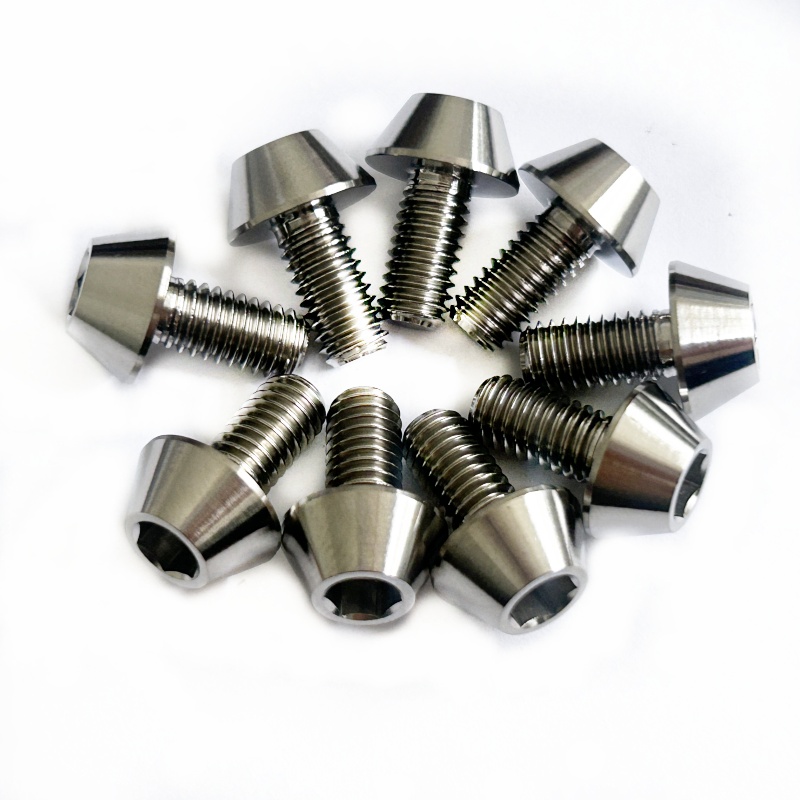
GR5 Titanium Bolts M6*31mm High Strength Tapered Head Hex Socket Bolts Factory Price Conical Head Inner Hex Screws
Dimension:M6 × 31mm
Design:Conical Head
Yield:>828 MPa
Finish:Vapor Polished
CNC Precision
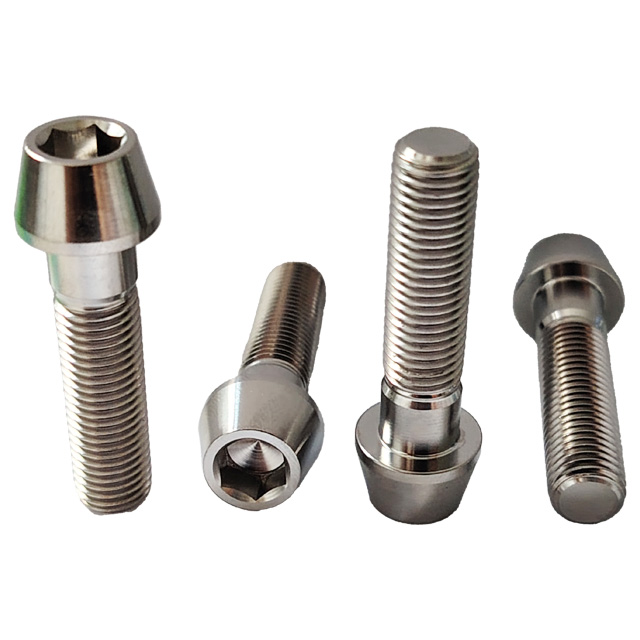
GR5 Titanium Bolts M8 M10 M12 CNC Machined Tapered Head Inner Hex Bolts Factory Price Cone Head Hex Socket Screws
Range:M8 / M10 / M12
Process:5-Axis Lathe Turn
Thread Pitch:Rolled Class 6g
Standard:DIN 912 Equiv.
PVD Coated
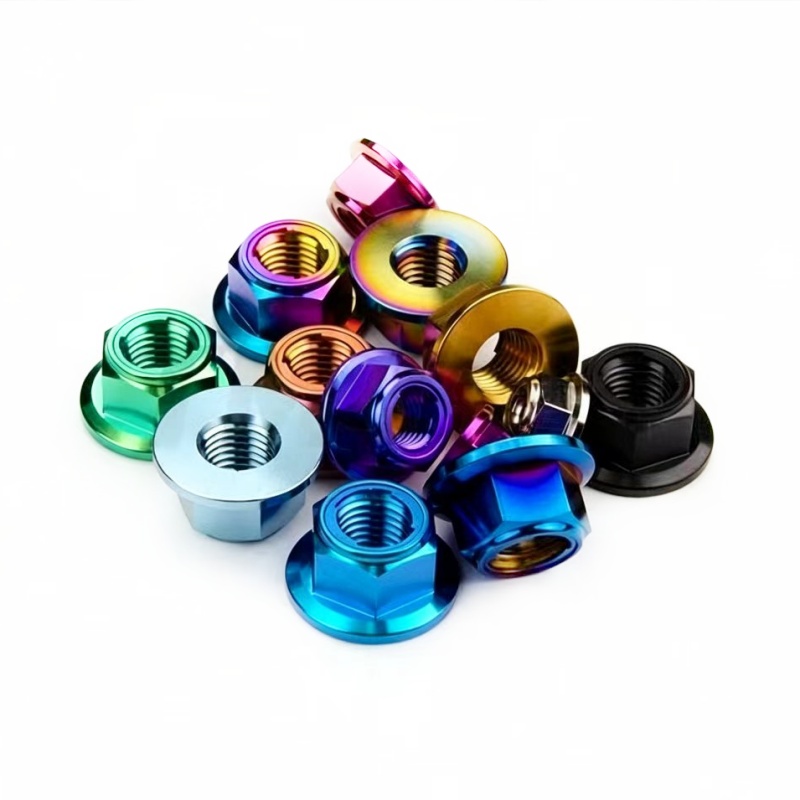
GR5 Titanium Lock Anti Loosening Nut Bicycle Motorcycle Car Locked Tightly Titanium NUTSM6 M8 M10 PVD Finished
Size:M6, M8, M10
Surface:PVD Multi-color
Lock Type:Deformed Thread
Anti-Vibration:DIN 6927 Spec
Torx Drive
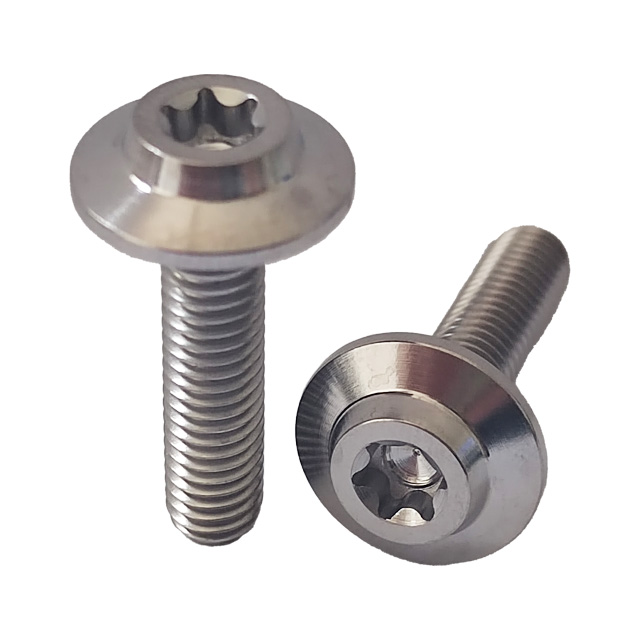
GR5 Titanium Bolts M6*25mm Factory Price Umbrella Flange Head Inner Torx Bolts High Quality Taper Flange Head Inner Plum Screws
Size:M6 × 25mm
Head Style:Umbrella Flange
Drive:Star / Torx T30
Tolerance:±0.03 mm
Gold Anodized
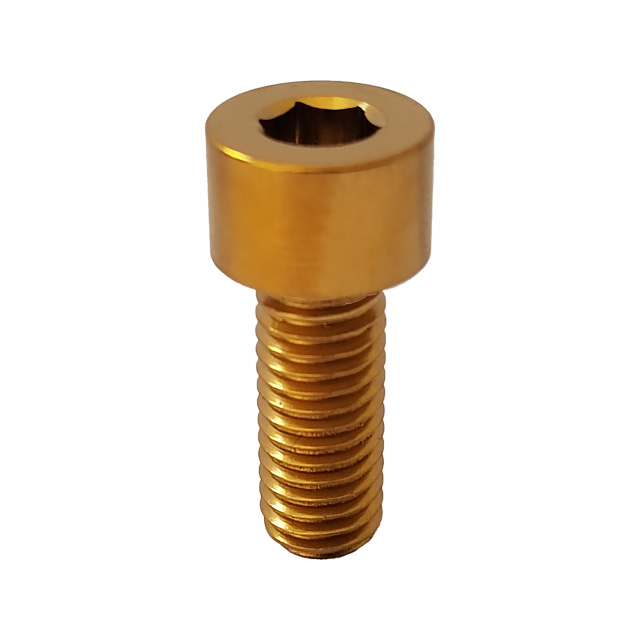
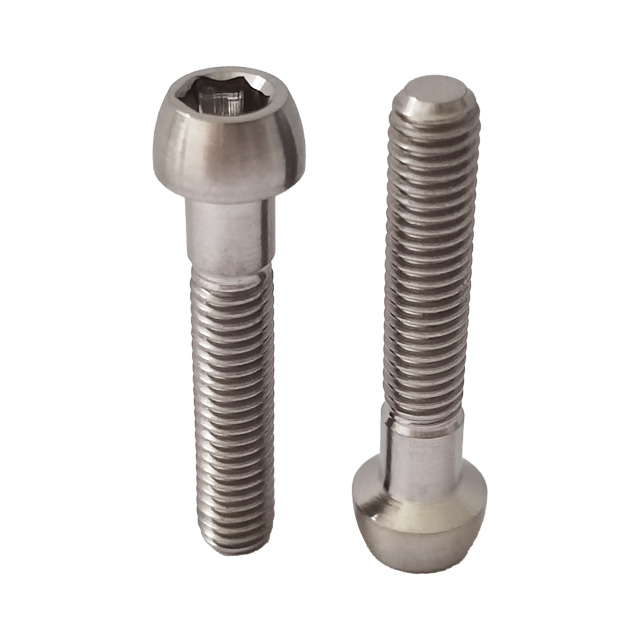
GR5 Titanium Bolts M10*30mm Golden Cylinder Head Hex Socket Bolts Factory Price Cap Head Inner Hex Screws
Dimension:M10 × 30mm
Head:Cylindrical Cap
Finish:Electrolytic Gold
Tensile:950+ MPa
Heavy Duty
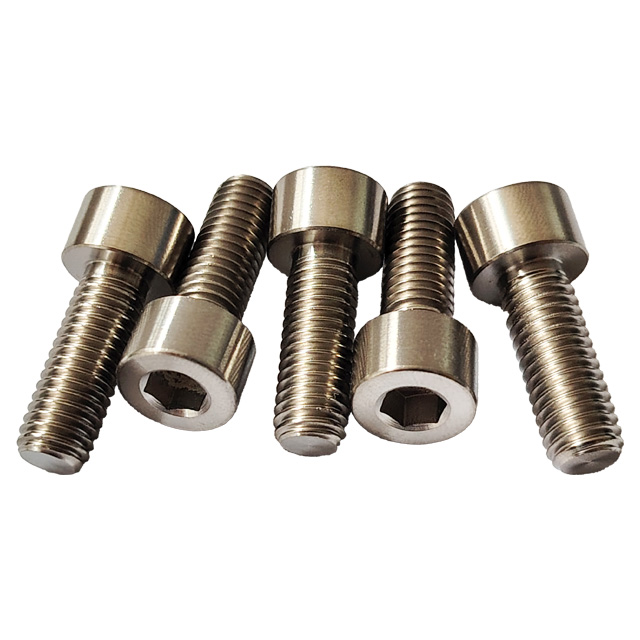
GR5 Titanium Bolts M10*40mm High Strength Cylindrical Head Hex Socket Bolts Hot Sale Cap Head Inner Hex Screws
Dimension:M10 × 40mm
Design:DIN 912 Standard
Corrosion:Chloride Immune
Batch:100% Traceable
Whitepaper · Metallurgical Synthesis
Aerospace & Industrial Titanium Sheets: Metallurgy, Rolling & Standard Specifications
As a leading Chinese mill supplier based in the epicenter of Shaanxi's Titanium Valley, Navzo Precision Titanium supplies cold-rolled thin titanium sheets, hot-rolled structural titanium plates, and cross-rolled foil coils. Engineered to satisfy stringent specifications including ASTM B265, ASME SB-265, AMS 4911, AMS 4901, and MIL-T-9046, our sheets undergo rigorous thermo-mechanical processing to yield exceptional uniform microstructures and minimum isotropic deviation.
The manufacturing process begins with vacuum arc remelting (VAR) triple-melted ingots to prevent interstitial gas embrittlement and hard alpha inclusions. Slabs are carefully rough-forged, hot-rolled above the beta transus temperature, and systematically finished via warm and multi-pass cold rolling with intermediate vacuum annealing cycles. This process ensures controlled grain refinement (ASTM Grade 7 or finer) and mitigates residual internal stress.
- Commercially Pure (CP) Grades 1, 2, 3, 4: Optimal formability, thermal transfer, and cathodic disbondment resistance for plate-frame heat exchangers, chemical chlorination reactors, and green hydrogen water electrolysis anodes.
- Alpha-Beta Titanium Alloy Gr5 (Ti-6Al-4V) & Gr23 (ELI): Heat-treatable high tensile strength (≥895 MPa) combined with fracture toughness, certified under AMS 4911 for aerospace structural bulkheads, acoustic liners, and medical implantable mesh.
- Specialty Alloyed Sheets (Gr7 & Gr11 Ti-Pd, Gr12 Ti-Mo-Ni): Fortified with micro-alloyed palladium to offer crevice and reducing-acid corrosion immunity in extreme downhole petrochemical environments.
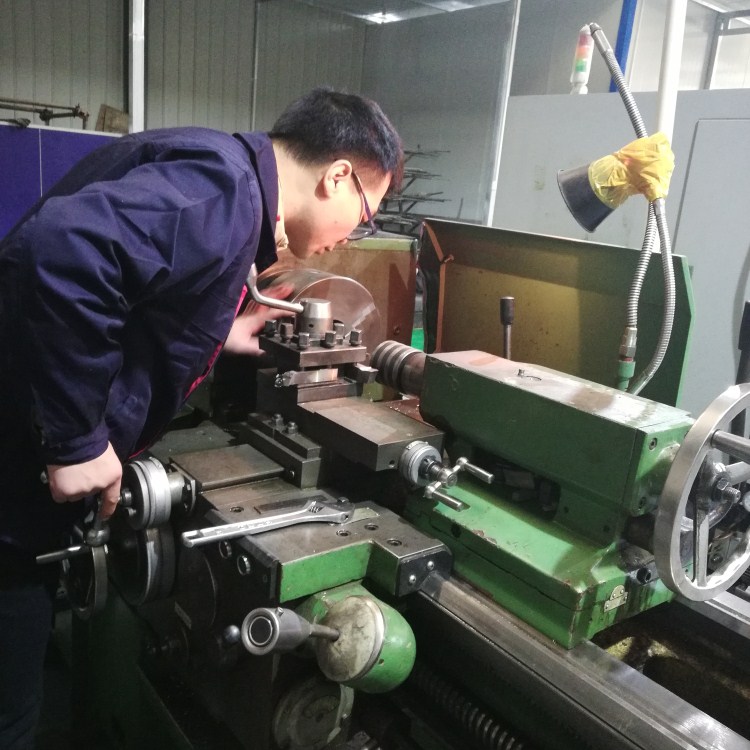
State-of-the-Art Rolling & Leveling: High-precision hydraulic stretch levelers and vacuum annealing furnaces ensure tight thickness tolerances (±0.02mm) and uniform flat surfaces free of waviness or edge curl.
| Alloy Grade | UNS Designator | Applicable Specs | Tensile Strength (MPa) | Yield Strength (0.2% MPa) | Elongation (%) | Primary Industrial Utility |
|---|---|---|---|---|---|---|
| Grade 1 (CP4) | R50250 | ASTM B265, SB-265 | ≥ 240 | 170 – 310 | ≥ 24 | Deep drawing, plate heat exchangers, fuel cell bipolar foils |
| Grade 2 (CP3) | R50400 | ASTM B265, AMS 4902 | ≥ 345 | 275 – 450 | ≥ 20 | Chemical processing vessels, desalination tube plates, exhaust systems |
| Grade 5 (Ti-6Al-4V) | R56400 | AMS 4911, ASTM B265 | ≥ 895 | ≥ 828 | ≥ 10 | Aerospace structural skins, high-G motorsport chassis, armor plates |
| Grade 7 (Ti-0.15Pd) | R52400 | ASTM B265, SB-265 | ≥ 345 | 275 – 450 | ≥ 20 | Severe hydrochloric/sulfuric acid autoclaves, offshore piping manifolds |
| Grade 9 (Ti-3Al-2.5V) | R56320 | ASTM B265, AMS 4943 | ≥ 620 | ≥ 483 | ≥ 15 | Hydraulic lines, racing monocoques, lightweight marine hulls |
| Grade 23 (ELI Gr5) | R56401 | ASTM F136, AMS 4907 | ≥ 860 | ≥ 790 | ≥ 10 | Orthopedic maxillofacial bone plates, cryogenic rocket propellant tanks |
All titanium sheets are accompanied by EN 10204 3.1 Mill Test Reports (MTR) validating chemical spectrophotometry and physical tensile/microstructure compliance.
Integrated Chinese Mill Power
Why International Buyers Source Titanium From Navzo
Headquartered along Yucai Road in the Baoji High-Tech Industrial Development Zone—widely recognized as China's Titanium Valley—Navzo occupies an advantageous geographical position within the world's dense titanium supply chain.
100% Traceable Raw Material Sourcing
By extracting high-purity 0A grade titanium sponge melted locally, our raw supply avoids intermediate logistics markups and secondary scrap contamination. Every sheet or precision bar lot carries a fully traceable heat certificate matching ASTM, AMS, and ISO standards.
Complete In-House Mill & Machining Fleet
Unlike broker houses, Navzo manages hot/cold rolling mills, vacuum annealing chambers, cold stretch levelers, continuous wire EDM, cold headers, thread rollers, and multi-axis CNC lathe centers under one ISO 9001 certified roof.
Academic R&D & Metallurgical Partnerships
Our metallurgical engineers collaborate actively with domestic national institutes and foreign material research centers to perfect grain morphology, eliminate springback on heavy gauge cold-forming, and refine high-temperature superplastic sheet behavior.
Proven Cross-Border Export Experience
Navzo products regularly support mission-critical installations across the United States, Germany, Japan, South Korea, Russia, the Netherlands, and Thailand. We maintain full export compliance, customs classification expertise, and protective export crating.
Multistage Non-Destructive Quality Gates
From ultrasonic immersion flaw detection (AMS 2631 Class A/AA) to laser coordinate measuring (CMM) and spectrophotometer chemical verification, no titanium lot leaves our premises without passing strict dimensional and structural inspections.
Rapid 1-Hour RFQ Turnaround
Our responsive international sales engineers bridge North American and European time zones with swift 60-minute average response times, offering instant feasibility checks, alloy grade selection counsel, and production timelines.
Navzo Main Production Bay
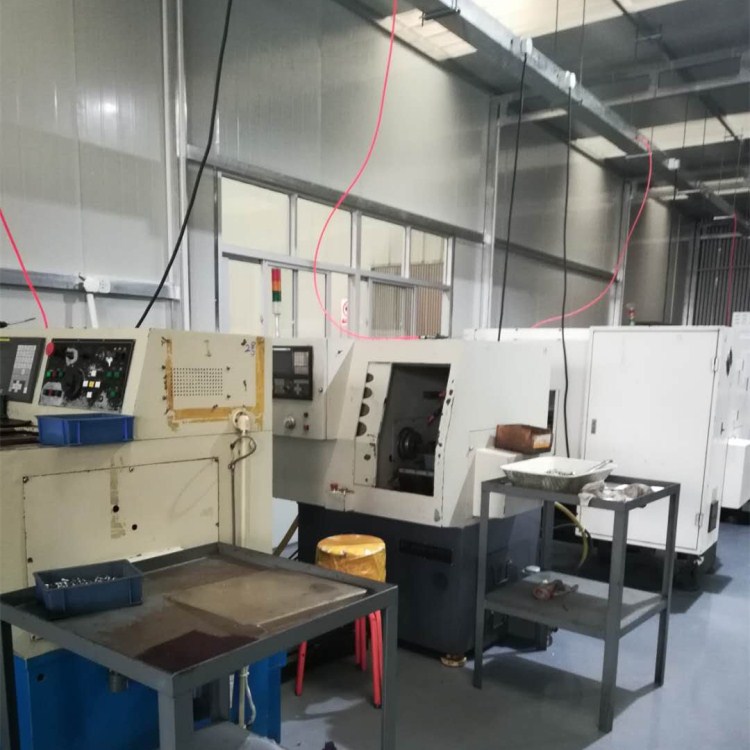
CNC Machining & Cold Heading Center
Precision Milling & Dimensional Quality Control
Procurement Intelligence & Supply Chain Trends
Future Global Titanium Procurement: Strategic Forecasting for Sourcing Teams
Sourcing titanium sheets, plates, and machined hardware requires anticipation of macroeconomic shifts, evolving aerospace build-rates, and geopolitical rebalancing in strategic refractory metals.
Trend 01
The Clean Hydrogen & PEM Electrolyzer Surge
Global demand for ultra-thin (0.1mm - 0.5mm) Commercially Pure Grade 1 and Grade 2 titanium sheets is growing exponentially. Titanium's unmatched anodic corrosion resistance under high potentials makes it the standard material for Proton Exchange Membrane (PEM) electrolyzer bipolar plates and liquid-gas diffusion layers (GDL).
Trend 02
Near-Net-Shape Sizing & Scrap Minimization
With titanium raw material prices sensitive to energy inputs, global OEMs are moving away from traditional thick-plate hog-outs. Procurement leaders now demand pre-cut waterjet or precision-sheared near-net shapes directly from Chinese export mills, slashing scrap weight, transatlantic freight fees, and machining hours.
Trend 03
Stricter Traceability & Sustainable Green Titanium
Tier-1 aerospace and medical buyers are transitioning from standard material declarations to digital life cycle assessments (LCA) and strict conflict-free mineral verifications. Navzo has integrated scrap recycling and inert-gas closed-loop scrap consolidation to lower the embedded carbon footprint of our plates.
Trend 04
Strategic Long-Term Hedging & Dual-Sourcing
Following post-pandemic supply chain shocks and aerospace backlogs, global procurement strategies have shifted from volatile spot market buys to indexed, multi-year supply contracts. Navzo partners with buyers to maintain dedicated regional safety stock buffers for critical Gr5 and Gr2 sheet gauges.
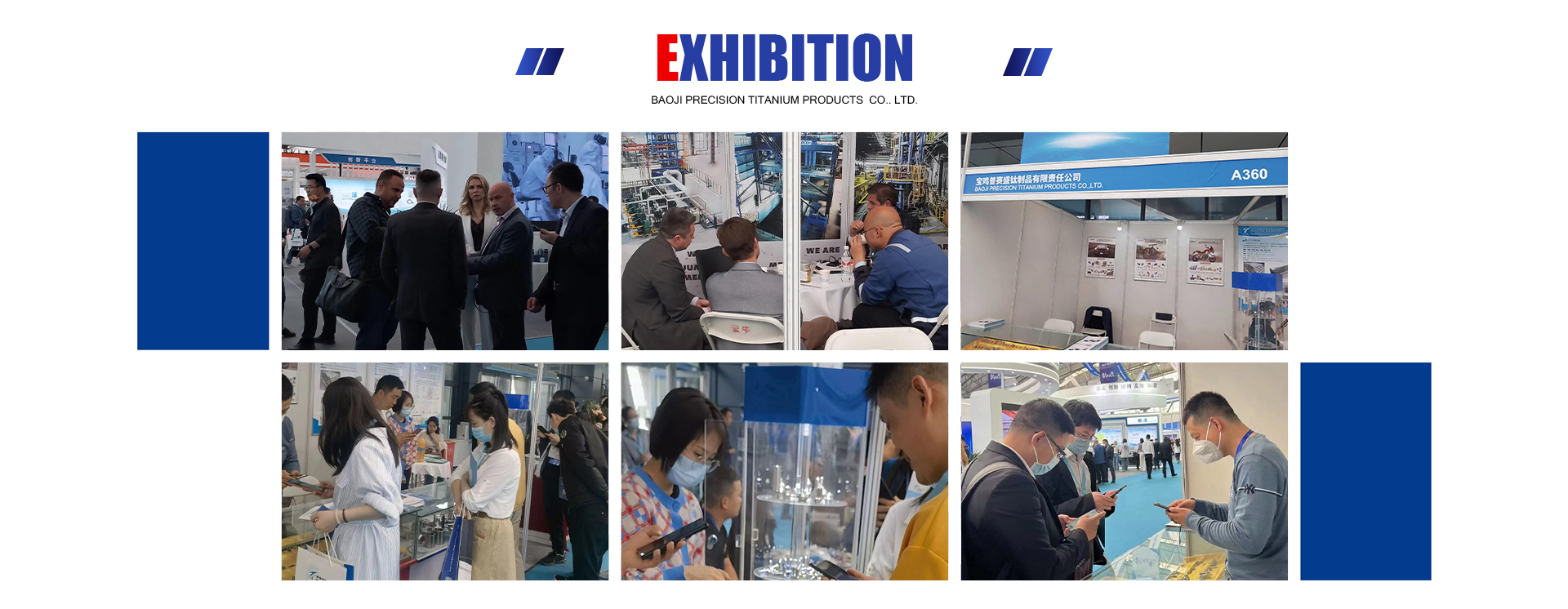
Exhibition Showcase: High-precision titanium sheet samples and CNC components presented at international industrial metallurgy exhibitions.
Technological Evolution
Innovations Shaping Modern Titanium Sheet Fabrication
Advancements in metallurgical processing have transformed titanium from an intractable aerospace metal into a high-yield, versatile industrial sheet product. At Navzo, our production processes adopt these manufacturing developments:
- Superplastic Forming & Diffusion Bonding (SPF/DB): Utilizing fine-grain Gr5 sheet rolling methods that enable over 300% elongation at 900°C. This enables aircraft structural designers to press complex, hollow aerodynamic skins in a single cycle, eliminating hundreds of rivets.
- Atmospheric Oxygen Barrier Controls (Alpha-Case Mitigation): Utilizing specialized protective sol-gel coatings during high-temperature rolling to prevent ambient oxygen penetration, completely eliminating the brittle alpha-case surface layer without requiring excessive acid pickling.
- Sub-Zero Cryogenic Cold Rolling: Incorporating controlled liquid-nitrogen baths during final foil passes to alter twin deformation mechanisms, resulting in thinner gauges down to 0.05 mm without edge tearing or micro-cracking.
- Precision Surface Engineering (PVD, Anodizing & Vapor Polishing): Our specialized physical vapor deposition (PVD) lines produce high-hardness TiN, TiAlN, and diamond-like carbon (DLC) finishes on both fasteners and sheet surfaces for superior friction management.
Procurement & Technical Consultation
Frequently Asked Questions on Titanium Sheets, Plates & Hardware
Detailed engineering answers to assist procurement specialists, design engineers, and quality inspection professionals when specifying titanium mill products.
What are the fundamental differences between ASTM B265 and AMS 4911?
While both standards govern Ti-6Al-4V Grade 5 sheet and plate material, ASTM B265 is primarily oriented toward commercial, marine, and industrial applications. AMS 4911 is an aerospace-grade standard that mandates tighter limits on interstitial elements (such as carbon, oxygen, nitrogen, and hydrogen), higher fracture toughness thresholds, tighter thickness and flatness tolerances, and mandatory ultrasonic flaw testing (AMS 2631). AMS 4911 also requires full compliance with AS9100 quality systems and specific grain-direction tensile testing.
How do you prevent galling when fastening titanium bolts into titanium threaded sheets?
Titanium has a thin, natural passive titanium oxide layer that can rupture under thread contact friction, leading to severe cold-welding (galling). To prevent this in mechanical assemblies, we recommend: (1) using a certified molybdenum disulfide (MoS2) or nickel-based anti-seize paste during torquing, (2) applying specialized PVD or anodized surface conversions to increase thread surface hardness, or (3) mating Grade 5 male fasteners with softer Grade 2 female nuts or Helicoil inserts to establish differential hardness.
What is "Alpha-Case" and how does Navzo ensure it is completely removed?
Alpha-case is an oxygen-enriched, brittle layer that develops on the surface of titanium alloys when exposed to elevated temperatures (>500°C) during hot rolling, forging, or annealing in the presence of trace air. It is vulnerable to micro-cracking and can significantly reduce fatigue life. Navzo completely eliminates alpha-case by utilizing high-vacuum anneal furnaces (≤10−3 Pa) and performing calibrated chemical milling (nitric-hydrofluoric acid pickling) followed by metallographic cross-section inspection per ASTM E407.
Can Grade 5 (Ti-6Al-4V) sheets be cold bent, or is hot forming mandatory?
Grade 5 exhibits high yield strength and a relatively low elastic modulus, resulting in substantial springback during cold bending. For cold brake-forming, the minimum bend radius (R) must typically be at least 4.5 to 6 times the sheet thickness (t), and bending across the rolling grain direction is strongly advised. For tighter radii (down to 1.5t – 2t) or complex shapes, warm forming between 550°C and 650°C or superplastic forming is necessary to prevent tension cracks on the outer bend radius.
What surface finishes are available for titanium sheets and precision parts?
Navzo offers a broad range of surface finishes tailored to application requirements: mill-pickled (matte grey for chemical service), 2B cold-rolled smooth finish, precision ground, mirror-polished, shot-peened, Type II anodized (for enhanced wear and galling resistance), decorative Type III anodized (vibrant color spectrum via voltage manipulation), and vacuum PVD hard coatings (TiN, TiCN, burnt blue, and DLC).
What documentation and certifications are supplied with an export shipment?
Every shipment includes an EN 10204 Type 3.1 Inspection Certificate documenting the heat number, chemical composition via optical emission spectrometry, mechanical tensile properties (yield, ultimate, elongation, reduction of area), bend test results, ultrasonic examination records, and dimensional verification sheets. Additional third-party validation (SGS, TUV, BV) can be arranged upon request prior to vessel departure.
What are the MOQ terms and production lead times for standard vs. custom sizes?
For standard inventory gauges of CP Grade 1, Grade 2, and Gr5 sheets (e.g., 0.8mm, 1.0mm, 1.5mm, 2.0mm, 3.0mm up to 25mm in standard 1000×2000mm or 1219×2438mm dimensions), there is no strict MOQ and material can dispatch within 3 to 7 working days. For custom rolled thickness tolerances, specific strip widths, or custom CNC/heading components, our typical MOQ starts at 100 kg for mill runs or 100–200 pcs for custom fasteners, with production lead times ranging from 15 to 25 business days.
How does titanium interact galvanically with carbon fiber reinforced polymers (CFRP)?
Unlike aluminum and structural alloy steels, which experience severe galvanic corrosion when in contact with carbon fiber due to high potential differences, titanium is virtually galvanic-neutral with graphite. Its noble electrochemical potential closely matches carbon fiber, making titanium plates, fasteners, and internal fittings the primary choice for aerospace and motorsport carbon fiber composite assemblies.
Accelerate Your Titanium Supply Chain Today
Partner directly with Baoji's established titanium sheet and precision fastener manufacturer. Send your drawings, alloy grades, and dimensional requirements for an engineer-reviewed quote and mill certification dossier within one business hour.