Precision Finished Fasteners & Machined Rod Components
Manufactured exclusively from our high-purity, centerless ground GR5 (Ti-6Al-4V) titanium rods. Cold-headed, thread-rolled, and multi-axis CNC machined for aerospace, motorsport, and extreme service environments.
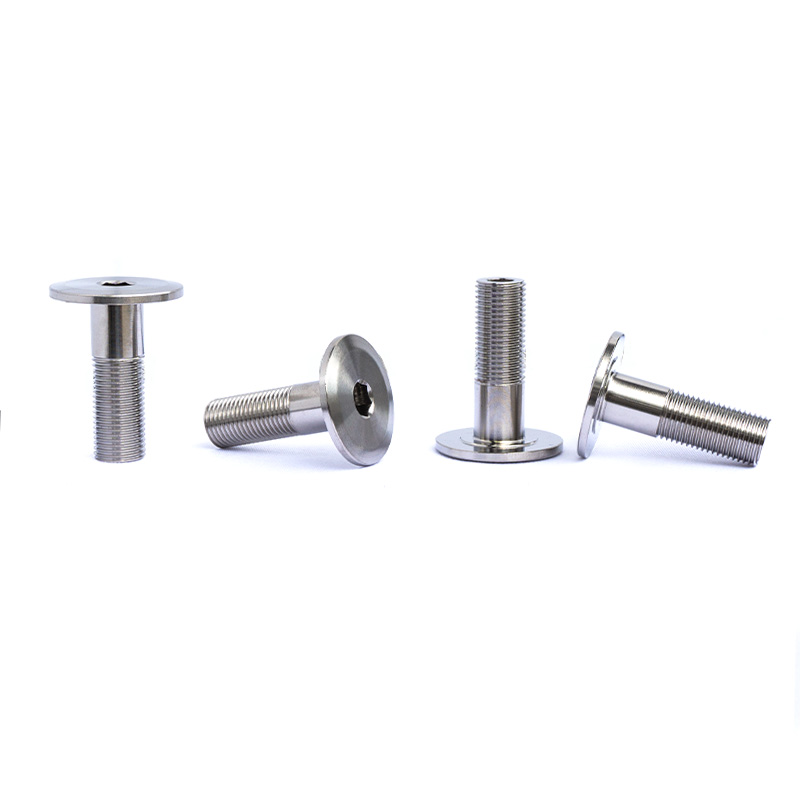
GR5 Titanium M10*1*33mm Large Flat Head Hex Socket Hollow Bolt
- Material
- Ti-6Al-4V (Grade 5)
- Dimension
- M10 × 1.0 × 33mm
- Tensile
- ≥ 895 - 950 MPa
- Process
- Hollow Gun Drilled
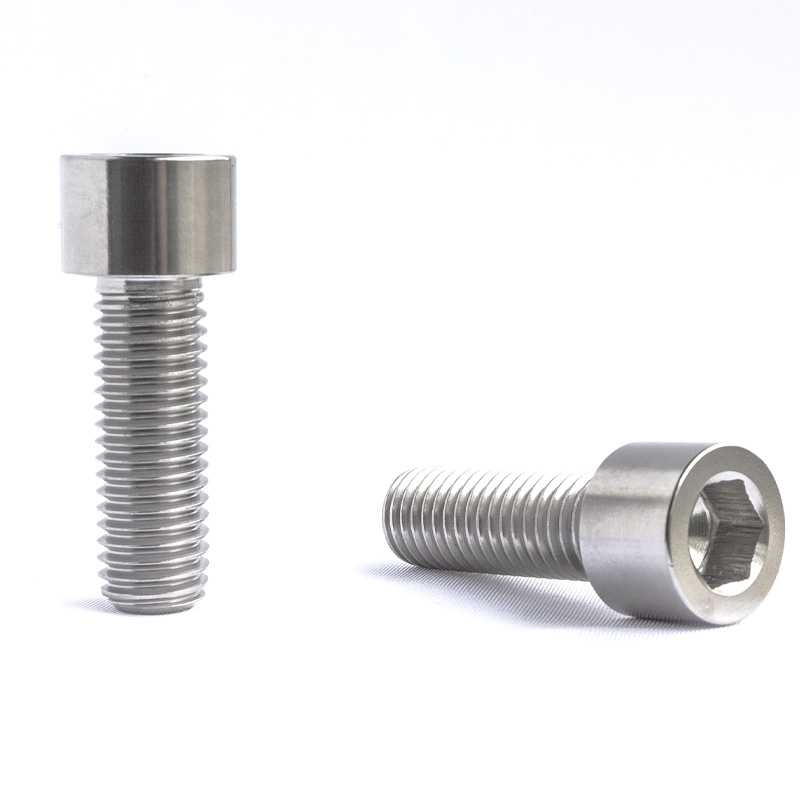
GR5 Titanium M12*45mm Cylindrical Cap Head Inner Hex Socket Screw
- Material
- Ti-6Al-4V Annealed
- Dimension
- M12 × 1.25/1.5 × 45mm
- Standard
- DIN 912 / ISO 4762
- Shear Yield
- ≥ 828 MPa
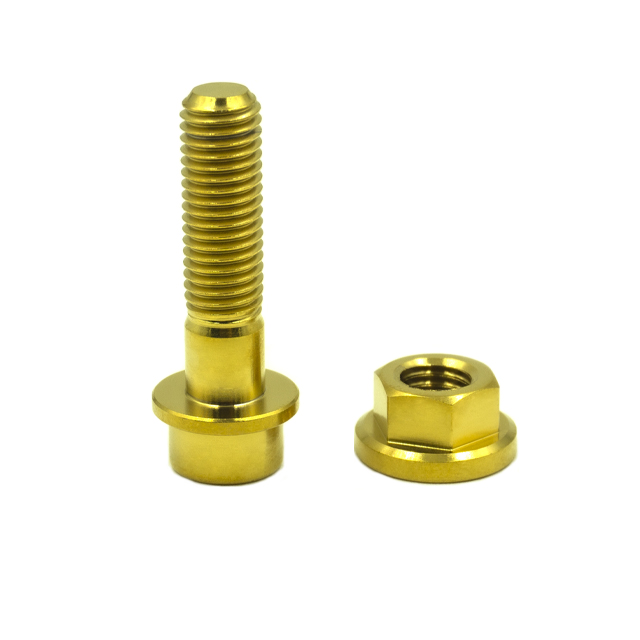
PSSTI GR5 Titanium Gold Flange Round Head Race Fastener M7*27mm
- Material
- Ti-6Al-4V Certified
- Thread
- M7 × 1.0 Pitch × 27mm
- Coating
- Vacuum TiN PVD Gold
- Tolerance
- 6g Thread Precision
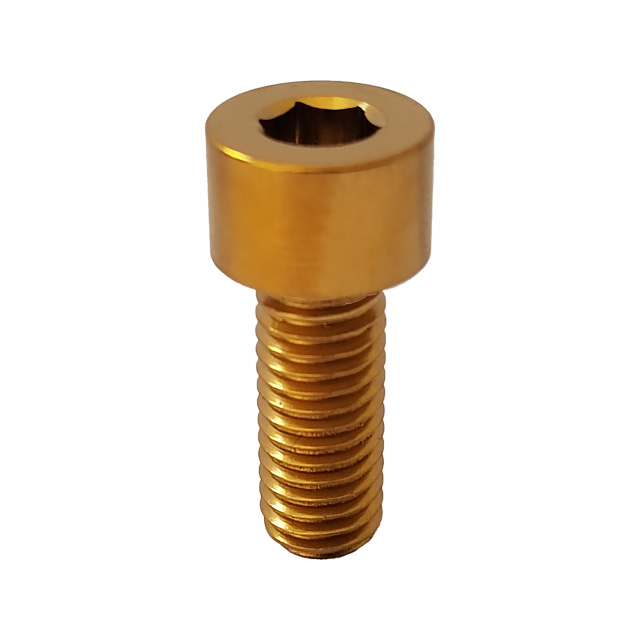
GR5 Titanium M10*30mm Golden Cylinder Head Cap Screws
- Material
- Ti-6Al-4V Aircraft Stock
- Size
- M10 × 1.25 × 30mm
- Surface
- Gold Anodized / PVD
- Density
- 4.43 g/cm³ (-44% vs steel)
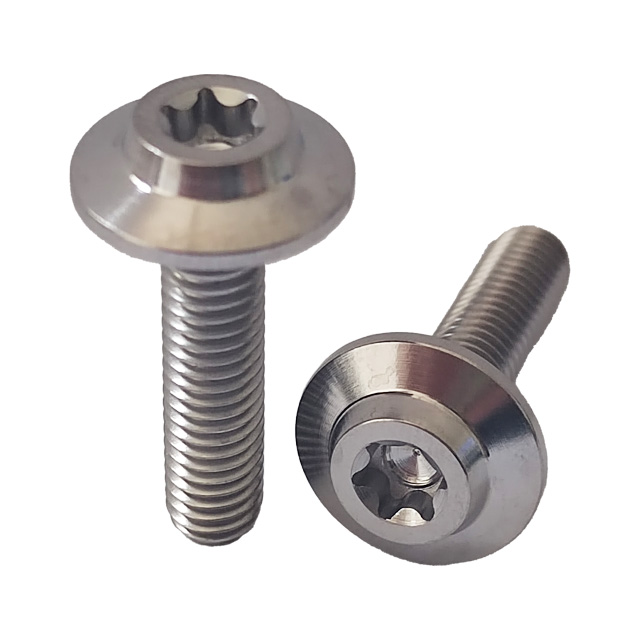
GR5 Titanium M6*25mm Umbrella Flange Head Inner Torx Bolt
- Drive
- Precision Torx T25/T30
- Flange OD
- Expanded Load Spreading
- Thread
- M6 × 1.0 Rolled Thread
- Proof Load
- ≥ 820 MPa
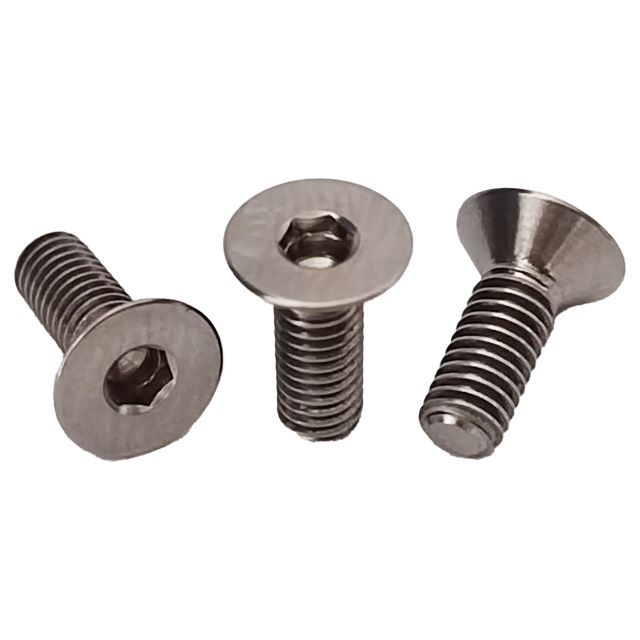
GR5 Titanium M8*20mm CNC Machined 90° Countersunk Flat Screw
- Standard
- DIN 7991 / ISO 10642
- Size
- M8 × 1.25 × 20mm
- Machining
- 5-Axis Swiss CNC Lathe
- Fatigue Life
- > 2 × 10&sup6; Cycles
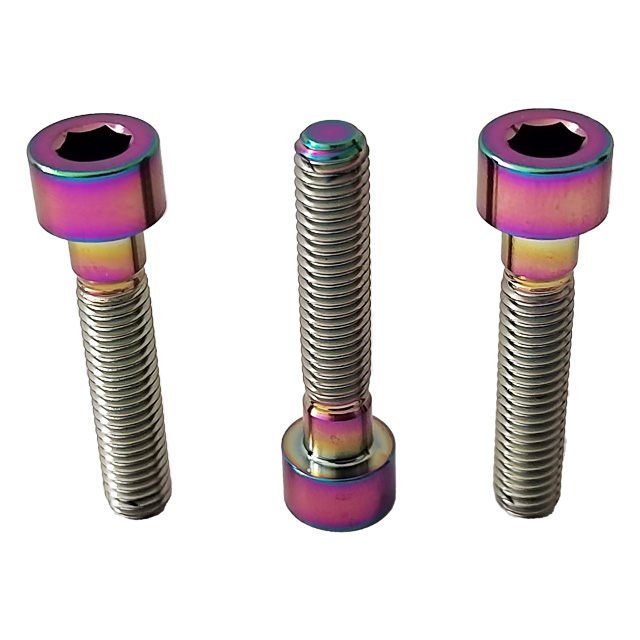
GR5 Titanium M8*40mm Anodized Colored Cylinder Head Allen Screw
- Finish
- Multi-Stage Type II Anodized
- Size
- M8 × 1.25 × 40mm
- Hardness
- HRC 32 - 38
- Application
- Suspension & Brake Clamps
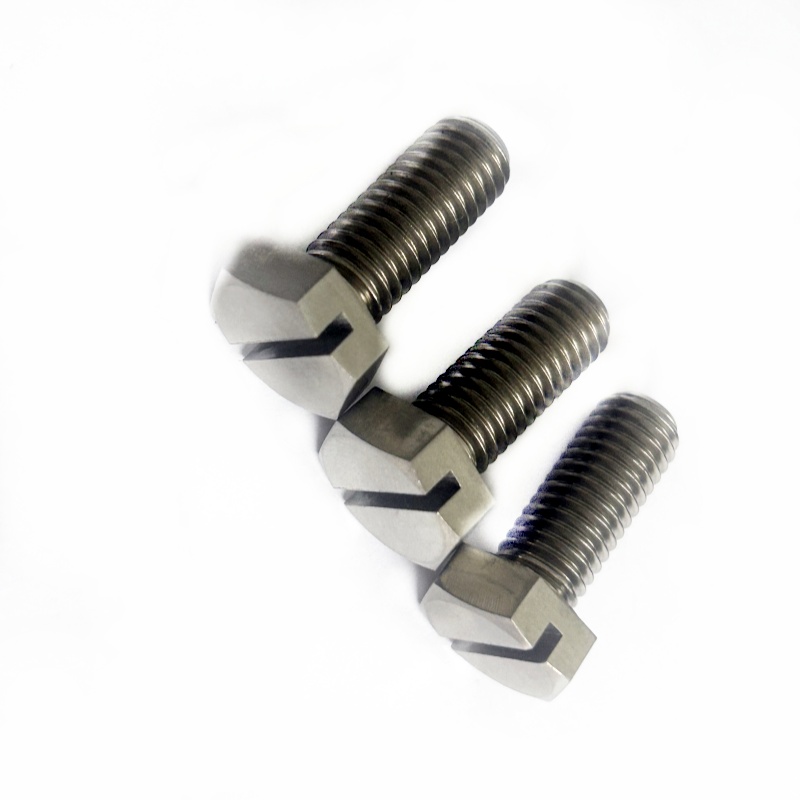
OEM Precision CNC Machined Slotted Hex Head Engineered Screw
- Drawing Spec
- Per Print / Custom Tolerancing
- Concentricity
- ± 0.005mm TIR
- Thread Runout
- ≤ 0.015mm
- Documentation
- Full MTR 3.1 & CMM Report
Engineering Grade Breakdown: From Billet to Finished Titanium Rod
As a leading Chinese primary processor and exporter, our Baoji manufacturing complex transforms sponge titanium into certified round bars, hex bars, and wire rods. Understanding alpha-beta crystal phase mechanics is critical for procurement precision.
| Titanium Grade | UNS / Standard | Nominal Chemistry | Tensile Strength (MPa) | 0.2% Yield (MPa) | Elongation (%) | Primary Industrial Sector |
|---|---|---|---|---|---|---|
| Grade 1 (CP4) | UNS R50250 / ASTM B348 | Unalloyed Ti (O ≤ 0.18%) | ≥ 240 | ≥ 170 | ≥ 24% | Electrochemical Anodes, Desalination Plate |
| Grade 2 (CP3) | UNS R50400 / ASTM B348 | Unalloyed Ti (O ≤ 0.25%) | ≥ 345 | ≥ 275 | ≥ 20% | Chemical Processing, Marine Heat Exchangers |
| Grade 5 (Ti-6Al-4V) | UNS R56400 / AMS 4928 | 6% Al, 4% V, Balance Ti | ≥ 895 - 1000 | ≥ 828 | ≥ 10% | Aerospace Fasteners, Automotive, Motorsport |
| Grade 23 (ELI Ti-64) | UNS R56401 / ASTM F136 | 6% Al, 4% V (Extra Low Interstitial) | ≥ 860 | ≥ 790 | ≥ 10% | Orthopedic Bone Screws, Surgical Implants |
| Grade 7 (Ti-0.15Pd) | UNS R52400 / ASTM B348 | Unalloyed Ti + 0.15% Palladium | ≥ 345 | ≥ 275 | ≥ 20% | Aggressive HCl / Chloride Chemical Valves |
| Grade 12 | UNS R53400 / ASTM B348 | 0.3% Mo, 0.8% Ni, Balance Ti | ≥ 483 | ≥ 345 | ≥ 18% | Elevated Temperature High Brine Equipment |
Microstructural Integrity
Our Vacuum Arc Remelting (VAR) dual-melt and triple-melt processing eliminates high-density inclusions (HDI) and hard alpha defects. Equiaxed alpha-beta microstructure ensures high cycle fatigue resistance exceeding 10&sup7; cycles without internal stress fracturing.
Centerless Precision Grinding
Every rod designated for CNC Swiss turning passes through precision centerless carbide grinding stages. We guarantee strict diametrical tolerances of ISO h7, h8, and h9 with surface roughness controlled down to Ra 0.4μm for effortless collet feeding.
Non-Destructive Testing (NDT)
100% of our bar stock undergoes immersion ultrasonic flaw detection conforming to AMS 2631 Class AA and Class A1 standards. Complete material traceability is backed by certified EN 10204 Type 3.1 Mill Test Certificates detailing optical spectrometry.
Why Global Buyers Rely on Navzo Precision in Baoji Titanium Valley
Founded on January 10, 2011, in the High-Tech Development Zone of Baoji (Shaanxi, China), Navzo Precision Titanium Products Co., Ltd. operates in the epicenter of the world's dense titanium smelting cluster. By eliminating multi-tier brokerage channels, we guarantee pure material traceability, rapid factory production cycles, and aggressive wholesale tier-1 export pricing.
-
Direct Smelting & Billet Chain: Proximity to primary sponge producers reduces procurement transit time and shields contracts from overseas secondary market speculation.
-
Integrated Cold Heading & CNC Facilities: From titanium rods to thread-rolled fasteners, our vertical integration reduces component cost by 25-35% compared to western job shops.
-
Comprehensive Surface Engineering: In-house multi-tank Type II anodizing, physical vapor deposition (TiN gold, DLC diamond-like carbon, burnt blue), and electropolishing.
-
Guaranteed 1-Hour SLA: Our dedicated export engineering desk provides technical drawing feasibility analysis and CIF/FOB pricing within 60 minutes across operating time zones.
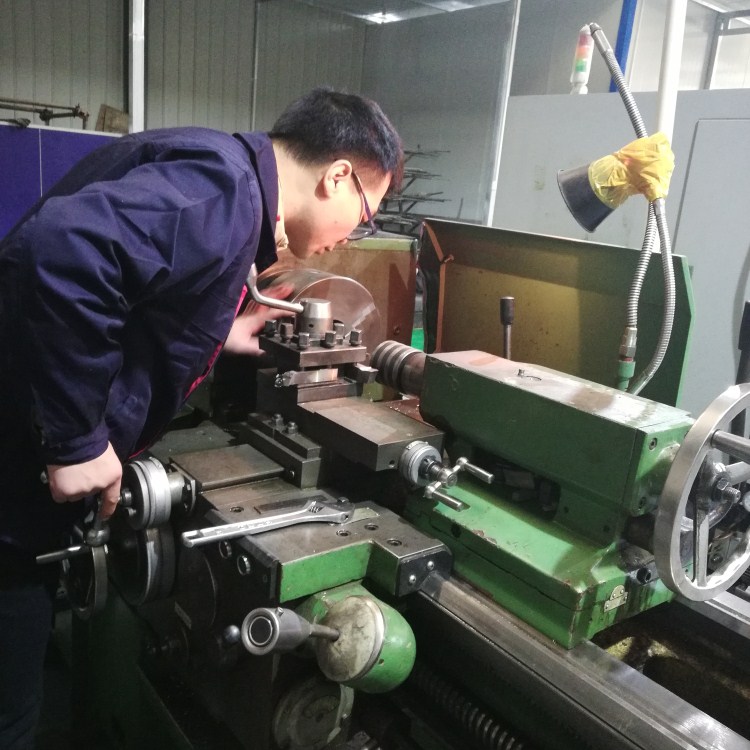
Macro Supply Chain Trends in Titanium Rod Procurement
Procurement directors and metallurgical buyers are navigating shifting trade routes, ESG mandates, and advanced material demands. Discover the 4 critical vectors shaping titanium bar and rod sourcing over the coming decade.
1. Primary Hub Near-Integration
Global supply chain fragility has prompted tier-1 automotive and aerospace firms to bypass secondary distributors in North America and Western Europe, choosing direct strategic alliances with vertically integrated primary producers in Baoji's Titanium Valley to guarantee uninterrupted mill allocations.
2. Closed-Loop Circular Remelting
With corporate Scope 3 decarbonization mandates, the adoption of Electron Beam Cold Hearth Remelting (EBCHR) is accelerating. Factories utilizing direct internal chip briquetting and certified scrap re-melting offer up to 40% lower embodied carbon footprints on Grade 5 rod production.
3. Near-Net-Shape Extrusion
To eliminate extreme raw material waste from machining cylindrical bars, procurement demand is shifting toward customized near-net-shape hot-extruded profiles and hex rods. This reduces machine cycle time by 45% and saves valuable cutting tool life when producing bespoke titanium fittings.
4. Digital MTR & Micro-Traceability
Aerospace defense primes now demand lot-specific QR-linked Mill Test Reports embedded directly into crate packaging. Buyers verify ingot heat numbers, ultrasonic immersion logs, and chemistry certificates on automated ERP platforms before port unloading occurs.
Next-Generation Titanium Alloy & Processing Innovations
How cutting-edge metallurgical engineering is solving the traditional friction, high-temperature creep, and galling hurdles associated with titanium rod stock.
Severe Plastic Deformation (SPD)
By applying Equal Channel Angular Pressing (ECAP) to commercial titanium bars, our metallurgical partners achieve Ultra-Fine Grain (UFG) and nanostructured grain boundaries. This increases yield strength by over 30% in Grade 4 CP rods, matching Grade 5 strength without requiring potentially toxic vanadium in biomedical implants.
Near-Alpha High-Temp Alloys
The rapid expansion of commercial hypersonic programs and clean aviation turbines has intensified the demand for titanium alloys that withstand continuous service above 550°C. We are expanding bar extrusions in Ti-6242 (Ti-6Al-2Sn-4Zr-2Mo) and IMI 834 to replace heavier nickel superalloys in gas turbine compressor stages.
Engineered Anti-Galling Treatments
Due to titanium's low thermal conductivity and high friction coefficient, threaded fasteners machined from rod historically experienced galling or thread seizure. Our advanced thermal oxidation, deep nitrogen ion implantation, and physical vapor deposition (PVD) provide micro-hard ceramic skins (>2500 HV) that eliminate cold-welding tendencies permanently.
Frequently Asked Questions by Titanium Procurement Specialists
Direct technical answers from Navzo's Chief Metallurgical Engineer and International Logistics Desk.