High-Performance GR5 Fasteners & Machined Titanium Parts
Engineered to aerospace tolerances (ISO 965 Class 6g/4h), utilizing certified Ti-6Al-4V billets. Each fastener features cold-rolled threads for enhanced fatigue life and high-temp resistance.
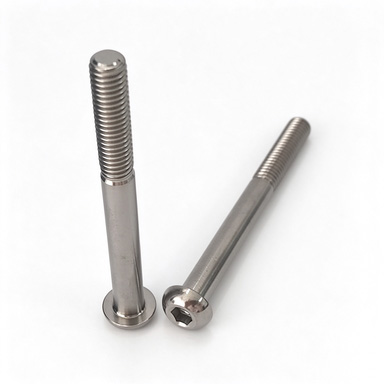
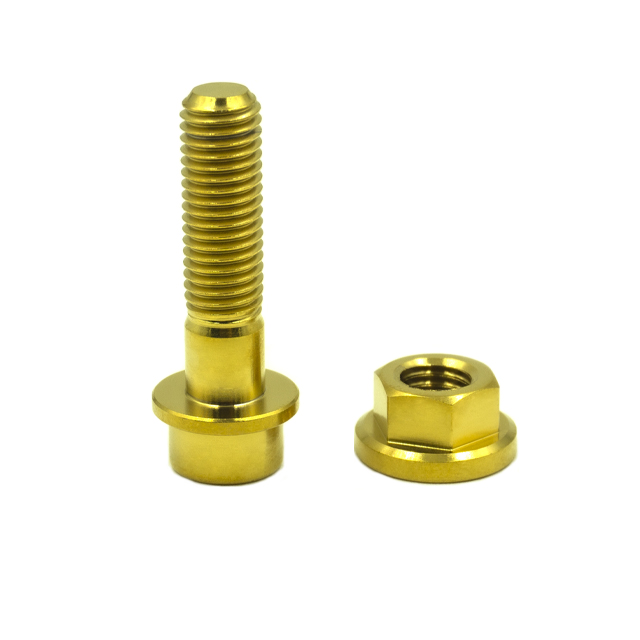
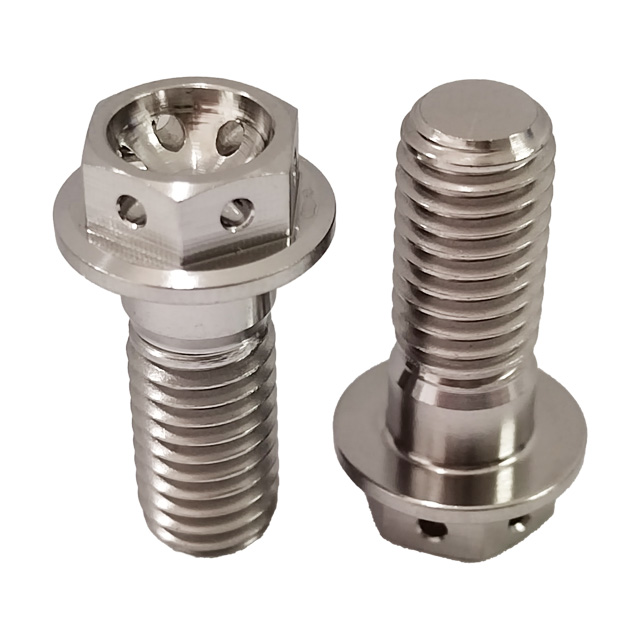
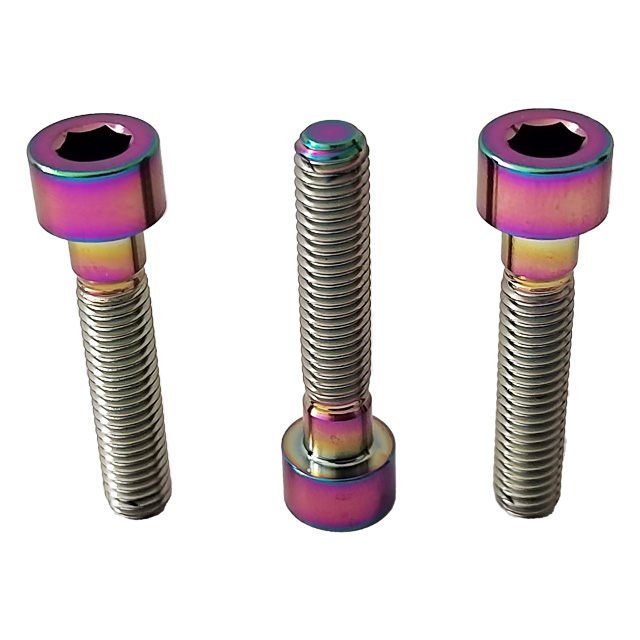
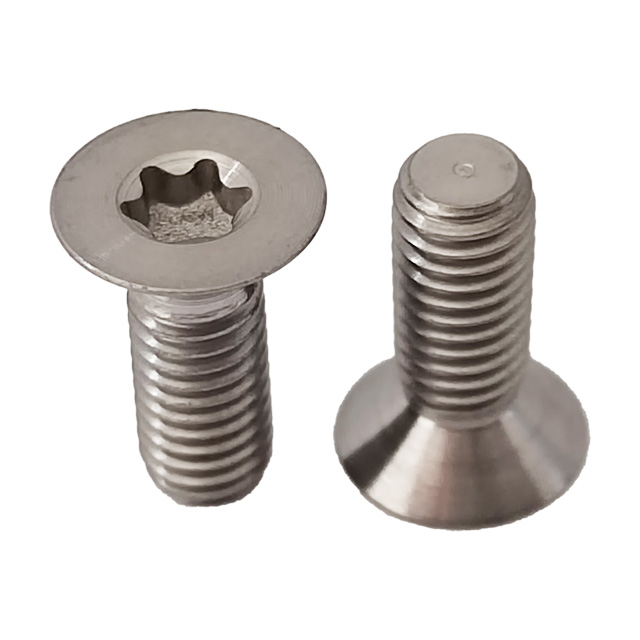
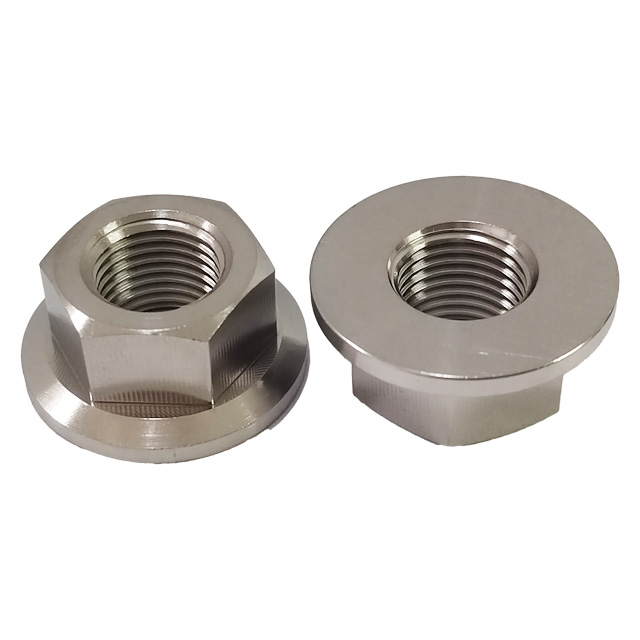
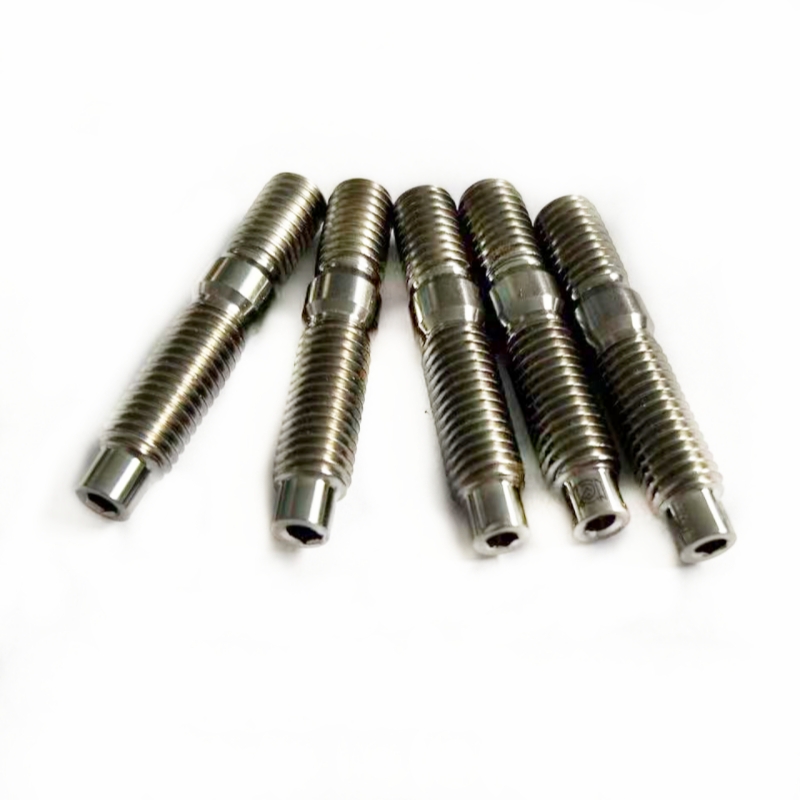
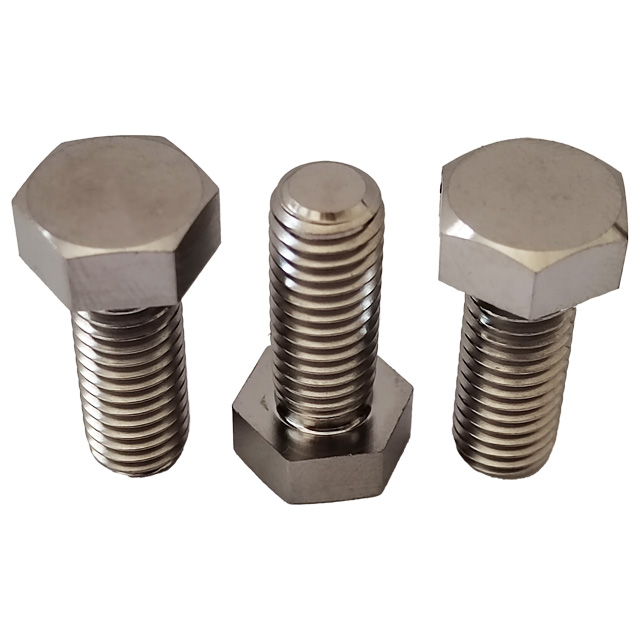
The Engineering Case for Precision Ti-6Al-4V in High-Stress Assemblies
A rigorous examination of grain flow integrity, yield strength-to-density dynamics, and thread rolling science for modern mechanical procurement specialists.
In contemporary mechanical engineering, transition from traditional stainless steels (such as AISI 316L and 17-4PH) or high-tensile alloy steels (Class 10.9 and 12.9) to Grade 5 Titanium (Ti-6Al-4V, UNS R56400, W.Nr. 3.7165) is no longer solely driven by uncompromised weight reduction. While the 44% density advantage (4.43 g/cm³ for GR5 versus 7.85 g/cm³ for alloy steel) remains vital in aerospace, unsprung automotive assemblies, and performance robotics, procurement engineers prioritize titanium precision parts for their exceptional specific strength, superior resistance to cyclic fatigue, and galvanic compatibility when paired with Carbon Fiber Reinforced Polymers (CFRP).
Unlike austenitic stainless steels, which suffer catastrophic localized pitting and chloride-induced stress corrosion cracking in aggressive marine and high-heat environments, titanium naturally forms an instantaneous, tenacious, self-healing rutile-anatase oxide film (TiO₂). This barrier provides total immunity against biological attack, galvanic corrosion in sea spray, and oxidative decomposition at temperatures reaching 400°C.
At Navzo Precision Titanium, the manufacturing paradigm leverages Baoji’s world-renowned raw material base. Using only double-melt vacuum arc remelted (VAR) bars, our CNC precision workshops ensure exact concentricity (TIR ≤ 0.010 mm) and flank angle accuracy. When fasteners undergo high-speed thread rolling, compressive residual stresses are permanently induced into the thread roots. This physical compression eliminates notch sensitivity, preventing micro-crack initiation under dynamic transverse vibration—a frequent point of failure in high-speed reciprocating engines and aerospace flight surfaces.
| Alloy & Heat Condition | Density (g/cm³) | Yield Strength (MPa) | Tensile Strength (MPa) | Specific Strength (kN·m/kg) | Elastic Modulus (GPa) | Corrosion Resistance |
|---|---|---|---|---|---|---|
| Navzo GR5 Titanium (Annealed) | 4.43 | 828 | 895 - 1000 | 202 | 114 | Exceptional (Passivated TiO₂) |
| Pure Titanium GR2 (Commercially Pure) | 4.51 | 275 | 345 | 76 | 105 | Superior (Non-structural) |
| Alloy Steel Grade 12.9 (Quenched & Tempered) | 7.85 | 1100 | 1220 | 155 | 205 | Poor (Requires Plating) |
| Austenitic Stainless A2-70 (AISI 304) | 7.90 | 450 | 700 | 88 | 193 | Moderate (Pitting Prone) |
| Precipitation Hardened 17-4PH (H900) | 7.80 | 1170 | 1310 | 167 | 196 | High |
Future Procurement Trends in Titanium Precision Parts
Global supply chains are shifting toward lean, lot-traceable, and digitally validated titanium manufacturing. How chief procurement officers (CPOs) will navigate the 2026–2030 sourcing roadmap.
Additive-Subtractive Hybridizing
Procurement is diverging from massive billet hog-outs. Near-net-shape Laser Powder Bed Fusion (LPBF) followed by 5-axis high-speed milling dramatically cuts buy-to-fly ratios from 8:1 down to 1.4:1.
- Reduces raw material scrap cost by 60%
- Enables internal conformal cooling galleries
- Shortens production lead time on prototypes
Digital Traceability & Material Passports
Tier-1 aerospace and surgical robotics contracts mandate end-to-end provenance. Every bar's sponge origin, double-vacuum remelting curve, and ultrasonic inspection is codified digitally.
- Instant EN 10204 3.1 & 3.2 cert retrieval
- AMS 4928 & ASTM F136 verified tracking
- Zero risk of unapproved secondary scrap
Near-Net Cold Heading Dominance
Rising power costs favor cold deformation over 100% CNC turning for high-volume standard bolts. Modern cold-heading machinery shapes GR5 wire at ambient temperatures, reducing unit costs.
- Tensile load-bearing grain alignment
- Production output: 120 pcs/minute
- Significant price drop on M3-M8 runs
High-Entropy & Beta-Ti Upgrades
For extreme motorsport valvetrain and deep-sea exploration, Ti-6Al-4V is increasingly augmented with near-beta alloys (e.g., Ti-10V-2Fe-3Al) offering yield strengths exceeding 1200 MPa.
- Higher shear yield under heavy torque
- Exceptional fracture toughness
- Enhanced cryogenic ductility
Need Custom Titanium Precision Machining To Print?
Our engineering review evaluates tool clearance, thread roll limits, and raw material batch allocation within 1 hour. Upload your 2D/3D STEP, DWG, or PDF specifications.
Precision Manufacturing & Machining Advances
Titanium’s low thermal conductivity (7.2 W/m·K) and strong chemical reactivity historically created extreme tool wear. Recent breakthrough manufacturing methodologies eliminate these bottlenecks.
Cryogenic CNC Milling
Supercritical CO₂ and liquid nitrogen (LN₂) deliver deep cooling straight to the tool-chip interface, suppressing chip welding and enabling cutting speeds over 120 m/min without altering workpiece temper.
Micro-Arc Oxidation (MAO)
Surpassing standard cosmetic color anodizing, MAO grows a thick, diamond-hard ceramic coating (Al₂TiO₅) in situ, elevating surface hardness to >1200 HV while neutralizing titanium galling.
PVD Magnetron Sputtering
Applying nanoscale Diamond-Like Carbon (DLC) and Titanium Aluminum Nitride (TiAlN) thin-films under ultra-high vacuum lowers the friction coefficient to 0.12, allowing dry torque cycling.
High-Precision UNJ Thread Profiles
Standard 60-degree V-threads produce sharp root notches prone to fatigue fracture. Modern aerospace fasteners employ UNJC and UNJF controlled root radiuses (0.1501p to 0.1804p) to maximize fatigue life.
Why Tier-1 Engineers Source From Navzo Precision Titanium
Rooted in China’s Titanium Capital (Baoji), Navzo combines direct metallurgical mill control with high-precision machining, offering transparent production and audited quality assurance.
Baoji Titanium Valley Nexus
Located on Yucai Road, High-tech Development Zone, Baoji, Shaanxi, Navzo sits at the epicenter of 80% of China's titanium sponge and forging capacity. This provides stable raw material access and insulated pricing against global billet volatility.
Integrated Production Continuum
From high-speed multi-station cold heading and CNC turn-milling centers to precision cylindrical grinding, rolled threaders, and in-house PVD/anodizing lines, our end-to-end control eliminates contractor markups and lead-time delays.
Rigorous Metrology & Quality QA
Every production run undergoes 100% thread Go/No-Go gage testing (6g and 4h tolerances), optical comparator profile analysis, Rockwell/Vickers hardness validation, and coordinate measuring machine (CMM) dimensional verification.
Full Material Provenance (MTR)
All Grade 5 Ti-6Al-4V shipments include complete EN 10204 3.1 Mill Test Reports detailing chemical composition (including interstitial elements: C, Fe, O, N, H) and mechanical yield, tensile, and elongation certifications.
1-Hour Technical RFQ Turnaround
Our engineering team reviews 2D/3D CAD models (STEP, IGES, DWG, PDF) within 60 minutes during standard operating hours, providing comprehensive Design for Manufacturability (DFM) feedback and competitive factory pricing.
Proven Global Export Portfolio
Since 2011, Navzo has continuously supplied top aftermarket brands, aerospace Tier-2 suppliers, and competitive racing teams across the USA, Germany, Japan, South Korea, Russia, the Netherlands, and Thailand.
Frequently Asked Questions on Titanium Parts Sourcing
Direct technical answers addressing galling mitigation, galvanic isolation, tightening torque calculations, and custom OEM manufacturing.
Connect Directly With Baoji's Titanium Engineering Team
Skip trading house markups. Access mill-traceable Grade 5 fasteners, rapid drawing feedback, and dependable export production schedules.