High-Torque Titanium Brake Caliper & Critical Fasteners
Engineered to eliminate rotational unsprung mass, resist extreme cyclic thermal shock, and deliver ultimate shear strength for high-performance automotive and motorcycle braking assemblies.
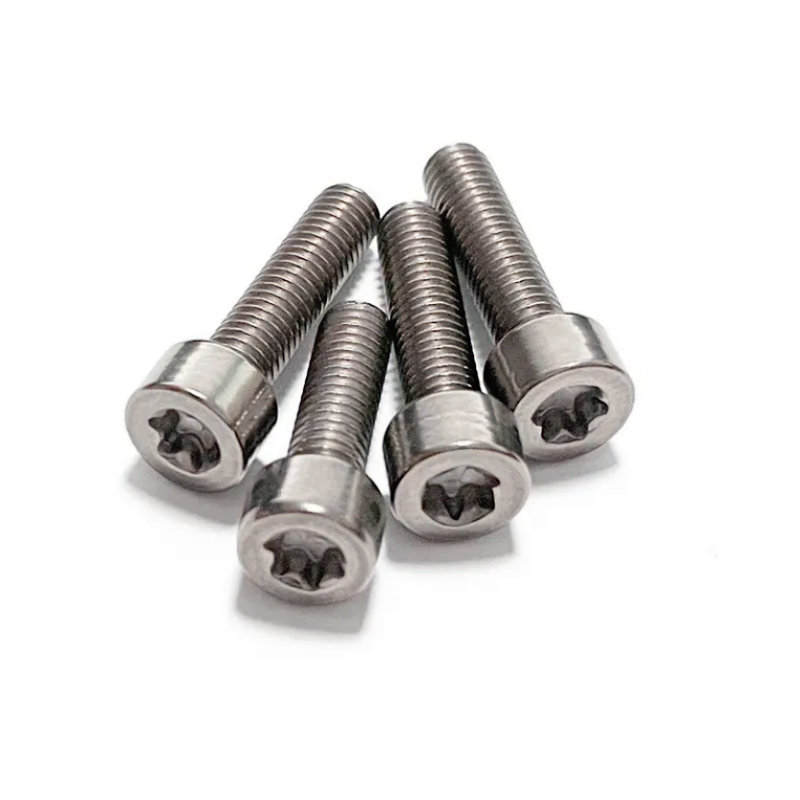
Gr5 Titanium Screws Titanium T30 Torx Bolts
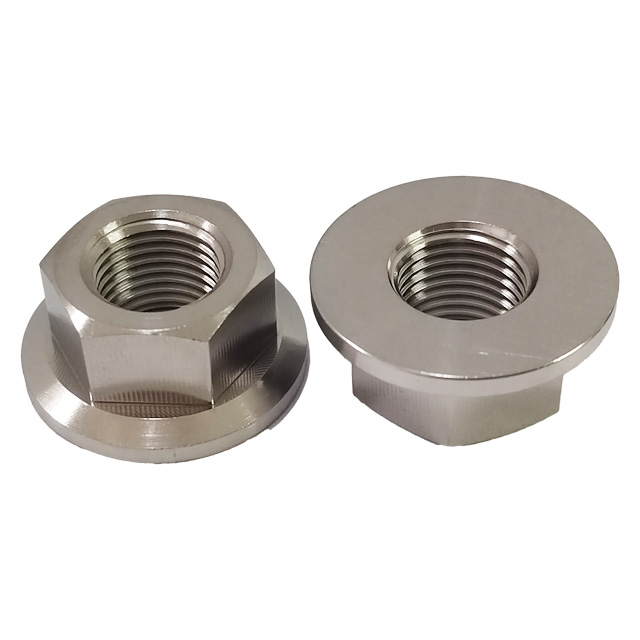
GR5 Titanium Nuts M12*1.5 High Strength Hex Flange
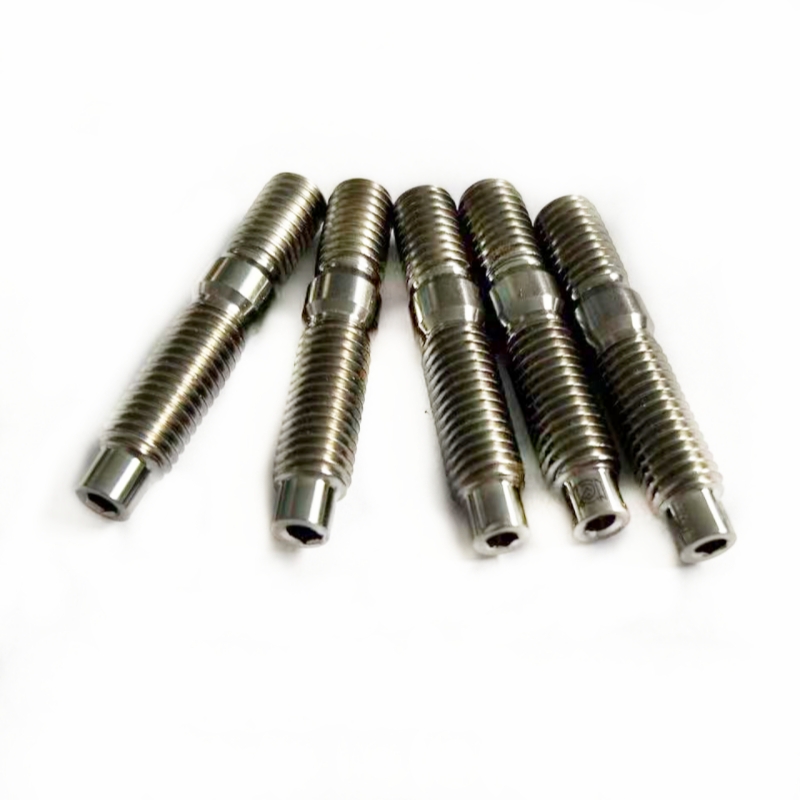
GR5 Titanium Stud Bolt Polished M8*1.25*45
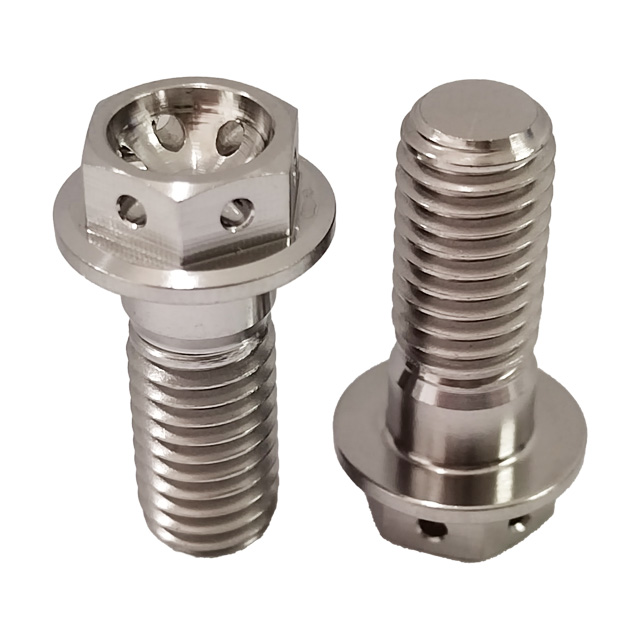
GR5 Titanium Hex Flange Drilled Safety Bolts M8*20mm
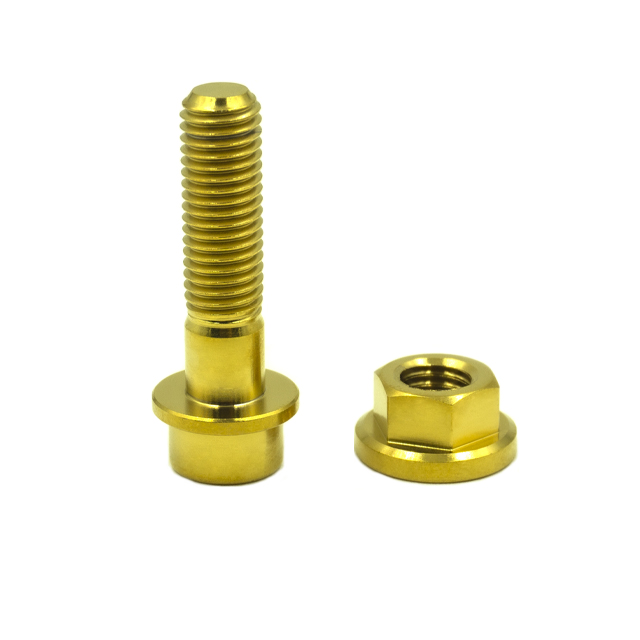
PSSTI GR5 Titanium Gold Flange Bolts M7*27
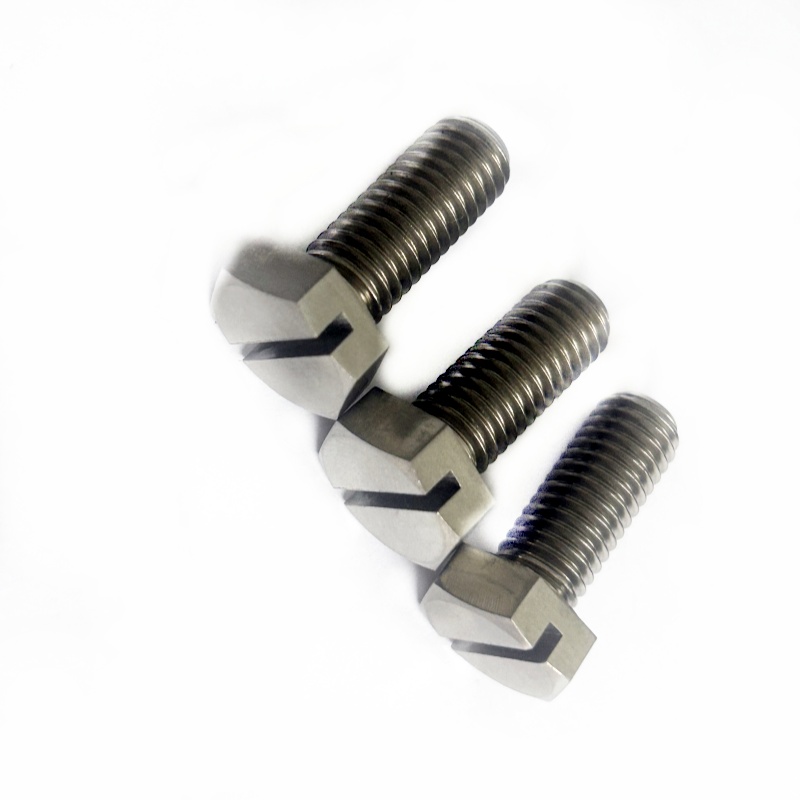
OEM Precision CNC Machined Slotted Hex Titanium Screw
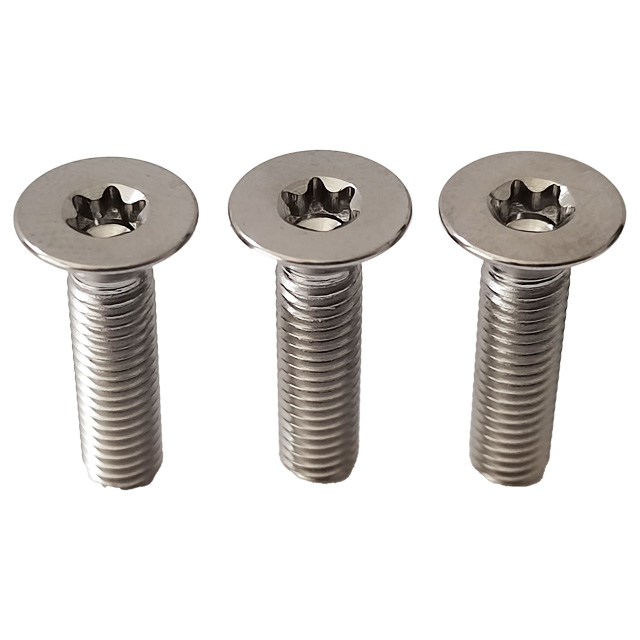
GR5 Titanium Countersunk Hex Socket Bolts M5*20mm
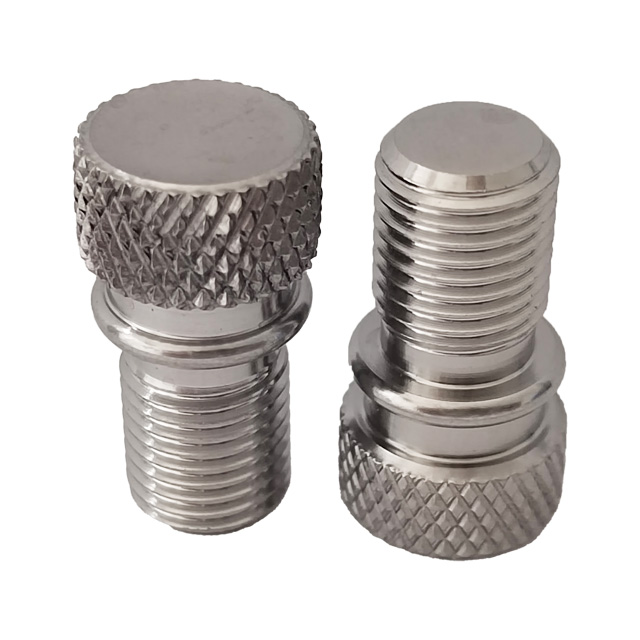
GR5 Titanium Knurled Cylindrical Bolts M9*1.0*12mm
Engineering Critical Fastening: Why Grade 5 Titanium Dominates Caliper Architecture
Braking systems operate at the violent intersection of extreme kinetic friction, rotational shear loads, dynamic thermal cycles, and unsprung harmonic vibration.
In high-performance automotive and motorcycle applications, brake calipers are the primary gatekeepers of dynamic control. When squeezing carbon-ceramic or cast-iron rotors at speeds exceeding 250 km/h, brake calipers experience tremendous hydraulic reaction forces that attempt to flex and separate radial mounting brackets from the steering knuckles or fork bottoms. Fastener deflection under braking generates pad taper, spongy pedal feedback, and in worst-case fatigue scenarios, catastrophic mounting failure. For decades, OEM manufacturers relied on Grade 10.9 or 12.9 alloy steel bolts. However, standard steel fast-tracks unsprung rotational inertia, suffers from hydrogen embrittlement when plated, and rapidly corrodes under aggressive road de-icing salts and brake dust wash-down.
Kinematic Dissipation, Unsprung Mass & Thermal Expansion Compatibility
Navzo Precision Titanium manufactures high-performance caliper bolts utilizing aerospace-standard Ti-6Al-4V (Grade 5, UNS R56400). With a strict nominal chemical composition of 6% Aluminum, 4% Vanadium, and balanced high-purity Titanium sponge, our alloy delivers a density of just 4.43 g/cm³ compared to 7.85 g/cm³ for structural alloy steel—a direct mass saving of 43.5%. Because brake calipers reside directly at the unsprung hub corner, every gram eliminated yields a compound benefit in suspension rebound damping responsiveness, transient cornering tracking, and rotational gyroscopic stabilization.
Furthermore, caliper thermal kinetics play a pivotal role. Sustained braking pushes caliper temperatures upward of 260°C (500°F). Titanium's thermal conductivity (approx. 6.7 W/m·K) is significantly lower than that of steel (approx. 50 W/m·K), effectively serving as a thermal barrier between scorching brake caliper housings and sensitive magnesium steering knuckles or electronic wheel-speed sensors. Moreover, the coefficient of thermal expansion (CTE) of Grade 5 Titanium (8.6 × 10⁻⁶/K) closely aligns with cast or forged aluminum calipers (approx. 21–23 × 10⁻⁶/K) far more harmoniously than stainless steels, preserving critical bolt clamp preload across rapid temperature cycles without thread loosening or micro-galling.
| Fastener Material | Density (g/cm³) | Tensile Strength (MPa) | Yield Strength (MPa) | Fatigue Limit Cycles | Corrosion Resistance | Structural Assessment |
|---|---|---|---|---|---|---|
| Ti-6Al-4V (Navzo Grade 5) | 4.43 | 950 – 1050 | 880 – 920 | >10⁷ (Cold Rolled Thread) | Immune to Cl⁻ / Road Salts | Optimal Benchmark |
| Grade 10.9 Carbon Steel | 7.85 | 1040 | 940 | ~10⁶ (Cyclic Stress) | Prone to Galvanic Rust | Excess Mass / Rust Risk |
| Grade 12.9 Alloy Steel | 7.85 | 1220 | 1100 | Susceptible to Notch Failures | Severe Rust without Plating | Hydrogen Embrittlement Risk |
| A2-70 / 304 Stainless Steel | 7.93 | 700 | 450 | Low (Creep at >300°C) | Moderate Resistance | Unsafe for Caliper Mounting |
Crucial Metallurgical Safety Note: Thread Rolling vs. Thread Cutting
Navzo strictly prohibits lathe-cut threads on mission-critical brake caliper mounting hardware. Lathe single-point cutting tears into the continuous longitudinal grain flow lines of the extruded titanium bar, producing microscopic notch stress raisers that initiate fatigue cracks under cyclic braking pulsation. All Navzo Grade 5 caliper bolts feature cylindrical die cold-rolled threads conforming to UNJ / ISO aerospace specifications. Cold forming compresses the grain flow structure into a seamless, highly work-hardened contour along thread roots, increasing high-cycle fatigue threshold by more than 320%.
Why Tier-1 Importers & Race Teams Source From Navzo
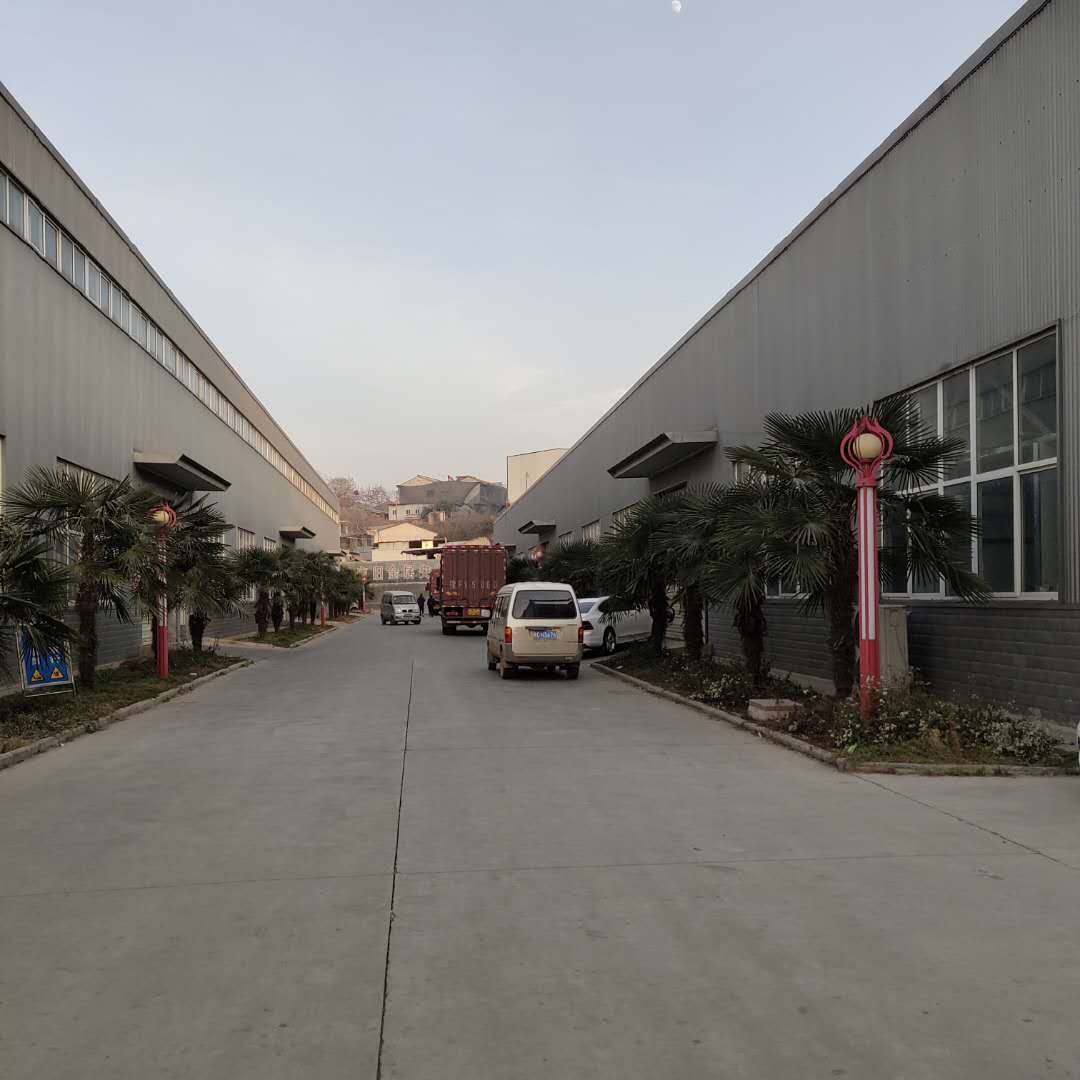
Operating from Baoji, China's internationally recognized "Titanium Valley," Navzo Precision Titanium integrates vacuum raw-stock metallurgy, precision machining, cold heading, and advanced PVD deposition under a unified ISO9001 quality framework.
100% Certified Baoji Titanium Ingot
We eliminate unregulated metal brokerages. Our titanium bars originate exclusively from verified vacuum consumable arc remelted (VAR) ingots with 100% material chemical mill test certificates (MTR) conforming to ASTM B348 and aerospace AMS 4928 standards.
Multi-Axis Precision CNC Infrastructure
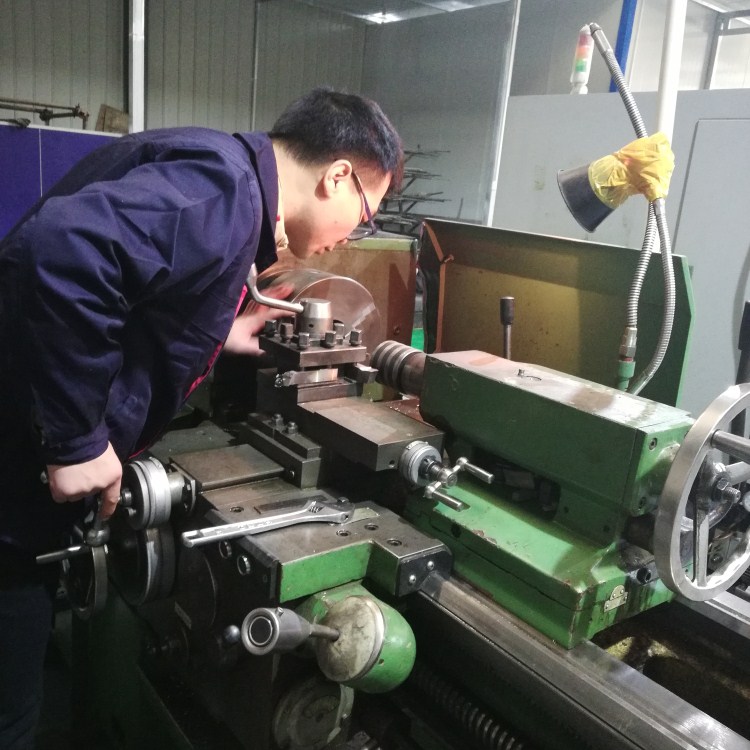
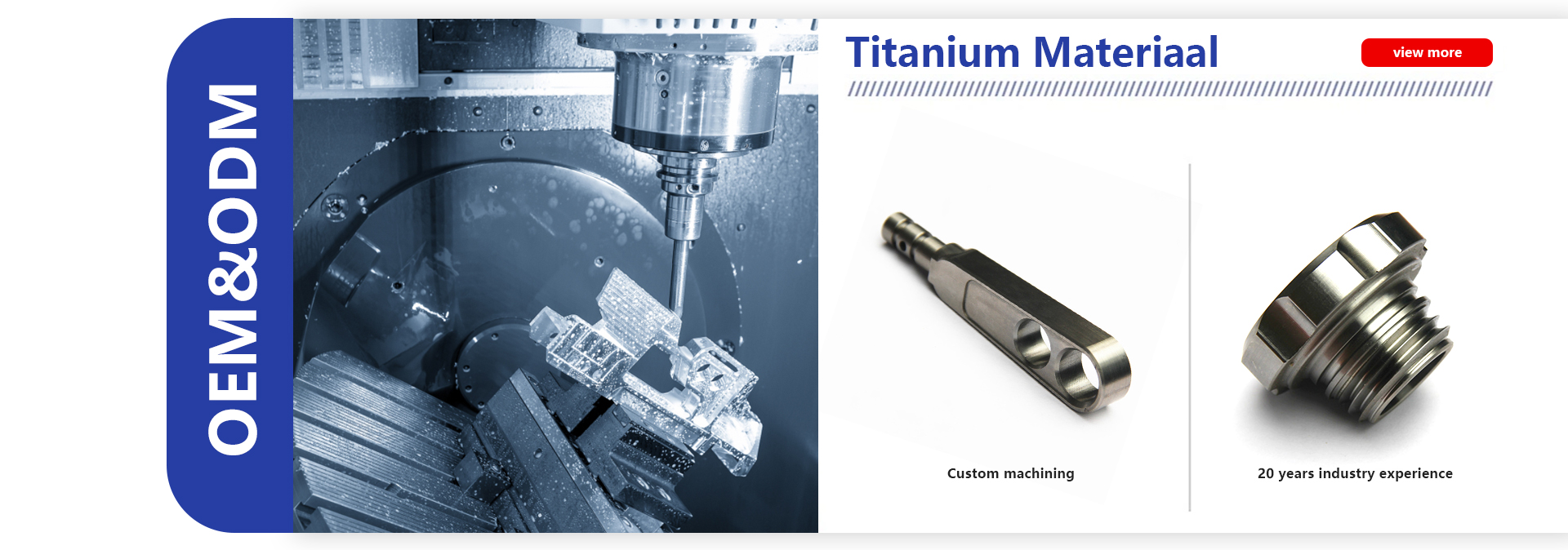
Equipped with high-rigidity 5-axis and 7-axis Swiss CNC turning centers, automatic heading stations, and specialized hydraulic thread rolling equipment. We machine intricate radial caliper mount configurations with runout tolerances held inside ±0.005mm.
Aerospace PVD Vacuum Deposition
Beyond traditional electrochemical anodizing, Navzo offers high-hardness Physical Vapor Deposition (PVD) finishes including Titanium Nitride (TiN Gold), Diamond-Like Carbon (DLC Black), and Burnt Flame Blue. Coatings enhance scratch resistance and prevent thread micro-fretting.
100% Pre-Shipment Optical Metrology
Zero-defect export policy. Every batch of caliper fasteners passes automated optical projection sizing, pitch gauge verification, torque destructive pull tests, and ultrasonic flaw checks to eliminate interior forging voids before dispatch.
Global Tier-1 Export Logistics
Serving aftermarket distributors, performance brake kit builders, and racing workshops across the US, Germany, UK, Japan, Australia, and 30+ nations. Direct DDP/FOB terms with custom blister packaging, laser part-marking, and barcoding.
Rapid Prototype to Mass Production
Send 2D engineering prints or 3D STEP files. Our senior mechanical tooling engineers provide Design for Manufacturability (DFM) reviews within 1 hour, delivering functional evaluation samples in as fast as 5 working days.
Emerging Industry & Procurement Dynamics in Braking Fasteners
Strategic purchasing managers are fundamentally re-evaluating fastener specifications as electric vehicle architectures, regenerative braking dynamics, and supply chain ESG standards transform the global hardware ecosystem.
1. Electric Vehicle (EV) Unsprung Mass Aggression
Battery electric vehicles (BEVs) carry 25% to 40% more curb weight than internal combustion predecessors, placing extreme cyclical brake torque demands on calipers. To counteract vehicle mass and preserve driving range, Tier-1 automotive engineering teams are converting standard steel hub, suspension, and caliper chassis hardware to Grade 5 titanium, capturing double-digit unsprung weight reductions without structural compromise.
2. Direct-to-Factory Dual Sourcing Mandates
European and North American performance brands are systematically bypassing regional trade intermediaries. Global geopolitical fluctuations and shipping lead-time volatility drive procurement directors toward direct supply agreements with certified Baoji factories like Navzo, securing raw-material cost hedging, guaranteed volume allocations, and transparent material origin traceability.
3. Near-Net-Shape Hot Forged Head Tooling
Subtractive machining from solid hexagonal bar stock generates up to 60% scrap swarf, elevating the "Buy-to-Fly" cost ratio. The industry trend heavily favors high-speed induction warm-heading of bolt heads followed by precision CNC shank finishing. This technological evolution conserves raw titanium stock, improves structural tensile grain lines around bolt flanges, and delivers lower unit prices for high-volume purchasing contracts.
4. Drive Architecture Evolution: Torx & 12-Point
Traditional internal hex (Allen) drive sockets are rapidly losing OEM favor on caliper mounting assemblies due to cam-out failures at high installation torques. Modern procurement specifications demand internal Torx (T40, T45) or aerospace-style external 12-point (double hex) flange designs, allowing automated factory robotic nut-runners to apply precise clamping preloads without driver slippage or head stripping.
Frequently Asked Questions by Industrial Sourcing Teams
In-depth technical answers addressing galvanic compatibility, torque calibration, surface treatments, and custom OEM manufacturing parameters.
What specific torque value should be applied to Grade 5 Titanium caliper bolts compared to OEM steel?
How does Navzo mitigate galvanic corrosion between titanium caliper bolts and aluminum uprights or calipers?
Why is thread galling a concern with titanium fasteners, and how is it prevented in production?
What is the difference between Navzo's PVD coatings and traditional electrochemical anodizing?
Can Navzo customize caliper bolts according to proprietary race team prints or aftermarket drawings?
What quality assurance certificates and documentation accompany export shipments?
Partner with Baoji's Premier Titanium Caliper Bolts Manufacturer
Whether you require standard race-drilled M8/M10 caliper bolts in stock quantities or complete proprietary custom OEM production runs from technical drawings, our engineering team responds within one hour with full DFM analysis, lead times, and factory-direct volume quotes.